

- 110 Views
- 21 Min Read
- (0) Comment
Africa's protected-area tourism shows a clear concentration pattern. Across a continent-wide dataset covering 34 African countries, the median protected area received only 2,726 visitors a year. Just 33.0% attracted more than 10,000 annual visitors, and 7.8% exceeded 100,000, according to this continent-wide analysis of protected-area visitation. Table Mountain National Park and Kruger National Park, both in South Africa, averaged 2.4 million and 1.5 million visitors respectively.
That concentration makes a region-by-region approach more useful than a list of famous safari parks. Southern Africa brings together waterfalls, river corridors, inland wetlands, desert-edge scenery, wildlife reserves, indigenous knowledge, and walking experiences. Well-known sites provide reliable anchors, while less-visited attractions can offer more time, stronger interpretation, and a slower pace.
International demand has also recovered strongly. UN Tourism reported that international arrivals in Africa reached 96% of pre-pandemic levels in 2023, compared with a global recovery of 88%. This guide from Maximum Adventure Trails focuses on Southern Africa, especially Zimbabwe and Botswana, pairing each attraction with practical planning details and sample itineraries. The aim is to match the destination, activity mix, and trip length to the journey you want.
Table of Contents
- 1. Victoria Falls Safari and Adventure
- 2. Zimbabwe Adventure Activities
- 3. Hwange National Park Big Five Safari
- 4. Okavango Delta Mokoro and Water Safari
- 5. Chobe National Park Elephant and River Safari
- 6. Moremi Game Reserve Wildlife and Water Experience
- 7. Cultural and Indigenous Tourism
- 8. Photography and Film Location Tourism
- 9. Multi-Day Trekking and Wilderness Walking Safaris
- Comparison of 9 African Tourism Attractions
- Plan Your Southern Africa Journey
1. Victoria Falls Safari and Adventure
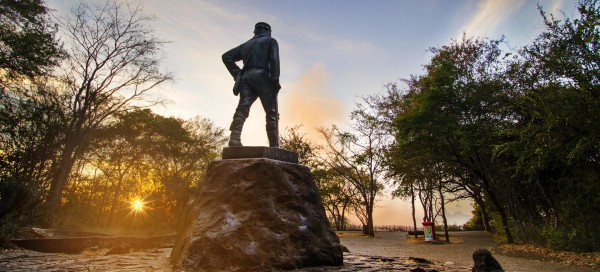
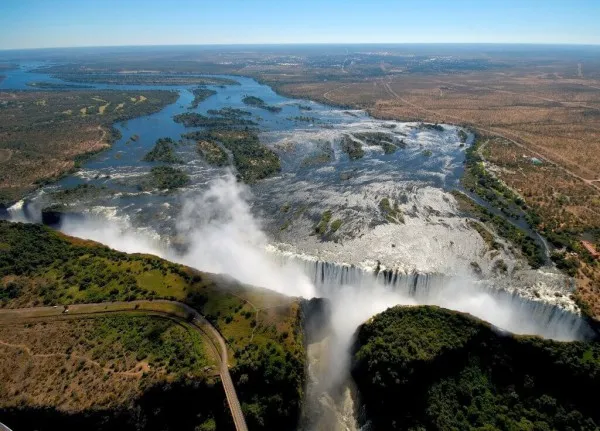
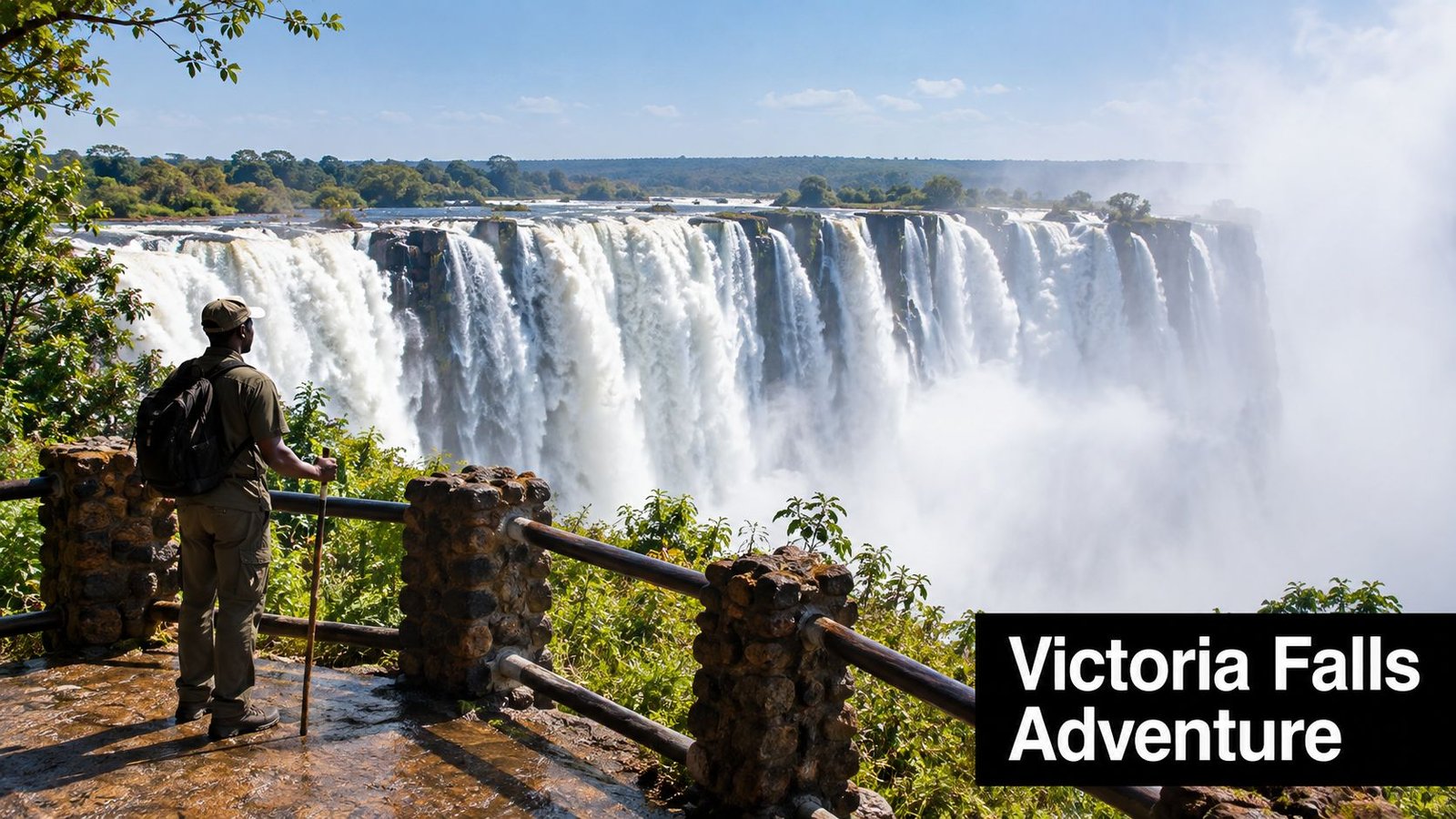
Victoria Falls gives travelers an unusually dense combination of scenery, wildlife, and action. The Zambezi River drops across a vast gorge on the Zimbabwe and Zambia border, creating spray, rainbows, forested viewpoints, and a natural soundtrack that changes with water levels and wind. The experience feels less like a single viewpoint and more like a destination with several distinct ways to explore it.
The Zimbabwe side is well suited to travelers who want a sequence of viewpoints and guided activities in one stay. A useful base can combine a waterfall walk with a sunset cruise, a helicopter flight, a guided visit to nearby wilderness, and time in the town's activity zone. The Lookout Café and Adventure Centre shows how hospitality, dining, and adventure bookings can work together rather than forcing visitors to organize each element separately.
Build the falls into a wider itinerary
Allow two or three days if you want more than a quick visit. One day can focus on the falls and surrounding viewpoints, another on a river or aerial activity, and a third on a game drive or relaxed departure. Combining the falls with Hwange creates a stronger wildlife-and-natural scenery contrast than treating Victoria Falls as a short stop between flights.
The best season depends on the experience you value. Drier months generally make wildlife viewing easier and can bring more comfortable conditions for walking, while higher-water periods can produce heavier spray and a more dramatic waterfall spectacle. Check current border, visa, park, and operator requirements before travel, especially if your plans cross into Zambia.
Practical rule: Choose established adventure operators, confirm the activity's safety procedures before paying, and keep enough flexibility for weather-related changes.
For a coordinated Zimbabwe visit, compare the Victoria Falls safari packages from Maximum Adventure Trails. The most effective itinerary pairs the waterfall's visual impact with an activity or safari, so the destination feels like the beginning of an African journey rather than a single attraction.
2. Zimbabwe Adventure Activities
Victoria Falls is also one of Southern Africa's strongest bases for travelers who want physical intensity. The Victoria Falls Bridge bungee jump places the participant above the gorge, while rafting on the Zambezi turns the river itself into the main attraction. These activities work particularly well for travelers who want a clear challenge during a wider safari holiday.
The order matters. Schedule the most demanding activity when you're rested, then leave space for scenic walks, a river cruise, or an aerial view that lets you absorb the scenery at a slower pace. Early starts can offer better light and help avoid the hottest part of the day, but operators should confirm the conditions and departure time for the specific activity.
Match the activity to your comfort level
Bungee jumping is a short, concentrated burst of adrenaline. White-water rafting demands more sustained effort, teamwork, and comfort around moving water. You don't need to choose one identity for the entire trip. A balanced program can include one high-intensity activity, one wildlife outing, and one low-effort scenic experience.
Use this decision guide when comparing options:
- For a single dramatic moment: Choose the bridge jump, subject to operator rules and medical requirements.
- For a full-day physical challenge: Consider rafting, after checking swimming, fitness, and seasonal conditions.
- For a lower-impact alternative: Book a helicopter flight, gorge walk, or guided waterfall visit.
- For families or mixed groups: Separate the adventure program so participants can select activities independently.
Book through established providers and ask how they inspect equipment, brief participants, manage weather changes, and handle emergencies. You should also clarify whether photography or video is included, optional, or restricted during the activity. A waterproof phone pouch can protect personal devices, but it shouldn't replace the operator's own approved recording system.
The Victoria Falls bungee jumping experience can sit inside a broader Zimbabwe plan rather than becoming the whole itinerary. Pair it with a quieter waterfall walk or a Hwange safari, because contrast gives the trip more texture and prevents every day from demanding the same level of energy.
3. Hwange National Park Big Five Safari
Hwange is Zimbabwe's largest national park and one of the clearest choices for travelers who want wildlife to occupy the center of the itinerary. Its terrain shifts between open plains, woodland, and teak-dominated areas, giving guides different habitats to work with as animals move through the season. The park's scale also supports a sense of distance and wilderness that a brief game drive can't fully deliver.
Elephants are a major draw, but a well-planned Hwange safari shouldn't be reduced to one species. Ask your guide to shape drives around your priorities, whether that's predators, birds, photography, or broad ecosystem interpretation. Main Camp and Robins Camp provide recognizable reference points, while tented properties such as Linkwasha appeal to travelers seeking a more immersive lodge setting.
Stay long enough for the park to change
A single drive can produce a memorable sighting, but multiple nights give you more chances to experience different light, routes, weather, and animal behavior. Early morning drives are useful for cool conditions and active wildlife, while late-afternoon outings bring softer light and a different rhythm. If photography matters, tell the camp before arrival so guides can plan around your subject rather than treating photography as an afterthought.
Hwange works naturally with Victoria Falls because the two destinations offer different forms of drama. The falls supply concentrated sensory impact. Hwange rewards patience, observation, and repeated outings. That contrast is one reason a Zimbabwe itinerary can feel complete without adding too many destinations.
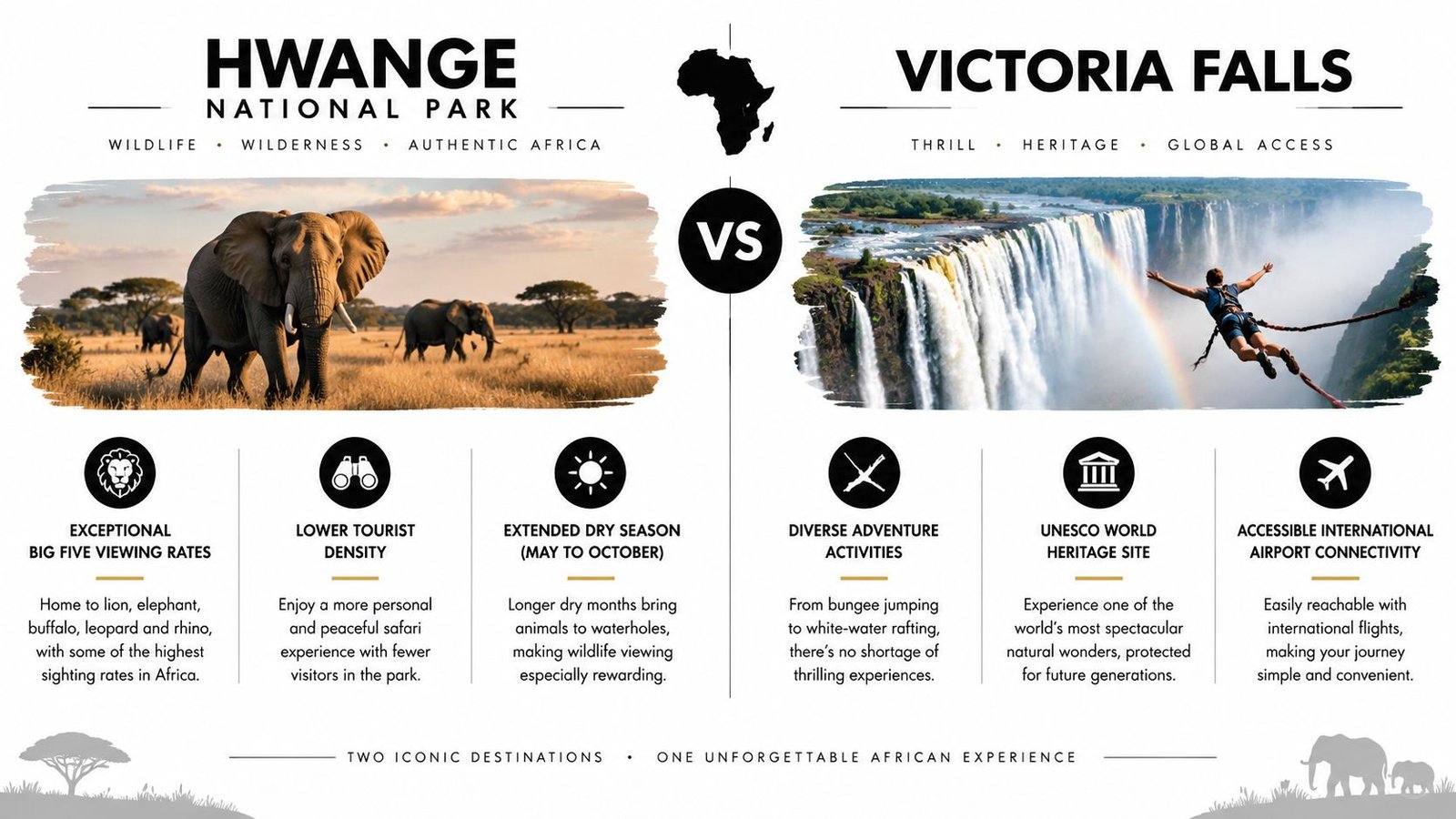
Safari planning insight: The best park for you isn't necessarily the one with the longest species list. It's the one whose activity pattern, guide expertise, and stay length match how you want to spend your days.
Compare routes, accommodation styles, and game-drive options through the Hwange National Park safari planning page. For travelers combining Victoria Falls and Hwange, build the itinerary around transfer practicality and recovery time, not just the number of attractions added to the map.
4. Okavango Delta Mokoro and Water Safari
The Okavango Delta changes the physical language of safari. Instead of following tracks through dry woodland in a vehicle, travelers can glide through papyrus channels in a mokoro, pause on an island, walk with a guide, or watch wildlife from a water-level position. The result is quieter and more layered, with birds, reeds, reflections, and changing channels shaping the day.
A mokoro is not merely transport. It creates a slower viewing platform that encourages travelers to notice movement in the reeds and the relationship between water, islands, and grazing areas. Water-based activities can be combined with game drives, walking, and camp-based interpretation, which makes the Delta especially suitable for travelers who want more than a conventional vehicle safari.
Choose the right season and camp style
Water levels and access conditions influence the experience, so ask operators how the season affects mokoro routes, walking opportunities, and transfers. April through June is commonly considered a useful period for water levels and manageable temperatures, but exact conditions vary by area and year. Remote logistics also mean that a short stay can feel rushed, particularly when arrival and departure involve additional transfers.
Luxury camps such as Abu Camp and Jack's Camp illustrate different versions of the Delta experience, from specialist wildlife encounters to a blend of cultural and natural interpretation. Wilderness Safaris properties can offer island-based activities and mokoro outings, while community partnerships may add local perspectives when they're designed with clear benefits and respectful participation.
The best Okavango Delta lodges should be compared by location, included activities, transfer route, and water access, not only by room style. Bring binoculars, protect camera equipment from spray and dust, and choose an operator that explains its conservation and community arrangements clearly.
5. Chobe National Park Elephant and River Safari
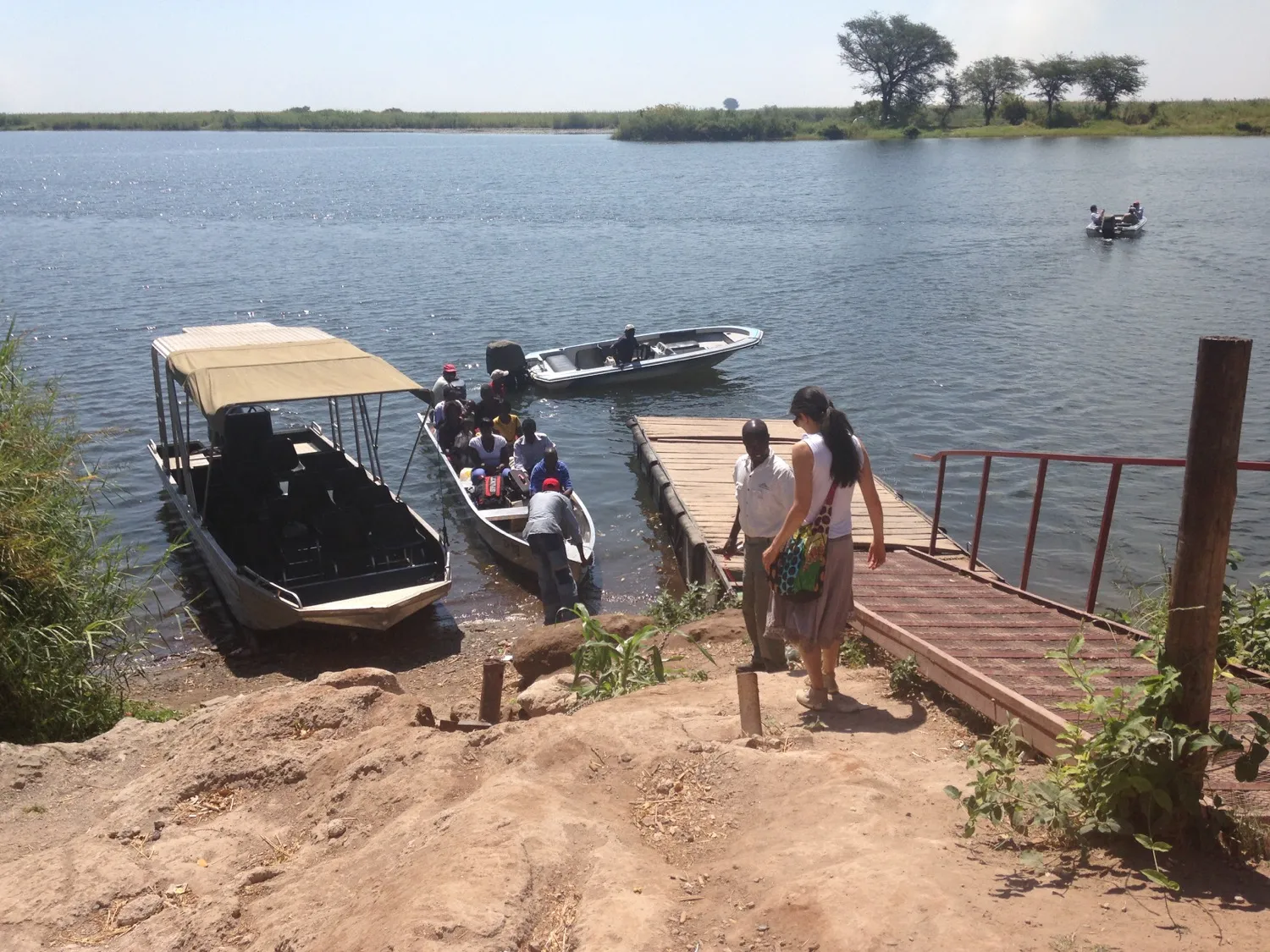
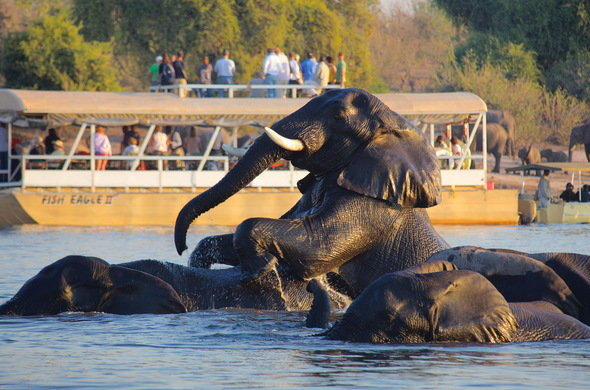
Chobe offers a useful answer to a specific question: how can you see wildlife without relying only on a land vehicle? Its riverfront brings boats into the itinerary, allowing travelers to observe elephants, hippos, birds, and other animals from the water while the shoreline becomes a moving panorama. Game drives then provide a different perspective across woodland and floodplain habitats.
Kasane functions as a practical base for this experience. Travelers can arrange river departures, land safaris, and regional transfers from one location, making Chobe a strong choice for a first Botswana visit or a component of a cross-border route. Its proximity to Victoria Falls also creates a straightforward pairing, although border and transfer requirements should be checked before finalizing the schedule.
Give each viewing style its own day
Plan at least one dedicated boat outing and one land-based drive. The boat changes distance, angle, and light. A vehicle can move deeper into terrestrial habitats and pursue tracks that aren't visible from the river. Afternoon cruises often provide attractive photography conditions, but the best departure depends on season, weather, and the operator's route.
Use the comparison below to decide what deserves priority:
- River safari: Best for shoreline wildlife, birds, reflections, and a relaxed pace.
- Game drive: Better for covering terrestrial habitat and following fresh tracks.
- Private guide: Useful when your group has a defined interest, such as photography or birding.
- Regional combination: Pair Chobe with Victoria Falls for a compact water, wildlife, and waterfall journey.
The Chobe River cruise is most valuable when it isn't treated as a replacement for a game drive. Chobe's strength lies in the two-part experience, water first or second, then land, with enough time to let each reveal something different.
6. Moremi Game Reserve Wildlife and Water Experience
Moremi is for travelers who want the Okavango's water environment without giving up terrestrial wildlife viewing. Floodplains, lagoons, forests, and islands create a varied route structure, and the mix of habitats gives guides several ways to respond to changing conditions. The reserve's community origins also add an important dimension to its conservation story.
The most rewarding Moremi itineraries don't force every day into the same mold. A mokoro outing can be followed by a game drive, then a walking activity or a quieter camp-based afternoon. That variation helps travelers understand the Delta as a living system rather than a backdrop for repeated sightings.
Let remoteness shape the itinerary
Accommodation is limited in many parts of the reserve, and travel logistics can be more demanding than a conventional park holiday. Book early, especially if you need a particular camp style or want to connect Moremi with another Delta area. Internet and phone access can be limited, so prepare for a trip where communication gives way to observation.
Community-based conservation is part of Moremi's identity. Ask the operator how local communities participate in guiding, employment, land management, or tourism revenue. A responsible booking conversation should address these issues directly rather than relying on broad sustainability language.
What to ask before booking: Which activities are included, where do they operate, how are local communities involved, and what happens if water levels or access routes change?
A five-to-seven-day combination with the wider Okavango can create more ecological variety than moving rapidly between unrelated parks. Moremi is particularly well suited to travelers who value guided interpretation, low-impact movement, and a slower experience over a checklist of famous animal encounters.
7. Cultural and Indigenous Tourism
Wildlife is only one way to understand Southern Africa. San community experiences can connect visitors with tracking, medicinal plant knowledge, environmental interpretation, storytelling, and locally defined cultural practice. The quality of the encounter depends heavily on who controls the experience and whether community members participate as hosts, guides, owners, or decision-makers.
A respectful visit isn't a staged performance designed to fill a gap between game drives. It should give travelers room to ask questions, listen, and understand which knowledge can be shared publicly and which knowledge remains private. Smaller groups generally make that exchange less intrusive and give guides more opportunity to explain context.
Put community benefit before convenience
Choose community-owned enterprises where possible, or ask external operators to explain their benefit-sharing arrangements. Revenue distribution should be transparent, and travelers should be cautious about claims that cannot be explained in practical terms. The point isn't to turn culture into a transaction. It's to support experiences in which local people retain agency and receive a fair return.
Use these habits during a cultural visit:
- Ask before photographing: Get clear permission for people, homes, ceremonies, and demonstrations.
- Follow local protocols: Let the guide explain appropriate behavior, clothing, greetings, and conversation topics.
- Keep groups small: Smaller groups support more meaningful interaction and reduce pressure on hosts.
- Bring useful support carefully: If you want to give school supplies or other items, ask the community or operator what is needed.
- Protect sensitive knowledge: Don't assume every story, place, or technique is available for recording or publication.
San trackers working around wildlife areas can add another layer to a safari by interpreting tracks, plants, and animal behavior through lived knowledge. That doesn't make the experience more authentic by default. It makes the guide's perspective essential, provided the program is community-led and ethically organized.
8. Photography and Film Location Tourism
Southern Africa rewards photographers who plan around light, behavior, and patience rather than just carrying expensive equipment into a reserve. River scenes, open savanna, woodland, dramatic skies, and wildlife movement provide varied visual material, but the strongest results usually come from choosing a clear subject before departure.
Specialist photography safaris can adjust the daily rhythm around sunrise, sunset, and longer observation periods. A standard game drive may need to move on for general guests, while a photography-focused vehicle can sometimes spend more time waiting for behavior to develop. Workshops led by experienced practitioners can also improve field technique, composition, and ethical wildlife photography.
Plan the image, not only the destination
A telephoto lens, stable support, spare batteries, and reliable storage matter in remote environments. Back up files in more than one place, because equipment failure or connectivity problems can turn an otherwise successful trip into a data-loss problem. If you're creating commercial work, clarify image rights, permits, location restrictions, and licensing before the first outing.
Scheduling should account for the subject. Predators, birds, elephants, and scenery won't all perform under the same conditions, so ask guides about seasonal behavior and preferred habitats. A specialist operator may also be able to coordinate with conservation or research programs, but travelers should confirm that participation supports the project rather than disturbing it.
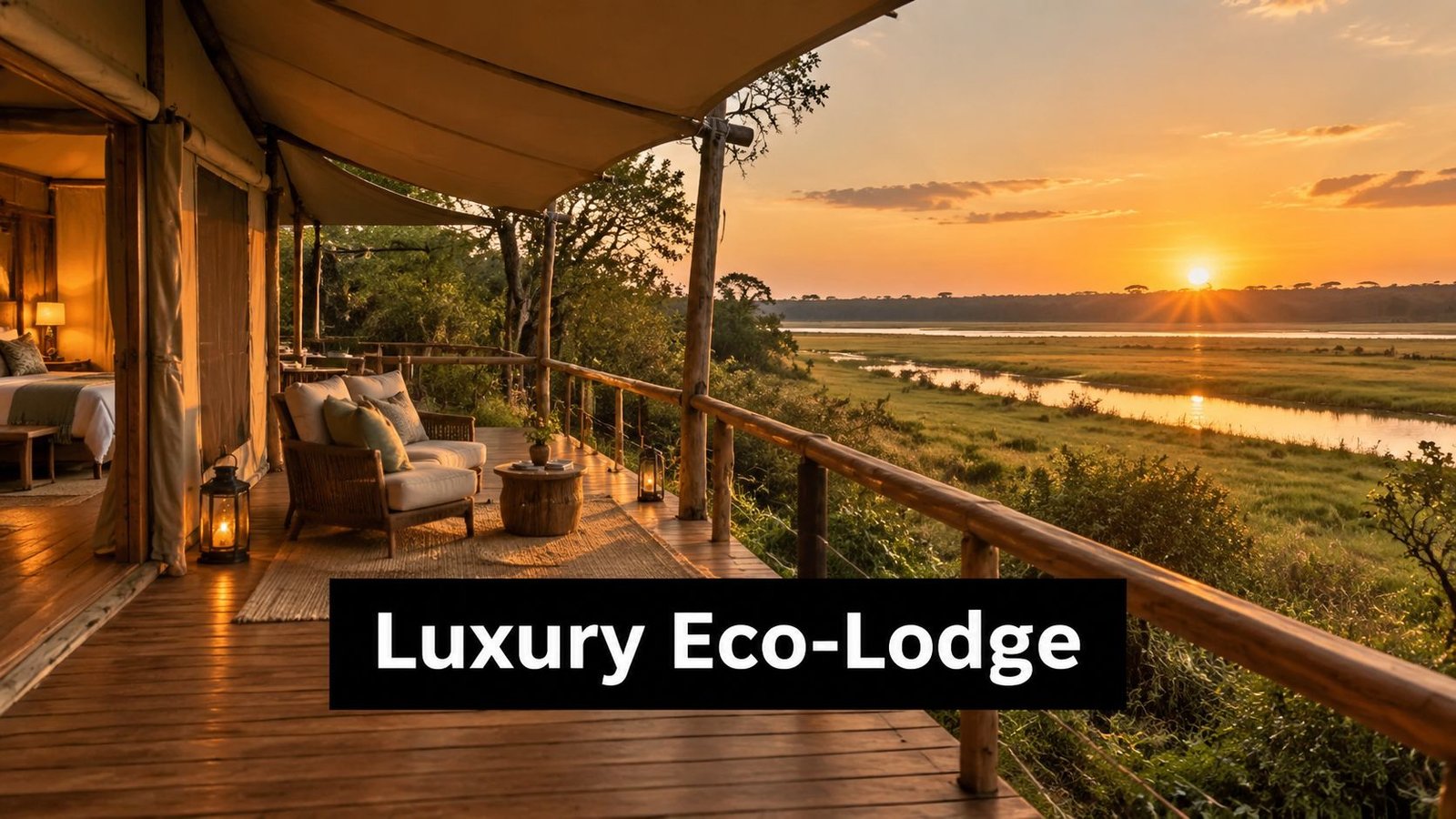
Fieldcraft matters more than gear: A guide who understands animal behavior can often create better photographic opportunities than a larger kit carried without a plan.
Consider combining a specialist photography stay with a conventional lodge experience. The first can provide flexibility and instruction. The second can give you rest, comfort, and a broader social safari rhythm.
9. Multi-Day Trekking and Wilderness Walking Safaris
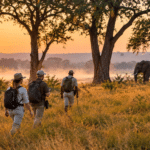
Walking changes the scale of African tourism attractions. A vehicle reveals distance and movement across a terrain. On foot, travelers notice tracks, insects, plant textures, wind direction, bird calls, and the small changes that make an ecosystem readable. A multi-day walk turns wildlife viewing into a form of ecological education as much as an adventure.
Walking safaris require honest preparation. You'll need suitable footwear, sun protection, water discipline, and the ability to stay attentive for extended periods. The experience may include canvas tents, shared facilities, limited privacy, and fewer conveniences than a lodge, although many itineraries combine a walking section with comfortable accommodation before or afterward.
Choose the guide before choosing the route
A qualified wilderness guide should have formal first-aid training, reliable communication equipment, and a clear approach to wildlife encounters. Ask how the operator assesses fitness, handles emergencies, manages group pace, and adapts routes to weather or animal activity. Cultural interpretation can also deepen the experience when guides bring local tracking knowledge into the walk.
Pack lightly and break in boots before departure. Carrying less makes the walking more comfortable, while backup layers and essential personal items remain important in remote settings. If you're unsure about a multi-day expedition, start with a shorter guided walk and use that experience to assess whether a longer route suits you.
Walking can pair particularly well with Hwange, the Okavango, Moremi, or community-guided experiences in Botswana and Zimbabwe. It also offers a useful counterpoint to vehicle-heavy itineraries. After days spent crossing large distances by road, a slow walk can make the surroundings feel new again.
Comparison of 9 African Tourism Attractions
| Experience | 🔄 Complexity | ⚡ Resources | ⭐ Expected outcomes | 💡 Ideal use cases | 📊 Key advantages |
|---|---|---|---|---|---|
| Victoria Falls Safari and Adventure | Moderate, multi-activity coordination, cross-border logistics | Moderate, airport access, variety of operators and accommodations | High scenic & adventure diversity; solid wildlife & view opportunities for 3–5 days | Short multi-activity trips combining sightseeing, adventure sports, and game drives | UNESCO site, broad activity mix, established tourism infrastructure |
| Zimbabwe Adventure Activities: Bungee & Rafting | Moderate, specialized safety & operational protocols | Moderate, certified operators, safety equipment, seasonal river access | High adrenaline outcomes in short timeframes (half- to full-day activities) | Thrill-seekers, day-trip itineraries, adventure tourism packages | Unique geography (bridge & rapids), professional operator networks, good value vs. developed-country counterparts |
| Hwange National Park Big Five Safari | Moderate, guided safari logistics, remote-park access | Moderate, 4×4 vehicles, lodges/camps, experienced guides | Very high Big Five encounter probability in peak season (3–5 days recommended) | Classic wildlife-focused safaris, photography, Big Five enthusiasts | Exceptional Big Five viewing rates, lower tourist density, affordable premium experience |
| Okavango Delta Mokoro & Water Safari | High, seasonal water logistics, limited infrastructure | High, premium camps, mokoro/boat operators, skilled guides | Exceptional water-based wildlife & birding; highly immersive (3–5 days) | Intimate wildlife and birding experiences, cultural exchanges, luxury eco-tourism | Unique water-safari ecosystem, UNESCO status, strong conservation focus |
| Chobe National Park Elephant & River Safari | Moderate, boat + vehicle coordination, riverside logistics | Moderate, river cruise operators, lodges near Kasane | Very high elephant viewing reliability; strong photographic outcomes (2–4 days) | Reliable elephant viewing, mixed river/land itineraries, regional combos with Victoria Falls | Highest elephant concentrations, varied activities within one park, good accessibility |
| Moremi Game Reserve Wildlife & Water Experience | High, limited capacity, remote access, strict quotas | High, advance bookings, specialist lodges, light infrastructure | Very high-quality, low-density wildlife viewing; intimate wilderness outcomes (3–4 days) | Low-impact, conservation-minded safaris, wildlife photographers, small-group travelers | Community-based conservation, pristine conditions, integrated water-land safaris |
| Cultural & Indigenous Tourism: San Communities | Moderate, ethical partnership management and permit coordination | Low–Moderate, community camps, local guide fees, small-group facilitation | High cultural insight and educational outcomes; meaningful community benefit if ethical (2–4 days) | Cultural immersion, anthropology-focused trips, ethical community support programs | Direct community benefit potential, authentic cultural exchange, complementary to wildlife itineraries |
| Photography & Film Location Tourism | High, customized schedules, technical production logistics | High, specialist guides, gear support, extended stays (7–14 days) | Very high-quality visual output for portfolios/films; skill development and publishable content | Professional photographers, filmmakers, portfolio-building workshops | Access to prime lighting, expert mentors, tailored logistics and locations |
| Multi-Day Trekking & Wilderness Walking Safaris | High, route planning, safety protocols, mobile camps | Moderate, expert trackers/guides, lightweight camping systems, porter support | Deep ecological immersion and behavioral observation; strong experiential outcomes (3–7 days) | Physically fit travelers seeking immersive wilderness and tracking experiences | Intimate wildlife encounters, educational depth, lower-cost alternative to luxury lodges |
Plan Your Southern Africa Journey
A strong Southern Africa itinerary connects attractions with the traveler's purpose, available time, and tolerance for transfers. Victoria Falls concentrates dramatic scenery and adventure activities. Hwange supports longer wildlife observation and guide-led drives. Chobe adds a river-based view of elephants and other wildlife, while Moremi and the Okavango Delta suit travelers willing to manage remote access and water-based movement.
A practical planning rule follows from the region's uneven visitation pattern. A few famous attractions receive a large share of visitor attention, while many protected areas remain quieter, as noted earlier in the protected-area visitation analysis across African countries. Lower visitor volume does not automatically mean a better experience. It can, however, help travelers build a more distinctive route by pairing a recognized anchor with walking, cultural, photographic, or conservation-focused activities.
Tourism demand across Africa has recovered strongly, with international arrivals reaching 96% of pre-pandemic levels in 2023, according to UN Tourism's Africa update. For itinerary planning, the implication is straightforward: popular attractions may need earlier scheduling. Travelers should also assess flight connections, border procedures, road transfers, accommodation availability, and seasonal conditions before confirming a route.
Build around travel style
A first visit can use Victoria Falls and Hwange as the foundation for a relatively direct Zimbabwe itinerary. Travelers prioritizing water and elephants can connect Chobe with the Okavango Delta. Those seeking slower interpretation may combine Moremi with a walking safari and a community-led cultural experience instead of adding another major park.
Safari interest remains concentrated in a small group of countries. South Africa, Kenya, and Tanzania represented 64% of safari interest in 2025, with South Africa at 24%, Kenya at 21%, and Tanzania at 19%, according to the State of Safari 2025 report. For Southern African operators, the practical response is to differentiate itineraries through route design, lodge choice, activity variety, and informed local interpretation rather than broad safari descriptions.
Use these principles to shape the journey:
- Choose one anchor attraction: Select Victoria Falls, Hwange, Chobe, Moremi, or the Okavango according to your primary interest.
- Add contrast: Combine waterfalls with wildlife, land with water, or lodge-based drives with walking or cultural interpretation.
- Protect recovery time: Long transfers followed by early departures can reduce enjoyment, especially on multi-stop routes.
- Check practical access: Confirm airports, road transfers, border requirements, seasonal water levels, and cancellation terms.
- Reserve specialized experiences early: Photography, walking, community-led activities, and limited-capacity camps often require more advance coordination than standard sightseeing.
- Ask what the booking supports: Look for clear evidence of local employment, community participation, conservation work, or transparent partnerships.
Accommodation marketing can make a property appear more attractive than its actual access and inclusions. This guide to hotel digital marketing success provides context on how hotels present travel experiences online. Travelers should compare the itinerary, transfer plan, included activities, and access arrangements rather than relying on polished imagery alone.
Maximum Adventure Trails provides booking support for Victoria Falls, Hwange National Park, Chobe National Park, Moremi, and the Okavango Delta. Its services also cover multi-day journeys in Zimbabwe and Botswana, including combinations of accommodation, transfers, safaris, and adventure activities. This can simplify planning when the route crosses borders or shifts between land-based and water-based experiences.
A sample route might begin with Victoria Falls, continue to Hwange for wildlife viewing, and then extend into Botswana for Chobe or the Okavango Delta. Another option can place Moremi at the center, adding walking or cultural experiences for greater variety. The right choice depends less on the number of stops than on how well each stop supports the trip's central purpose.
Whether the priority is the sound of Victoria Falls, wildlife tracking in Hwange, elephants along the Chobe River, or a mokoro journey through an Okavango channel, allow each setting enough time to develop. Combining different environments and travel styles produces a more informative and memorable Southern Africa itinerary.
Maximum Adventure Trails can help arrange Victoria Falls activities, Zimbabwe and Botswana safaris, accommodation, river experiences, and multi-day routes across the region. Visit Maximum Adventure Trails to compare practical itineraries and start planning an African tourism attractions journey around the experiences you want most.