

- 118 Views
- 17 Min Read
- (0) Comment
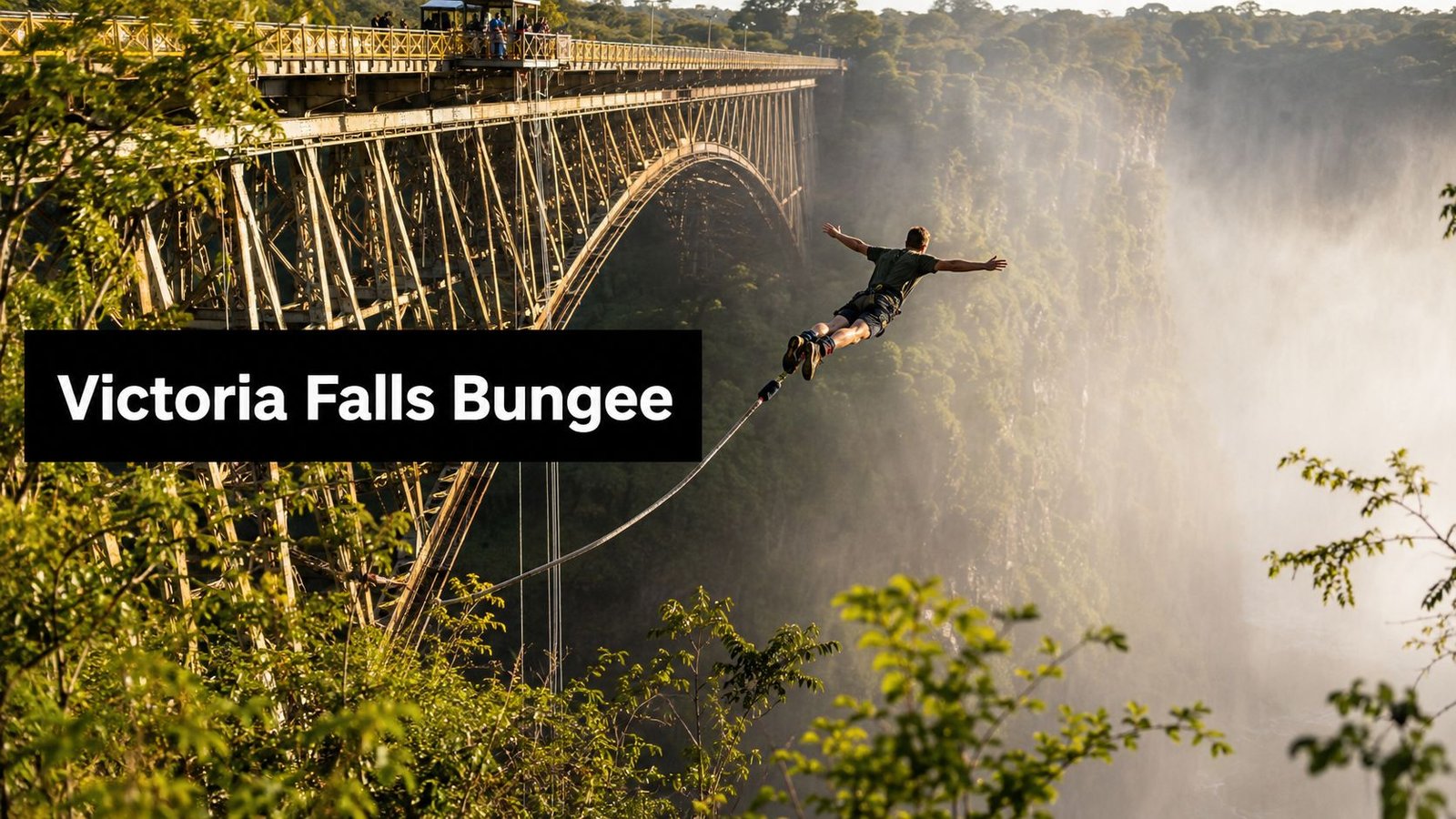
The 111-metre Victoria Falls Bridge bungee is the one you're looking at, and the freefall lasts roughly 4 seconds before the cord catches. If you're here, you're probably deciding whether the jump is worth the border hassle, the price spread, and the paperwork, not whether it looks thrilling.
Bungee jumping Victoria Falls is not a casual add-on you toss into a loose itinerary. It's a border-crossing activity on a historic bridge, with real logistics behind it, and that's exactly why the wrong booking choice can waste time and money.
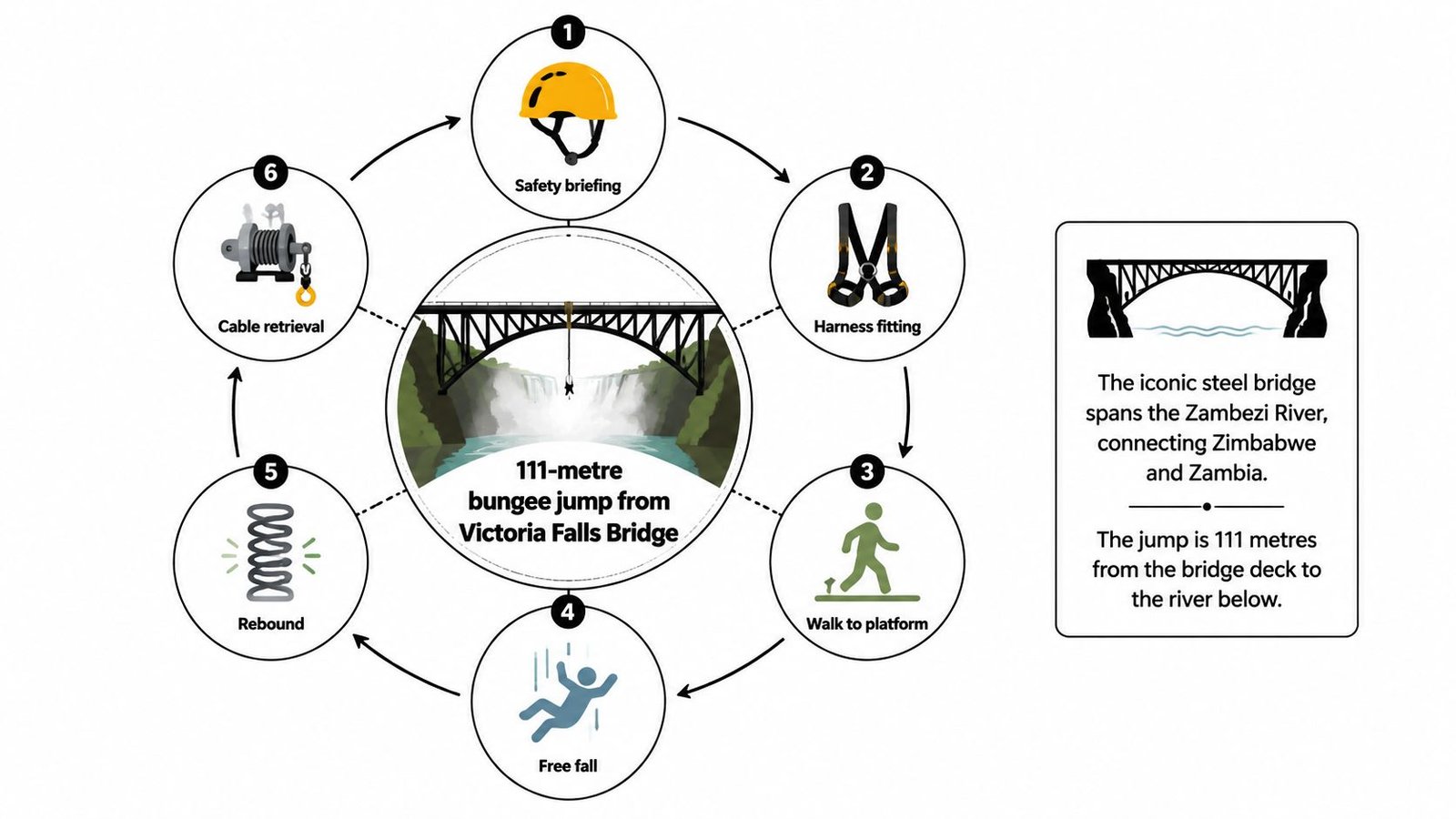
Table of Contents
- What Bungee Jumping at Victoria Falls Actually Involves
- The Jump Itself, Step by Step
- Operators, Booking Channels, and Real 2026 Pricing
- Cross-Border Logistics, Visas, and Family Documents
- Safety, Weight Limits, and Medical Requirements
- When to Jump, What to Wear, and What to Pack
- Pairing the Jump With a Victoria Falls Itinerary
- Practical Questions Travellers Ask Before They Book
What Bungee Jumping at Victoria Falls Actually Involves
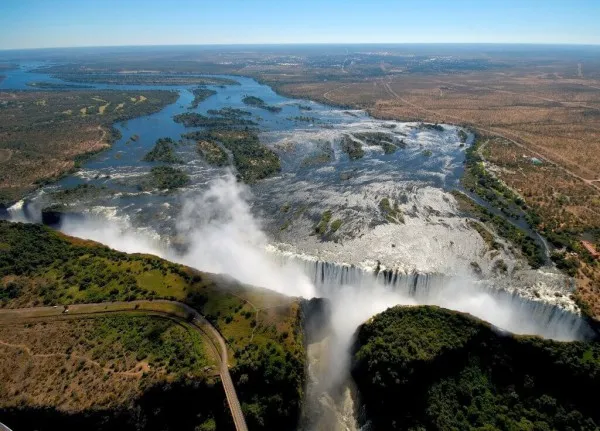
The jump is a 111-metre drop from the Victoria Falls Bridge, a steel arch that was commissioned in 1900, completed in 1905, and tied to Cecil Rhodes' Cape-to-Cairo railway vision across Africa (Victoria Falls Bridge history). That history matters because you're not jumping from a purpose-built tower in a theme park. You're stepping off a working border bridge suspended over the Zambezi Gorge.
The setting, not just the drop
The bridge sits between Zimbabwe and Zambia, with the falls' spray and gorge views all around you. Independent operator descriptions place the platform 111 metres above the Zambezi River and note the freefall is shorter than the full vertical drop, with deceleration beginning after roughly 4 seconds (Marriott activities listing). That geometry is the whole point. The cord has to be selected and pre-tensioned so the jumper clears the river safely while still keeping the rebound within the equipment's operating envelope (Marriott activities listing).
The practical decision is where you'll access it from. Listings commonly treat the jump as a Zimbabwe-side or Zambia-side experience, and both sides feed the same bridge environment. The difference is not just geography. It changes how you get there, which documents you need, and whether the jump folds cleanly into the rest of your Victoria Falls day.
Practical rule: treat the jump as a border-and-activity decision first, adrenaline second. If you ignore the access side, you end up fixing paperwork on the morning of the booking.
What sits around the jump
The bridge base is often bundled with other bridge activities, especially a bridge walk, a zipline, or the broader Batoka Gorge adventure menu. That makes the jump part of a bigger choice. Do you want to pay once and stay on the bridge area for a tighter activity block, or are you trying to slot the jump into a wider Falls itinerary with rafting, a safari transfer, or a Livingstone excursion?
The clean way to think about it is this. Bungee jumping Victoria Falls is not just a thrill purchase. It's a bridge activity with border friction, equipment limits, and an itinerary consequence, because once you've committed to it, the rest of the day has to work around the crossing.
The Jump Itself, Step by Step
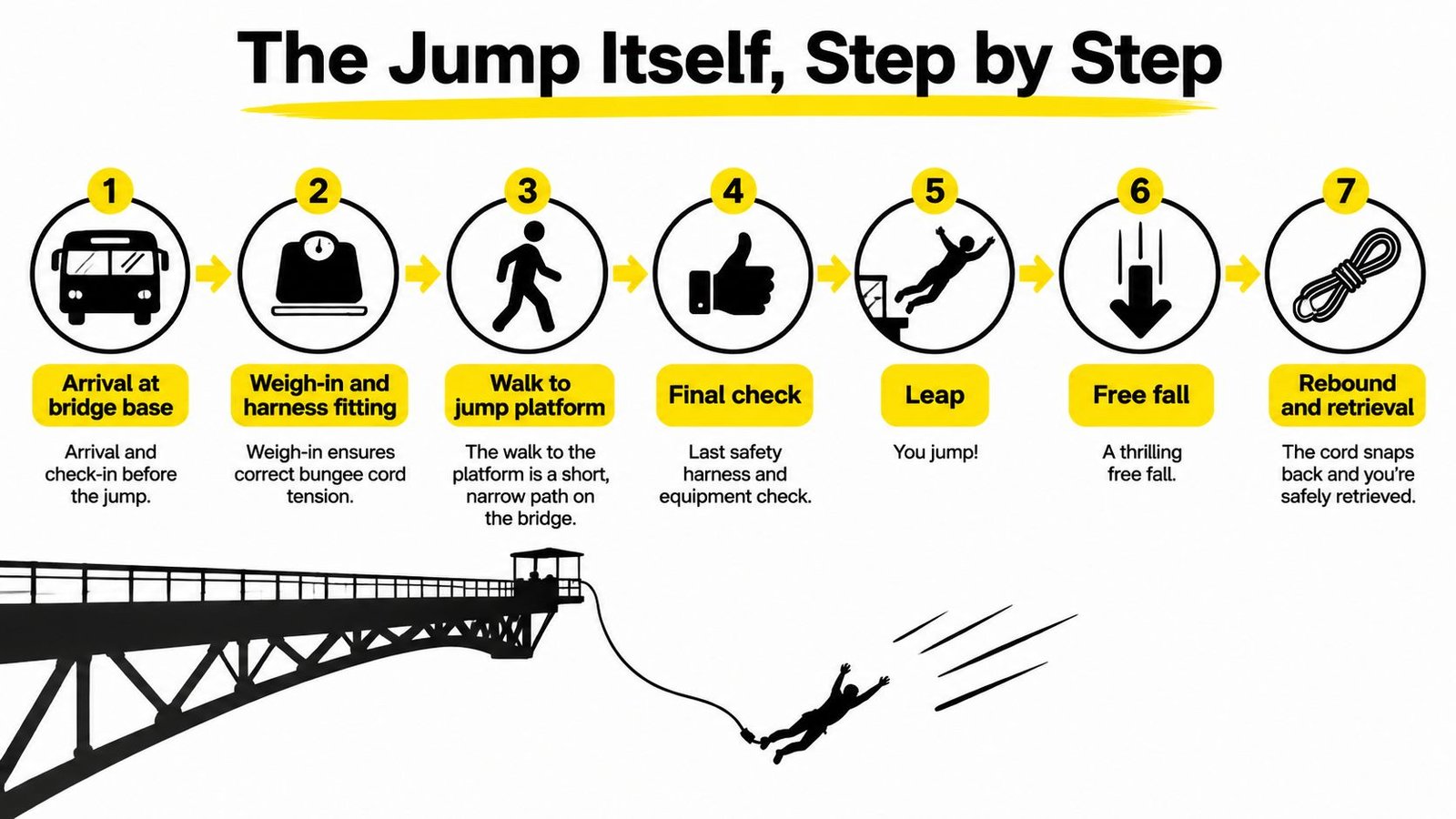
You arrive at the bridge base, show the right documents, and get weighed before anything else. That weigh-in is not ceremonial. It's how the crew matches you to the correct cord tension and keeps you inside the operating envelope.
From harness to edge
The harness fitting happens next, and it should feel methodical, not rushed. You'll be clipped in, checked, and walked toward the jump point on the bridge deck. The bridge itself does some of the work on your nerves. The steel arch, the river far below, and the spray from the gorge make the setting feel more real than a video ever can.
The short walk to the platform is the defining moment. That part is quieter than many expect. No crowd noise matters much once you're on the narrow path and the crew is finishing the final checks. Then comes the countdown, and the experience stops being theoretical.
The lean forward is the hardest part. Once you commit, there's no elegant way to describe the first drop except as a clean, fast fall into open space. The published freefall is about 4 seconds before the cord takes over, and the view of the bridge arch disappears almost immediately as the gorge opens beneath you (Victoria Falls Bridge adventure listing; Marriott activities listing).
The jumper feels the drop first, then the cord transitions the body from falling to rebound. That transition is why fit, weight, and cord selection matter so much.
What the rebound actually feels like
The rebound isn't a simple bounce. It's an arc back toward the bridge and river spray, with the cord's stored energy stretching and releasing in stages. The crew then retrieves you to the catwalk beneath the bridge, where the ground starts feeling stable again. If you've booked the bridge walk back, that return is a good chance to let the noise in your head settle before you rejoin the rest of your day.
What matters most is whether the jump matches your expectation. If you want a polished, controlled, high-drama drop from a historic landmark, it does. If you want a long airtime spectacle with no border admin, this isn't that. This is a compact, intense, well-engineered fall from a bridge that has been part of the region's transport story for more than a century.
Operators, Booking Channels, and Real 2026 Pricing
Don't book the first listing you see. The Victoria Falls jump market has a real pricing spread, and the spread tells you something useful about what's included and what's being sold separately. Some 2026 pages place the jump around USD 150 to 160, with combo packages around USD 220, while third-party listings show totals such as USD 235 or USD 250 per adult for the same core activity (Africa Tour Operators pricing overview). That gap isn't random. It usually reflects commission, packaging, and whether transport or media is bundled.
Compare the channel, not just the price
The smart move is to compare operator-direct booking with reseller and concierge channels side by side. Direct booking tends to be cleaner on inclusions. Third-party channels often look easier upfront but can hide add-ons, especially transport, media, or flexible cancellation terms.
| Booking Channel | Indicative 2026 Price (USD) | Typical Inclusions | Typical Exclusions |
|---|---|---|---|
| Operator-direct | About 150 to 160 | Jump, harness, bridge access, basic crew handling | Photos, video, transport, extras |
| Combo package direct | About 220 | Jump plus selected bridge activity bundle | Some media, some transfers |
| Third-party reseller | About 235 to 250 | Often the same jump product with booking support | Media, private transfers, bridge extras |
| Hotel concierge or safari agent | Varies, usually higher than direct | Convenience, itinerary coordination | Clear breakdown of fees is often weaker |
A lot of booking pages lean on adrenaline language and skip the boring part, which is the part that costs you money. Ask what is included before you pay. If the listing doesn't say bridge access, harness, and basic activity handling in plain language, you're probably comparing a dressed-up resale price with a direct operator price.
What is often left out
Do not assume the jump price includes photos, GoPro footage, or transport to the bridge. Those are usually sold separately, and the bridge itself can sit inside a wider adventure package rather than a simple point-to-point activity. If you're the type who wants one clean invoice, book direct or use a planner that spells out inclusions line by line.
For pricing context and what to expect across the activity mix, the Victoria Falls pricing guide is worth checking before you lock in a channel. The point is not to chase the cheapest figure. The point is to know the all-in cost before you start adding media, transfers, and bridge extras.
Cross-Border Logistics, Visas, and Family Documents
Most guides get lazy, and families and mixed-nationality groups get burned. The bridge activity is linked to border movement, and the activity itself does not grant entry into the other country. Neutral listings say passport checks are required, and travelers with children may need an unabridged birth certificate in English when traveling to the activity (Tripadvisor product review).
What to pack before you even think about the bridge
Your passport needs to be valid, and your visa choice needs to match the side you're using to access the bridge. If you're crossing with children, don't improvise at the border. Carry the birth documents and consent paperwork the country and airline staff may ask to see. If you're still sorting your entry requirements for the Zimbabwe side, the Zimbabwe visa requirements guide is the cleanest place to start.
For Zambian road and licence rules, especially if you're doing a self-drive or crossing by rented vehicle, the Zambia licence requirements guide is a useful reference point. It's not a bungee-specific rulebook, but it helps when your jump day is part of a larger cross-border plan.
Use this rule: if the bridge day involves a child, a rental car, or a same-day country switch, check documents before breakfast. Waiting until you're at the border is poor planning.
The practical border question
If you jump from the Zimbabwe side, you still need to respect the border process that feeds the bridge access point. If you're staying in one country after the jump, think about whether your entry and exit pattern creates an extra visa need later in the trip. That is where double-entry logic starts to matter, especially for safari itineraries that move between Zimbabwe and Zambia.
The other friction point is simple but annoying. Transfers, parking, and drop-off points need to be arranged for the side you're using, not the side you think sounds more convenient. A lot of confusion disappears if you pin down the base first, then build the border paperwork around it.
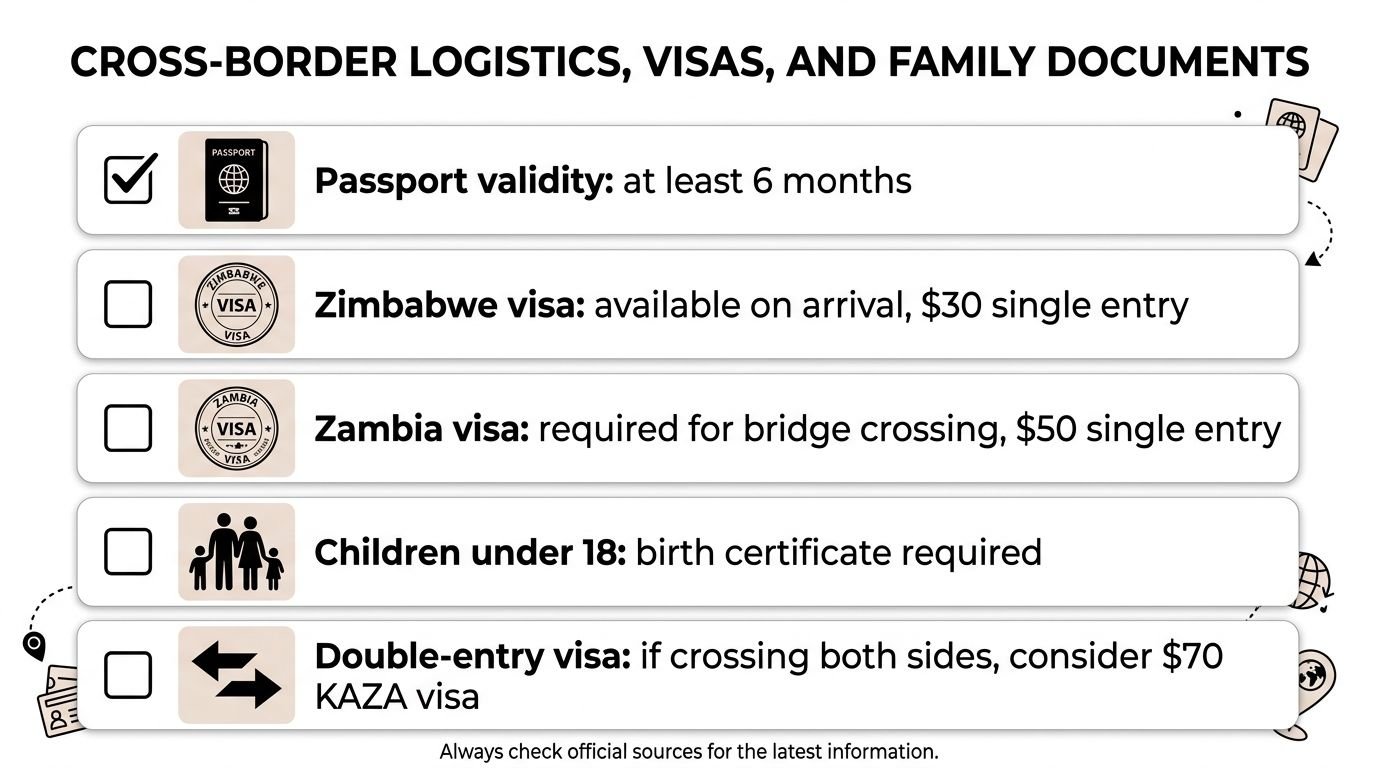
The sensible approach is boring, and that's the point. Match your passport, visas, and child documents to the exact bridge access route you're using, then book the jump. If you do it backwards, you're creating a border problem for an activity that should stay simple.
Safety, Weight Limits, and Medical Requirements
The Victoria Falls Bridge jump works because the equipment and procedures are strict, not because the crew is casual about risk. The bridge operation publishes a roughly 40 to 120 kg weight band on one listings page, while another broad activity description notes the operating envelope is designed around the jumper's weight so the cord stretch and rebound stay inside safe limits (Marriott activities listing). That is not a suggestion. If you fall outside the band, you don't jump.
What the safety system is really doing
A well-run bridge bungee uses redundant harnessing, daily checks, and ongoing inspections. Research material for the activity also refers to detailed operational manuals and regular safety processes, including daily equipment inspection, periodic cord inspection, and independent audits in operator material. That's the kind of evidence I care about. Not a slogan, not a glossy promise, but a repeatable inspection routine.
The safety conversation is about eligibility. Operators commonly refuse jumps for pregnancy, recent surgery, serious heart conditions, severe back or neck issues, and uncontrolled blood pressure. Age rules are also enforced, and the activity is not for children who are too young to understand and follow instructions. If you have doubts, stop treating it as a mood decision and treat it like a physical screening.
| Criterion | Typical Limit | What Happens If You Fall Outside |
|---|---|---|
| Weight | Roughly 40 to 120 kg, some operator material widens the envelope | You're refused on the day |
| Age | Minimum age is operator-specific, and minors need parental consent | No jump without required consent |
| Pregnancy | Not permitted | Refused immediately |
| Recent surgery or serious injury | Not permitted if recovery is incomplete | Refused or asked to reschedule |
| Heart or blood pressure issues | Not permitted if not medically cleared | Refused on safety grounds |
| Severe back or neck problems | Not permitted | Refused on safety grounds |
Weather and operating limits
Weather matters too. Operator material for the bridge activity says rainy periods can disrupt timing because the ropes need to be kept dry, and the jump can be paused when conditions are poor (Todo Africa activity page). If the crew turns you away because conditions are unsafe, that should trigger a reschedule or refund policy, not an argument.
You should be sceptical about marketing language. “World-class safety” means nothing unless the operator shows you inspections, staff process, and a clear refusal policy. For malaria context while you're planning the rest of the trip, the Victoria Falls malaria risk guide is more relevant than any vague safety slogan. Keep the jump safety review separate from the wider destination health picture.
When to Jump, What to Wear, and What to Pack
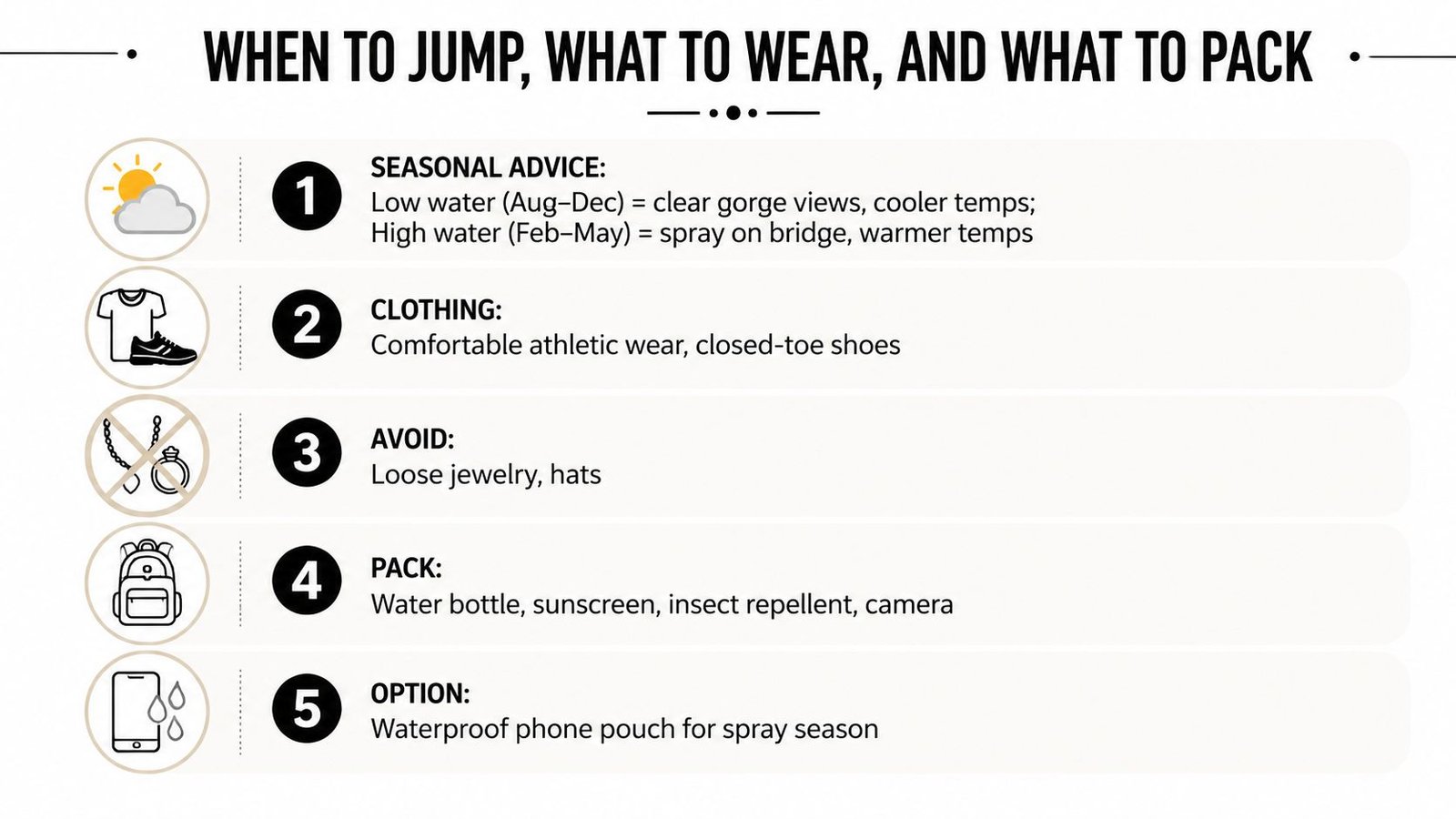
Season matters more than most first-timers expect. The low-water months, roughly August to December, usually give you clearer gorge views and cooler air on the bridge, while February to May brings heavier spray and a wetter catwalk experience around the falls area, according to the activity timing notes and seasonal descriptions in the source material (Todo Africa activity page). If you want cleaner footage and less mist in your face, don't force a wet-season slot just because your itinerary is loose.
Pick the right time of day
Late morning and late afternoon are the safest bets for light and comfort. That's when the scene reads best on camera and the temperature is usually easier to handle than midday heat. If you're filming, that matters more than many admit, because a badly lit jump looks flatter than the memory felt.
Wear closed-toe shoes, not flip-flops, and choose clothing that stays put under a harness. Shorts or leggings work better than loose outfits, and a removable layer helps if you're jumping in spray season. Leave watches, dangling jewellery, and anything loose in your bag.
The filming rules are practical, not dramatic. Helmet-mounted GoPros are typically fine if the staff straps them on securely, but handheld cameras are a bad idea on a bridge platform with wind and movement. If you want your phone with you, keep it protected and understand that the bridge walk can get wet.
Don't dress for the photo. Dress so the harness, the wind, and the spray don't annoy you halfway to the platform.
Pack for the crossing, not just the jump
Your bag should be small and simple. Bring your passport and visa paperwork, a water bottle, sunscreen, and a light rain jacket if you're travelling between February and May. A dry bag is worth it if you're carrying a phone or wallet through spray.
For a more complete clothing checklist, the Victoria Falls packing tips guide is useful before you leave your hotel. The best packing strategy is to think in terms of bridge exposure, not just activity style. Once you've crossed that bridge deck, comfort beats fashion immediately.
Pairing the Jump With a Victoria Falls Itinerary
Use the jump as the spine of a bridge day, not as an isolated stunt. The cleanest fit is a 2 to 5 day Victoria Falls trip where the bridge session anchors one morning or early afternoon, and the rest of the itinerary wraps around it. The simplest planning mistake is to put the jump on top of a full-day rafting or safari transfer and then wonder why your body feels wrecked.
What goes well with it
A bridge tour works well because you're already in the right place, and the zipline running parallel across Batoka Gorge pairs naturally with the same adventure zone. If you're travelling in low-water months, Devil's Pool or Livingstone Island can slot into the same broader itinerary, but not casually. That choice is about timing, not just appetite for adrenaline.
White-water rafting on the Zambezi is a stronger next-day activity than a same-day add-on, because it asks more from you physically and mentally. A Chobe day trip is even better placed after the bridge jump if you want to switch from adrenaline to wildlife. The point is simple. The jump should not be the thing that ruins your safari transfer.
Maximum Adventure Trails lists Victoria Falls bungee jumping alongside other activities such as bridge-based adventures and wider Victoria Falls excursions, so it fits naturally inside a multi-activity booking pattern rather than standing alone. For a broader menu of options, the Victoria Falls activities guide helps you build the day around the jump instead of trying to squeeze the jump into an already crowded schedule.
My rule: put the jump on a day when you can afford a slow lunch afterward. People underestimate how much mental reset they need once they're back on solid ground.
Three ways to structure the trip
A tight 2-day weekend should keep one day for the bridge jump and one for the falls, a sunset cruise, or a softer activity. A balanced 3-day trip lets you place the jump on day one, then use day two for the gorge, the falls, and one border-crossing add-on. A 5-day adventure-plus-safari plan is where the jump becomes easy to absorb, because you can spread the physical activities across the first half of the trip and keep the wildlife days clean.
If you want a brisk recommendation, here it is. First-time international travellers should not stack the jump, rafting, and a border safari transfer in the same block. That combination sounds efficient on paper and feels messy on the ground. Build around recovery, not just mileage.
Practical Questions Travellers Ask Before They Book
Tip the jump team if the operator doesn't build a service charge into the booking, but keep it modest and simple. You're tipping the crew for professionalism and calm execution, not paying extra for the thrill itself. If you've booked through a third party, check whether they've already folded service into the total before you hand over cash at the bridge.
Photo, video, and rain checks
Photo and video packages are usually separate from the jump price. That matters because some listings include the activity only, while others let you add a media bundle after the jump. If you want the cleanest route, decide before you arrive whether you care about footage enough to pay for it.
Rain checks should be treated as normal, not as a failure. If spray or weather conditions push the crew out of operating tolerance, the right response is to reschedule. If you're booking an expensive, once-per-trip activity, a good fallback is to protect yourself with non-refundable trip cancellation cover so a disrupted plan doesn't become a total loss.
Can you combine it with other headline activities
Yes, but be selective. Devil's Pool or Livingstone Island can work with the same trip if you've built enough time and aren't rushing across borders. The jump itself doesn't need to be paired with another extreme activity on the same day, and I'd avoid doing that unless your whole trip is built around adventure.
Repeat-jumper discounts are not something I'd rely on when planning. If a discount exists, treat it as a bonus, not a booking strategy. The same caution applies to spectator access. Non-jumping partners and children may be able to watch from the bridge or nearby viewing areas, but they still need the right documents for bridge access, so don't assume spectators are exempt from border control.
Before you leave your hotel
- Confirm the side of entry: Know whether your transfer is using Zimbabwe or Zambia access before you leave.
- Separate cash for extras: Bring the currency you plan to spend on media, tips, or bridge add-ons.
- Check flight arrival timing: Victoria Falls Airport and Harry Mwanga Nkumbula both work fine, but your transfer timing has to match the jump slot.
- Keep one copy of everything: Passport, visa, and child paperwork should be easy to reach, not buried in checked luggage.
If you want the jump done properly, book it as part of a trip design, not as a standalone impulse. Maximum Adventure Trails can help you compare the Victoria Falls jump with the rest of your itinerary, and you can start that process at Maximum Adventure Trails.