

- 145 Views
- 18 Min Read
- (0) Comment
You're probably trying to choose a Hwange trip right now, and the hard part isn't whether the park is worth it, it's how to make sure the days you spend there deliver the wildlife you came for. Hwange National Park can produce unforgettable elephant viewing, but the sightings you get depend heavily on season, waterholes, and where you base yourself. That's the part most generic safari advice skips.
Table of Contents
- Why Hwange National Park Deserves Your Safari Bucket List
- When to Go Choosing the Right Season for Your Hwange Safari
- Where to Find Wildlife Key Zones and Signature Sights
- Safari Experiences Game Drives Walking Safaris and Photographic Hides
- Where to Stay Accommodation Options Near Hwange National Park
- Getting There Travel Logistics and Park Access Guide
- How to Book Your Hwange Safari with Confidence
Why Hwange National Park Deserves Your Safari Bucket List
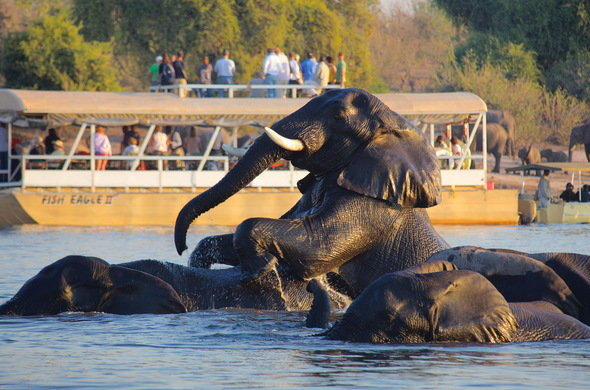
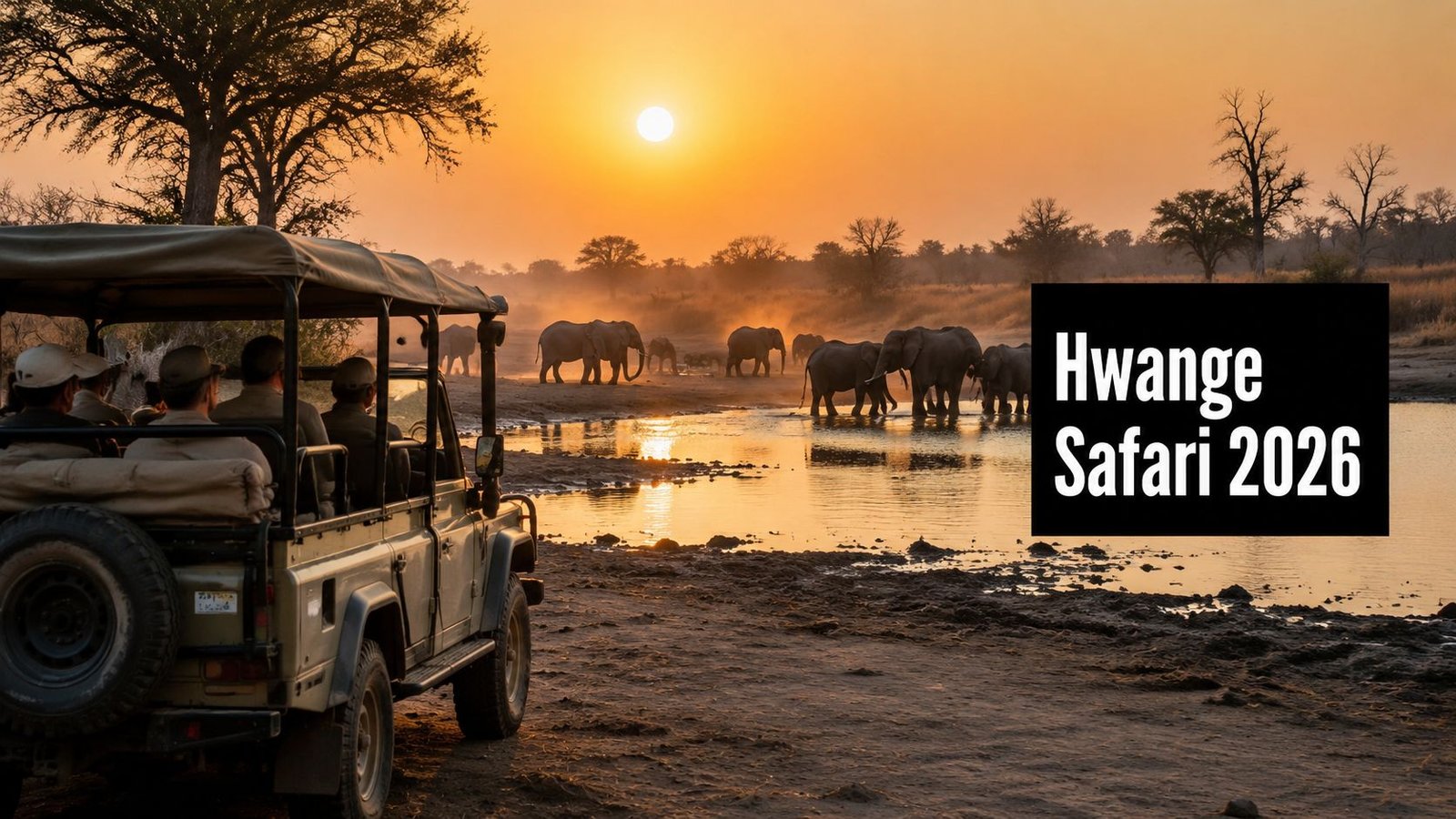
At dawn, Hwange can feel almost staged for drama. Dust hangs in the cold light, then a line of elephants breaks from the trees and heads for water with the kind of confidence only a place like this can produce. It is the sort of moment that makes visitors realise quickly that a Hwange National Park safari is built around movement, water, and timing.
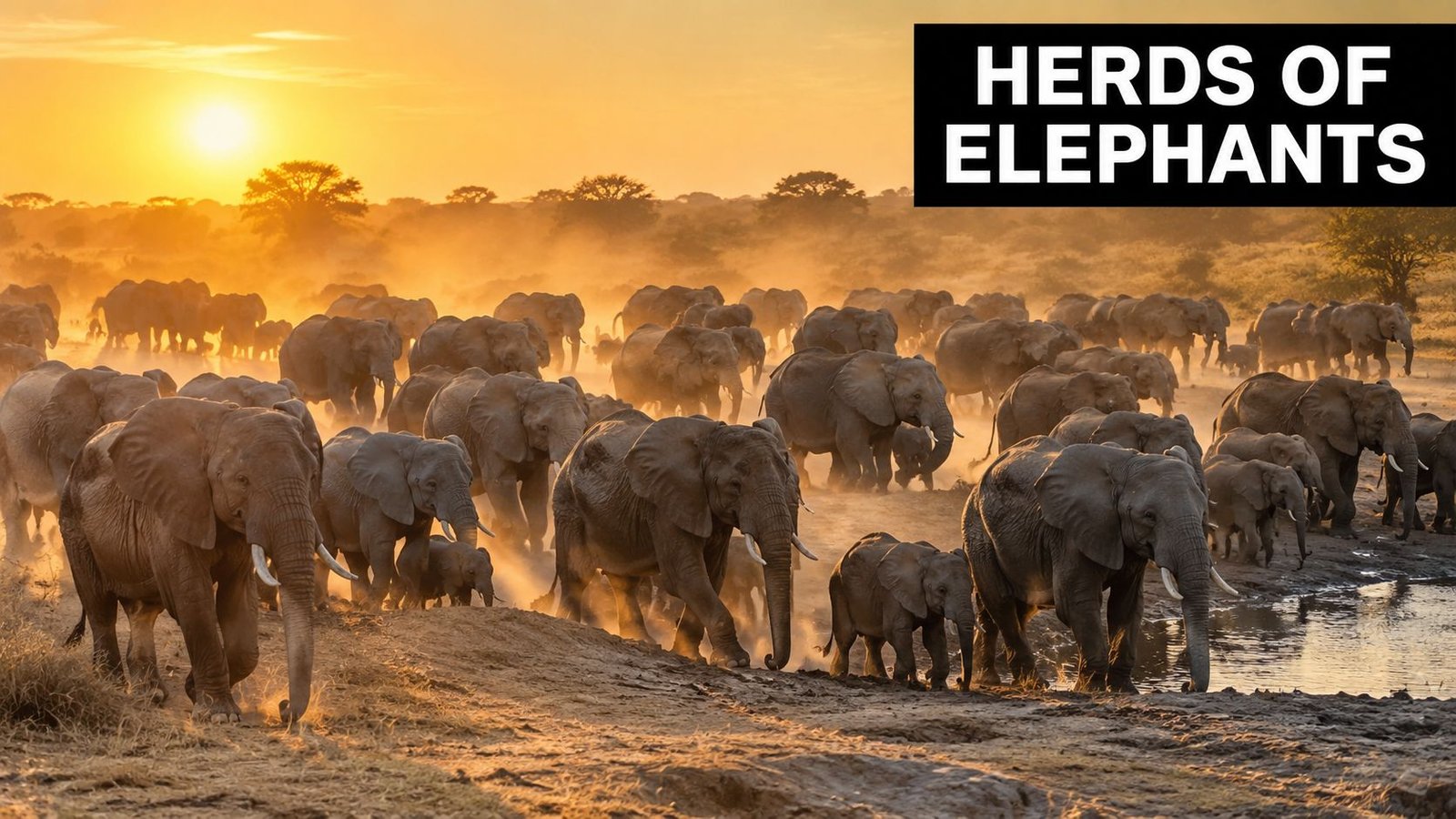
Hwange is Zimbabwe's largest national park, covering about 14,651 square kilometres and first gazetted as a game reserve in 1928 before becoming a national park in 1930 (Britannica). That scale matters in the field. You are not driving through a small fenced reserve. You are crossing a major wilderness system where long distances, varied terrain, and different access areas shape what you see and how you see it.
A park that works like a real ecosystem
Hwange's value is not size for its own sake. The park spans a major watershed and supports habitats ranging from hardwood forests to open plains, so a single game drive can feel like several different scenes stitched together. Historical accounts also link the area to earlier royal hunting use, which gives the park's conservation story a deeper continuity than many visitors expect.
The wildlife picture backs that up. Conservation and FAO-linked material places elephant numbers around 45,800, while other independent summaries put them in the 40,000 to 50,000 range, a sharp contrast with the fewer than 1,000 elephants reported in the park's early conservation era (FAO-linked document). The same source set records strong species diversity, including a census showing 39 mammal species and 228 bird species in a single year, with broader references noting 107 mammal species and 450 bird species in the park.
Practical rule: if you want Hwange to feel rich rather than random, think in terms of habitat and water, not just “the park.”
For travellers comparing Zimbabwe options, that makes Hwange a serious anchor destination, not a side trip. If you are deciding how it fits into a broader country plan, this guide to the top wildlife spots on a Zimbabwe safari in 2026 helps place Hwange in context without overselling it.
One useful way to read the park is simple. In many safari areas, wildlife spreads out and sightings get harder as the bush gets wilder. Hwange works differently because its famous viewing rhythm is shaped by waterholes, especially in the dry months. That means route choice matters as much as luck. Lodge position matters too, because the best viewing often happens where dependable pans and boreholes keep animals moving through a predictable circuit.
For travellers who care about practical details, even the basics of staying prepared make a difference in remote national parks. A simple resource on portable power for national parks is worth having in mind if you are planning long vehicle days, hides, or multi-night stays away from reliable charging.
When to Go Choosing the Right Season for Your Hwange Safari
Season is the biggest driver of what you see in Hwange. Pick the wrong month for your priorities, and lodge comfort will not fix it. Pick well, and the park's water system does much of the work for you, especially when animals are drawn to a smaller set of dependable pans and boreholes.
Dry season gives you the most concentrated sightings
The highest wildlife concentrations usually fall in the dry season, especially August to October, when natural water shrinks and animals gather at the most reliable waterholes. That is the season when a focused route matters most, because not every pan performs the same way. A peer-reviewed study in Hwange also found that herbivore use varied more by spatial location than by short-term year-to-year noise, which is a practical reminder that some waterholes consistently outperform others (Shumba study).
The trade-off is simple. The best water often draws the most vehicles. Elephants, buffalo, zebra, and predators concentrate at the same dependable points, so the most active sightings can happen where everyone else wants to stop. For many visitors, that is part of the appeal, because the action becomes more predictable and easier to photograph.
Field advice: if dense elephant viewing is your main goal, book for the dry season and ask which waterholes the lodge uses most often.
Wet season rewards space, birds, and softer light
From November to April, the park turns green and the animals spread out. Birding improves, the feel of the park changes, and the day's sightings are less tied to a few crowded water points. You may not get the same big gatherings at a single pan, but that does not make the season weak, it just changes the style of safari.
For photographers and travellers who prefer fewer vehicles, the shoulder months can make sense. May to July often sit in the middle, with conditions drying gradually and wildlife beginning to cluster again, but without the sharp pressure of the late dry season. If you are comparing October travel options more broadly, a practical reference such as HYDAWAY's guide to October hiking parks can help you weigh whether you want stronger wildlife concentration or a quieter, greener trip elsewhere.
Hwange Safari Seasons at a Glance
| Month | Wildlife Viewing | Weather | Crowd Level |
|---|---|---|---|
| January | Spread out, green season viewing | Wet | Lower |
| February | Spread out, green season viewing | Wet | Lower |
| March | Improving, still dispersed | Wet easing | Lower |
| April | Transitional, mixed conditions | Cooler, drying | Lower to moderate |
| May | Good, more movement near water | Drying | Moderate |
| June | Strong, more predictable | Dry | Moderate |
| July | Very strong, water stress increases | Dry | Moderate to higher |
| August | Excellent, concentrated at waterholes | Dry | Higher |
| September | Peak concentration | Dry and harsh | Higher |
| October | Outstanding, but hot and tense around water | Very dry | Higher |
| November | Declining concentration, greener terrain | Wet starts | Lower |
| December | Broad, dispersed sightings | Wet | Lower |
If you want the simplest answer, choose August to October for the strongest overall game viewing, especially elephants. If you want softer scenery, fewer vehicles, and more birdlife, choose the wetter months. The right month is the one that matches your goal, not the one that reads best in a brochure.
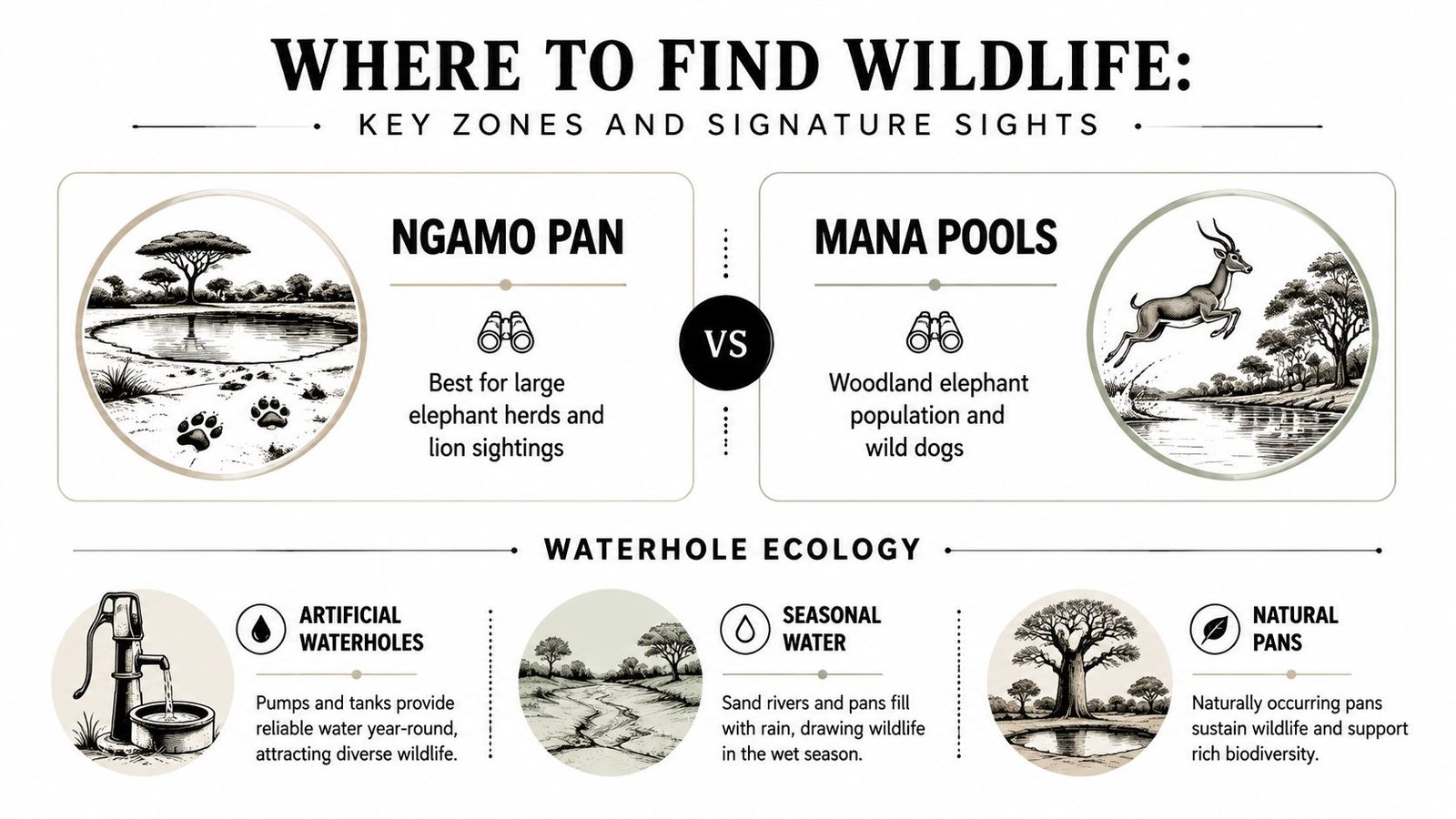
Where to Find Wildlife Key Zones and Signature Sights
Hwange rewards visitors who understand the water system first. The park's wildlife pattern is shaped by a supplemented water programme that began in 1935 and was expanded into a network of boreholes and pans to keep animals moving through the late dry season (Wiley technical review). That hidden engineering is why some spots hold game while others stay quiet.
Build your drive around dependable water points
Plan around circuits, not shortcuts. A few pans pull in far more life than others, and the park rewards repeat visits to proven sites more than random driving across every gravel road. Water availability is the main reason sightings stay reliable.
A lodge with easy access to productive pans usually matters more than a prettier base in the wrong part of the park. Elephants get the attention, but they are only part of the picture. Predators use the same water network, and the herbivores they hunt do not stay evenly spread once the dry season tightens.
The main sectors feel different
Main Camp is the practical entry point for first-timers and self-drivers. It gives you a useful road network and straightforward access to viewing areas, which makes it the sector most visitors picture when they think of a Hwange national park safari.
Nyamandiza and Domboshava suit travellers who want a tighter waterhole strategy and are happy to follow guide-led movement rather than improvise. These areas can work well when concentration matters more than variety.
The Eastern Areas appeal to visitors who want more space and a quieter pace than the busier core routes. Birders and repeat visitors often get more from that slower rhythm than from staying only near the famous pans.
Hwange Park Sectors at a Glance
| Sector | Wildlife Focus | Best For | Access |
|---|---|---|---|
| Main Camp | Mixed game, regular elephant activity | First-time visitors, self-drivers | Easiest road access |
| Nyamandiza | Waterhole concentration, elephant movement | Guide-led game drives | Route-dependent |
| Domboshava | Strong viewing around pans | Repeat visitors, focused sightings | More selective access |
| Eastern Areas | Broader, quieter wildlife watching | Birding, less crowded experiences | More remote |
The simple rule is this. If you want the highest chance of busy waterholes, stay disciplined and return to the same proven sites. If you want more open, varied game viewing, widen the circuit and accept that the animals will not always be on your schedule.
Some of the best Hwange drives are less about what road you take and more about how long you are willing to sit at the right waterhole.
Safari Experiences Game Drives Walking Safaris and Photographic Hides
A Hwange safari can feel very different from one camp to the next, because the park rewards vehicles, feet, and patience in different ways. The format you choose should match what you want most, whether that is covering ground, reading sign closely, or sitting at a waterhole while elephants drift in.
Game drives cover the ground
Open-vehicle game drives are the easiest way to get a clear first look at Hwange. They give you access to roads, pans, and changing animal movement, which makes them the practical default for first-timers, families, and travellers with limited time. They also suit the park's artificial waterhole system, because a good guide can shift with the day's pressure points instead of staying tied to one area.
The trade-off is straightforward. You stay in the vehicle, so the view is broader than intimate, and you still depend on road reach. In Hwange, that is often the right compromise, because distance between sightings can be part of the day and mobility matters more than forcing a fixed plan.
Walking and hides change the pace completely
Guided walking safaris slow everything down. You start noticing spoor, dung, birds, insects, and the small clues that explain why animals use one patch of ground and ignore another. The experience feels closer to the bush, but it also asks more from the traveller. You need to follow the guide's instructions and be comfortable with a slower, more attentive rhythm.
Photographic hides work on a different logic. They suit visitors who can stay still and wait for animals to come to water level. That is where you often get the cleanest behaviour, especially at productive pans, and it can be more rewarding than chasing sightings if your priority is photography. If you want to sharpen your field results, these safari photography tips are worth reading before you go.
| Format | Best For | Cost Range | Wildlife Type |
|---|---|---|---|
| Game Drive | First-time visitors, broad coverage | Usually the most flexible option | Large mammals, mixed species |
| Walking Safari | Active travellers, tracking, detail | Often guided and specialist-led | Tracks, birds, smaller wildlife, close encounters |
| Photographic Hide | Patience, photography, stillness | Best with longer stays | Waterhole behaviour, elephants, predators |
| Night Drive | Nocturnal interest | Specialist add-on | Small mammals, night-active species |
Match the format to your goal
If you only have one safari style in Hwange, choose a game drive. It gives the widest sense of how the park works and how the waterholes shape movement.
If you have more time, pair a vehicle day with a walk or a hide session. That combination shows both the broad pattern and the finer detail. You see how the animals move, then you see why they settle where they do.
A flexible lodge, camp, or operator makes that easier to arrange. It lets you adjust to weather, animal movement, and your own energy level instead of forcing every day into the same mold. For travellers comparing operators, Maximum Adventure Trails is one booking option that can arrange Hwange day trips and multi-night itineraries alongside other Zimbabwe and Botswana destinations.
Where to Stay Accommodation Options Near Hwange National Park
At Hwange, where you sleep shapes what you see. A camp on the right side of the park can put you at a productive waterhole at first light, while the wrong base can leave you spending your best viewing hours on road transfers.
Inside the park versus outside the park
Staying inside Hwange usually gives you the stronger safari rhythm. You can leave earlier, return later, and avoid burning time at the gate, which leaves more of the day for pans, hides, and the waterhole circuit. That matters most in the dry season, when elephants, predators, and mixed game concentrate around reliable water.
Staying outside the park still works for many travellers, especially if price matters or if Hwange is part of a wider Victoria Falls itinerary. The trade-off is simple. You often reach the wildlife a little later and pull away a little sooner, so you lose some of the prime movement around dawn and late afternoon.
Match the lodge tier to your priorities
Luxury lodges suit travellers who want strong guiding, a more private drive pattern, and easy access to key waterholes. Mid-range camps often give the best balance of comfort and time in the field, especially when the camp is well placed for the areas it works most often. Budget-friendly options fit self-drivers and practical travellers who care more about being in the park than about polished extras.
The label matters less than the camp's position in the wildlife circuit. A well-placed mid-range camp can outperform a more expensive property in the wrong sector because it puts you closer to the animals when they are active.
The artificial waterhole system is what makes this decision so important in Hwange. Animals do not move evenly through the park. They respond to water, and the lodge you choose determines how quickly you can reach those points when activity builds. The Hwange accommodation options listed for 2025 show how some travellers prioritise in-park camps while others choose easier road access. That is a time-versus-distance decision, not just a comfort decision.
What to ask before you book
- How close is the camp to the waterhole circuit? A few minutes each way adds up over several days.
- What departure times are possible? Early starts matter more than room features.
- Which activities are included? Game drives, walks, and hides each change the value of the stay.
- How much of the day is spent in transit? In Hwange, road time can cut into your best wildlife window.
Choose a lodge that matches how you want to spend your safari. If you want structure and fewer moving parts, pick a place that combines guiding with a good location rather than one that sells style alone. That approach is especially useful for first-time visitors who want efficient sightings and fewer compromises.
Getting There Travel Logistics and Park Access Guide
Hwange feels straightforward once the routing is set, but the details matter. The first decision is simple: line up your flight arrival with the transfer style your lodge or operator runs, then plan the day around gate timing and where you are staying.
Flights and onward transfers
For many international visitors, Victoria Falls Airport is the cleanest arrival point. From there, road transfers and safari pickups usually carry you into Hwange. Some itineraries route through Johannesburg or Harare first, then continue by road, depending on the start and end points of the trip. The question is not which airport looks cheaper on paper, but how much overland time you are willing to accept after landing.
A short transfer from Victoria Falls can make a day trip realistic. That is why some operators sell Hwange as a full-day outing from the Falls, including options like the Hwange National Park full-day trip from Victoria Falls. For travellers who want a quick wildlife hit without changing camps, that format can work, as long as expectations stay practical. You spend more time on the road than on a long in-park circuit, so it suits people who want a taste of Hwange rather than a slow, multi-day search.
Entry, documents, and the 2025 gate update
Carry the travel documents required for Zimbabwe entry, and check visa rules before departure because they vary by nationality. Park fees and conservation levies may also be handled differently depending on whether your lodge or operator includes them, so confirm that before you travel. It saves awkward delays at the gate.
A recent access change matters here. Reporting in 2025 noted a US$1.4 million entrance pavilion and gate complex intended to improve tourism, conservation, and security, which has changed how major entry points handle queuing and payment flow (Friends of Hwange). It does not change the wildlife experience, but it does affect arrival timing, especially for self-drivers and anyone arriving during busy transfer periods.
What to book first
- Pick the park base before you finalise the flight. Lodge location decides how much road time you absorb.
- Confirm whether transfers are private or shared. That affects departure flexibility and how early you can get into the field.
- Check who handles gate fees. If the operator sorts them, arrival is easier.
- Keep arrival day realistic. A rushed transfer can leave you too tired for the first drive.
Hwange is easy enough to reach when the plan matches the route. It becomes irritating when travellers assume the logistics will sort themselves out later. Choose around your wildlife priorities, then build the transport to fit.
How to Book Your Hwange Safari with Confidence
A good Hwange booking starts with a practical question. Do you want the trip to follow lodge style, or the waterhole circuit that shapes what you see? In Hwange, the second choice usually matters more, because wildlife is tied closely to water availability and the route you can realistically drive each day.
Use a specialist who understands the park rhythm
A specialist operator helps you choose the right season, lodge position, and daily movement. That matters because the park changes with rainfall, water pumping, and access conditions, so a generic itinerary often misses the way Hwange really works. A practical operator should also adjust the plan when waterhole conditions shift, which is the difference between a tidy brochure trip and a safari that responds to what is happening on the ground.
If you want a brief, fixed example of how that planning looks, the 2 nights safari experience in Hwange National Park shows the kind of short itinerary that can still fit the park's rhythm. It is enough time to see why water access, not just lodge comfort, drives the sighting pattern.
Check these details before paying
- Season fit: dry-season trips usually favour concentration, while wetter months suit space, scenery, and birds.
- Activity mix: confirm whether the itinerary includes game drives only, or also walks and hides.
- Lodge position: inside the park usually gives you more time in the field than staying outside.
- Trip length: one-night stays feel rushed, while multi-night itineraries let you work the waterholes properly.
- Flexibility: ask how changes are handled if a road, gate, or route becomes less practical.
The best plan is the one that matches your goal. If you want elephants and predator activity around reliable water, book with that pattern in mind. If you want a broader, greener experience, accept that sightings may be more spread out and the drives may cover more ground.
Safety and traveller fit
Hwange is generally comfortable for solo travellers, couples, and families when the trip is well guided and wildlife rules are respected. The main risks are logistical. Arriving tired, staying too far from productive areas, or choosing the wrong season for your priority can weaken the safari more than any single wildlife encounter can improve it.
A booking platform such as Maximum Adventure Trails can help if you want to compare lodge positions, transfer timing, and activity formats in one place. Use it as a planning tool, not a shortcut around the details that matter.
The strongest Hwange itineraries are rarely the fanciest ones. They put you in the right place at the right time, with enough time to wait.
Choose season, access, and waterhole strategy first, then pick the lodge and activity mix that support those choices. Book your Hwange trip with Maximum Adventure Trails, compare the route against your dates, and ask for an itinerary that matches your wildlife priorities instead of just filling nights. Visit Maximum Adventure Trails to start planning a Hwange safari that fits the season, the lodge, and the sightings you want.