

- 14 Views
- 19 Min Read
- (0) Comment
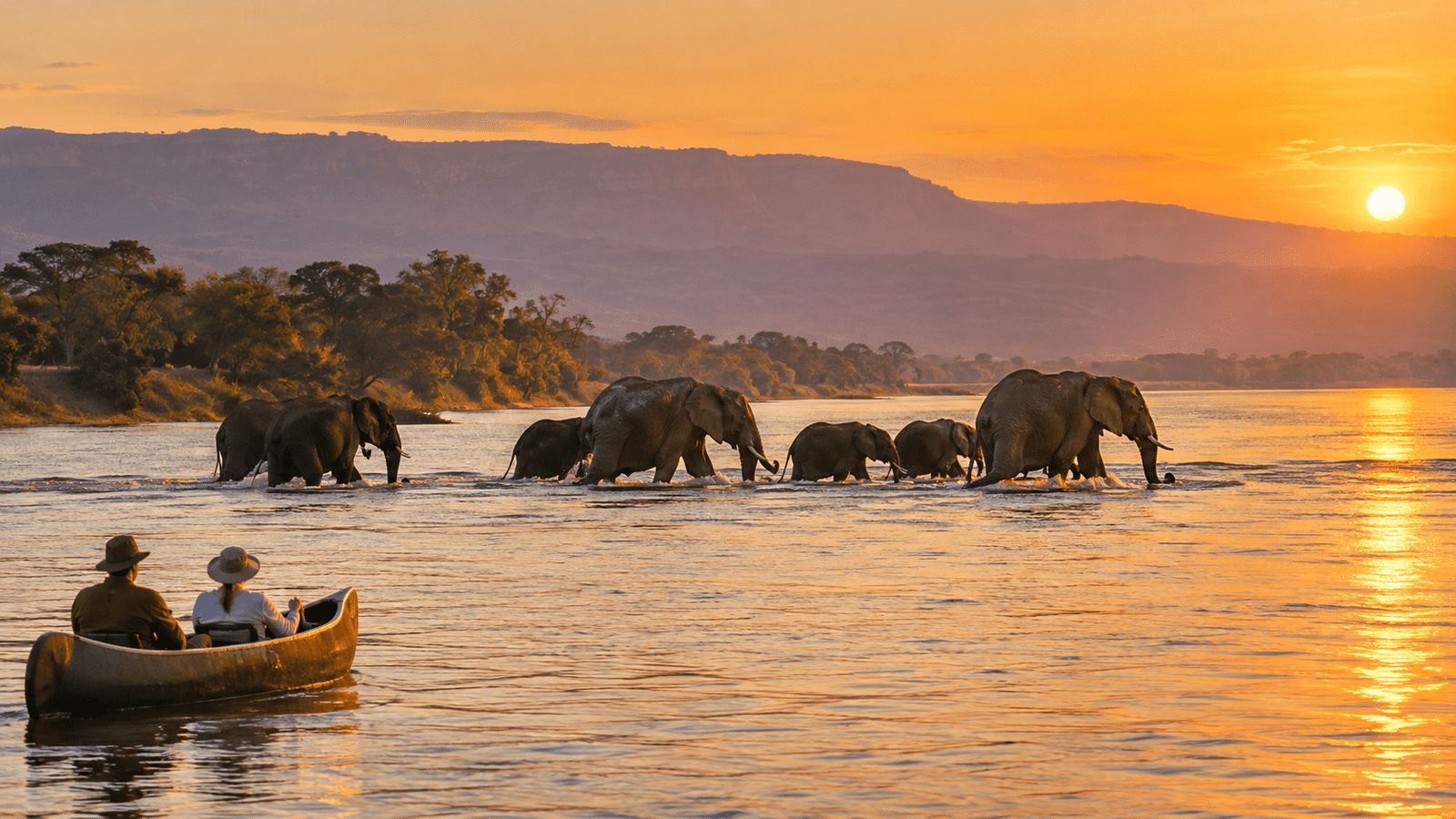
A Lower Zambezi safari is the trip I recommend to people who say they’ve “done Africa” and still want something that feels wild. En convoys of vehicles pursue a single lion. There is a wide, slow river, elephants swimming between islands, and a canoe drifting past hippos with a skilled guide at your side.
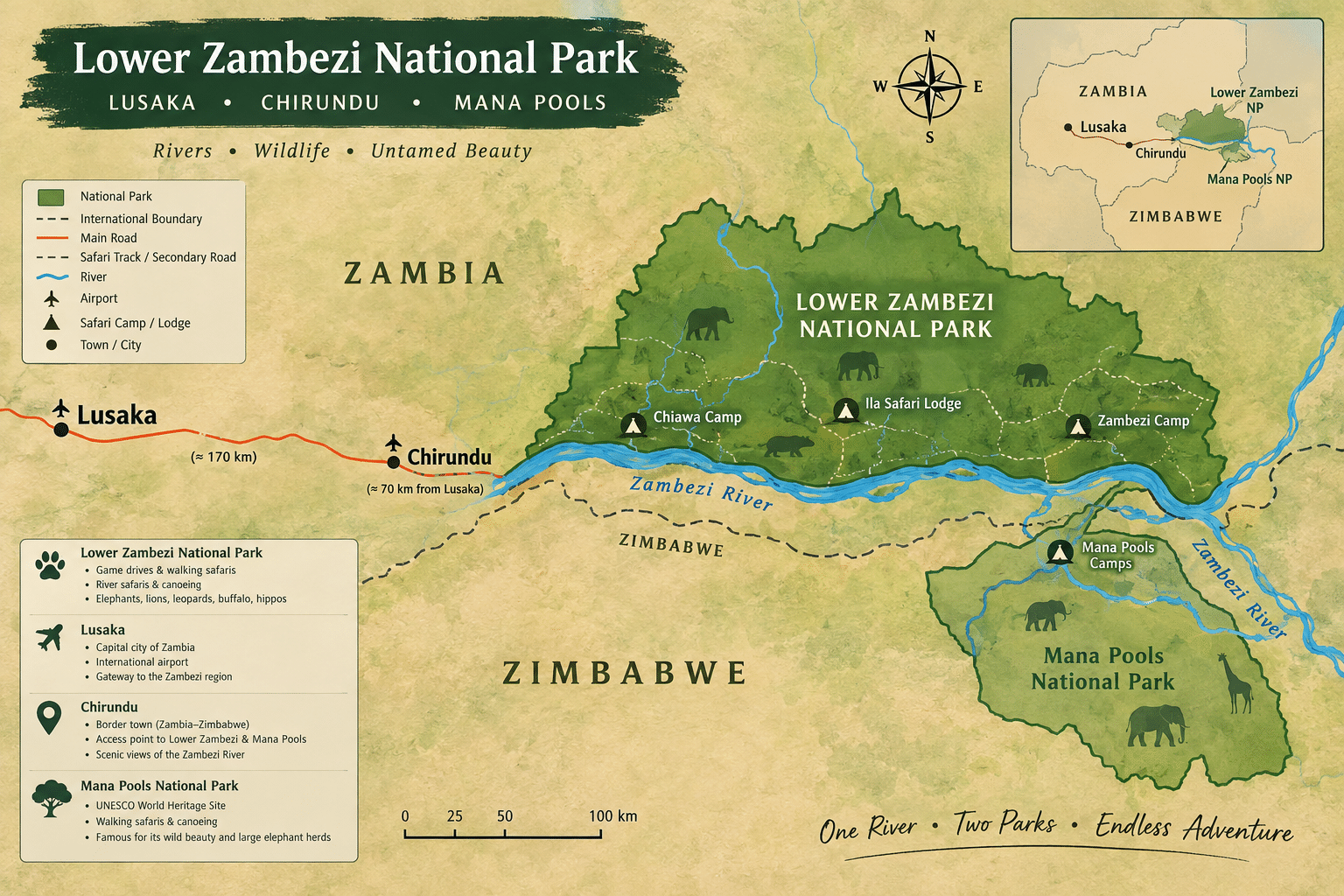
Lower Zambezi National Park lies in southeastern Zambia on the northern bank of the Zambezi River. It covers roughly 4,092 square kilometres and sits directly opposite Zimbabwe’s Mana Pools National Park. The river is the heart of the experience. Unlike a safari built only around driving, a Lower Zambezi safari combines game drives, boat cruises, guided walks and, where conditions allow, canoe trips.
This guide covers where the park is, how to get there, when to go, what you’ll see, what a trip costs, where to stay, and what to pack. I’ve spent years in affiliate marketing and travel-gear content, so I know which questions travellers actually search and which purchases they regret. I’ve folded that into the planning advice below.
Lower Zambezi Safari at a Glance
| Detail | Information |
|---|---|
| Country | Zambia (Lusaka Province) |
| Park | Lower Zambezi National Park, plus the Chiawa and Rufunsa Game Management Areas |
| Park size | Approximately 4,092 km² |
| Best time for wildlife | July to October (dry season) |
| Signature activities | Canoe safaris, boat cruises, game drives, walking safaris, tiger fishing |
| Gateway | Lusaka |
| Recommended stay | 4 to 5 nights (3 minimum) |
| Malaria risk | Yes, take precautions |
| Across the river | Mana Pools National Park, Zimbabwe |
Where Is Lower Zambezi National Park?
The park lies along the northern side of the Lower Zambezi River, which forms the border with Zimbabwe in this region. Behind the floodplain, the Zambezi Escarpment rises as a dramatic backdrop.
The two parks on either side of the river share one ecosystem, but they sit in different countries with separate regulations and access arrangements. Together, they form one of Africa’s most intact river wilderness areas.
The landscape includes riverine forest close to the water, floodplains, mopane woodland, winterthorn trees and rolling hills further inland. These habitats support large mammals, smaller wildlife and a rich birdlife. Because water and grazing draw animals to the valley floor, most wildlife viewing happens along or near the river.
Where you stay changes your experience:
- Inside the national park: Lodges have direct river frontage and access to the best game-viewing areas, but activity rules are stricter. Night drives are generally not permitted.
- Outside the park, in the Game Management Areas: These areas often allow night drives and more flexible activities, and they can offer better value. They may have different access arrangements.
Neither is better. It depends on what you want to do.
Why Choose a Lower Zambezi Safari?
Most safari destinations sell you the land. A Lower Zambezi safari sells you the river.
- A range of experiences. On a game drive, a guide tracks elephants and predators. On a boat, you watch animals come down to drink. On a canoe, you glide quietly at water level.
- Fewer crowds. There are few lodges, so sightings are rarely shared with many vehicles.
- Strong photography. Sandy islands, green riverbanks, dry-season woodland, and soft sunrise and sunset light create varied settings.
- A slower pace. It’s a place for listening to the bush and watching how animals use the river through the day.
- Combined activities. You can mix land and water activities in one stay, depending on your camp, season, and package.
Wildlife on a Lower Zambezi Safari
Wildlife is wild, so sightings depend on season, weather, location,n and time spent out. The park is not a classic “Big Five” destination because rhinos are absent, but the quality of the experience makes up for it. Giraffes are also not part of the park’s typical wildlife, so don’t expect to see them.
African Elephants
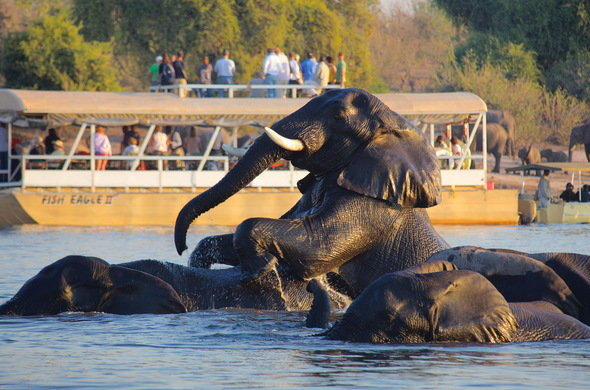
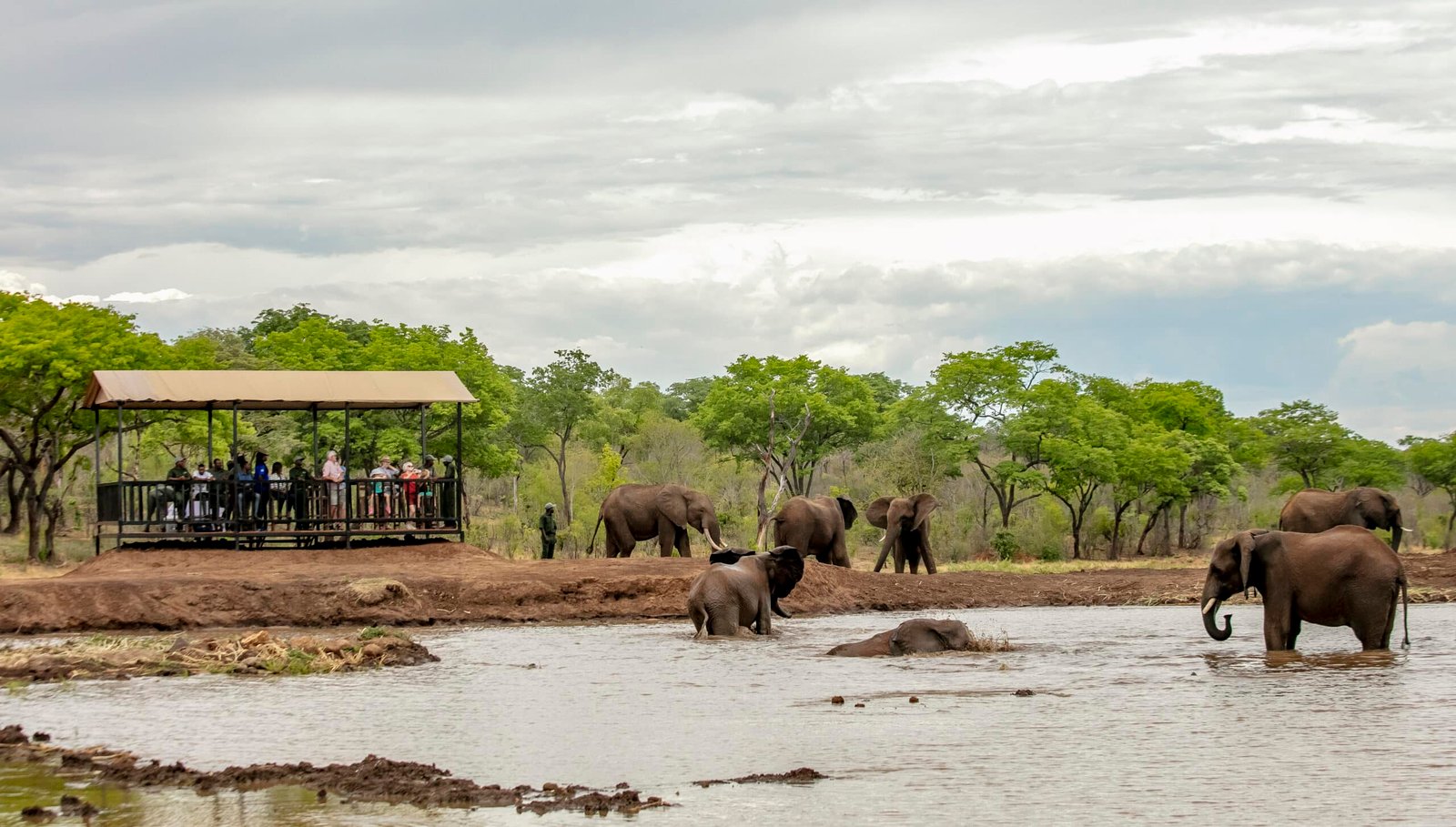
Elephants are the stars. Herds feed and drink along the river and swim between islands and floodplains. Their behaviour changes through the day, so patience and a respectful distance matter. Never approach, touch, feed,ed or block an elephant’s path.
Lions and Leopards
Both are present. Lions may be seen resting in shade or crossing floodplains, and they’re often heard at night. Leopards are elusive, and night drives in the Game Management Areas give you your best chance. No operator can guarantee a sighting of either.
African Buffalo
Buffalo move in groups between grazing areas and the river. They’re powerful animals, so always follow your guide’s instructions.
Hippos and Nile Crocodiles
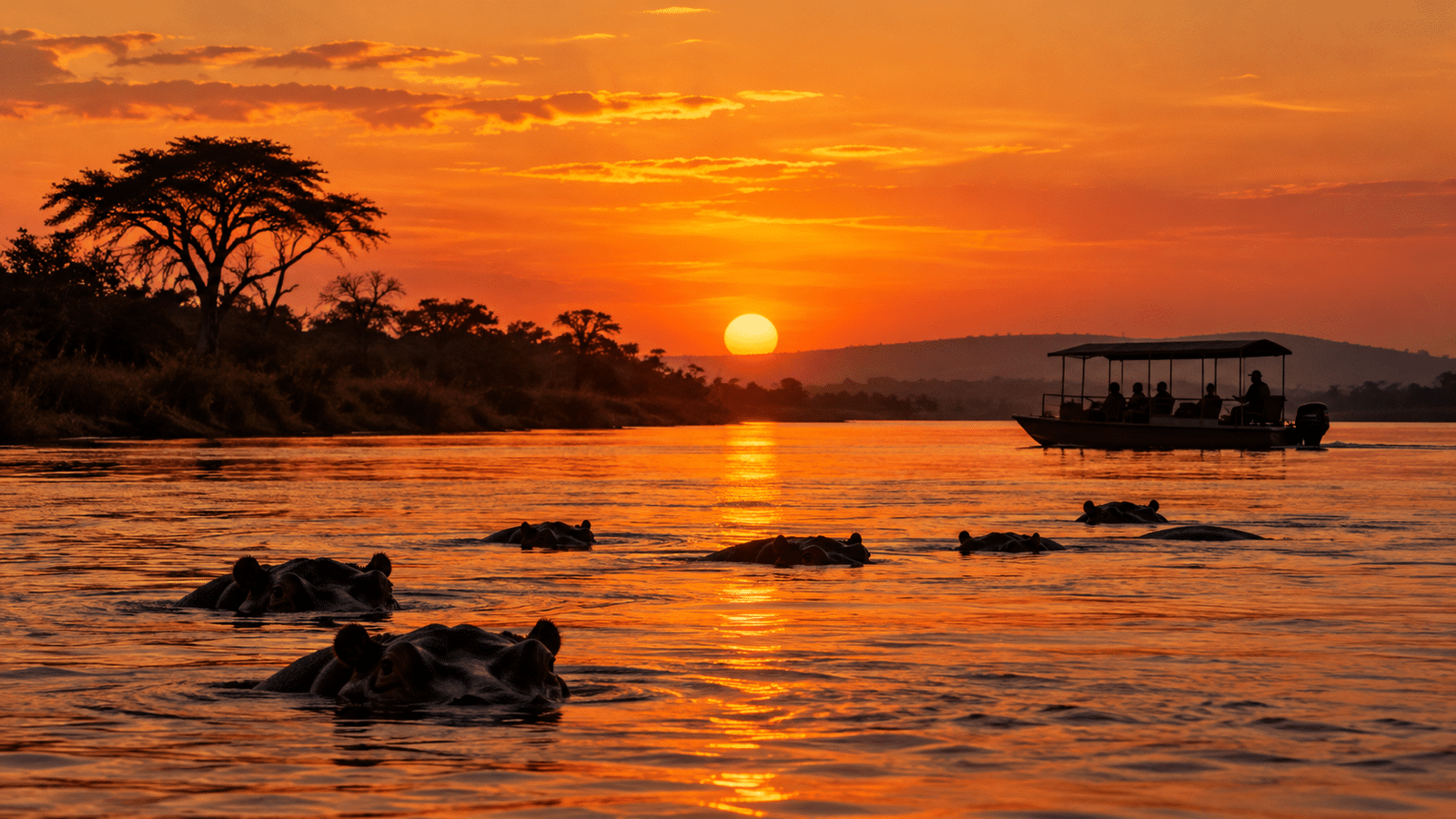
You’ll see hippos and crocodiles daily from boats and canoes. Hippos stay in the water by day and become more active around dusk and night. Both animals can be dangerous even when they look calm. Only swim in places specifically approved by qualified local operators.
Other Mammals
- Zebra and waterbuck on the floodplains
- Kudu, impala, bushbuck and eland in woodland and open areas
- Baboons and vervet monkeys
- Hyenas and other nocturnal species on night activities
- Wild dogs, which are present in the wider ecosystem but are never guaranteed. Ask your lodge about recent sightings.
Birdlife
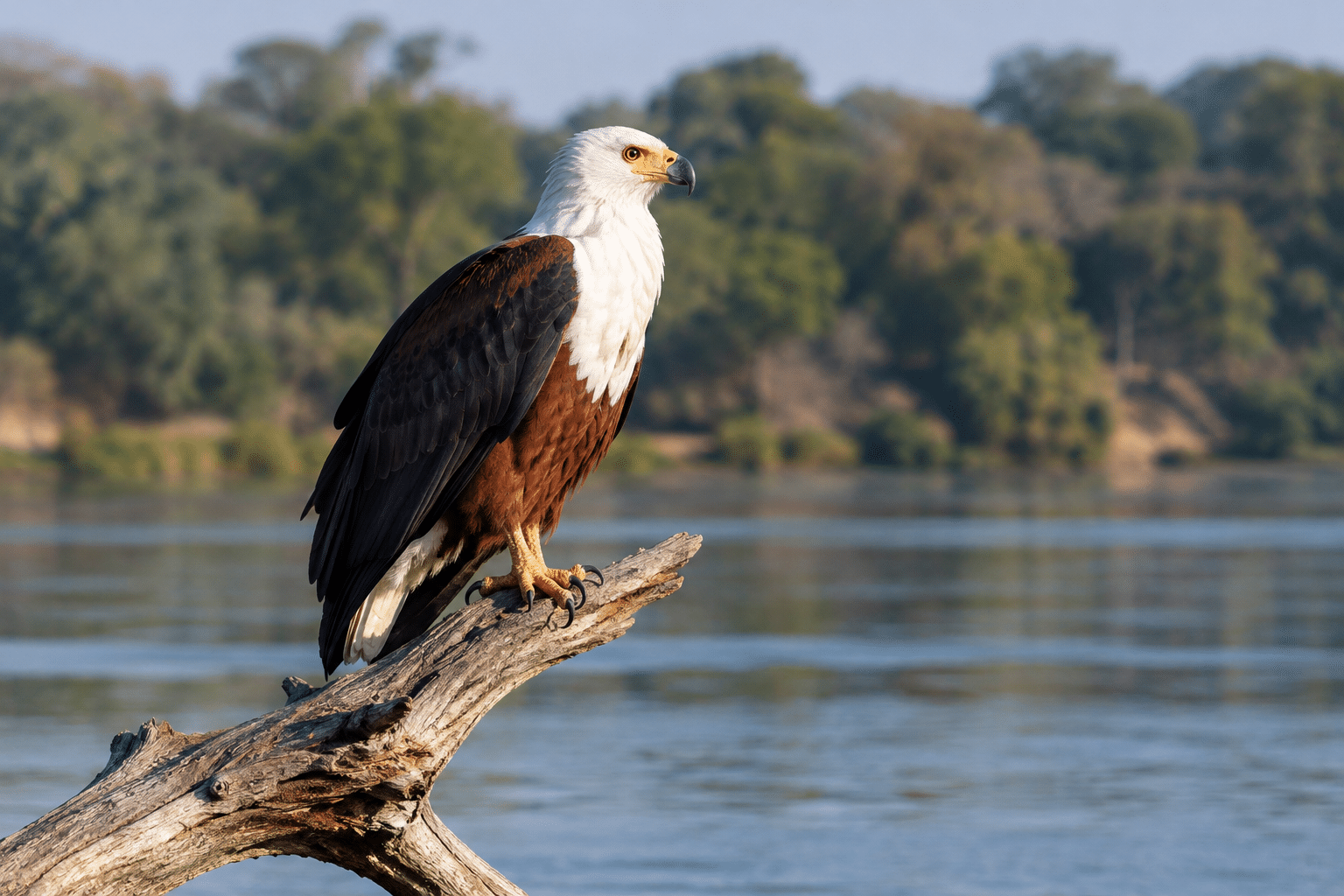
More than 400 bird species have been recorded. Look for African fish eagles, Pel’s fishing owls, bee-eaters, hornbills, kingfishers and African skimmers. The green season suits birders because migratory species arrive. From roughly August to November, carmine bee-eaters nest on the riverbanks, which photographers love.
Best Safari Activities in Lower Zambezi National Park
1. Canoe Safaris
A Lower Zambezi canoe safari is the destination’s most distinctive experience. You travel quietly along channels in a two-person canoe, usually in the morning or late afternoon, and see the landscape from water level. You might pass river islands, reed beds,s and trees full of birds, and elephants may be drinking at the shore.
Whether a trip operates depends on river conditions, weather, wildlife activity,ty and the guide’s safety assessment. Because hippos and crocodiles live here, only go with a reputable operator and qualified guides. Follow every instruction and don’t assume every stretch of river is suitable.
Tip: Wear a wide-brimmed hat, polarised sunglasses and sunscreen. Reflection off the water roughly doubles your sun exposure.
2. Boat Safaris
Motorised boat cruises cover more ground and suit photographers, older travellers and families. Animals come to drink, feed or cross between islands, and birds gather along the banks. Sundowner cruises are a favourite evening ritual. Ask whether boat excursions are included in your rate or charged separately.
3. Game Drives
Open 4×4 vehicles let guides explore woodland and floodplain tracks. Early-morning drives are cooler and active, while late-afternoon drives offer softer light. A good guide does more than name animals. They explain tracks, feeding behaviour, and how the seasons shift wildlife. Night drives may be available at some properties, depending on local regulations and where the camp is located.
4. Walking Safaris
A guided bush walk teaches you the small things: tracks, plants, insects and bird calls. You’re escorted by a qualified, armed guide, and strict rules apply, including silence and staying in line. Walks aren’t offered at every property, so check when booking.
5. Tiger Fishing
The Zambezi is famous for tigerfish, one of Africa’s best freshwater game fish. September and October are traditionally regarded as particularly good months, though results vary. Confirm whether guiding, tackle,e and licences are included, and follow the operator’s catch-and-release rules.
6. Birdwatching and Photography
Bring binoculars and a bird app or field guide. For photography, a telephoto lens suits distant animals, a wider lens suits landscapes, and spare batteries are essential. Dust and river spray are constant, so carry a lens cloth.
Best Time for a Lower Zambezi Safari
Your priorities decide the best month, but for most first-timers interested in large mammals, July to October is the strongest window. Inland water dries up, and animals concentrate along the river.
| Months | What to expect | Best for |
|---|---|---|
| January–March | Heavy rain, lush vegetation, difficult access; many camps closed | Green scenery and birds, if a camp is open |
| April–May | Greener landscapes, conditions gradually drying | Photography and a quieter atmosphere |
| June–August | Cool mornings, clear days, improving wildlife viewing | Game drives and varied activities |
| September–October | Hot and dry, wildlife concentrated near water; October can be exceptionally hot | Wildlife photography and fishing |
| November | Transition period, unpredictable weather | Flexible travellers who check camp operations |
| December | Rainy season, thick vegetation, possible access problems | Green-season trips where operators are open |
Patterns vary year to year. Some lodges inside the park close during the rains because roads become impassable, while some camps in the Game Management Areas stay open longer. Always check opening dates for your exact property and activities.
Is the Dry Season Better for Wildlife?
For most first-time visitors, yes. Vegetation thins out, wildlife is easier to find, and animals use the river. The downsides are dusty scenery, higher visitor numbers in peak months,hs and intense late-season heat.
Is the Green Season Worth It?
It can be, especially for birders and photographers who want dramatic skies and lush scenery. Rates are often lower. But thick vegetation hides mammals, rain disrupts roads and activities, and some camps close. Don’t book assuming every lodge, road, and activity is available.
How to Get to Lower Zambezi National Park
Most international visitors fly into Lusaka (LUN) and continue from there.
By Air (Fastest)
Light-aircraft charters run from Lusaka to safari airstrips near the park, such as Royal and Jeki. The flight takes roughly 30 to 45 minutes and gives lovely aerial views, and lodges usually arrange airstrip transfers. Luggage limits are strict, often around 15 kg in a soft bag, so confirm with your camp before buying tickets.
By Road
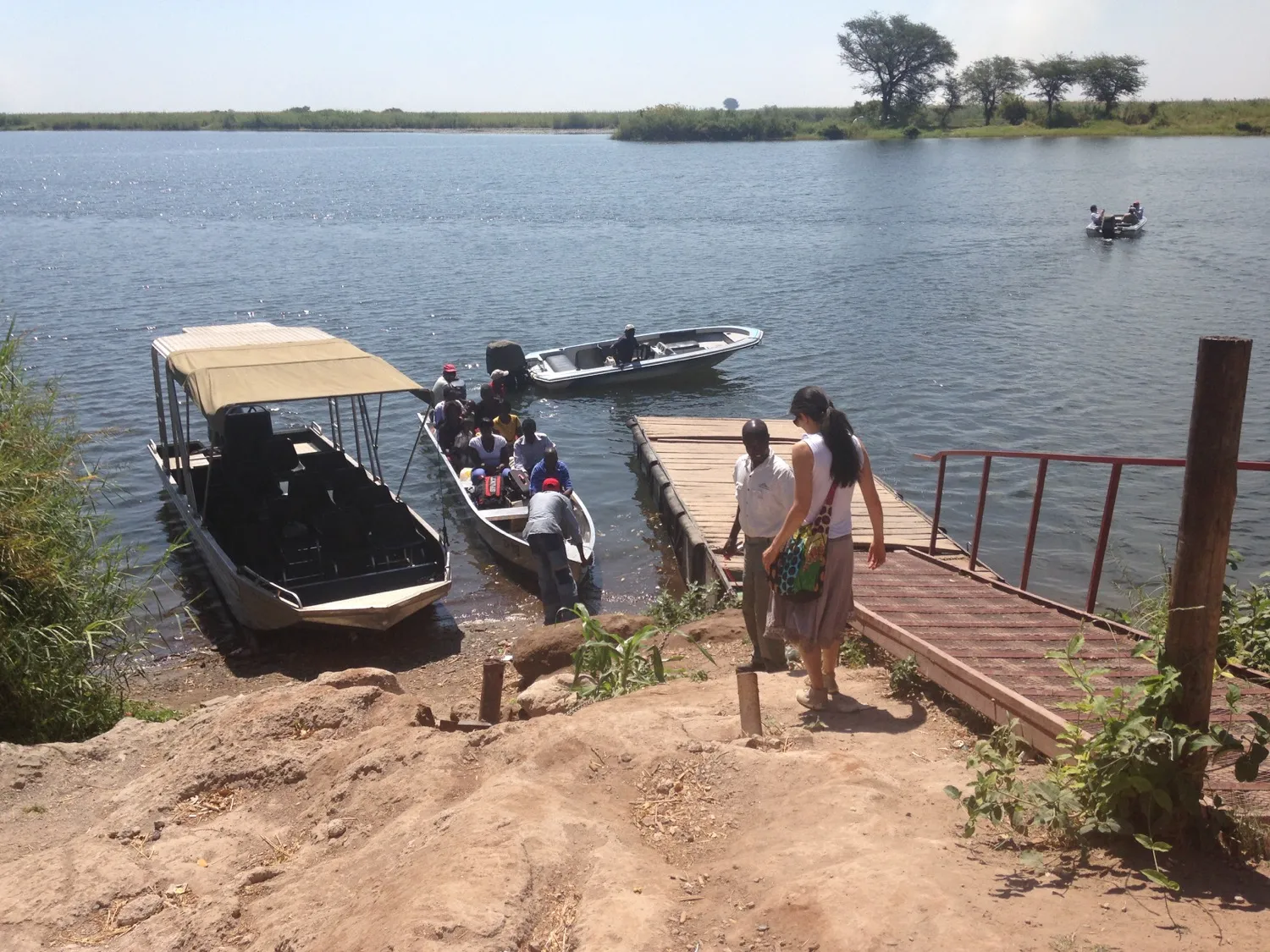
You can reach the area by road from Lusaka, including via Chirundu. The journey is longer and tougher than flying, especially in wet weather, and the final stretch is often gravel. Some routes need a 4×4. Some lodges also use a short boat transfer from the road head. Confirm the recommended route with your camp.
Self-Drive
Possible, but not for beginners. Roads deteriorate in the rains, signage is limited, and a high-clearance 4×4 is essential. For a first safari, I’d use a lodge transfer.
Planning tip: Leave a buffer night in Lusaka if you’re connecting from a long-haul flight. Remote camps have limited transfer schedules, and a missed connection can disrupt your whole itinerary.
Where to Stay on a Lower Zambezi Safari
Lodges are mostly tented camps or small lodges on the river. Names and details change, so confirm availability and recent reviews before you book.
Luxury Camps
Small guest numbers, private guiding, premium food, and riverfront locations. Properties such as Sausage Tree Camp and Chiawa Camp are often mentioned in this tier. Packages may include meals, activities and transfers, but check the inclusions.
Mid-Range Lodges
En-suite tents or chalets, shared guided activities and good food. Royal Zambezi Lodge and Anabezi Camp are examples travellers often consider. For most visitors, this is the sweet spot.
Budget and Self-Catering
A few options near Chirundu and the park edges offer lower rates, and some allow camping or self-catering. Facilities are more basic, and you usually need your own vehicle. A lower nightly rate doesn’t always mean a cheaper trip once transfers, activities,s and fees are added.
Five Questions to Ask Before Booking
- Is the camp inside the national park or in a Game Management Area?
- Which activities are included in the rate?
- Are park fees and transfers included?
- How many guests does the camp host?
- When does the camp open and close for the season?
Also ask about electricity, charging, water supply, Wi-Fi, and bathroom facilities.
How Much Does a Lower Zambezi Safari Cost?
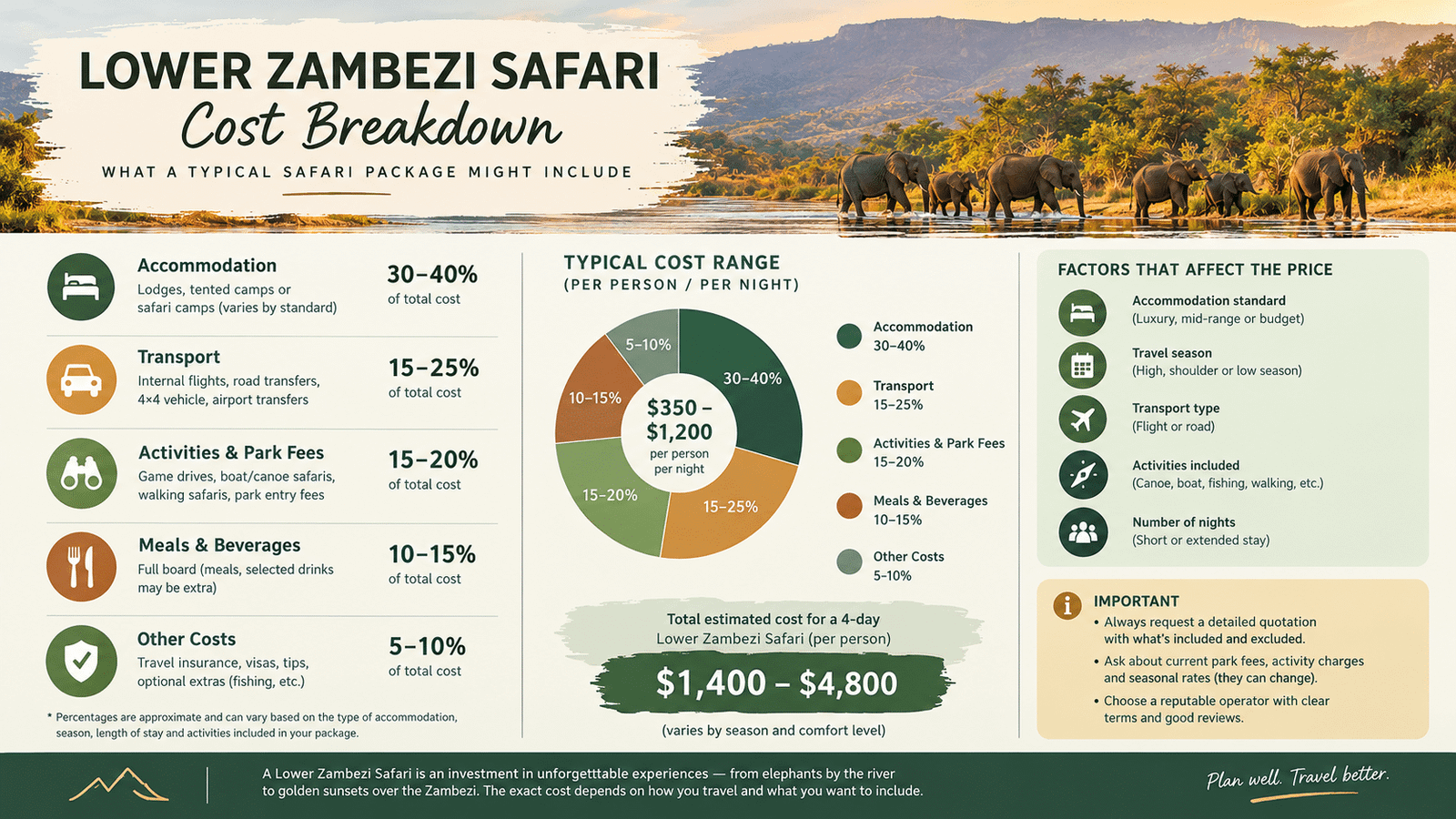
I’ll be direct: this is not a budget destination. Remoteness, small camps and logistics push prices up, and no single price covers every trip. The biggest factors are accommodation tier, number of nights, season, transport to camp,p and which activities are included.
| Tier | Typical cost | Usually includes |
|---|---|---|
| Luxury | Several hundred USD or more per person per night | Meals, drinks, activities, often fees and transfers |
| Mid-range | Lower than luxury, still a significant spend | Meals, most activities, some extras |
| Budget / self-catering | Lowest, with wide variation | Accommodation; you cover food and activities |
A fly-in luxury safari needs a larger budget than a road-based trip, and peak-season dates cost more.
Extra Costs to Plan For
- International flights to Lusaka
- Domestic fly-in transfers (often a big add-on)
- Park and conservation fees, sometimes bundled, sometimes separate
- Visa fees, depending on nationality
- Travel insurance with medical evacuation cover
- Tips for guides and staff
- Gear you buy before you go
Ways to Save
- Travel in May, June or early July, when rates are often lower.
- Book longer stays where multi-night discounts apply.
- Consider the green season for value, accepting fewer sightings.
- Compare a Game Management Area camp with one inside the park.
Before paying a deposit, ask for a written quotation that separates included services from optional extras. Fees change, so confirm current amounts with the operator or official authority rather than relying on an old price list.
Suggested Lower Zambezi Safari Itineraries
4-Day Itinerary (A Solid Starting Point)
This is an example. Actual activities depend on your lodge, season, and arrival time.
- Day 1: Arrival and river views. Transfer to the lodge and settle in. Enjoy an afternoon boat cruise or short game drive.
- Day 2: Wildlife game drive. Early drive while it’s cool, rest at camp, then an afternoon drive or river excursion.
- Day 3: Canoe or boat safari. Reserve this day for a guided canoe safari if conditions allow, or choose a boat safari, birding, or fishing.
- Day 4: Final safari and departure. One last activity or a relaxed breakfast by the river, then a transfer to the airstrip or road. Leave time for connections.
5-Night Itinerary (My Recommendation)
Five nights lets you repeat your favourite activities. Wildlife is unpredictable, and a second morning on the water often delivers what the first didn’t. A longer stay also lets you mix land and water activities without rushing.
Combining With Other Destinations
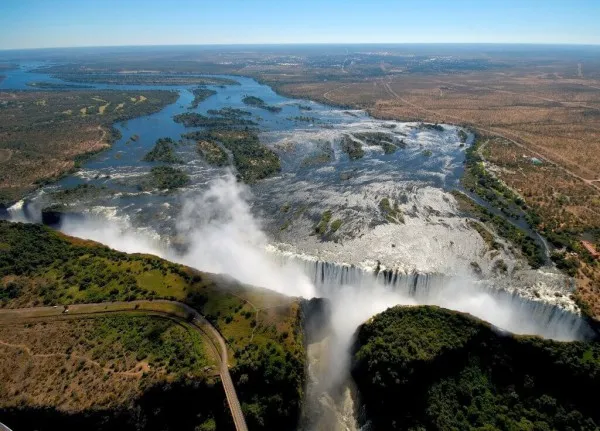
- Victoria Falls: Pair the river wilderness with a world-class waterfall, but plan flights and border requirements carefully.
- South Luangwa: Famous for walking safaris and leopards, and a strong contrast to Lower Zambezi’s water focus.
- Mana Pools (Zimbabwe): Across the river, but the parks are not interchangeable. Crossing involves separate access arrangements and immigration formalities.
Avoid cramming too many destinations into a short trip.
Lower Zambezi vs Mana Pools vs South Luangwa
| Factor | Lower Zambezi | Mana Pools | South Luangwa |
|---|---|---|---|
| Signature experience | Canoe and river safaris | Walking among elephants | Walking safaris and leopards |
| Crowds | Low | Low | Moderate |
| Cost | High | Varies; some budget options | Moderate to high |
| Logistics | Fly-in or long road | Cross-border considerations | Fly-in common |
| Best for | Water lovers, photographers | Adventurous travellers | Big cat enthusiasts |
If the river appeals to you, choose Lower Zambezi. If you want to walk close to wildlife with minimal infrastructure, consider Mana Pools. If leopards top your list, South Luangwa is hard to beat. Kafue is another option for travellers wanting vast, varied wilderness.
Safari Gear: What I Recommend and What I’d Skip
In affiliate marketing, the temptation is to recommend the most expensive item because it pays the highest commission. I avoid that. Where a mid-priced option performs as well, I point you to it. Check current prices and reviews before buying.
1. Binoculars (the most important purchase)
On a river safari,i you’re scanning banks, islands,ds and treetops. Choose 8×42, which balances brightness, field of view, and weight. Nikon Monarch M5 and Vortex Diamondback HD are well-regarded mid-range options. Avoid ultra-cheap optics.
2. Soft-sided duffel bag
Small bush planes enforce weight limits and usually require soft bags with no wheels or rigid frames. A 50 to 70 litre duffel works well.
3. Roll-top dry bag (10 to 20 L)
Canoes and boats mean water. It protects your camera, phone,e and documents.
4. Neutral, quick-dry clothing
Choose khaki, olive,ve or tan, and avoid black and dark blue where tsetse flies are active. UPF-rated long sleeves protect from sun and insects.
5. Wide-brim hat and polarised sunglasses
A chin strap keeps the hat on during boat rides, and polarised lenses cut glare.
6. Insect repellent and sunscreen
Use DEET or picaridin and a water-resistant high-SPF sunscreen. Repellent doesn’t replace malaria prophylaxis, so talk to a doctor.
7. Headlamp with red-light mode
Useful for walking between the tent and dining area at night. Red light disturbs wildlife less.
8. Power bank and adapter
Many camps run on solar or generator power with limited charging windows. Zambia uses Type C, D, and G plugs.
9. Camera and extra cards
A 200 to 400 mm equivalent zoom captures most wildlife, and a bridge camera is a lighter compromise.
10. Warm layer
Early drives and boat rides can be cold from June to August.
What I’d Skip
- Camouflage clothing, which is restricted in some African countries and gives no advantage
- Hard-shell suitcases, which won’t fit small aircraft
- Expensive “safari-branded” gear, since neutral functional clothing does the same job
- Too many gadgets, because the best experiences come from paying attention
Quick Packing Checklist (Non-Affiliate)
- Comfortable neutral clothing and a warm layer
- Walking shoes and closed footwear
- Hat, sunglasses, sunscreen
- Repellent and personal medication
- Binoculars, camera, spare batteries and memory cards
- Reusable water bottle, small day bag and seasonal rain protection
- Copies of passport and insurance documents
Photography Tips for a Lower Zambezi Safari
- Shoot at golden hour. Sunrise and sunset light on water is magical.
- Use a fast shutter speed. Aim for at least 1/1000 sec for moving animals, especially from a boat.
- Stabilise yourself. In a canoe, rest your elbows on your knees. On a boat, use a beanbag.
- Get low. Water-level angles feel dramatic.
- Keep gear dry. Use dry bags and silica gel packets.
- Photograph behaviour. A swimming elephant tells a better story than a static portrait.
Health, Safety and Responsible Travel
Malaria and health. Lower Zambezi is a malaria zone. See a travel-health professional 6 to 8 weeks before departure about prophylaxis and vaccinations, and carry any prescribed medicines.
Travel insurance. Camps are remote, so choose a policy covering your activities, medical treatment and emergency evacuation. I treat this as non-negotiable.
Wildlife safety.
- Follow your guide’s instructions at all times.
- Never walk alone at night.
- Don’t feed animals or approach them on foot without an authorised guide.
- Don’t lean out of canoes or boats.
River safety. Never assume a riverbank, pool or stretch of water is safe for swimming.
Visas and documents. Requirements depend on nationality. Check current Zambian immigration rules and passport validity, and verify extra requirements if your trip enters Zimbabwe or another country.
Money and connectivity. Bring small-denomination US dollars for tips, and check whether your lodge takes cards. Mobile signal is limited.
Responsible tourism. Choose operators that respect viewing distances, manage waste well, employ and train local staff,f and support anti-poaching and community programmes. Tourism revenue helps fund the rangers who protect this ecosystem.
Common Mistakes to Avoid
- Booking too late. Peak-season camps are small and sell out.
- Staying only one or two nights. The logistics don’t justify it.
- Overpacking. Charter weight limits are real.
- Ignoring the season. Green-season trips won’t match dry-season wildlife.
- Skipping binoculars. You’ll regret it within an hour.
- Underestimating the sun. Water reflects UV.
- Skipping insurance. Remote medical care is costly and complex.
- Choosing on price alone. The cheapest option may exclude activities or transfers.
Frequently Asked Questions About Lower Zambezi Safari
Where is Lower Zambezi National Park located?
It is in Zambia’s Lusaka Province, along the northern bank of the Zambezi River. Zimbabwe’s Mana Pools National Park lies opposite on the southern side.
What is the best time for a Lower Zambezi safari?
July to October is generally best for wildlife, as animals concentrate near the river. September and October can be very hot. The green season (November to April) offers lower prices and good birding, but many camps close.
How much does a Lower Zambezi safari cost?
It varies widely by camp tier, season, transfers, and activities. Luxury fly-in packages cost several hundred US dollars per person per night or more, while simpler options cost less. Always request a written quote listing what’s included.
How many days do I need?
Three nights is the minimum, and four to five is ideal for combining canoeing, walking, game drives and boat cruises.
Which animals can I see?
Elephants, hippos, crocodiles, buffalo, lions, leopards, zebra, waterbuck, kudu, occasional wild dogs,s and more than 400 bird species. Sightings are never guaranteed.
Can you see the Big Five in Lower Zambezi?
Not fully. Elephants, buffalo, lions and leopards are present, but rhinos are not.
Are canoe safaris available?
Yes, guided canoe safaris are a well-known activity. Operation depends on river conditions, wildlife, safety assessments, and individual operators.
How do I reach Lower Zambezi National Park?
Most visitors fly into Lusaka and continue by charter flight to a nearby airstrip or by road, including via Chirundu. Your lodge can advise on the best route.
Is Lower Zambezi safe for tourists?
Yes, with reputable operators and by following your guide’s instructions. The main risks are wildlife, malaria, and sun exposure, all manageable with preparation.
Do I need a visa?
It depends on your nationality. Check current Zambian entry requirements with official sources before you travel.
Is Lower Zambezi good for families?
It can be, but minimum ages for canoe trips, walks and drives vary by property. Confirm child policies before booking.
Can I combine Lower Zambezi with Victoria Falls?
Yes, but the two aren’t next door. Practicality depends on flights, transfers, time,e and border requirements.
Can I do a Lower Zambezi safari on a budget?
It’s challenging but possible. Travel in the shoulder season, choose a Game Management Area camp, consider self-catering,g and use road transfers.
Is Lower Zambezi better than Mana Pools?
They’re different. Lower Zambezi is known for canoeing and lodge-based comfort, while Mana Pools is known for walking among wildlife with a more rugged feel.
Do I need malaria tablets?
It’s a malaria risk zone. Speak to a doctor or travel clinic well before departure.
What should I book before travelling?
Accommodation, transport, guided activities, park-related charges and travel insurance. Also check entry requirements, seasonal opening dates and luggage limits for charter flights.
Is a Lower Zambezi Safari Worth It?
If you want a safari that feels personal, quiet and genuinely wild, yes. A Lower Zambezi safari lets you experience Africa from the water, on foot and under a sky full of stars, without crowds.
The trip rewards preparation. Choose the right season, book early, pack smart, and give yourself enough nights to settle into the rhythm of the river. Book through a reputable operator and confirm which activities run on your dates.
Planning your Lower Zambezi safari? Leave your questions in the comments, and I’ll do my best to help.