



- 7 Views
- 8 Min Read
- (0) Comment
Key takeaways
- A safari in Zimbabwe, Africa rewards travelers who go beyond Victoria Falls to Hwange, Mana Pools and Matobo.
- Hwange is Zimbabwe's largest national park and its best bet for big elephant herds and predators.
- Mana Pools, a UNESCO World Heritage Site on the Zambezi, is the country's premier walking safari destination.
- Matobo, also a UNESCO World Heritage Site, pairs rhino tracking with granite hills and ancient San rock art.
- A well-planned 7 to 10 day trip can combine two or three parks without long or awkward transfers.
The best places for a safari in Zimbabwe, Africa are Hwange, Mana Pools and Matobo national parks, each offering something distinct: huge elephant herds, riverside walking safaris, and rhino tracking among ancient granite hills. Most first-time visitors arrive for Victoria Falls, then discover that the country's finest wildlife lies inland, well away from the spray of the waterfall.
Zimbabwe packs an unusual amount of variety into a manageable footprint. You can watch predators at a Hwange waterhole one day and walk within sight of elephants on the Zambezi a few days later. This guide compares the three parks, explains what each one does best, and lays out sample itineraries so you can plan a trip that flows from one experience to the next.
Zimbabwe's Standout Safari Destinations Beyond Victoria Falls
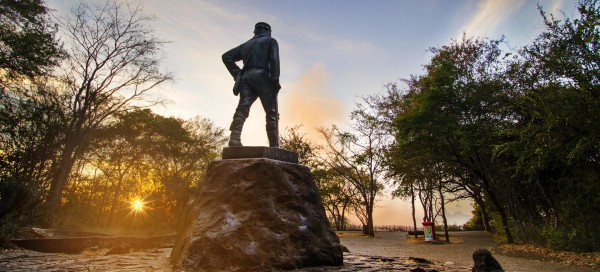
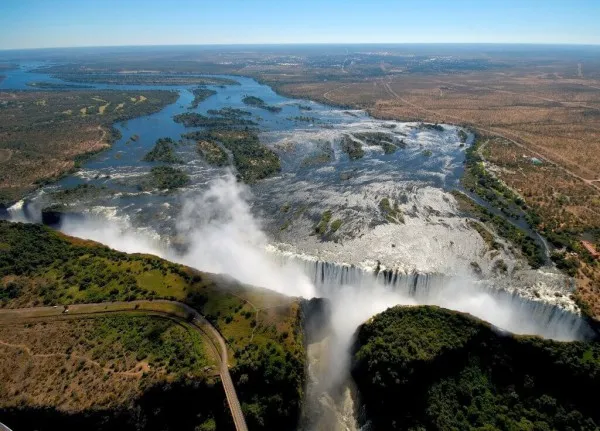
Victoria Falls is the classic entry point, and it deserves its reputation. Yet the falls are only the opening of a Zimbabwe trip. The country's finest wildlife sits inland, in parks that most short-stay visitors never reach.
Three parks carry the rest of the trip:
- Hwange National Park for classic big-game viewing and the country's largest elephant population.
- Mana Pools National Park for walking safaris and canoeing on the Zambezi River, protected as a UNESCO World Heritage Site.
- Matobo National Park for rhino tracking, dramatic granite landscapes, and some of the richest rock art in southern Africa, also a UNESCO World Heritage Site.
Each has a different rhythm. Hwange is about volume and predators. Mana Pools is about intimacy and being on foot or on the water. Matobo blends wildlife with deep human history.
Hwange, Mana Pools and Matobo Compared
The quickest way to choose is to match each park to what you most want to see and do.
Hwange National Park
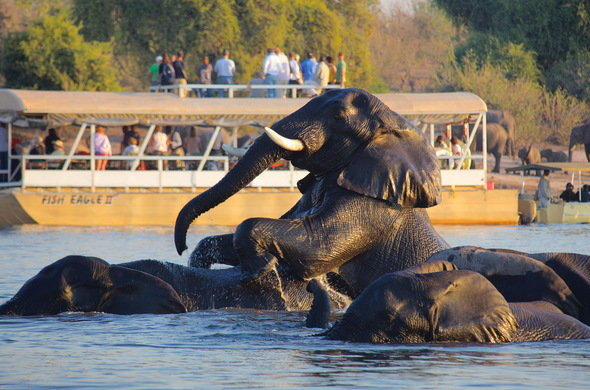
Hwange is Zimbabwe's largest national park and the anchor of most safari itineraries. It sits in the country's northwest, an easy transfer from Victoria Falls, which makes it the natural first stop after the waterfall. In the dry season, elephants gather in remarkable numbers at pumped and natural waterholes, and the open pans make for reliable predator sightings.
Beyond elephants, Hwange holds lion, leopard, buffalo, giraffe, and one of Africa's more important populations of endangered painted wolves, also called African wild dogs. Birdlife is abundant across its woodlands and grasslands. For a fuller picture of the terrain and the best areas to base yourself, see our detailed Hwange National Park safari guide to wildlife and best areas.
Mana Pools National Park
Mana Pools lies along the lower Zambezi River and is inscribed on the UNESCO World Heritage List for its floodplain ecosystem and wildlife. The name comes from the Shona word for "four," a reference to the permanent pools left behind as the Zambezi shifted its course over time.
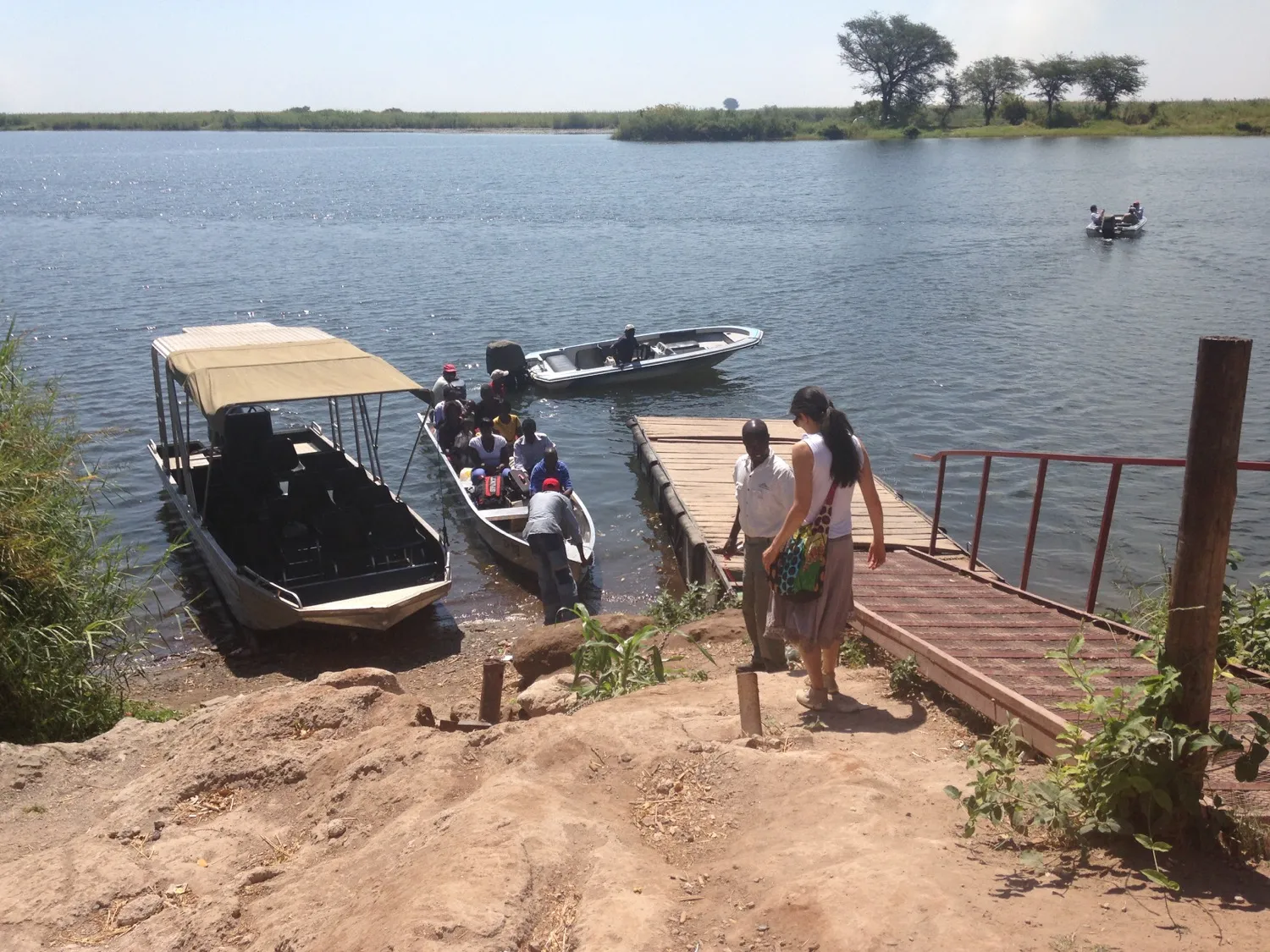
This is the park for travelers who want to leave the vehicle behind. Guided walking safaris are the signature experience, and canoe trips let you drift past elephants, hippos, and crocodiles at water level. The dry-season concentrations of game along the river are outstanding, and the light through the acacia and mahogany woodland is a favorite of photographers.
Matobo National Park
Matobo, south of Bulawayo, is the most scenically distinctive of the three. Its landscape of balancing granite boulders and whaleback hills, known as kopjes, is a UNESCO World Heritage Site recognized for both its geology and its cultural heritage. The park protects one of the highest concentrations of rock art in southern Africa, painted by San communities over thousands of years.
For wildlife, Matobo is Zimbabwe's best place to track rhino on foot with a specialist guide. The park also shelters leopard and a notable density of raptors among the rocks. It is a shorter, quieter stop than Hwange or Mana Pools, and it adds real depth to a trip through its blend of nature and history. You can read more about the region's cultural significance through the UNESCO World Heritage Centre.
What Wildlife and Experiences Each Park Offers
Here is how the three parks stack up on the experiences that matter most to travelers:
- Big elephant herds: Hwange is the clear leader, with the largest elephant population in the country and dramatic dry-season gatherings.
- Walking safaris on foot: Mana Pools is the premier choice, with Hwange and Matobo also offering guided walks.
- Canoeing and water-based safaris: Mana Pools, thanks to its position on the Zambezi.
- Rhino tracking: Matobo is the standout, with guided tracking of both black and white rhino.
- Rock art and cultural history: Matobo, with thousands of years of San paintings.
- Predators and general big game: Hwange for volume and reliability across a large area.
A helpful way to think about it: Hwange gives you breadth, Mana Pools gives you closeness, and Matobo gives you context. Combining two or three of them in a single trip is what makes Zimbabwe stand out against neighbors like Botswana.
Sample Itineraries for a Safari in Zimbabwe, Africa
You do not need to see everything in one trip. These sample routes balance travel time with wildlife, and each can be adjusted to your dates and pace.
5 Days: Victoria Falls and Hwange
- Days 1 to 2: Arrive in Victoria Falls, tour the waterfall, and enjoy a sunset cruise on the Zambezi.
- Days 3 to 5: Transfer to Hwange for game drives focused on elephants and predators.
This is the most efficient introduction to a safari in Zimbabwe and works well for travelers with limited time.
7 Days: Hwange and Mana Pools
- Days 1 to 3: Hwange for classic big-game viewing.
- Days 4 to 7: Fly or transfer to Mana Pools for walking and canoe safaris on the Zambezi.
This pairing covers the two ends of the safari spectrum, vehicle-based volume and on-foot intimacy.
10 Days: The Full Zimbabwe Circuit
- Days 1 to 2: Victoria Falls.
- Days 3 to 5: Hwange.
- Days 6 to 8: Mana Pools.
- Days 9 to 10: Matobo for rhino tracking and rock art.
Ten days is enough to experience the country's full range without feeling rushed. Many travelers extend the circuit across the border into Botswana, which pairs naturally with the northern Zimbabwe parks.
For nearly all of these routes, the dry months from roughly May to October deliver the strongest wildlife viewing, as animals concentrate around shrinking water sources and thinner vegetation makes them easier to spot.
How Our Curated Packages Make Zimbabwe Travel Easy
The parks above are spread across the country, and moving between them involves light aircraft, road transfers, and park logistics that reward careful sequencing. This is where a curated package changes the experience. Maximum Adventure Trails arranges the flights, transfers, park fees, and lodges as a single booking, so you land with a plan rather than a pile of separate reservations.
Our itineraries are built around the same comparisons in this guide. We match Hwange, Mana Pools and Matobo to your interests, whether that is photographing elephant herds, walking the Zambezi floodplain, or tracking rhino on foot, and we handle the connections between them. Guided departures mean you travel with experienced local guides who know each park's seasons and movements.
If you want to weigh different trip styles side by side before you commit, our overview of African safari packages compared and how to choose is a good next read. When you are ready to turn one of the itineraries above into a confirmed trip, reach out to Maximum Adventure Trails and we will shape the route around your dates, budget, and the wildlife you most want to see.
Frequently asked questions
Where should I go on a safari in Zimbabwe besides Victoria Falls?
Hwange National Park, Mana Pools National Park and Matobo National Park are the three standout destinations. Together they cover big-game viewing, walking safaris and rhino tracking.
Which Zimbabwe park is best for seeing elephants?
Hwange National Park has the largest elephant population in Zimbabwe and is known for very large dry-season herds gathering at its waterholes.
Is Mana Pools good for walking safaris?
Yes. Mana Pools is Zimbabwe's premier walking safari destination, where experienced guides lead travelers on foot across the Zambezi floodplain.
How many days do I need for a Zimbabwe safari?
Seven to ten days lets you combine two or three parks comfortably. A shorter five-day trip works well for a single park plus Victoria Falls.
When is the best time for a Zimbabwe safari?
The dry season from roughly May to October offers the best wildlife viewing, as animals gather at shrinking water sources and vegetation thins out.