



- 71 Views
- 14 Min Read
- (0) Comment
Navigating Zimbabwe Visa Requirements: Your Complete Guide
Understanding Zimbabwe's visa requirements is essential for a smooth trip. This guide provides a comprehensive overview of the visa system, helping you plan your journey with confidence and avoid potential issues at the border. You might be interested in: Our location guide.
Visa-Free Travel and Visa on Arrival
Some nationalities enjoy visa-free access to Zimbabwe, often for tourism purposes. For instance, citizens of many SADC countries can enter without a visa. Other nationalities may be eligible for a visa on arrival, obtainable at the port of entry.
This usually involves paying a fee and presenting required documents like a valid passport and return ticket. However, always double-check the latest regulations based on your citizenship before you travel.
Pre-Application and Visa Types
If you require a visa before arrival, careful pre-application preparation is key. This includes determining the correct visa category based on your travel purpose. The main categories are tourist visas, business visas, and transit visas.
Each category has specific requirements, so understanding your needs is the first step. For long-term stay options, you can also explore Albania Residency by Investment.
Tourist Visas: Exploring Zimbabwe's Wonders
Tourist visas allow visitors to experience Zimbabwe's rich culture and stunning natural beauty. These visas typically have a set validity period, allowing for stays from a few weeks to several months.
One significant development was the introduction of a universal tourist visa in November 2014, in conjunction with Zambia. This simplified travel between the two countries. The visa is valid for 30 days and can be extended up to 90 days. Learn more here.
Business Visas: Fostering International Collaboration
Business visas are for individuals traveling for commercial purposes, such as meetings or conferences. These visas often require supporting documentation from the inviting company in Zimbabwe.
Some business visas may also allow for multiple entries, helpful for ongoing projects.
Transit Visas: Seamless Connections Through Zimbabwe
Transit visas are designed for travelers passing through Zimbabwe en route to another destination. These visas are generally short-term, allowing for a brief stay while awaiting connecting travel arrangements.
Zimbabwe Visa Categories: Finding Your Perfect Match
Choosing the right visa is essential for a smooth trip to Zimbabwe. With various categories available, it's important to understand the specifics of each. This section will guide you through the different Zimbabwe visa types and their requirements.
Tourist Visas
Planning a leisurely trip to experience Zimbabwe's stunning landscapes and rich culture? A tourist visa is what you need. These visas generally allow a stay of 30 days, extendable up to 90 days. Typical requirements include a valid passport, proof of onward travel, and evidence of sufficient funds, such as bank statements or a credit card with an adequate limit. Interested in exploring tour options? Check out our tour options.
Business Visas
Traveling to Zimbabwe for business purposes, like meetings or conferences? A business visa is essential. These visas often require more detailed documentation than tourist visas. You'll likely need an invitation letter from a Zimbabwean company and proof of your business affiliation, such as a letter from your employer stating the purpose of your visit. Some business visas offer the convenience of multiple entries, a bonus for frequent travelers.
Study and Work Permits
For extended stays related to education or employment, specific permits are required. Study permits necessitate acceptance into a recognized Zimbabwean institution and proof of financial support. Work permits, similarly, require a job offer from a registered Zimbabwean employer. These permits usually have longer validity periods than tourist or business visas.
Residence Options
While not technically visas, Zimbabwe offers various residence options for those considering long-term stays. These include permanent and temporary residence permits, each with specific requirements. Long-term options typically involve demonstrating a strong connection to Zimbabwe, perhaps through family ties or investment. While planning your trip, consider adding a visit to other iconic locations. Traveling from the US? Explore Grand Canyon Bus Tours From Las Vegas.
Multiple-Entry Visas
Frequent travelers benefit from the convenience of multiple-entry visas. These allow multiple entries into Zimbabwe within a specific timeframe, typically one year. However, the qualifications for multiple-entry visas can be more stringent. A demonstrated need for regular travel to Zimbabwe is often necessary.
To help you choose the right visa, we've compiled a comparison table summarizing key details:
Zimbabwe Visa Types Comparison
This table compares different types of Zimbabwe visas by cost, processing time, validity period, and required documentation.
| Visa Type | Cost (USD) | Processing Time | Validity | Key Requirements |
|---|---|---|---|---|
| Tourist Visa | Varies by nationality | Varies, typically a few days to a week | 30 days (extendable to 90 days) | Valid passport, proof of onward travel, proof of sufficient funds |
| Business Visa | Varies by nationality | Varies, typically a week or more | Varies depending on the specific visa | Valid passport, invitation letter from a Zimbabwean company, proof of business affiliation |
| Study Permit | Varies | Several weeks or more | Duration of the study program | Acceptance letter from a recognized institution, proof of financial support |
| Work Permit | Varies | Several weeks or more | Duration of the employment contract | Job offer from a registered Zimbabwean employer |
Understanding each visa category's nuances and specific requirements simplifies the selection process. This knowledge will contribute to a seamless and enjoyable experience in Zimbabwe.
Master the Zimbabwe Visa Application Process: Step by Step

Successfully applying for a Zimbabwe visa takes careful planning and a good understanding of the process. This guide provides a step-by-step breakdown to help you navigate the requirements.
Pre-Application Preparation: Setting the Stage For Success
Before starting your application, gather your essential documents. This includes your passport, which needs at least six months of validity and enough blank pages. You'll also need passport-sized photographs meeting the Zimbabwean embassy or consulate's specifications. For more travel tips, check out our guide on important news related to traveling.
Completing the Application Form: Accuracy Is Key
The application form demands careful attention. Make sure all information is accurate and matches your supporting documents. Errors like incorrect dates or misspelled names can cause delays or rejection.
Double-check details such as your travel dates and the reason for your visit. A valid email address is crucial for updates on your application status.
Online vs. In-Person Application: Choosing Your Approach
You can usually apply for a Zimbabwe visa online or in person at an embassy or consulate. The online application is convenient, while the in-person method lets you ask questions directly. Both require the same documentation.
Payment and Processing: Understanding Timelines and Costs
Payment methods differ depending on how you apply. Online applications often accept credit or debit cards, while in-person applications may require cash or a bank draft.
Processing times vary, but applying well in advance of your trip is always recommended. Processing a Zimbabwean passport, while separate from a visa, can also be costly and time-consuming. A standard passport costs $53 and takes at least three months. Expedited options are available for $253 (three days) and $318 (24 hours), offering choices for travelers with different timelines. More detailed statistics can be found here.
Tracking and Post-Application: Staying Informed
After submitting your application, you'll receive a reference number to track its progress. Keep this number safe for checking updates or contacting the authorities if needed. This proactive approach ensures a smoother, more transparent application experience.
Essential Documentation Arsenal for Zimbabwe Visa Success
Planning a trip to Zimbabwe? Securing your visa hinges on having the correct documentation. This section provides a comprehensive checklist to help ensure a smooth application process.
Passport Validity and Blank Pages: The Foundation of Your Application
Your passport is the most important document for your Zimbabwe visa application. Make sure it has at least six months of validity remaining after your intended departure date. You'll also need at least two blank pages for visa stamps. Specific visa categories might have different requirements, so it's always best to double-check with the Zimbabwean embassy or consulate for the most up-to-date information.
Financial Evidence: Demonstrating Your Ability to Support Your Trip
Showing proof of sufficient funds is essential for visa approval. This demonstrates your ability to cover your expenses during your stay in Zimbabwe. Acceptable documents include recent bank statements, credit card statements showing available credit, and recent pay slips.
The required amount isn't fixed but should realistically cover your planned expenses. Think accommodation, transportation, meals, and any activities you've booked.
Invitation Letters and Sponsorship Documents: Strengthening Your Case for Visitor Visas
Visiting family or friends? A well-written invitation letter can strengthen your application. This letter should clearly outline the purpose of your visit, your relationship with the inviter, and the duration of your stay. The inviter should include their contact details and address in Zimbabwe.
Some visa categories may require sponsorship documentation, such as a letter of financial support from your sponsor.
Health Requirements: Protecting Your Well-being and Ensuring Compliance
Zimbabwe has specific health requirements for visitors. Some visas require a valid yellow fever vaccination certificate, especially if you're arriving from a region with a risk of yellow fever transmission. Travel insurance that meets specific coverage standards is also often necessary. Be sure to check the latest health advisories and regulations before your trip.
Supplementary Documentation: Maximizing Your Chances of Approval
While not always mandatory, supplementary documents can greatly increase your chances of visa approval. These extras might include confirmed hotel bookings, flight itineraries, and a detailed travel plan outlining your intended activities. Business travelers should include company registration documents, meeting invitations, and any relevant business correspondence. You might be interested in: Our hotel recommendations.
Formatting, Authentication, and Presentation: The Final Touches for a Strong Application
Ensure all documents are correctly formatted, with accurate dates, names, and addresses. Some documents might need authentication or notarization. Presenting your application neatly and professionally, using a folder or binder, shows attention to detail and can make a positive impression.
The following table summarizes the key documentation requirements:
Required Documentation Checklist for Zimbabwe Visa Applications:
This table provides a comprehensive list of required documents for different categories of visa applicants
| Document Type | Tourist Visa | Business Visa | Work Permit | Notes/Specifications |
|---|---|---|---|---|
| Passport | Valid for at least 6 months beyond intended stay | Valid for at least 6 months beyond intended stay | Valid for duration of work permit | Minimum two blank pages |
| Financial Evidence | Bank statements, credit card statements, pay slips | Bank statements, company financial statements | Proof of employment contract and salary | Sufficient funds to cover expenses |
| Invitation Letter | Recommended | Recommended for certain business-related visits | May be required from sponsoring employer | Include inviter's contact information and address |
| Sponsorship Documents | Not typically required | May be required | Required from sponsoring employer | Proof of financial support/employment offer |
| Yellow Fever Vaccination | If traveling from a risk area | If traveling from a risk area | If traveling from a risk area | Check latest health advisories |
| Travel Insurance | Recommended | Recommended | Recommended | Check minimum coverage requirements |
| Supplementary Documents (Itinerary, hotel bookings, etc.) | Recommended | Recommended | Recommended | Strengthens application |
By paying close attention to these details, you’ll significantly improve your chances of a successful Zimbabwe visa application.
The KAZA Univisa: Your Gateway to Two African Nations
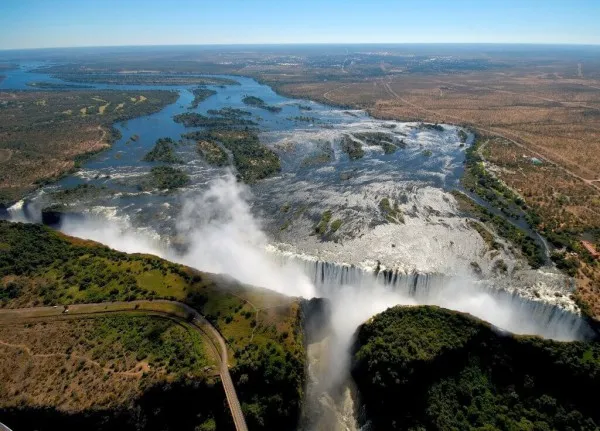
Planning a trip to both Zimbabwe and Zambia? The KAZA Univisa offers a simplified approach to visa requirements. This visa allows eligible travelers to move freely between the two countries, making it easier to experience the highlights of both nations. This is especially helpful for those wanting to see Victoria Falls from both sides.
KAZA Univisa Eligibility and Designated Border Points
The KAZA Univisa isn't available for all nationalities. Currently, citizens of over 65 nationalities are eligible. This travel document provides a more convenient way to explore both Zimbabwe and Zambia. Before you book your trip, be sure to confirm your eligibility based on your citizenship. You can find this information on the official websites of the Zimbabwean and Zambian immigration authorities. It’s also important to note that the KAZA Univisa is only processed at designated border points, including major airports and land crossings. Knowing these authorized entry and exit points beforehand is key to a smooth journey.
Cost-Benefit Analysis: Univisa vs. Single-Country Visas
The KAZA Univisa can offer significant cost savings compared to obtaining separate visas for each country. A quick comparison of the costs will highlight these potential savings, making it a budget-friendly choice. However, consider the Univisa’s limitations, especially if your travel plans extend beyond Zimbabwe and Zambia. If you plan to visit other countries in Southern Africa, you might still need separate visas despite having the KAZA Univisa.
Maximizing Your KAZA Univisa: Itinerary Recommendations
For travelers wanting to experience shared natural wonders like Victoria Falls, the KAZA Univisa provides flexibility. You could spend a few days exploring the Zimbabwean side of the falls, then easily cross into Zambia for different perspectives and wildlife viewing opportunities. Seamless movement between the two countries without individual visa processes makes for a more immersive travel experience.
Important Limitations: Business Activities and Third-Country Travel
While the KAZA Univisa is undeniably convenient for tourism, it’s important to understand its limitations. The Univisa does not permit business activities in either country. Separate business visas are required for any commercial work. Additionally, the Univisa typically doesn't allow access to other countries outside of Zimbabwe and Zambia. If your itinerary includes other destinations, you’ll likely need additional visas based on those countries' entry requirements.
Practical Application Tactics and Current Availability
Applying for the KAZA Univisa is typically straightforward. It usually involves completing a simple form and paying a fee at a designated border point upon arrival. However, regulations and local practices can change. Check for the most up-to-date information from official sources or travel forums. Online travel communities dedicated to Africa can offer valuable insights from recent travelers who have used the KAZA Univisa. Their experiences can help you prepare and anticipate any processing differences. Checking the current availability of the KAZA Univisa is crucial, as there have been times when it has been temporarily suspended. Refer to official government websites or contact the respective embassies before your trip to confirm its current status and adjust your visa plans accordingly.
Navigating Special Cases: Zimbabwe Visa Exceptions and Exemptions
While standard Zimbabwe visa requirements apply to most travelers, certain exceptions and exemptions exist. Understanding these nuances can simplify the visa process.
Traveling With Minors: Ensuring Smooth Entry for Families
Parents or guardians traveling with minors to Zimbabwe need additional documentation. A certified copy of the child's birth certificate, showing both parents' names, is essential. If only one parent is traveling, an authorization letter from the other parent is usually required, granting permission for the child's travel.
When a minor travels with a legal guardian, court-appointed guardianship documents are necessary. These documents must be presented upon arrival to avoid complications.
Diplomatic and Official Passport Holders: Expedited Processes and Exemptions
Holders of diplomatic or official passports often have simplified visa processes, depending on their citizenship. Many countries have bilateral agreements with Zimbabwe, granting exemptions to diplomatic staff.
These exemptions range from visa-free entry to faster processing. Verify the specific terms of these agreements, which vary by nationality and passport type.
Transit Passengers: Visa Requirements During Layovers
Transit visa requirements depend on your specific layover in Zimbabwe. If you stay within the international transit area and don't officially enter Zimbabwe, you typically don't need a visa.
However, leaving the airport, even briefly, might require a transit visa, especially for extended layovers or significant time between flights.
Frequent Business Travelers: Multiple-Entry Visas and Long-Term Permits
Frequent business travelers to Zimbabwe should consider multiple-entry visas or long-term business permits. Multiple-entry visas allow repeated entries within a specific period, usually one year.
Long-term permits are for extended stays, often with requirements related to investment or employment in Zimbabwe. Qualifying usually depends on demonstrating a genuine business need or established presence in the country.
Regional Exemptions Through SADC Agreements: Preferential Treatment for Member States
Citizens of Southern African Development Community (SADC) countries often have preferential visa treatment. Many SADC members enjoy visa-free entry for a limited time, typically 90 days.
These agreements promote regional integration and easier travel between neighbors. Specific exemptions and allowed stay durations vary based on your nationality and the agreement between Zimbabwe and your country. You might be interested in: Our sitemap page.
Emergency and Humanitarian Situations: Expedited Pathways and Special Considerations
In emergencies or humanitarian situations, Zimbabwe may offer expedited visas or special considerations. This includes medical emergencies, family crises, or humanitarian aid work.
Contact the nearest Zimbabwean embassy or consulate directly to explain the circumstances and seek guidance. Supporting documentation, like medical records or official letters, is crucial.
Ready for your Zimbabwean adventure? Book your safari and tours with Maximum Adventure Trails today! We offer various experiences, from wildlife encounters to scenic landscapes.