
- 264 Views
- 9 Min Read
- (0) Comment
Zambezi white water rafting is one of the most famous adventure activities near Victoria Falls. This guide covers Zambezi rafting rapid grades, the best season to go, planning prices, operator comparisons, fitness and age requirements, safety advice and what to expect on the river.
Zambezi rafting at a glance
- Location: the Batoka Gorge below Victoria Falls, usually accessed from Victoria Falls or Livingstone.
- Water: powerful white water with commercial sections commonly described as Grade 4 and Grade 5.
- Trip formats: half-day, full-day and multi-day rafting options, depending on water levels and operator schedules.
- Best season: normally the low-water rafting season, when commercial access to the gorge is available and rapids are technical and challenging.
- Planning price: request a current operator quote because rates vary by season, package, transfers, nationality, group size and inclusions.
What makes Zambezi white water rafting special?
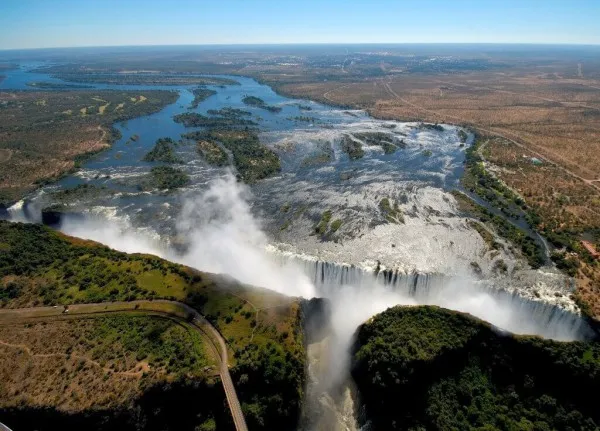
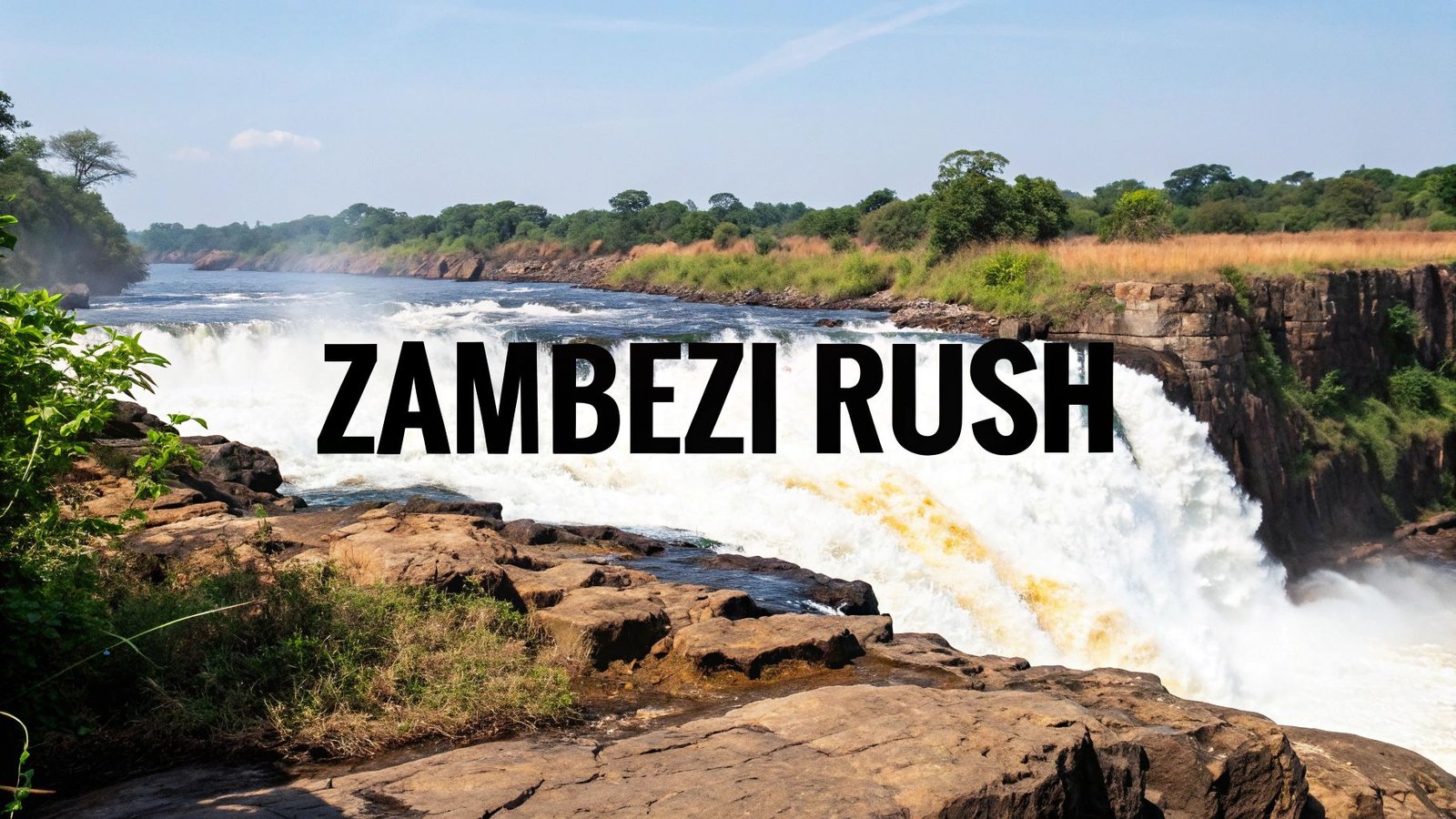
The commercial rafting section runs through the Batoka Gorge below Victoria Falls. The gorge combines steep basalt walls, powerful hydraulics, technical rapids and long stretches of calmer water where crews can recover and enjoy the scenery.
This is not a gentle sightseeing float. Guides brief every crew before launch, provide specialist equipment and adapt the route to river levels, weather, rescue conditions and the group’s experience. First-time rafters can take part on a guided commercial trip, but they must be comfortable with swimming, paddling and physically demanding river conditions.
Zambezi rapid grades explained
International rapid grading helps describe difficulty, but a grade is not a guarantee of how a rapid will feel on a particular day. Water level, line choice, weather, boat type and the guide’s decision all affect the experience.
- Grade 1: easy moving water with small waves and few obstacles.
- Grade 2: straightforward rapids with clear channels and moderate waves.
- Grade 3: regular waves and manoeuvring that require active paddling.
- Grade 4: difficult rapids with stronger currents, large waves, holes and technical lines.
- Grade 5: very difficult rapids with powerful hydraulics, complex routes and serious consequences for mistakes.
- Grade 6: extreme or exploratory water that is generally considered commercially unrunnable.
The Zambezi rafting route is commonly associated with Grade 4 and Grade 5 rapids. Famous names such as The Washing Machine, Terminator, Oblivion, Commercial Suicide and The Gnashing Jaws of Death reflect the demanding character of the river, but operators may alter the route or portage sections when conditions require it.
Zambezi rafting season guide
| Season | Typical river conditions | What it means for rafting |
|---|---|---|
| Low-water season | More exposed rocks, technical lines and powerful individual features | Usually the main commercial rafting period, subject to operator and authority approval |
| Rising-water season | Increasing flow, larger volume and changing hydraulics | Routes and launch dates can change quickly; follow operator advice |
| High-water season | Very high river levels and stronger currents | Commercial rafting may be suspended or unavailable for safety reasons |
| Falling-water season | Conditions become more suitable as the gorge route reopens | Availability depends on river readings, rescue access and operator decisions |
There is no single guaranteed opening or closing date every year. Check the river status and the operator’s departure calendar before booking flights or accommodation around a rafting trip.
Zambezi rafting price guide
Rafting prices are normally quoted per person and change according to the operator, season, trip length, transfers, lunch, equipment, park or access fees, group size and currency. A practical planning budget for a commercial full-day trip is often in the US$150–US$250 per person range, but this is a planning band rather than a fixed tariff. Half-day and multi-day packages can be priced differently.
Before comparing two quotes, check whether each includes:
- Transfers from Victoria Falls or Livingstone
- Breakfast, lunch, snacks and drinking water
- Raft, paddle, helmet, buoyancy aid and wetsuit where required
- Professional guide, safety kayaker and rescue support
- National park, river access or conservation charges
- Photos, video, accommodation or a guide gratuity
- Weather cancellation, rescheduling and medical evacuation terms
Operator comparison: what to look for
| Comparison point | Wild Horizons | Shearwater Adventures |
|---|---|---|
| Trip formats | Commonly offers guided rafting packages with different durations and transfer options | Commonly offers guided rafting packages with different durations and transfer options |
| Price approach | Request a date-specific quote and confirm what transfers and access charges are included | Request a date-specific quote and confirm what transfers and access charges are included |
| Best comparison question | Ask about launch date, river level, guide-to-guest ratio and rescue cover | Ask about launch date, river level, guide-to-guest ratio and rescue cover |
| Before booking | Confirm age, weight, swimming ability, medical restrictions and cancellation policy | Confirm age, weight, swimming ability, medical restrictions and cancellation policy |
The cheapest quote is not automatically the best value. Compare safety systems, guide experience, equipment condition, transfer reliability, emergency planning and what happens if high water closes the route.
Fitness and age requirements
Commercial rafting is physically demanding. You should be able to paddle repeatedly, hold yourself in the raft, follow instructions quickly, climb in and out of the boat and swim or float in moving water while wearing safety equipment.
Minimum ages vary by operator, trip type and river conditions. Many commercial trips set a minimum age around 15 or 16, while multi-day or more technical trips may require older participants. Weight limits, medical restrictions and swimming requirements also vary. Give accurate information when booking and ask the operator to confirm eligibility before payment.
Rafting may not be suitable for people with serious heart, back, neck or joint conditions, uncontrolled epilepsy, pregnancy or a condition that makes swimming or strenuous exercise unsafe. Ask a qualified medical professional if you are unsure.
Zambezi rafting safety
- Use a reputable commercial operator with qualified guides and a documented rescue plan.
- Attend the full safety briefing and follow the guide’s commands immediately.
- Wear the supplied helmet and properly fitted buoyancy aid throughout the river section.
- Do not raft under the influence of alcohol or recreational drugs.
- Tell the guide about medical conditions, medication, allergies and swimming ability.
- Secure cameras, glasses and loose items before entering the gorge.
- Expect the itinerary to change because of river levels, lightning, wind or rescue access.
- Follow the operator’s hydration, sun protection and recovery instructions.
Rafting takes place in a remote gorge. A strong safety culture matters more than marketing claims, so ask how the operator handles a separated rafter, a flipped boat, injury, evacuation and high-water cancellation.
What to bring
Bring swimwear, secure footwear, sun protection, a change of clothes, water and any required medication. Leave valuables at the accommodation or in the operator’s secure storage. Ask whether the trip provides wetsuits, dry bags, transport, meals and photos before departure.
Plan rafting with other Victoria Falls activities
Combine the river adventure with the Victoria Falls zipline, but avoid scheduling both activities too tightly because weather, transfers and river operations can cause delays. Travellers planning a wider itinerary should also review Victoria Falls malaria risk and essential travel information.
Zambezi rafting FAQ
What grade are the Zambezi rapids?
The commercial Zambezi route is commonly associated with Grade 4 and Grade 5 rapids. Conditions vary with water level, and guides may change the route or portage a section when safety requires it.
What is the best time of year for Zambezi white water rafting?
The main commercial rafting season is usually during suitable low-water conditions. Opening and closing dates vary each year, so confirm the operator’s current schedule and river status before booking.
How much does Zambezi rafting cost?
A full-day commercial trip can require a planning budget of approximately US$150–US$250 per person, but the final price depends on the operator, season, transfers, access fees, group size and inclusions. Request a date-specific quote.
How fit do I need to be for Zambezi rafting?
You need enough fitness to paddle repeatedly, follow commands, hold onto the raft, climb in and out and swim or float in moving water while wearing safety equipment. Tell the operator about any medical condition before booking.
What is the minimum age for Zambezi rafting?
Minimum ages vary by operator, route and river conditions. Many commercial trips use an age around 15 or 16, but confirm the exact rule for your selected departure before paying.
Can a non-swimmer go Zambezi rafting?
Swimming ability is an important safety consideration because participants may enter the water after a flip or fall. Ask the operator directly before booking if you are not a confident swimmer.
Is Zambezi white water rafting safe?
Commercial rafting is guided and uses safety equipment, rescue procedures and trained river crews, but it remains a high-risk adventure activity. Follow the briefing, disclose health information and choose an operator that clearly explains its emergency plan.