

- 4 Views
- 7 Min Read
- (0) Comment
Key takeaways
- A Southern Africa safari spans a wide range, from modest nightly rates on guided camping trips to several thousand dollars a night at the top luxury lodges.
- Season is the biggest price lever: dry-season peak months cost far more than the green season for the same camp.
- Botswana runs a deliberate high-value, low-volume model, which is why its parks and camps sit at the premium end of the region.
- Hidden costs such as light-aircraft transfers, park fees, gratuities and international flights can add a meaningful share on top of the headline camp rate.
- A curated package bundles permits, transfers and camps into one price, which usually beats booking each piece separately.
A Southern Africa safari ranges from modest nightly rates on a guided camping trip to several thousand dollars a night at the top luxury camps. For a seven to ten night trip covering two or three areas, your total depends far more on which tier you book than on any single headline price. The spread is wide because safari cost in Southern Africa depends on season, the camps you choose, how you move between parks, and the fees each country charges to enter its reserves.
This guide breaks the numbers down by tier, shows what actually drives the price, and flags the hidden costs that quietly inflate a quote. If you are comparing operators and ready to book, it will help you read a quote accurately and spot where a curated package saves money.
What Does a Safari Cost by Tier?
Safari pricing sorts cleanly into three tiers, and the gap between them is large. The nightly rate covers very different things at each level, so comparing two quotes only makes sense once you know which tier each one sits in.
Budget: Guided camping and mobile safaris keep you inside the parks while skipping fixed-lodge rates. Expect the lowest nightly cost of any option, with shared vehicles, dome tents and communal meals. This tier suits travellers who care more about the wildlife than the thread count.
Mid-range: Comfortable permanent lodges and tented camps with en-suite bathrooms, pool decks and twice-daily game drives. You get private or small-group vehicles and a fixed base, which cuts the fatigue of packing up each morning.
Luxury: Private concessions, small guest counts, expert guides, gourmet food and extras such as helicopter flips or private vehicles. The premium pays for exclusivity and access to concessions that limit how many visitors share the same waterhole.
Where two destinations look similar on paper, the price can still differ sharply. For a practical comparison of two flagship Botswana regions and what each delivers for the money, see our guide on Chobe vs Okavango.
What Drives the Price of a Safari?
Four factors move a safari quote more than anything else: season, camps, transfers and park fees. Botswana's own numbers show how deliberate this pricing is. When the country revised its protected-area fees in 2022, the new structure generated US$7.8 million in its first year against an original forecast of US$1.8 million (BIOFIN, UN Development Programme, 2023). That gap tells you how central conservation fees are to the real cost of time in the parks.
Season is the single biggest lever. Dry-season months concentrate wildlife around shrinking water, so the same camp charges a peak premium then and discounts heavily in the green season.
Camps set the base rate. A low-volume private concession with eight tents costs far more per guest than a 40-bed lodge, because fewer beds carry the same operating cost.
Transfers matter more here than in most regions. Many Okavango and Chobe camps are reachable only by light aircraft, and those seat costs sit on top of the camp rate.
Parks and land carry their own economics. More than 40 percent of Botswana's land is designated as national parks and game reserves (BIOFIN, UN Development Programme, 2023), and the country manages that estate with a high-value, low-volume policy that keeps bed numbers down and rates up.
Budget, Mid-Range and Luxury Cost Ranges
The practical question for most travellers is what a full trip costs, not just one night. A realistic Southern Africa itinerary covers two or three areas, so transfers and fees stack across the whole route. Botswana data shows the typical international visitor now stays about four nights, down from six in 2019 (Mmegi, 2025), which means shorter, more concentrated trips are increasingly common.
As a working guide for a seven to ten night combined trip before international flights:
- Budget guided camping: the lowest total of the three, keeping you in the parks on shared vehicles and simple tents.
- Mid-range lodges and tented camps: a mid-band total that buys private bathrooms, a fixed base and small-group drives.
- Luxury private concessions: the highest total, often several times the mid-range figure, paying for exclusivity and access.
Spending per night in Botswana has drifted down recently, from P1,718 in 2023 to P1,183 in 2025 (Mmegi, 2025), a reminder that averages hide a wide spread. A single luxury night can cost many times the national average, while a camping night sits well below it. Maximum Adventure Trails tracks live package pricing across tiers, which makes it easier to see where current deals actually land for your travel dates.
Hidden Costs to Plan For
The headline camp rate is rarely the full story. Several costs sit outside the nightly figure, and together they can add a meaningful share to a quote. Planning for them up front stops a quote from ballooning after you commit.
Watch for these in particular:
- Light-aircraft transfers: fly-in camps in the Okavango and remote Chobe concessions charge per seat, and these add up fast across a multi-camp route.
- Park and conservation fees: fully inclusive rates usually absorb these, but self-drive and some budget trips pay at the gate.
- International flights: almost never included in a safari quote and often the largest single line for overseas travellers.
- Gratuities: guides, trackers and camp staff are tipped, and that is a real recurring cost across a trip.
- Visas, travel insurance and drinks: small items individually, but they accumulate.
- Single supplements: solo travellers pay a premium on most lodge rates.
These extras can push the real total well above the camp rate alone, which is exactly why how you book matters.
How Curated Packages Deliver Better Value
A curated package bundles permits, transfers, camps and guiding into one quoted price, which usually beats assembling each piece yourself. The value comes from three places: pre-negotiated camp rates, transfers planned as one logistics chain rather than separate bookings, and park fees folded into the total so there are no surprises at the gate.
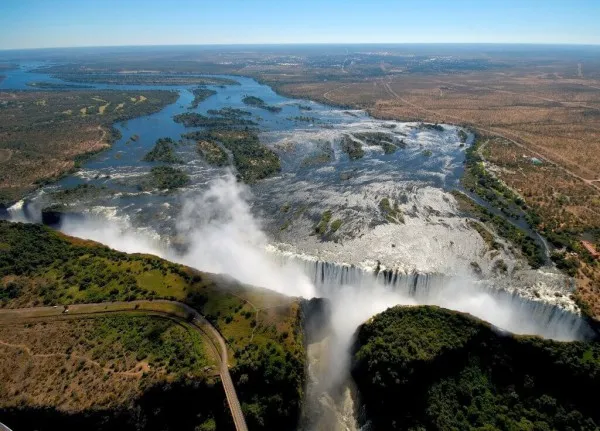
Booking piecemeal often means paying full rack rates and buying light-aircraft seats inefficiently when routings do not line up. A curated operator holds allocations and plans the whole route, so the aircraft legs connect and the camps match your budget tier. Maximum Adventure Trails builds its Southern Africa itineraries this way, combining Victoria Falls, Chobe, Hwange and the Okavango Delta into single arrangements with the transfers and fees priced in.
There is also a planning payoff. One operator managing the chain means one point of contact if a flight shifts or a camp changes. Sequencing an itinerary across several parks takes experience, and a single operator handling the whole route removes the guesswork of making the pieces fit.
The clearest next step is to decide your tier and travel window first, then ask for a single all-in quote rather than a nightly rate. That one request turns a confusing set of numbers into a figure you can actually compare and book against.
Frequently asked questions
What is the cheapest way to do a Southern Africa safari?
A guided camping or mobile safari in the green season is the lowest-cost route. It keeps you inside the parks while avoiding the high nightly rates of fixed luxury lodges.
How many days do you need for a safari in Southern Africa?
Most travellers spend seven to ten nights to cover two or three areas, such as Victoria Falls, Chobe and the Okavango Delta, without rushing the long transfers between them.
Are park and conservation fees included in safari prices?
Sometimes. Fully inclusive lodge and curated package rates usually cover park fees, while self-drive and some budget trips charge them separately at the gate.
Is Botswana more expensive than Zimbabwe or Zambia for safari?
Generally yes. Botswana's low-volume policy keeps camp numbers and bed counts low, which raises nightly rates compared with equivalent wilderness in Zimbabwe or Zambia.