

- 94 Views
- 25 Min Read
- (0) Comment
Embark on a Botswana Safari Adventure
Planning a Botswana safari? These eight essential Botswana safari tips will ensure your 2025 adventure is unforgettable. From choosing the best time to visit and selecting the right safari region to packing essentials and understanding local etiquette, this list covers everything you need to maximize your experience. Learn about wildlife viewing strategies, accommodation options, transportation logistics, and important health and safety considerations. Prepare for a remarkable journey through Botswana's stunning landscapes with these helpful Botswana safari tips.
1. Best Time to Visit Botswana: When to Embark on Your Safari Adventure
Timing is everything when planning a Botswana safari. Choosing the right season can dramatically impact your wildlife viewing experience, the landscape you encounter, and even the cost of your trip. Understanding the nuances of each season is key to a successful and memorable safari. This crucial element is why knowing the best time to visit deserves the top spot on our Botswana safari tips list. Learn more about Best Time to Visit Botswana
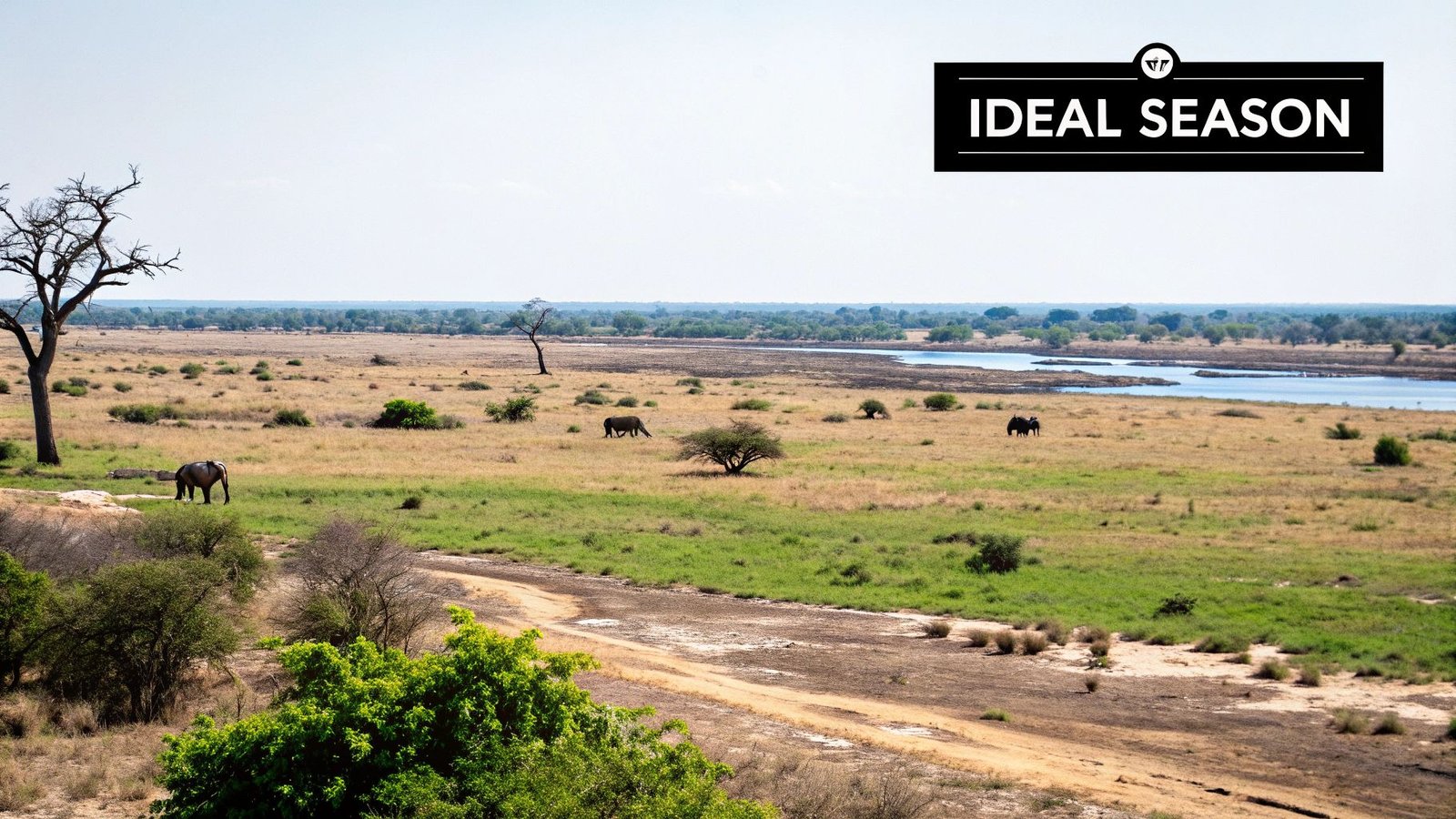
Botswana experiences distinct dry and green seasons, each offering a unique safari experience. The dry season (May to October) is traditionally considered the best time for wildlife viewing. As water sources become scarce, animals congregate around rivers and watering holes, making them easier to spot. The vegetation also thins out, further improving visibility. Conversely, the green season (November to April), also known as the low season, presents its own advantages, with fewer tourists, lower prices, and vibrant landscapes. This season is particularly rewarding for birdwatchers, with migratory birds arriving in abundance.
Features of Each Season:
- Seasonal Wildlife Movements: Animal migrations and birthing seasons are tied to the changing seasons, influencing where and when you'll see specific species.
- Varying Landscape Appearances: The arid landscapes of the dry season transform into lush grasslands during the green season, offering dramatically different photographic opportunities.
- Different Safari Experiences: From water-based activities in the flooded Okavango Delta during the green season to traditional game drives in the dry season, the time of year dictates the types of safaris available.
Pros and Cons:
| Season | Pros | Cons |
|---|---|---|
| Dry (May-Oct) | Best wildlife viewing, easy spotting, excellent game drives | High prices (Jul-Oct), more tourists, extreme heat (Oct) |
| Green (Nov-Apr) | Fewer tourists, lower prices, exceptional bird watching, lush landscapes | Challenging road conditions, some camps close, reduced visibility |
Examples of Seasonal Highlights:
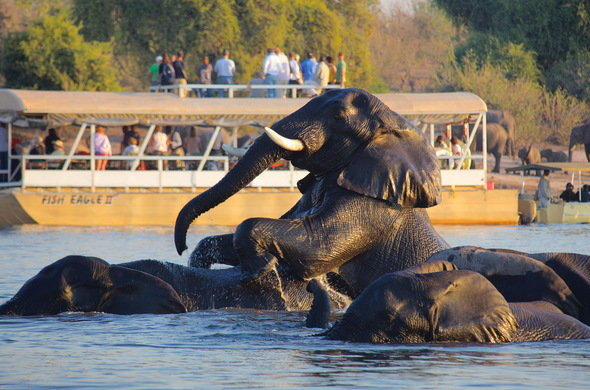
- Dry Season (Chobe National Park): Witness hundreds of elephants congregating along the Chobe Riverfront, drawn to the life-sustaining water.
- Green Season (Kalahari Desert): Observe the dramatic transformation of the Kalahari from a barren landscape to a vibrant tapestry of green grasslands.
Actionable Tips for Planning Your Botswana Safari:
- Book in Advance: For peak dry season (July-October), book accommodations and tours 9-12 months in advance to secure your preferred choices.
- Consider Shoulder Seasons: May and November offer a sweet spot with good wildlife viewing opportunities and fewer crowds at lower prices.
- Research Migration Timing: If you're interested in specific wildlife migrations, research the precise timing to maximize your chances of witnessing these spectacular events.
- Pack for Temperature Variations: During the dry season, be prepared for large temperature swings between cold mornings and scorching hot days.
By carefully considering the best time to visit based on your priorities and interests, you can tailor your Botswana safari for an unforgettable experience. Whether you seek abundant wildlife sightings or a tranquil escape with fewer crowds, Botswana has something to offer in every season.
2. Choosing the Right Safari Regions
Crafting the perfect Botswana safari hinges on selecting the right regions to explore. Botswana boasts a remarkable diversity of ecosystems, each offering unique wildlife sightings and safari activities. Understanding the nuances of each area is paramount to planning a trip that aligns with your interests and preferences, making this a crucial element of your Botswana safari tips checklist. Choosing wisely ensures you maximize your wildlife encounters and overall experience.
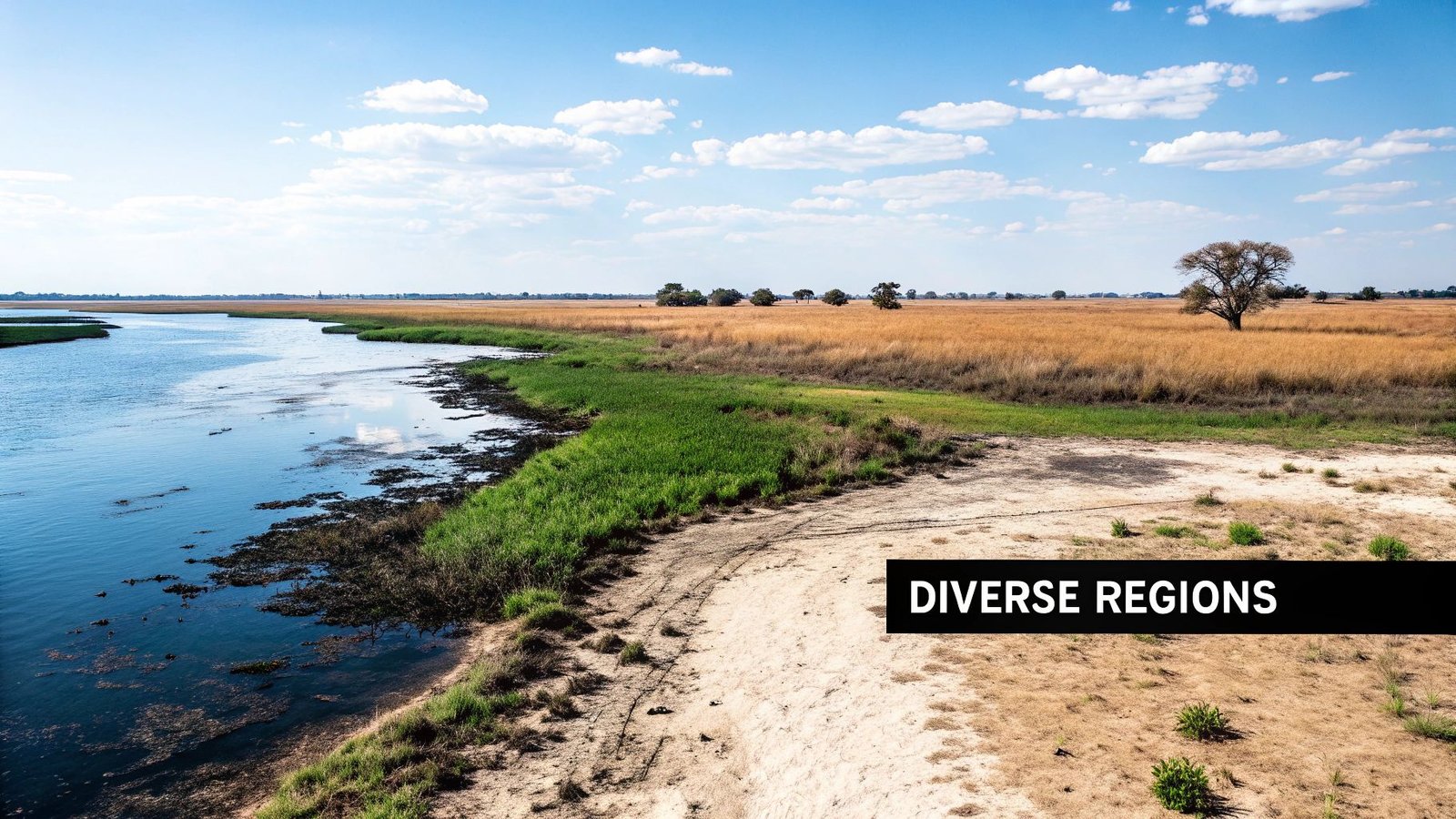
The Okavango Delta, a vast inland waterway, offers incredible water-based safaris in traditional mokoros (dugout canoes) as well as land-based game drives. Chobe National Park, renowned for having the highest concentration of elephants in Africa, provides thrilling opportunities to witness these majestic creatures up close. The Central Kalahari, a starkly beautiful desert landscape, offers a glimpse into the unique wildlife adapted to arid conditions and an opportunity to engage with the San people and their ancient culture. Moremi Game Reserve, located within the Okavango Delta, provides a fascinating combination of both delta and dry land habitats, resulting in a diverse range of wildlife. Learn more about Choosing the Right Safari Regions Each region offers a distinct experience, and understanding these differences is key to planning your ideal safari.
Pros and Cons of Different Regions:
- Okavango Delta: Offers diverse wildlife viewing opportunities through both water and land-based safaris. However, accessing some camps requires costly fly-in transfers.
- Chobe National Park: Boasts incredible elephant sightings. However, its popularity can lead to crowded game drives during peak season.
- Moremi Game Reserve: Combines the best of both worlds, delta and dry land, providing a diverse wildlife experience.
- Central Kalahari: Offers a unique desert wildlife experience and cultural interactions with the San people. However, wildlife sightings can be less frequent compared to other areas.
Examples of Successful Safari Planning:
- Combining a stay at Camp Moremi in the Okavango Delta with time in Savuti (Chobe National Park) allows you to witness both the rich biodiversity of the delta and the dramatic predator interactions of Savuti, famous for its elephant hunting lions.
- Pairing the Okavango Delta with the Central Kalahari offers a contrast between lush waterways and arid desert landscapes, showcasing Botswana's diverse ecosystems.
Actionable Tips for Choosing Safari Regions:
- Combine 2-3 regions: This approach provides a more comprehensive Botswana safari experience, exposing you to different ecosystems and wildlife.
- Allow sufficient time: Plan for at least 3 nights per camp to fully immerse yourself in the area and maximize your wildlife viewing opportunities.
- Mix water and land activities: Explore different perspectives by including both mokoro rides, boat cruises, and traditional game drives in your itinerary.
- Research seasonal wildlife movements: Understanding wildlife migration patterns helps you choose the best region based on the time of year you are traveling.
- Consider a private concession: For a more exclusive experience, opt for at least one stay in a private concession, which allows for off-road driving, night safaris, and walking safaris.
By carefully considering the unique features of each region and implementing these Botswana safari tips, you can create a truly unforgettable African adventure. Pioneers like Wilderness Safaris, Great Plains Conservation, and filmmakers like Dereck and Beverly Joubert have highlighted the magic of these distinct areas, showcasing the incredible diversity and richness of Botswana’s wildlife.
3. Safari Accommodation Options
Choosing the right accommodation is crucial for a successful Botswana safari. This aspect significantly impacts your overall experience, influencing everything from wildlife viewing opportunities to comfort levels and budget. Botswana specializes in high-quality, low-impact tourism, offering a diverse range of safari accommodation options to suit various preferences and budgets. Understanding these different styles will help you find the perfect fit for your dream safari. Learn more about Safari Accommodation Options
Botswana's accommodation options broadly fall into several categories:
Luxury Permanent Lodges: These opulent lodges offer the highest level of comfort and service, often featuring private plunge pools, gourmet dining, and breathtaking views. They are typically situated in prime locations for wildlife viewing.
Seasonal Camps: These camps operate during specific seasons, often coinciding with peak wildlife activity or optimal weather conditions. They offer a more intimate and exclusive experience than larger lodges.
Mobile Safari Experiences: This adventurous option involves moving between different locations with a mobile camp, providing an authentic and immersive bush experience. Mobile safaris offer greater flexibility and the chance to explore remote areas.
Water-based Lodges in the Okavango Delta: Experience the magic of the Okavango Delta from a unique perspective by staying in a water-based lodge. These lodges offer mokoro rides, boat safaris, and unparalleled access to the delta's abundant wildlife.
Why Accommodation Matters for Your Botswana Safari Tips:
This element deserves a prominent spot on our Botswana safari tips list because the type of accommodation you choose significantly impacts your overall safari experience. Small, intimate camps (typically 5-12 tents) ensure personalized service and a more exclusive feel. Many camps are eco-friendly, prioritizing sustainability and minimizing environmental impact, aligning with Botswana's commitment to responsible tourism. Private concessions within national parks or reserves allow for flexible game viewing times and off-road driving, leading to more intimate wildlife encounters. High guide-to-guest ratios further enhance the quality of your safari, providing expert insights and personalized attention.
Pros:
- Personalized Service: Small camps offer a high level of personalized attention.
- Flexible Game Viewing: Private concessions allow for greater flexibility.
- Expert Guides: High guide-to-guest ratios ensure exceptional guiding.
- Eco-Friendly Options: Many camps are committed to sustainability.
Cons:
- High Cost: Luxury lodges can cost $1,000-2,500 per person per night.
- Limited Budget Options: Compared to other safari destinations, budget-friendly options are fewer.
- Remote Locations: Additional transportation costs to reach remote camps are often necessary.
- Limited Amenities: Some camps may have limited or no Wi-Fi/electricity.
Examples of Exceptional Botswana Safari Accommodation:
- Abu Camp: Known for its unique elephant interaction experiences, allowing guests to walk with habituated elephants.
- Mombo Camp (Chief's Island): Renowned for exceptional predator viewing opportunities.
- Mobile operations like Letaka Safaris: Provide authentic bush experiences at lower costs compared to permanent lodges.
Actionable Tips for Choosing Your Accommodation:
- Mix and Match: Book a combination of different accommodation styles to experience the diversity Botswana offers.
- Shoulder Season Savings: Consider travelling during the shoulder season (April-May & September-October) for lower rates at luxury camps.
- Inclusions: Check if park fees and activities are included in the quoted rates.
- Photographer-Friendly Features: If photography is a priority, inquire about specialized features like camera mounts and charging facilities.
- Power Options: Verify power options for charging camera equipment and other electronics.
Popularized By:
Botswana's reputation for luxury safari experiences has been shaped by pioneers like Wilderness Safaris' luxury eco-camps, Great Plains Conservation's upscale sustainable lodges, andBeyond's delta lodges, and Natural Selection's unique accommodations.
By carefully considering these Botswana safari tips related to accommodation, you can select the perfect base for an unforgettable wildlife adventure.
4. Transportation and Safari Logistics
Transportation is a crucial aspect of planning a successful Botswana safari. Given that Botswana's wilderness areas are remote and often inaccessible by conventional roads, careful logistical planning is essential for optimizing your safari time, budget, and overall experience. Understanding the various transport options available will help you navigate this vast and beautiful landscape.
This aspect of planning is critical for several reasons. Firstly, the sheer distances between different safari regions can be considerable. Secondly, the terrain itself often demands specialized vehicles. Finally, efficient transportation allows you to maximize your game viewing time and minimize travel hassles.
Botswana offers a unique blend of transport methods, each catering to specific needs and terrains:
- Light Aircraft Transfers: These are the most common way to travel between remote safari camps and different regions within Botswana. They provide stunning aerial views and significantly cut down on travel time. Companies like Mack Air and Safari Air Link operate scheduled flights connecting popular safari destinations.
- 4×4 Vehicle Game Drives: Once within a specific region, 4×4 vehicles are the standard for game drives. Their robust design and off-road capabilities allow you to explore the challenging terrain and get up close to wildlife. Specialized vehicles equipped for traversing difficult landscapes are provided by many safari operators like Wilderness Safaris, known for their integrated logistics systems.
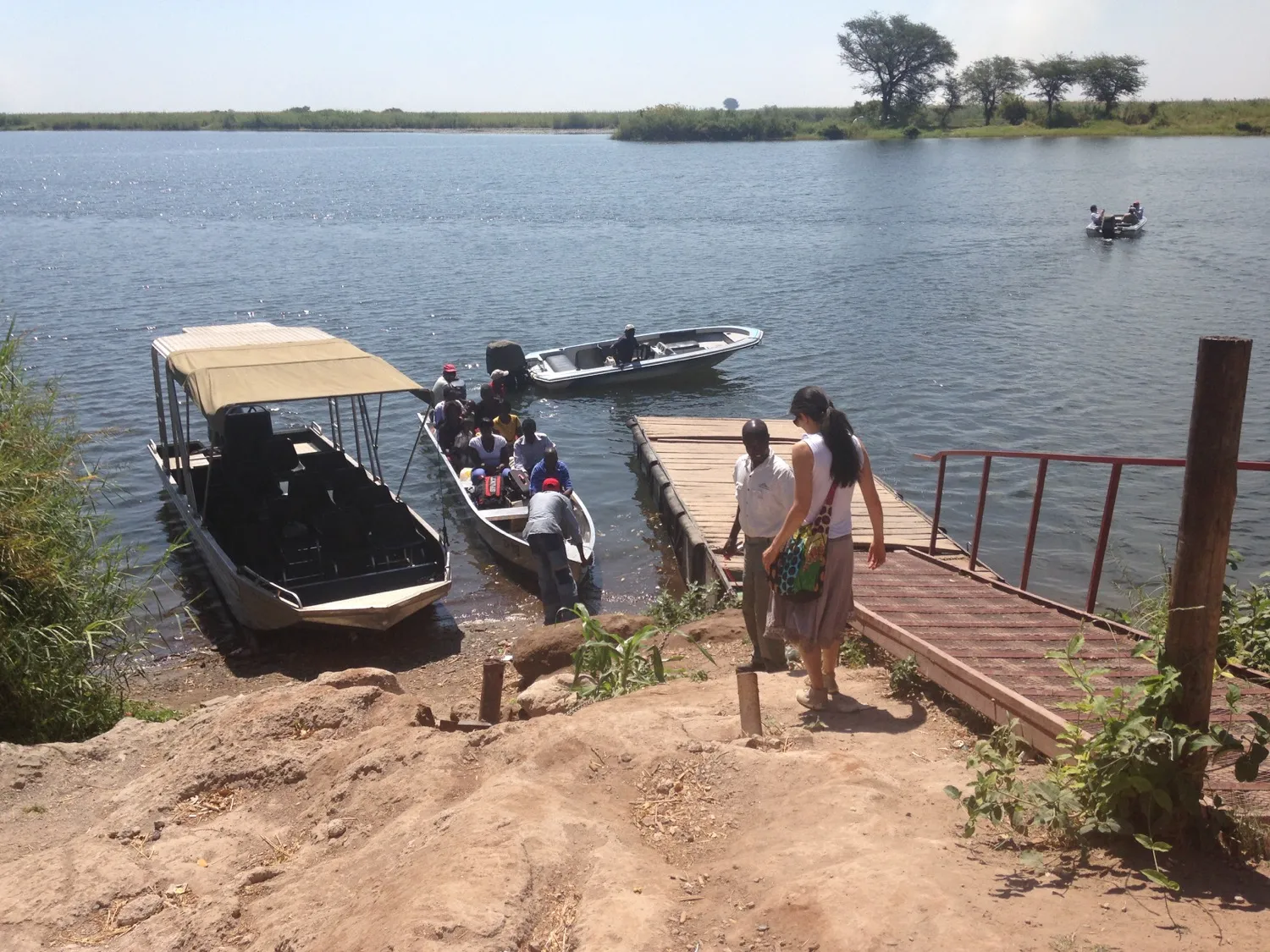
- Mokoro (Dugout Canoe) and Boat Transfers: In the Okavango Delta, mokoro rides and boat transfers offer a unique and tranquil perspective. These traditional dugout canoes allow you to glide through the waterways and experience the Delta's serenity up close, showcasing another facet of Botswana's diverse ecosystem. Operators like Desert & Delta Safaris excel at coordinating complex multi-region itineraries incorporating these water-based transfers.
While these methods offer incredible access to Botswana’s wilderness, there are also some considerations to keep in mind:
Pros:
- Time Efficiency: Flying between regions significantly reduces travel time compared to overland journeys.
- Unique Perspectives: Aerial views from light aircraft and intimate water-level experiences from mokoros offer diverse perspectives.
- Accessibility: Specialized vehicles and charter flights reach remote areas inaccessible by road.
Cons:
- Luggage Restrictions: Light aircraft have strict baggage weight limits (typically 15-20kg in soft bags).
- Cost of Charter Flights: Charter flights can add significantly to your safari budget.
- Self-Drive Challenges: Self-driving in many areas requires advanced 4×4 skills and careful planning.
Tips for Botswana Safari Transportation:
- Pack Light: Use soft-sided luggage that complies with airline weight restrictions.
- Minimize Inter-Regional Flights: Booking consecutive camps within the same region can reduce flight costs.
- Optimize Routing: Consider starting your safari in Maun and ending in Kasane (or vice versa) to avoid backtracking.
- Satellite Phone for Self-Drivers: If self-driving, rent a satellite phone for emergencies in remote areas.
- Buffer Days: Include buffer days in your itinerary to account for potential weather-related flight delays.
If you're thinking about other adventures after your safari, and your travels take you elsewhere, consider exploring other travel options. For instance, if you're flying into Albania, consider renting a car at Tirana International Airport to easily explore different regions and accommodations. Top Tirana Airport Rent a Car Deals 2025 from RentNGo Car Rental Vlore Albania might be a valuable resource for planning that leg of your trip.
Planning your transportation in advance is a vital part of a successful Botswana safari. By understanding the various options available and considering the pros and cons, you can ensure a smooth and rewarding experience exploring this extraordinary country. Learn more about Transportation and Safari Logistics for additional information and resources.
5. Wildlife Viewing Strategies
Maximizing your wildlife viewing opportunities on a Botswana safari is crucial for a truly memorable experience. This involves more than just showing up; it requires understanding animal behavior, employing effective techniques, and adhering to responsible viewing etiquette. This aspect of your safari planning deserves careful consideration, making it a vital inclusion in our Botswana safari tips.
Botswana boasts incredible biodiversity and offers the chance to witness the Big Five – lions, leopards, elephants, rhinoceros, and Cape buffalo – as well as a plethora of other fascinating species. However, wildlife is unpredictable, and sightings are never guaranteed. Implementing effective viewing strategies drastically improves your chances of witnessing incredible interactions and capturing stunning photographs.
Diverse Viewing Methods Enhance Your Experience:
Botswana offers diverse safari experiences beyond traditional vehicle-based game drives. Exploring the Okavango Delta by boat opens up a unique perspective, allowing you to observe aquatic life and animals approaching the waterways. Walking safaris, led by experienced guides, provide an intimate connection with the bush and a chance to track animals and learn about smaller flora and fauna.
Pros and Cons of Different Viewing Locations:
Choosing the right location influences your viewing experience. Private concessions, like Khwai Private Reserve, offer advantages such as off-road driving, allowing for closer approaches to wildlife and flexible game drive timings, including night drives. These concessions often specialize in particular species, like predators, creating tailored experiences. However, this exclusivity comes at a premium.
National parks, while more affordable, prohibit off-road driving and night drives. Popular sighting locations within parks can also attract multiple vehicles, impacting the viewing experience. Understanding these differences helps you choose the best option based on your budget and preferences.
Actionable Botswana Safari Tips for Optimal Viewing:
- Communicate with your guide: Discuss their specialties and interests. A guide passionate about birds, for example, can elevate your birding experience. Requesting the same guide throughout your stay provides continuity and builds rapport, leading to a more personalized safari.
- Maximize your time in the bush: Full-day game drives are more rewarding than half-day trips. Animals are often more active during the cooler early morning and late afternoon hours, and a full day allows you to witness these peak activity periods.
- Vary your activities: If in the Okavango Delta, alternate between land-based game drives and water activities to maximize your wildlife encounters and experience different perspectives.
- Invest in quality binoculars: Binoculars, at least 10×42 magnification, are essential for closer observation and appreciating finer details.
- Appreciate the smaller details: Botswana’s wildlife is more than just the Big Five. Take the time to observe the smaller creatures, birds, and intricate details of the ecosystem.
- Learn basic wildlife photography techniques: Understanding how to use your camera in different lighting conditions and anticipating animal behavior can significantly improve your photography.
Examples of Successful Wildlife Viewing Locations:
- Duba Plains: Known for its dramatic lion-buffalo interactions, offering thrilling predator sightings.
- Khwai Private Reserve: Provides flexible predator viewing opportunities, allowing off-road driving and tailored experiences.
Inspiration from Experts:
The work of renowned wildlife filmmakers like Dereck and Beverly Joubert, as well as specialized wildlife programs by National Geographic Expeditions and predator projects by Great Plains Conservation, highlights the incredible wildlife viewing opportunities available in Botswana and emphasizes the importance of responsible and informed safari practices.
By implementing these Botswana safari tips and strategies, you can transform your safari from a simple sightseeing trip into an immersive and unforgettable wildlife experience.
6. Packing Essentials for Botswana Safaris
Packing for a Botswana safari is more than just throwing clothes in a suitcase. It requires careful planning to ensure you're prepared for the diverse climate, exciting activities, and practical limitations, particularly the strict baggage restrictions on small bush flights. Mastering this aspect of your trip contributes significantly to a comfortable and rewarding Botswana safari experience. This is why packing right deserves a prominent spot on your Botswana safari tips checklist.
Understanding the Importance of Packing Light and Smart
Botswana safaris often involve light aircraft transfers between camps, and these flights have stringent baggage limitations, typically around 20kg (44lbs) in soft-sided luggage. Hard suitcases are generally not permitted. This necessitates packing light and efficiently. Moreover, the activities themselves, ranging from game drives to walking safaris and mokoro rides, call for practical and versatile clothing.
Features of Essential Safari Packing:
- Lightweight, Neutral-Colored Clothing: Think khaki, olive, tan, and beige. These colours blend in with the environment, making you less conspicuous to wildlife.
- Essential Photography Equipment: Capture the magic of the African bush with a good camera, zoom lens, extra batteries, and ideally, a dust and waterproof case. Binoculars are also a must-have for enhancing game viewing.
- Health and Safety Items: A comprehensive first-aid kit, personal medications, high SPF sunscreen, insect repellent with DEET, and a good quality hat are essential for your well-being.
- Seasonally Appropriate Gear: Botswana's climate varies considerably. While lightweight, breathable fabrics are essential, a warm jacket is crucial for chilly early morning game drives during winter (May-August).
Pros and Cons of Dedicated Safari Packing:
Pros:
- Layered clothing: Adapts to fluctuating temperatures throughout the day.
- Neutral colors: Minimize disturbance to wildlife.
- Quick-dry fabrics: Ideal for water activities and unexpected showers.
- Specialized safari clothing: Offers sun protection, insect repellency, and practical features.
Cons:
- Strict weight limits: Requires minimalist packing and careful consideration of every item.
- Electronic equipment: Needs protection from dust, humidity, and potential bumps during travel.
- Formal clothing: Largely unnecessary in most safari camps.
Actionable Packing Tips for Your Botswana Safari:
- Pack lightweight, neutral-colored, layered clothing. This allows you to adjust to temperature changes throughout the day.
- Bring a warm jacket for winter morning game drives (May-August), even if daytime temperatures are expected to be high.
- Always include a wide-brimmed hat with a chin strap, sunglasses, and high SPF sunscreen for protection from the strong African sun.
- Pack binoculars for a closer look at wildlife and a camera with a good zoom lens and extra batteries to capture unforgettable moments. Don't forget a dust-proof bag or case.
- Bring insect repellent with DEET to ward off mosquitos and other biting insects.
- Pack a basic first aid kit with any personal medications you require.
- Consider moisture-wicking fabrics for hot weather to keep you cool and comfortable.
- Use packing cubes for organization in your soft duffel bag. This maximizes space and makes it easier to find items.
Examples of Seasonal Packing Considerations:
- Chobe National Park in September: Days can be scorching, but nights can be surprisingly cool. Pack layers to accommodate this temperature swing.
- Okavango Delta: Water activities like mokoro rides and boat safaris require appropriate footwear (water shoes or sandals with good grip) and extra sun protection.
Popular Safari Gear Brands:
Brands like ExOfficio and Columbia offer specialized safari clothing lines designed for comfort and functionality. Tilley hats are renowned for their durability and sun protection, while Swarovski and Zeiss are popular choices for premium safari binoculars.
By following these Botswana safari tips and packing strategically, you can ensure a comfortable and enjoyable experience without being weighed down by unnecessary items. Focus on functionality, versatility, and protection from the elements, and you’ll be well-prepared for the adventure of a lifetime.
7. Health and Safety Considerations
Prioritizing health and safety is paramount when embarking on a Botswana safari. Venturing into remote areas with limited medical facilities and potential exposure to various health risks necessitates careful preparation. Understanding the necessary precautions, required vaccinations, and emergency procedures will significantly contribute to a safe and worry-free safari experience, allowing you to fully appreciate the wonders of Botswana's wilderness. This preparation is crucial as it bridges the gap between the high safety standards maintained by quality operators and the inherent risks associated with venturing into the African bush.
Why Health and Safety is Essential for Your Botswana Safari Tips Checklist:
While Botswana boasts political stability and low crime rates, the remote nature of safari destinations means access to advanced medical care can be limited. Therefore, pre-trip planning and on-the-ground awareness are essential. Many camps do have basic medical supplies and trained staff, and reputable safari operators maintain high safety standards, but being prepared for any eventuality is key.
Key Features of Health and Safety Preparation:
- Required and Recommended Vaccinations: Consult your doctor or a travel clinic 6-8 weeks before your trip to discuss necessary vaccinations, such as Yellow Fever, Typhoid, and Hepatitis A & B. They can also advise on routine immunizations like Tetanus, Diphtheria, and Polio.
- Malaria Prevention: Malaria is present in most safari regions of Botswana. Discuss appropriate anti-malarial medication with your doctor. Other preventative measures include using insect repellent containing DEET, wearing long-sleeved clothing at dawn and dusk, and sleeping under mosquito nets.
- Travel Insurance Requirements: Comprehensive travel insurance, including emergency medical evacuation coverage, is non-negotiable. Companies like Global Rescue and International SOS provide reliable medical assistance and evacuation services. Ensure your policy covers potential safari-related incidents.
- Emergency Evacuation Procedures: Familiarize yourself with the emergency procedures outlined by your safari operator. Services like the Medical Air Rescue Service (MARS) are often utilized for evacuations. Reputable operators like Wilderness Safaris have established safety protocols and partnerships with these services.
Pros and Cons of Botswana Safari Health and Safety:
Pros:
- Botswana is politically stable with low crime rates.
- Many safari camps have basic medical supplies and trained staff.
- Quality operators maintain high safety standards and emergency protocols.
Cons:
- Remote locations limit access to advanced medical care.
- Malaria risk is present in most safari areas.
- Heat-related illnesses can be a concern, especially during the summer months.
- Wildlife, while generally not aggressive, poses a real (though statistically rare) danger.
Actionable Tips for a Safe and Healthy Safari:
- Consult a travel doctor 6-8 weeks prior to your trip.
- Take prescribed anti-malarial medication diligently.
- Invest in comprehensive travel insurance with medical evacuation coverage.
- Pack a basic first aid kit, insect repellent with DEET, and high SPF sunscreen.
- Stay hydrated, especially during the hotter months.
- Listen carefully to all safety briefings provided at your camps.
- Never walk unescorted in wildlife areas.
- Alert camp staff to any allergies or pre-existing medical conditions.
- Bring extra prescription medications in their original packaging.
By following these Botswana safari tips and taking the necessary health and safety precautions, you can minimize potential risks and maximize your enjoyment of this incredible destination. This preparation will allow you to focus on the breathtaking landscapes and wildlife encounters that make a Botswana safari truly unforgettable.
8. Cultural Etiquette and Responsible Tourism
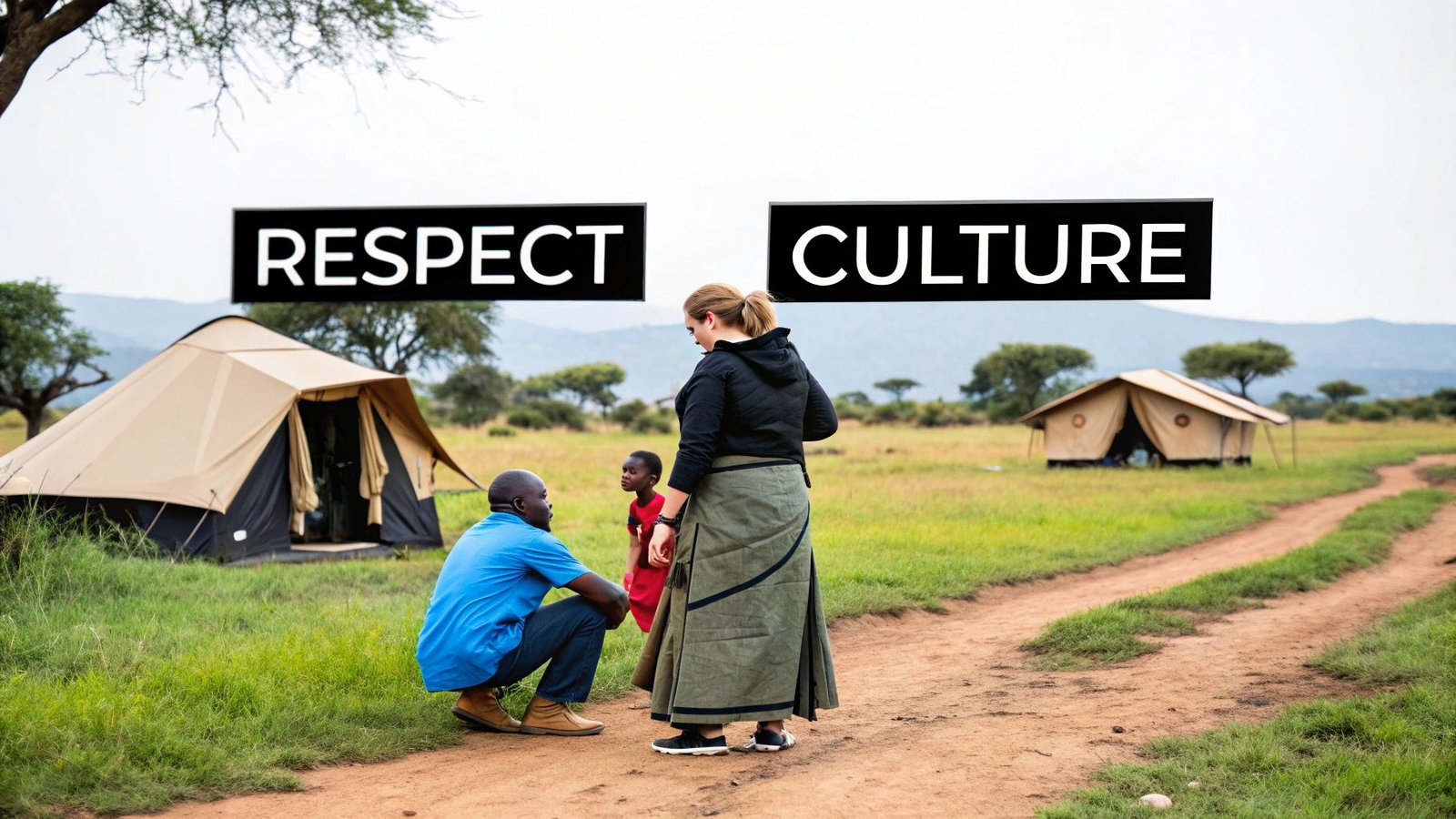
Respect for Botswana's rich culture and pristine environment is paramount to a truly enriching safari experience. This aspect of your trip goes beyond merely observing wildlife; it involves understanding and engaging with local communities and contributing positively to their well-being and the preservation of their natural heritage. This is why cultural etiquette and responsible tourism are vital Botswana safari tips.
Botswana places a high value on sustainable tourism. This means that the focus is on minimizing the negative impacts of tourism while maximizing the benefits for local communities and the environment. By adhering to responsible tourism principles, you contribute to the long-term health of Botswana's ecosystems and the preservation of its unique cultural heritage. Learn more about Cultural Etiquette and Responsible Tourism
How it Works:
Responsible tourism in Botswana operates on a few key pillars:
- Community Involvement: Many safari camps and lodges actively partner with local communities, providing employment opportunities, supporting local businesses, and investing in community projects such as schools and healthcare.
- Conservation Initiatives: A significant portion of tourism revenue is directed towards conservation efforts, including anti-poaching patrols, wildlife monitoring, and habitat preservation.
- Cultural Exchange: Opportunities exist for visitors to interact respectfully with local communities, learn about their traditions, and gain a deeper understanding of Batswana culture.
Examples of Successful Implementation:
- Khwai Community Trust: This organization exemplifies community-based tourism, managing land for both wildlife conservation and the benefit of the local Khwai community.
- Natural Selection's Meno a Kwena camp: This camp collaborates closely with local communities on conservation projects, demonstrating a commitment to sustainable tourism.
- Great Plains Conservation: Known for their community initiatives and dedication to wildlife conservation.
- Wilderness Safaris' Children in the Wilderness program: Focuses on educating local children about the importance of conservation.
Actionable Tips for Travelers:
- Learn Basic Greetings in Setswana: Simple phrases like "Dumela" (hello) go a long way in showing respect.
- Ask Permission Before Photographing Local People: Treat individuals with dignity and avoid intrusive photography.
- Support Community Craft Markets: Purchase locally made crafts to directly benefit local artisans.
- Minimize Plastic Use and Respect Camp Recycling Systems: Reduce your environmental footprint by minimizing waste.
- Never Purchase Items Made from Protected Wildlife: Support conservation efforts by avoiding the illegal wildlife trade.
- Consider Carbon Offset Programs for Flights: Mitigate the environmental impact of your travel.
- Respect Wildlife by Maintaining Appropriate Distances: Observe animals from a safe distance and avoid disturbing their natural behavior.
- Support Camps with Clear Conservation and Community Programs: Choose accommodations that prioritize sustainability.
- Tip Guides and Staff Appropriately: Show your appreciation for their services with customary tips (typically $10-20 per guest per day for guides, $5-10 for camp staff).
Pros and Cons:
Pros:
- Botswana's tourism model emphasizes quality over quantity, leading to a more exclusive and impactful experience.
- Many camps actively support local conservation and community projects.
- Opportunities abound to learn about Batswana culture and traditions, including the fascinating San culture.
Cons:
- Some cultural displays can feel staged or inauthentic if not carefully curated.
- Balancing tourism development with the preservation of traditional lifestyles remains an ongoing challenge.
By embracing these Botswana safari tips focused on cultural etiquette and responsible tourism, you'll not only enjoy a more meaningful safari experience but also contribute to the preservation of Botswana’s natural and cultural treasures for generations to come. This responsible approach ensures that your trip benefits both you and the incredible country you are visiting.
8-Point Botswana Safari Tips Comparison
| Tip | 🔄 Complexity | ⚡ Resources | 📊 Expected Outcomes | ⭐ Advantages | 💡 Tips |
|---|---|---|---|---|---|
| Best Time to Visit Botswana | Medium – seasonal scheduling required | Advanced planning & bookings | Enhanced wildlife viewing & cost savings | Premium sightings in dry season | Book 9-12 months ahead; consider shoulder seasons |
| Choosing the Right Safari Regions | High – coordinating multiple areas | Multi-region logistics & flight options | Comprehensive safari experience | Diverse wildlife and landscape opportunities | Combine 2-3 regions; allocate at least 3 nights per camp |
| Safari Accommodation Options | Medium – decision based on budget & style | High-cost luxury to modest options | Personalized service with specialized camps | Eco-friendly, intimate settings | Mix accommodation types; check inclusions and rates |
| Transportation and Safari Logistics | High – remote travel planning | Charter flights and 4×4 vehicles | Time savings and access to remote locations | Quick transfers with aerial views | Pack soft luggage; book consecutive camps to minimize flights |
| Wildlife Viewing Strategies | Medium – requires guided coordination | Access to private concessions & guides | Improved animal sightings and varied experiences | Multiple viewing methods including night drives | Rely on guide expertise; bring quality binoculars; full-day drives |
| Packing Essentials for Botswana Safaris | Low – careful list preparation | Lightweight gear with strict luggage limits | Comfort and preparedness during trips | Neutral, layered, weather-appropriate clothing | Pack layered clothing, essential gear, and use packing cubes |
| Health and Safety Considerations | Medium – health planning and precautions | Vaccinations, travel insurance, medications | Safe, worry-free safari experience | Established safety protocols at camps | Consult a travel doctor; carry first aid; stay hydrated |
| Cultural Etiquette and Responsible Tourism | Low – basic cultural learning required | Minimal resources; respectful behavior | Authentic cultural interactions & sustainable tourism | Supports local communities and conservation | Learn basic Setswana greetings; ask permission for photos; support local markets |
Ready to Explore the Wonders of Botswana?
From the optimal time to visit and selecting the perfect safari region to understanding wildlife viewing strategies and packing the right gear, these Botswana safari tips provide a comprehensive guide for planning your dream adventure. Mastering these key concepts will not only maximize your chances of incredible wildlife sightings, but also ensure a smooth, safe, and culturally sensitive journey through Botswana's diverse landscapes. Remember, respecting local customs and practicing responsible tourism ensures the preservation of this beautiful country for generations to come. Your journey contributes to the ongoing conservation efforts and supports local communities.
By following these Botswana safari tips, you'll be well-prepared to experience the magic of Botswana’s wilderness, from the vibrant Okavango Delta to the stark beauty of the Makgadikgadi Pans. Ready to turn your dream African safari into reality? Maximum Adventure Trails specializes in crafting bespoke Botswana safari experiences, incorporating all these tips and more to ensure an unforgettable 2025 adventure. Contact us today at Maximum Adventure Trails and let us help you plan the trip of a lifetime.