


- 3 Views
- 7 Min Read
- (0) Comment
For most visitors, May to August gives the best answer to Victoria Falls weather by month. You get dry skies, comfortable highs of 77°F to 81°F, and a Zambezi that is still carrying plenty of water. If you want the Falls at full thunder, aim for February to May. If you want rafting, game viewing and the clearest views, aim for August to October, and expect real heat. November to January is the rainy, humid stretch, and the Falls run lowest right at its start.
The difficulty is that good weather and good waterfall flow rarely line up. The river peaks around April, when spray can soak you at the viewpoints. It bottoms out around November, when parts of the cliff run dry. Temperature, rain, river level and activities all shift together. This guide splits the year into five periods, with average highs, lows, rainfall and what to pack for each.
Maximum Adventure Trails has run safari and Falls tours out of Victoria Falls since 2019, so we see how each season changes a trip. The figures below are long-term averages, so any single week can differ.
1. January and February: hot, wet and rising
January and February are the heart of the rainy season. Expect highs of 84°F to 86°F, lows near 64°F, and humid air.
Temperatures, rain and river
Rain here usually means heavy late-afternoon storms, not all-day drizzle, so mornings are often fine. The Zambezi is still medium to low in January, then climbs through February as upstream rain arrives. The spray grows with it.
| Month | High | Low | Rain | Rain days | Falls flow |
|---|---|---|---|---|---|
| January | 86°F / 30°C | 64°F / 18°C | 6.6 in / 168 mm | 14 | Medium to low, rising |
| February | 84°F / 29°C | 64°F / 18°C | 5.0 in / 126 mm | 10 | High |
Do your sightseeing in the morning and treat the late afternoon as storm time.
What to pack and book
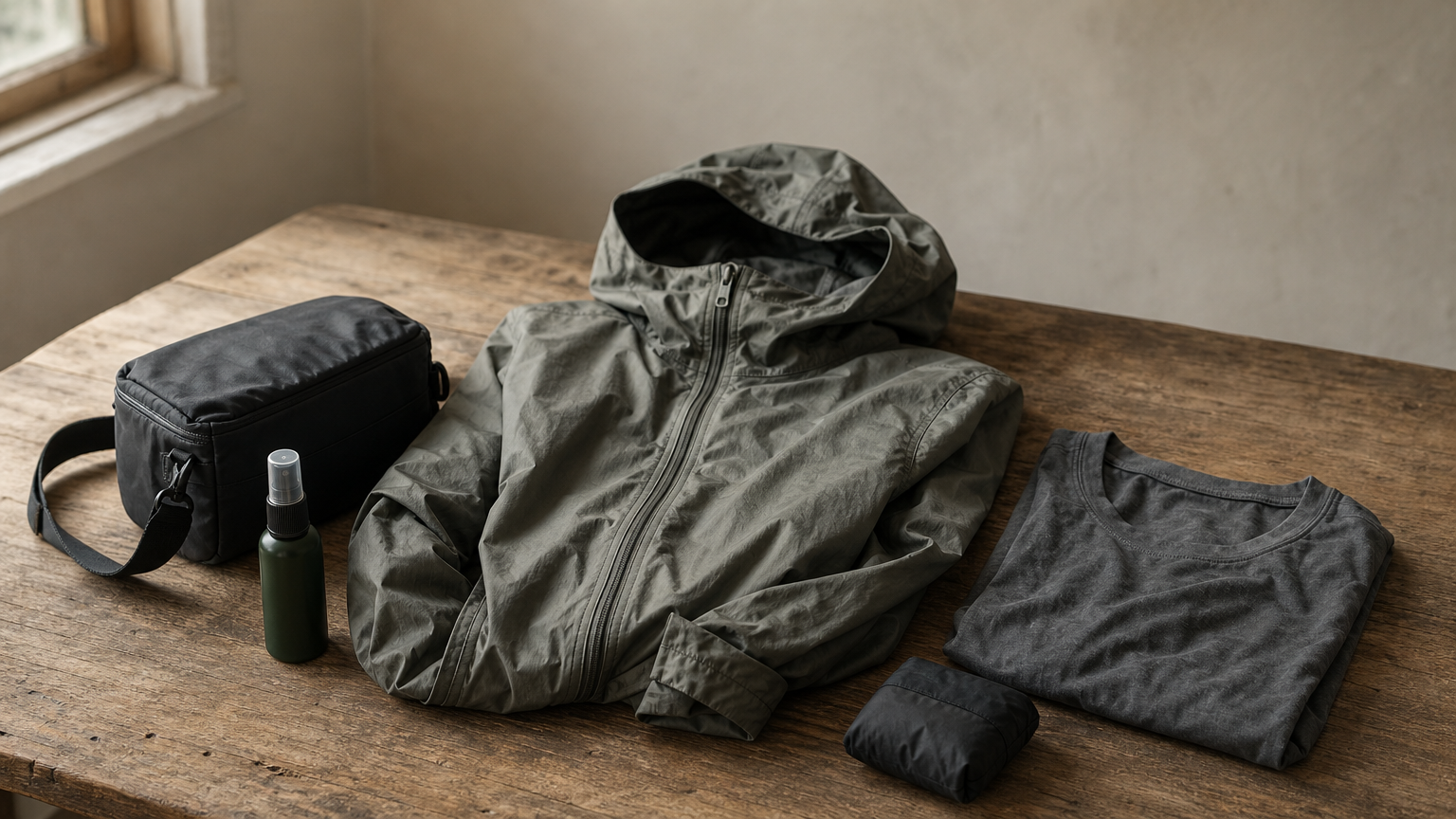
Pack lightweight quick-dry clothes, a packable rain jacket, insect repellent and a waterproof bag for your camera. Mosquitoes are worst from December to April, and heavy rain can close Zambezi National Park roads between December and March.
Book the Falls walk for early morning. The 12 to 13 minute Flight of Angels helicopter flight is $160 per person and excludes the $15 park fee and tips. Devil’s Pool typically closes around January and reopens in August, so ask before you plan around it.
2. March to May: peak flood, then clearing skies
March to May is when Victoria Falls weather by month turns from wet to dry while the river is at its biggest. Highs fall from 86°F in March to 81°F in May, and rain drops from 70 mm to almost nothing.
Temperatures, rain and river
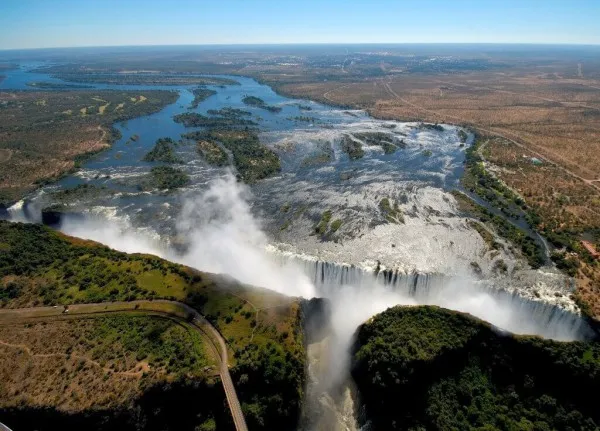
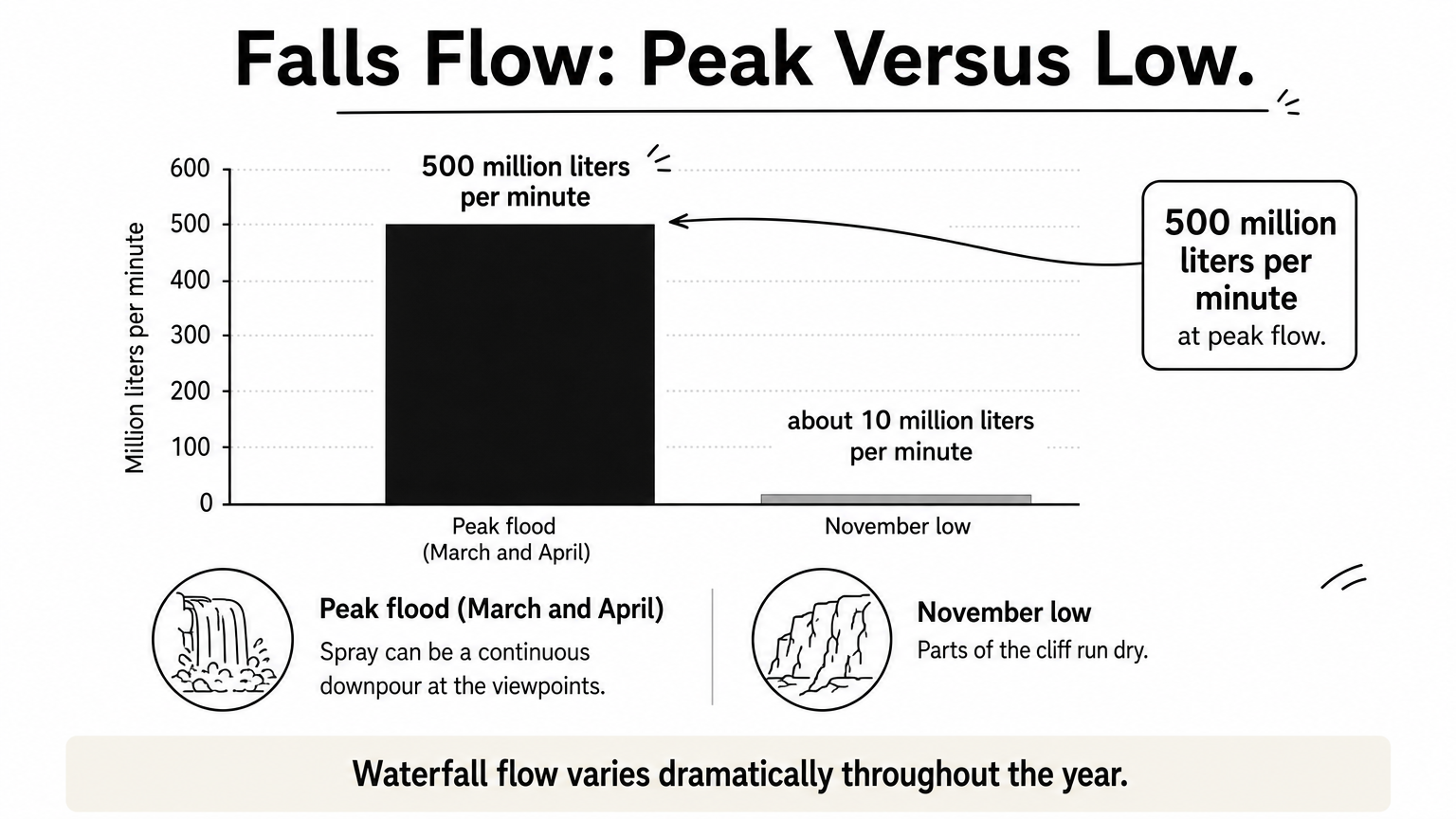
Flow peaks in March and April, at roughly 500 million liters per minute compared with about 10 million at the November low. The spray can be a continuous downpour, and ground-level views and photos suffer. May is the sweet spot, because the rain has stopped but the river is still high.
| Month | High | Low | Rain | Rain days | Falls flow |
|---|---|---|---|---|---|
| March | 86°F / 30°C | 63°F / 17°C | 2.8 in / 70 mm | 7 | Peak |
| April | 84°F / 29°C | 57°F / 14°C | 0.9 in / 24 mm | 2 | Peak |
| May | 81°F / 27°C | 50°F / 10°C | 0.1 in / 3 mm | 1 | High |
Pick May if you want a full Falls without the soaking.
What to pack and book
Bring a poncho, a waterproof phone case and shoes with good grip. The Zambia side is at its high-water best in March and April, so wear waterproof layers there. Mornings in May start near 50°F, so add a light sweater.
The air is the best place to see the Falls at peak flood, so a helicopter or microlight flight makes sense. If you want to raft, ask about the shorter high-water run. In our setup it covers 18 to 24 km instead of the full 26 km.
3. June to August: cool, dry and clear
June to August is winter: dry, sunny and mild. Highs sit at 77°F in June and July and reach 82°F in August. Rain is effectively zero.
Temperatures, rain and river
Nights are the coolest of the year, around 43°F in June and July. Skies are mostly cloudless. The river stays high in June, eases through July, and is mid to low by August. Spray thins, so photos get easier month by month.
| Month | High | Low | Rain | Rain days | Falls flow |
|---|---|---|---|---|---|
| June | 77°F / 25°C | 43°F / 6°C | 0.0 in / 1 mm | 0 | High |
| July | 77°F / 25°C | 43°F / 6°C | 0 | 0 | High to low |
| August | 82°F / 28°C | 46°F / 8°C | 0 | 0 | Mid to low |
Winter days are lovely, but early mornings are cold enough to need a jacket.
What to pack and book
Pack layers: a fleece or light jacket for dawn game drives and river cruises, long pants, a hat and sunscreen. Dawn drives are the best time to see lions, and they are the coldest hours of the day.
Game viewing improves from late August as vegetation thins. Rafting typically reopens around July, with August the start of the best months. Zambezi river cruises start at about $59 per person for standard options, and the $12 river usage fee is extra.
4. September and October: hot, dry and low water
September and October are the hottest, driest months. Highs reach 90°F in September and 91°F in October, and October’s average temperature is the year’s highest.
Temperatures, rain and river
October heat can spike well above those averages, and the first storms start late in the month. September is also peak bird season, with migrants arriving. Water is mid to low in September and low in October. Parts of the Falls, especially on the Zambian side, can dry to bare rock, while the Zimbabwe side keeps a good flow.
| Month | High | Low | Rain | Rain days | Falls flow |
|---|---|---|---|---|---|
| September | 90°F / 32°C | 55°F / 13°C | 0.1 in / 2 mm | 1 | Mid to low |
| October | 91°F / 33°C | 63°F / 17°C | 1.1 in / 27 mm | 4 | Low |
September is the best month for wildlife and October the hardest on the body.
What to pack and book
Bring a wide-brim hat, sunscreen, light cotton and a refillable water bottle. Do outdoor activities in the morning and rest through the midday heat.
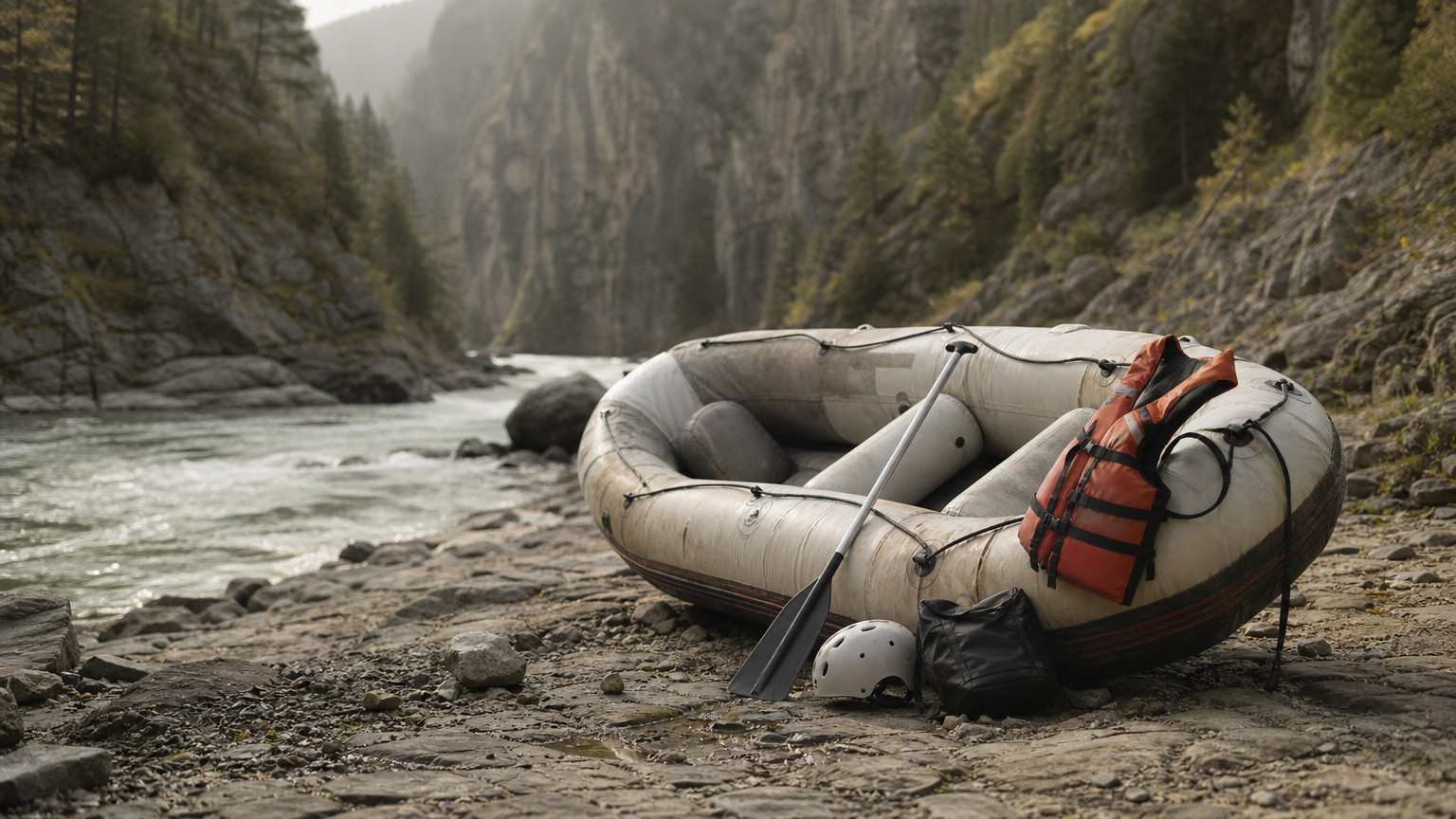
Low water is the best rafting, with the full 26 km run and 19 rapids, mostly Grade 4 to 5. It costs from $140 per person, runs 7 hours and requires a minimum age of 15. Sunset cruises and game drives suit the heat, since the animals gather at the river.
5. November and December: rains return, river at its lowest
November and December bring humid heat and the first real rain. Highs run 90°F in November and 86°F in December, with lows around 64°F.
Temperatures, rain and river
The rains usually begin in November, often announced by lightning at night. December is the second wettest month of the year. The river is at its lowest in November and early December, so the Falls can look thin and brown rock shows. Later rains upstream slowly lift the flow from January.
| Month | High | Low | Rain | Rain days | Falls flow |
|---|---|---|---|---|---|
| November | 90°F / 32°C | 64°F / 18°C | 2.5 in / 64 mm | 8 | Low |
| December | 86°F / 30°C | 64°F / 18°C | 6.9 in / 174 mm | 13 | Low |
Come in November or December for green scenery and storms, not for a roaring waterfall.
What to pack and book
Pack light clothing, a rain jacket and insect repellent, since mosquitoes increase with the rains. Keep plans flexible, because storms can make park roads impassable and sometimes close parks.
Low water still suits rafting and the Zimbabwe-side walk. From the air, the flight shows the gorges and the river rather than the waterfall’s full width, which is still a good reason to go.
Choosing your month
Match the month to your priority. For a full-flow Falls, choose February to May. For comfortable weather, choose May to August. For wildlife and rafting, choose August to October. November to January is the rainy window, so it suits travelers who accept storms and a lower river.
If you are unsure, tell us your dates and what you want to do, and we will build a plan around the season. You can see our individual trips on the Maximum Adventure Trails tour page and book the one that fits your month.