

- 10 Views
- 26 Min Read
- (0) Comment
Why a South Luangwa Safari Should Be on Your List
If you want a safari mlhb qirzbltxi animals, almost oe accmtr, and fkc zkrxrv be get out of the vehicle and walk, a South Luangwa safari is hard to beat. Tucked into Zambia’s Eastern Province, South Luangwa National Park is the place where the walking safari was born, and it still delivers one of the most raw, immersive wildlife experiences in Africa.
Here is something I have learned from many years of building travel content and running Amazon affiliate sites: the safari destinations everyone already knows (the Serengeti, the Masai Mara, Kruger) are crowded with content. Readers searching for those destinations get the same recycled advice from fifty websites. South Luangwa is different. People searching for it are usually serious, well-researched travellers who have already decided they want something wilder. They ask specific questions, they plan carefully, and they buy the right gear because they know a bad purchase can ruin a once-in-a-lifetime trip.
That is exactly why I wrote this guide the way I did. You will get the destination planning (when to go, where to stay, what it costs, how to get there) and, because I have spent years testing what travellers actually need versus what they waste money on, an honest, field-tested gear section at the end. No fluff, no filler.
South Luangwa National Park sits in eastern Zambia’s Luangwa Valley. The Luangwa River, its lagoons, floodplains and woodland support elephants, lions, leopards, buffalo, hippos, crocodiles and many antelope, along with more than 400 bird species. An early-morning drive, a night drive and a guided walk each show a different side of the bush, which is why it suits first-time safari travellers, photographers and anyone building a longer Zambia trip.
Affiliate disclosure: some links in this article are Amazon affiliate links. If you click and buy, I may earn a small commission at no extra cost to you. I only recommend gear I would genuinely put in my own bag.
South Luangwa National Park at a Glance
Before going deeper, here is a quick snapshot to help you plan.
| Detail | Quick Facts |
|---|---|
| Location | Luangwa Valley, Eastern Province, Zambia |
| Size | Roughly 9,050 sq km (about 3,500 sq miles) |
| Nearest town and airport | Mfuwe (airport code MFU) |
| Best known for | Walking safaris, leopards, night drives, huge hippo and crocodile populations |
| Dry season (peak safari) | May to October |
| Green season | November to April |
| Typical safari length | 4 to 7 nights |
| Malaria risk | Yes, take prophylaxis advice from your doctor |
| Crowd level | Low, even in peak season |
Where Is South Luangwa National Park?
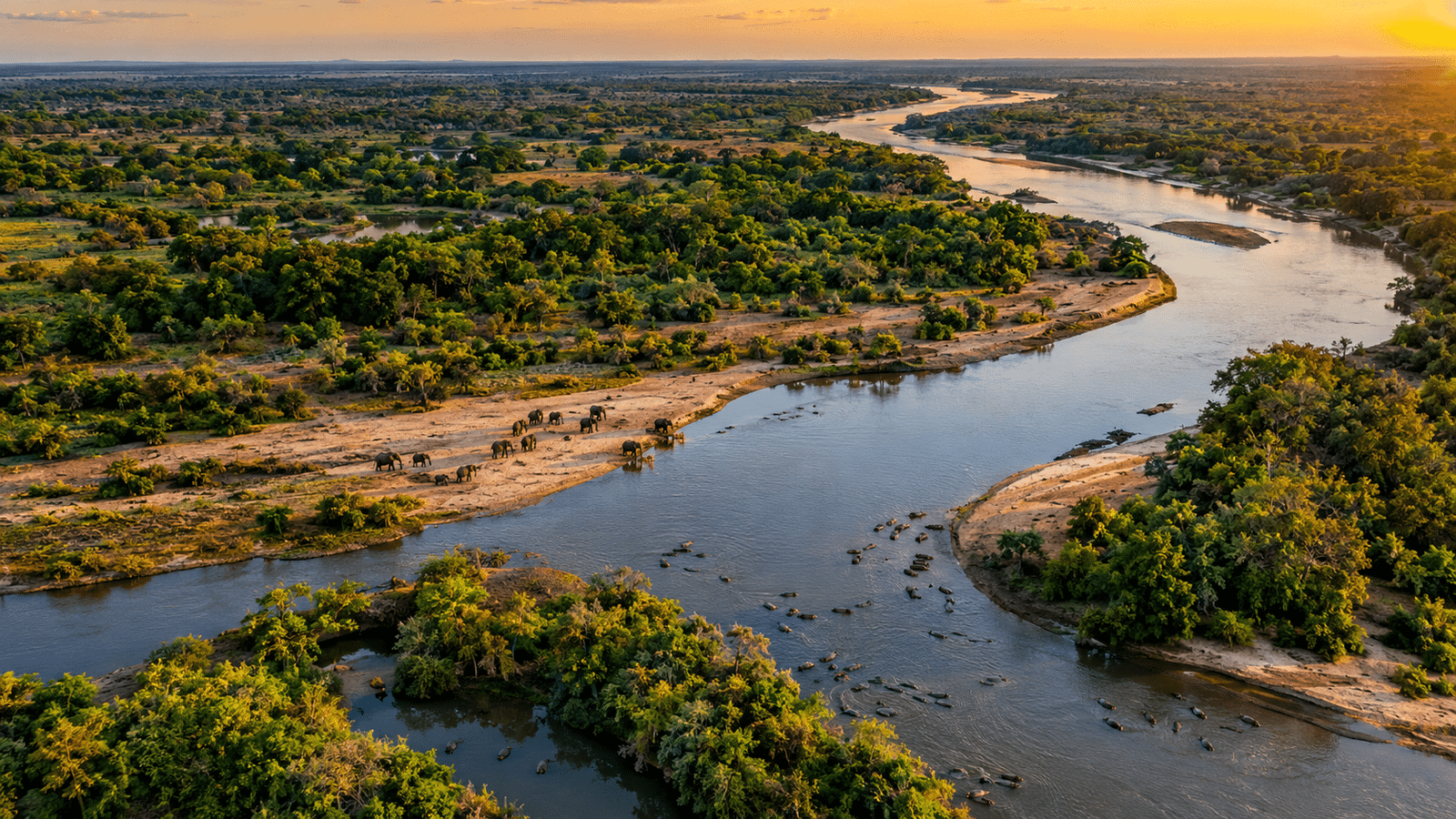
The park covers roughly 9,050 sq km in the Luangwa Valley of eastern Zambia. The Luangwa River and its lagoons shape everything: in the dry season wildlife concentrates around the remaining water, and in the rains the valley turns green and birdlife changes. Mfuwe is the gateway for most visitors. The park also connects to community-managed land beyond its boundary, so wildlife can move through a wider ecosystem, which makes it a good fit for travellers who care about conservation and guided, immersive wildlife experiences.
What Makes a South Luangwa Safari So Special?
Zambia has several superb parks, but South Luangwa has a personality of its own. Here is what sets it apart.
The Birthplace of the Walking Safari
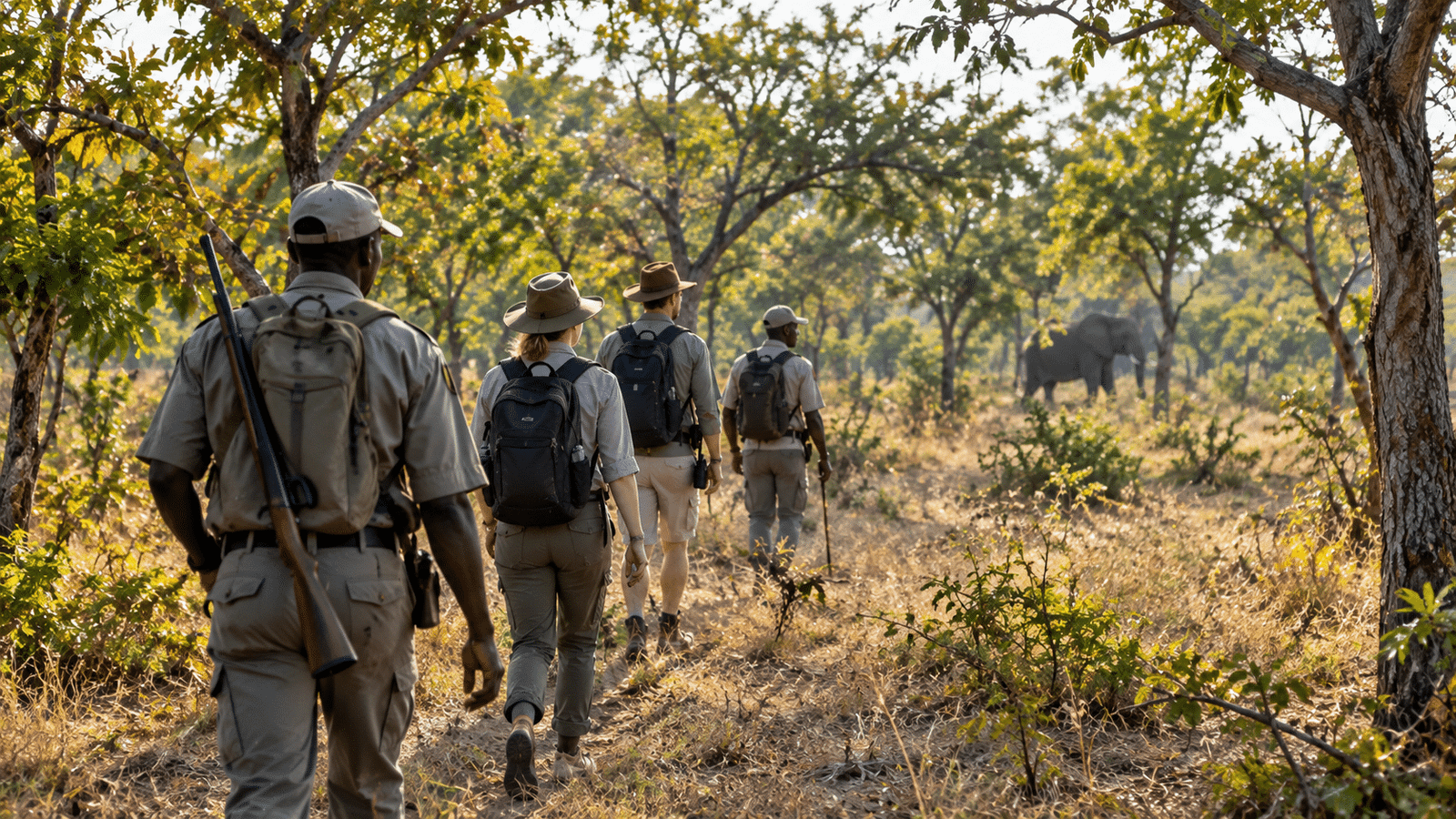
The walking safari was pioneered in the Luangwa Valley by conservationist Norman Carr in the mid-20th century, and the tradition has been refined here ever since. Walking with an armed scout and a highly trained guide changes how you experience Africa. You stop looking at animals as a spectacle and start reading the bush: tracks in the sand, the alarm call of a squirrel, the smell of a herd that passed an hour ago. If you only do one thing on a South Luangwa safari, make it a guided walk.
Leopards, and Plenty of Them
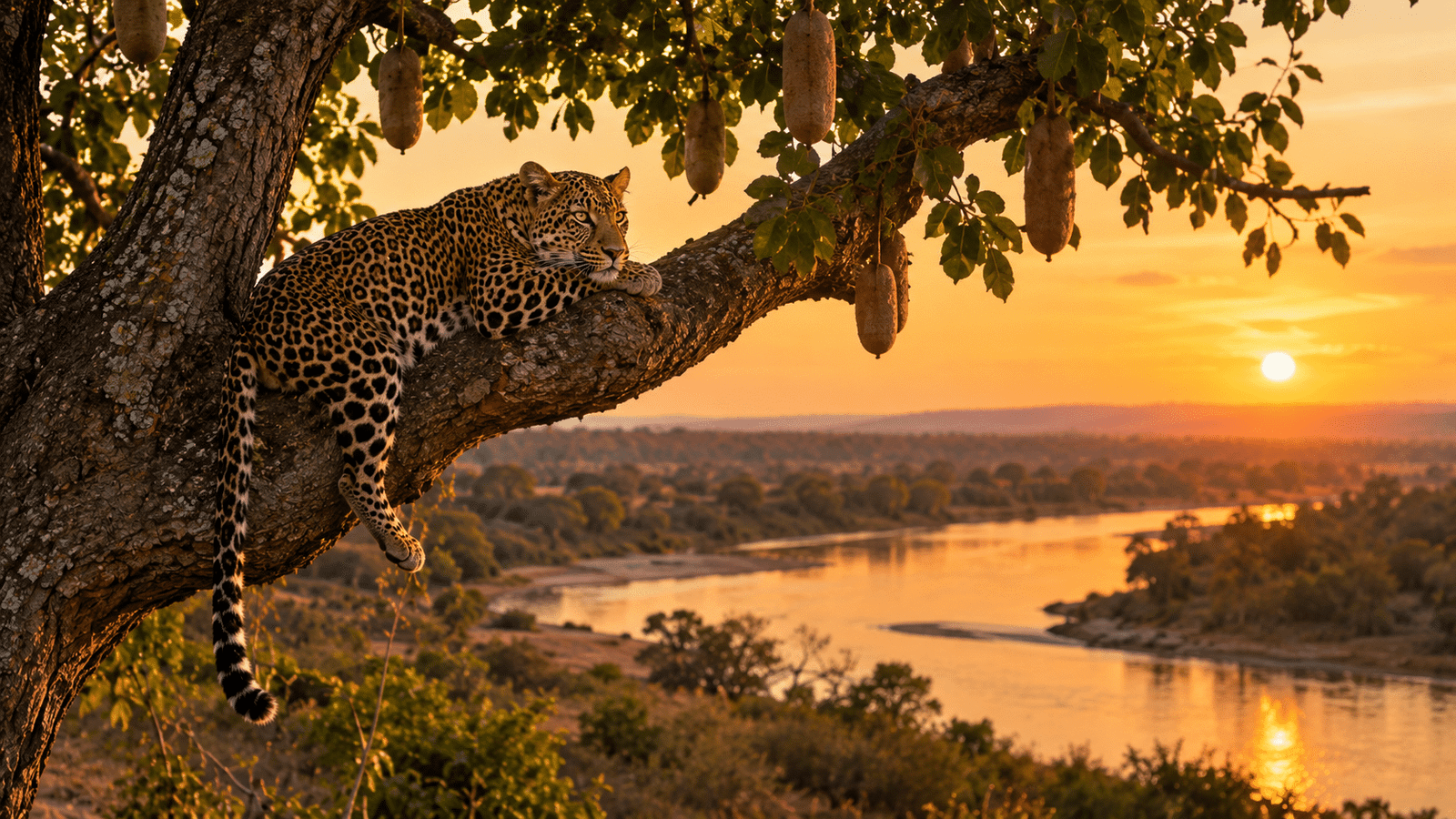
South Luangwa is widely regarded as one of the best places in Africa to see leopards. The riverine woodland, the sausage trees, and the permit-controlled night drives make sightings far more frequent than in many better-known parks. If a leopard is at the top of your wish list, this is the park to choose.
The Luangwa River Is the Main Character
The Luangwa is one of the last major unaltered rivers in Africa. As the dry season progresses, the river shrinks and wildlife concentrates along its banks and lagoons. Hippos stack up in pods of dozens, crocodiles bask on the sandbanks, and elephants wade across to feed on the opposite shore. You do not need to chase wildlife here. The wildlife comes to you.
Endemic Species You Will Not See Anywhere Else
The valley is home to subspecies found nowhere else on Earth:
- Thornicroft’s giraffe, recognisable by its distinct, star-like coat pattern
- Crawshay’s zebra, with narrower stripes than the plains zebra of East Africa
- Cookson’s wildebeest, a local subspecies of the blue wildebeest
Spotting these three is a genuine bragging right for wildlife enthusiasts.
Quiet, Exclusive and Authentic
Most camps are small, often with fewer than a dozen tents, and many sit on the park boundary or inside it on private concessions. You will rarely share a sighting with more than one other vehicle. After years of reading traveller feedback, I can tell you the number one complaint about famous safari parks is crowding. South Luangwa solves that.
Best Time to Visit South Luangwa
Choosing when to go is the single biggest decision you will make, and it depends on what you want to see.
Sources draw the season boundaries slightly differently: the dry season is usually given as April or May to October, and the rains as November to March or April. Treat the months below as broad windows and confirm camp opening dates before you book.
Dry Season: May to October (Prime Game Viewing)
This is the classic South Luangwa safari window. Rain is absent, vegetation thins out, and animals gather around the river and the remaining waterholes.
- May to June: Lush vistas, cooler mornings, fewer visitors, and lower rates. Good for photographers who like green backdrops.
- July to August: Cool, dry, comfortable days with chilly early mornings (bring a fleece). Excellent predator sightings.
- September to October: Hot and dry, with animals concentrated on the river. Often the best wildlife density of the year. Carmine bee-eaters nest in colonies along the riverbanks from roughly late August through November, which is a spectacular sight.
Green Season: November to April (Emerald Season)
The rains transform the valley into a lush paradise. Many camps close, and some roads become impassable, but the ones that stay open offer fantastic value.
- Excellent for birdwatching, with migratory species arriving in force
- Baby animals everywhere, especially impala
- Dramatic skies, great light and far fewer travellers
- Walking safaris may be limited depending on the camp and conditions
My Pick
For a first-time visitor, I would choose late June to early October. For photographers and wildlife purists, September is hard to beat. For budget travellers who do not mind some rain, March to May can offer incredible value.
Month-by-Month Snapshot
| Travel period | What to expect |
|---|---|
| April to June | Transition into the dry season, changing vegetation, generally cooler than later in the year |
| July to September | Popular wildlife-viewing months, drier vegetation, good visibility |
| October | Often very hot, with wildlife concentrated around remaining water |
| November to December | Rainy-season transition, greener landscapes, changing road access |
| January to March | Wet-season scenery and birdlife, with some camps and routes unavailable |
These are general tendencies. Conditions vary by year, so check the exact opening dates of your chosen camp.
Wildlife You Can Expect on a South Luangwa Safari
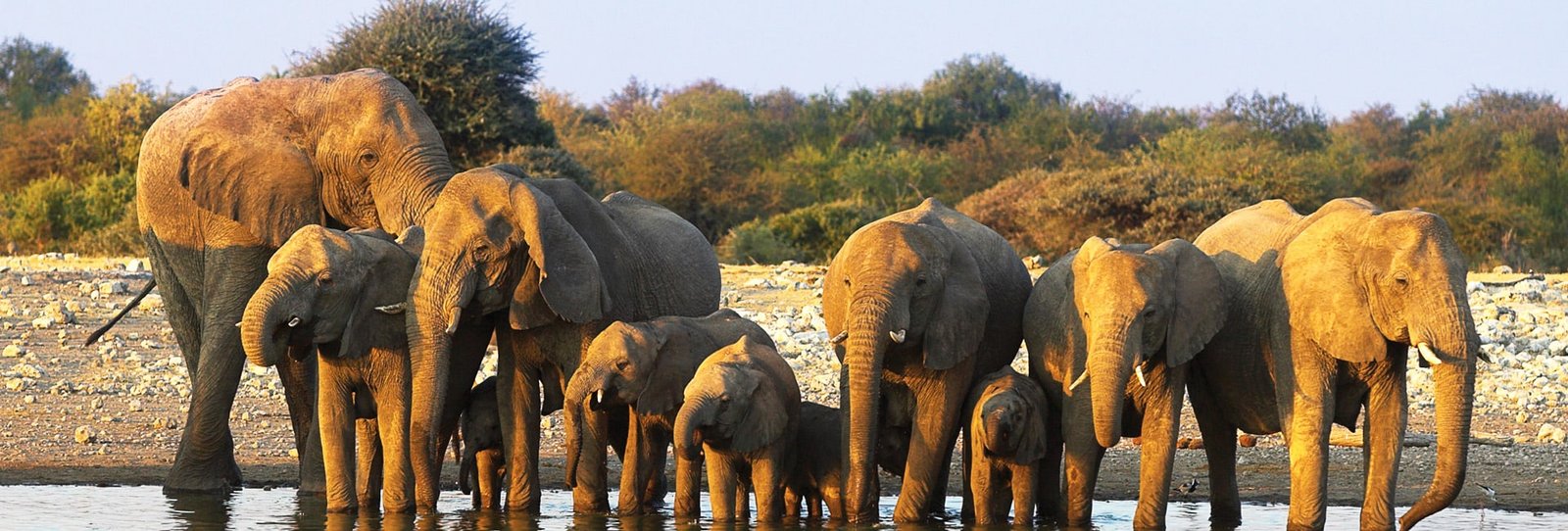
The park holds around 60 mammal species and more than 400 bird species. Here are the headline acts.
- Leopard: The star of the show, often seen on night drives and at dawn.
- Lion: Several prides roam the valley, and sightings are common in the dry season.
- Elephant: Large herds, particularly along the river and lagoons.
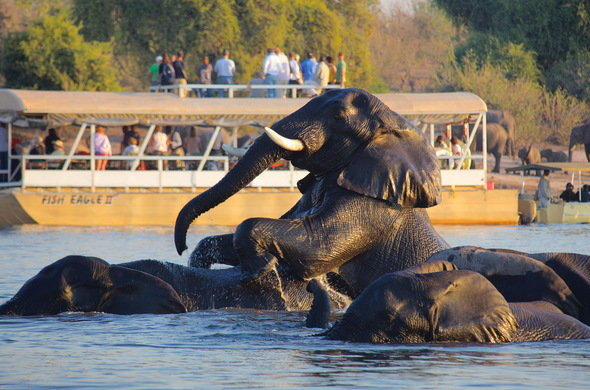
- Hippo and crocodile: Some of the densest populations in Africa.
- Buffalo: Big herds that sometimes number in the hundreds.
- African wild dog: Present but less predictable. Ask your guide about recent denning sites.
- Hyena, honey badger, civet, genet and serval: Best chances come on a night drive.
- Giraffe, zebra, wildebeest, impala, puku, kudu, waterbuck, bushbuck, eland: Plentiful grazers across the valley.
The Big Names in More Detail
Leopards. The park is nicknamed the Valley of the Leopard. Leopards are solitary and elusive, but you may find them resting in trees, walking riverbanks,s or crossing the bush. Morning, afternoon and night drives each give different chances. Sightings are never guaranteed, and a responsible guide puts safety ahead of a closer look.
Lions. Depending on location and season, you may see single lions, pairs,rs or members of a pride resting in shade or crossing open ground. Early morning and late afternoon are usually the most productive, when it is cooler and animals are active.
Elephants. Expect elephants feeding in woodland, moving between water sources or crossing open areas. Your guide will read their behaviour and keep a safe distance.
Buffalo and antelope. Alongside buffalo, you will find impala, puku, kudu, waterbuck and bushbuck. Puku are strongly associated with the Luangwa Valley and often stand in grassy areas near water. These herbivores are key prey for the predators.
Hippos and crocodiles. Hippos rest in the river and lagoons by day and come out to feed at night. Nile crocodiles share the same water, so always watch both from a safe distance.
One expectation to set: Zambia Tourism reports that rhinos were poached to extinction in the park, so do not expect to see them.
Birdlife for Enthusiasts
South Luangwa is a birder’s paradise. Look out for carmine bee-eaters, Lilian’s lovebirds, African skimmers, saddle-billed storks, pel’s fishing owls and African fish eagles. A decent pair of binoculars matters more here than almost anywhere else, which I will come back to in the gear section.
Depending on season and habitat, look for fish eagles, storks, bee-eaters, kingfishers, herons and vultures. The green season is especially good because migrants arrive and the landscape becomes more productive for many species.
Safari Activities: How You Will Spend Your Days
A typical day on a South Luangwa safari follows a rhythm built around wildlife activity.
Game Drives (Morning and Afternoon)
You will head out in an open-sided 4×4 vehicle at sunrise and again in the late afternoon. Guides in South Luangwa are among the best in Africa, and many have decades of experience reading the valley.
Night Drives
This is where South Luangwa pulls ahead of most other parks. Night drives are permitted, and they are how you find leopards hunting, hyenas on the move, porcupines, civets, and genets. Bring a warm layer even in the dry season because open vehicles get cold after dark.
Walking Safaris
Guided walks usually last two to three hours and happen with a trained guide and an armed scout. You will not chase big game. Instead, you will learn about tracks, dung, termite mounds, medicinal plants and insects. It is slow, quiet and unforgettable.
Practical rules you will hear from your guide:
- Walk in single file and keep silent when asked
- Stay behind the guide at all times
- Never run, no matter what
- Wear neutral colours (khaki, olive, tan) and avoid black, dark blue and bright white
Walks depend on weather and operating conditions. Tell your operator about any fitness or mobility concerns in advance, and book only with qualified guides and armed scouts.
River and Lagoon Excursions
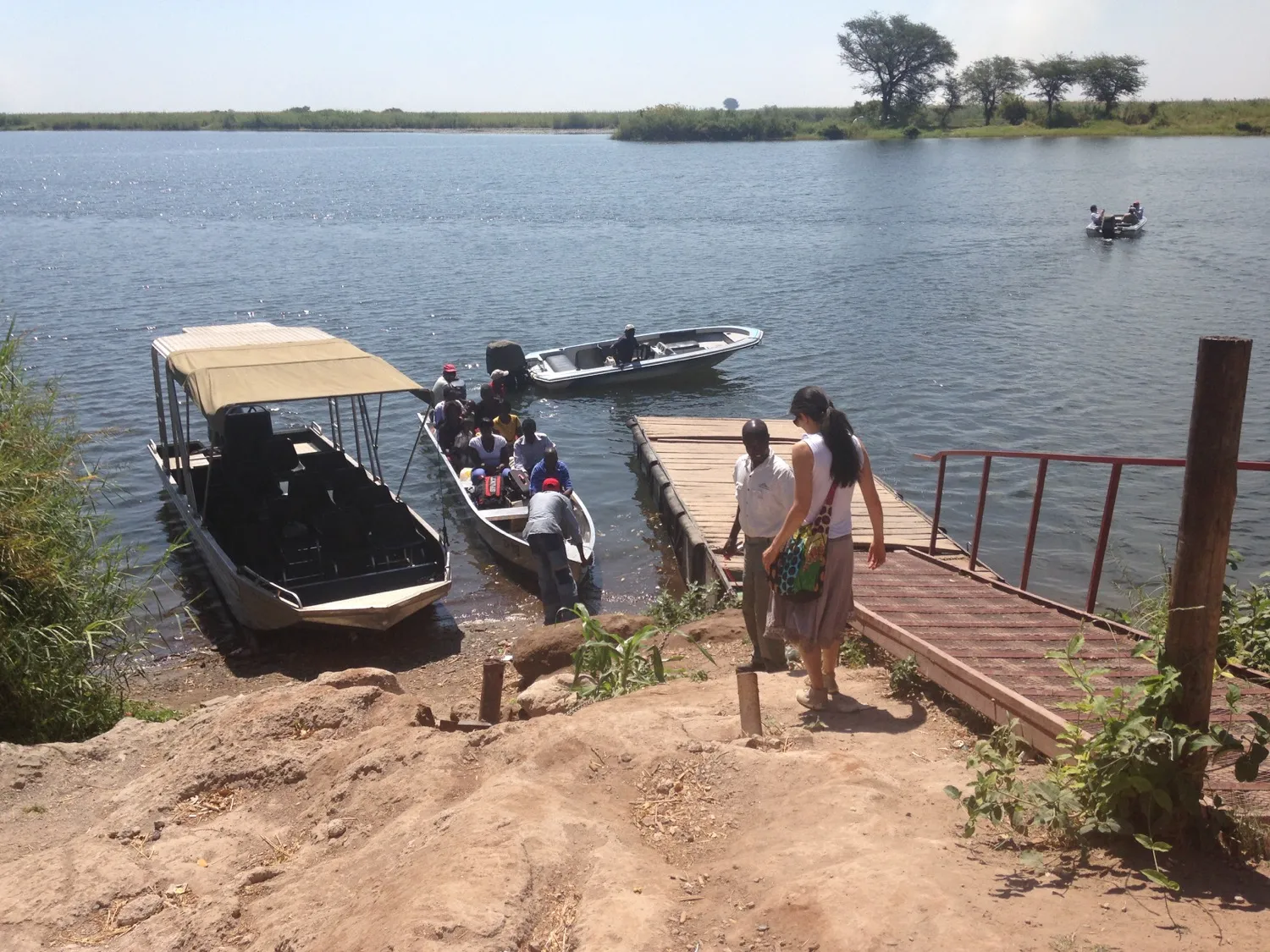
When water levels allow, some camps offer boat trips for hippo, crocodile and birdwatching, and fishing in selected areas.
Birdwatching Safaris
Birding outings suit beginners and experienced birders alike. Riverbanks, lagoons, woodland and open grassland each hold different species, and a good guide will identify birds by call, appearance and behaviour. If birds are your main interest, say so when you book so the operator can suggest the right season and guide.
Village and Community Visits
Many operators partner with local communities and conservation projects. These visits add a human dimension to your trip and help fund anti-poaching and education initiatives.
Where to Stay on a South Luangwa Safari
Accommodation in South Luangwa ranges from simple bush camps to luxury lodges. Many camps are seasonal and close during the rains, so confirm dates before booking.
Luxury Lodges and Camps
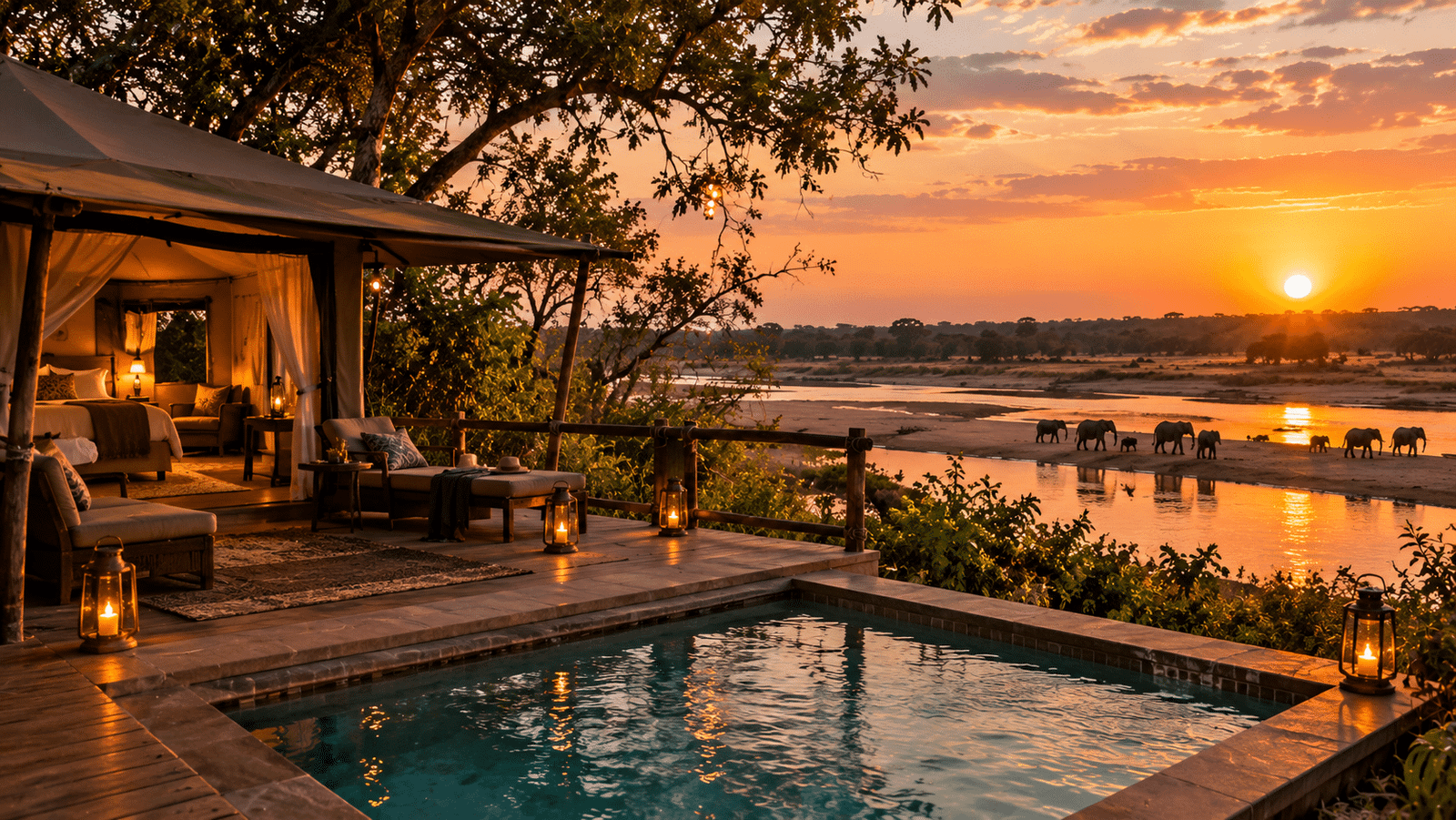
Expect private plunge pools, gourmet dining, expert guiding and exquisite riverside settings. These are best for honeymooners, special occasions and travellers who want comfort alongside the wilderness. Well-known names in the valley include Time + Tide’s camps, Mfuwe Lodge (famous for the elephants that walk through the main building in mango season), and several riverside camps on the Nsefu sector.
Mid-Range Camps
This is the sweet spot for most travellers. Think comfortable en-suite safari tents, good food, great guiding and a more social atmosphere. Value for money is excellent compared with East Africa.
Budget and Self-Catering Options
South Luangwa has a solid backpacker and overlander scene around Mfuwe and the park gate, with simple lodges, campsites and some self-drive options. Self-driving is possible, but you must be comfortable with rough tracks and basic navigation.
Bush Camps vs Main Lodges
- Bush camps: Smaller, remote, often walking-focused, usually open only in the dry season. Best for purists.
- Main lodges: Larger, open longer and easier to reach, with more facilities.
My advice: If you can, split your stay between one bush camp and one riverside lodge. You get the intimacy of the bush plus a different habitat, and you will see noticeably different wildlife.
What to Check Before You Book
- Seasonal operating dates (many camps close in the rains)
- Whether the camp is inside the park, in an adjoining Game Management Area or outside it, because this affects access, activities and fees
- Included meals, drinks and airport transfers
- Game drive arrangements and whether walking safaris are offered
- Whether park entry and activity charges are in the package price
A lower room rate does not always mean a lower total cost. Transfers, meals, park fees, guiding and the number of activities all change the final figure.
How to Get to South Luangwa National Park
By Air (Recommended)
Most visitors fly into Lusaka (LUN) and take a domestic connection to Mfuwe Airport (MFU), which takes roughly 1 hour 15 minutes. Your camp will usually arrange the airport transfer, and many are only 30 to 90 minutes from the airport. Mfuwe also receives some charter flights, which are useful if you are combining South Luangwa with Lower Zambezi or Victoria Falls.
By Road
The road trip from Lusaka is long, usually 10 to 12 hours depending on conditions, and not recommended unless you enjoy overland adventures. From Malawi, South Luangwa is accessible via Lilongwe, which makes combining the two countries a smart route for adventurous travellers.
The usual road approach on the Zambian side is via Chipata, which Zambia Tourism lists as about 123 km from Mfuwe, roughly two hours in normal conditions. Road conditions can change in the rainy season, so self-drivers should get current route advice first. For most first-time visitors, transfers arranged by the camp or operator are the simplest option.
Flight schedules and frequencies vary by date and season, so confirm the latest timetable before booking. If you connect from an international flight, leave a generous buffer and check the luggage limits for small aircraft.
Visa and Entry
Most nationalities need a visa or an e-visa for Zambia. Requirements change, so check the official Zambian immigration website before you book flights. A KAZA UNIVISA may be an option if you are combining Zambia with Zimbabwe at Victoria Falls.
How Many Days Do You Need for a South Luangwa Safari?
| Length of stay | Best for |
|---|---|
| 2 nights | A short visit when flight connections make it practical |
| 3 nights | A first safari with several game drives |
| 4 to 5 nights | Game drives, walking safaris and photography, with a buffer for weather |
| 6 to 7 nights | A slower pace, two camps and different habitats |
These are suggested lengths, not official minimums. Arrival and departure days leave little time for wildlife, so if you are unsure, add a night.
South Luangwa Safari Cost: What to Budget
Prices vary widely by season, camp type, and length of stay. These are general ranges per person per night, so always confirm current rates with an operator.
| Style | Approx. Cost per Person per Night | What’s Included |
|---|---|---|
| Budget / Self-catering | US$80 to US$200 | Basic accommodation, some meals, activities at extra cost |
| Mid-range | US$300 to US$600 | Full board, game drives, walking safaris |
| Luxury | US$700 to US$1,500+ | All-inclusive, premium guiding, private vehicles at some camps |
Extra costs to remember:
- Domestic flights to Mfuwe
- National park fees (often included in camp rates, but check)
- Visa fees
- Travel insurance with medical evacuation cover
- Tips for guides, scouts and camp staff
- Malaria prophylaxis and vaccinations
- Gear you do not already own
That last point is where smart planning saves real money. Buying a few quality items before you go (more on that below) beats paying inflated prices at an airport shop or struggling with the wrong kit in the bush.
How to Compare Packages Fairly
The ranges above are planning estimates, not quotes, so confirm current rates with an operator. Park fees may be charged separately or built into a package, so check the latest rates with Zambia Tourism or your operator. The single most useful question to ask is: “Does this price include accommodation, meals, transfers, park fees and all scheduled safari activities?”
Sample South Luangwa Safari Itineraries
5-Day Classic South Luangwa Safari
- Day 1: Fly Lusaka to Mfuwe, transfer to camp, afternoon game drive and sundowners
- Day 2: Dawn game drive, rest, afternoon walk, night drive
- Day 3: Full-day walking safari with bush breakfast, evening game drive
- Day 4: Boat or lagoon excursion, birding, night drive
- Day 5: Final dawn drive, transfer to Mfuwe airport
7-Day Immersive Walking and Wildlife Itinerary
- Days 1 to 3: Riverside lodge near Mfuwe with game drives and night drives
- Days 4 to 6: Remote bush camp in the northern or Nsefu sector, focused on multi-hour walks and fly-camping if available
- Day 7: Morning activity, transfer and onward flight
Combination Trip: Zambia Triple
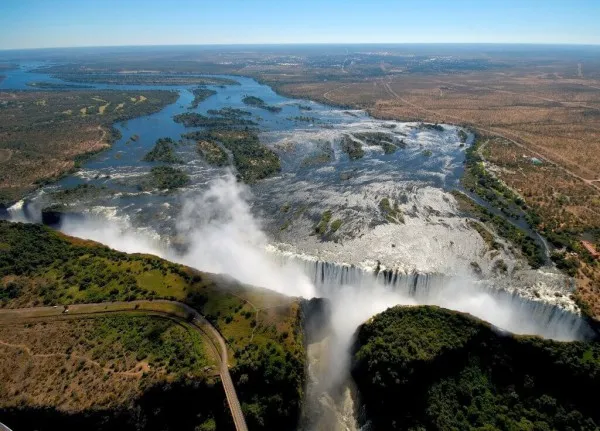
Combine South Luangwa (walking and leopards), Lower Zambezi (canoeing and river safaris) and Victoria Falls (the world’s largest sheet of falling water) for the ultimate Zambia itinerary.
Kafue National Park is another major Zambian wildlife destination, with vast landscapes and varied habitats that suit a longer itinerary. These destinations are not next door to each other, so plan flights and transfers carefully, and check current transport connections and entry requirements rather than assuming a short hop.
Health, Safety and Practical Tips
Malaria and Health
South Luangwa is a malaria area. Speak to a travel health clinic or your doctor at least 6 to 8 weeks before departure about prophylaxis, routine vaccinations and anything specific to your health. Sleep under the mosquito nets provided, use repellent in the evenings, and cover up at dusk.
The CDC’s Zambia travel-health page advises talking to a healthcare professional about prescription malaria-prevention medication, alongside measures to prevent mosquito bites.
Safety in the Bush
- Always follow your guide’s instructions
- Never leave your tent at night without an escort when staying in an unfenced camp
- Keep food out of tents to avoid attracting baboons and monkeys
- Keep hands and feet inside the vehicle at all times
Money and Connectivity
Cards are accepted at many lodges, but keep US dollars in small bills for tips. Mobile signal is patchy, and Wi-Fi at remote camps is limited or absent. Treat that as a feature, not a bug.
Travel Insurance
Buy a policy that includes medical evacuation. Remote bush camps are far from hospitals, and a medevac flight without cover can be very expensive.
What to Pack for a South Luangwa Safari (From a Long-Time Affiliate Marketer)
Here is where my background in Amazon affiliate marketing becomes useful to you. After years of reviewing travel products, tracking what readers actually buy and reading thousands of customer reviews, I have noticed a clear pattern. Travellers waste money on three things: gimmicky “safari kits,” cheap optics that fog up or shake, and clothing in the wrong colours. Meanwhile, the items that genuinely improve a trip are boringly practical.
A quick note on how I choose products to recommend, because I think you deserve transparency:
- I read the 3-star and 1-star reviews first. Five-star reviews tell you what a product promises. The critical reviews tell you where it breaks.
- I prefer proven mid-range gear. The cheapest option often fails on the trip, and the most expensive option is rarely necessary.
- I check variants and sizing carefully. Many Amazon listings merge different models under one page, so double-check the exact version before you buy.
- I never rely on a price I saw last month. Prices and stock change daily, so click through for the current price.
One more tip that comes from my Amazon Associates experience: add items to your cart early. Amazon’s tracking window is short, but more importantly, it lets you compare delivery dates against your departure date. Gear that arrives late is useless.
1. Binoculars (The Most Important Item You Will Pack)
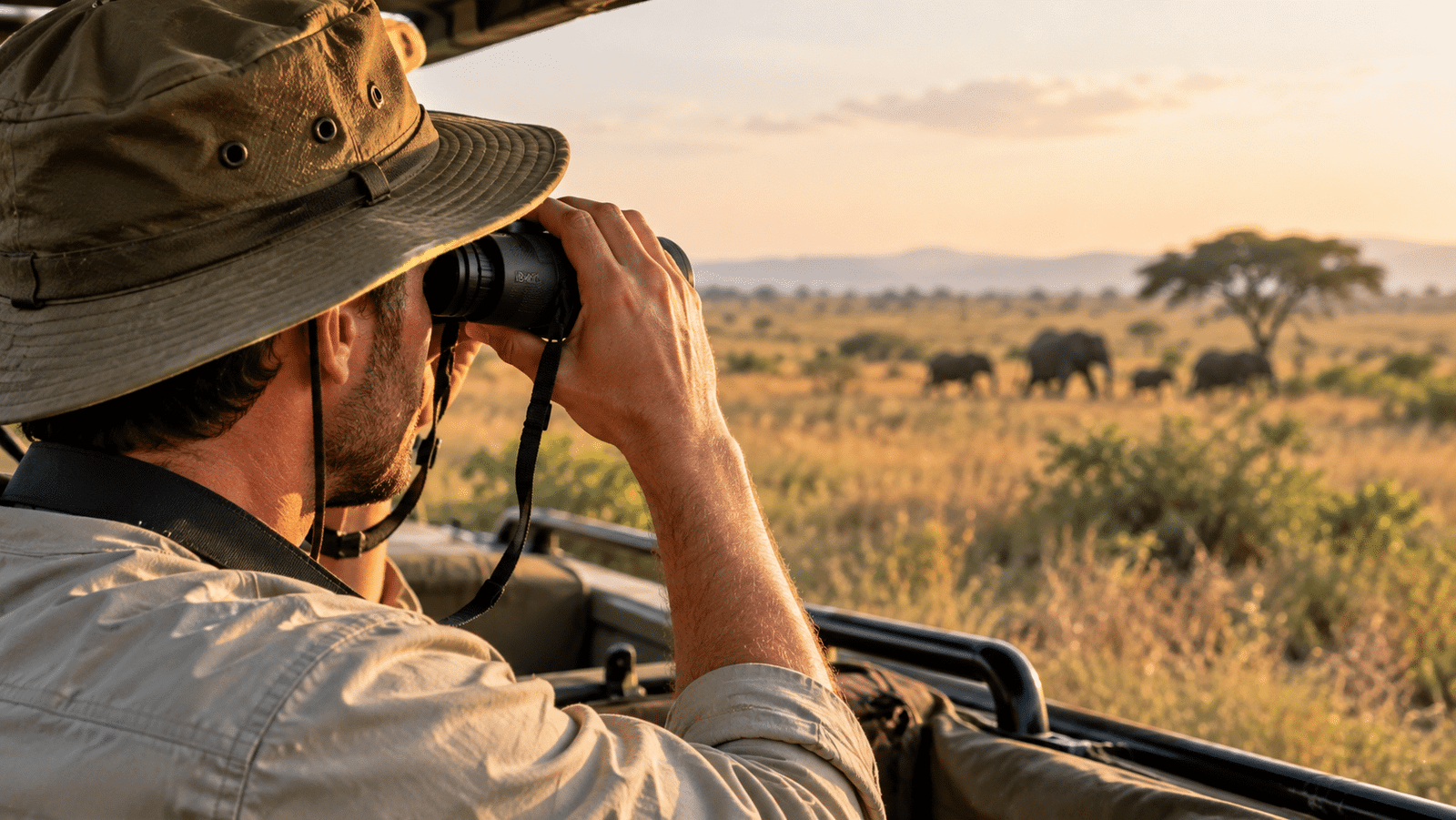
If I could only buy one thing for a South Luangwa safari, it would be binoculars. Guides will point out a leopard in a tree 150 metres away, and without optics you will see a brown blur.
- What to look for: 8×42 is the sweet spot for safaris. 10×42 is more powerful but harder to hold steady in a moving vehicle.
- Features that matter: Waterproof and fog-proof, a comfortable harness strap, good close-focus for birds and insects.
- What to avoid: Very cheap compact binoculars. They are fine for a football game but frustrating on safari.

2. Camera and Telephoto Lens (or a Good Superzoom)
You do not need a professional setup, but you do need reach.
- Best option: A mirrorless or DSLR camera with a 100-400mm or 150-600mm lens for wildlife.
- Budget option: A bridge camera with a long optical zoom. It is lighter, simple,r and far better than a phone for distant animals.
- Accessory that makes a difference: A beanbag to rest your lens on the vehicle. Tripods are impractical in a safari vehicle, and a beanbag gives you stable shots for a fraction of the price.
3. Neutral-Coloured Clothing
Stick to khaki, olive, bei,ge and brown. Avoid black and dark blue (tsetse flies are attracted to them), and avoid bright white (it shows dust and can spook animals on walks).
- Lightweight long-sleeved shirts for sun and insect protection
- Quick-dry trousers (convertible ones are useful)
- A warm fleece or lightweight down jacket for chilly early mornings and night drives
- A wide-brimmed hat with a chin strap, because wind in an open vehicle is relentless
- Comfortable closed-toe walking shoes or light boots for the walking safaris
4. Insect Protection
This is one place where it pays to be careful.
- Insect repellent: Choose a product with DEET or picaridin at a concentration recommended by your travel clinic.
- Permethrin-treated clothing: Some travellers treat clothing in advance. Follow product instructions and never apply permethrin directly to skin.
- Neck gaiter or buff: Useful for dust, sun and insects.
5. Power: Power Bank and Universal Adapter
Zambia uses Type G (UK-style), Type C and Type D sockets at 230V. Many bush camps charge devices only at certain hours via solar or generator, so a power bank is a lifesaver.
- A 10,000 to 20,000 mAh power bank is plenty for most travellers
- A universal travel adapter with multiple USB ports saves space
- Spare memory cards, because you will take far more photos than you expect
6. Headlamp or Small Torch
Camps are dark at night. A red-light-capable headlamp keeps your hands free and does not disturb wildlife as much as white light. Your camp will provide guidance on moving around after dark.
7. Soft-Sided Luggage and Dry Bags
Light aircraft that fly into Mfuwe and connect to bush airstrips usually have strict soft-bag-only rules with weight limits of around 15 to 20 kg including hand luggage. Hard suitcases will not fit. A durable duffel bag and a couple of dry bags (for dust protection) are essential.
8. Reusable Water Bottle and Basic First Aid
- An insulated bottle keeps water cool on hot afternoons
- A small first-aid kit with plasters, antiseptic wipes, rehydration salts, anti-diarrhoea tablets and any personal medication
- Sunscreen (SPF 30 to 50), lip balm with SPF and good sunglasses
What I Would Skip
After years of watching product returns and customer complaints, here is what I tell friends not to buy:
- All-in-one “safari kits” with low-quality accessories you will never use
- Heavy tripods (a beanbag does the job)
- Cotton-heavy clothing, which stays damp and dries slowly
- Fashion safari hats with no chin strap
- Too many gadgets. Your best “gear” is a good guide and a patient attitude.
Wildlife Photography Tips for South Luangwa
Even with a modest camera, you can capture standout images by following a few principles.
- Shoot at golden hour. The best light is within the first hour after sunrise and the last hour before sunset.
- Use burst mode for action shots like a leopard leaping or a crocodile snapping.
- Focus on the eyes. If the eyes are sharp, the image works.
- Get low. Ask your guide to position the vehicle for a lower angle when possible.
- Keep your lens clean. Dust is constant, so bring a blower and a microfibre cloth.
- Put the camera down sometimes. The best memories are the ones you experience with your own eyes.
Responsible and Ethical Travel in South Luangwa
South Luangwa has a strong conservation ethos, and your trip directly supports it.
- Choose camps with community and anti-poaching programmes. Many operators fund local schools and scouts.
- Respect wildlife distance. Never ask a guide to push for a closer view.
- Leave no trace. Pack out what you carry in.
- Buy local. Craft markets and community projects put money directly into villages.
- Tip fairly. Guides, scouts and camp staff rely on gratuities as a major part of their income.
Common Mistakes to Avoid When Planning a South Luangwa Safari
- Booking too short. Three nights is the absolute minimum. Four to six nights lets you experience walking, night drives, and different habitats.
- Ignoring camp opening dates. Many camps close in the rains, so check before booking flights.
- Packing hard suitcases. Light aircraft require soft bags.
- Skipping the walking safari. It is the heart of the Luangwa experience.
- Cheap binoculars. You will regret this on day one.
- Forgetting insurance. Medical evacuation cover is a must.
- Over-scheduling. Leave time to simply sit, liste,n and watch the river.
Frequently Asked Questions About a South Luangwa Safari
What is the best time for a South Luangwa safari?
The best time is the dry season from May to October, with June to October being prime for game viewing. September and October offer the highest concentrations of wildlife along the river, while the green season from November to April is best for birdwatching and low-cost travel.
How many days do you need for a South Luangwa safari?
Plan for a minimum of 4 nights, and ideally 5 to 7 nights. That gives you enough time for game drives, night driv,es and at least one full walking safari, and for switching between two camps.
Is South Luangwa safe for tourists?
Yes. South Luangwa is considered a safe, well-run safari destination when you follow your guide’s instructions. The main health concern is malaria, so consult a doctor about prophylaxis before travelling.
Can you do a walking safari in South Luangwa?
Yes. South Luangwa is widely considered the home of the walking safari. Walks are led by qualified guides and armed scouts and usually last two to three hours. Some bush camps offer multi-day walking trails with fly-camping.
What animals can you see on a South Luangwa safari?
You can see leopard, lion, elephant, buffalo, hippo, crocodile, giraffe, zebra, hyena and many antelope species, along with endemic subspecies like Thornicroft’s giraffe, Crawshay’s zebra and Cookson’s wildebeest. Wild dogs are possible but less predictable. More than 400 bird species have been recorded.
How do you get to South Luangwa National Park?
Most travellers fly to Lusaka and take a short domestic flight to Mfuwe Airport, then transfer to their camp. Road access from Lusaka is possible but long, often 10 to 12 hours.
Do you need a visa for Zambia?
Most visitors need a visa or e-visa. Requirements change, so confirm with the official Zambian immigration website before you book.
Is a South Luangwa safari better than a Kruger or Masai Mara safari?
It depends on what you want. South Luangwa offers fewer crowds, walking safaris, night drives and excellent leopard sightings. Kruger is easier for self-drive budget trips, and the Masai Mara is famous for the Great Migration. If you value exclusivity and immersive bush experiences, South Luangwa often wins.
What should I wear on a South Luangwa safari?
Wear neutral colours such as khaki, olive and tan; avoid black, dark blue and bright white, and pack layers. Mornings and night drives can be cold, while afternoons are hot. Bring a hat, sunglasses and comfortable closed-toe shoes.
Where is South Luangwa National Park located?
South Luangwa National Park is in eastern Zambia, in the Luangwa Valley. Mfuwe is the main gateway for most safari visitors.
Is South Luangwa suitable for first-time safari travellers?
Yes. It works well for first-timers who enjoy guided wildlife experiences. Choose a suitable camp, arrange transfers in advance and allow enough nights so one quiet drive does not define your trip.
Is malaria a concern in South Luangwa?
Yes, malaria is a risk in Zambia. Get pre-travel medical advice about prevention medication and mosquito-bite precautions well before you fly.
Can South Luangwa be combined with Victoria Falls?
Yes. Both fit into a wider Zambia or southern Africa itinerary, but check transport connections, available travel days and entry requirements when planning.
Final Thoughts: Is a South Luangwa Safari Worth It?
Absolutely. A South Luangwa safari gives you what many famous parks no longer can: quiet, close encounters, expert guiding and the thrill of walking through real wilderness. You will see leopards, drift past hippo pods, sip sundowners beside a glowing river and fall asleep to the sound of lions in the distance.
Go in with realistic expectations. Wildlife moves freely, weather affects activities, road conditions change, and no species is ever guaranteed. A good safari is measured by the quality of the experience and the respect shown to the environment, not only by how many animals you photograph.
And as someone who has spent years watching what travellers actually need, I will leave you with the same advice I give every reader: spend your money where it matters. Book the right season, choose a camp with excellent guides, invest in decent binoculars and pack light with soft bags. Everything else is noise.
Ready to plan your trip? Start by choosing your travel month, shortlisting two camps (one bush camp, one lodge), and ordering your key gear early so it arrives before you fly. If you have questions about your itinerary, drop them in the comments below, and I will help you out.
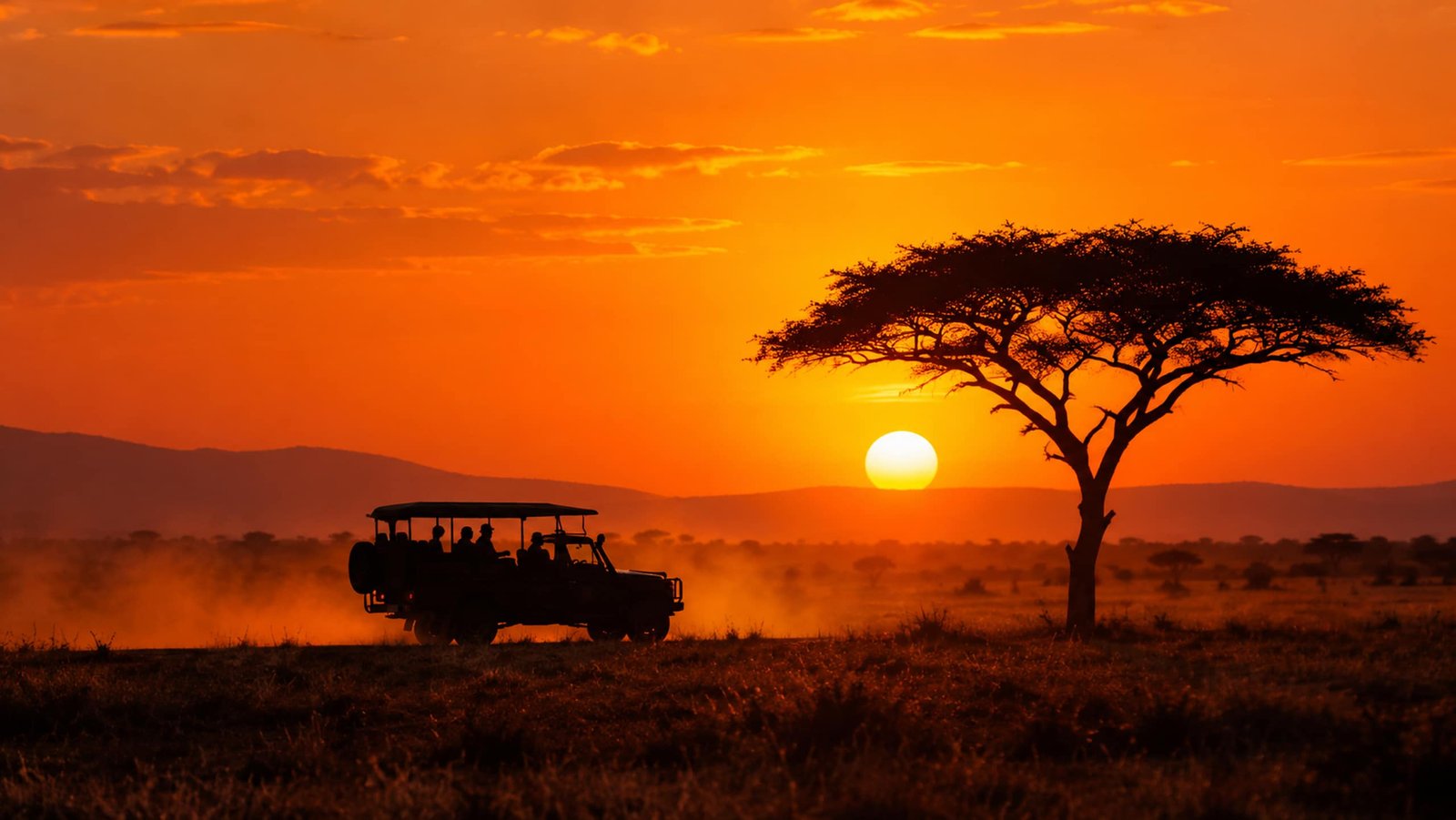
Plan Your African Safari With Max Adventure Trails
South Luangwa is an excellent choice if you want a closer connection with African wildlife, from guided game drives to walks in the bush. At Max Adventure Trails you can explore safari options across southern Africa, including Zambia, Zimbabwe, Botswana, and Namibia.
Plan your safari →
Affiliate disclosure: As an Amazon Associate, I earn from qualifying purchases. This does not increase the price you pay and helps support the creation of free travel guides like this one.