



05 — Wildlife & Safari
Bird Watching Safaris
A wildlife experience designed for travellers who want to observe, identify and learn about birds in their natural habitats — across rivers, wetlands, forests, grasslands and savannahs.
Wildlife & Safari
A bird-focused safari experience centred on observation, identification and learning in natural habitats.
Bird identification
Observe, identify and learn about birds in their natural habitats.
Resident & seasonal birds
Birding includes resident birds, seasonal visitors and migratory species.
Rivers, wetlands & woodland
Different habitats reveal different birdlife and behaviour.
Responsible observation
Observation and photography should always respect bird welfare.
A Bird Watching Safari is a wildlife experience designed for travellers who want to observe, identify and learn about birds in their natural habitats. Instead of focusing only on large mammals, birding safaris give special attention to resident birds, seasonal visitors, waterbirds, raptors, woodland species and other birds associated with Africa’s rivers, wetlands, forests, grasslands and savannahs.
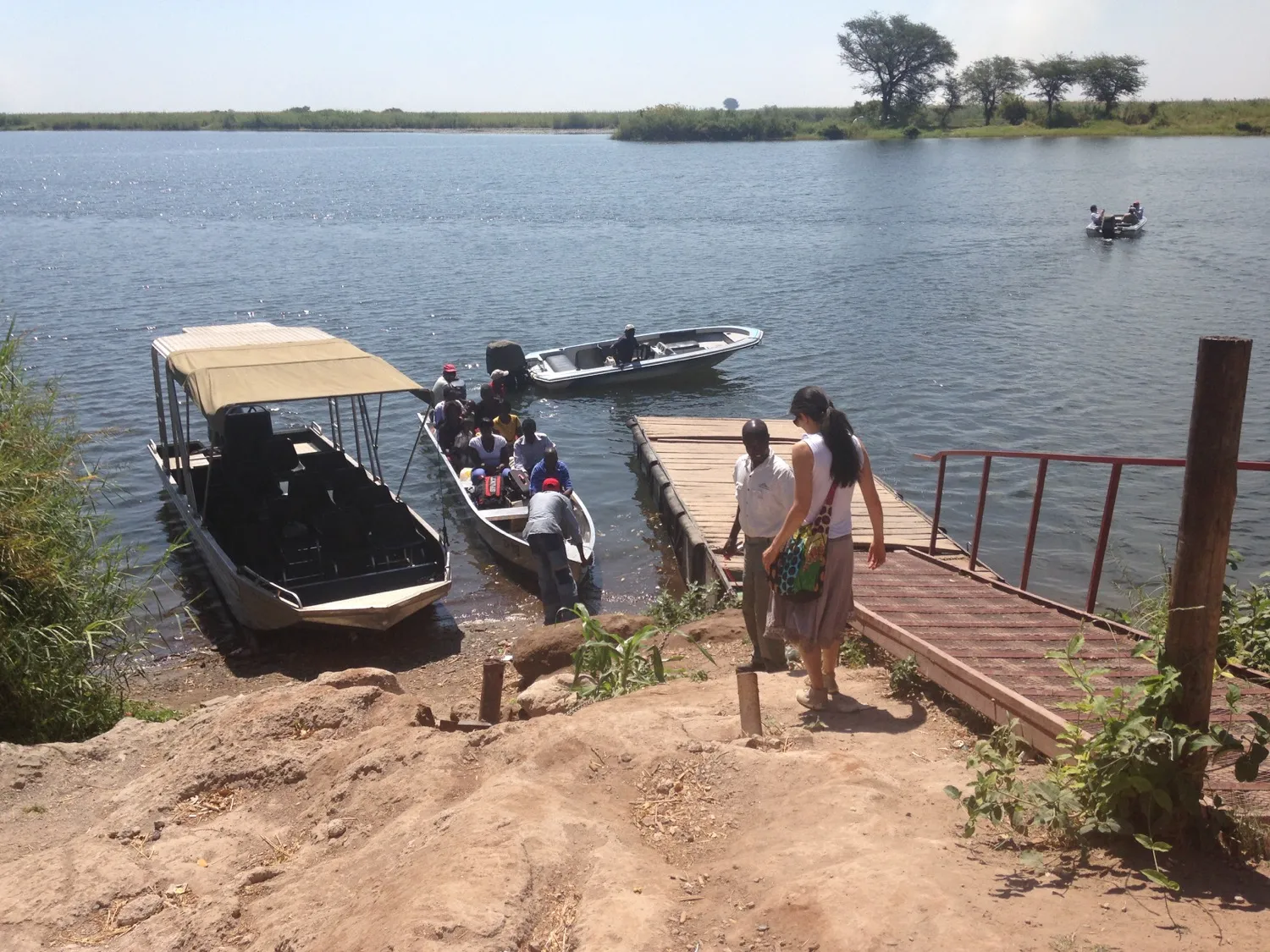
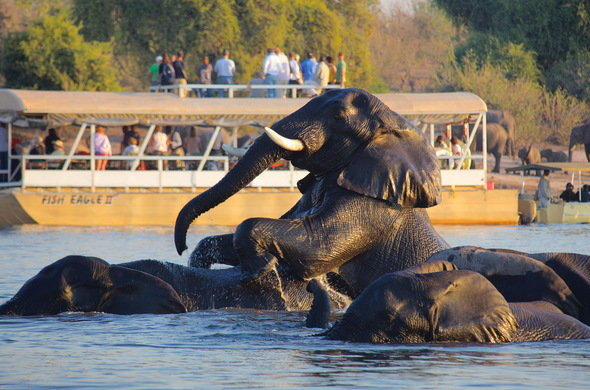
Across Zambia, Zimbabwe, Botswana and Namibia, bird watching can be incorporated into game drives, walking safaris, boat or canoe excursions, river activities and dedicated birding outings, depending on the destination and local operating conditions. Experienced safari guides can help guests identify birds by appearance, behaviour, habitat and calls while also explaining the wider ecosystem in which they live. Zambia’s tourism authority specifically promotes dedicated birding safaris, canoe-based birding and walking birding experiences, while Botswana Tourism notes that specialist birding guides are available.
02 · Bird Watching Safaris
What Makes a Bird Watching Safari Special?
Bird watching allows travellers to experience a different side of the African wilderness. A safari is not only about finding elephants, lions or other large animals; birds are active throughout the landscape and can reveal what is happening around rivers, trees, wetlands and open plains.
During a birding safari, guests may spend more time in one area observing behaviour rather than simply travelling from one wildlife sighting to another. The guide may identify a bird, explain its habitat, point out distinctive markings, describe its feeding behaviour and help guests distinguish it from similar species.
Birding also changes with the seasons. During the wetter months in southern Africa, many areas receive migratory birds, food becomes more abundant and resident species may enter the breeding season, making bird activity particularly interesting. Zambia reports its birding high season as roughly November to March, while Namibia identifies November to April as its best general period for bird watching because of migrant species, breeding activity and abundant food. Botswana Tourism similarly describes the green season as a particularly strong period for birders because migratory birds arrive and breed.
Zambia offers a wide variety of habitats for birding, including river systems, floodplains, wetlands, miombo woodland, savannah and areas around major national parks. Zambia Tourism describes dedicated birding opportunities in places such as South Luangwa, Lower Zambezi, Kafue, Lochinvar and the Bangweulu wetlands.
Some notable birding opportunities in Zambia include:
- South Luangwa – rich woodland, river and floodplain birdlife, with species such as Lilian’s Lovebird, Narina Trogon and Woodland Kingfisher recorded in the area.
- Lower Zambezi – riverbank birding can include African Fish Eagle, White-fronted and Carmine Bee-eaters, Red-winged Pratincole, Trumpeter Hornbill and Meyer’s Parrot.
- Kafue and Lochinvar – wetlands and floodplains support a wide range of waterbirds and other wetland species. Zambia Tourism reports about 428 known bird species at Lochinvar National Park.
- Bangweulu wetlands – one of Zambia’s important wetland birding areas, with species including Wattled Crane, pelicans, spoonbills, various herons and the highly sought-after Shoebill.
Zambia Tourism also notes that the wet season from November to March can be particularly productive for birding because migratory birds arrive from the Northern Hemisphere and food availability increases.
Zimbabwe combines several different bird habitats, from riverine areas and floodplains to woodland, grassland, wetlands and highland environments.
Hwange National Park is an important birding destination. Zimbabwe Parks and Wildlife Management Authority reports that Hwange supports nearly 400 bird species, while BirdLife Zimbabwe's more detailed site information lists a considerably larger cumulative checklist for the park. Recorded species include Bradfield’s Hornbill, Yellow-billed Oxpecker, Saddle-billed Stork, Kori Bustard, Southern Ground-Hornbill, Secretarybird and various waterbirds.
Mana Pools National Park is particularly interesting for river and floodplain birding. BirdLife Zimbabwe highlights species such as African Skimmer, Rufous-bellied Heron, Long-toed Lapwing, Collared Pratincole and Southern Carmine Bee-eater around the Zambezi River, sandbars, floodplain and surrounding woodland.
Zimbabwe also has important wetland bird habitats. The Driefontein Grasslands, a Ramsar site and Important Bird & Biodiversity Area, supports migratory birds as well as Wattled Crane and Grey Crowned Crane populations.
For visitors interested in highland birding, Nyanga National Park offers more than 300 recorded bird species, including migratory birds that arrive between November and April.
Botswana offers an exceptional range of bird habitats, including the Okavango Delta, Chobe, Makgadikgadi, wetlands, river systems, grasslands and semi-arid landscapes.
Botswana Tourism specifically identifies the Chobe, Makgadikgadi, Okavango Delta and Central Kalahari Game Reserve as bird-watching destinations. The country's northern wetlands are particularly important for waterbirds and include opportunities to look for species such as the Slaty Egret, Wattled Crane and Pel’s Fishing Owl, along with numerous herons, storks and other wetland birds.
Birding in Botswana can be especially rewarding during the green or wet season, when migratory birds arrive, many resident species breed and vegetation and water availability change the landscape. Botswana Tourism describes this season as a haven for birders and notes that visitors may see birds at different stages of plumage, including breeding birds, fledglings and juveniles.
Water-based activities can also be particularly useful for bird observation in suitable areas because rivers, channels, floodplains and wetlands attract large numbers of water-associated species.
Namibia provides a very different birding experience because of its wide variety of habitats, including the Namib Desert, Etosha National Park, coastal wetlands, river systems, woodland and northern areas such as the Caprivi/Zambezi Region.
Visit Namibia reports 687 confirmed bird species as of September 2021, including one species endemic to Namibia: the Dune Lark. It also lists several near-endemic species, including Herero Chat, Carp’s Black Tit, White-tailed Shrike, Rockrunner, Rüppell’s Parrot and Hartlaub’s Francolin.
Important birding areas mentioned by Namibia’s tourism authority include:
- Etosha National Park
- Waterberg Plateau
- Caprivi and northern river systems
- Namibian coast
- Sandwich Harbour
- Walvis Bay Lagoon
- Namib Desert
The northern river region alone has recorded more than 450 species, while the Namib Desert offers opportunities to look for the Dune Lark, a species strongly associated with the desert environment.
Visit Namibia identifies November to April as the best general period for bird watching because of migratory birds, breeding activity, available food and increased bird activity.
Bird sightings are naturally dependent on location, season, weather, habitat and daily conditions, so no responsible safari operator should guarantee a particular species.
Depending on the destination, habitats and time of year, birders may encounter:
Raptors and Birds of Prey
African Fish Eagle, Bateleur, various eagles, hawks, falcons, kites and other raptors.
Waterbirds
Herons, egrets, storks, ibises, lapwings, kingfishers, terns, ducks and other wetland species.
Bee-eaters and Kingfishers
Colourful bee-eaters and several kingfisher species are often associated with rivers, woodland edges and open areas.
Hornbills and Woodland Birds
Hornbills, woodpeckers, barbets, rollers, cuckoos, shrikes, bulbuls and many smaller woodland species.
Crakes, Rails and Waders
Wetlands, river margins and seasonal floodplains can provide opportunities for observing waders and other water-associated birds.
Specialist and Rare Species
Certain destinations provide opportunities to look for highly sought-after species such as Shoebill, Pel’s Fishing Owl, African Skimmer, Slaty Egret, Wattled Crane, Dune Lark and Bradfield’s Hornbill, depending on the destination and conditions. These should always be treated as possible sightings rather than guaranteed sightings.
A typical birding experience may include:
Early Morning Birding
Many birding outings begin early because cooler conditions and the first hours of daylight can be productive for observing active birds.
Game Drives
Open safari vehicles provide access to different habitats while the guide searches for birds as well as other wildlife.
Walking Birding
Where permitted and appropriate, walking allows guests to explore smaller habitats and notice birds that may be missed from a vehicle.
River and Wetland Birding
Boat or canoe excursions can provide a different viewpoint for observing waterbirds, kingfishers, bee-eaters, fish eagles and other species around rivers and wetlands.
Bird Identification
Guides can help identify birds using features such as size, shape, colour, markings, flight pattern, habitat and vocalisations.
Photography
Bird photography can be incorporated into a birding safari, although the welfare of the birds should always come before getting a close photograph.
Birding schedules are normally adapted to local conditions, weather and the activity being undertaken. Early-day outings are commonly useful for observing active birds before temperatures increase, while some species are also easier to observe around water sources or during suitable afternoon periods.
The most productive timing can vary between habitats and species, so experienced guides adjust the route and pace according to local conditions rather than following a rigid schedule.
For a comfortable bird watching safari, guests should consider bringing:
- Binoculars
- Camera with a suitable telephoto lens, if photography is important
- Field guide or bird identification app
- Notebook or digital bird list, for recording sightings
- Neutral-coloured, comfortable outdoor clothing
- Hat and sun protection
- Sunscreen
- Water bottle
- Comfortable walking shoes
- Insect protection where appropriate
Binoculars are one of the most important tools for birdwatching, and field guides or reliable identification resources are useful for confirming species.
Responsible birding is an essential part of a quality safari.
Guests should maintain an appropriate distance from birds and avoid disturbing them, particularly when they are feeding, roosting, nesting or raising young. BirdLife's ethical birdwatching guidance recommends avoiding disturbance and taking particular care around nests and sensitive habitats.
Birders should not chase birds repeatedly simply to obtain a better sighting or photograph. In sensitive situations, natural cover, established paths, hides or other low-impact observation methods should be used where available.
Artificial methods of attracting birds can also create problems. Responsible birding guidance advises against inappropriate use of call playback, intense lighting and drones, particularly where these methods could disturb birds or interfere with feeding and breeding behaviour.
The goal of a bird watching safari is not simply to add more species to a checklist. It is to observe wildlife without changing its natural behaviour.
Birds are an important part of healthy ecosystems and can also help scientists and conservation organisations monitor environmental change. Important Bird and Biodiversity Areas are identified using standardised, data-driven criteria because particular locations can be especially significant for bird conservation.
Bird habitats can face pressures such as habitat loss, degradation and other human-related impacts. Zambia Tourism, for example, highlights habitat loss and wildlife trafficking among threats affecting birds in the country.
Responsible tourism can therefore play an important role by encouraging visitors to value natural habitats, follow park regulations, support conservation-minded tourism and observe wildlife respectfully.
A Bird Watching Safari is suitable for much more than experienced birders.
It can be enjoyed by:
- First-time birdwatchers
- Experienced birders
- Wildlife enthusiasts
- Nature photographers
- Families interested in nature
- Travellers who enjoy quiet and slower-paced safari experiences
- Visitors who want to learn about African ecosystems beyond the well-known large mammals
You do not need to be an expert to enjoy birding. A good guide can introduce beginners to identification techniques while experienced birders can use the same safari to work on a larger species list or search for particular habitats and species.
With the diversity of Zambia, Zimbabwe, Botswana and Namibia, Bird Watching Safaris can be combined with other safari experiences according to the destination and itinerary. Depending on the area, birding may take place during game drives, walking safaris, river activities, boat or canoe excursions and dedicated birding outings.
The experience can be tailored for travellers who simply want to discover African birdlife as well as for more serious birders who want to spend additional time identifying and photographing species.
Every safari is shaped by the natural environment. Bird sightings cannot be guaranteed, but careful planning, knowledgeable guiding, suitable habitats and the right season can greatly improve the opportunities for memorable observations.
03 · Bird Watching Safaris
Why Choose a Bird Watching Safari?
A Bird Watching Safari offers the opportunity to slow down, look beyond the obvious and discover the incredible diversity of African wildlife through its birdlife. From colourful bee-eaters and kingfishers to powerful eagles, elegant storks, wetland specialists and highly sought-after species, every habitat can reveal something different.
Whether exploring a riverbank in Zambia, the floodplains of Zimbabwe, the wetlands of Botswana or the contrasting landscapes of Namibia, bird watching adds another dimension to the African safari experience.
Observe. Listen. Learn. Discover Africa through its birdlife.
Observe. Listen. Learn. Discover Africa through its birdlife.
Bird sightings cannot be guaranteed. Every experience is shaped by destination, season, habitat, weather and local conditions.
Start Your Enquiry →