

01 — Wildlife & Safari
Game Drives – Wildlife & Safari
Experience Africa’s Wildlife from the Heart of the Wilderness. Explore African wildlife from a safari vehicle while learning from an experienced guide and allowing the wilderness to reveal itself naturally.
What Is a Game Drive?
A guided wildlife-viewing excursion conducted by vehicle through a natural wildlife area.
A game drive is one of the most traditional and immersive ways to experience African wildlife. Guests travel through natural wildlife areas in a safari vehicle, accompanied by an experienced guide who helps locate animals, interpret their behaviour, identify tracks and signs, and explain the surrounding ecosystem.
Unlike a wildlife experience in a zoo or enclosed facility, a game drive takes place in a natural environment where animals move freely. Sightings are therefore never guaranteed, and every drive can be different. The route, habitat, weather, season, water availability and natural animal movements can all influence what guests encounter.
Game drives are available in many national parks, wildlife reserves and private conservation areas across southern Africa. The exact experience varies from one destination to another, including the type of vehicle used, route conditions, permitted driving areas, operating times and whether night driving or off-road driving is allowed.
Safari vehicles allow guests to cover a larger area than they could on foot and provide an elevated position for viewing wildlife and landscapes. Depending on the destination and operator, vehicles may be open-sided 4x4 safari vehicles or other suitable safari vehicles designed for the local conditions.
In Botswana, for example, many lodges use open-sided 4x4 safari vehicles, while vehicle arrangements elsewhere can vary according to the park, operator, road conditions and local regulations.
Wildlife Encounters
What Can You See on a Game Drive?
Wildlife sightings depend strongly on the destination and the natural conditions at the time of the visit. There is no fixed list of animals that can be guaranteed on every drive.
Iconic Safari Wildlife
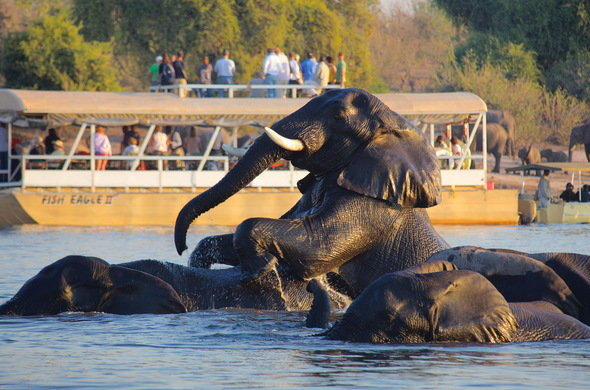
African elephants, African buffalo, giraffes, zebras, hippopotamus, warthogs and various antelope species.
Predators & Carnivores
Lions, leopards, cheetahs, African wild dogs and hyenas may be encountered depending on the safari area.
Often-Overlooked Species
Baboons, monkeys, mongooses, various smaller antelope, warthogs and other mammals native to the particular region.
Bird Watching
Game drives can also be excellent for bird watching, from large raptors and waterbirds to colourful woodland and grassland species.
Zambezi National Park
Zambezi National Park records more than 400 bird species.
Etosha National Park
Etosha National Park has recorded 407 bird species.
Wildlife diversity can differ substantially between ecosystems. Kafue National Park in Zambia, for instance, is particularly noted for its diversity of antelope species and its varied habitats, while Etosha in Namibia is well known for game viewing around its waterholes.
Classic Safari Wildlife
The Big Five and Other Wildlife
The term “Big Five” traditionally refers to Lion, Leopard, African Elephant, African Buffalo and Rhinoceros.
Lion
One of the five traditionally recognised Big Five species.
Leopard
One of the five traditionally recognised Big Five species.
African Elephant
One of the five traditionally recognised Big Five species.
African Buffalo
One of the five traditionally recognised Big Five species.
Rhinoceros
One of the five traditionally recognised Big Five species.
No Guaranteed Big Five
Seeing all five should never be presented as a guaranteed outcome of a game drive.
Different parks and conservation areas support different species and different population densities. Some destinations may be particularly well known for elephants, others for predators, antelope, birdlife or specialised desert and wetland species.
Zimbabwe's Zambezi National Park is documented as supporting four of the traditionally recognised Big Five—elephant, lion, buffalo and leopard—while Etosha National Park in Namibia supports both black and white rhinoceros as well as elephant, lion, leopard and many other species.
The Safari Experience
How Does a Game Drive Work?
A typical game drive begins from a lodge, camp, safari base or designated meeting point.
Safety & Route Briefing
Before departure, the guide may explain basic safety procedures, the planned route and what guests should expect during the outing.
Reading the Environment
The guide continuously observes animal movement, tracks, calls, footprints, feeding activity and other signs of wildlife.
Safe Observation
The guide may stop at a suitable and safe position so guests can observe and photograph the animal without unnecessarily disturbing it.
What the Guide May Explain
The experience is therefore both recreational and educational.
- Animal behaviour
- Tracks and signs
- Habitat and vegetation
- Bird species
- Predator-prey relationships
- Seasonal changes
- Water sources
- Conservation
- Local ecology
- Other wildlife encountered during the drive
Timing
Morning, Afternoon and Night Game Drives
Game drives may operate at different times depending on the destination, season, park regulations and safari operator.
Morning Game Drives
Morning drives provide an opportunity to explore the wilderness early in the day and can be particularly rewarding for guests who enjoy cooler conditions, changing light and the beginning of daily wildlife activity.
Afternoon and Sunset Drives
Afternoon drives allow guests to explore the bush later in the day and may continue toward sunset, depending on local regulations and the planned itinerary. Sunset can also provide excellent natural light for photography and beautiful views of the surrounding landscape.
Night Game Drives
Night drives are a specialised form of game viewing and are not permitted everywhere. They may provide opportunities to observe nocturnal wildlife and behaviours that are less likely to be seen during daylight hours.
Whether a night drive is possible depends entirely on the specific park, reserve, concession and local regulations. Botswana's national parks and reserves have restrictions on night driving, while certain private concession areas may permit it.
In Namibia, guided night drives are offered at specific facilities in Etosha National Park, while some safari areas in Zambia also offer night drives.
Why Guidance Matters
What Makes a Guided Game Drive Different?
Experienced guides use their knowledge of wildlife behaviour, tracks, habitats and local conditions to help guests understand what they are seeing.
Tracks & Calls
Fresh tracks and animal calls can provide clues that help locate wildlife.
Alarm & Movement
Guides may notice alarm behaviour, movement in tall grass or changes in animal behaviour.
Broken Branches & Feeding Marks
Broken branches, droppings and feeding marks can all provide useful information.
Guides also help ensure that guests follow the relevant wildlife-viewing and safety requirements.
Safety & Responsibility
Wildlife Viewing and Safety
African wildlife is wild, even when individual animals appear accustomed to safari vehicles.
Remain Inside the Vehicle Where Required
Guests should not leave the safari vehicle unless the guide confirms that it is safe and that local rules permit it. Zambia Tourism specifically advises visitors not to get out of vehicles except at designated locations.
Do Not Feed Wildlife
Wild animals should never be fed. Feeding can alter natural behaviour and create risks for both wildlife and people.
Do Not Try to Attract Animals
Guests should not make excessive noise, call animals, throw objects or use food to encourage wildlife to approach. Zambia Tourism explicitly advises visitors not to make excessive noise to attract animals.
Keep a Respectful Distance
Wildlife should be observed without deliberately pressuring or disturbing it. The objective of responsible wildlife viewing is to allow animals to behave naturally.
Follow Park Rules
Different national parks and reserves have different regulations regarding driving routes, vehicle positioning, speed, night drives, off-road driving and visitor access. Visitors should always follow the regulations of the specific destination.
Driving Restrictions Can Differ
Botswana applies strict controls to driving in its official national parks and reserves, including restrictions on off-road driving and night driving, while certain private concessions may permit these activities under their own regulations.
Wildlife Photography
Photography During a Game Drive
Game drives provide excellent opportunities for wildlife photography, but photography should always come second to safety and responsible wildlife viewing.
Do Not Disturb the Animal
Avoid sudden movements, loud noises and attempts to get a closer photograph by disturbing an animal.
Telephoto Lens
A telephoto lens can help capture wildlife without needing to approach animals unnecessarily. Zambia Tourism recommends a 200mm or longer telephoto lens as useful for safari photography.
Patience
The best photograph may come from waiting quietly for natural behaviour rather than trying to create an interaction.
Preparation
What Should You Bring on a Game Drive?
The exact packing list depends on the destination and season, but useful items commonly include:
- Binoculars
- Camera and spare batteries
- Camera memory cards
- Telephoto lens, if available
- Sunglasses
- Sun protection
- Hat or cap
- Comfortable, lightweight clothing
- A warm layer for cooler mornings or evenings
- Comfortable closed footwear
- Drinking water
- Insect repellent where appropriate
- Personal medication
- Small day bag
Planning
How Long Does a Game Drive Last?
There is no universal duration for a game drive.
The length depends on the destination, park regulations, safari programme, starting point, wildlife area, road conditions and operator.
Some safari programmes offer shorter scheduled drives, while others may involve extended wildlife-viewing excursions.
Timing & Conditions
What Is the Best Time for a Game Drive?
There is no single universally “best” time for every game drive.
Wildlife behaviour changes according to:
- Season
- Temperature
- Rainfall
- Water availability
- Vegetation
- Animal behaviour
- Migration or local movements
- Predator activity
- Park regulations
- The specific ecosystem
Different times of day can therefore produce different experiences.
A good safari itinerary may combine different drive periods so guests can experience changing light, landscapes and wildlife activity.
Destination Overview
Game Drives Across Different African Safari Destinations
The exact game-drive experience varies by park, reserve, habitat, regulations and safari area.
South Luangwa & Kafue
Zambia offers a range of game-drive environments, including South Luangwa and Kafue. South Luangwa is recognised for its wildlife diversity and strong game-viewing opportunities, while Kafue is particularly notable for habitat and antelope diversity. Some safari operations in Zambia also offer night drives where permitted. The exact experience varies by park and safari area.
Hwange, Mana Pools, Matusadona & Zambezi
Zimbabwe offers game viewing in several major protected areas, including Hwange, Mana Pools, Matusadona and Zambezi National Park. ZimParks lists game-rich protected areas across the country and manages national parks and safari areas under its wildlife-management system. Zambezi National Park has recorded elephant, lion, buffalo, leopard, sable, kudu, impala and zebra, together with more than 400 bird species.
Okavango & Chobe Regions
Botswana is known for diverse wildlife habitats ranging from the Okavango Delta environment to the Chobe region and other protected areas. The Botswana Tourism Organisation states that game drives are a major safari activity and that many parks, reserves and private concessions provide different game-viewing experiences. Driving regulations vary between official parks/reserves and private concessions.
Etosha National Park
Namibia offers a different safari environment, with Etosha National Park being one of the country's major wildlife-viewing destinations. Etosha's waterholes are particularly important wildlife-viewing locations, and the Namibian Ministry of Environment and Tourism lists game viewing, bird watching and photography among the park's tourism activities.
Species Recorded in Etosha
Etosha supports species including elephant, black and white rhinoceros, lion, leopard, giraffe, zebra, springbok, gemsbok and others.
Zambezi Bird Diversity
Zambezi National Park has recorded more than 400 bird species, adding another layer to the game-drive experience beyond large mammals.
Beyond the Big Animals
Game Drives Are About More Than the “Big Animals”
Wildlife viewing is not only about lions, elephants or leopards. A skilled guide can help guests appreciate the entire ecosystem.
Wildlife
Large and small mammals, including species that may be easy to overlook.
Calls & Colour
From large raptors and waterbirds to woodland and grassland species.
Smaller Life
A broader look at the living environment beyond headline species.
Trees & Grasslands
Habitats and vegetation help explain why wildlife uses a landscape in particular ways.
Rivers & Wetlands
Water sources and wetland environments form important parts of the wider ecosystem.
Tracks & Behaviour
Tracks, animal behaviour and signs of recent activity can become memorable parts of the drive.
Responsible Safari
Responsible and Ethical Wildlife Viewing
Responsible game drives should prioritise the welfare of wildlife as well as the enjoyment of visitors.
- Respecting animals' natural behaviour
- Following park and conservation regulations
- Remaining within permitted driving areas
- Avoiding unnecessary noise
- Avoiding feeding or attracting wildlife
- Maintaining appropriate distances
- Minimising disturbance
- Listening carefully to the guide
- Respecting other vehicles and visitors
- Leaving no litter behind
Wildlife tourism works best when the experience allows animals to remain wild while visitors learn about and appreciate their natural environment.
Realistic Expectations
What Should Guests Expect?
A game drive should be approached with realistic expectations.
You may see several species during one drive, or you may spend considerable time searching before encountering an animal.
Wildlife is unpredictable. An animal may be hidden in vegetation, moving through another part of the reserve, resting, travelling at a different time of day or simply outside the area being explored.
This uncertainty is an important part of a genuine safari.
The focus should be on experiencing the wilderness, learning from the guide and appreciating whatever nature reveals during the journey.
The Value of a Game Drive
Why Choose a Game Drive?
A game drive offers visitors the opportunity to experience African wildlife in a natural setting while travelling through landscapes that cannot be fully understood from a road or resort.
Wildlife Viewing
Observe animals in their natural habitat.
Expert Interpretation
Learn about animal behaviour, tracks, habitats and ecosystems from a knowledgeable guide.
Photography
Experience constantly changing opportunities for wildlife and landscape photography.
Education
Understand how species interact with their environment.
Adventure
Explore natural wilderness areas by safari vehicle.
Connection With Nature
Slow down, observe and experience the rhythms of the African bush.
Before You Book
Before Your Game Drive
Before booking, guests should confirm the details of the specific activity, because game-drive arrangements can differ significantly between destinations.
- Where does the game drive take place?
- How long is the drive expected to last?
- What type of vehicle is used?
- Is the vehicle open-sided or enclosed?
- Is the drive shared or private?
- How many guests travel in the vehicle?
- Are morning and afternoon drives available?
- Are night drives permitted in that area?
- Are park or conservation fees included?
- Are transfers included?
- Are children permitted, and are there age restrictions?
- What should guests bring?
- What happens if weather or park conditions affect the activity?
The Journey
A Game Drive Is a Journey Into the Wild
A game drive is not simply a vehicle trip through a park. It is an opportunity to enter a living ecosystem and observe wildlife without controlling what happens next.
Every drive has its own character.
One morning may be about elephants moving through the woodland. Another may bring a sighting of a predator, a herd of antelope, a colourful bird or simply the changing landscape at sunrise.
The most rewarding game drives are often those where guests take the time to look beyond the obvious—to listen, observe, ask questions and appreciate the smaller details of the wilderness.
Book Your Game Drive
Experience African wildlife from the safari vehicle and discover the landscapes, animals and natural environments that make every game drive different.
Book Your Safari with Maximum Adventure Trails →Accuracy Note for Publishing
Keep Product Details Destination-Specific
For a website, the main evergreen Game Drives content should remain general, while exact product details are added only after they are confirmed for the particular safari product.
- Exact destination
- Duration
- Vehicle type
- Departure times
- Inclusions
- Park fees
- Age restrictions
- Operating months