


- 164 Views
- 9 Min Read
- (0) Comment
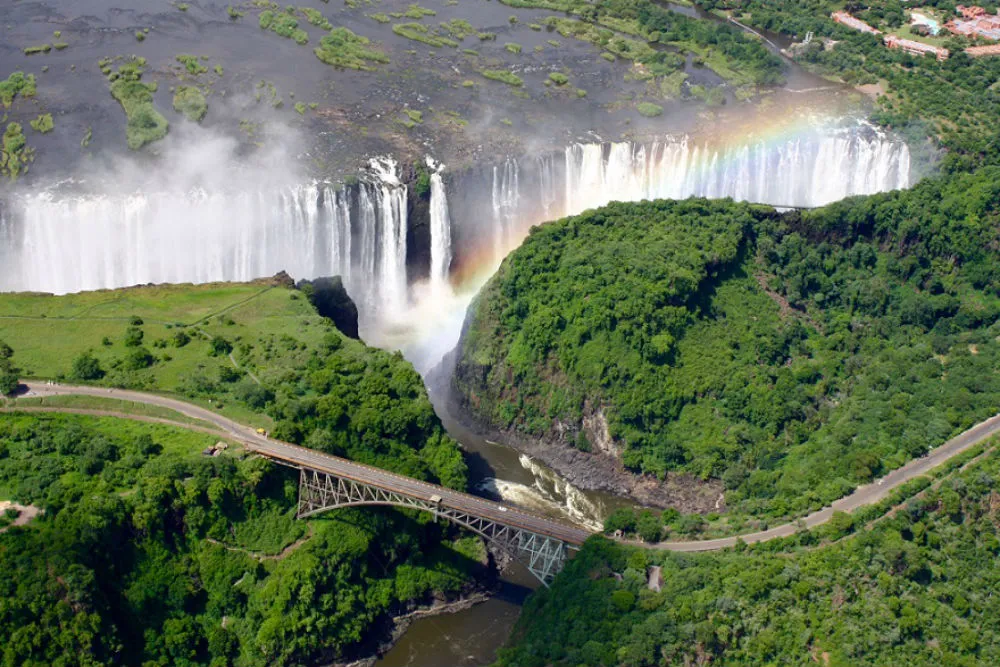
Victoria Falls, known locally as "Mosi-oa-Tunya" or "The Smoke That Thunders," is one of the most breath-taking natural wonders on our planet. Situated between Zambia and Zimbabwe, this mighty waterfall is not only famous for its stunning beauty but also for its impressive height and grandeur.
How We Evaluated the Height and Size Data
Before diving into the numbers, it is useful to understand how these measurements are determined. The height of Victoria Falls is not a single, perfectly uniform drop; rather, it is defined by the deepest point of the basalt escarpment where the Zambezi River plunges into the Batoka Gorge. Modern references typically cite a maximum drop of about 108 meters (355 feet) because this captures the most significant vertical plunge across the waterfall's segmented lip Geology Science.
Priority is given to sources that distinguish between the river's average lip height and its maximum plunge depth. Sources that repeat older, rounded estimates without specifying the maximum depth are treated as less reliable. The width, a staggering 1,708 meters (5,604 feet), is measured at the crest of the falls before the water descends, providing the baseline for its claim to the largest curtain of falling water.
Understanding the Height of Victoria Falls
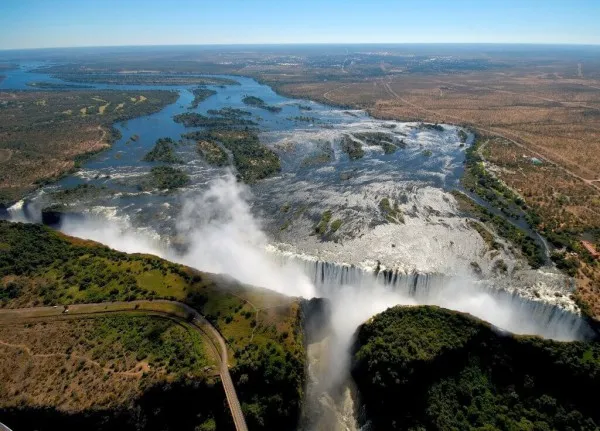
Victoria Falls stands at a maximum height of approximately 108 meters (355 feet) and spans a width of about 1,708 meters (5,604 feet). This combination makes it the largest curtain of falling water in the world by volume and width, even though it is not the tallest single-drop waterfall on Earth.
| Measurement | Metric | Imperial |
|---|---|---|
| Height (Max Drop) | 108 meters | 355 feet |
| Width (Crest) | 1,708 meters | 5,604 feet |
| Gorge Depth | 70–108 meters | 230–354 feet |
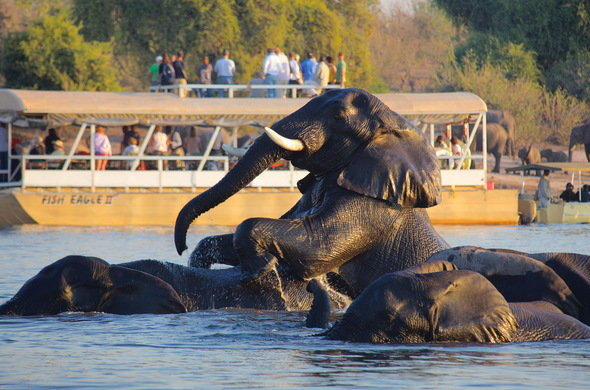
The height of Victoria Falls is key to creating its magnificent mist and the diverse ecosystem surrounding it. As millions of liters of water crash down from this towering height, the rising mist nourishes a lush rainforest around the falls, home to a rich variety of plant and animal life.
The falls are not one continuous vertical sheet. The Zambezi River flows over a segmented basalt edge, meaning different sections plunge at slightly different angles and heights. When we talk about the "height," we are generally referring to the maximum drop, the deepest point where the river hits the gorge floor. This distinction explains why the falls can look different depending on the season and your viewpoint. For travelers navigating the region, staying connected is essential, and using a reliable RedSim eSIM can ensure you have data access while exploring the border regions.
Historical and Geographical Significance
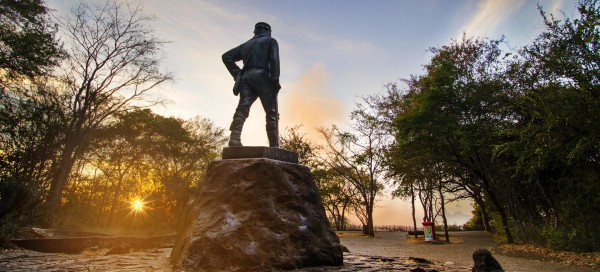
Victoria Falls holds a prestigious place in both history and geography. Discovered by Scottish explorer David Livingstone in 1855, this majestic waterfall has intrigued explorers and travellers for centuries. Nestled on the border between Zambia and Zimbabwe, the falls are part of the Zambezi River, the fourth largest river in Africa.
The falls mark an important section of the Zambezi River’s course. Before cascading down, the river flows through a wide channel dotted with islands, which split the waterfall into multiple streams during peak flow. The water plunges over a basalt ledge, creating a dramatic drop into the Batoka Gorge below. This geographical wonder not only shapes the surrounding terrain, but also creates a unique ecosystem.
From a geological perspective, the falls are a product of faulting and erosion. The Zambezi River once flowed over a broad, relatively flat basalt plateau. Over millennia, the water eroded the softer rock beneath the harder basalt cap, causing the cliff face to retreat upstream and form the deep, narrow Batoka Gorge we see today. This process means the falls are slowly moving backward, a fact that adds a dynamic layer to their static height measurement.
UNESCO describes the site as standing about 915 meters above mean sea level, while the deepest point of the drop reaches 108 meters Victoria Falls Guide. This reinforces that the key statistic is a maximum vertical plunge rather than a constant drop across the entire width. The indigenous term “Mosi-oa-Tunya” aptly describes the spectacle of mist and noise generated as the massive volumes of water cascade over this edge.
Comparing Victoria Falls to Other Major Waterfalls
Victoria Falls is one of the most awe-inspiring natural wonders on our planet. While it’s famous for its breath-taking beauty, it also stands out as one of the tallest waterfalls in the world. Known locally as “Mosi-oa-Tunya” or “The Smoke That Thunders,” Victoria Falls boasts a height of about 108 meters (354 feet) and stretches nearly 1,708 meters (5,604 feet) wide.
When comparing it to other major waterfalls, Victoria Falls holds its own, though it isn’t the tallest. Angel Falls in Venezuela takes the top spot with a staggering height of 979 meters (3,212 feet). However, what makes Victoria Falls unique is its combined height and width, creating the world’s largest sheet of falling water. This massive curtain of water creates a mesmerizing mist that can be seen from miles away.
Niagara Falls, located on the border between the United States and Canada, is often mentioned in the same breath as Victoria Falls. Niagara, though broader, is much shorter at about 51 meters (167 feet) high. Meanwhile, Iguazu Falls on the border of Argentina and Brazil rivals Victoria Falls in width, but its maximum drop is about 82 meters (269 feet).
| Waterfall | Height (Max Drop) | Width | Known For |
|---|---|---|---|
| Victoria Falls | 108 m (355 ft) | 1,708 m (5,604 ft) | Largest curtain of falling water |
| Angel Falls | 979 m (3,212 ft) | ~150 m (492 ft) | Tallest uninterrupted drop |
| Iguazu Falls | 82 m (269 ft) | 2,700 m (8,858 ft) | Complex system of cascades |
| Niagara Falls | 51 m (167 ft) | 1,200 m (3,900 ft) | Highest flow rate in North America |
What makes Victoria Falls unique is not just its height but the sheer volume of water that passes over its edge during the rainy season. This combination of height, width, and flow rate creates a spectacle that is unmatched by any other single waterfall. For travelers exploring waterfalls around the globe, Victoria Falls should be at the top of the list.
Visitor Tips and Best Viewing Spots
Victoria Falls, one of the world’s most spectacular natural wonders, offers breath-taking views and unforgettable experiences. To make the most of your visit, here are some practical tips and recommendations for the best viewing spots.
Optimal Viewing Times
The best time to visit Victoria Falls is during the rainy season, from February to May, when the waterfall is at its fullest. However, for clearer visibility and less spray, plan your trip between June and August when the water level begins to decrease.
Top Viewing Locations
Zambian Side:
Explore the Mosi-oa-Tunya National Park for various viewpoints like Knife-Edge Bridge and the Boiling Pot. These spots provide fantastic angles of the falls, especially during the low-water season.
Zimbabwean Side:
Check out Victoria Falls National Park for some of the best views. Popular spots include the Devil’s Cataract and Main Falls. The paved paths and marked viewing points make it easy to explore and capture stunning photos.
Helicopter and Microlight Flights
For an unforgettable aerial perspective, consider a helicopter or microlight flight. These excursions offer panoramic views and a perfect opportunity to appreciate the sheer size of Victoria Falls.
Visitor Tips
- Dress Appropriately: Expect to get wet, especially when the falls are full. Bring waterproof clothing and protect your electronics with waterproof bags.
- Stay Safe: Always stick to the marked paths and follow local guidance to ensure a safe visiting experience.
By following these tips and choosing the right viewing spots, your trip to Victoria Falls will be a memorable adventure filled with awe-inspiring sights.
Frequently Asked Questions
Is Victoria Falls one of the Seven Wonders of the World?
Yes, Victoria Falls is widely considered one of the Seven Natural Wonders of the World. It is often included in lists alongside other iconic natural landmarks like the Great Barrier Reef and Mount Everest.
Is Victoria Falls the tallest waterfall in the world?
No, Victoria Falls is not the tallest waterfall. Angel Falls in Venezuela holds that title with a height of 979 meters (3,212 feet). Victoria Falls is, however, the largest by combined width and volume, making it the largest curtain of falling water on Earth.
How long does it take to walk Victoria Falls?
The main walking trail along the Zimbabwean side takes approximately 2 to 3 hours to complete at a leisurely pace. This path covers about 2 kilometers and offers multiple vantage points along the 1.7-kilometer-wide cliff edge. For a more thorough exploration including the nearby rainforest trails, you might spend half a day there.
What is the height of Victoria Falls in meters?
The maximum height of Victoria Falls is approximately 108 meters (355 feet). This measurement refers to the deepest point of the plunge into the Batoka Gorge, rather than the average height of the entire cliff face.
The Majestic Beauty of Victoria Falls
Victoria Falls, often hailed as one of the Seven Natural Wonders of the World, offers a breath-taking spectacle that captivates every visitor. Known locally as “Mosi-oa-Tunya” or “The Smoke That Thunders,” the falls are a monumental display of nature’s power and beauty.
Standing at a height of approximately 108 meters (354 feet) and spanning a width of nearly 1,708 meters (5,604 feet), Victoria Falls is the largest curtain of falling water in the world. This incredible natural wonder sits on the border of Zambia and Zimbabwe, drawing visitors from all over the globe.
The sheer force and volume of the water create a mesmerizing mist that can be seen from miles away, often accompanied by rainbows arching gracefully across the sky. The roar of the water plunging into the Zambezi River’s gorge below leaves a lasting impression, reminding us of the untamed power of nature.
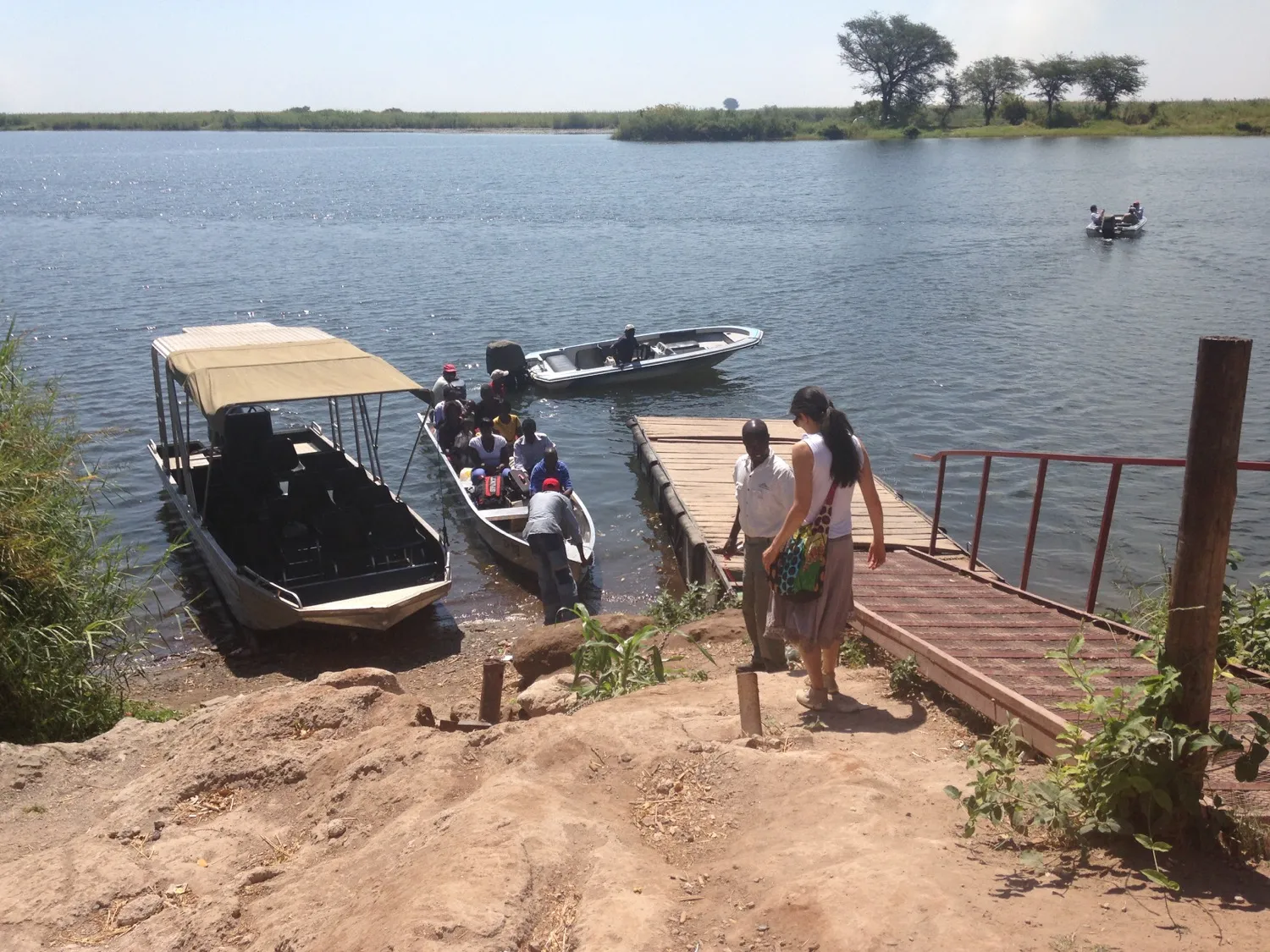
From an editorial standpoint, the scale of Victoria Falls is difficult to convey through photographs alone. The sound—the constant, deafening roar of thousands of cubic meters of water per second—is something you feel in your chest. It shifts the experience from visual appreciation to physical immersion. For adventure enthusiasts, the falls offer thrilling activities such as bungee jumping, white-water rafting, and helicopter tours that provide a sweeping view of its grandeur. Meanwhile, those seeking a more tranquil experience can enjoy walking trails that offer stunning views from different angles or the serene boat tours on the upper river.
Ultimately, Victoria Falls is more than just a waterfall—it is a testament to the wonders of the natural world. Its awe-inspiring beauty and the unforgettable experience it provides are unmatched, making it a must-visit destination for travellers seeking to connect with nature’s grandeur.