

- 244 Views
- 5 Min Read
- (0) Comment
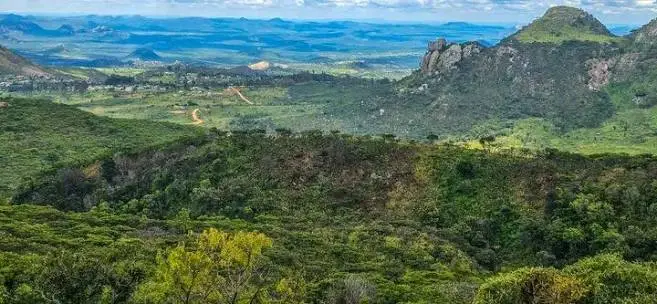
Nyanga National Park is one of Zimbabwe’s most rewarding destinations for mountain scenery, waterfalls, hiking, fishing and outdoor adventures. This practical guide helps you plan a visit with the park location, map, entry-fee guidance, best times to go, things to do and useful travel information.
Nyanga National Park map and location
Nyanga National Park is in Zimbabwe’s Eastern Highlands, near Nyanga village and the Mozambique border. The park can be reached by road from Harare through Rusape and Juliasdale, or from Mutare via the A15. A private vehicle is useful because many viewpoints, waterfalls, trails and dams are spread across the park.
Use the map to plan the order of your stops, but confirm road conditions locally before setting out, especially after heavy rain. The park includes large distances between Mount Nyangani, Pungwe Falls, Nyangombe Falls, dams and other attractions.
Nyanga National Park fees
Nyanga National Park charges park and conservation fees, with the final amount depending on the visitor category, vehicle registration, whether you are visiting for the day or staying inside the park, and any extra activities or facilities you use.
- Check the current ZimParks tariff or booking system before travelling.
- Allow for separate vehicle, activity, fishing or heritage-site charges where applicable.
- Keep your receipt and carry a suitable payment option because connectivity and card acceptance can vary.
- Children’s rates and resident, SADC and international visitor categories may differ.
Fees and operating arrangements can change, so confirm the current price directly with ZimParks before your trip rather than relying on an old travel article.
Best time to visit Nyanga National Park
The best time to visit depends on whether you prioritise hiking conditions, waterfall flow, fishing or lush scenery:
- May to August: generally cooler and drier conditions are useful for hiking, mountain viewpoints and clearer photography.
- November to May: the rainy season brings greener landscapes and stronger waterfalls, although roads and trails may become slippery.
- November to May for trout fishing: check the current fishing season, permits and water restrictions before planning a fishing trip.
- Early mornings throughout the year: cooler temperatures and better light make an early start worthwhile.
Weather can change quickly at high altitude. Pack warm layers, waterproof clothing, sun protection and shoes with good grip, even when the forecast looks clear.
Plan a wider Nyanga itinerary
Include Mutarazi Falls in your itinerary for one of the Eastern Highlands’ most dramatic waterfall viewpoints. You can also explore our guide to adventure activities and trails in Nyanga National Park for hiking, outdoor activities and route ideas.
When visiting waterfalls, mountain trails or dams, stay on marked routes, follow ranger instructions and allow additional driving time between attractions.
Getting around and visitor tips
- Start with a full tank and carry water and snacks for longer drives.
- Download or save directions before entering areas with limited mobile coverage.
- Use a suitable vehicle for rough or wet roads and avoid driving unfamiliar mountain roads after dark.
- Check gate times, activity permits and local weather before leaving your accommodation.
- Respect wildlife, keep a safe distance from cliff edges and leave no litter behind.
Frequently asked questions about Nyanga National Park
Where is Nyanga National Park?
Nyanga National Park is in Zimbabwe’s Eastern Highlands, near Nyanga village and the Mozambique border. It is accessible by road from Harare through Rusape and Juliasdale, or from Mutare via the A15.
What are the entrance fees for Nyanga National Park?
Nyanga National Park charges park and conservation fees. The amount can vary by visitor category, vehicle registration, accommodation, activities and applicable permits. Confirm the current ZimParks tariff before travelling.
What is the best time to visit Nyanga National Park?
May to August is usually suitable for cooler, drier hiking conditions and clearer viewpoints. November to May generally brings greener scenery and stronger waterfalls, although rain can make roads and trails slippery.
What can you do in Nyanga National Park?
Popular activities include hiking, mountain viewpoints, waterfall visits, trout fishing, birdwatching, scenic drives and exploring dams, forests and historic sites.
How do you get around Nyanga National Park?
A private vehicle is useful because attractions are spread across the park. Save directions before travelling, carry water and fuel, and check road conditions after heavy rain.
Is Mount Nyangani in Nyanga National Park?
Mount Nyangani is located within the Nyanga area and is one of the region’s main hiking and sightseeing attractions. Weather can change quickly at altitude, so use caution and follow marked routes.