

- 11 Views
- 7 Min Read
- (0) Comment
Key takeaways
- Kruger National Park offers self-drive access, big-game density and strong infrastructure, which makes it the easiest entry point to an African safari.
- Hwange, Chobe and the Okavango Delta trade paved roads for guided, lower-traffic experiences and, in Botswana, some of the largest elephant concentrations on the continent.
- Zimbabwe and Botswana suit travelers who want fewer vehicles at sightings and are willing to pay more for guided, fly-in camps.
- The strongest itineraries pair Kruger's convenience with a Victoria Falls, Chobe or Okavango leg for variety.
Kruger National Park is the easiest safari in Southern Africa to book, drive yourself and see the Big Five, which is exactly why it draws so many first-time visitors. If you want fewer vehicles at every sighting, water-based game viewing or some of the largest elephant herds on the continent, Hwange in Zimbabwe and Chobe and the Okavango Delta in Botswana give you experiences that Kruger cannot. This guide compares those options on wildlife, crowds, cost and travel style so you can match a park to the trip you actually want.
What makes Kruger National Park famous
Kruger is South Africa's flagship reserve and one of the oldest protected areas in Africa, established near the end of the 19th century. It covers roughly two million hectares of Lowveld bush, running for hundreds of kilometers along the country's eastern border. That scale, combined with decades of investment in roads, rest camps and gates, is what sets it apart.
Three things drive its reputation:
- Big Five access. Lion, leopard, elephant, buffalo and rhino all live inside the park, and the sealed road network means you can reach classic sighting areas without a specialist vehicle. If you are new to tracking wildlife, our guide to where to spot the Big Five in Southern Africa explains how each animal behaves and where to look.
- Self-drive freedom. Few African parks let you rent an ordinary car, buy a permit and set your own pace. This keeps costs low and appeals to travelers who dislike fixed drive schedules.
- Range of budgets. Kruger holds everything from basic campsites to private concessions, so a shoestring traveler and a luxury guest can both find a place to stay.
The trade-off is popularity. On peak-season mornings, a leopard sighting on a main road can draw a line of cars, and that crowding is the single biggest reason travelers start looking north.
How Kruger compares to Hwange, Chobe and the Okavango
Each of the northern parks answers a different question. Understanding what they specialize in makes the choice clearer.
Hwange, Zimbabwe
Hwange is Zimbabwe's largest national park and one of the great elephant strongholds in Africa. Its dry-season waterholes concentrate wildlife around a small number of pumped pans, so game viewing can be intense even though the park itself is remote. You will see far fewer vehicles than in Kruger, and most visitors travel with a guide rather than driving themselves. Basing yourself near the best-watered pans gives you the strongest sightings.
Chobe, Botswana
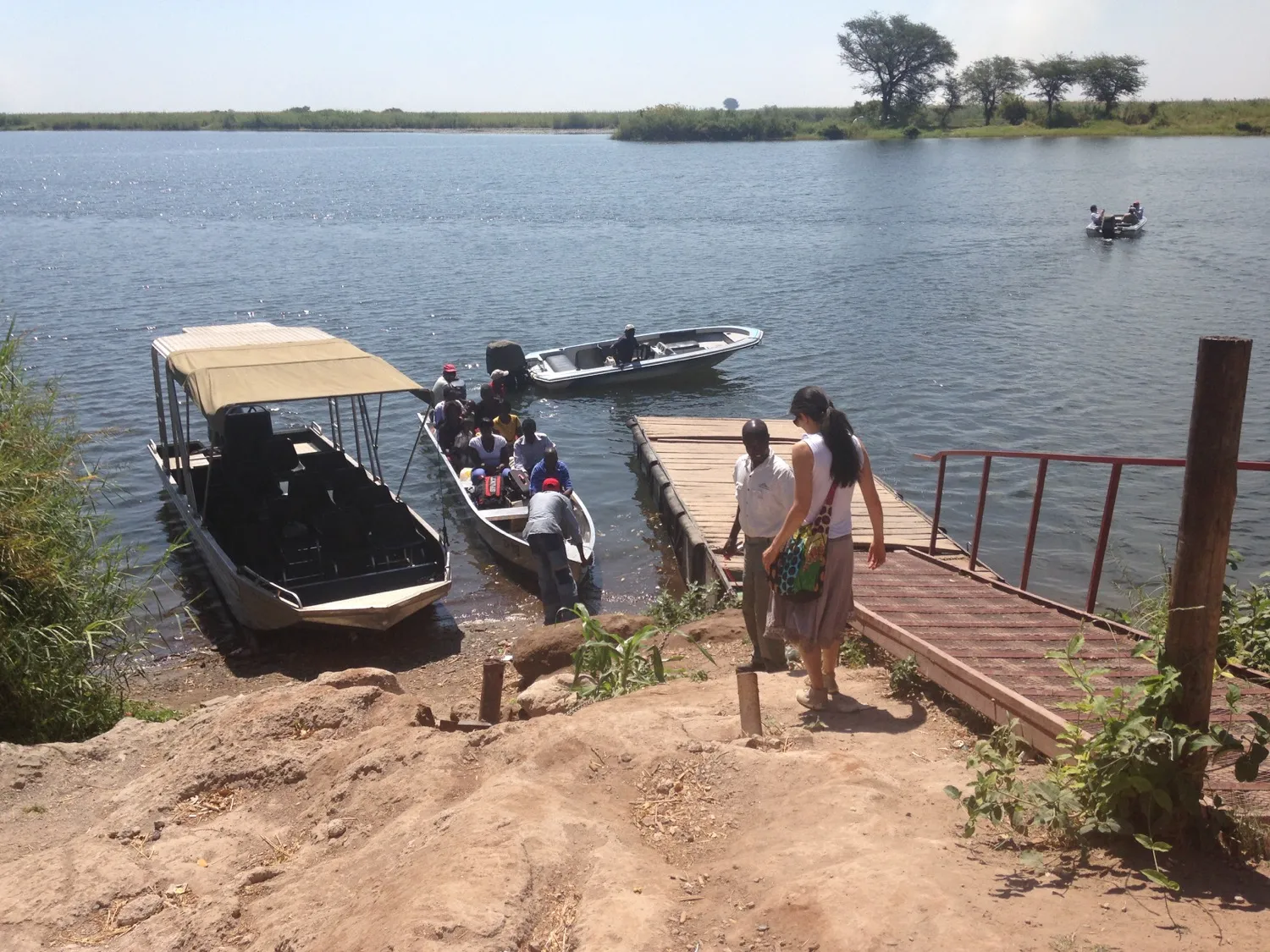
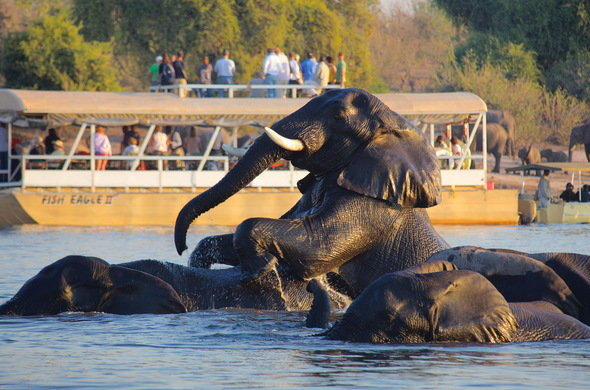
Chobe is defined by its river. During the dry months, enormous elephant herds gather along the Chobe River to drink, and the signature activity is a boat cruise rather than a road drive. Watching elephants, hippos and buffalo from the water is a completely different rhythm from a Kruger game drive, and it is one of the few places where you view big game at eye level from a boat.
Okavango Delta, Botswana
The Okavango is the outlier. Inland floodwaters spread across the Kalahari to create a seasonal wetland that was named the 1,000th UNESCO World Heritage Site when it was inscribed in 2014. The delta covers around two million hectares of marshland and floodplain and supports roughly 200,000 large mammals, 400 bird species and 71 species of fish, according to the African Wildlife Foundation. The broader Okavango landscape also holds around 130,000 elephants, described by the IUCN as the largest population of the species in the world. Here you explore by mokoro canoe and 4×4 through water channels, which is why it feels nothing like Kruger.
Crowds, cost and experience differences
The clearest way to separate these parks is to look at three practical factors.
Crowds. Kruger sees the most visitors of any park in this comparison, and popular sightings can attract several vehicles. Hwange, Chobe and especially the Okavango operate on lower traffic, and Botswana in particular limits vehicle numbers around its camps, so you often have an animal to yourself.
Cost. Kruger is the most affordable, mainly because self-driving and public rest camps remove the need for a guided package. Botswana sits at the top end. Its low-volume, fly-in camp model keeps guest numbers small, and that exclusivity carries a premium. Hwange and Zimbabwe's parks fall in between, offering guided quality without full Botswana pricing. When you weigh itineraries against each other, the number of guided nights and internal flights is what actually drives the price.
Experience. Kruger rewards independence and reliable big-game density. Hwange rewards patience at waterholes. Chobe delivers water-based viewing from a boat. The Okavango delivers wilderness and a rare wetland ecosystem. Choosing well means deciding which of those you value most rather than looking for a single best park.
When to choose a Zimbabwe or Botswana safari instead
Head north of Kruger when your priorities shift from convenience to exclusivity.
Choose a Zimbabwe safari if you want strong game viewing with far fewer vehicles and a natural pairing with Victoria Falls. Hwange sits within easy reach of the falls, so many travelers combine the two into one Zimbabwe leg.
Choose a Botswana safari if water-based viewing and low-density wilderness matter more than budget. Chobe's boat safaris and the Okavango's canoe routes are experiences Kruger simply cannot replicate, and Botswana's elephant numbers are unmatched.
Choose Kruger if it is your first African safari, you want to self-drive, or you are traveling with a mixed group that needs flexible pacing and accommodation.
Building a wider Southern Africa itinerary
The most satisfying trips rarely stop at one park. Because these destinations sit relatively close together, you can combine contrasting experiences into a single journey and let each leg do something different.
A common structure looks like this:
- Start with big-game density. Open in Kruger or Hwange for classic land-based drives and Big Five sightings.
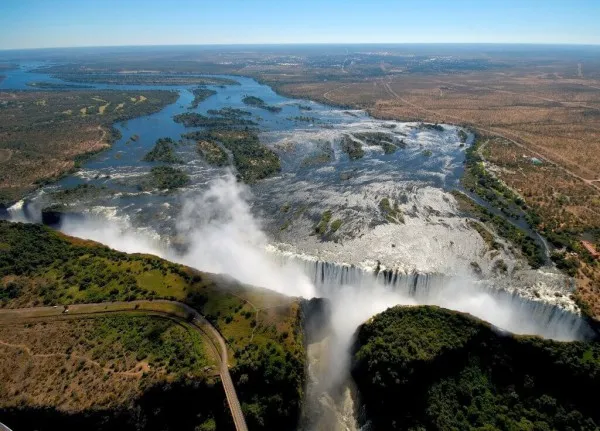
- Add water and drama. Move to Victoria Falls and a Chobe river cruise for scenery and elephants from the water. Timing matters here, so confirm the falls are at the water level you want before locking dates.
- Finish in the wild. Close in the Okavango Delta for a remote, high-end wilderness leg.
Regional flights and overland transfers connect these points, and a well-planned route avoids doubling back. Maximum Adventure Trails builds exactly these multi-country itineraries across Victoria Falls, Chobe, Hwange and the Okavango, handling the internal logistics so the legs link cleanly and the sequencing decisions that make or break a trip are taken care of for you.
The right choice depends on what you want from the days you have. If this is your first safari and budget is tight, book Kruger and drive it yourself. If you want fewer crowds, boat-based viewing or a genuine wetland wilderness, talk to Maximum Adventure Trails about a Zimbabwe and Botswana route that pairs a northern park with Victoria Falls, and start with the one leg you are most certain about.
Frequently asked questions
Is Kruger National Park better than a Botswana safari?
Neither is strictly better. Kruger gives you affordable, self-drive access and reliable big-game viewing, while Botswana offers exclusive, low-traffic camps in the Okavango and Chobe at a higher price.
How does Hwange compare to Kruger National Park?
Hwange is Zimbabwe's largest park and holds one of Africa's biggest elephant populations, with far fewer vehicles at sightings than Kruger, though it relies more on guided game drives than self-driving.
Can I combine Kruger with parks in Zimbabwe or Botswana?
Yes. Many travelers start in Kruger, then add Victoria Falls, Chobe or the Okavango Delta, linking the legs by short regional flights or overland transfers.
Which Southern Africa safari is best for first-timers?
Kruger is the most forgiving for first-timers because of its road network, range of accommodation and self-drive option, with guided camps in Botswana and Zimbabwe suited to a second trip.