

- 6 Views
- 8 Min Read
- (0) Comment
Key takeaways
- A guided Hwange safari tour bundles park access, an experienced guide and tracker, game-viewing vehicle, meals and camp accommodation into one booking.
- Hwange offers three ways to see wildlife: day drives, spotlit night drives on private concessions, and guided walking safaris on foot.
- The dry season from May to October is the strongest window, when animals gather at the park's pumped waterholes.
- Most travelers pick a 3 to 4 night Hwange stay and pair it with Victoria Falls, which sits a few hours away by road.
- Main Camp, Sinamatella and Robins Camp are the three primary access points, each opening onto a different part of the park.
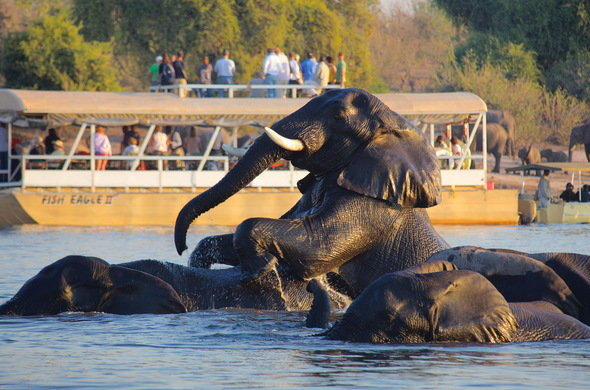
A guided Hwange safari tour puts an expert behind the wheel while you watch elephants file down to a waterhole at dusk. For travelers comparing Hwange safari tours, the decision usually comes down to three things: the style of game viewing you want, the camp you sleep in, and how the trip connects to Victoria Falls. This guide walks through each so you can book with confidence.
Hwange National Park is Zimbabwe's largest reserve. According to the Key Biodiversity Areas database, the park spans roughly 14,830 square kilometers and shelters 105 mammal species and 410 recorded bird species. That density of wildlife across such a vast area is exactly why a guided tour pays off: a local team knows where the animals move and when.
What's Included in a Guided Hwange Safari Tour
A well-run Hwange safari tour is designed so you never think about logistics once you arrive. When you book a guided package with an operator, you should expect the following to be handled for you.
- Park fees and permits. Entry to the national park and any conservation levies are built into the price.
- A professional guide and tracker. Licensed Zimbabwean guides read tracks, interpret animal behavior and position the vehicle for the best sightings.
- Game-viewing vehicle. Open-sided 4×4 vehicles built for photography and clear views on both sides.
- Accommodation. Anything from classic safari tents to permanent lodges, depending on the package.
- All meals. Most camps run full board, with bush breakfasts and sundowners out on the plains.
- Transfers. Road or air transfers between the airport, your camp, and onward destinations such as Victoria Falls.
The value of a guide is hard to overstate in a park this size. Hwange has no permanent natural rivers running through its core, so wildlife movement follows water. A guide who knows which pans are full and which prides are active turns a long drive into a productive one. If you want the background on the park's regions before you go, our Hwange National Park safari guide to wildlife and best areas breaks down where the animals concentrate.
Day Drives, Night Drives, and Walking Safaris
Hwange rewards travelers who mix up how they explore. Each style shows you a different side of the park.
Day drives
The morning game drive is the backbone of any Hwange tour. You set out at first light when predators are still active and temperatures are cool. Guides work the loop roads between waterholes, where elephant, buffalo, giraffe and zebra gather. A second drive in the late afternoon catches animals moving again as the heat drops. With 105 mammal species in the park, no two drives look the same.
Night drives
Night drives reveal the animals you never see by day: aardvark, civet, genet, bush baby and hunting leopard. Night driving is not allowed inside the national park boundary itself, so these excursions run on the private concessions that border the park. Booking a camp on one of these concessions is the only way to include spotlit night drives, which is worth flagging to your operator when you compare tours.
Walking safaris
Nothing compares to tracking wildlife on foot with an armed professional guide. Walking safaris slow the whole experience down. You read dung, follow tracks, and learn the smaller stories of the bush that a vehicle rushes past. Groups stay small and guides are highly qualified, so safety is built in. For first-time walkers, a short morning walk paired with vehicle drives is a comfortable introduction.
Best Camps and Access Points into the Park
Hwange has three main entry points, and where you stay shapes what you see. Choosing the right base is one of the most important decisions in planning a tour.
- Main Camp. The park's most accessible gate, reached on a good road from the Victoria Falls direction. The surrounding area holds some of Hwange's most reliable elephant and predator sightings, and it suits travelers who want a straightforward transfer.
- Sinamatella. Set on an elevated plateau in the north of the park, Sinamatella offers sweeping views over the surrounding country and a more rugged feel. It appeals to returning safari-goers looking for quieter roads.
- Robins Camp. The remote northwestern corner, known for open plains and strong dry-season game viewing. It is the furthest to reach, which keeps visitor numbers low.
Beyond the public rest camps, the private concessions along the park's edges hold Hwange's best lodges and tented camps. These are where night drives and walking safaris are available, and where guiding tends to be at its most personal. When you compare packages, ask which concession a camp sits on and what activities that unlocks, since that single detail often separates a good tour from a great one.
Ideal Tour Lengths and Combining with Victoria Falls
Most travelers do not need a marathon Hwange itinerary. Three to four nights is the sweet spot. That gives you six to eight game drives, time to explore more than one part of the park, and room for a walking safari or night drive without feeling rushed. Two nights works if Hwange is one stop on a wider Southern Africa trip, though you will spend a fair share of your first day on transfers.
Hwange's location is one of its biggest advantages. The park sits a few hours by road from Victoria Falls, so pairing the two is natural and popular. A common rhythm looks like this:
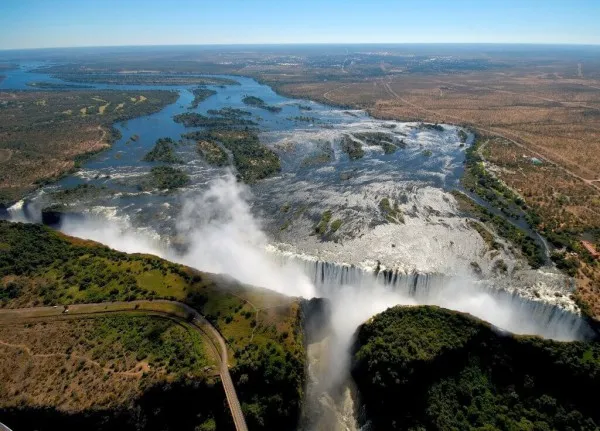
- Fly into Victoria Falls and spend one or two nights at the waterfall, one of the seven natural wonders of the world.
- Transfer by road or short charter flight to your Hwange camp.
- Spend three to four nights on safari, mixing day drives with a walk or a night drive.
- Return to Victoria Falls for your flight home, or continue into Botswana's Chobe and the Okavango Delta.
If you are timing the trip around the waterfall's flow, our guide to the best time to visit Victoria Falls helps you sync the two. As a rule, the dry season from May to October is the strongest window for Hwange itself. As natural pans dry out, wildlife crowds around the park's pumped waterholes, and animals that scatter in the green season become far easier to find. September and October, just before the rains, bring the heaviest concentrations at water.
How to Book an Exclusive Hwange Tour with Us
Booking an exclusive Hwange safari should feel simple, and that is what Maximum Adventure Trails is built to deliver. We curate guided tour packages across Hwange, Victoria Falls, Chobe and the Okavango Delta, so a single conversation covers your whole Southern Africa trip rather than a stack of separate bookings.
Here is how we set up an exclusive Hwange tour:
- Tell us your dates and travel style. Whether you want a classic tented camp or a private concession lodge with night drives and walking safaris, we match the camp to what you actually want.
- We handle the routing. Transfers between Victoria Falls and Hwange, park permits, and internal flights are arranged so your days stay on safari, not in queues.
- You get an experienced local team. Licensed Zimbabwean guides who know Hwange's waterholes and prides lead every drive.
- We keep it private. Exclusive arrangements mean small groups and itineraries shaped around you.
Ready to plan it? Reach out to Maximum Adventure Trails with your travel dates and the number of nights you have in mind, and we will build a Hwange itinerary, paired with Victoria Falls if you want it, that fits the way you like to travel.
Frequently asked questions
How many days do you need for a Hwange safari?
Three to four nights is the sweet spot. That gives you enough game drives to see the Big Five areas and the major waterholes without rushing between camps.
When is the best time for a Hwange safari tour?
The dry season from May to October is best. Natural pans dry up, so wildlife concentrates around the park's pumped waterholes, making animals far easier to find.
Can I combine Hwange with Victoria Falls?
Yes. Hwange lies a few hours by road from Victoria Falls, so many travelers fly into the Falls, spend a night or two there, then transfer to Hwange.
Are night drives allowed in Hwange National Park?
Night drives are not permitted inside the national park itself, but private concessions bordering the park run spotlit night drives where you can see nocturnal species.
What animals will I see on a Hwange safari?
Hwange is famous for large elephant herds and holds all of the Big Five. It also shelters lion, leopard, buffalo, giraffe, zebra and one of Zimbabwe's strongest wild dog populations.