
- 1 Views
- 6 Min Read
- (0) Comment
Chobe National Park is a protected wildlife area in northern Botswana, on the Chobe River beside the town of Kasane. It sits close to the point where Botswana, Namibia, Zimbabwe and Zambia meet. The park covers about 11,700 square kilometers (4,500 square miles), was Botswana’s first national park, and is best known for one of the highest concentrations of elephants in Africa.
This guide covers why the park matters, exactly where it is and how to reach it, its four distinct regions, the things to do on safari, and when to go. You will also find real starting prices for the most common trips, so you can budget before you book.
Maximum Adventure Trails is based in Victoria Falls and runs Chobe game drives, river cruises and day trips from both sides of the border. The practical details below reflect how those trips actually work.
Why Chobe National Park is worth visiting
What makes Chobe special
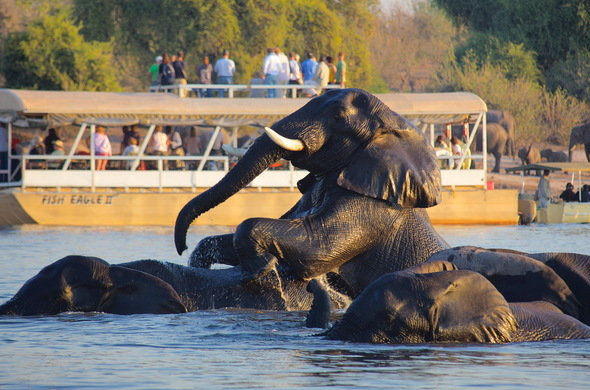
Chobe is special because elephants gather here in numbers few other parks match, and the river lets you watch them up close. In the dry season, herds walk out of the woodland every afternoon to drink, bathe and cross to the river’s islands. Many are Kalahari elephants, a population often described as the largest-bodied in Africa.
The river adds a second layer. From a boat you see hippos, crocodiles, buffalo and more than 400 bird species at eye level, which a land-only park cannot offer. The park also holds floodplain, swamp, woodland and dry savanna, so one visit can feel like several.
Chobe’s value comes from dense elephant herds combined with a river you can cruise.
Can you see the Big Five?
You can realistically see four of the five. Lion, leopard, elephant and buffalo live in the park, but rhinos are effectively absent, so treat Chobe as a Big Four destination. Elephants and buffalo are easy, lions are regular around the riverfront and Savute, and leopards are the sighting you should never count on.
If you are choosing between Botswana’s parks, the Okavango Delta wins for mokoro canoe trips and remote camps. Chobe wins for elephants and easy access from Kasane or Victoria Falls.
Where Chobe National Park is and how to get there
Location and country
Chobe National Park is in Botswana, in the far north of the country, in the North-West District. Namibia lies across the Chobe River to the north, and Zimbabwe and Zambia are a short distance east near Kazungula, where four countries meet. Kasane is the main gateway town. The Chobe Riverfront entrance is a short drive away, and Kasane has its own airport.
Getting there
Your route depends on where you start.
- From Kasane: your lodge or hotel arranges pickup, and the Riverfront is the closest part of the park.
- From Victoria Falls, Zimbabwe: you cross the border and return the same day. Our Chobe day trip leaves around 07:00 and lasts about 10 to 11 hours.
- From Livingstone, Zambia: the route uses the same border corridor, and our camping safari includes border crossing assistance for guests starting in Zimbabwe or Zambia.
- Self-drive: inland tracks are sandy, so take a 4×4. Savute needs one, and a long, slow drive.
Most visitors reach Chobe from Kasane or as a day trip from Victoria Falls.
The four areas of Chobe National Park
The areas at a glance
The park has four distinct regions, and each feels like a different safari.
| Area | Landscape | Best for |
|---|---|---|
| Chobe Riverfront | Floodplains and river channels near Kasane | Elephants, hippos, buffalo, boat safaris |
| Savute | Dry savanna, the Savute Channel, rock outcrops with San paintings | Lions, big predators, remote camping |
| Linyanti | Swamps, lagoons and papyrus in the northwest | Quiet lodge stays, hippos, wild dogs |
| Ngwezumba Pans | Seasonal pans that hold water after rain | Solitude, bird and game viewing in the wet months |
Which area suits a first visit
For a first trip of one to three days, choose the Chobe Riverfront. It is the most accessible and produces the most reliable sightings, and it is the only area where you can combine a game drive with a river cruise in one day.
Add Savute only if you have three or more days and a 4×4 or a camping operator. The distances are long and the sand is deep, which is why most short itineraries skip it.
The Riverfront is the right base for almost every first-time visitor.
Things to do in Chobe on a safari
Safari activities and what they cost
The core activities are game drives, river cruises, fishing and camping. The table lists our starting prices per person, taxes included.
| Activity | Duration | From (per person) | Notes |
|---|---|---|---|
| Joined afternoon game drive | 3 hours | $55 | Open 4×4, minimum 2 people, age 5+ |
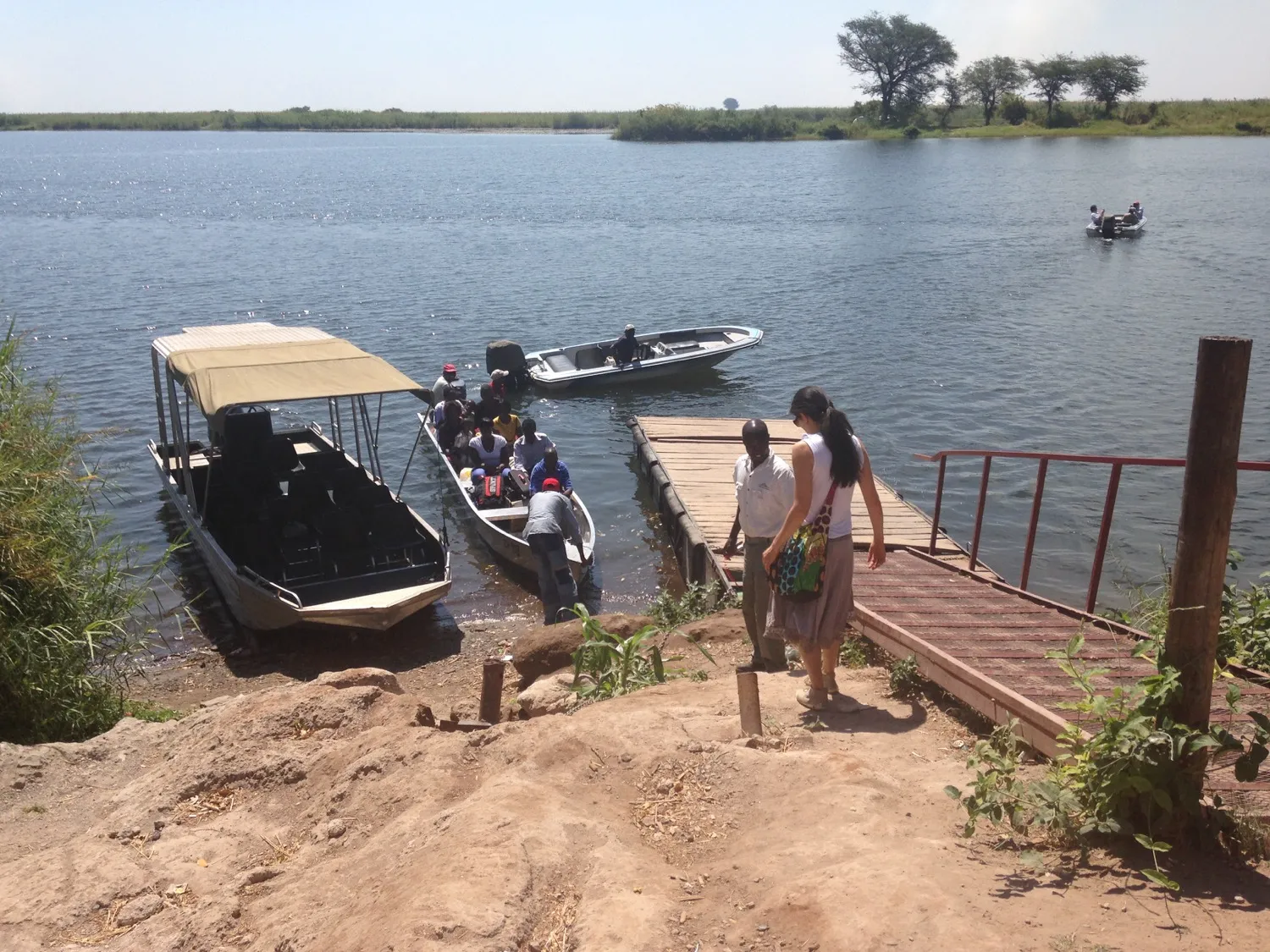
| Joined afternoon river cruise | 3 hours | $55 | Shared boat, minimum 2 people, age 3+ |
| Half-day trip (drive or cruise) | 3 hours | $120 | Guide, park fees and transfers included |
| Full day from Kasane | Pickup 06:30, back mid-afternoon | $120 | 3-hour drive, buffet lunch, 3-hour cruise |
| Day trip from Victoria Falls | 10 to 11 hours | $180 (child under 12: $110) | Drive and cruise, transfers included |
| 1-night camping safari | Overnight | $330 | Bush campsite inside the park, all meals |
| River fishing | 3-hour sessions | – | Tiger fish and bream, catch and release |
Fishing needs a Botswana fishing licence, which we can arrange for an extra cost. Tiger fish are best from September to November.
What a typical trip costs
Take a couple staying in Kasane. Two joined trips cost $55 each per person, so a drive plus a cruise comes to $220 for two. The full-day option at $120 each is $240 for two and adds a buffet lunch and a longer day. A family from Victoria Falls with two adults and one child under 12 pays $180 + $180 + $110, which is $470. Visa or immigration fees are not included in that day trip.
Game drive or river cruise
Choose the river cruise if you mainly want elephants at the water’s edge, hippos and birdlife. It is also the better choice for photos and for travelers who tire easily. Choose the game drive if you want lions, buffalo and the chance of a leopard, since it covers the inland tracks. If you have a full day, do both.
A full day combining a drive and a cruise gives the most complete picture of the park.
When to go and how to plan your visit
Best season for Chobe
The dry season, May to October, is the classic time to visit. Water elsewhere dries up, so elephants and buffalo concentrate along the river, and sightings are at their most reliable. September and October are hottest. From November to April the park turns green, the birdlife peaks, and there are young animals, but game is more spread out.
Cruise times shift with daylight. Our joined cruise runs 15:00 to 18:00 in winter and 15:30 to 18:30 in summer. Book ahead in the dry season, as advance booking is recommended.
Fees, visas and what to pack
Entry fees are included in our half-day trip and in the joined afternoon game drive, so you do not pay separately at the gate. If you are crossing from Zimbabwe or Zambia, bring your passport and check visa rules for your nationality early. We offer visa assistance for various visa types.
Morning drives start cold in an open vehicle, so pack layers, a hat, sunscreen and binoculars.
Most surprises on a Chobe trip come from visas and timing, so sort both before you travel.
Planning your Chobe visit
Chobe National Park is a northern Botswana park built around the Chobe River, with the largest elephant herds most visitors will ever see. Base yourself at Kasane or cross from Victoria Falls. Start with the Riverfront, add a cruise to your drive, and go between May and October for the strongest sightings.
If you would rather have transport, border crossing and the itinerary handled in one booking, browse our Chobe tours and book yours.