


- 2 Views
- 8 Min Read
- (0) Comment
Key takeaways
- Most open-vehicle game drives have a minimum age of 6 to 8 years, though many camps offer private vehicles and tailored activities for younger children.
- Malaria-free and low-risk areas such as parts of South Africa's Eastern Cape make the easiest introduction for families with very young children.
- The CDC recommends antimalarial medication for Chobe, the Okavango and most of northern Botswana, so consult a travel clinic well before departure.
- Choose camps with family tents, flexible meal times and shorter, varied activities to keep children engaged between game drives.
- A guided operator handling transfers, park fees and child-friendly scheduling removes most of the logistical stress of a family safari.
A family safari in Africa is realistic from about age six, the common minimum for shared game drives, and younger children are welcome at camps that run private vehicles and dedicated kids' programs. The key is matching the destination, camp and pace to your children's ages rather than squeezing a standard adult itinerary around them.
Southern Africa is one of the most rewarding regions to do this. Victoria Falls, Chobe, Hwange and the Okavango Delta sit within short flights of one another, the wildlife is dense and reliable, and many camps have spent years refining how they host younger guests. This guide walks through where to go, how to keep children safe and engaged, what to pack, and the kind of itinerary that actually works with kids.
Best Family-Friendly Destinations and Camps
Not every corner of Southern Africa suits small travelers. The best family destinations combine big-game viewing with variety, so a day never depends on a single long drive.
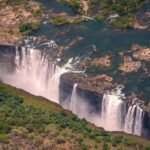
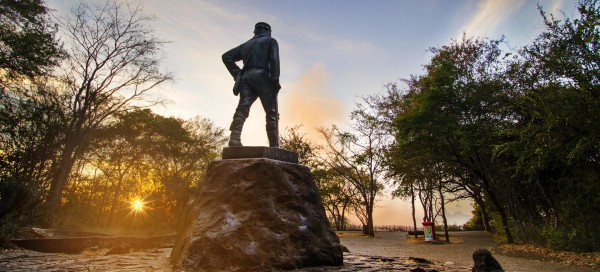
Victoria Falls is the natural anchor. The waterfall itself is a spectacle that holds any age, and the town around it offers river cruises, short walks and easy day trips. It also pairs neatly with Botswana and Zimbabwe parks. Zimbabwe's tourism sector is growing quickly, with the country receiving 520,751 foreign visitors between July and September 2025, a 15 percent increase on the same period the year before, according to figures from the Zimbabwe National Statistics Agency (Africa Briefing). More arrivals has meant more family-ready infrastructure.
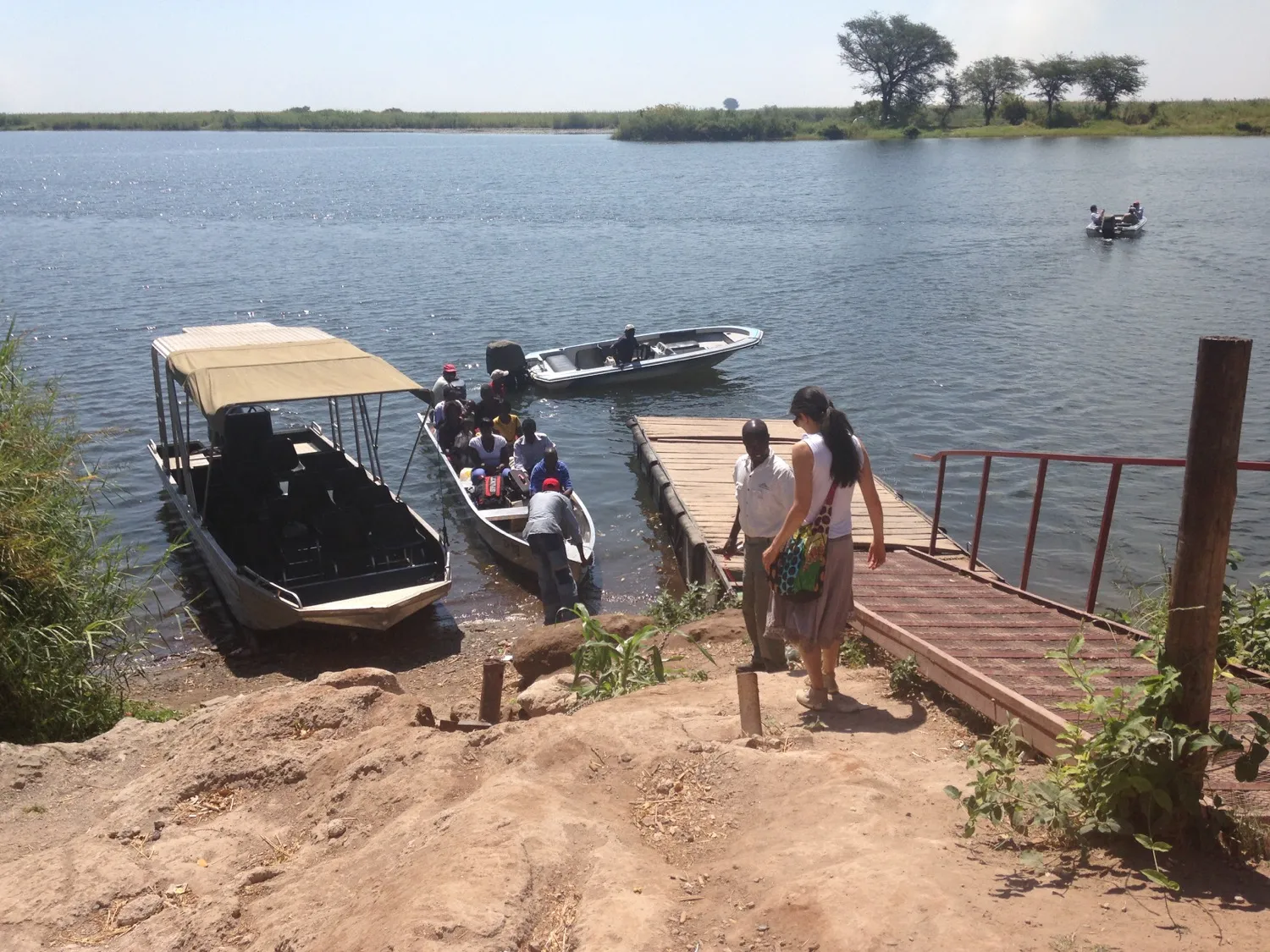
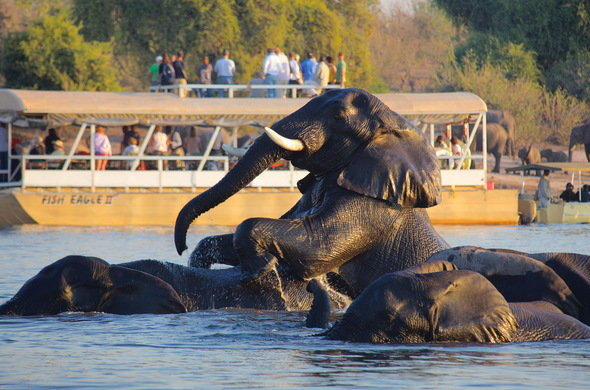
Chobe National Park in Botswana is famous for its elephant herds, and boat safaris on the Chobe River are a gift for families. Children who tire of a vehicle often come alive on the water, where hippos, elephants and birds appear at close range without the dust and heat.
Hwange National Park in Zimbabwe offers classic big-game viewing with a wide spread of camps, including some that cater specifically to families. Its waterholes make for high-reward, lower-effort sightings.
The Okavango Delta is spectacular but needs more planning with kids, since some camps have higher age minimums and water-based activities like mokoro canoes require older children. If the Delta is on your list, study which regions and camps suit your group before booking.
When choosing a camp, prioritize family tents or interconnecting rooms, flexible dining, a pool for midday downtime, and a stated age policy you can plan around.
Family Safari in Africa: Age Recommendations and Game Drive Safety
The single most common question from parents is about age, and the honest answer is that it depends on the activity.
Most shared open-vehicle game drives set a minimum age of 6 to 8 years. The reasoning is practical: younger children struggle to stay quiet and still near wildlife, and other guests have paid for a calm drive. Many camps solve this by offering a private vehicle for the family, which removes the shared-drive restriction and lets you set your own pace, stop when attention fades, and return early.
Safety on a game drive comes down to following your guide. The core rules are simple and non-negotiable: stay seated, keep arms and voices inside the vehicle, and never stand up or lean out near animals. Professional guides are trained to read animal behavior and position the vehicle so wildlife stays relaxed. Children respond well when the rules are explained as part of the adventure rather than a list of restrictions.
For families with children under six, consider a malaria-free private reserve or a camp with a dedicated children's program, where guided walks, tracking lessons and shorter drives replace full-day excursions.
Activities That Keep Children Engaged
A safari is more than sitting in a vehicle, and the families who enjoy it most lean into variety. Long drives test any child's patience, so build the day around shorter, mixed activities.
Water activities are reliably popular. A Chobe River cruise delivers close wildlife encounters with built-in novelty, and the gentle pace suits younger travelers. Around Victoria Falls, there are family-friendly boat trips and short nature walks that break up the wildlife focus.
Many camps now run junior ranger style programs. These can include animal track identification, spoor casting, bug hunts, star gazing and simple bush-craft lessons. They give children a sense of participation and often teach parents a few things too.
Other ideas that work well:
- A camera or binoculars of their own, with a simple spotting checklist to tick off
- Cultural visits to nearby villages, where children meet local kids
- Downtime at the pool during the hot midday hours, when animals rest anyway
- Evening storytelling around the fire, a highlight most children remember
The goal is rhythm. Two shorter, high-energy activities with rest in between beat one marathon drive every time.
Packing and Health Tips for Family Travel
Good preparation is what separates a smooth family safari from a stressful one, and health planning comes first.
Malaria is the main health consideration in much of the region. The CDC recommends antimalarial medication for most of northern Botswana, listing Chobe (including Chobe National Park), Ngamiland and the Okavango among the areas where chemoprophylaxis such as atovaquone-proguanil, doxycycline or mefloquine is advised (CDC). Prevention also means long sleeves at dusk, repellent and treated clothing. Book a travel clinic appointment several weeks ahead, since some medications start before departure and dosing for children depends on weight and age.
For packing, think layers and neutral colors. Safari mornings are cold and middays are hot, so pack:
- Neutral-toned clothing (avoid bright colors and dark blue or black, which attract insects)
- Warm fleece and a beanie for early drives, plus a wide-brimmed hat and sunglasses
- High-SPF sunscreen, insect repellent and any personal medication
- Closed walking shoes, plus sandals for camp
- A small daypack with refillable water bottles and simple snacks
- Entertainment for transfers and flights, since bush connectivity is limited
Confirm whether your camps have family laundry and child meal options, which let you pack lighter. On light-aircraft transfers between camps, soft duffel bags and strict weight limits are standard, so check allowances before you pack.
Curated Family Safari Itineraries to Consider
The most relaxing family safaris follow a logical route with short hops, not long road transfers. A classic Southern Africa family trip strings together a few complementary stops.
A proven structure looks like this:
- Victoria Falls (2 to 3 nights) to arrive gently, see the falls, and enjoy river cruises and town activities while everyone adjusts.
- Chobe, Botswana (2 to 3 nights) for elephants and boat safaris, with a short transfer from Victoria Falls.
- Hwange, Zimbabwe (2 to 3 nights) for classic big-game drives at a family-friendly camp.
This keeps each leg short, mixes water and land, and avoids the fatigue of back-to-back full-day drives. Families wanting more water time can extend into the Okavango with older children, while those with very young kids can swap a leg for a malaria-free reserve.
Planning this with children is where a guided operator earns its keep. Maximum Adventure Trails arranges the transfers, park fees, private-vehicle options and child-friendly scheduling so parents are not juggling logistics mid-trip, which matters most when you are combining several parks into one route.
Before you lock in dates, decide on the youngest traveler's needs first, then build the route around them. Share your children's ages and interests with a safari specialist and ask for a sample itinerary with private-vehicle options; that single conversation will tell you quickly whether a destination fits your family or whether a gentler alternative will serve you better.
Frequently asked questions
What is the best age to take a child on safari in Southern Africa?
Many families travel successfully with children aged 6 and up, which is the common minimum for shared open-vehicle game drives. Younger children can still enjoy a safari at camps that offer private vehicles and dedicated kids' activities.
Is a family safari in Africa safe for children?
Yes, when you follow guide instructions and choose age-appropriate camps. Professional guides enforce clear rules on game drives, and selecting low-malaria regions or using recommended prevention greatly reduces health risks.
Do children need malaria medication for a Southern Africa safari?
It depends on the destination. The CDC recommends antimalarial medication for most of northern Botswana, including Chobe and the Okavango, while some areas in South Africa are malaria-free. Consult a travel clinic before you book.
Which Southern Africa destinations are best for families?
Victoria Falls, Chobe National Park, Hwange and the Okavango Delta all work well for families, offering a mix of wildlife, water activities and short flights between camps that suit shorter attention spans.