

- 5 Views
- 8 Min Read
- (0) Comment
Key takeaways
- Chobe river cruise deals range from short sunset outings to multi-day houseboats, so match the format to your budget and photography goals before you book.
- The dry season from July to September brings the heaviest concentrations of elephants and hippos to the Chobe riverfront.
- Botswana holds an estimated 132,000 elephants, and the wider KAZA region holds around 228,000, the largest savanna elephant population on earth.
- Combining a Chobe cruise with a Botswana land safari or a Victoria Falls add-on gives you both water-based and vehicle-based wildlife viewing.
The strongest Chobe river cruise deals bundle a late-afternoon boat safari with your park fees, transfers, and often a night or two of lodging, which keeps the per-person cost well below booking each piece separately. If you are comparing providers, the details that matter most are what the deal actually includes, the boat size, and whether the timing lands you on the water during the golden hour when wildlife crowds the bank.
This guide walks through the cruise formats worth your money, how to read a Chobe river cruise deal for hidden extras, the months that reward elephant and hippo viewing from the water, and how to fold a cruise into a wider Botswana safari. Maximum Adventure Trails arranges these cruises as standalone outings or as part of curated Southern Africa packages, so you can book the experience without stitching the logistics together yourself.
What makes a Chobe river cruise a bucket-list experience
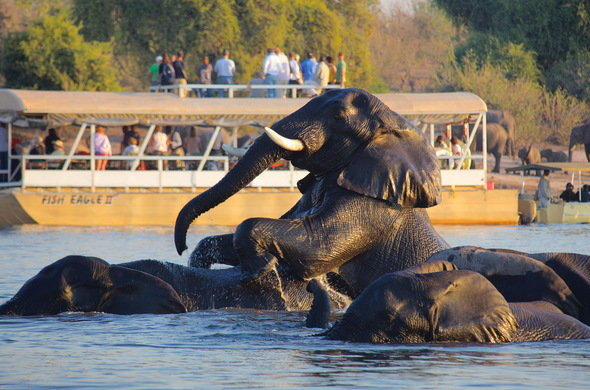
A Chobe river cruise puts you at eye level with wildlife that a land vehicle often views from a distance. In the warmest part of the day, animals move toward the Chobe River to drink and cool off, and a low, quiet boat lets you drift within meters of them without the engine noise or dust of a game drive.
Scale is the draw here. Botswana holds an estimated 132,000 elephants, and the wider Kavango-Zambezi Transfrontier Conservation Area that Chobe anchors holds roughly 228,000, the largest population of savanna elephants on the planet, according to analysis by Mongabay of the 2022 KAZA elephant survey. Much of that population passes through the Chobe riverfront, which is why herds of a hundred or more elephants at the water are routine in the dry months.
Beyond the elephants, the river carries one of the highest hippo densities in Africa and large Nile crocodiles, both far easier to watch from the water than from the bank. Add a sky that turns copper and pink as the sun drops, and the sunset cruise earns its place on the bucket list.
Types of cruises: sunset, photographic, and multi-day houseboats
Chobe cruises fall into three broad formats, and the right one depends on how much time you have and what you want to bring home.
Sunset cruises
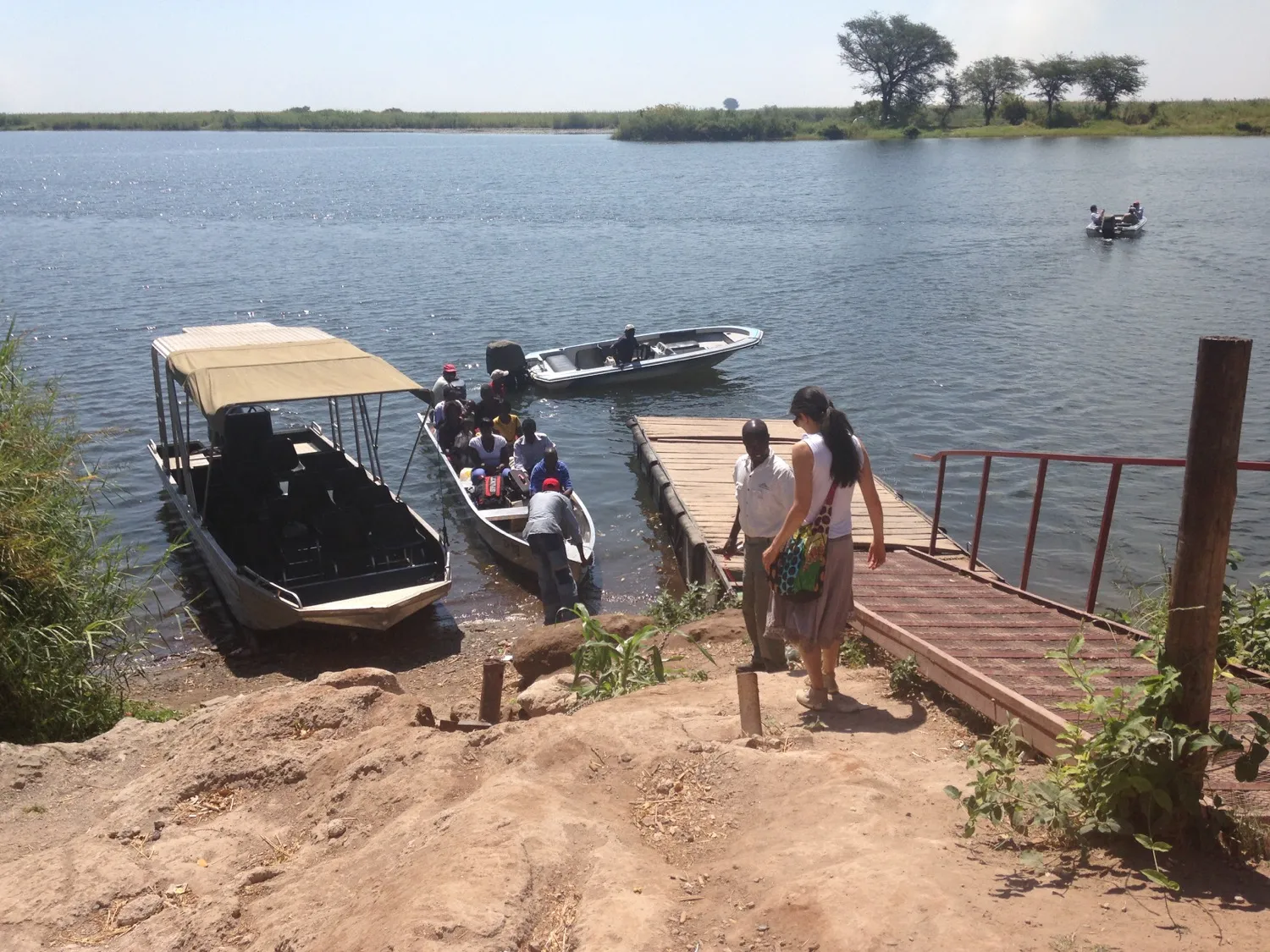
The sunset cruise is the entry point and the most common deal you will see. These outings launch in mid to late afternoon, run two to three hours, and return after the sun sets. They suit travelers who want a high-impact wildlife experience in a short window, and they pair naturally with a Victoria Falls stay. Drinks and light snacks are often included, so check whether that is baked into the price.
Photographic cruises
Photographic cruises are built around image-making rather than sightseeing. The boats are smaller, carry fewer passengers, and often use swivel seats, camera mounts, and a lower profile that puts the lens close to the waterline. Guides position the boat for light and background rather than simply pulling up to the nearest animal. If wildlife photography is a priority, this format is worth the premium.
Multi-day houseboats
Houseboats turn the cruise into the accommodation itself. You sleep on the river, wake to wildlife on the bank, and cover stretches of the Chobe that day boats never reach. These multi-day trips are the most expensive option and the most immersive, and they reward travelers who want to slow down and stay on the water for two nights or more.
Current curated deals and what's included
A Chobe river cruise deal is only as good as what it covers, so read past the headline price. The strongest packages fold several costs into one number, while thin deals quote a low boat fare and leave you paying for the rest on arrival.
Here is what to confirm before you book:
- Park entry fees. Chobe National Park charges a daily conservation fee. A good deal states clearly whether it is included.
- Transfers. Confirm whether hotel or border pickups from Kasane, or from Victoria Falls, are part of the price.
- Guide and boat type. A private or small-group boat costs more than a large shared vessel but delivers better positioning and fewer heads in your photos.
- Drinks and snacks. Sundowner drinks are commonly included on sunset cruises. Meals usually are not, unless stated.
- Cross-border logistics. If you are coming from Zimbabwe or Zambia, ask how immigration is handled so the day is not eaten up at the border.
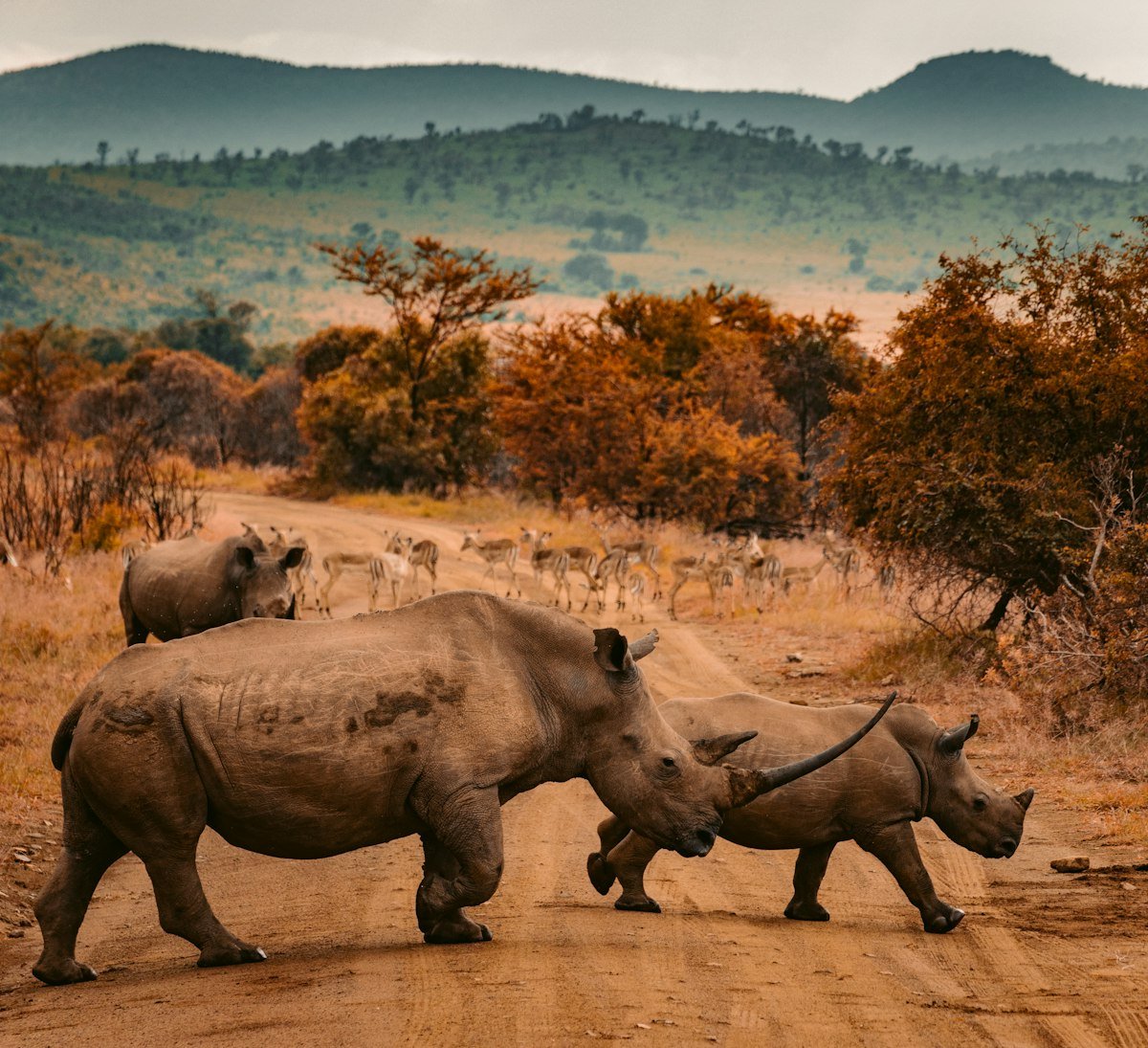
Maximum Adventure Trails curates Chobe cruise deals that state the inclusions up front and handle the transfers and park fees as one arrangement, which removes the guesswork that trips up self-assembled bookings. If you are pricing a standalone sunset cruise against a bundled package, compare the total landed cost rather than the boat fare alone.
Best months for elephant and hippo sightings from the water
The dry season is the single biggest factor in what you will see from a Chobe boat. As inland water sources dry up from roughly May onward, wildlife concentrates on the permanent river, and the density of animals at the water climbs steadily toward the end of the dry months.
For the heaviest elephant and hippo activity, aim for July through September. During these peak dry-season months, large elephant herds come down to the riverfront every afternoon to drink and swim, and the reliable water keeps hippos and other game close. May and June are an excellent shoulder window, with milder temperatures, thinner crowds, and wildlife already gathering along the river. October and November bring the most concentrated sightings of all as the heat peaks and water becomes scarce, though daytime temperatures can climb past comfortable for some travelers.
The wet season, from about December to March, floods the interior and disperses wildlife away from the river. Bird life is spectacular then and the landscape turns green, but if elephants and hippos from the water are your goal, the dry season is the clear choice. To understand how Chobe timing lines up with a broader Zimbabwe and Botswana itinerary, our Hwange National Park safari first-timer's guide covers the neighboring park's seasons in more depth.
How to combine a Chobe cruise with a Botswana safari package
A Chobe cruise works best as one chapter in a wider Southern Africa trip rather than a solo outing. The park sits at a natural crossroads, close to Victoria Falls, the Okavango Delta, and Hwange, which makes it easy to build a route that mixes water-based and land-based wildlife viewing.
Popular combinations include:
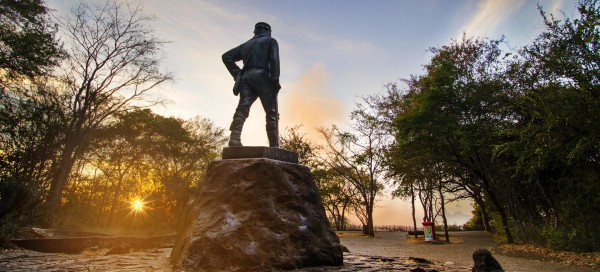
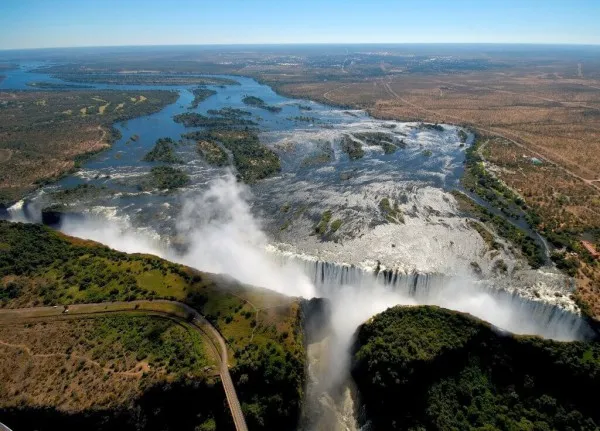
- Chobe and Victoria Falls. The falls sit about an hour and a half by road from the Chobe riverfront, so a cruise slots neatly into a falls-focused trip. Our Victoria Falls safari tours guide for 2026 maps out how the two pair together.
- Chobe and the Okavango Delta. Following a Chobe cruise with a few nights in the Delta gives you the river's big herds and then the Delta's mokoro channels and predator sightings.
- Chobe and Hwange. Crossing into Zimbabwe's largest park adds another elephant stronghold and a very different landscape to the same trip.
The advantage of a curated package is that transfers, park fees, border crossings, and lodging line up without you managing five separate bookings. Maximum Adventure Trails builds these Botswana and cross-border itineraries around the cruise, so the boat safari becomes part of a seamless route rather than a logistics puzzle.
Ready to book
Decide first on the format that fits your trip: a sunset cruise for a short, high-impact outing, a photographic cruise if images are the goal, or a houseboat if you want to live on the river. Then check the season against your travel dates, aiming for July through September if elephants and hippos from the water top your list. Once you know both, request a curated Chobe cruise quote from Maximum Adventure Trails that spells out the inclusions, and lock in your dates well ahead of the dry-season peak when the best boats fill fast.
Frequently asked questions
What is the best time for a Chobe river cruise?
Late afternoon into sunset is the classic window, when animals gather at the water to drink and the light is soft. For the year, the dry season from July to September delivers the densest wildlife along the riverfront.
How long does a Chobe sunset cruise last?
Most sunset cruises run two to three hours, launching in mid to late afternoon and returning after the sun drops. Photographic cruises and multi-day houseboat trips extend that time considerably.
Can I see elephants and hippos from a Chobe boat cruise?
Yes. The Chobe riverfront is known for large elephant herds coming down to drink and swim, and the river carries one of the highest hippo densities in Africa, both easily viewed from a low boat.
Can I combine a Chobe cruise with Victoria Falls?
Yes. Chobe sits about an hour and a half by road from Victoria Falls, so a day trip or a multi-night package pairing the two is one of the most popular routings in the region.