

- 63 Views
- 9 Min Read
- (0) Comment
Why Chobe National Park is Africa’s Wildlife Gem
Chobe National Park, located in northern Botswana, is often hailed as one of Africa’s premier wildlife destinations. This superb sanctuary spans approximately 11,700 square kilometers and boasts a remarkable diversity of habitats, making it a must-visit for any safari enthusiast.
Chobe’s rich and varied landscapes range from lush floodplains and dense forests to expansive savannas and riverine ecosystems. These diverse environments support an incredible array of wildlife, including Africa’s largest concentration of elephants. Visitors are frequently treated to sightings of prides of lions, elusive leopards, and numerous species of antelope. Birdwatchers will also find Chobe a paradise, with over 450 avian species recorded in the park.
What sets Chobe apart is its breathtaking scenery combined with an abundance of game. Located along the banks of the Chobe River, the park offers a unique vantage point for viewing wildlife. During the dry season, animals converge on the riverbanks, providing unparalleled opportunities for close-up encounters. River cruises on the Chobe River are particularly popular, offering a fresh perspective on the traditional safari experience as you glide past herds of elephants, hippos, and crocodiles.
Moreover, Chobe National Park’s location in the heart of the Kavango-Zambezi Transfrontier Conservation Area enhances its ecological significance, linking several national parks and game reserves across Botswana, Namibia, Zambia, Zimbabwe, and Angola. This connectivity ensures broad, contiguous habitats for migratory species and underscores Chobe’s role in regional conservation efforts.
In essence, Chobe National Park is a dazzling showcase of Africa’s natural wonders, combining a rich tapestry of landscapes and wildlife. Its seamless blend of land and water experiences, coupled with significant conservation importance, truly makes Chobe Africa’s wildlife gem.
## II. The Unique Ecosystems of Chobe National Park
Chobe National Park, located in northern Botswana, is renowned for its rich and diverse ecosystems that support an extraordinary variety of wildlife. The park covers roughly 11,700 square kilometers and is home to several distinct habitats, making it a unique destination for nature enthusiasts.
### Savannas and Floodplains
The Savuti Marsh, located in the southwestern part of the park, is a dynamic landscape marked by open savannas and extensive floodplains. This area is famous for its dramatic seasonal changes, where dry spells are followed by lush, green plains during the rainy season. Such cycles create a thriving environment for numerous herbivores, including zebras and wildebeest, which, in turn, attract predators like lions and hyenas.
### The Chobe Riverfront
One of the most iconic features of the park is the Chobe Riverfront. The river serves as a vital lifeline, especially during the dry season when many animals migrate to its banks in search of water. The lush riverbanks and dense woodlands provide an excellent habitat for elephants, buffaloes, hippos, and numerous bird species. Early morning or late afternoon boat safaris on the Chobe River offer unparalleled wildlife viewing opportunities, making it a highlight for many visitors.
### Linyanti Marshes
The Linyanti Marshes, located in the park’s northwest, are characterized by a labyrinthine network of waterways and lagoons. This remote and less-visited area is a haven for bird watchers and supports a healthy population of predators, including the elusive leopard and African wild dogs. The watery landscape also attracts a variety of waterbirds, making it an ornithologistâs paradise.
These varied ecosystems not only make Chobe National Park a haven for wildlife but also offer diverse experiences for visitors. From the tranquility of river cruises to the excitement of game drives across savannas and marshes, Chobe provides a comprehensive African safari experience in one breathtaking location.
### III. Unrivaled Elephant Population and Other Wildlife Highlights
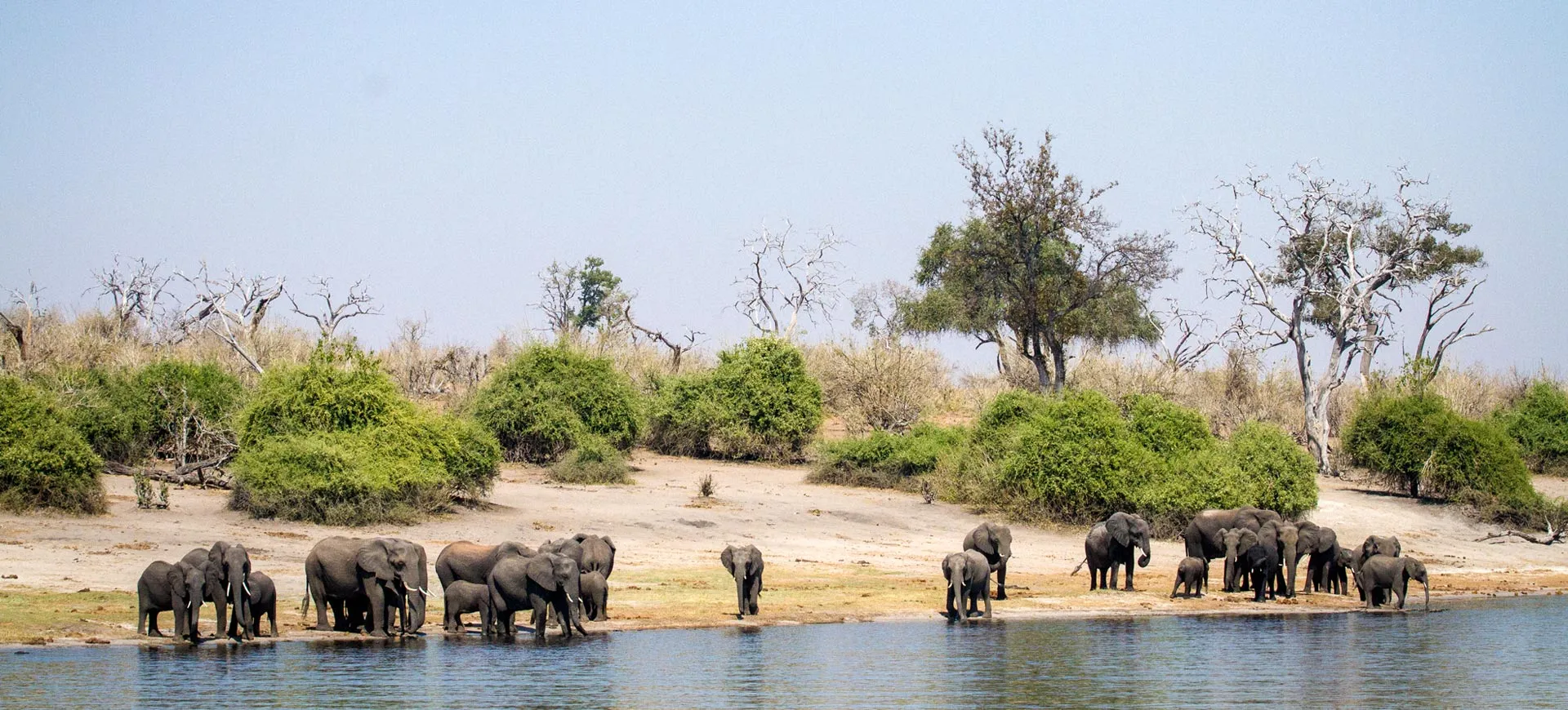
Chobe National Park is renowned for hosting one of the largest elephant populations in Africa. With an estimated 120,000 elephants, this sanctuary offers an unforgettable experience for wildlife enthusiasts. These majestic creatures can often be seen in large herds, especially near the Chobe River, making for phenomenal photography opportunities.
But itâs not just elephants that make Chobe special. The park is also home to a diverse array of other wildlife. Visitors can spot lions, leopards, buffalo, and various species of antelope, including the elusive sable. The parkâs ecosystems range from floodplains to woodlands, providing habitats for both predators and their prey.
The Chobe Riverfront area is a particular highlight. Here, hippos and crocodiles dominate the waters, while on the riverbanks, youâll find an abundance of birdlife, such as African fish eagles and kingfishers. The birdwatching here is second to none, with over 450 species documented.
Photographers and nature lovers will appreciate the wide range of wildlife encounters possible, especially during the dry season when animals congregate around the river for water. Game drives and boat safaris offer different perspectives and unique experiences, whether you prefer capturing the action on land or observing the serene aquatic life up close.
This rich biodiversity not only provides thrilling safari experiences but also underscores the importance of conservation efforts within Chobe National Park. The thriving populations of elephants and other species reflect the parkâs effective management and its status as a crucial wildlife refuge in Africa.
**IV. Safari Experiences: From Land to Water**
Chobe National Park offers some of the most diverse and engaging safari experiences in all of Africa. Whether you prefer the thrill of a game drive or the serenity of a boat safari, Chobe has something for everyone.
**Land Safaris**
Game drives in Chobe National Park are a must for any visitor. The park’s extensive network of tracks and trails makes exploring its varied landscapes both easy and exciting. You’re likely to encounter large herds of elephants, prides of lions, and leopards prowling through the brush. Experienced guides offer valuable insights and help locate animals you might otherwise miss. Sunrise and sunset drives are particularly magical, as the golden light casts an enchanting glow over the savannah.
**Water Safaris**
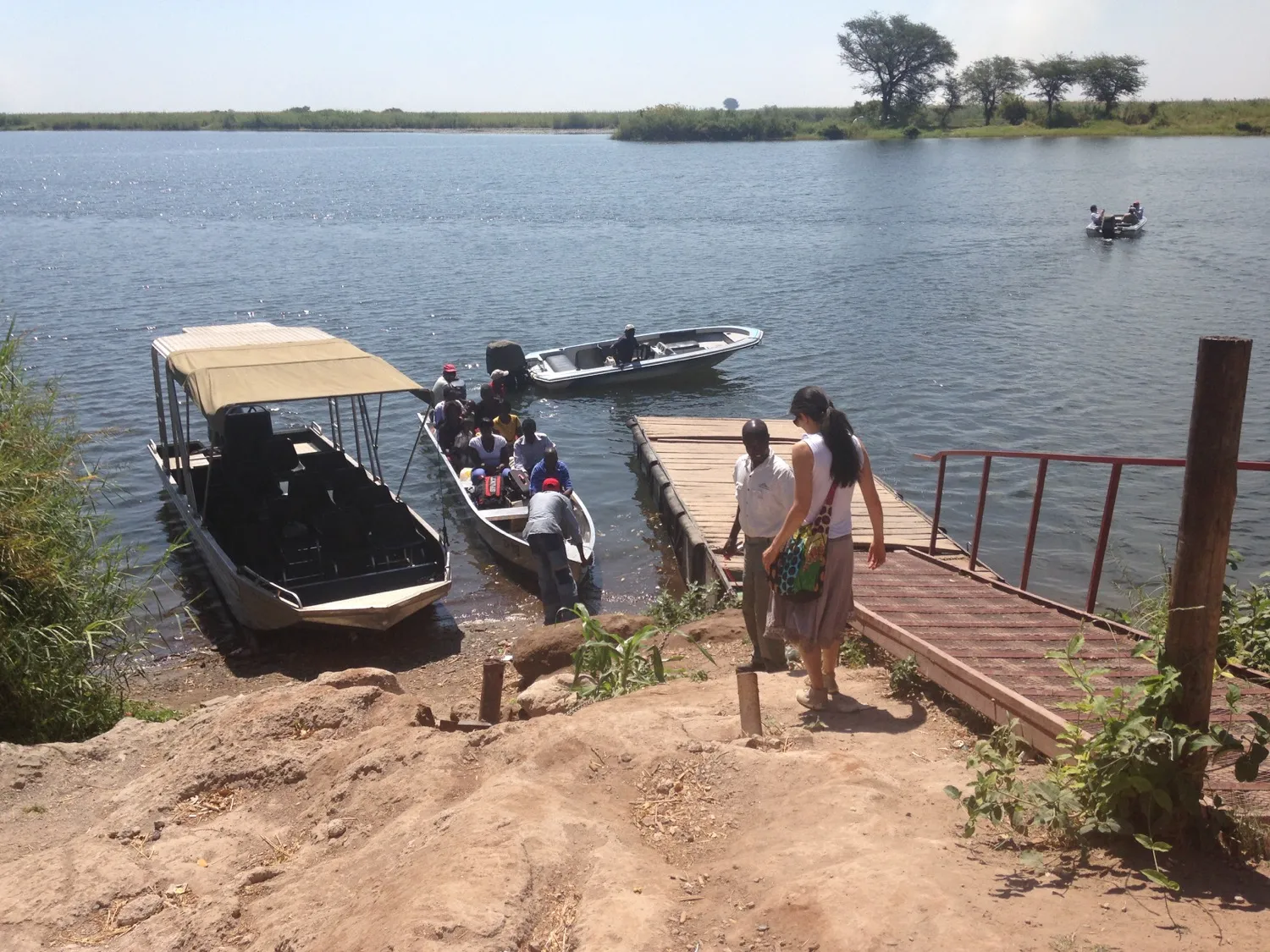
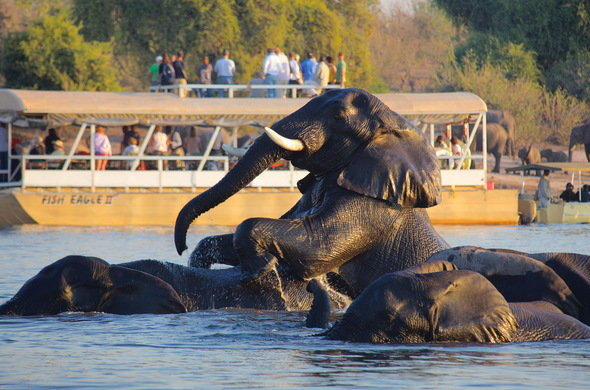
Chobe River Safaris offer a unique perspective on the parkâs wildlife. Cruising along the tranquil waters of the Chobe River provides close-up encounters with hippos, crocodiles, and a multitude of bird species. Elephants frequently come to the riverbanks to drink and bathe, offering unparalleled photo opportunities. Boats range from small private vessels to larger tour boats, making these safaris suitable for both intimate and group experiences.
**Combination Packages**
For those who want the best of both worlds, many tour operators offer combination safari packages. These typically include a game drive to start the day and a river safari in the afternoon, ensuring visitors experience the diverse ecosystems of the park fully.
**Night Safaris**
Although less common, night safaris are also available and offer a glimpse into the park’s nocturnal activities. Night drives reveal elusive creatures like hyenas, owls, and even the occasional leopard on the hunt.
Exploring Chobe National Park by both land and water can greatly enrich your visit, providing comprehensive views of its incredible wildlife and landscapes.
**Best Time to Visit Chobe National Park**
Timing your visit to Chobe National Park can greatly enhance your experience. This stunning wildlife sanctuary in Botswana boasts diverse ecosystems that flourish at different times of the year.
**Dry Season: May to October**
The dry season is often considered the best time to visit Chobe National Park. During these months, the lack of rainfall causes animals to gather around water sources, making wildlife sightings more frequent and predictable. The Chobe River becomes a crucial lifeline, attracting large herds of elephants, buffalo, and other game. This period also offers excellent opportunities for river safaris, where you can witness animals up close as they drink and bathe.
**Wet Season: November to April**
Although the wet season brings lush landscapes and fewer tourists, it also means some roads can become challenging to navigate. However, this period offers its own unique appeal. The park transforms into a verdant paradise, and bird watchers will be thrilled by the arrival of migratory species. The wet season is also the time when many animals give birth, so you may get to see adorable newborns and predator-prey interactions.
**Shoulder Seasons**
The shoulder seasons, April to May and September to October, strike a balance between the extremes of the wet and dry periods. You can enjoy pleasant weather, good wildlife sightings, and a less crowded park.
**Conclusion**
No matter when you choose to visit, Chobe National Park will leave you awestruck with its abundant wildlife and breathtaking landscapes. Understanding the seasonal differences will help you plan a more fulfilling safari experience.
## VI. Conservation Efforts and Future of Chobe National Park
Chobe National Park is not only a vital sanctuary for wildlife but also a cornerstone of Botswanaâs eco-tourism. The park’s conservation efforts are extensive and aim to preserve its pristine environment and diverse ecosystems.
### Anti-Poaching Initiatives
One of the most critical challenges facing Chobe is poaching. To combat this, the park employs a range of anti-poaching measures. These include dedicated patrol teams, drone surveillance, and collaborations with local communities to ensure the security of its wildlife.
### Community Involvement
Community involvement is another pivotal aspect of the park’s conservation strategies. Local communities are encouraged to participate in and benefit from eco-tourism activities. This involvement fosters a sense of ownership and responsibility, ensuring that conservation efforts are community-driven.
### Sustainable Tourism
Sustainable tourism practices are a key focus in Chobe. From eco-friendly lodges to low-impact safari tours, the park strives to minimize its environmental footprint. These practices not only protect the environment but also enhance the visitor experience, making every trip to Chobe a step towards conservation.
### Research and Monitoring
Continuous research and monitoring play a crucial role in Chobe’s conservation. Scientists and park officials work together to monitor wildlife populations and assess the health of ecosystems. Their efforts help in making informed decisions that enhance the park’s biodiversity.
### The Future of Chobe National Park
Looking ahead, the future of Chobe National Park appears promising due to its robust conservation framework. However, challenges such as climate change and human-wildlife conflict require ongoing attention. By maintaining its focus on sustainable practices and community involvement, Chobe is set to remain a beacon of wildlife conservation for years to come.
Chobe National Park’s commitment to preservation ensures that it will continue to be a jewel of Africa, offering a sanctuary for wildlife and a haven for eco-tourists worldwide.