

- 6 Views
- 8 Min Read
- (0) Comment
Key takeaways
- Chobe delivers dense, predictable game viewing along a permanent river, while the Okavango Delta offers intimate water-based safaris by mokoro and boat.
- The Okavango Delta became UNESCO's 1,000th World Heritage Site on 22 June 2014, recognising a wetland that shelters cheetahs, rhinos, wild dogs and lions.
- Chobe is cheaper and easier to reach from Victoria Falls; the Delta's fly-in camps cost more but feel exclusive and remote.
- The Delta's flood peaks June to August; Chobe's riverfront game viewing is strongest through the dry months from June to October.
- Many travelers combine both because the two parks sit a short charter flight apart and complement each other perfectly.
Choose Chobe for reliable, high-volume game viewing from vehicles and river cruises, and choose the Okavango Delta for quiet, water-based safaris in one of Africa's most pristine wetlands. If you are weighing Chobe vs Okavango for a Botswana trip, the decision comes down to the kind of experience you want, your budget, and the season you plan to travel. Both rank among the finest safaris in Southern Africa, and they are different enough that picking one over the other genuinely changes your holiday.
This guide breaks down the landscape, wildlife, cost, access and best seasons for each, then explains who each park suits and why so many travelers end up booking both.
Chobe vs Okavango: Key Differences in Landscape and Wildlife
Chobe is defined by a single permanent river; the Okavango Delta is a vast inland fan of channels, lagoons and seasonally flooded plains. That one difference shapes everything else, from how you view animals to when you should go.
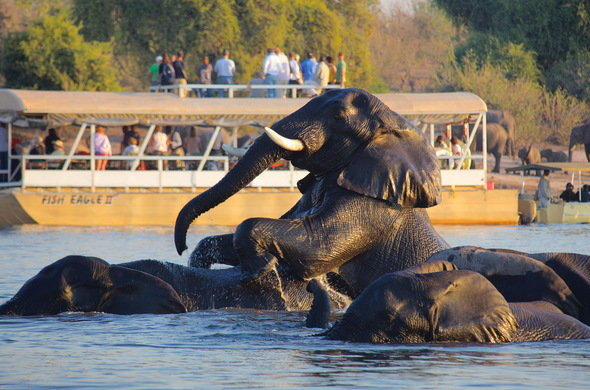
The Chobe riverfront draws enormous herds of elephants and buffalo to drink, especially in the dry season, which makes for concentrated, dramatic sightings. The Delta spreads wildlife across a shifting mosaic of water and islands. In 2014, UNESCO recognised the Delta's ecological value when it inscribed the area as a World Heritage Site, noting that it shelters endangered species including cheetahs, white and black rhinos, African wild dogs and lions (UNESCO, 2014).
Chobe is famous for sheer elephant numbers, among the densest concentrations anywhere on the continent. The Delta rewards patience with rarer predators and a soundtrack of hippos, reed frogs and fish eagles. Neither park is a zoo; both are wild, unfenced ecosystems where sightings depend on timing and luck.
Water-Based Delta vs River-and-Land Chobe Experiences
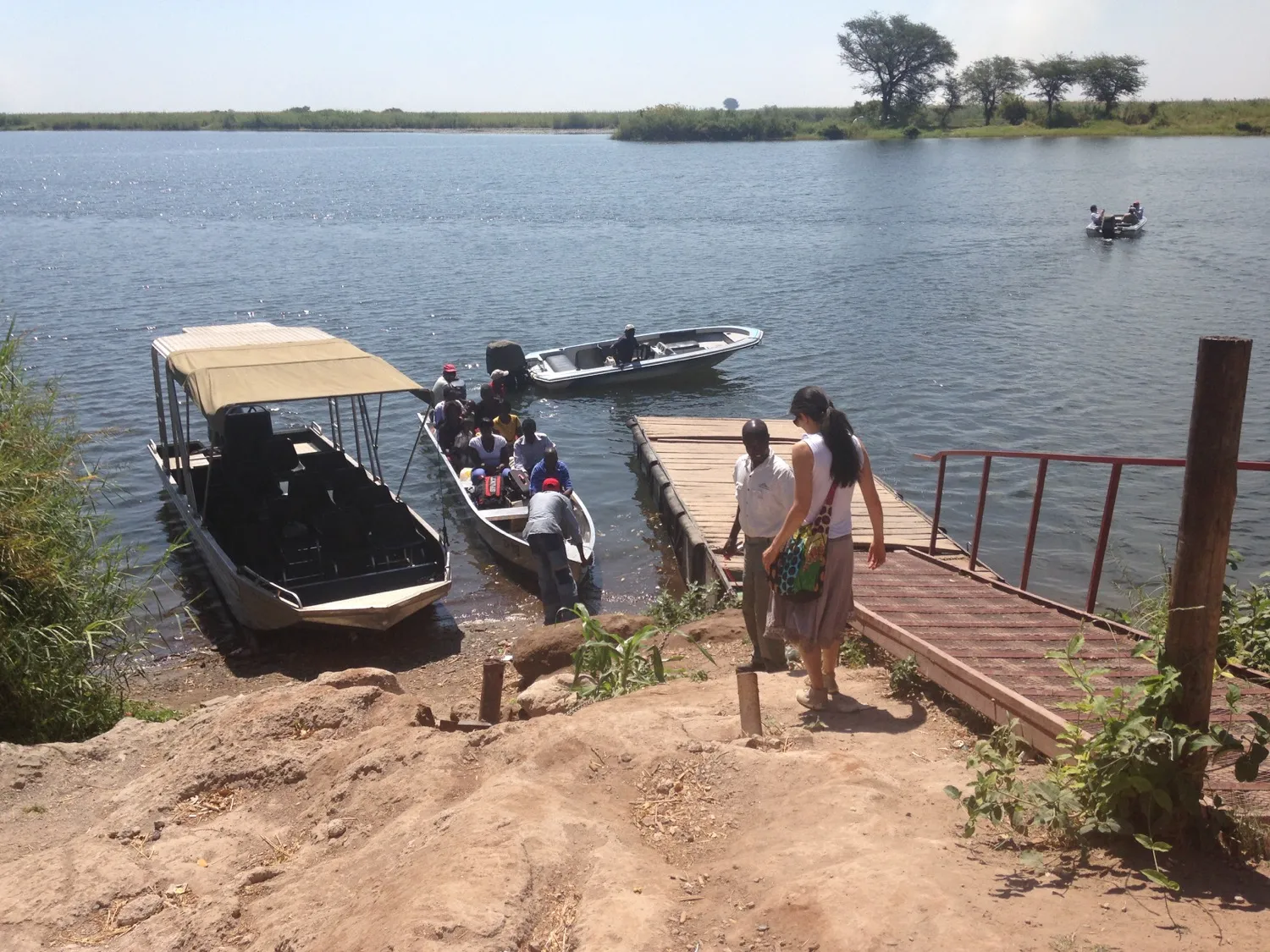
The signature Delta activity is the mokoro, a shallow dugout canoe poled silently through papyrus channels, while Chobe pairs classic game drives with sunset boat cruises on the river. These are two distinct rhythms of safari.
In the Delta you drift at eye level with lily pads, slipping past elephants that wade between islands. Guided walks and boat trips replace some vehicle time, because many camps sit on islands where water, not road, is the main highway. The pace is slow, intimate and immersive.
Chobe keeps you closer to the engine of a safari vehicle and the deck of a cruiser. Morning and afternoon drives track lions and leopards along the floodplain, then the boat delivers you among drinking herds at golden hour. For photographers, that low waterline light is unmatched, which is why Chobe ranks among the best places to shoot wildlife in Southern Africa.
Which rhythm appeals more to you? If gliding in silence sounds magical, lean Delta. If you want action and variety in a single day, lean Chobe.
How Do Cost, Access and Best Seasons Compare?
Chobe is the more affordable and accessible of the two, reachable by road from Victoria Falls, while the Okavango Delta is typically a fly-in destination with higher nightly rates. Budget and logistics often decide the matter before wildlife does.
Chobe's main gateway town, Kasane, sits close to the borders of four countries and connects easily to Victoria Falls by a short transfer. That keeps costs down and makes Chobe simple to add to a wider regional trip. The Delta, by contrast, is reached mainly by light aircraft into remote airstrips, and its small, low-impact camps carry premium prices. You pay for exclusivity, space and genuine wilderness.
Season matters in different ways for each park. The Delta's annual flood generally peaks between June and August, when water pushed down from the Angolan highlands fills the channels and mokoro trips are at their best. Chobe's riverfront game viewing is strongest through the dry winter months, roughly June to October, when thirsty animals crowd the water. Green-season travel from November to March brings lush scenery, newborn animals and lower prices, with the trade-off of thicker vegetation and scattered wildlife.
There is a timing quirk worth understanding. The Delta is at its most beautiful when the water is high, yet that flood arrives during Botswana's dry months, not the rains. So a June trip can mean full channels in the Delta and dusty, animal-packed banks in Chobe at the same time. That overlap is exactly why the dry winter window is the classic season for a combined Botswana safari.
Budget planning also differs. Chobe lends itself to shorter stays and day trips, so you can sample it in two or three nights without overspending. The Delta works best with a minimum of three nights at a single camp, because fly-in logistics make quick hops impractical and the slower pace needs room to breathe.
For a closer look at the two gateway towns, see our guides to Kasane, the gateway to Chobe and to planning around the wider region.
Who Does Each Destination Suit Best?
Chobe suits first-time safari-goers, families and budget-conscious travelers, while the Okavango Delta rewards honeymooners, repeat visitors and anyone chasing remote exclusivity. Matching the park to the traveler is the surest route to a trip you will love.
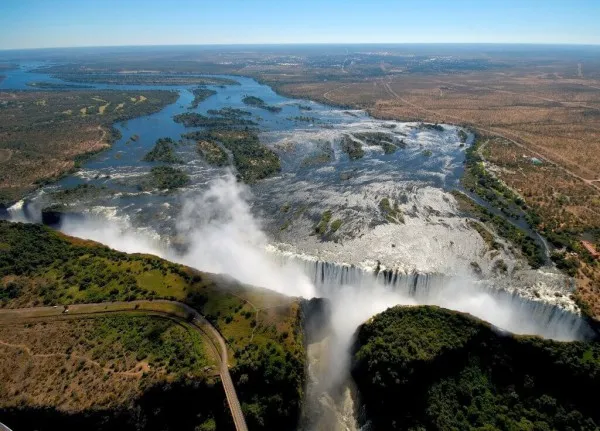
Choose Chobe if you want reliable sightings, easy access, shorter transfers and a lower price point. Its mix of drives and cruises keeps children and first-timers engaged, and the big-herd spectacle delivers frequent, reliable sightings. Chobe also slots neatly into a Victoria Falls holiday, so you can see one of the world's great waterfalls and a world-class park in the same week.
Choose the Okavango Delta if you value privacy, a slower pace and the romance of water-based safari. Small camps, few other vehicles and dawn mokoro trips make it a natural fit for honeymoons and milestone celebrations. Serious wildlife enthusiasts and photographers who have already done a classic safari often return specifically for the Delta's wild dogs and unusual water-adapted behaviour.
Families sit somewhere in the middle. Many Delta camps set minimum age limits because of walking safaris and open water, so households with young children often find Chobe easier and safer. Older teens, on the other hand, tend to love the Delta's canoeing and the sense of real adventure. The right answer depends as much on who is travelling as on the parks themselves.
At Maximum Adventure Trails we match travelers to the right park based on these priorities, then handle the charters, transfers and camp bookings so the trip runs smoothly end to end.
Why Do Many Travelers Combine Both?
Combining Chobe and the Okavango Delta is popular because the two parks sit a short charter flight apart and offer completely different experiences in one trip. Rather than choosing, many visitors simply do both.
A typical pairing opens with Chobe's high-octane game viewing and riverfront cruises, then shifts to the Delta's quiet channels for a contrasting second act. The variety keeps every day fresh: big herds and predators first, then intimate water safaris and birdlife. Logistics are straightforward, since light aircraft connect the regions and most itineraries fold in Victoria Falls at one end.
This combined route is one of our most requested Botswana trips, and we build it as a single package covering flights, camps and guided activities. You can read more about the pairing in our combined Chobe and Okavango Delta safari guide.
If you are still deciding between Chobe and the Okavango Delta, start by naming your top priority: budget and easy access point to Chobe, while privacy and a water-based wilderness point to the Delta. Share that priority and your travel dates with the Maximum Adventure Trails team, and we will build an itinerary around it, whether that means one park or a route that captures both.
Frequently asked questions
Is Chobe or the Okavango Delta better for first-time safari visitors?
Chobe suits most first-timers. The riverfront concentrates huge numbers of elephants and predators into a small area, so sightings are frequent and reliable, and access from Victoria Falls is quick and affordable.
Why is the Okavango Delta so expensive?
The Delta is remote, reached mainly by light aircraft, and its camps are small and low-impact to protect the wetland. Limited beds, fly-in logistics and exclusive concessions push nightly rates well above Chobe's.
When do the Okavango Delta floodwaters arrive?
The annual flood usually peaks between June and August. The water originates from rains in the Angolan highlands months earlier, then slowly fills the Delta during Botswana's dry winter season.
Can I visit both Chobe and the Okavango Delta on one trip?
Yes. The two destinations pair naturally. A short charter flight or road transfer links the Chobe region and the Delta, so a week-long itinerary can cover both landscapes comfortably.