


- 73 Views
- 19 Min Read
- (0) Comment
Embark on Your Dream Safari Without Emptying Your Wallet
A dream African safari doesn't have to break the bank. This listicle reveals six smart strategies for planning an affordable African safari in 2025, ensuring an unforgettable adventure without overspending. Discover how to experience incredible wildlife encounters at top destinations like Victoria Falls, Hwange, and Chobe National Parks, from single-day trips to longer adventures in Zimbabwe and Botswana. Learn how shoulder season travel, group tours, self-drive adventures, mobile camping, multi-country packages, and booking directly with local operators can make your affordable African safari a reality.
1. Shoulder Season Travel Timing
One of the most effective strategies for planning an affordable African safari is to travel during the "shoulder seasons." These periods, typically the months flanking the peak seasons, offer a sweet spot between cost savings and prime wildlife viewing. By understanding how shoulder seasons work, you can unlock significant savings while still enjoying a memorable safari experience. This approach allows you to capitalize on lower demand, resulting in reduced prices without compromising the quality of your adventure.
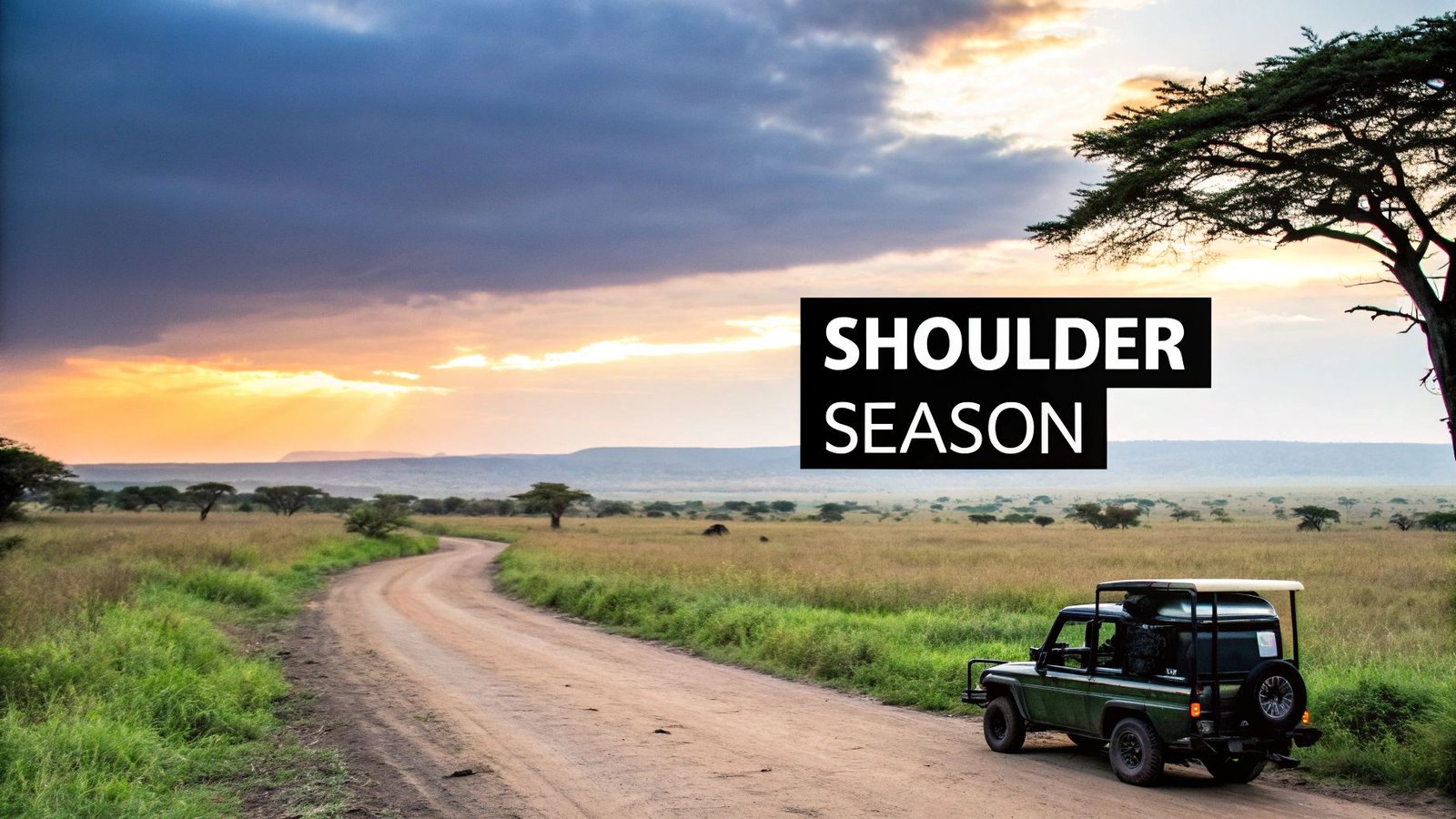
Shoulder seasons typically fall during the months of May, early June, November, and early December. These months offer several advantages including lower visitor numbers compared to peak season, resulting in less crowded game drives and more intimate wildlife encounters. Accommodation rates are often significantly reduced, sometimes by 20-40%, allowing you to stretch your budget further. While the weather can be slightly less predictable than during peak season, it generally remains mild and suitable for safari activities. Wildlife viewing remains excellent during these times, although specific migration events or peak wildlife activities might be missed depending on the location and timing.
This method deserves a top spot on the list for affordable African safaris because it offers a compelling balance. You get to enjoy the core safari experience – stunning landscapes, diverse wildlife, and thrilling game drives – at a fraction of the peak season cost. For budget-conscious travelers, this presents a fantastic opportunity to experience the magic of an African safari without breaking the bank.
Pros:
- Significantly lower prices across accommodations, tours, and flights.
- Less crowded game drives and viewing areas, leading to a more intimate experience.
- Increased negotiating power with tour operators.
- A more authentic experience with less tourist congestion.
- A good balance of cost savings and a quality safari experience.
Cons:
- Some weather unpredictability depending on the specific location.
- Certain migration events or peak wildlife activities might be missed.
- Some luxury camps may be closed during the shoulder seasons.
- Road conditions can be challenging in certain areas after rains.
Examples of Successful Shoulder Season Safaris:
- Tanzania's Northern Circuit in November: Offers excellent value with good wildlife viewing before the short rains.
- South Africa's Kruger National Park in May: Provides excellent game viewing with significantly reduced rates.
- Kenya's Masai Mara in November (after the migration): Still offers excellent big cat sightings at lower prices.
Tips for Planning a Shoulder Season Safari:
- Book 3-6 months in advance to secure the best deals on flights and accommodations.
- Research the specific shoulder seasons for your chosen destination, as they vary by country and park. Learn more about Shoulder Season Travel Timing
- Pack for variable weather conditions, including layers of clothing and rain gear.
- Ask tour operators about special shoulder season promotions or discounts.
- Consider combining countries with complementary shoulder seasons to maximize your wildlife viewing opportunities.
By carefully considering the pros and cons and planning accordingly, a shoulder season safari can be the perfect way to experience the wonders of Africa without overspending.
2. Group Safari Tours
For travelers seeking an affordable African safari, group tours offer an excellent way to experience the magic of the savannah without breaking the bank. By joining a pre-arranged group, you share the costs of transportation, accommodation, park fees, and guide services with other participants. This communal approach can significantly reduce individual expenses, often by 30-50%, compared to a private safari, making it an attractive option for budget-conscious adventurers. This cost-effectiveness is a key reason why group safaris deserve a prominent place on any list of affordable safari options.
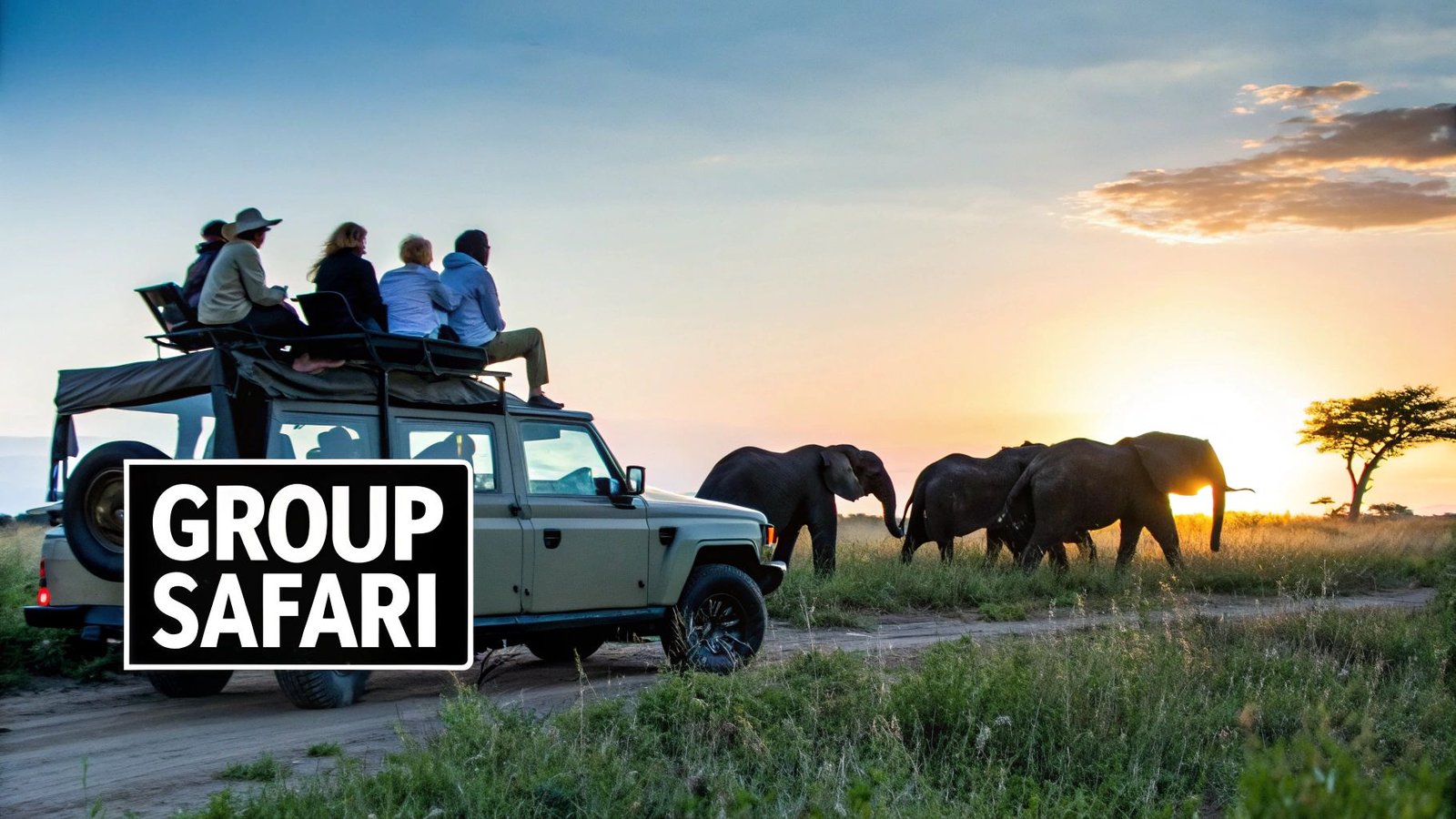
Group safaris typically operate with pre-set departure dates and fixed itineraries. You'll travel in specialized safari vehicles, sharing the ride with a group that usually ranges from 4 to 16 people. A professional guide accompanies the group, providing expert insights into the wildlife and ecosystems you encounter. Accommodation is typically a mix of camping and budget lodges, further contributing to the affordability of these tours. Learn more about Group Safari Tours This resource can provide additional details on specific itineraries and options.
Pros:
- Significant cost savings: Group safaris often offer 40-60% savings compared to private safaris.
- No minimum traveler requirement: Secure good rates even if traveling solo or as a couple.
- Social experience: Meet like-minded travelers and share the adventure.
- Expert guidance: Benefit from the knowledge of professional guides, a cost-prohibitive luxury for many solo travelers.
- Enhanced safety and logistics: Traveling with a group provides inherent safety and simplifies logistical arrangements.
Cons:
- Less flexibility: Itineraries and schedules are fixed, limiting spontaneity.
- Reduced privacy: Sharing transport and accommodation means less personal space.
- Varying group interests: Fellow travelers may have different priorities and expectations.
- Basic accommodations: Expect simpler lodging options compared to luxury private safaris.
- Potential personality clashes: Group dynamics can sometimes lead to friction.
Examples of Affordable Group Safaris:
- G Adventures' 8-day 'Tanzania Camping Safari' averages $1,999 per person.
- Intrepid Travel's 'Kenya Wildlife Safari' costs approximately $2,300 for 8 days.
- Acacia Africa's 'Kruger to Victoria Falls' 12-day safari is priced around $1,700.
Tips for Booking a Group Safari:
- Book in advance: Secure early bird discounts and your preferred departure date by booking 6-12 months ahead.
- Optimal group size: Look for operators with maximum group sizes of 8-12 for a more intimate experience.
- Vehicle configuration: Ensure everyone gets a window seat for optimal game viewing.
- Check reviews: Focus on reviews that mention guide quality and group dynamics.
- Pack light: Shared transport often has limited luggage space.
- Consider comfort upgrades: Spending a little more for better accommodations can significantly improve your overall experience.
Group safaris are ideal for solo travelers, couples, and small groups seeking an affordable and social way to experience the wonders of an African safari. By understanding the features, benefits, and potential drawbacks, and by following these tips, you can choose a group tour that perfectly balances cost and comfort.
3. Self-Drive Safari Adventures
For the adventurous and budget-conscious traveler, self-drive safaris offer an unparalleled opportunity to experience the magic of an affordable African safari. This approach involves renting a suitable vehicle, typically a 4×4, and navigating through national parks and game reserves independently, without the expense of a guide. This grants you complete control over your itinerary and pace, allowing you to truly immerse yourself in the African wilderness at your own rhythm. You decide where to go, when to go, and how long to linger at each breathtaking vista.
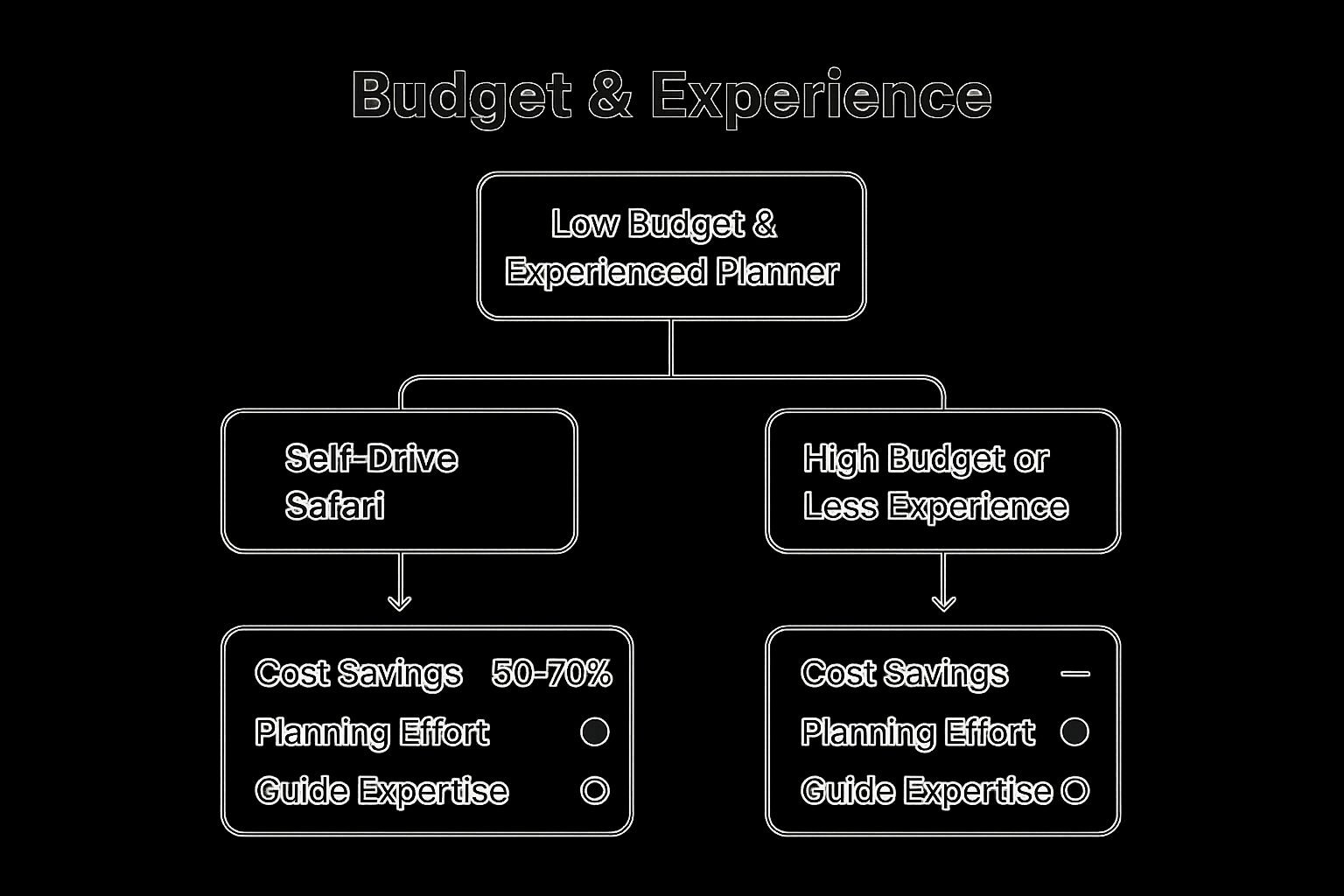
The infographic above presents a decision tree to help you determine if a self-drive safari is right for you. It starts by assessing your comfort level with adventure and independent travel, then considers your budget and desire for flexibility. Finally, it weighs your interest in specialized knowledge against your willingness to research and plan independently.
Self-drive safaris empower you to embrace the freedom of the open road and tailor your adventure to your specific interests. Imagine spending an extra hour at a watering hole where elephants are congregating or deviating from your planned route to explore a hidden track. This level of personalized exploration simply isn't possible with a pre-arranged guided tour. You can also choose self-catering options, further reducing the overall cost of your safari. Stock up on supplies and enjoy picnics amidst stunning landscapes, adding another layer of authenticity to your experience.
Successful self-drive safaris are perfectly achievable with careful planning. Kruger National Park in South Africa, with its excellent road network and well-equipped rest camps, is a popular choice for first-time self-drivers. Namibia's Etosha National Park offers another fantastic option, featuring well-marked roads and numerous waterholes that attract a diverse array of wildlife. For the more adventurous, Botswana's public campsites in Moremi and Chobe provide a truly immersive wilderness experience.
Pros:
- Cost savings: Expect to save 50-70% compared to traditional guided safaris.
- Flexibility: Complete control over your daily schedule and wildlife viewing time.
- Privacy: Enjoy a customized experience away from the crowds.
- Authenticity: Opportunities for genuine interactions with local communities.
- Extended viewing: Linger longer at your favorite sightings.
Cons:
- Lack of expertise: Absence of a guide's wildlife knowledge and tracking skills.
- Navigation: Potential challenges in remote areas without expert guidance.
- Safety: Increased responsibility for your safety and security.
- Vehicle maintenance: You are responsible for the vehicle's upkeep.
- Planning: Requires more advance preparation and research.
Tips for a Successful Self-Drive Safari:
- Rent wisely: Choose reputable companies offering safari-specific 4×4 vehicles (e.g., Bushlore, Safari Drive, Drive South Africa).
- Navigate offline: Download offline maps and wildlife identification apps.
- Book ahead: Reserve campsites and accommodations well in advance, particularly during peak season.
- Be prepared: Carry emergency supplies, including spare tires, water, and communication devices.
- Know the rules: Thoroughly research park regulations before your arrival.
- Consider a local guide: Even on a self-drive, hiring a local guide for a day can enhance your tracking skills and wildlife knowledge.
- Combine with guided activities: Supplement your self-drive with occasional guided game drives or walking safaris for a more in-depth understanding of the ecosystem.
This self-drive approach deserves a prominent place on this list of affordable African safari options because it offers the perfect blend of adventure, freedom, and affordability. By taking the reins of your own safari experience, you open the door to a truly unforgettable journey. The decision tree infographic helps you weigh the pros and cons, empowering you to make an informed choice that aligns with your travel style and preferences. Ultimately, self-drive safaris offer an accessible pathway to experiencing the raw beauty and untamed wilderness of Africa without breaking the bank.
4. Mobile Camping Safaris
For the budget-conscious adventurer seeking an authentic and affordable African safari, mobile camping safaris offer an unparalleled experience. This style of safari involves traversing the wilderness with a portable camp that is moved between locations throughout your journey. This dynamic approach not only significantly reduces accommodation costs (often by 30-50% compared to permanent lodges) but also maximizes your immersion in the African bush, placing you right in the heart of the action.
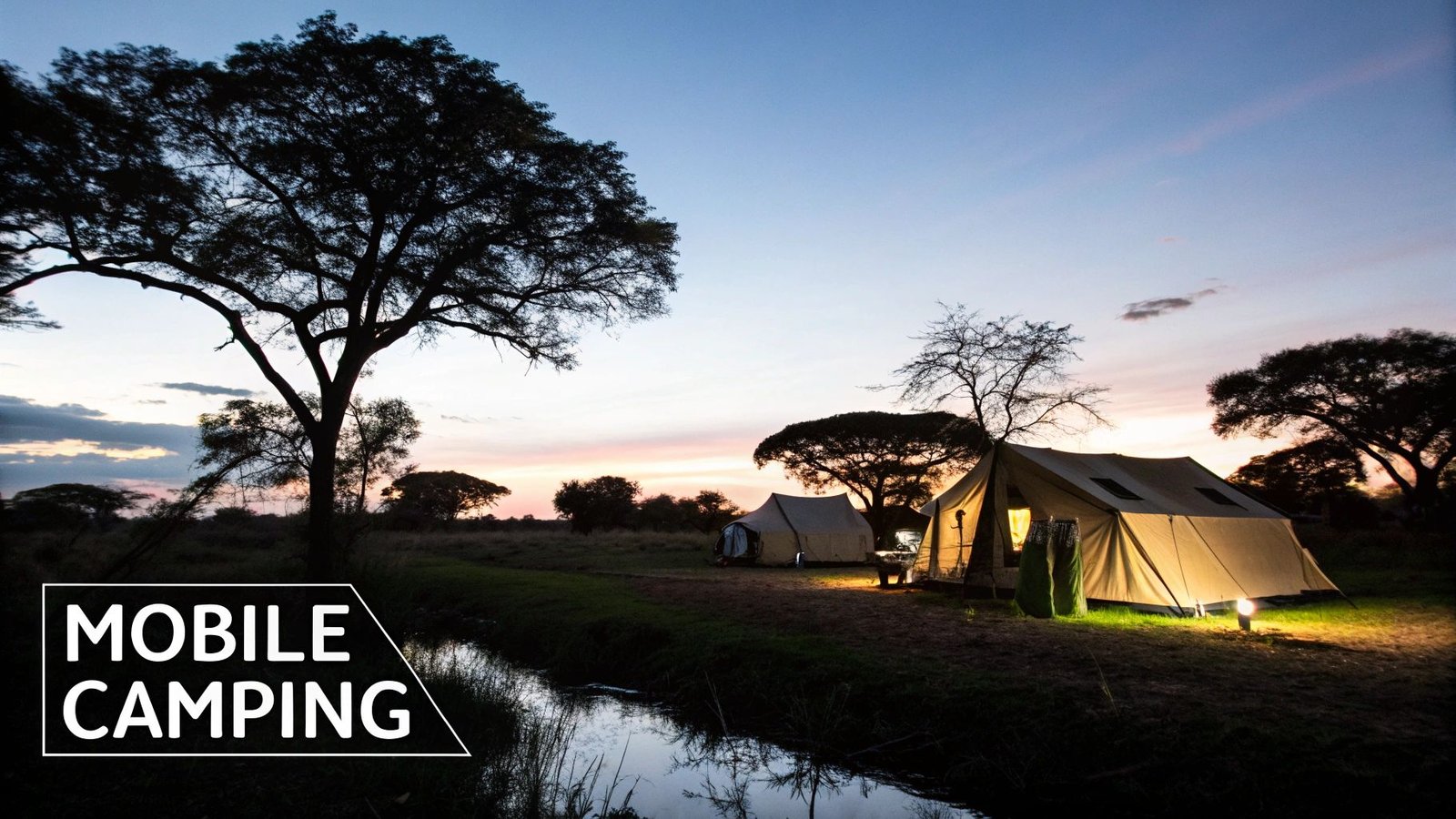
Mobile camping safaris operate on the principle of efficiency and immersion. Camp staff handle all the logistics, from setting up and dismantling camp each day to preparing meals and ensuring your comfort. This leaves you free to focus on what truly matters: soaking in the breathtaking landscapes and encountering incredible wildlife. These camps can be positioned strategically for prime wildlife viewing and offer access to remote areas far from the tourist crowds, leading to more intimate and unforgettable encounters. Options range from basic but comfortable tents to luxurious "glamping" setups, catering to different budgets and preferences.
Examples of Successful Implementations:
- Botswana: Mobile tented safaris in the Okavango Delta offer exceptional value, starting around $200-300 per day.
- Tanzania: Follow the Great Migration on a northern circuit mobile camping safari, experiencing this natural wonder up close.
- Kenya: Explore the Masai Mara and Amboseli National Parks on a budget-friendly mobile safari, encountering iconic African wildlife.
When and Why to Choose a Mobile Camping Safari:
Opt for a mobile camping safari if you prioritize an authentic wilderness experience, value cost savings, and are comfortable with a degree of rusticity. This style is ideal for adventurous travelers seeking a deep connection with nature and unparalleled wildlife viewing opportunities.
Pros:
- Cost savings: 30-50% cheaper than permanent lodge safaris, making an affordable African safari a reality.
- Authenticity: Immerse yourself in the wilderness, falling asleep to the sounds of the African night.
- Remote access: Explore areas away from tourist crowds, enjoying more intimate wildlife encounters.
- Expert guidance: Often includes quality guide services, enhancing your safari experience.
- Lower environmental impact: Portable camps are more sustainable than permanent structures.
Cons:
- Basic facilities: While some offer surprising comfort, amenities are generally more basic than lodges.
- Weather vulnerability: Open-air environments mean you are more exposed to the elements.
- Less privacy: Shared tents can offer less privacy than permanent accommodations.
- Limited electricity and connectivity: Be prepared for limited access to power and internet.
- Moderate fitness level: Some level of fitness may be required for certain activities.
Tips for an Unforgettable Mobile Camping Safari:
- Comfort level: Choose a camp style that suits your needs, from basic to luxury.
- Packing: Pack light but include layers for temperature changes, especially in the evenings.
- Essentials: Headlamps and power banks are crucial for navigating and charging devices.
- Group size: Smaller groups (4-8 people) often lead to a more personalized experience.
- Local staff: Operators employing local staff provide valuable cultural insights.
- Combination packages: Consider combining mobile camping with a few nights in a lodge for a varied experience.
Learn more about Mobile Camping Safaris
Companies like Wilderness Safaris, Nomad Tanzania, Letaka Safaris, Andy Biggs Photography Safaris, and Natural Habitat Adventures have popularized and refined the mobile camping safari experience, offering various levels of comfort and specialization.
Mobile camping safaris offer a truly unique and affordable way to experience the magic of Africa. By embracing a bit of adventure and foregoing some of the luxuries of a lodge, you'll be rewarded with an unforgettable journey into the heart of the wild.
5. Multi-Country Package Optimization: Stretch Your Safari Budget Further
Looking for an affordable African safari that doesn't compromise on incredible wildlife experiences? Multi-country package optimization might be your answer. This savvy strategy involves combining neighboring African countries with varying price points to create a safari adventure that offers both premium wildlife viewing and affordability. By strategically balancing your time between high-cost and lower-cost destinations, you can experience the best of Africa without breaking the bank.
This approach works by leveraging the geographical proximity of different countries and their diverse ecosystems. For instance, you might spend a few days in Botswana's luxurious Okavango Delta, renowned for its exceptional wildlife density, and then travel to the more affordable Hwange National Park in Zimbabwe, known for its large elephant herds. This allows you to witness diverse landscapes and wildlife while effectively averaging the cost of your trip.
Features of Multi-Country Safari Optimization:
- Combination of premium and value destinations: Experience the "must-see" locations without exorbitant prices throughout your trip.
- Cross-border itineraries: Take advantage of proximity and minimize long travel times between countries.
- Strategic allocation of time: Maximize your budget by spending more time in affordable areas and shorter, more intensive periods in premium ones.
- Diverse wildlife and landscape experiences: Explore a wider range of ecosystems and encounter a greater variety of animals.
- Optimization of transportation and logistics: Careful planning can minimize inter-country travel expenses.
Pros:
- Experience premium destinations without paying premium prices for the entire trip.
- Encounter greater wildlife diversity across different ecosystems.
- Enjoy cultural variety and a broader African experience.
- Benefit from cost averaging across expensive and affordable countries.
- Maximize the value of your long-haul flight investment.
Cons:
- Border crossing logistics and potential visa complexities can be challenging.
- Additional transportation costs exist between countries.
- Requires more complex planning and research.
- Potential currency exchange inefficiencies may arise.
- Less in-depth exploration of any single location compared to a single-country safari.
Examples of Successful Multi-Country Safaris:
- Botswana & Zimbabwe/Zambia: Combine the luxury of Botswana's Okavango Delta with the affordability of Zimbabwe's Hwange or Zambia's South Luangwa National Park.
- Kenya & Tanzania: Pair the iconic Masai Mara in Kenya with the less expensive, but equally rewarding, southern parks of Tanzania, such as Selous or Ruaha.
- South Africa, Eswatini & Mozambique: Extend a Kruger National Park safari in South Africa with affordable excursions into Eswatini (formerly Swaziland) or Mozambique's coastal regions.
Tips for Planning a Multi-Country Safari:
- Focus on geographic proximity: Minimize transportation time and costs by selecting neighboring countries.
- Research visa requirements carefully: Investigate multi-country visa options for streamlined entry.
- Allocate time strategically: Spend 2-3 days in premium destinations and 4-5 days in more affordable areas.
- Work with experienced tour operators: Seek out specialists in cross-border itineraries for seamless planning.
- Consider open-jaw flights: Fly into one country and out of another to save on backtracking.
- Build itineraries around shared ecosystems: Ensure wildlife continuity and avoid unnecessary travel.
Companies like Rhino Africa, Africa Travel Resource, Great Plains Conservation, Wilderness Safaris, and Expert Africa are renowned for their expertise in crafting multi-country African safaris. They can provide valuable assistance in navigating the complexities of cross-border travel and logistics.
Learn more about Multi-Country Package Optimization
Multi-country package optimization deserves a place on this list because it offers a practical and effective way to experience the magic of an affordable African safari without sacrificing quality. By understanding the nuances of this approach and planning carefully, you can unlock an unforgettable adventure that showcases the incredible diversity of Africa. This strategy is particularly well-suited for those seeking a broad African experience, diverse wildlife encounters, and smart budget management.
6. Local Tour Operator Direct Booking: Unlock an Affordable African Safari
One of the most effective strategies for planning an affordable African safari is booking directly with a local tour operator. This method cuts out the international agencies and middlemen, allowing you to access significantly lower prices for identical itineraries. Bypassing these intermediaries eliminates the markups they add for international marketing and third-party commissions, putting more money directly into the local economy and your pocket. This approach is particularly beneficial for travelers seeking budget-friendly options without compromising the quality of their safari experience.
This strategy works by researching and contacting Africa-based tour operators directly. Instead of going through a large international agency, you communicate with the people on the ground who actually run the safaris. This direct connection provides a number of benefits, including more personalized service and a deeper understanding of the local environment. Imagine planning your Kenyan safari directly with a Kenyan operator, tapping into their intimate knowledge of the Masai Mara.
For example, imagine booking a Northern Circuit safari in Tanzania. Through an international agency, you might expect to pay between $3,000 and $4,500. However, by contacting Tanzanian local operators directly, you could secure the same safari for between $1,800 and $2,500. Similar savings can be found with Kenyan owned and operated companies in the Masai Mara, often boasting 30-40% lower prices compared to their international counterparts. In Zimbabwe, local operators offer compelling Victoria Falls and Hwange packages with significant savings, putting these iconic destinations within reach of budget-conscious travelers.
Benefits of Booking Direct:
- Cost Savings: Expect to save a substantial 20-40% compared to booking through overseas agents.
- Authentic Experiences: Connect directly with local communities and enjoy a more authentic cultural immersion.
- Customization: Benefit from greater flexibility to tailor your itinerary to your specific budget and interests.
- Local Expertise: Gain access to unparalleled local knowledge and insider recommendations.
- Responsiveness: Experience faster responses to special requests and a more personalized level of service.
- Supporting Local Economies: Ensure a higher percentage of your money stays within local communities, fostering sustainable tourism.
Navigating the Direct Booking Process:
While immensely rewarding, direct booking does require more research. Here are some tips for a successful experience:
- Thorough Research: Utilize platforms like SafariBookings.com and TripAdvisor to research operators and read reviews.
- Check References: Request and verify references from past clients to gauge the operator's reliability.
- Verify Credentials: Confirm the operator's legitimacy with local tourism boards like KATO (Kenya Association of Tour Operators) and TATO (Tanzania Association of Tour Operators).
- Secure Payments: Opt for secure payment methods like credit cards or escrow services. Avoid wiring full payment upfront.
- Negotiate Rates: Negotiate directly for better rates, especially during the low season.
- Local Associations: Look for operators who are members of recognized local tourism associations.
- Detailed Information: Request detailed information about vehicles, accommodations, and inclusions to avoid surprises.
Learn more about Local Tour Operator Direct Booking
Pros and Cons:
Pros: Substantial cost savings, authentic local experiences, greater flexibility, direct access to local knowledge, responsive service, support for local economies.
Cons: More research required, potential communication challenges across time zones, less recourse if problems arise, payment security considerations, fewer booking protections compared to larger agencies.
This approach deserves a prominent place on this list because it offers a powerful pathway to an affordable African safari. While it requires a bit more legwork, the potential cost savings and authentic experiences make it an attractive option for many travelers, particularly those from the UK, USA, France, Portugal, Israel, Russia, Germany, Poland, and Turkey, who are seeking value and genuine cultural immersion. By connecting directly with local operators, you not only unlock significant cost savings but also support local communities and gain a richer, more meaningful travel experience.
6 Essential Tips Comparison Guide
| Tip | 🔄 Implementation Complexity | 💡 Resource Requirements | 📊 Expected Outcomes | ⚡ Ideal Use Cases | ⭐ Key Advantages |
|---|---|---|---|---|---|
| Shoulder Season Travel Timing | Moderate – depends on timing research and weather variability | Requires planning for variable weather and bookings 3-6 months in advance | Balanced cost savings and good wildlife viewing | Travelers seeking affordable, less crowded safaris with decent conditions | Lower prices, less crowding, good wildlife opportunities |
| Group Safari Tours | Moderate – fixed itineraries, coordination with groups | Booking in advance, sharing resources like transport and guides | Significant cost reduction (30-50%), shared experiences | Budget travelers wanting social experiences and cost sharing | Cost savings, guided expertise, safety in numbers |
| Self-Drive Safari Adventures | High – requires independent navigation, vehicle rental, and planning | Rental vehicle, offline maps, camping gear, advance campsite booking | Major cost savings (50-70%), personalized schedule | Experienced, budget-conscious travelers seeking independence | Flexibility, privacy, cost efficiency |
| Mobile Camping Safaris | Moderate to High – logistics of moving camps, staff support | Portable camp gear, staff for setup and meals, light packing | Cost savings (30-50%), immersive wilderness experience | Adventurous travelers wanting close wildlife encounters and mobility | Authentic wilderness, remote access, lower accommodation costs |
| Multi-Country Package Optimization | High – complex planning, border logistics, visa checks | Requires detailed itinerary design, visa handling, transport coordination | Economical premium experiences with diverse wildlife | Travelers wanting diverse ecosystems and cost balancing | Cost optimization, diverse wildlife & cultures |
| Local Tour Operator Direct Booking | Moderate to High – requires research and trust-building | Time for direct communication, vetting operators, secure payments | Cost savings (20-40%), authentic local experiences | Travelers valuing customization and local economy support | Lower prices, customization, local expertise |
Ready to Explore the Wild Side of Africa?
Planning an affordable African safari is well within your reach. From leveraging the shoulder seasons for better rates to embracing the adventurous spirit of a self-drive or mobile camping safari, the options we've explored offer diverse paths to experiencing Africa's breathtaking wildlife without breaking the bank. Remember, booking directly with local tour operators or optimizing multi-country packages can significantly reduce costs, allowing you to stretch your budget further and experience even more of this incredible continent. Mastering these tips empowers you to craft a truly unforgettable journey tailored to your interests and budget. An affordable African safari isn't just a dream; it's an achievable adventure waiting to be realized.
Embark on your dream affordable African safari today! Maximum Adventure Trails specializes in crafting budget-friendly safari experiences throughout Africa, incorporating many of the cost-saving strategies highlighted in this article. Visit Maximum Adventure Trails to start planning your unforgettable journey!