


- 166 Views
- 18 Min Read
- (0) Comment
A one-week Botswana safari in 2026 typically runs from roughly $2,450 on a budget plan to over $13,000 per person on a premium itinerary, before international flights. A seven-night trip can also land anywhere from about $5,000 to $25,000, depending on the camp, season, route, and transport style.
That range sounds extreme because Botswana isn't priced like a conventional package holiday. It operates a low-volume, high-value safari model, with limited beds in remote wildlife areas and extensive logistics between camps. The advertised nightly rate is only the starting point. Your real bill may also include park access, conservation charges, light-aircraft transfers, guiding, meals, activities, and seasonal pricing.
I advise travelers to price Botswana from the ground up. Decide first whether you want a mobile camping trip, a lodge circuit, or a fly-in itinerary. Then ask the operator to separate accommodation, transfers, park-related charges, and optional extras. The Africa safari guide is useful background, but your final quote should always show the actual route and inclusions.
Table of Contents
- What a Botswana Safari Actually Costs in 2026
- Botswana Safari Cost Per Day by Travel Style
- Park Fees, Conservation Levies, and Government Charges
- Comparing Mobile Camping, Lodge, and Fly-In Safaris
- How Season Changes the Botswana Safari Cost
- Sample Itineraries and Total Trip Budgets
- Smart Ways to Bring the Cost Down
- Hidden Fees and Booking Pitfalls to Watch For
What a Botswana Safari Actually Costs in 2026
Published 2026 planning bands put budget Botswana safaris at about $350 per person per day, mid-range trips around $550, and top-end safaris near $750. Luxury-plus itineraries begin at $1,500 or more per day. A separate breakdown places mid-range lodge and mobile trips between $400 and $700 per person per day, while luxury fly-in safaris can reach $1,000 to $2,500 or more. Use the current Botswana safari cost guidance as a baseline, not as a final quote.
For seven nights, that pricing creates a wide working range. A budget itinerary can start around $2,450 per person. Premium trips can exceed $10,000, while peak-season premier camps may reach $9,000 to more than $13,000 per person for seven or eight nights, according to Botswana cost estimates from Go2Africa. International flights and private charter upgrades are generally outside these figures.
What the word safari includes
A Botswana safari covers more than a room in a bush camp. Most packages include full-board accommodation, guided game drives, meals, and activities such as mokoro excursions, boat cruises, and walking or specialist activities where available. The operator, route, and concession determine what is included.
Unless stated otherwise, all prices in this guide are per person sharing. Two travelers share accommodation and vehicle-related costs. Solo travelers should request a separate quote because fixed expenses, especially the vehicle and guide, cannot be split between two guests.
Rebuild the bill from the ground up
The lodge rate is only one layer of the final cost:
- Accommodation: Usually the largest visible charge.
- Access and conservation: Park entry, vehicle access, concession, and community charges may be included or itemized.
- Internal transport: Road transfers cost less than repeated light-aircraft hops, but take longer and may not reach remote camps.
- Activities: Game drives are often included. Specialist experiences may cost extra.
- Season: Peak dry-season dates carry the strongest rates.
Before accepting a quote, ask for the amount payable from arrival in Maun or Kasane through departure. Request a breakdown of camps, park-related charges, transfers, activities, and exclusions. A clear route and inclusion list, supported by this Africa safari planning guide, exposes wasted spend quickly. The figure to compare is the end-to-end Botswana safari cost, not the advertised nightly rate.
Botswana Safari Cost Per Day by Travel Style
The daily bill for a Botswana safari usually falls between $350 and $2,400+ per person, depending on how much you spend on camp style, transport, privacy, and guiding. The nightly lodge rate hides several cost drivers. Shared road travel and mobile camping keep the average down, while private vehicles, internal charters, and remote fly-in camps push it up.
Use this framework to set expectations. The ranges align with published Botswana pricing guidance from SafariBookings and Go2Africa. Treat them as planning bands, not final quotes, because season, route, concession, and inclusions can change the end-to-end total.
| Travel Style | Daily Rate (USD) | Group Size | Typical Inclusions |
|---|---|---|---|
| Budget | $350 to $550 | Shared vehicle or scheduled group | Mobile camping or simpler lodge, meals, standard activities |
| Mid-range | $600 to $1,100 | Smaller shared groups or private arrangements | Established lodge or upgraded mobile camp, meals, drives, selected water activities |
| Luxury | $1,200 to $2,400+ | Small groups, often private vehicles | Fly-in camp, premium guiding, private activities, high-end meals and drinks |
Budget travel
Budget trips generally use mobile camping, simpler camps, shared vehicles, and fixed departure schedules. Groups may include several guests, with a defined route through Chobe, Moremi, or parts of the Okavango. Road transfers and shared logistics help control the rate, though they can add travel time and limit route changes.
The wildlife viewing can still be excellent. You give up comfort, privacy, and control over drive times. Meals follow the camp schedule, activities are shared, and the itinerary may not adapt easily to personal priorities. Travelers who want a lower-cost Botswana experience should examine a Botswana budget safari and confirm exactly what the operator includes before booking.
Mid-range travel
Mid-range pricing offers the strongest balance for many travelers. It can cover established lodges in Moremi, Savuti, and the Delta fringe, or a well-run mobile camp with proper beds and private facilities. Groups are smaller, and some routes include a private guide or vehicle for part of the trip.
The extra spend improves the practical parts of the journey. Transfers are better organized, camp service is stronger, and you spend less time handling equipment or waiting for group logistics. Depending on water levels and location, the itinerary may combine game drives with mokoro excursions or boat activities.
Luxury travel
Luxury pricing buys location and privacy as much as décor. Fly-in camps in private concessions reduce road travel and reach remote areas that are difficult to access by vehicle. Private guiding, premium food and drinks, and activities such as walking safaris or private mokoro excursions can all be included.
Ask one direct question before paying a luxury rate: does it include private use of the vehicle? An expensive room does not guarantee exclusive game drives. Some camps share activities, while others charge separately for a private vehicle.
Planner's rule: Spend on the location and guide before decorative luxury. A beautiful room cannot repair a route that wastes time in transfers.
The table rates are generally lodge-level, all-inclusive figures covering accommodation, meals, drinks, activities, and access arrangements. Tips, some transfers, and specialty extras often sit outside the quoted daily rate. Compare every inclusion, then add internal charter flights, transfers, and seasonal uplifts to calculate the true Botswana safari cost.
Park Fees, Conservation Levies, and Government Charges
Park access is one of the least transparent parts of a Botswana quote. Operators may pay several charges on your behalf, then incorporate them into a lodge or package rate. That doesn't make them optional. It means you need to know whether they're already included.
Published fee information shows that non-resident park entry for Chobe and Moremi is about BWP 270 per adult per day, with lower fees in some other reserves. Official wildlife schedules also separate park entry, vehicle access, camping, and participation charges. The Botswana wildlife entrance and camping fee schedule illustrates why a self-drive or mobile product can carry several different access lines.

What may sit behind the lodge rate
For a lodge-based itinerary, the operator may account for:
- Park entrance: Charged per visitor and often linked to the days spent inside the protected area.
- Vehicle access: Relevant to road safaris and self-drive arrangements.
- Camping charges: Important for mobile camping and public campsites.
- Concession levies: Private concessions can apply their own access and conservation charges.
- Community contributions: Some community-managed areas include contributions that support local land and wildlife management.
The technical reason Botswana's cost floor rises quickly is simple. A remote operator carries fixed conservation, access, staffing, transport, and supply costs whether the camp is full or not. Limited-bed concessions can't spread those costs across large visitor volumes. The background on Botswana's park and licence fee increases shows how government charges form part of the underlying safari economics.
How to check your quote
Don't accept “park fees included” as the end of the discussion. Ask whether the quote includes national park entry, concession fees, vehicle access, camping, boat access, and any community levy. You should also ask whether the operator can pass through a fee increase between booking and travel.
For self-drive travelers, a non-resident vehicle charge of about BWP 75 to BWP 115 per day and a government camping charge of about BWP 60 per person per night can sit on top of park entry, according to the current fee breakdown cited above. The exact total depends on the route, vehicle, campsite, and protected area.
If you're comparing Chobe day trips, the explanation of Chobe National Park entrance fees can help you identify which charges belong to a vehicle-based visit and which belong to activities.
Comparing Mobile Camping, Lodge, and Fly-In Safaris
The three main Botswana safari formats solve different problems. Mobile camping lowers the accommodation and transfer burden. Lodge safaris trade some flexibility for comfort. Fly-in safaris buy time and access to remote concessions.
| Format | Per-Person Per-Day | Accommodation | Best For | Key Limitation |
|---|---|---|---|---|
| Mobile camping | $350 to $700 | Serviced tented camp or mobile tent | Travelers who value route flexibility and wilderness atmosphere | Less fixed-lodge comfort and more dependence on camp logistics |
| Lodge-based | $550 to $1,100 | Lodge or semi-permanent tented camp | Travelers wanting comfort with a conventional safari structure | Transfers and lodge schedules can limit flexibility |
| Fly-in | $950 to $2,500+ | Remote lodge or private-concession camp | Travelers prioritizing time, privacy, and access | Higher transport cost and luggage restrictions |
Mobile camping
Mobile camping is the most effective way to experience several wildlife areas without paying the full rate of a remote permanent camp. The camp moves with you, so the operator can build a route through areas such as Moremi and Savuti while keeping accommodation relatively simple.
The word “camping” covers a wide spectrum. Some products involve participation and shared facilities. Others provide spacious tents, proper beds, private bathrooms, chefs, and staff who handle camp setup. Read the specification carefully before comparing prices.
Lodge-based travel
Lodge itineraries work well around Chobe and the accessible edges of the Delta, particularly for travelers who want a comfortable room, reliable meals, and a straightforward daily rhythm. You may spend mornings and afternoons on game drives, returning to a permanent or semi-permanent base between activities.
The trade-off is that lodge rates can conceal transport complexity. A lodge may be affordable in isolation, but the route can become expensive if you add several transfers or need to reach a distant airstrip.
For travelers assessing accommodation quality, the guide to Okavango Delta lodges provides a useful starting point for comparing location and style.
Fly-in travel
Fly-in safaris use light aircraft to reach remote camps in areas such as Khwai, Vumbura, and the Linyanti. They make sense when driving would consume a large portion of the trip or when the camp has no practical road access.
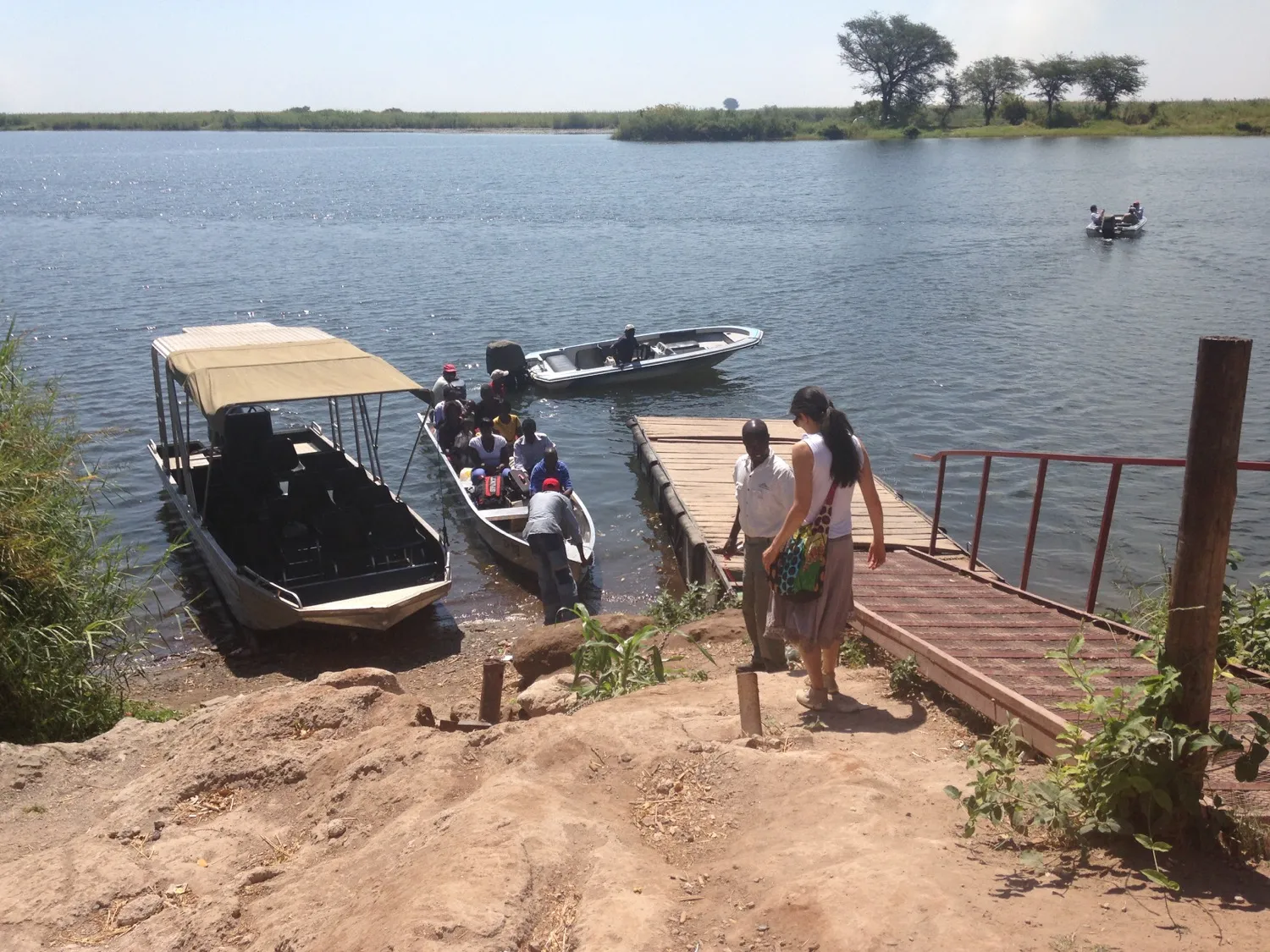
The limitations are real. Aircraft impose luggage restrictions, weather can affect schedules, and each additional inter-camp hop adds to the final bill. Shared scheduled flights are usually more efficient than private charters, but private aircraft may be justified for unusual arrival times, large equipment, or a group requiring complete control.
How Season Changes the Botswana Safari Cost
Season can shift the full Botswana safari bill more than the nightly lodge rate suggests. The peak dry period generally runs from June to October, when wildlife gathers around shrinking water sources and Okavango floodwaters support strong boating and mokoro conditions. Demand rises at the same time, so camps increase rates and internal flights can become a larger part of the total.
For the best time to visit Botswana, match wildlife priorities with your budget rather than choosing dates from a brochure alone. Late September and early October are especially sought after, so prices can vary within the same broad season.
Shoulder periods, particularly April, May, and November, often provide better value while retaining good wildlife conditions. Some seasonal camps close outside their operating window, and afternoon weather can disrupt air transfers. Ask for the complete quote, including accommodation, park and conservation charges, scheduled flights, and any private charter supplements.

Peak dry season
Peak season costs the most because travelers are paying for concentrated wildlife, navigable waterways, and more dependable safari conditions. Premier camps can reach about $9,000 to more than $13,000 per person for seven to eight nights, according to published seasonal pricing guidance.
Book these dates when your schedule is fixed or specific wildlife and water activities justify the premium. Otherwise, you may pay substantially more for the same camp, guides, and activities just because demand is higher.
Shoulder season
Shoulder travel is my preferred compromise. April and May can bring comfortable conditions and strong Delta experiences, while November may combine lower rates with changing terrain. Have the operator confirm which camps are open, whether every planned activity is running, and whether weather-related transfer changes are covered.
Green season
December to March brings heat, rainfall, lush vegetation, and a different style of wildlife viewing. Discounts are often deeper, but wet weather can make roads difficult and some camps may close. Keep the route flexible instead of packing several remote areas into a short trip.
Request identical quotes for peak and shoulder dates. Comparing the complete bills exposes the seasonal uplift far more clearly than a generic high-season surcharge.
Sample Itineraries and Total Trip Budgets
A realistic budget depends on route design. Chobe, Moremi, and the Okavango aren't interchangeable stops, and connecting them can require road transfers, scheduled flights, or private charters. The examples below use the verified 2026 planning ranges supplied for each style and exclude international flights.
| Tier | Duration | Route | Accommodation | Per-Person Total (excl. flights) | Best Season |
|---|---|---|---|---|---|
| Budget | 7 nights | Chobe and Okavango Delta | Mobile camping | $3,450 to $5,200 | Shoulder or green season |
| Mid-range | 9 nights | Victoria Falls, Chobe, and Delta | Lodges and one air transfer | $7,800 to $11,000 | Shoulder season |
| Premium | 10 nights | Linyanti, Khwai, and private concession | Fly-in camps | $16,500 to $26,000 | Peak or shoulder season |
Seven nights on a budget
A seven-night mobile itinerary combining Chobe and the Okavango can begin around $3,450 per person and rise toward $5,200, excluding flights. Expect shared or scheduled arrangements, serviced mobile accommodation at the stronger end of the range, standard game drives, meals, and selected water activities.
The main cost advantage comes from reducing fixed lodge and air-transfer costs. The limitation is that the itinerary must follow the operator's operating pattern, so you won't have the same control over dates, vehicle use, or camp location as a private fly-in traveler.
Nine nights at mid-range
A nine-night route linking Victoria Falls, Chobe, and the Delta can cost approximately $7,800 to $11,000 per person, with one internal light-aircraft transfer included in the planning example. This is a useful format for first-time visitors who want a broad southern African trip without making every sector a private charter.
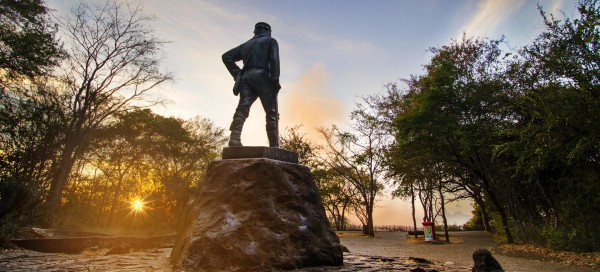
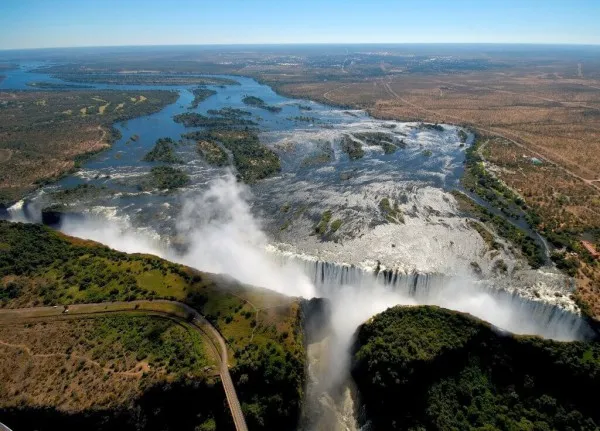
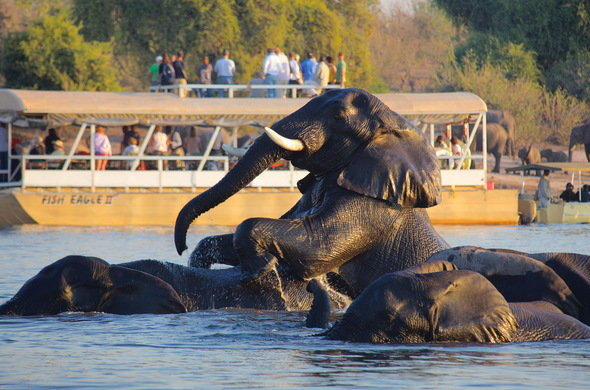
Victoria Falls adds a second destination, while Chobe supplies river and vehicle experiences and the Delta contributes wetland activities. Confirm exactly which nights are in Botswana and whether the Victoria Falls portion includes transfers, accommodation, and activities.
Ten nights at premium level
A ten-night fly-in itinerary covering Linyanti, Khwai, and a private concession can range from $16,500 to $26,000 per person. The price reflects remote camps, two or three charter flights, small groups, premium guiding, and activities such as guided mokoro excursions.
Route efficiency matters most here. Moving between too many camps creates a costly sequence of flights and check-ins. I prefer fewer, longer stays, unless each area offers a distinctly different habitat or activity.
Shoulder departures in May or November can be priced 20 to 30 percent below comparable peak arrangements in the supplied planning data, but the operator must confirm the exact camp calendar and inclusions before you treat that reduction as available.
Smart Ways to Bring the Cost Down
The best savings come from changing the structure of the trip, not from stripping out every enjoyable activity. Botswana is already a premium destination, so the objective is to remove waste while protecting time in the bush.

Use the calendar intelligently
Shoulder-season travel in April, May, or November is the first lever to test. Ask for the same route in peak and shoulder periods, then compare the total rather than just the nightly lodge rate. A lower camp price can be cancelled out by an expensive transfer, so the whole itinerary matters.
Share fixed costs
Traveling with friends or family can make a major difference because the vehicle, guide, and transfer infrastructure may be shared. Groups of four to six are particularly practical for private arrangements, provided everyone agrees on the pace and accommodation standard.
Scheduled small-group departures can also reduce the price when an operator is filling remaining beds. You give up some flexibility, but you may keep the core wildlife route.
Combine formats
A mixed itinerary can be smarter than choosing one format throughout. Use mobile camping for a route through accessible wildlife areas, then finish in a lodge for comfort. Alternatively, use one fly-in camp and ground transfers elsewhere.
A ground-transfer day around Maun or Kasane can replace a second aircraft sector when the road route is sensible. Don't choose this solely for the saving if it removes a full day from the safari.
Avoid unnecessary luxury add-ons
Premium wine lists, private vehicles, and private charters are worthwhile only when you'll use them. Local wines and standard drinks may suit many travelers, while a shared charter can be entirely adequate when flight times work.
Book early enough to secure the camps and dates you want. The provided planning guidance identifies early booking and shoulder-season strategies as common ways to reduce the final price, but the operator must confirm any discount in writing.
Hidden Fees and Booking Pitfalls to Watch For
A cheap quote can become an expensive trip when the operator uses a “fully plus” model. That phrase isn't universal, but it often means the base rate includes accommodation, meals, and standard activities while drinks, laundry, transfers, or selected water experiences remain outside the headline figure.
Solo travelers face the most obvious exposure. A single supplement can push the daily rate sharply higher because the traveler absorbs accommodation, vehicle, and guide costs that two people would normally share. Ask whether the quote is based on one traveler, two sharing, or a fixed group departure.
| Fee Category | Typical Amount | When It Applies |
|---|---|---|
| Single supplement | Quote-specific | Solo travel or single-room use |
| Gratuities | Quote-specific | Guide, camp, kitchen, and transfer staff |
| Drinks and premium wine | Quote-specific | When the package excludes standard or premium beverages |
| Charter fuel or aircraft surcharge | Quote-specific | Private or specially arranged air transfers |
| Park and concession adjustments | Variable | When government or concession fees change before travel |
| Optional activities | Quote-specific | Specialist excursions not included in the base package |
Read the inclusions page, not just the headline
Ask the operator to confirm:
- Transfers: Are airport pickups, inter-camp flights, road transfers, and luggage handling included?
- Activities: Are mokoro trips, boat cruises, walking, and night drives included or optional?
- Drinks: Does “all-inclusive” cover local drinks only, or premium wine and spirits as well?
- Fees: Are park, concession, community, and vehicle charges already paid?
- Tips: Are gratuities excluded, and does the operator provide a suggested system?
I won't attach invented gratuity figures to your budget. Tipping expectations vary by operator and service model, so request the current written guidance before departure and carry it as a separate expense.
Protect the booking
Check the deposit schedule, cancellation terms, and currency conditions before paying. Remote camps often require non-refundable commitments, and air seats may be governed by separate rules from accommodation.
Your invoice should state the exchange-rate basis, child-sharing policy, single supplement, luggage allowance, transfer method, and what happens if weather interrupts a flight. Travel insurance should address cancellation, interruption, medical evacuation, and missed connections, not just baggage loss.
My booking test: If a second traveler can't understand what is included from the final invoice, the quote isn't finished.
Botswana rewards careful planning. Compare complete itineraries, not isolated nightly rates, and challenge any line labelled “on request.” A transparent operator will explain where the money goes before asking for your deposit.
Maximum Adventure Trails can help arrange Botswana-focused safari products across Chobe, Moremi, and the Okavango Delta, including mobile and multi-day options. Visit Maximum Adventure Trails with your dates, traveler count, and target budget, and ask for a fully itemized quote that includes transfers, access fees, activities, and exclusions.