

- 77 Views
- 21 Min Read
- (0) Comment
Planning Your Dream Botswana Safari in 2025?
Choosing the best time to visit Botswana depends on your safari priorities. This guide reveals the seven distinct safari seasons in 2025, detailing the pros and cons of each. Discover the ideal time for wildlife viewing, lush landscapes, or birdwatching, and plan your perfect Botswana adventure. From the dry season to the Okavango Delta flood, we'll help you pinpoint the best time to visit Botswana for an unforgettable experience.
1. Dry Season (May to October)
The dry season in Botswana, from May to October, is widely considered the best time to visit Botswana for wildlife viewing. During these months, the bushveld transforms. Vegetation thins out, water sources dwindle, and animals congregate around permanent water bodies like the Okavango Delta and Chobe River. This natural concentration of wildlife makes them significantly easier to spot, offering exceptional game viewing opportunities. The weather during this period is generally pleasant, with clear, sunny days and cool, dry nights, perfect for safari adventures.
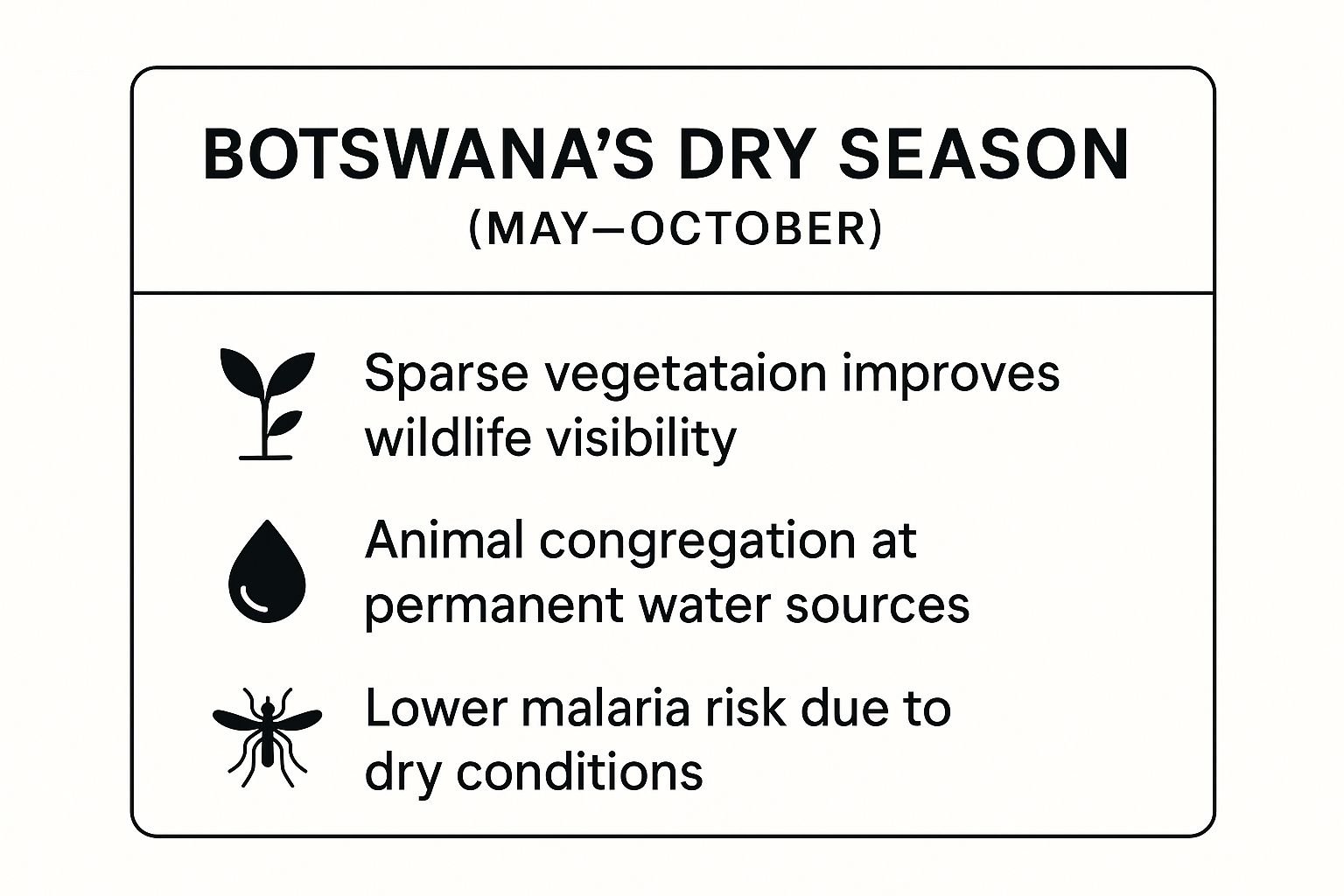
This infographic summarizes the key aspects of visiting Botswana during the dry season, highlighting the optimal wildlife viewing conditions and comfortable weather. It visually reinforces why this period is considered the peak season.
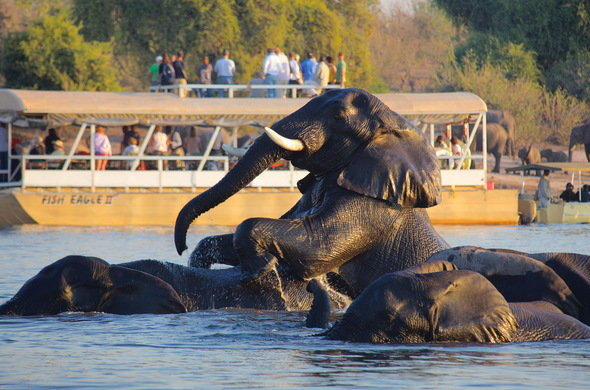
The dry season offers several distinct advantages. Sparse vegetation improves visibility, making it easier to spot elusive animals. The convergence of wildlife around permanent water sources guarantees incredible sightings. Clear skies and minimal rainfall ensure uninterrupted game drives and other outdoor activities. Furthermore, the dry season coincides with the peak flooding season of the Okavango Delta (June-August), creating a unique and breathtaking ecosystem teeming with life. For example, Moremi Game Reserve in July offers spectacular predator sightings as they follow the migrating herds, while Chobe National Park in September provides exceptional elephant viewing as large herds gather along the Chobe River. Learn more about Dry Season (May to October)
However, the popularity of the dry season also comes with certain drawbacks. It is the peak tourist season, resulting in higher prices for accommodations and activities. Popular lodges and camps often book up months in advance, requiring meticulous planning. Some areas, particularly those with heavy elephant traffic, can be dusty. While daytime temperatures are comfortable, nights and early mornings, particularly from June to August, can be very cold.
To make the most of your dry season safari in Botswana, consider the following tips:
- Book accommodations 9-12 months in advance: This will ensure you secure your preferred lodging and avoid disappointment.
- Pack layers for cold mornings and warm days: The temperature fluctuations between day and night can be significant.
- Bring dust protection for cameras and equipment: Protect your valuable gear from the dust, especially in areas with high elephant density.
- Schedule game drives during early morning and late afternoon for best wildlife viewing: Animals are most active during these cooler periods.
Here's a quick reference guide to the key takeaways for visiting Botswana during the dry season:
- Best Time for Wildlife Viewing: May to October
- Weather: Dry, sunny days with cool to cold nights
- Okavango Delta Flooding: June to August
- Booking: Book accommodations well in advance (9-12 months)
- Essential Packing: Layers of clothing, dust protection
The dry season undoubtedly presents the best chance to witness Botswana's abundant wildlife in their natural habitat. While it requires careful planning and preparation, the rewards are well worth the effort. The combination of exceptional game viewing, pleasant weather, and unique landscapes makes the dry season a truly unforgettable time to experience the magic of Botswana.
2. Peak Dry Season (July to October)
For those seeking the quintessential Botswana safari experience, the peak dry season from July to October is arguably the best time to visit Botswana. This period represents the heart of the dry season, and the scarcity of water dictates wildlife behavior in a truly dramatic fashion. Animals are driven to congregate around the few remaining water sources, creating incredible wildlife viewing opportunities. This predictable concentration of wildlife makes game drives exceptionally rewarding and virtually guarantees sightings of a diverse range of species.
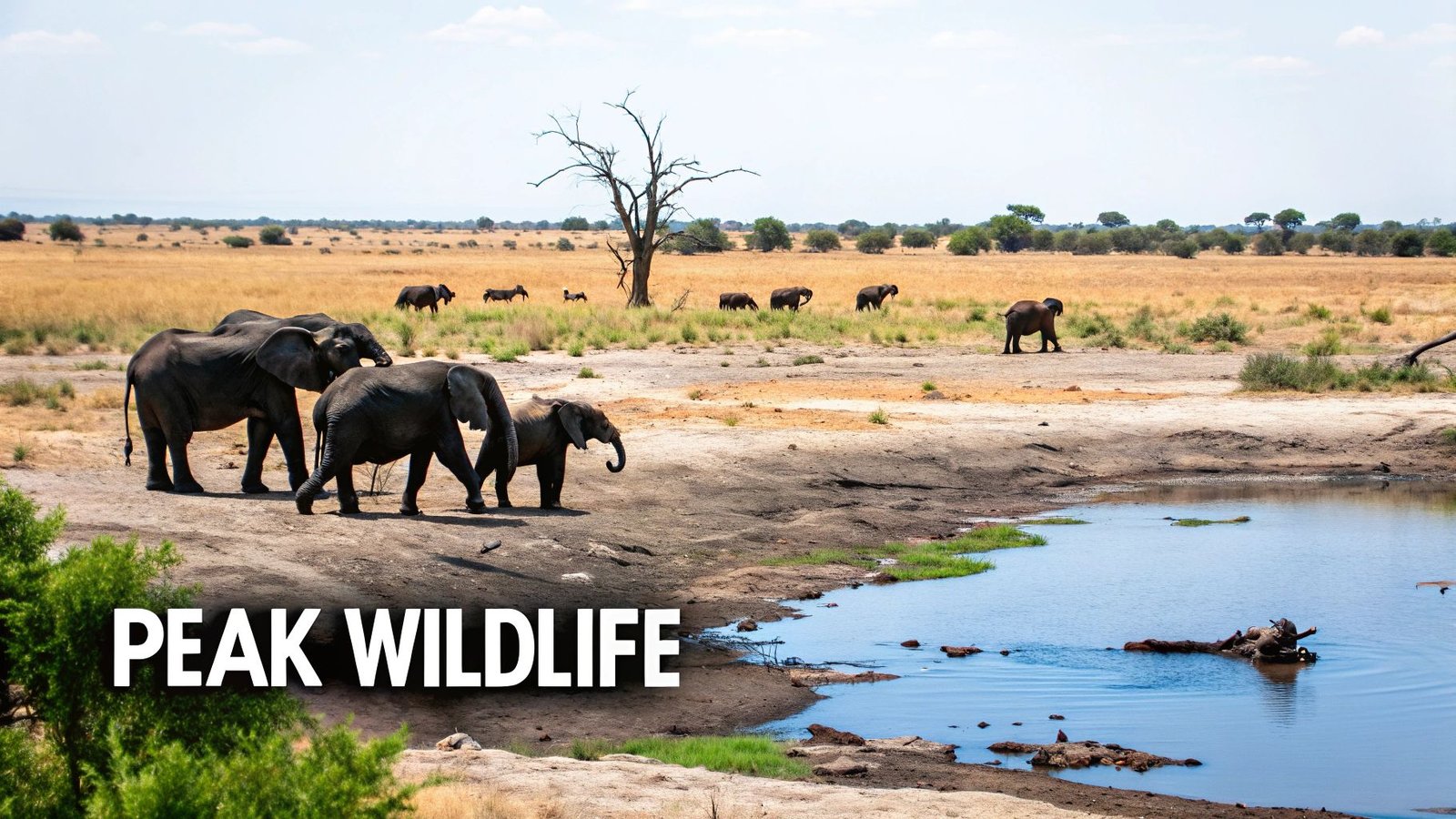
The dry landscape, with its sparse vegetation, also contributes to exceptional visibility. This makes spotting wildlife, especially predators, significantly easier. The cooler nights and warm, dry days make for comfortable game drives and walking safaris. Additionally, July and August see the peak of the Okavango Delta’s annual flood, creating a unique and breathtaking ecosystem teeming with life and offering fantastic opportunities for boat safaris. This combination of factors makes the peak dry season a prime time for wildlife photography and capturing unforgettable moments.
Features:
- Extreme concentration of wildlife around water sources
- Virtually no rainfall
- Moderate to hot days and cool nights
- Excellent visibility through sparse vegetation
- Peak Okavango flooding (July-August)
Pros:
- Optimal wildlife viewing and photography
- Highest chance of witnessing predator action
- Perfect conditions for boat safaris in the Delta
- Comfortable camping conditions with minimal insects
Cons:
- Highest prices of the year
- Most crowded period at popular parks
- Very dry and dusty conditions
- Some water sources may dry up completely
Examples:
Witness incredible predator-prey interactions along the Savuti Channel in August, or marvel at the massive herds of zebra and wildebeest migrating across the Makgadikgadi Pans in September. These are just a few examples of the spectacular wildlife encounters this season offers.
Tips:
- Book accommodations and tours at least one year in advance, especially for premium lodges, due to high demand.
- Consider visiting multiple regions to experience the diversity of Botswana’s ecosystems, from the Okavango Delta to Chobe National Park and beyond.
- Bring a good quality camera with a zoom lens to capture stunning wildlife photos.
- Combine water-based activities like mokoro rides and boat safaris with traditional game drives for a well-rounded safari experience.
The popularity of this season is further cemented by its prominence in numerous nature documentaries. National Geographic documentaries and the BBC’s Planet Earth series have frequently showcased the dramatic wildlife spectacles of Botswana's dry season, further solidifying its reputation as a premier safari destination. Learn more about Peak Dry Season (July to October) This period offers an unparalleled opportunity to witness the best of Botswana's wildlife in their natural habitat, making it a truly exceptional time for a safari adventure.
3. Green Season (November to April)
Botswana's Green Season, coinciding with the wet season from November to April, offers a dramatically different perspective on this captivating country. Summer rains revitalize the landscape, painting it in vibrant shades of green and triggering a flurry of life. This is the time when the bush comes alive, with the birthing season for many animals coinciding with the arrival of migratory birds. For those seeking a unique safari experience, the Green Season provides an alternative to the popular dry season, offering its own distinct advantages. This is arguably one of the best times to visit Botswana if you're looking for a more intimate wildlife encounter.
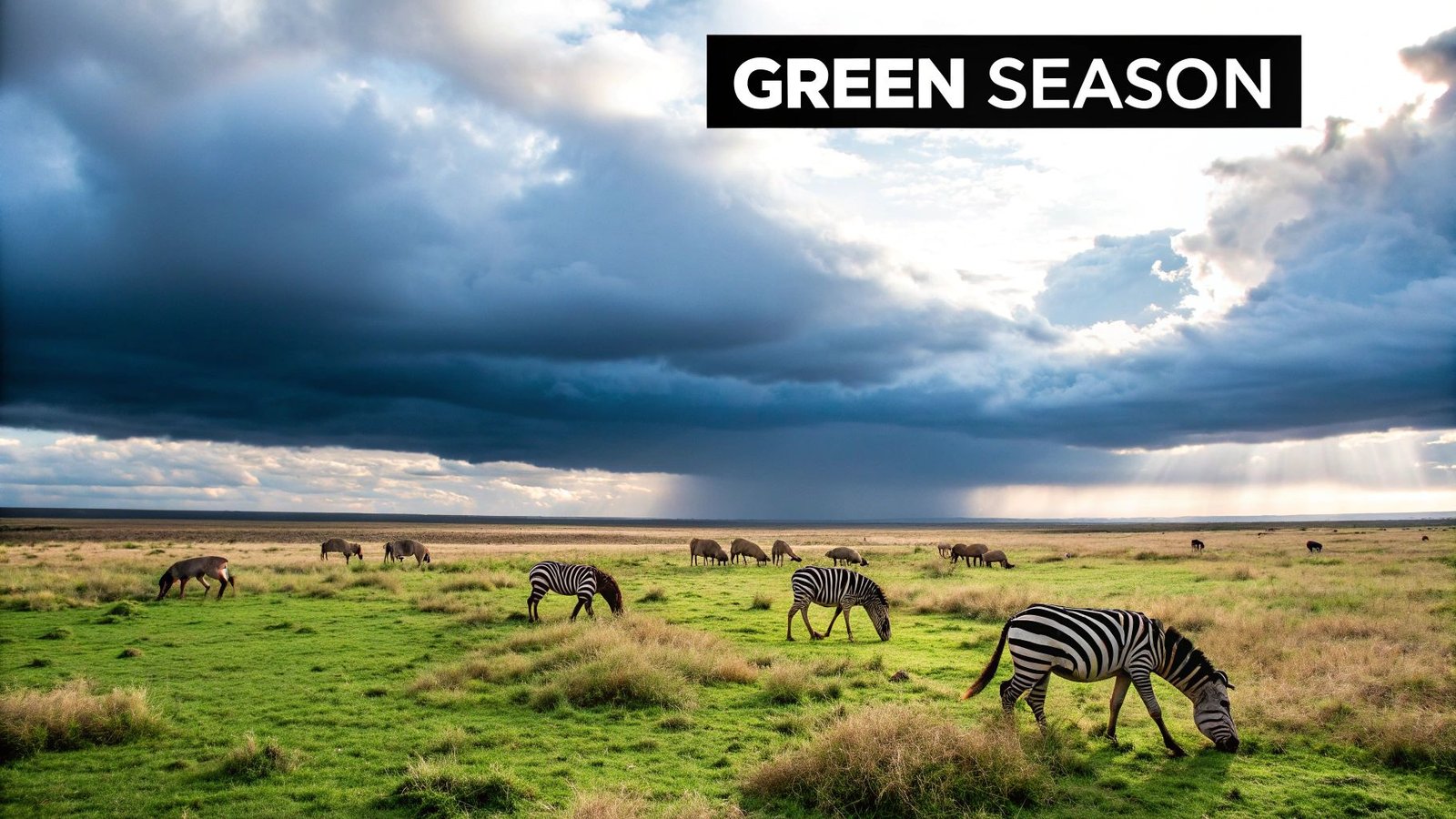
The rains, typically in the form of afternoon thunderstorms, transform the arid landscapes into lush, verdant plains. This abundance of water and vegetation attracts herbivores, creating excellent predator viewing opportunities. The Green Season is a particularly magical time for birdwatchers, with over 450 species, including migratory birds, flocking to Botswana. Witnessing the abundance of newborn animals is another unique highlight of this period.
Features:
- Lush, green landscapes
- Afternoon thunderstorms
- Hot and humid conditions
- Birthing season for many animals
- Migratory birds present
Pros:
- Significantly lower prices (up to 40% less than peak season): This makes the Green Season an attractive option for budget-conscious travellers.
- Fewer tourists and more exclusive experiences: Enjoy a more intimate safari experience with fewer crowds.
- Beautiful photography with dramatic skies: Capture stunning images of the landscape and wildlife against dramatic storm clouds.
- Excellent for bird watching with over 450 species: A paradise for bird enthusiasts.
- Many baby animals visible: Witness the miracle of life in the bush.
Cons:
- Some areas become inaccessible due to flooding: This can limit access to certain regions and camps.
- Wildlife more dispersed and sometimes harder to spot: The dense vegetation can make wildlife sightings more challenging.
- Higher risk of malaria: Precautions such as prophylaxis and insect repellent are essential.
- Heat and humidity can be uncomfortable: Be prepared for warm and humid conditions.
- Some camps close during the heaviest rain months: Check availability in advance.
Examples:
- Central Kalahari Game Reserve in February for the zebra migration
- Nxai Pan in January for large herbivore gatherings
Tips for Visiting during the Green Season:
- Pack lightweight, quick-drying clothes.
- Bring insect repellent and consider malaria prophylaxis.
- Include a good rain jacket and protection for camera equipment.
- Book flexible itineraries as weather may affect accessibility.
The Green Season truly offers a unique perspective on Botswana's beauty. While it may not be for everyone, those seeking a less crowded, more affordable, and incredibly vibrant safari experience will find this period exceptionally rewarding. Learn more about Green Season (November to April) and determine if this is the best time to visit Botswana for you.
4. Shoulder Season (April to May)
For those seeking the sweet spot between optimal wildlife viewing and manageable crowds, Botswana's shoulder season (April to May) presents a compelling option. This transitional period between the wet and dry seasons offers a unique blend of vibrant landscapes, comfortable temperatures, and emerging wildlife viewing opportunities, making it one of the best times to visit Botswana. Learn more about Shoulder Season (April to May)
During this time, the heavy rains of the green season begin to subside, leaving behind lush, green landscapes that are gradually drying out. This creates stunning photo opportunities, combining the vibrancy of the vegetation with clearer skies and improving visibility. The decreasing water levels also begin to concentrate wildlife around remaining water sources, making them easier to spot. While not as concentrated as in the peak dry season (June to October), wildlife viewing is excellent during this period, and you'll enjoy it with significantly fewer crowds.
Features of the Shoulder Season:
- Gradually drying landscapes
- Clear, stable weather patterns
- Moderate temperatures
- Decreasing water levels
- Good wildlife viewing beginning
Pros:
- Better value than peak season: Reduced rates on accommodations and activities make shoulder season an attractive option for budget-conscious travelers.
- Good wildlife viewing without peak crowds: Enjoy excellent game viewing without the intense competition for prime viewing spots.
- Pleasant weather conditions: Moderate temperatures provide comfortable game drives and other outdoor activities.
- Photogenic landscapes: The combination of greenery and good visibility creates stunning photographic opportunities.
- Easier booking availability: Securing your preferred accommodations and activities is generally easier during shoulder season.
Cons:
- Some roads may still be difficult to navigate after rains: While conditions are improving, some roads may still be challenging, especially in more remote areas. 4×4 vehicles are highly recommended.
- Wildlife not as concentrated as deep dry season: While wildlife is becoming easier to spot, it's not as densely concentrated as during the peak dry season months.
- Some lodges still operating on green season schedules: Be sure to check with your chosen lodge regarding their operating hours and activity schedules, as some may still be on their green season timetable.
Examples of Shoulder Season Success:
- Khwai Concession in May: This area is known for excellent predator sightings during May, as the decreasing water levels force animals to congregate around the Khwai River.
- Moremi Game Reserve in April: Moremi offers fantastic all-around game viewing in April, with opportunities to see a wide variety of species against a backdrop of lush vegetation.
Tips for Visiting Botswana in Shoulder Season:
- Combine water and land activities: Take advantage of the remaining water and enjoy mokoro rides or boat safaris alongside traditional game drives for a comprehensive wildlife experience.
- Book mid-range accommodations for best value: Shoulder season often presents excellent deals on mid-range lodges and camps, offering a balance of comfort and affordability.
- Consider visiting multiple regions: With easier booking availability, consider exploring different regions of Botswana to maximize your wildlife viewing opportunities.
- Take advantage of shoulder season specials: Many lodges and tour operators offer special discounts and packages during shoulder season, so be sure to inquire about any available deals.
The shoulder season offers a compelling alternative to the peak dry season, allowing travelers to experience the magic of Botswana with fewer crowds and at a more attractive price point. If you're looking for a balance of excellent wildlife viewing, beautiful scenery, and comfortable weather, April and May might be the best time to visit Botswana for you.
5. Shoulder Season (November)
November in Botswana represents the shoulder season, a transitional period bridging the dry and wet seasons, and offering a unique and often overlooked window for the best time to visit Botswana. This month provides a compelling blend of both seasons, creating a dynamic safari experience distinct from the peak dry months. As the first rains begin to fall, the parched landscape starts its dramatic transformation, painting the bush in vibrant greens. This period offers an intriguing alternative for those seeking a different perspective of Botswana's wildlife and landscapes.
The shift from dry to wet conditions influences wildlife behaviour in fascinating ways. While animals begin to disperse slightly with the arrival of water across a wider area, they still congregate around permanent water sources, providing excellent game viewing opportunities. This is also the time when migratory birds start arriving, adding to the already rich biodiversity. The beginning of the wet season also sees the birth of many animal species, adding a touch of heartwarming magic to your safari experience.
Features of a November Safari:
- Beginning of summer rains: Expect short, intense afternoon downpours, often followed by stunning sunsets.
- Dramatic cloud formations: The build-up to the rains creates breathtaking cloud formations, offering dramatic photographic backdrops.
- Rising temperatures: Daytime temperatures increase, but the humidity remains lower than in the peak wet season.
- First green shoots appearing: Witness the landscape transform from brown to vibrant green as new life emerges.
- Mixture of dry and wet season wildlife patterns: Observe a combination of dry season concentrations around water sources and the beginning of wet season dispersal.
Pros:
- Lower prices than peak season: November falls outside the peak tourist season, meaning more affordable accommodation and tour rates.
- Dramatic photography opportunities: The dramatic skies and rejuvenated landscapes provide exceptional photo opportunities.
- First baby animals being born: Witness the miracle of new life with adorable baby animals emerging.
- Good predator sightings: Predators remain active, taking advantage of vulnerable young animals.
- Fewer tourists: Enjoy a more intimate and less crowded safari experience.
Cons:
- Unpredictable weather patterns: Be prepared for both hot, sunny days and sudden downpours.
- Can be extremely hot: Daytime temperatures can soar, so be prepared for the heat.
- Increasing humidity: While not as high as peak wet season, humidity levels start to climb.
- Some animals beginning to disperse: As water becomes more readily available, some animals will begin to disperse into wider territories.
Examples of Ideal November Destinations:
- Linyanti wetlands: Witness large herds of elephants congregating around the remaining water sources.
- Okavango Delta: Experience a unique blend of water and land activities as the delta begins to fill.
Tips for a November Safari:
- Be prepared for both hot dry days and sudden rainfall: Pack lightweight, breathable clothing, a waterproof jacket, and sturdy walking shoes.
- Book accommodations with swimming pools for afternoon heat: A refreshing dip in the pool is the perfect way to cool off after a hot day on safari.
- Pack versatile clothing for changing conditions: Layers are key, allowing you to adapt to fluctuating temperatures and weather conditions.
- Keep flexible daily schedules as afternoon storms may interrupt activities: Be prepared to adjust your plans if rain disrupts your scheduled game drives or other activities.
Choosing November for your Botswana safari offers a distinctive experience, blending the best of both the dry and wet seasons. If you're seeking a unique safari adventure with fewer crowds, stunning photographic opportunities, and the chance to witness the landscape's dramatic transformation, then November might be the best time to visit Botswana for you.
6. Okavango Delta Flood Season (June to August)
For those seeking a truly unique safari experience, the Okavango Delta flood season between June and August offers an unparalleled adventure. This is arguably the best time to visit Botswana if you're drawn to the magic of water-based wildlife encounters. The annual flooding, a phenomenon driven by rains falling thousands of miles away in the Angolan highlands months earlier, transforms the Kalahari Desert into a breathtaking wetland paradise. These waters peak between June and August, offering a spectacle of nature unlike any other and presenting a unique opportunity to experience the best time to visit Botswana for a water safari.
How does this natural wonder work? The floodwaters, arriving months after the rains in Angola, breathe life into the Delta, creating a network of navigable channels and lagoons. This dramatic landscape transformation turns islands into natural wildlife refuges, concentrating animals and creating exceptional game viewing opportunities. The flood also attracts an abundance of birdlife, making it a birder's paradise.
Features of the Flood Season:
- Maximum water levels in Delta channels: This opens up opportunities for unique mokoro (traditional dugout canoe) excursions and boat safaris.
- Dramatic landscape transformation: Witness the desert transform into a lush wetland.
- Perfect conditions for water activities: Enjoy mokoro rides, boating, and fishing.
- Islands forming natural wildlife refuges: Observe wildlife concentrated on islands, offering fantastic photographic opportunities.
- Moderate temperatures: Escape the intense heat of the dry season.
Pros:
- Unique water safari experiences: Explore the Delta in a traditional mokoro, gliding silently through the waterways.
- Spectacular scenery and reflections: Capture stunning photographs of the flooded landscape and its reflections.
- Excellent bird watching: Observe a diverse range of waterbirds drawn to the flooded Delta.
- Unique perspective of wildlife from water level: Encounter animals from a different vantage point.
- Iconic Delta experience at its best: Witness the Okavango Delta in its most vibrant and life-filled state.
Cons:
- Some areas become inaccessible by vehicle: 4×4 game drives might be limited in certain areas.
- Premium pricing during this period: High demand results in higher prices for accommodation and activities.
- Advanced booking essential: Book well in advance to secure your preferred accommodation and activities.
- Limited walking safaris in flooded areas: Walking safaris may be restricted due to high water levels.
Examples of prime locations during flood season:
- Moremi's Third Bridge area: Known for its spectacular network of waterways, perfect for mokoro rides.
- Jao Concession: A premier destination for high-end water-based activities and luxury accommodations.
Tips for visiting during the flood season:
- Book water-focused camps in the heart of the Delta: This will maximize your water-based safari experience.
- Combine with dry parks like Chobe for a comprehensive experience: This offers a varied safari experience, including both land and water-based activities.
- Pack waterproof bags for mokoro excursions: Keep your belongings safe and dry during your mokoro adventures.
- Choose lodges with both water and land activity options: This provides flexibility in case water levels restrict certain activities.
The Okavango Delta flood season is a truly special time to visit Botswana. It offers a unique perspective on this incredible ecosystem and an unforgettable safari experience. Popularized by documentaries such as those by National Geographic and features in luxury travel publications showcasing iconic water camps like Eagle Island Lodge, the flooded Delta holds a powerful allure. Learn more about Okavango Delta Flood Season (June to August) to further plan your trip and determine if experiencing the best time to visit Botswana aligns with your safari vision.
7. Green Season (November to March/April)
The Green Season, spanning from November to March/April, offers a unique perspective on Botswana's beauty and is an excellent time to visit for budget-conscious travellers and those seeking a different kind of safari experience. While often overlooked in favour of the dry season, the Green Season boasts its own distinct advantages, making it a viable option for the best time to visit Botswana.
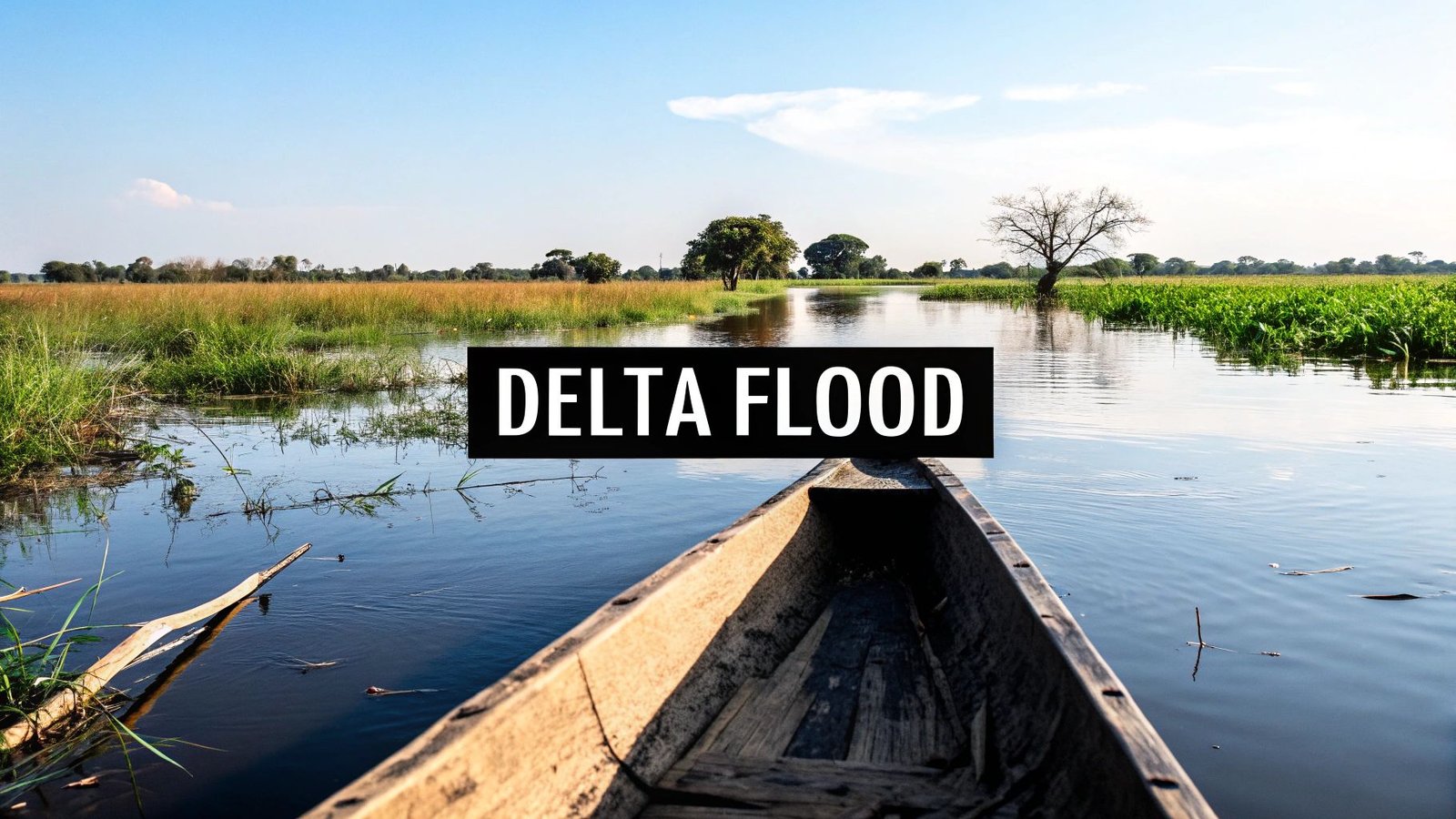
This period is characterized by lush vegetation, vibrant landscapes, and dramatic thunderstorms that rejuvenate the parched land. The arrival of migratory birds adds another layer of fascination to the already rich biodiversity. Newborn animals are also more prevalent during this time, offering incredible photographic opportunities. The landscape transforms into a verdant paradise, a stark contrast to the dry, dusty scenes of the peak season.
Advantages of Visiting During the Green Season:
- Lower prices: Accommodation and safari rates are often significantly lower during the Green Season, making it a more affordable option for travellers. This makes luxury lodges and experiences accessible to a wider range of budgets.
- Fewer crowds: With fewer tourists, you can enjoy a more intimate and private safari experience, allowing for closer encounters with wildlife without the distractions of large groups.
- Excellent birdwatching: The Green Season coincides with the arrival of migratory birds, making it a birdwatcher's paradise. You can spot a vast array of species, adding a unique dimension to your safari.
- Lush landscapes: The rains transform the dry landscape into a vibrant green oasis, offering breathtaking scenery and fantastic photographic opportunities.
- Newborn animals: Many animals give birth during the Green Season, offering the chance to witness adorable newborns and their mothers in their natural habitat.
Disadvantages of Visiting During the Green Season:
- Rain: While the rain revitalizes the landscape, it can also disrupt safari activities. Be prepared for potential delays or cancellations due to heavy downpours.
- Higher humidity: The increased humidity can be uncomfortable for some travellers.
- Difficult game viewing in some areas: The thick vegetation can sometimes make it harder to spot wildlife, although experienced guides will know the best places to look.
Tips for Visiting During the Green Season:
- Pack lightweight, quick-drying clothing and rain gear.
- Bring insect repellent, as mosquitoes can be more prevalent during this time.
- Consider visiting the northern regions of Botswana, such as Chobe and the Linyanti, where game viewing tends to be better during the Green Season.
- Book your accommodation and safari activities in advance, especially if travelling during the shoulder seasons (November and April).
The Green Season offers a unique and rewarding safari experience. If you're seeking a more affordable safari, enjoy birdwatching, and are prepared for the possibility of rain, then the Green Season might be the best time to visit Botswana for you. It provides a different perspective on the country's beauty, showcasing the power of nature's renewal and offering a more intimate connection with the wilderness.
7 Best Times to Visit Botswana Comparison
| Time Period | Implementation Complexity 🔄 | Resource Requirements 💡 | Expected Outcomes 📊 | Ideal Use Cases ⭐ | Key Advantages ⚡ |
|---|---|---|---|---|---|
| Dry Season (May to October) | Moderate: Book 9-12 months ahead | High: Popular lodges, layered clothing | Excellent wildlife visibility, lower malaria risk | Wildlife photography, first-time safaris, luxury experiences | Comfortable weather, peak Okavango Delta flood, easier roads |
| Peak Dry Season (July to Oct) | High: Requires early booking | Very high: Premium lodges, camera gear | Optimal predator sightings, minimal insects | Wildlife photography, predator action, boat safaris | Most reliable viewing, perfect Delta boat safaris |
| Green Season (Nov to Apr) | Moderate: Flexible itineraries advised | Moderate: Lightweight clothes, insect repellent | Lush landscapes, abundant birds, baby animals | Budget travel, birdwatching, dramatic landscape photography | Lower prices, fewer tourists, unique seasonal wildlife |
| Shoulder Season (Apr to May) | Low to moderate: Easier bookings | Moderate: Mid-range accommodations | Good wildlife viewing, photogenic mixed landscapes | Value travelers, balanced wildlife and crowd levels | Better value, pleasant weather, less crowded |
| Shoulder Season (November) | Moderate: Flexible scheduling needed | Moderate: Versatile clothing, insect repellent | Transitional wildlife and landscape experience | Adventurous travelers, bird photography, budget safaris | Lower prices, fewer tourists, unique transitional conditions |
| Okavango Delta Flood (Jun-Aug) | High: Advanced booking essential | High: Water-based gear, waterproof bags | Unique water safaris, spectacular scenery | Water activity enthusiasts, Delta photographers, unique safaris | Iconic Delta experience, excellent birding, water access |
Ready to Explore the Wonders of Botswana?
Deciding on the best time to visit Botswana truly depends on your priorities. From the dry season (May to October) with its superb game viewing opportunities, to the green season (November to April) offering lush landscapes and affordable prices, each period has its unique charm. For prime wildlife sightings, the peak dry season (July to October) is ideal, while the shoulder seasons (April-May & November) provide a balance of pleasant weather and fewer crowds. Understanding the Okavango Delta flood season (June to August) is also crucial, as it transforms the landscape and creates incredible boating and mokoro experiences. Mastering these seasonal nuances allows you to tailor your trip to Botswana to perfectly match your interests, whether it's spotting elusive predators, witnessing the vibrant birdlife, or experiencing the magic of the flooded delta. This knowledge will empower you to create an unforgettable safari adventure.
Planning your dream trip to Botswana? Maximum Adventure Trails specializes in crafting bespoke Botswana safaris, ensuring you experience the best time to visit based on your travel style. Visit Maximum Adventure Trails to browse itineraries, book accommodations and activities, and begin planning your unforgettable 2025 Botswana adventure today!