

- 103 Views
- 17 Min Read
- (0) Comment
You're probably staring at three tabs right now, one for safari lodges, one for flights, and one for a map that makes everything look closer than it really is. That's how many travelers start, and that's exactly how they end up overpaying, under-planning, and squeezing too much into too few nights. A good Africa safari guide doesn't begin with a destination, it begins with the trip you want to take.
The safari market itself is not small, and that matters because demand shapes pricing, availability, and how quickly the good rooms disappear. One industry report pegs the Africa safari tourism market at USD 16.90 billion in 2023 and projects it at USD 25.17 billion by 2030, with a 6.2% CAGR from 2024 to 2030, and says it is expected to reach USD 17.60 billion in 2024 (Go2Africa state of safari travel 2025). In plain terms, this is a premium travel sector, not a casual add-on.
Table of Contents
- Why Most Safari Plans Go Wrong
- Choosing Your Safari Destination Beyond the Usual Suspects
- Timing Your Safari for Maximum Wildlife Viewing
- What Wildlife You Will Actually See on Safari
- Building a Multi-Park Itinerary That Works
- Accommodation Types and What They Actually Offer
- Packing and Safety Essentials for Safari Travel
- Understanding Safari Costs and How to Book
Why Most Safari Plans Go Wrong
The mistake I see constantly is simple. Travelers pick a country because they've seen the name before, then try to force their budget, dates, and comfort level around it. That works only when the destination already matches the trip you had in mind, and most of the time it doesn't.
Start with the experience, not the map
A couple comes to me wanting “the best safari,” then reveals they want fewer crowds, a private vehicle, and no long transfer days. That is not a marketing problem. That is a planning problem. If they start with South Africa because it's the most familiar option, they may get excellent infrastructure and easy routing, but they may also miss the quieter, more remote feel they wanted.
The same thing happens with timing. A traveler books around school holidays or a fixed work break, then discovers that the season is wrong for the type of viewing they expected. The result isn't a bad safari, it's a mismatched safari. That's a much more expensive mistake because the trip still looks “good” on paper.
Practical rule: decide your priority order first, wildlife quality, crowd levels, comfort, budget, and logistics, then choose the destination that fits that order.
The hidden cost is usually time
Safari planning goes wrong when people underestimate transfer days. A park that looks close on a screenshot may involve a border crossing, a charter flight, or a road transfer that eats half a day. Once fatigue enters the picture, game drives feel shorter, meals feel rushed, and even a beautiful lodge starts to feel like a checkpoint.
The historical shape of safari travel explains why this still happens. The safari concept emerged in the late 19th and early 20th centuries during European imperial expansion, and wildlife safaris remained a significant tourism element through the second half of the twentieth century (Grand View Research safari tourism market report). Modern safari planning should be the opposite of that old expedition mindset. It needs structure, not improvisation.
The right plan starts with a hard conversation about what you want to see, how much movement you can tolerate, and what you're willing to spend to avoid friction. Skip that, and you'll end up booking the wrong season, the wrong park, or the wrong pace. Get it right, and the destination choices become much easier.
Choosing Your Safari Destination Beyond the Usual Suspects
South Africa, Kenya, and Tanzania dominate safari conversations for a reason. They're famous, well-marketed, and easier to visualize than places that get less attention. But if you stop there, you'll miss some of the strongest options for travelers who care about crowd levels, guiding style, and value.
Compare the destination, not the brochure
South Africa is often the easiest entry point because it's built for tourism and has strong infrastructure. Kenya remains a classic choice, and if you want a structured overview of the country, Kenya with HeyLocals is useful context before you start comparing lodges and routes. Tanzania has enormous appeal for classic wildlife circuits, but it can also pull you into more expensive or more crowded itineraries than you expected if you don't plan carefully.
Botswana is different. It usually makes sense for travelers who want a more exclusive feel, especially in the Okavango Delta, Moremi, and Chobe. Zimbabwe deserves more attention too, especially Hwange, where the experience can feel more grounded and less commercial than the big-name marketing suggests. Malawi and Madagascar are still underused in many safari plans, even though recent coverage notes growth in those destinations alongside the more traditional names (ATTA summary of Go2Africa's 2025 report).
My blunt take: if you want easier logistics and broad choice, start with South Africa. If you want a more wilderness-heavy feel and fewer vehicles, look harder at Botswana and Zimbabwe.
Safari Destination Comparison
| Destination | Crowd Level | Best For | Access Difficulty | Value Rating |
|---|---|---|---|---|
| South Africa | Moderate to high in well-known parks, lower in private reserves | First-time travelers, easy routing, mixed itineraries | Lower | Strong |
| Kenya | Moderate to high in major areas, depends on season | Big wildlife names, classic East Africa experience | Moderate | Strong to moderate |
| Tanzania | Moderate to high in marquee areas | Large-scale wildlife circuits, long-stay safaris | Moderate | Moderate |
| Botswana | Lower than the big mainstream names | Exclusive feel, water-based and private-feeling safari | Higher | Good if you value space |
| Zimbabwe | Lower to moderate | Strong guiding, fewer crowds, serious safari travelers | Moderate | Good |
| Malawi | Lower | Travelers open to alternatives and lower-traffic planning | Moderate | Often strong |
| Madagascar | Lower | Travelers seeking something less conventional | Higher | Variable |
For practical safari planning, many travelers get lazy. They pick the place they've heard of most, then wonder why every room is expensive or every game drive feels busy. A better question is, “Which destination fits my tolerance for crowds, transfer time, and price pressure?”
That's also why destination choice should be tied to your actual interests. Big cat photography, birding, walking safaris, and river-based viewing do not all live in the same place in the same way. If your priority is value, don't confuse value with cheap. Value means paying for the right experience, not just the lowest number.
Timing Your Safari for Maximum Wildlife Viewing
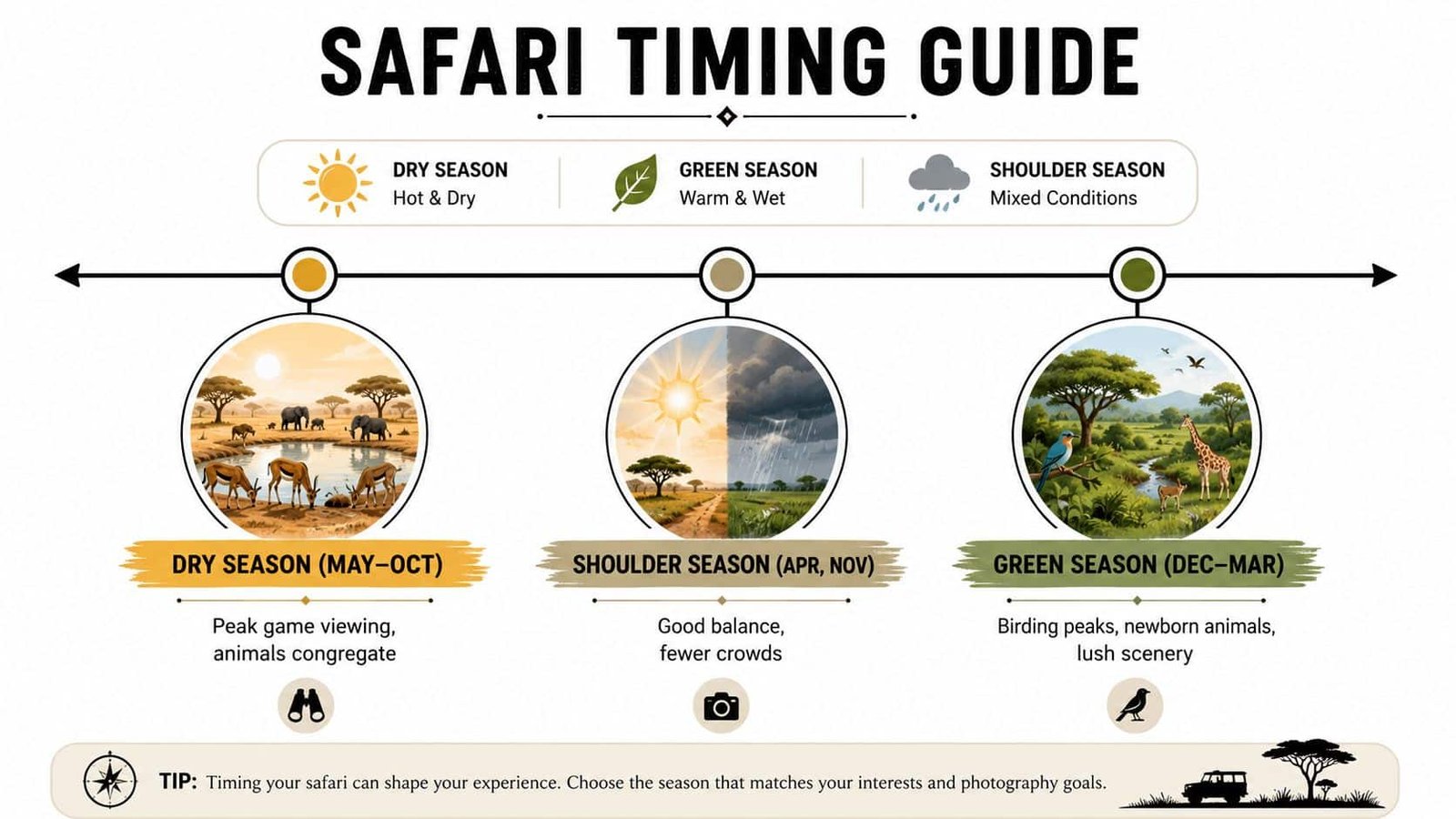
Safari timing is not a detail. It's the difference between seeing animals concentrated around water and driving past thick vegetation hoping something moves. The dry season usually gives you the easiest viewing, while the green season changes the experience into something softer, richer, and better for birds and newborn animals.
Match the season to the kind of safari you want
In Southern Africa, the dry season, typically May to October, pulls wildlife toward predictable water sources. That makes game drives easier to read, especially for first-timers who want steady action and clearer visibility. The green season, typically December to March, brings thicker vegetation, dramatic scenery, and stronger birding, but it also asks more patience from the traveler.
The shoulder months, April and November, often give you the most forgiving compromise. You get decent viewing, less pressure on availability, and a better balance between lush scenery and easier sightings. If your schedule is flexible, those months deserve serious consideration.
Think destination by destination, not just by calendar
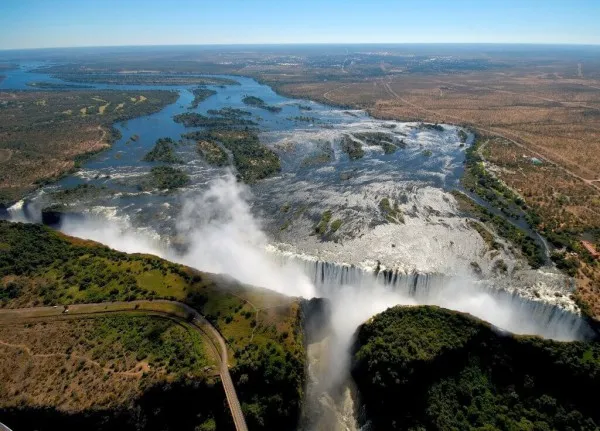
Victoria Falls changes character with water levels, so you need to think about what you want from the combined trip, not just from the falls alone. Hwange can reward a dry-season visit when animals concentrate more tightly. Chobe works well for river-based game viewing, which makes timing and the style of outing just as important as the destination itself.
The Okavango Delta is a different beast because flood cycles affect the experience. If you want to plan that properly, don't guess. Use a destination-specific planning resource like this Botswana timing guide and then match it to the parks you're booking.
The best safari month is the one that fits your real goal, not the one that sounds romantic on Instagram.
If you want fewer tourists, shoulder and green seasons can deliver. If you want the cleanest viewing conditions, dry season usually wins. I'd rather send someone for the right experience in the “less glamorous” month than force them into peak season just because it sounds impressive.
What Wildlife You Will Actually See on Safari
Safari marketing loves the Big Five. Real safari days are less polished than that, and much better when you understand what you're looking at. The most memorable sightings are rarely just a checklist of species, they're patterns of behavior, timing, and guide skill.
High-density parks still need patience
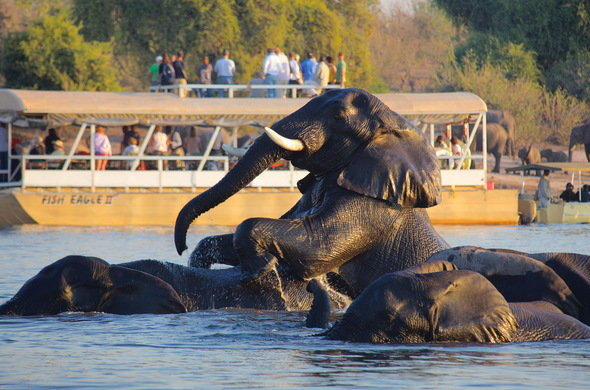
Places like Hwange and Chobe are known for strong elephant viewing, but that doesn't mean every drive is a parade of animals. Some days are explosive, some are quiet, and some are better because the guide reads the terrain well enough to find the action before everyone else does. Moremi and the wider Okavango area often reward patience with predator-rich sightings, but they still depend on the time of day, the water situation, and animal movement.
Early mornings and late afternoons matter because that's when many species are active. Midday is often a waiting game. Travelers who understand this stop blaming the guide for normal wildlife behavior and start using the day more intelligently.
Guide quality changes what you see and how safely you see it
Professional safari field guides in South Africa are described as needing environmental interpretation, animal behaviour knowledge, guest management, navigation, emergency preparedness, risk assessment, and ethical guiding practices (Tourism Update on safe guiding). That list tells you everything. A guide is not just there to point at animals. A guide controls vehicle position, stopping distance, and guest behaviour around wildlife.
If you want the strongest experience, ask the operator how they handle tracking, sighting etiquette, and vehicle positioning. Also ask whether guides are trained to explain behavior, not just identify species. The difference shows up in the quality of the encounter.
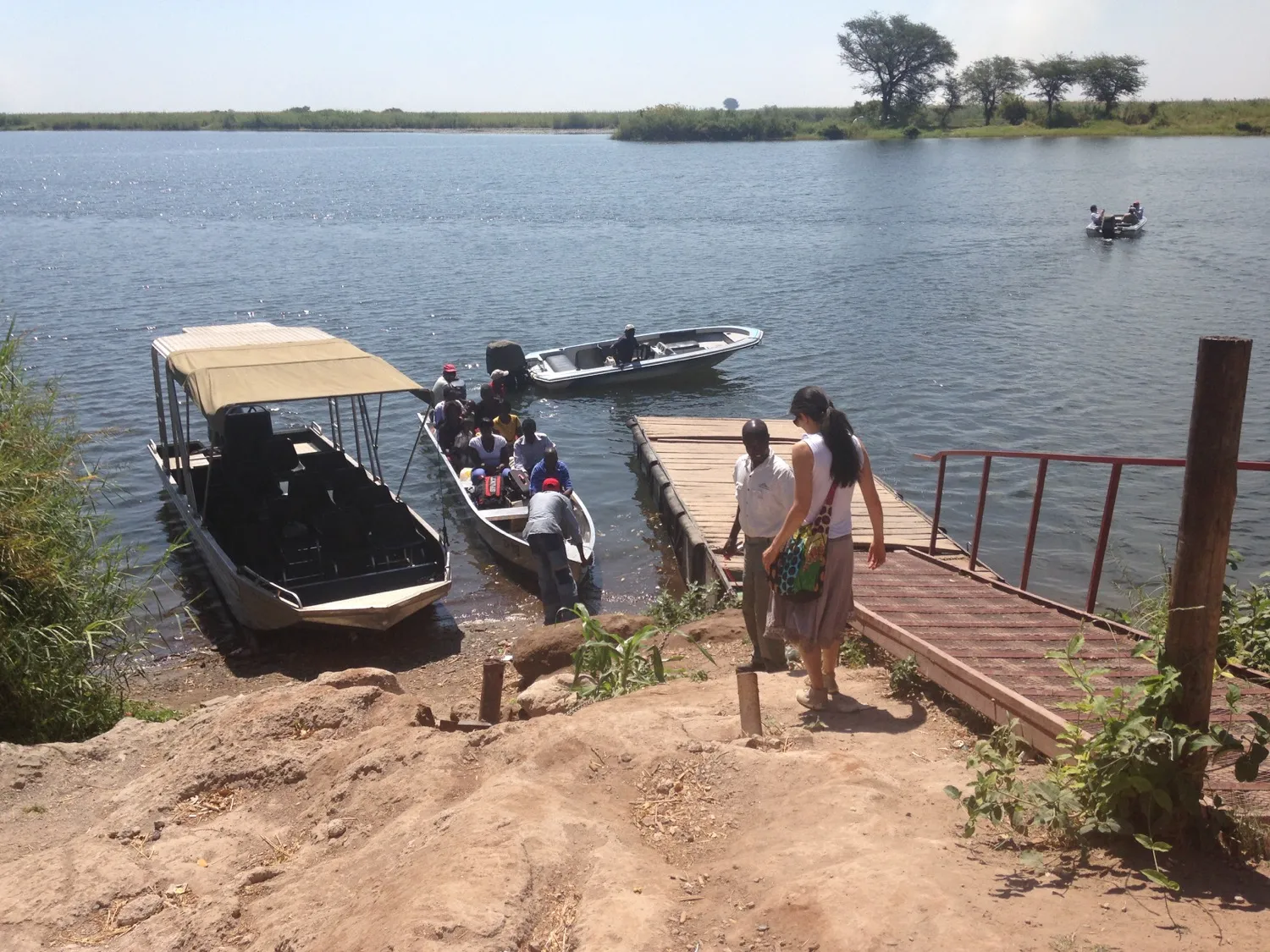
For travelers who want a Chobe-focused option, this Chobe safari overview gives a practical sense of how river and land viewing differ in one of the region's most sought-after wildlife areas.
A sighting becomes memorable when someone explains why the lions are resting, why the elephants crossed, or why the birds suddenly went quiet. That's the true payoff. You stop chasing a species list and start understanding the ecosystem.
Building a Multi-Park Itinerary That Works
Most bad safari itineraries try to do too much. One park looks amazing, another looks close, and suddenly the plan includes a border crossing, two flights, and four relocations in a week. That's not ambitious. It's sloppy.
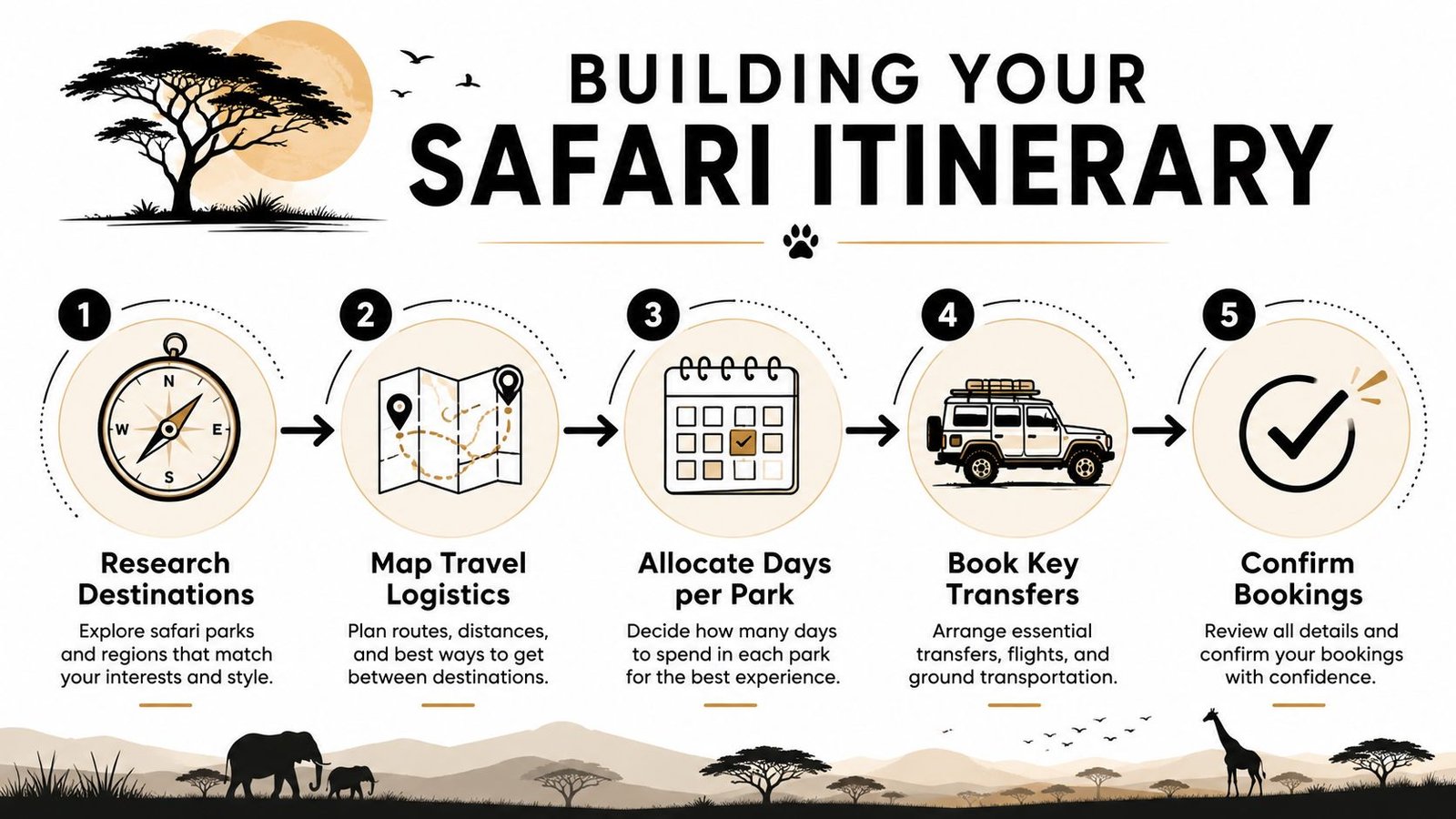
Build the route around transit, not temptation
Victoria Falls is a natural anchor point for many Southern Africa trips because it works well as either a start or finish. From there, Hwange, Chobe, and the Okavango Delta can be sequenced sensibly if you respect the geography instead of forcing a fantasy route. The question is not whether you can combine them. The question is whether you can combine them without turning the trip into a transfer marathon.
Use a planning document with the same discipline you'd use for an executive trip. An executive travel itinerary template is a good reminder that timing, handoffs, and confirmed transfers matter just as much on safari as they do in business travel. Safari is not just a list of places, it's a movement plan.
Keep the number of nights realistic
Three nights per stop is often the minimum that feels comfortable for a first proper safari, because one night gets swallowed by arrival and another by departure. Shorter than that, and you'll spend too much of your time repacking. Longer stays make sense when a camp is exceptional or the area itself is the point.
Here's the way I think about common trip lengths.
- 7-day trip: Pick two safari areas at most, then keep Victoria Falls or a city stop as the buffer.
- 10-day trip: Add a third area only if transfers are efficient and the route is clean.
- 14-day trip: You can combine multiple parks with a beach or cultural extension, but only if the schedule still leaves real game-drive time.
Do not add a destination just because it sounds efficient on a map. Add it only if the route, flight pattern, and night count still protect the experience.
If you want a ready-made multi-country style option, this 12-day safari adventure shows the kind of pacing that can work when the route is built properly. That kind of structure is what keeps the trip feeling immersive instead of exhausting.
The rule is simple. Fewer moves, better safari. The more ambitious the itinerary, the more important it is to control fatigue, flight connections, and the order of parks.
Accommodation Types and What They Actually Offer
Safari accommodation is where glossy brochures do the most damage. A “luxury camp” might be brilliant, or it might just mean a nice-looking tent far from the wildlife action. A “budget lodge” might be fine, but if it sits outside the park gates, you could lose the best hours of the day to road time.
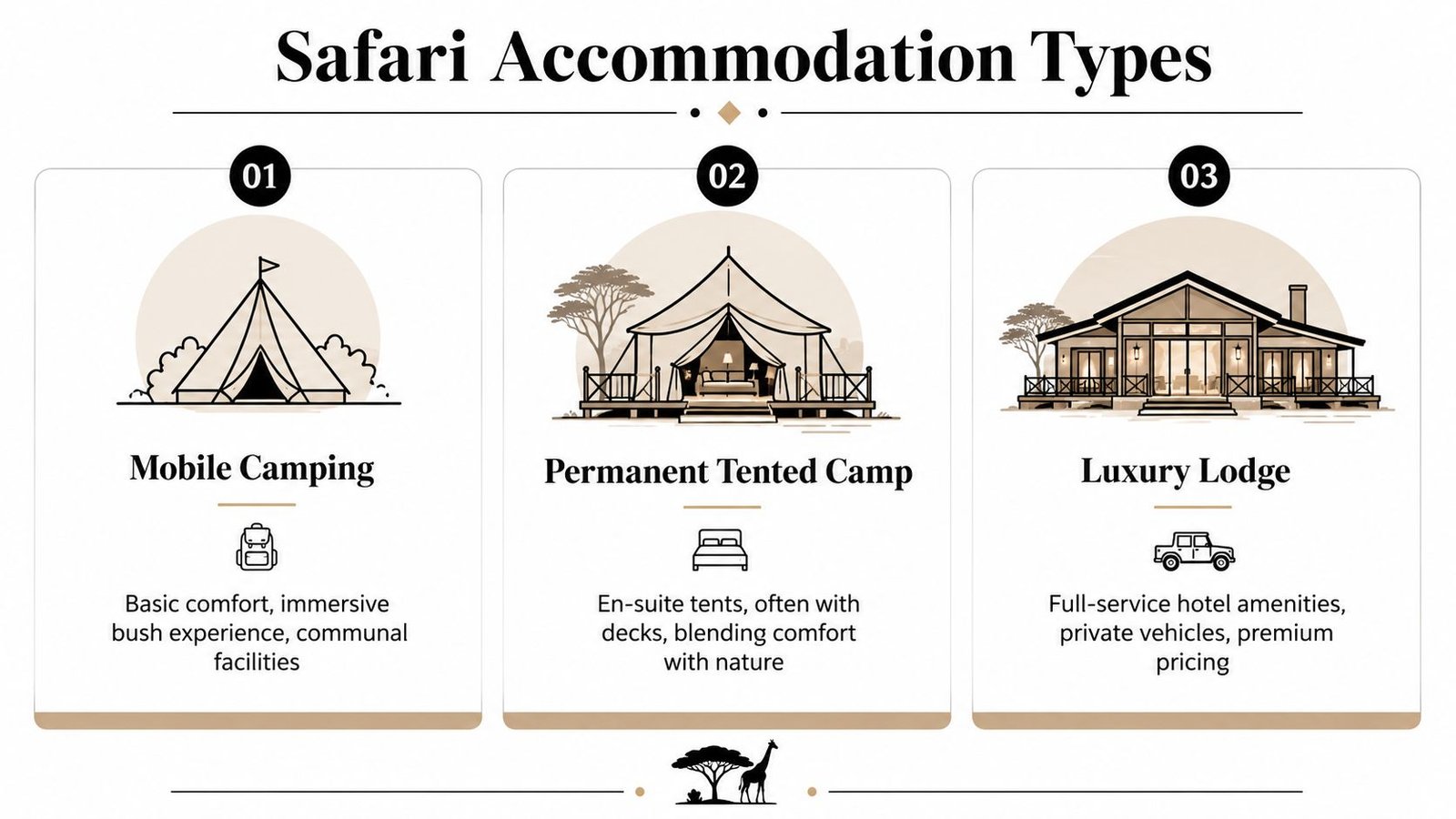
Know what kind of stay fits your style
Mobile camping is for travelers who want immersion and don't mind simplicity. You usually get basic comfort, communal facilities, and a stronger bush feel. It's less about amenities and more about being close to the action.
Permanent tented camps strike the best balance for many travelers. They usually give you en-suite tents, often with decks, and they keep some of the atmosphere without sacrificing comfort. If you want character without giving up a real bed, this is often the sweet spot.
Luxury lodges deliver the most polished experience, with more service, more privacy, and often more predictable standards. They're not automatically the better value, though. You pay for the full package, and that premium only makes sense if you care about the extras.
If you want to see how higher-end properties are positioned, this luxury lodge safari overview gives a clear sense of the category without overcomplicating it.
Ask where the lodge sits, not just how it looks
Location changes everything. Staying inside a park or reserve usually gives you earlier starts, better flexibility, and less wasted time. Gateway towns can be cheaper and more practical for some trips, but they often come with longer drive times and a weaker sense of place.
Ask direct questions before you book.
- Room setup: Are twins, doubles, and family configurations available, or are you being shown generic options?
- Food flexibility: Can they handle dietary needs without turning every meal into an apology?
- Guide structure: Are drives shared, or can you arrange private guiding?
- Accessibility: Are the paths, vehicles, and tents suitable for your mobility needs?
The right stay depends on how much comfort you need, how much authenticity you want, and how much time you're trying to protect on safari. Don't let a polished description hide the practical trade-offs.
Packing and Safety Essentials for Safari Travel
Most safari packing lists are bloated. You do not need to carry your whole wardrobe into the bush. You need clothes that work, footwear that won't fail on dust and gravel, and safety habits that make life easier for your guide.
Pack for function, not fantasy
Neutral colors are the norm for a reason. They're less likely to draw attention in the bush, and they behave better in dusty vehicles. Layering matters more than most first-timers expect, because dawn drives can feel cold and midday can feel hot.
Bring binoculars if you care about birding, distant cats, or seeing more detail. Camera gear is useful, but don't let it become your whole safari identity. A phone is fine for casual use, but a good pair of binoculars changes how much you notice.
For sun protection, I'd rather see travelers overprepared than baked. Healtsy's sun care essentials is a sensible reference point if you want to tighten up your kit before a hot-weather trip.
Safety questions should be part of the booking conversation
A reputable operator should be able to explain how communication works in remote areas. Expert guidance on safari medical emergencies identifies satellite phones as the critical external link and two-way HF/VHF radio networks as the internal backbone between lodges, camps, and vehicles (Safari Intelligent on safari medical emergencies). That matters because a quick escalation path can reduce response time during a breakdown, injury, or wildlife incident.
Ask the operator these things before you pay.
- Radio coverage: Do vehicles have reliable radio communication with a central office?
- Emergency protocol: What happens if a guest gets injured or a vehicle breaks down?
- Guide conduct: How do guides handle wildlife encounters on foot and in vehicles?
- Medical support: Who is contacted first, and how quickly can help be reached?
For outfitters like Maximum Adventure Trails, a practical safari package can include guided activities in places such as Victoria Falls, Hwange, Chobe, Moremi, and the Okavango Delta, so the key question is whether the operator can explain the safety and transfer side as clearly as the sightseeing side. That's the standard you should demand from anyone you book with.
A safari feels better when you know the operator has thought beyond the brochure. If they can't answer basic safety questions cleanly, keep shopping.
Understanding Safari Costs and How to Book
Safari pricing swings because you're not just buying a bed. You're buying access, transport, guide quality, park logistics, food, and often a lot of invisible coordination. That's why two trips that look similar can feel totally different once you read the fine print.
Know what is usually included and what is not
Most safari packages bundle accommodation, meals, and game drives, and sometimes park fees. Flights, long transfers, premium activities, drinks, tips, and some special experiences are often extra. If you don't ask, you'll assume the quote is all-in and then get annoyed later.
Specialist planning saves money in the long run. A safari is not a shopping cart where the cheapest individual item always wins. You want the quote that gives you the right routing, the right nights, and the right level of support.
One useful reference point for broader budgeting is that a South Africa safari can vary sharply by comfort level, season, and whether you fly or drive between destinations, which is exactly why fixed-price thinking fails (Go2Africa South Africa safari guide). The lesson is not that one country is cheap or expensive. The lesson is that inclusions matter more than marketing language.
Book for availability, not just price
Peak periods book out early in the best camps, especially where the experience depends on a small number of rooms or private vehicles. If you care about a specific lodge, a specific family setup, or a specific route, book before you think you need to. Waiting for a discount usually means accepting whatever is left.
I'd also push travelers to work with a safari specialist rather than stitching together every component themselves. You can build a trip one booking at a time, but you'll spend more time managing friction and less time enjoying the actual journey. A specialized operator can hold the route together, keep transfer timing sane, and spot weak links before they become expensive mistakes.
If you want a clearer path from idea to itinerary, visit Maximum Adventure Trails. They handle safari, scenic adventure, activity, and accommodation bookings across Victoria Falls, Hwange, Chobe, Moremi, and the Okavango Delta, and that kind of regional focus is exactly what keeps a multi-park safari practical instead of chaotic.
If you want a safari that feels organized instead of improvised, work with a planner who understands route design, safety communication, and destination trade-offs. Start with Maximum Adventure Trails, then build the trip around the parks, the season, and the pace that fits your travel style.