

- 130 Views
- 14 Min Read
- (0) Comment
You're standing at Victoria Falls with a half-made decision in your head. You've probably seen the photos, read a few reviews, and now you're trying to work out whether the Victoria Falls Gorge Swing is a thrilling must-do or a very expensive way to scare yourself for one minute too long. The honest answer is that it can be both, depending on your weight, your nerves, and whether you want a controlled rush or a pure vertical drop.
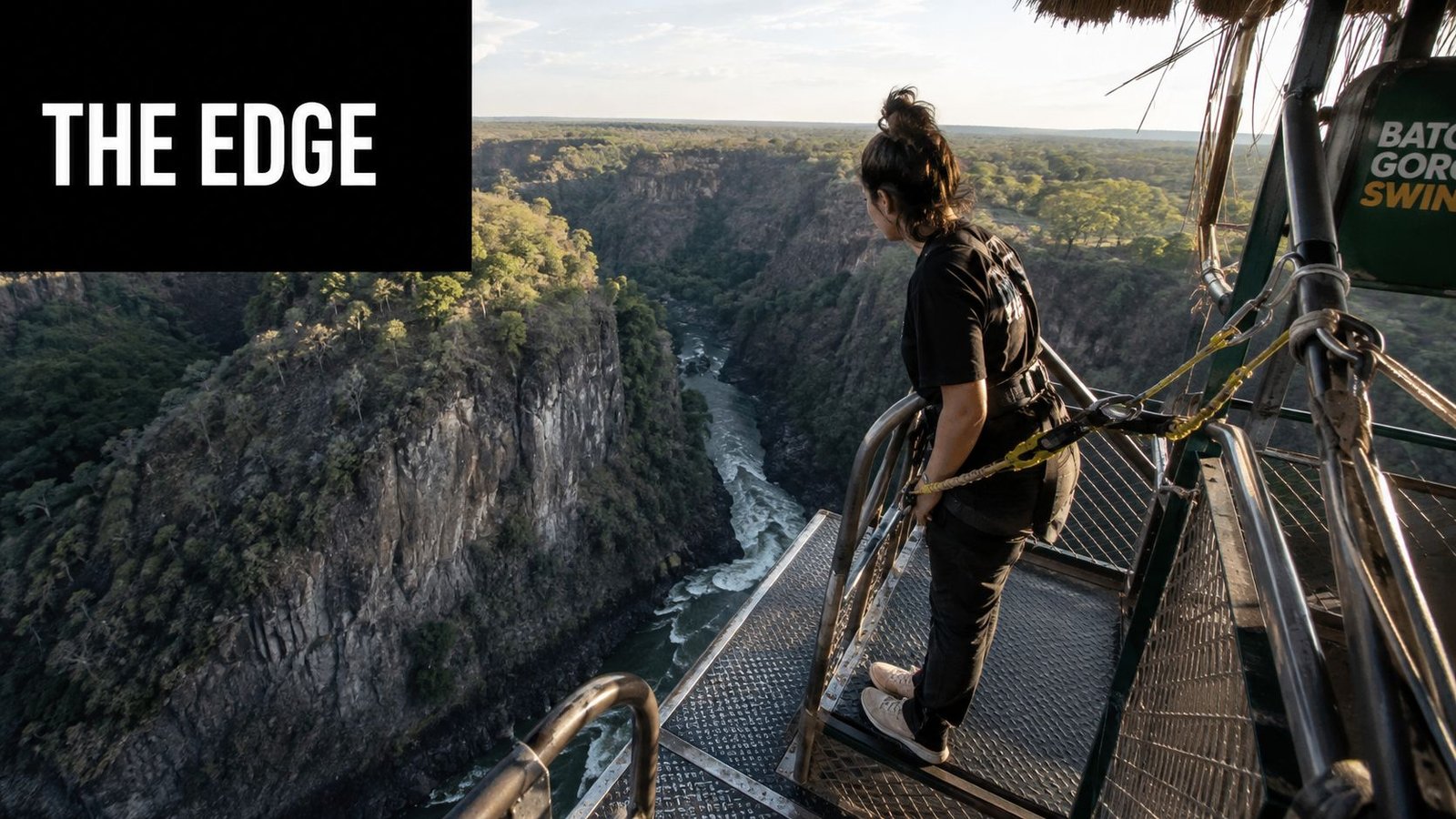
Table of Contents
- Standing on the Edge of Batoka Gorge
- How the Victoria Falls Gorge Swing Actually Works
- Safety Standards, Weight Limits, and Age Rules
- What to Expect from Check-In to Landing
- Booking Options, Pricing, and What's Included
- Best Time of Year and How to Get There
- Gorge Swing vs Bungee Jump and Zipline Combos
- Booking Checklist and Final Tips for First-Timers
Standing on the Edge of Batoka Gorge
A first-timer usually goes quiet at the platform edge. The gorge looks bigger than it did in the brochure, the Zambezi sounds far below, and the launch point feels less like a theme-park ride and more like a decision you have to own for yourself. If you've been comparing adventure options in southern Africa, a useful wider planning resource is bespoke southern Africa travel, because the swing makes the most sense when it's placed into a broader Victoria Falls itinerary, not treated as a random add-on.
The practical questions arrive fast. How far is the drop, how long does the motion last, and what happens if you freeze at the edge? The answers matter because the swing is sold as a single-activity product and is commonly priced at around US$108 on one listing, which tells you it's a standardized tourism product rather than a casual local thrill ride Viator listing. That kind of structure usually means the operation has been refined for visitors who want an efficient, repeatable experience.
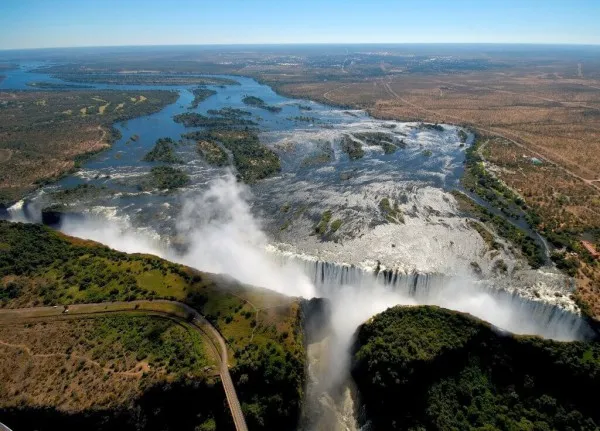
The setting is part of the appeal. From the rim, you're looking into Batoka Gorge, and the platform sits high enough that your body understands the scale before your brain finishes processing it. If you're the kind of traveler who likes to map out logistics before committing, the swing sits in the same broader bridge-and-gorge adventure zone as other activities around the Victoria Falls bridge area, which you can place alongside the bridge-side adventure corridor.
The fear is usually strongest before you move. Once the harness is checked and the staff start counting you down, the decision gets simpler than the imagination made it.
For a lot of people, that's the test. Not whether the swing is exciting, because it is, but whether the setup feels clear enough to trust before you step forward.
How the Victoria Falls Gorge Swing Actually Works
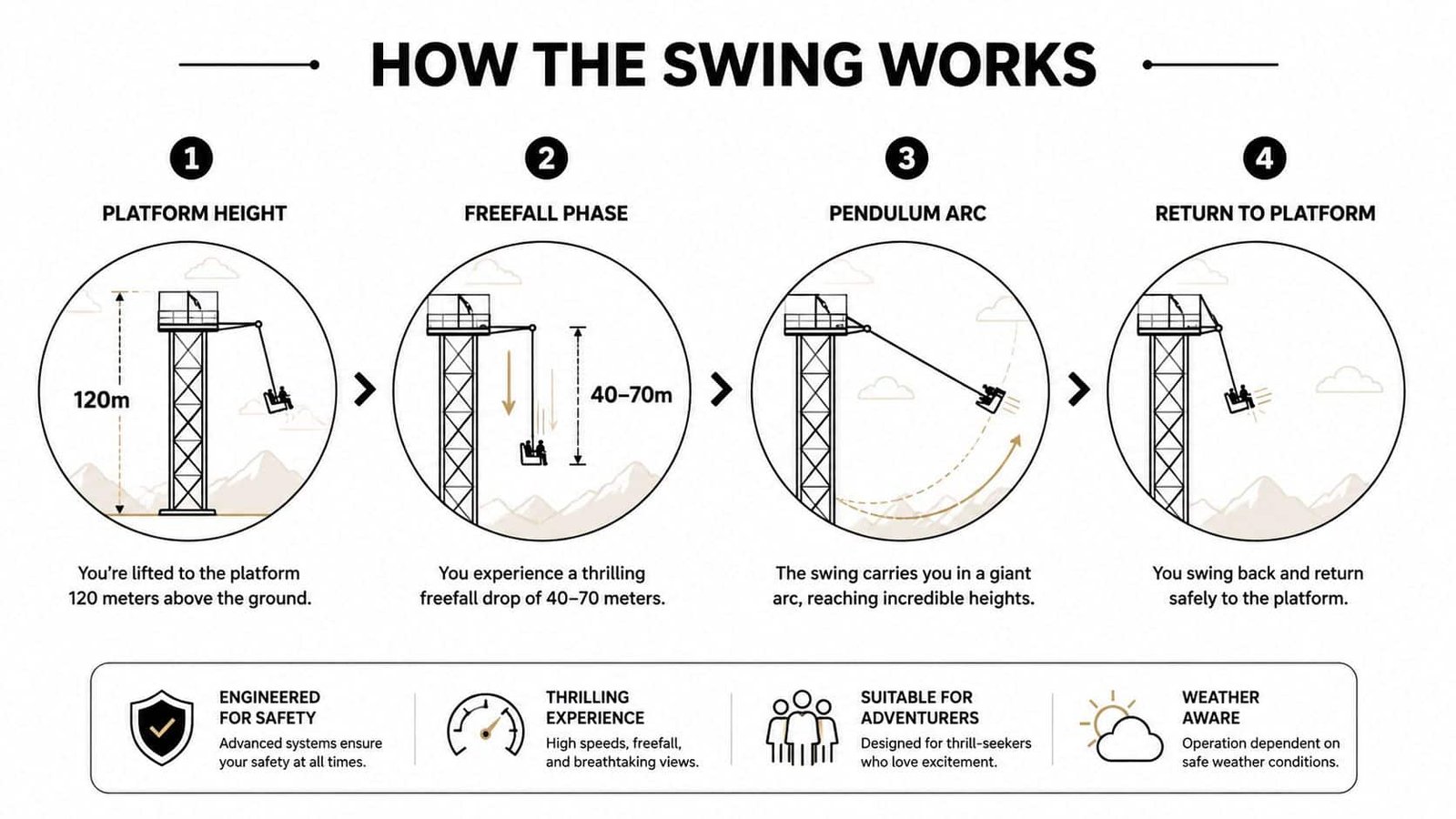
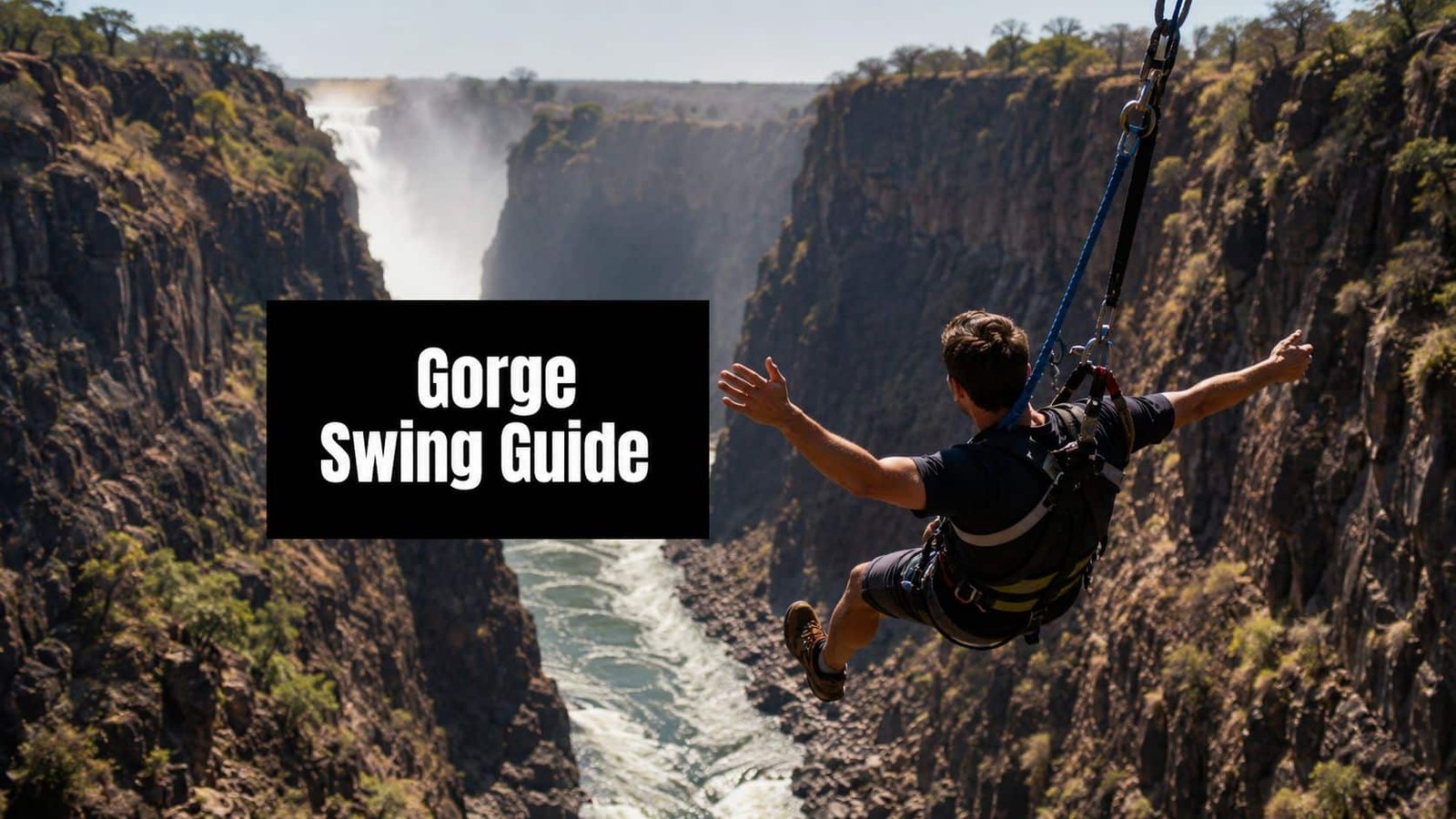
The swing works because it starts with height, then converts that height into motion. One travel source places the launch platform at about 120 meters above the Zambezi River and describes an initial freefall of roughly 70 meters before the rope carries you into a pendulum arc over the gorge Quirky Travel Guy. Another operator description notes a suspended travel distance of roughly 95 meters, with a horizontal span around 425 meters and speeds up to about 106 km/h Wild Horizons. Those figures don't describe a tiny novelty ride, they describe a large commercial gorge system built around controlled movement and load management.
The motion feels like two experiences in one
The first phase is the one that startles people. You leave the platform, drop into a short stretch of near-freefall, and feel your stomach catch up a second later. Then the rope reaches tension, the motion pivots, and the body transitions from falling to swinging. That shift is why the experience feels different from a bungee jump, where the movement is more directly vertical and the rebound is part of the main event.
Harnesses and backup systems matter
Participants are fitted into a full-body harness, and the rope system is designed to take the load after the drop. Operator guidance also refers to a maximum participant weight of about 140 kg, which is a key safety and engineering limit for harnessing and load control Wild Horizons. If you're unsure how a group booking should work, a planning tool such as streamline group travel decisions can help you sort the activity order and the practical details before anyone commits to a slot.
A tandem swing changes the feeling again. You still get the same height and the same rope-driven arc, but sharing the release with another person changes the psychology of the jump more than the physics. For nervous travelers, that can be the difference between hesitating all morning and getting on the platform.
Practical rule: if you want the swing, don't overthink the sensation beforehand. The mechanics are fixed, the fear is in the pause, and the pause is shorter than it feels.
If you're comparing this to another gorge activity, the zipline side of the gorge is the cleaner contrast. The zipline is about travel across space, while the swing is about the shock of release followed by a long, arcing recovery.
Safety Standards, Weight Limits, and Age Rules
A gorge swing should be treated as a controlled adventure activity, not a casual leap. For first-timers, the main question is usually simple: will I qualify, and will the harness feel secure? Independent travel coverage puts the minimum age at 14 years and gives a solo weight range of 40 to 140 kg, with tandem capacity listed up to 180 kg on one source Victoria Falls Guide. Operator guidance also keeps the practical upper reference at about 140 kg for load management Wild Horizons. If you are near either limit, confirm with the operator before paying.
Eligibility depends on the setup
Tandem does not mean unrestricted. The partner option can change how a booking is accepted, but the operator still has to account for harness fit, body weight, and the total load on the system. Those rules exist because the swing depends on predictable rigging and a clean release, not because staff are being difficult.
| Requirement | Solo Swing | Tandem Swing |
|---|---|---|
| Minimum age | About 14 years Victoria Falls Guide | About 14 years Victoria Falls Guide |
| Weight range | 40 to 140 kg on one independent source Victoria Falls Guide | Up to 180 kg combined on one independent source Victoria Falls Guide |
| Upper practical limit | About 140 kg on operator guidance Wild Horizons | Operator-dependent |
| Fit check | Harness must sit correctly | Harness fit must work for both people |
Health disclosure is part of the process
Back, neck, heart, and pregnancy concerns should be disclosed before anyone signs the waiver or starts gearing up. That is the practical difference between a good day out and a poor choice made under pressure. If you have a real medical concern, ask the operator and your clinician before you travel.
The process usually includes a waiver, a photo-ID check, and a harness inspection before release. That standardization is there to keep the jump consistent and safe. Clear answers to the operator's questions usually make the day run faster, not slower.
What to Expect from Check-In to Landing
The day starts with paperwork, not adrenaline. You arrive at the Batoka Gorge launch site, sign the indemnity form, and get weighed so the rigging team can confirm you're within the accepted range. Then comes the harness fitting, which should feel snug and deliberate, not rushed, because the harness has to sit correctly before anyone moves you toward the edge.
After that, you're taken toward the launch platform and briefed on what to do with your body. The short walk or drive to the top gives the nerves time to build, which is exactly why beginners often find the pre-jump pause harder than the fall itself. If you're anxious, keep your eyes on the instructions and not on the open space beneath your feet.
The actual jump has three parts. First is the controlled forward lean, then the brief freefall, then the long swing across the gorge as the rope absorbs the drop and redirects the motion into an arc. That recovery phase can feel strange because your body is hanging in the harness while the motion settles, but that's normal, not a sign that something has gone wrong.
You can also watch the route on video before you go.
The moments that usually unsettle first-timers
The edge is the biggest mental hurdle. The second is the pause before release, when your body wants to step back and your guide wants you to trust the count. The third is the harness hang during retrieval, which feels awkward but is part of the designed sequence.
Don't fight the body position during recovery. Let the staff bring you in the way they were trained to, because resisting only makes the hang feel longer.
Most operations return you by cable or retrieval system after the swing has finished. Photos and video are typically handled on-site at the kiosk, which is useful because that's the part of the day many people want to remember clearly once the adrenaline has settled.
Booking Options, Pricing, and What's Included
Pricing is where many travelers realize the gorge swing isn't a single product, it's a menu. One listing puts the experience at around US$108 for a solo booking Viator listing, while review pages show solo pricing dispersion of roughly US$108 to US$137 and a tandem option around US$170 Tripadvisor review page. That spread tells you two things, prices vary by seller and booking channel, and you need to check what's included before comparing value.
Compare the usual booking styles
| Option | Typical Price (USD) | Includes |
|---|---|---|
| Solo swing | About 108 to 137 Viator listing, Tripadvisor review page | Harness, guide briefing, the swing itself |
| Tandem swing | About 170 Tripadvisor review page | Shared jump setup, guide briefing, the swing itself |
| Combo package | Varies by supplier | Swing plus zipline or bridge activity, depending on operator |
A good booking should spell out transfers, safety gear, and the briefing. Some operators bundle return transfers from Victoria Falls Town or Livingstone, while extras like high-definition video, edited highlights, photos, souvenir items, gratuities, and access fees are often handled separately. That's where travelers get surprised, not on the jump itself but at checkout or after the activity.
For planning clarity, a booking page such as pricing and what to expect can help you compare whether a standalone swing or a package is the cleaner buy for your trip. If you're already building a wider activity day, the main decision is whether you want the least complicated option or the one that folds multiple attractions into a single transfer.
Best Time of Year and How to Get There
The swing runs year-round, which is useful if your trip dates are fixed Viator listing. The most comfortable window is usually the dry season, when road access is easier and the weather is less punishing for waiting around in harness gear. In contrast, the gorge can become intense in the hotter months, and afternoon storms in the green season can interrupt launches, so a morning slot is usually the more practical choice.
Getting to the launch site
From Victoria Falls Town, the drive to the gorge site is usually a straightforward part of a transfer. From Livingstone, the journey tends to take a bit longer because border logistics can come into play for Zambia-based guests, especially if the operator is moving mixed-nationality groups through one pickup plan. If your booking includes hotel collection, that's usually the simplest way to handle it.
The main thing to confirm is whether your transfer is direct or shared with other activities. Some travelers underestimate how much easier the day feels when the route, pickup time, and return window are confirmed in advance. A planning page like how to get there can help you think through where the activity fits in relation to your accommodation and border crossing point.
Choose the slot that fits your tolerance
A morning launch usually means cooler conditions and softer light for photos and video. Later in the day can work too, but you're then more exposed to heat and possible schedule shifts if weather turns. If you're building a packed Victoria Falls itinerary, put the swing on a day when you're not trying to squeeze in half a dozen other commitments.
The practical takeaway is simple. The swing is flexible on the calendar, but not every time of day feels equally easy. Pick the slot that reduces heat, reduces waiting, and keeps the rest of your day from becoming a logistics puzzle.
Gorge Swing vs Bungee Jump and Zipline Combos
Choose the gorge swing if you want a longer emotional build, a brief freefall, and then a sweeping arc that lets you feel the gorge around you. Choose the bungee jump if you want something more direct and vertical, where the drop itself is the central event and the rebound is part of the thrill. They're both serious adrenaline products, but they scratch different nerves.
My read on it: the swing is better for travelers who want to feel the scale of the gorge, while the bungee is better for people who want a cleaner, more brutal drop.
The tandem swing sits in the middle emotionally. It doesn't remove height or physics, but it can reduce the sense of doing the jump alone, which matters to first-timers more than people expect. Ziplines and flying-fox crossings are a different proposition again, since they emphasize forward movement and scenery rather than the shock of release.
| Activity | What It Feels Like | Best For | Main Trade-Off |
|---|---|---|---|
| Gorge Swing | Freefall, then broad arc over the gorge | First-timers who want drama without a full vertical plunge | The anticipation is intense |
| Bungee Jump | Short, vertical plunge with rebound | Pure adrenaline seekers | Less sweeping scenery during the drop |
| Zipline / Flying Fox | Fast, continuous crossing | Travelers who prefer movement over falling | Less of a “big moment” than the swing |
If your group wants different things, a combo can make sense. The key is to check the order, transfer timing, harness changes, and total time so nobody spends the afternoon waiting around between activities. A dedicated bungee comparison like Victoria Falls bungee jumping is useful when someone in the group is leaning harder toward the vertical option.
The clearest rule is this. Pick the swing-only option when you care about impact, simplicity, and recovery time. Choose a combo when your group is mixed, everyone meets the same restrictions, and the itinerary can absorb a longer adventure block.
Booking Checklist and Final Tips for First-Timers
Before you pay, get the details in writing. Confirm the activity location, transfer arrangement, operating day, arrival time, total duration, and whether park or site fees are included. Check the age and weight rules again too, because operators do not always use the same thresholds.
What to verify before payment
- Location and transfer: confirm whether pickup is from Victoria Falls Town or Livingstone, and whether it is shared or private.
- Eligibility: check the current age and weight limits, plus whether tandem is allowed if solo is not.
- Health disclosure: tell the operator about back, neck, heart, joint, blood-pressure, pregnancy, or recent-injury concerns before arrival.
- Clothing and footwear: wear secure shoes and comfortable clothes, then remove loose jewelry and secure long hair.
- Extras: ask about video, photos, gratuities, and whether any site or access fees are already built in.
The small details shape the day. Eat normally, arrive hydrated, and carry only what you are comfortable leaving behind if staff ask you to stow it. If a phone is allowed, use only the attachment or setup the crew approves.
The most useful rule is simple. If you feel unwell or unsure, say so before you step onto the platform. There is no prize for forcing a jump you do not want to make, and plenty of value in choosing the version of the day you can enjoy.
Maximum Adventure Trails can help you compare activity options, transfers, and restriction details for your Victoria Falls plan, which is useful when you are fitting the swing around other sightseeing or border crossings. It also covers transfer logistics and restriction details for Victoria Falls activities, which can help fit the swing into a broader itinerary.