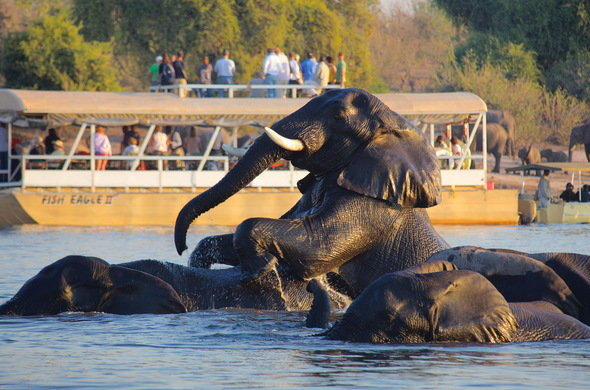

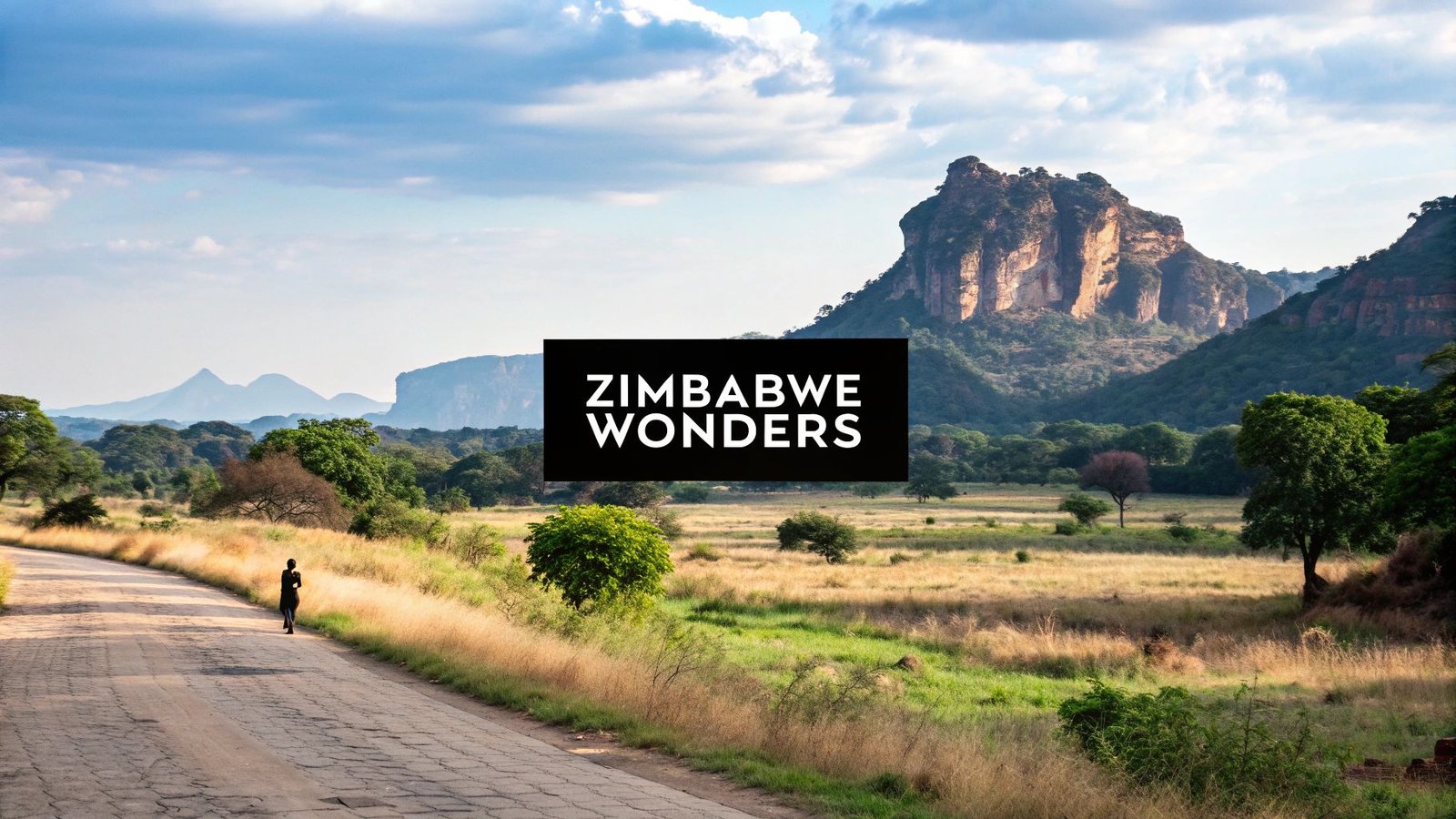

- 94 Views
- 32 Min Read
- (0) Comment
Unforgettable Adventures Await in Zimbabwe
Looking for incredible things to do in Zimbabwe? This listicle unveils ten must-do experiences for your 2025 adventure. Discover thrilling activities like white water rafting and bungee jumping, explore ancient ruins and national parks teeming with wildlife, and immerse yourself in the vibrant culture. From Victoria Falls to the Zambezi River, plan your unforgettable Zimbabwean journey with these top recommendations.
1. Visit Victoria Falls
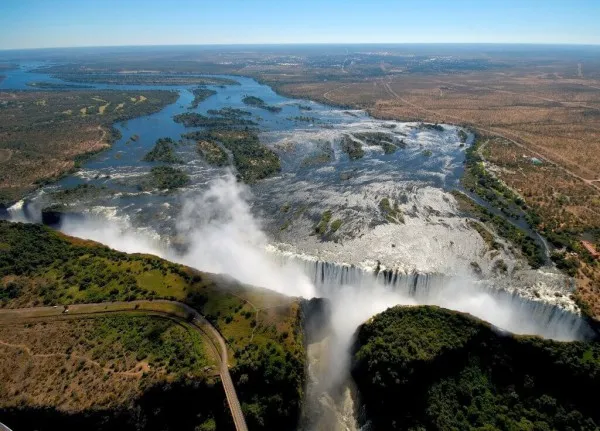
When considering things to do in Zimbabwe, a visit to the magnificent Victoria Falls is an absolute must. Known locally as 'Mosi-oa-Tunya' – The Smoke That Thunders – this breathtaking natural wonder is a UNESCO World Heritage Site and one of the Seven Natural Wonders of the World, easily claiming its spot at the top of any Zimbabwean itinerary. This colossal waterfall on the Zambezi River plunges a staggering 108 meters and spans an impressive 1,708 meters wide, creating the largest curtain of falling water in the world during peak flow. The sheer power and beauty of the falls are captivating, with the resulting spray and rainbows often visible from up to 50 kilometers away. Victoria Falls truly offers an unparalleled sensory experience.
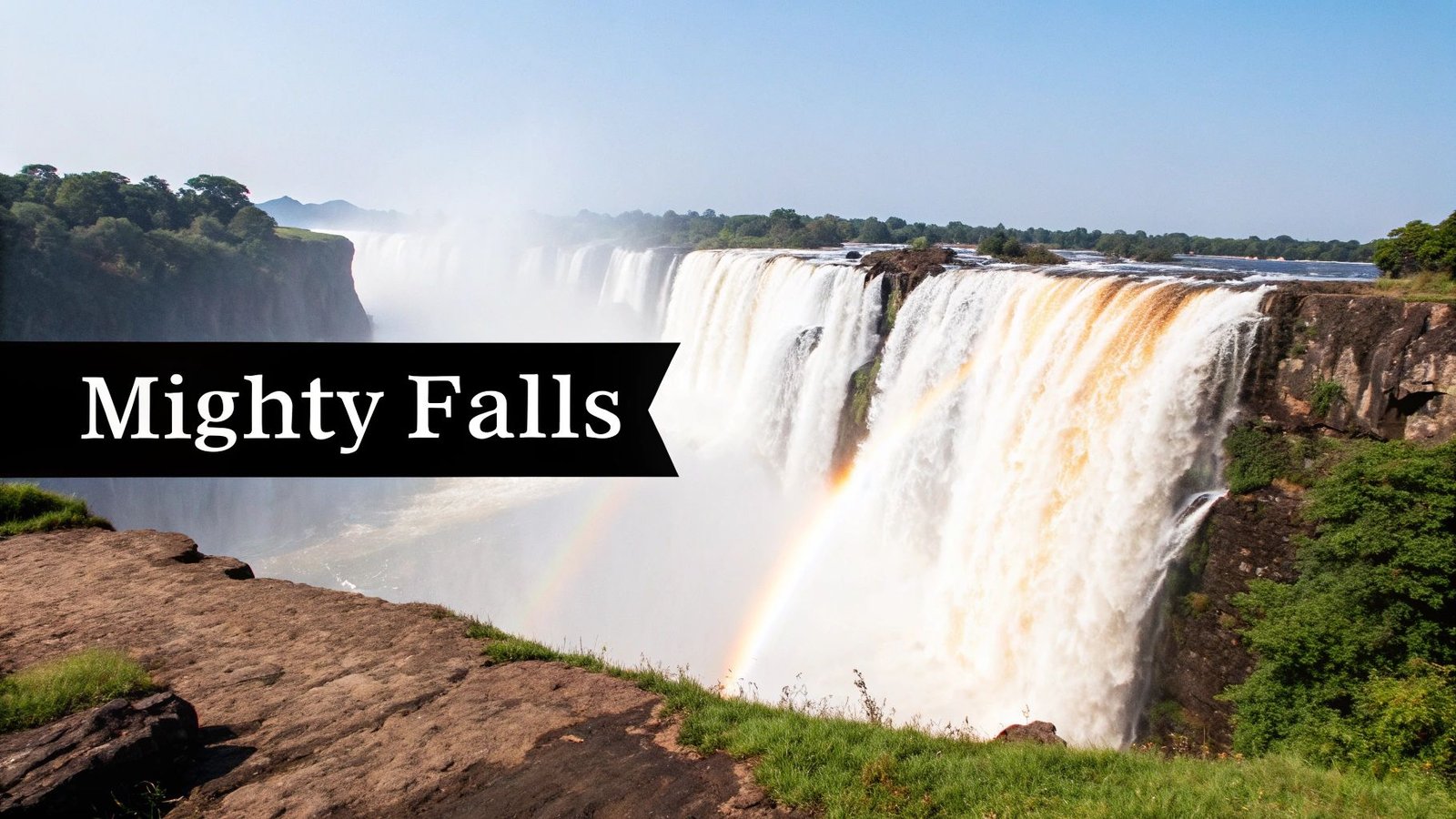
Visitors to Victoria Falls can explore the area through a variety of means. Well-maintained viewing paths offer numerous vantage points to admire the cascading water, and the daring can cross the historic knife-edge bridge for a thrilling perspective. For a more in-depth experience, consider exploring the various hiking trails that wind through the surrounding rainforest. You can learn more about visit Victoria Falls options at various tour operator websites. Learn more about Visit Victoria Falls
One of the most unique experiences, albeit accessible from the Zambian side, is the Devil's Pool, a natural infinity pool perched precariously close to the edge of the falls. During full moon nights, the lunar rainbow, or "moonbow," casts an ethereal glow over the cascading water, offering a truly magical spectacle. For a bird's-eye view, the "Flight of Angels" helicopter tours provide a breathtaking panorama of the falls and surrounding landscape.
Pros:
- Breathtaking natural beauty and unparalleled views
- Multiple viewing platforms, hiking trails, and activities to suit different interests
- Year-round access, though the experience varies seasonally
- Vibrant tourism infrastructure with accommodation and tour options catering to various budgets
Cons:
- Can be extremely crowded, particularly during peak season
- Visibility can be limited by the dense mist during high water season (February to May)
- Entry fees can be relatively expensive for international visitors
Tips for Visiting:
- For maximum water flow, visit between April and May. For better visibility and access to activities like white-water rafting, visit between August and December.
- Bring rain protection and waterproof camera gear, as you're guaranteed to get wet from the spray.
- Consider visiting both the Zimbabwean and Zambian sides for different perspectives of the falls.
- Early morning visits are recommended to avoid crowds and take advantage of better lighting for photography.
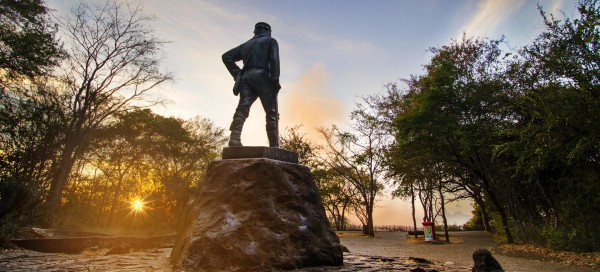
Victoria Falls' prominence in popular culture is well-deserved. "Discovered" by David Livingstone in 1855 (though well known to local tribes for centuries prior), the falls have been featured in countless documentaries by the BBC and National Geographic, further solidifying its status as a global icon. If you’re looking for unforgettable things to do in Zimbabwe, Victoria Falls is undoubtedly the crowning jewel.
2. Safari in Hwange National Park
When considering things to do in Zimbabwe, a safari in Hwange National Park should be at the top of your list. As Zimbabwe's largest wildlife reserve, spanning approximately 14,650 square kilometers, Hwange offers a truly immersive safari experience. This vast park is a sanctuary for an incredible diversity of wildlife, including one of Africa's largest elephant populations and over 100 mammal species. Picture yourself traversing classic African landscapes, from lush teak forests and swaying palm groves to expansive savanna plains, all while searching for the iconic 'Big Five' – lion, leopard, rhinoceros, elephant, and Cape buffalo – as well as a plethora of other fascinating creatures.
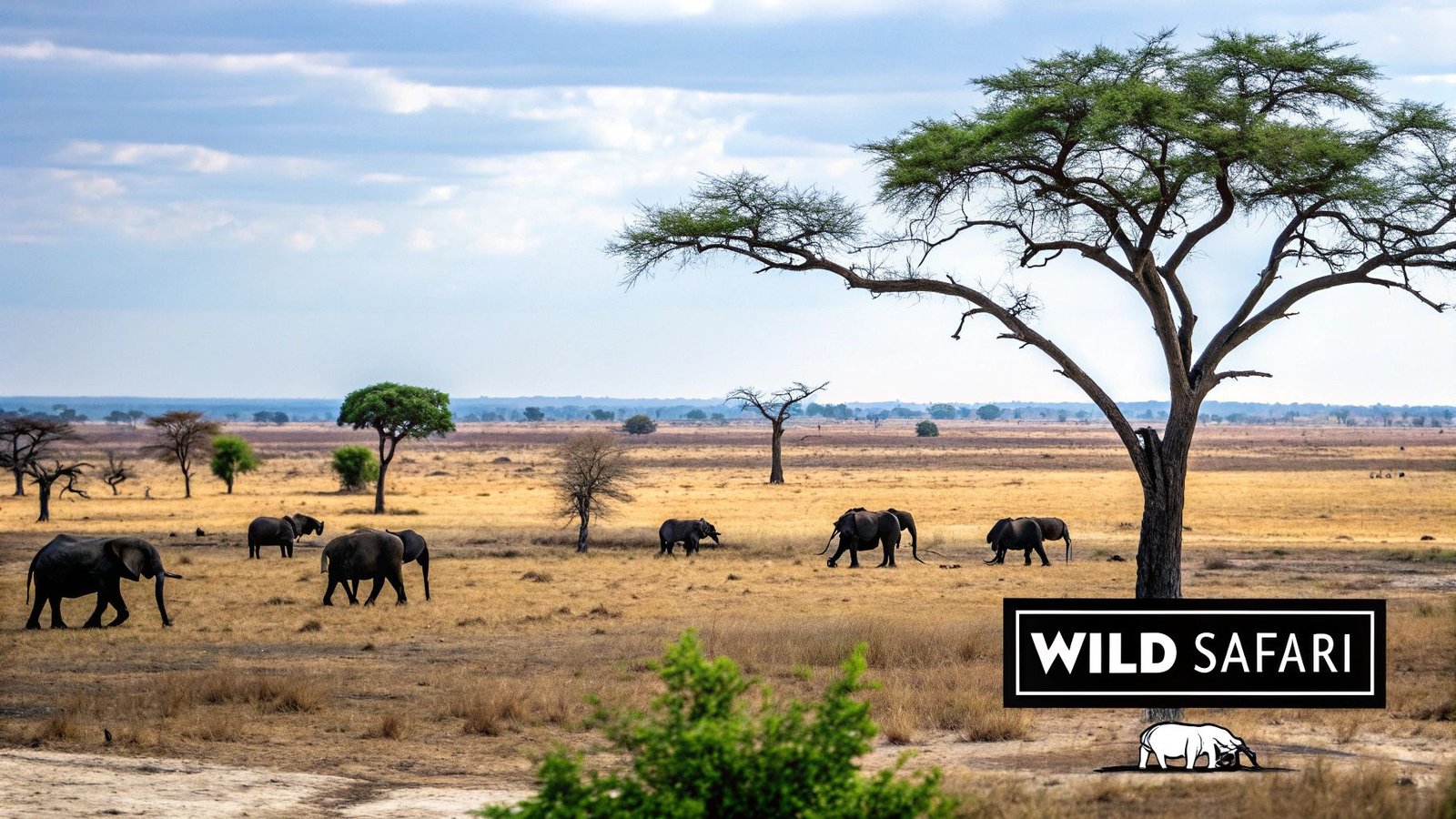
Hwange boasts a well-maintained network of viewing platforms and waterholes, strategically placed to optimize wildlife sightings. With over 400 bird species recorded within the park, it's also a birdwatcher's paradise. The park offers a variety of safari experiences, from thrilling game drives to guided walking safaris and even night drives for a chance to encounter nocturnal wildlife. Learn more about Safari in Hwange National Park to start planning your adventure.
Hwange offers several distinct advantages over other African safari destinations. It’s notably less crowded, providing a more exclusive and intimate wildlife encounter. The park is renowned for its exceptional elephant sightings year-round, thanks to its substantial elephant population, estimated at over 40,000. Furthermore, Hwange caters to a range of budgets and preferences with diverse accommodation options, from basic campsites for the adventurous to luxurious lodges offering unparalleled comfort and service.
Pros:
- Less crowded than other popular African safari destinations.
- Excellent elephant sightings virtually guaranteed.
- Variety of accommodation options, from camping to luxury lodges.
- Night drives and walking safaris available for unique perspectives.
Cons:
- Its remote location requires careful planning and potentially longer travel times.
- Dust can be a significant issue during the dry season (June-October).
- Some areas may become inaccessible during the rainy season (November-May).
- Wildlife can be more dispersed during the wet season, making sightings less frequent.
Examples of Safari Experiences in Hwange:
- Main Camp area: Ideal for self-drive safaris, offering flexibility and independence.
- Exclusive Private Concessions: Luxury options like Linkwasha and Somalisa provide premium wildlife viewing experiences with expert guides and personalized service.
- Nyamandhlovu Pan: Offers incredible opportunities for close-up elephant encounters from a dedicated hide.
Tips for Planning Your Hwange Safari:
- The dry season (June-October) is generally considered the best time for wildlife viewing, as animals congregate around waterholes.
- Book accommodations and safari activities well in advance, especially if traveling during peak season.
- Consider combining your Hwange safari with a visit to Victoria Falls for a comprehensive Zimbabwean experience.
- Support conservation efforts by choosing lodges and operators that actively contribute to wildlife protection initiatives.
Hwange National Park’s significance in conservation and its remarkable biodiversity secure its place as a must-do activity in Zimbabwe. From the tragic story of Cecil the lion, which brought international attention to the park, to stunning documentaries by National Geographic and the ongoing work of organizations like the Painted Dog Conservation Project, Hwange continues to captivate and inspire. A safari in Hwange is more than just a holiday; it’s an opportunity to connect with nature, witness incredible wildlife, and contribute to the preservation of this extraordinary ecosystem.
3. Explore Great Zimbabwe Ruins
When considering things to do in Zimbabwe, a visit to the Great Zimbabwe Ruins should be at the top of your list. This UNESCO World Heritage Site is not just a collection of old stones; it's a powerful testament to a sophisticated pre-colonial African civilization and a crucial part of understanding Zimbabwe's history – the country is even named after it! The ruins represent the largest ancient stone structure south of the Sahara Desert (excluding Egypt), offering a glimpse into the impressive architectural prowess of the Shona people who built this city between the 11th and 15th centuries. It served as the capital of the Kingdom of Zimbabwe during the country's Late Iron Age and played a significant role in the region's trade networks.
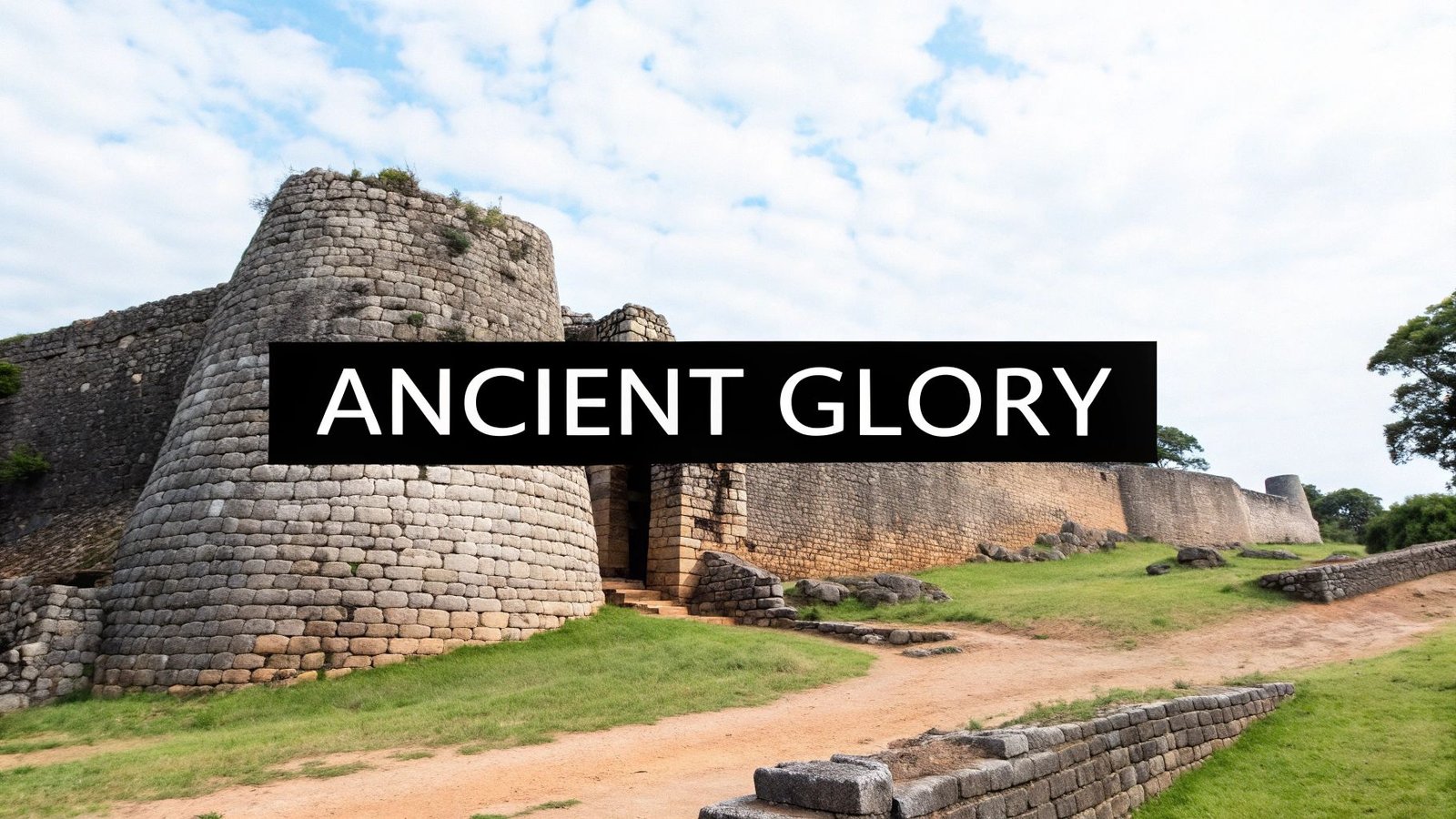
The Great Zimbabwe Ruins are divided into three distinct architectural areas: the Hill Complex, the Valley Complex, and the Great Enclosure. The Hill Complex, believed to have been a royal city and religious center, offers stunning views of the surrounding landscape. The Valley Complexes showcase the remains of numerous houses and other structures, revealing evidence of a thriving and organized community. The Great Enclosure, the most iconic structure at the site, is a massive circular wall reaching up to 11 meters high and built entirely without mortar. It stands as a symbol of the ingenuity and advanced engineering skills of the Shona people. Examples of key features include the Great Enclosure itself, the largest ancient structure in sub-Saharan Africa outside of Egypt; the Hill Complex with its ritual spaces offering panoramic views; and the Valley Ruins which reveal evidence of a sophisticated and extensive trading community. Learn more about Explore Great Zimbabwe Ruins provides additional information and resources for planning your trip.
Pros:
- Profound historical and cultural significance: Experiencing these ruins provides an unparalleled connection to Africa’s rich pre-colonial past.
- Well-preserved ancient African architecture: The massive stone walls and intricate designs are truly awe-inspiring.
- Less crowded than many tourist attractions: You can explore at a more relaxed pace and truly appreciate the atmosphere.
- On-site museum: Learn more about the history and significance of the site with artifacts and detailed information.
Cons:
- Remote location: The ruins are approximately 3.5 hours from both Harare and Bulawayo.
- Limited accommodation: While Masvingo town offers accommodation options, choices directly near the site are minimal.
- Minimal shade: Be prepared for intense sun, particularly during midday.
Tips for Visiting:
- Hire a knowledgeable guide: A guide can enrich your experience by providing valuable historical context and insights into the Shona civilization.
- Visit early morning or late afternoon: This will help you avoid the intense midday heat.
- Combine with a visit to nearby Lake Mutirikwi: This offers a beautiful and relaxing extension to your trip.
- Allow at least 2-3 hours to explore properly: The site is extensive, and rushing through it would detract from the experience.
- Stay in Masvingo town: This provides a wider range of accommodation options.
The Great Zimbabwe Ruins are featured on Zimbabwe's national coat of arms and currency, highlighting their national importance. They've been the subject of numerous archaeological studies and continue to fascinate historians and travelers alike. This site truly deserves its place on any list of things to do in Zimbabwe, offering a unique and unforgettable journey into Africa’s past.
4. White Water Rafting on the Zambezi River
When considering things to do in Zimbabwe, white water rafting on the Zambezi River undoubtedly earns a top spot. This isn't just rafting; it's an adrenaline-pumping adventure through some of the most challenging and spectacular rapids in the world. The Zambezi, just below the mighty Victoria Falls, carves its way through the Batoka Gorge, creating a series of massive grade IV-V rapids that provide a truly unforgettable experience. This activity has become synonymous with adventure tourism in Zimbabwe, drawing thrill-seekers from across the globe, particularly from countries like the UK, US, France, Portugal, Israel, Russia, Germany, Poland, and Turkey.
The sheer power and volume of the Zambezi contribute to the intensity of the rapids, many of which are classified among the most challenging in the world. Navigating the 23 major rapids in the gorge, with basalt cliffs towering 120m above, offers a unique combination of thrill and breathtaking scenery. The experience is further enhanced by the dramatic setting of the Batoka Gorge, a deep chasm carved by the Zambezi over millennia.
Why choose this activity? For those seeking an adrenaline rush, this is a world-class rafting experience. Professional guides with extensive safety training lead the expeditions, ensuring a thrilling yet secure journey. Whether you're a seasoned rafter or a first-timer (provided you meet the requirements), the Zambezi offers an unparalleled adventure.
Different Rafting Options: You can choose from half-day trips covering rapids #1-19, which is a popular choice for a concentrated dose of adrenaline. Full-day options allow for a more immersive experience. For the truly adventurous, multi-day expeditions include overnight camping on secluded river beaches, offering a unique perspective of the gorge and the surrounding wilderness. One of the most talked about experiences is tackling the infamous rapid #5, aptly named 'Stairway to Heaven.'
Pros:
- World-class rafting experience for adventure enthusiasts.
- Stunning scenery through the Batoka Gorge.
- Professional guides with extensive safety training.
- Half-day, full-day, and multi-day options cater to various preferences.
Cons:
- Physically demanding activity requiring reasonable fitness.
- Not suitable for children under 15 or non-swimmers.
- Limited accessibility – requires climbing down and up steep gorge walls (though helicopter lifts are available at an extra cost).
- Cannot operate during high water season (approximately February to July). The best time to experience the Zambezi’s rapids is during the low water season, from August to December. The period between September and December offers the most intense rapids.
Tips for Rafting the Zambezi:
- Book in advance: Reputable operators like Wild Horizons and Shearwater Adventures are popular choices. Pre-booking is essential, especially during peak season.
- Appropriate footwear: Wear secure, closed-toe footwear suitable for hiking and getting wet. The climb in and out of the gorge can be challenging.
- Waterproof everything: Expect to get completely soaked! Bring waterproof bags for your belongings and only use waterproof cameras.
- Consider the helicopter: The helicopter lift option, while an additional expense, can be a worthwhile investment, especially for those concerned about the strenuous climb out of the gorge.
The Zambezi River's white-water rafting experience has been featured in numerous adventure travel documentaries and has even hosted the World Rafting Championships, solidifying its place as a premier adventure destination. If you're looking for an unforgettable adventure among the things to do in Zimbabwe, rafting the Zambezi River should be at the top of your list.
5. Mana Pools National Park Canoe Safari
Looking for truly unique things to do in Zimbabwe? A Mana Pools National Park canoe safari should be at the top of your list. This isn't your average African safari; it's an immersive adventure offering an unparalleled perspective on Zimbabwe's incredible wildlife. Imagine gliding silently down the Zambezi River, coming face-to-face with elephants drinking at the water's edge, and camping under a breathtaking canopy of stars. This UNESCO World Heritage Site, renowned for its dense wildlife populations along the river's floodplains, provides an experience unlike any other.
Learn more about Mana Pools National Park Canoe Safari
This remarkable park gets its name from the four main pools ('mana' means 'four' in Shona) that dominate the landscape, supplemented by countless smaller pools and channels. These water sources attract an astounding array of animals, from massive herds of elephants and hippos to stealthy crocodiles and a vibrant array of birdlife. Mana Pools is also one of the few parks in Africa where walking safaris are permitted without a ranger (though not recommended on a canoe safari, where guides provide crucial safety).
How it Works:
Canoe safaris typically involve multi-day trips, paddling down the Zambezi, with expert guides leading the way and navigating wildlife encounters safely. Nights are spent camping on remote islands or riverbanks within the park, offering a truly wild and immersive experience. This combination of paddling, walking (around the campsites), and camping provides a comprehensive safari experience that engages all your senses.
Examples of Safari Itineraries:
- 3-5 day canoe trails from Chirundu to Mana Pools: These classic trails offer the chance to explore the heart of the park, encountering diverse wildlife along the way.
- Photographic safaris: Focus on capturing stunning images of the park's iconic "standing elephants," known for balancing on their hind legs to reach higher branches.
- Combination safaris: Pair your canoe trip with a traditional vehicle safari in other areas of Mana Pools or nearby parks for a varied and comprehensive wildlife experience.
Pros:
- Intimate wildlife viewing from water level: Get closer to the animals than you ever thought possible.
- Eco-friendly safari experience: Canoeing minimizes your impact on the environment.
- Small group sizes: Ensures a personalized and exclusive experience.
- Combination of paddling, walking, and camping: Offers a varied and engaging adventure.
- Expert guides: Provide invaluable insights and ensure your safety.
Cons:
- Seasonal activity (typically May to November – dry season): Water levels need to be suitable for canoeing.
- Remote location requiring advance planning: Logistics and permits need to be arranged in advance.
- Basic camping conditions on multi-day trips: Be prepared for a wilderness experience.
- Real wildlife dangers: Requires strict adherence to guide instructions for safety.
Tips for Planning Your Canoe Safari:
- Book well in advance: Permits are limited, especially during peak season.
- September and October offer the best wildlife viewing: Although these months also experience the hottest temperatures.
- Choose operators with professional guides certified by Zimbabwean authorities: Safety and expertise are paramount.
- Pack light but bring essentials: Hat, sunscreen, insect repellent, binoculars, and a good camera are crucial.
- Consider combining canoeing with a traditional vehicle safari: To experience different aspects of Mana Pools and surrounding areas.
Mana Pools National Park Canoe Safari deserves its spot on any "things to do in Zimbabwe" list because it offers an authentic, adventurous, and unforgettable way to experience this incredible country’s wilderness. The intimate wildlife encounters, combined with the thrill of paddling down the Zambezi and the magic of camping under the stars, create memories that will last a lifetime. This is a true bucket-list experience for any nature enthusiast.
6. Bungee Jumping at Victoria Falls Bridge
For thrill-seekers looking for an unforgettable experience in Zimbabwe, bungee jumping off the Victoria Falls Bridge is an absolute must. This iconic bridge, perched high above the roaring Zambezi River and offering breathtaking views of Victoria Falls, provides one of the most dramatic bungee jumping locations in the world. This heart-stopping activity is undoubtedly one of the top things to do in Zimbabwe, promising an adrenaline rush unlike any other.
The concept is simple yet exhilarating: you leap from a platform attached to the bridge, plunging 111 meters (364 feet) towards the Batoka Gorge below. A secure bungee cord tethers you, ensuring a controlled free-fall of about 4 seconds before the cord stretches, slowing your descent and offering stunning views of the gorge and swirling Zambezi River. This activity rightfully earns its place on any "things to do in Zimbabwe" list because it combines adventure with the unparalleled natural beauty of Victoria Falls.
How it Works:
You'll be harnessed securely by experienced professionals who operate with a strong safety record. Various jump styles are permitted, from the classic swan dive to a more adventurous backflip, allowing you to personalize your experience. The entire jump, including the rebound, is captured on video and photos, which are available for purchase, creating lasting memories of your daring feat.
Examples of Jumps:
- Standard Bungee Jump: The classic head-first plunge for the ultimate adrenaline rush.
- Tandem Jump: Perfect for those who want to share the experience (and perhaps need a bit of moral support).
- Bridge Swing: A less intense but equally thrilling alternative involving swinging in a large arc beneath the bridge.
- Bridge Slide: For those seeking a tamer adventure, the bridge slide offers a controlled descent along a zipline-like system.
Pros:
- Unforgettable Thrill: The dramatic backdrop of Victoria Falls elevates the bungee jumping experience to a whole new level.
- Professional Operation: Shearwater Adventures, who pioneered commercial bungee at the site, maintains high safety standards.
- Variety of Jump Styles: Catered to different preferences and comfort levels.
- Souvenir Packages: Capture the moment forever with video and photo packages.
- Historical Context: Combine the jump with a bridge tour to learn about the history of this engineering marvel.
Cons:
- Cost: The experience is relatively expensive, averaging around $160 USD.
- Border Crossing: The bridge is technically in no-man's land between Zimbabwe and Zambia, requiring a brief border crossing.
- Weight Restrictions: Typically, participants must weigh between 40-140kg.
- Health Restrictions: Not suitable for individuals with heart conditions, back problems, or a severe fear of heights.
Tips for Bungee Jumping at Victoria Falls Bridge:
- Book in Advance: Reservations are highly recommended, especially during peak season.
- Secure Footwear: Wear closed-toe shoes that won't slip off during the jump.
- Empty Pockets: Ensure your pockets are empty before taking the plunge.
- Consider Lighting: If purchasing photos or videos, consider the time of day for optimal lighting conditions.
- Combine Activities: Maximize your experience by combining the bungee jump with other bridge activities, like the bridge tour or zipline.
Why This Activity Deserves its Place on the List:
Bungee jumping at Victoria Falls Bridge offers a unique blend of adrenaline-pumping adventure and stunning natural beauty. It’s an experience that will stay with you long after you've left Zimbabwe, and a truly unforgettable addition to any itinerary exploring the things to do in Zimbabwe. This activity has been popularized through various travel shows, extreme sports documentaries, and the prolific sharing of jump videos on social media platforms, cementing its status as a bucket-list adventure.
7. Visit Matobo National Park
Matobo National Park (also known as Matopos) offers a truly unique and diverse experience, securing its place as a must-do among the many things to do in Zimbabwe. This UNESCO World Heritage Site, located approximately 35km from Bulawayo, combines stunning natural beauty with rich cultural and historical significance, making it an unforgettable destination for any traveler.
The park is instantly recognizable by its dramatic granite balancing rock formations, sculpted over millennia by the forces of nature. These otherworldly landscapes provide a breathtaking backdrop to the park's incredible biodiversity and numerous ancient rock art sites. Some of these paintings, found in caves like Nswatugi Cave, date back an astounding 13,000 years, offering a glimpse into the lives and beliefs of early human inhabitants.
Beyond its geological wonders, Matobo National Park is a vital wildlife conservation area. It boasts notable populations of both white and black rhinoceros, making it an excellent location for rhino tracking experiences with experienced guides. Leopards also roam the park, along with a diverse array of bird species, including the world's highest concentration of black eagles. For those seeking an authentic safari experience, Matobo offers the thrill of wildlife encounters in a less crowded setting than many other premier parks.
Matobo's historical and cultural significance is equally compelling. The park holds deep spiritual importance for the local Ndebele people, and it is also the final resting place of Cecil Rhodes, a controversial figure in Zimbabwean history. His grave sits atop 'World's View', a dramatic granite hill offering panoramic vistas of the surrounding landscape. The Amagugu International Heritage Centre provides further insight into the rich Ndebele culture.
Pros:
- Diverse experiences: Matobo offers a unique blend of wildlife viewing, historical exploration, cultural immersion, and geological wonders, all within a single location.
- Excellent rhino tracking opportunities: Witness these magnificent creatures in their natural habitat with expert guides.
- Less crowded than many safari destinations: Enjoy a more intimate and exclusive safari experience.
- Proximity to Bulawayo: Easy access from the second-largest city in Zimbabwe.
Cons:
- Smaller wildlife populations than premier safari parks: While offering a good variety, Matobo's wildlife numbers are not as high as some larger parks.
- Political sensitivities around colonial history (Rhodes' grave): The presence of Rhodes' grave can be a source of contention for some visitors due to its colonial implications.
- Some roads can be difficult during the rainy season: Plan your travel accordingly and consider a 4×4 vehicle.
Tips for Visiting Matobo National Park:
- Hire a knowledgeable guide: A guide will enhance your experience by interpreting rock art, sharing local knowledge, and leading you on successful rhino tracking expeditions.
- Combine wildlife viewing with cultural/historical sites: Make the most of your visit by exploring all facets of the park.
- Visit early morning for best wildlife viewing and photography: The light is ideal for capturing the beauty of the rock formations and spotting animals.
- Stay at Amalinda Lodge or Matobo Hills Lodge for easy park access: These lodges offer comfortable accommodation and convenient access to the park's attractions.
- Allow at least two days to experience the diversity of the park: There is much to see and do in Matobo, so plan to spend at least a couple of days to fully appreciate its offerings.
Matobo National Park's unique blend of natural beauty, ancient history, and diverse wildlife sets it apart as a truly special destination in Zimbabwe. Whether you are drawn to its stunning balancing rocks, captivating rock art, or the thrill of tracking rhinos, a visit to Matobo National Park is sure to be a highlight of any trip to Zimbabwe. It rightfully earns its spot among the top things to do in Zimbabwe, offering a truly immersive and unforgettable experience.
8. Cultural Experience in Eastern Highlands
Looking for unique things to do in Zimbabwe beyond the typical safari experience? The Eastern Highlands offer a refreshing alternative, showcasing a different side of the country's natural beauty and cultural richness. This mountainous region, bordering Mozambique, is a world away from the savanna plains, with rolling green hills, vibrant tea and coffee plantations, tranquil pine forests, cascading waterfalls, and charming towns imbued with a distinct colonial atmosphere. This diversity makes it a must-see for anyone exploring things to do in Zimbabwe.
The Eastern Highlands offer a cooler climate and lush landscapes, perfect for a variety of activities. Whether you're an avid hiker, a keen fisherman, a golf enthusiast, or someone seeking immersive cultural experiences, this region has something for everyone. Explore traditional Shona villages, engage with local artisans at craft workshops, and delve into the region’s history, making your trip to Zimbabwe truly memorable.
The Eastern Highlands boast some of Zimbabwe's most stunning scenery. Here you'll find the country's highest peak, Mount Nyangani (2,592m), within the breathtaking Nyanga National Park. Other highlights include the Bvumba Mountains, Chimanimani Mountains, and the dramatic Bridal Veil Falls. Meandering through tea and coffee plantations, alongside trout-filled streams and lush golf courses, offers scenic drives unlike any other in the country. These unique features firmly cement the Eastern Highlands' place on the list of best things to do in Zimbabwe.
Pros:
- Pleasant Climate: Enjoy a cooler climate year-round, a welcome respite from the heat of the lowlands.
- Diverse Activities: Choose from a wide range of activities, including hiking, fishing, golf, and cultural immersion.
- Authentic Experiences: Discover a less touristy region offering more authentic interactions with local communities.
- Scenic Drives: Experience breathtaking drives through stunning landscapes.
Cons:
- Limited Public Transport: Renting a car is recommended for exploring the region effectively.
- Basic Infrastructure: Be prepared for basic amenities in some areas.
- Misty and Rainy Weather: While this adds to the atmospheric beauty, it can impact some outdoor activities.
- Requires More Time: Plan to spend at least 3-4 days to truly appreciate the diversity of the Highlands.
Examples of things to do in Zimbabwe's Eastern Highlands:
- Hike to World's View in Nyanga National Park for panoramic views.
- Visit tea estates like Tanganda Tea Company for a taste of local produce.
- Explore the Cecil Kop Nature Reserve near Mutare for its unique flora and fauna.
- Participate in traditional craft workshops in Nyanga village to learn about local artistry.
- Admire the colonial architecture in Mutare, a charming town nestled in the mountains.
Tips for your visit:
- Rent a car for maximum flexibility in exploring the region.
- Pack layers as temperatures can drop significantly, especially at night.
- Plan to spend at least 3-4 days to experience the different areas of the highlands.
- Visit the Mutare Museum to understand the region’s rich history and culture.
- Try local specialties like freshly grown tea, coffee, and trout.
The Eastern Highlands' popularity dates back to colonial settlers who established hill stations to escape the lowland heat. Writers, such as Doris Lessing, who set novels in the region, and environmentalists, recognizing its unique montane ecosystems, further contributed to its recognition. Learn more about Cultural Experience in Eastern Highlands This region continues to draw visitors seeking a unique and enriching experience, showcasing why it remains one of the best things to do in Zimbabwe.
9. Craft Shopping at Harare's Markets
One of the most rewarding things to do in Zimbabwe is immersing yourself in its vibrant arts and crafts scene. Harare's bustling markets offer a unique opportunity to experience this firsthand, making craft shopping a must-do activity for any visitor. These markets showcase Zimbabwe's exceptional talent in craftwork, particularly stone sculptures, wood carvings, basket weaving, and textiles, providing a fascinating glimpse into the country's rich cultural heritage. This experience not only allows you to acquire unique souvenirs but also directly supports local artisans and their communities.
Zimbabwean craft markets are a treasure trove of authentic, handcrafted items. From world-famous Shona stone sculptures, imbued with spiritual and cultural significance, to intricate wood carvings depicting animals and traditional motifs, the range of artistry is astounding. You'll also find a dazzling array of textiles, pottery, jewelry, and contemporary craft styles reflecting modern Zimbabwean life. The opportunity to interact directly with the artists adds another layer of richness to the experience, allowing you to learn about their techniques, inspiration, and the cultural stories behind their creations.
Why Craft Shopping Deserves its Place on Your Zimbabwe Itinerary:
Shopping at Harare's craft markets offers a unique and authentic cultural experience that sets it apart from typical tourist activities. It's a chance to connect with local artists, understand their creative processes, and contribute directly to their livelihoods. The sheer variety of handcrafted goods ensures you'll find something special, whether you're a seasoned art collector or simply looking for a memorable souvenir. Moreover, the vibrant atmosphere of these markets offers a captivating snapshot of contemporary Zimbabwean life.
Examples of Harare Craft Markets:
- Mbare Market: The largest and most authentic market in Harare, offering a raw and bustling experience. While slightly chaotic, it provides the most diverse selection and best prices. Be prepared to haggle!
- Newlands Craft Market: A more organized and tourist-friendly option with a curated selection of high-quality crafts. This market is ideal for those who prefer a less overwhelming shopping experience.
- Chitungwiza Arts Centre: A working sculpture community where you can observe artists crafting their masterpieces. This is a fantastic place to gain insight into the Shona stone sculpting tradition.
- Doon Estate weekend market: An upscale market featuring high-end crafts, food, and a more relaxed atmosphere.
Pros and Cons:
Pros:
- Purchase authentic crafts directly from the artists.
- Learn about traditional techniques and the cultural significance of different crafts.
- Support local artisans and their communities.
- Find unique, handcrafted pieces unavailable elsewhere.
- Negotiable prices allow for bargaining.
Cons:
- Quality can vary significantly between vendors; discernment is required.
- Export restrictions apply to certain materials, particularly wood.
- Some markets, like Mbare, can be overwhelming for first-time visitors.
- Some markets cater heavily to tourists and may offer less authentic items.
Actionable Tips for Craft Shopping in Harare:
- Bring cash: Credit cards are not widely accepted at most markets.
- Visit Chapungu Sculpture Park: Educate yourself about the qualities of good Shona sculpture before hitting the markets.
- Be prepared to negotiate: Haggling is customary, but always be respectful.
- Shipping: For large sculptures, vendors can often arrange international shipping.
- Morning visits: Offer a better selection and fewer crowds.
- Photography: Always ask permission before photographing artists or their work.
Popularized By:
The craft scene in Zimbabwe, particularly the stone sculpture movement, has been championed by various individuals and institutions, including the National Gallery of Zimbabwe, international collectors of African art, and Frank McEwen, who played a pivotal role in promoting Zimbabwean stone sculpture internationally in the 1960s. Events like the annual Harare International Festival of the Arts (HIFA) also contribute to the visibility and appreciation of Zimbabwean crafts.
By incorporating craft shopping at Harare’s markets into your list of things to do in Zimbabwe, you'll enrich your travel experience with a deeper understanding of the country's artistic heritage and contribute directly to the livelihoods of talented local artisans.
10. Visit Gonarezhou National Park
If you're looking for truly authentic things to do in Zimbabwe, far from the well-trodden tourist trails, Gonarezhou National Park should be at the top of your list. Located in the southeastern corner of the country, Gonarezhou, meaning "place of many elephants," offers a raw and untamed wilderness experience unlike any other. This park earns its place on this list by providing a unique glimpse into a pristine African ecosystem teeming with wildlife and dramatic landscapes, all while supporting vital community-based conservation efforts.
Gonarezhou is Zimbabwe's second-largest national park, covering a vast 5,053 square kilometers. It forms a crucial part of the Great Limpopo Transfrontier Park, a groundbreaking initiative linking conservation areas across Zimbabwe, Mozambique, and South Africa, allowing wildlife to roam freely across international borders. This makes it a particularly special destination for those seeking a large-scale wilderness experience.
One of the park's most iconic features is the breathtaking Chilojo Cliffs, towering 180 meters above the Runde River. These dramatic red sandstone cliffs provide stunning sunset vistas and are a testament to the raw beauty of the region. Other notable landscapes include vast floodplains, ancient baobab forests, and the Save, Runde, and Mwenezi rivers, which provide lifeblood to the park's diverse flora and fauna. As the name suggests, Gonarezhou boasts a thriving elephant population of over 11,000, offering incredible wildlife viewing opportunities. The park is also home to the rest of the Big Five – lion, leopard, rhino, and buffalo – along with a rich variety of other species.
Pros of visiting Gonarezhou:
- Authentic wilderness experience: Escape the crowds and experience the raw beauty of Africa with significantly fewer tourists than other more popular parks.
- Diverse landscapes: Explore a stunning variety of habitats, from dramatic sandstone formations and lush riverine forests to expansive floodplains.
- Excellent wildlife viewing: Witness large herds of elephants and have a chance to spot all of the Big Five in their natural habitat.
- Community-based tourism: Your visit directly benefits local communities through employment and conservation initiatives.
- Unparalleled night skies: Experience the magic of the African night sky, unmarred by light pollution.
Cons of visiting Gonarezhou:
- Remote location: Requires a 4WD vehicle and careful planning to navigate the park's rugged terrain.
- Limited accommodation: Options are more basic and limited compared to more established parks, requiring advance booking.
- Basic infrastructure: Expect limited amenities and facilities within the park.
- Seasonal access: Some areas may be inaccessible during the rainy season (November-April).
Examples of things to do and see:
- Witness a breathtaking sunset over the Chilojo Cliffs.
- Spend a day observing wildlife at the Tembwehata Pan.
- Stay at the community-run Mahenye Safari Lodge, directly supporting local conservation.
- Embark on a thrilling walking safari led by experienced local guides.
Tips for planning your visit:
- Visit during the dry season (May-October): This offers the best wildlife viewing opportunities and optimal road conditions.
- Book accommodations well in advance: Availability is limited, especially during peak season.
- Self-driving requires a 4WD vehicle and careful planning: Ensure you have appropriate maps, supplies, and a reliable vehicle.
- Consider flying into Buffalo Range Airport: Arrange transport to the park from there.
- Pack essential supplies: Shops are extremely limited within and around the park.
- Respect park regulations: Adhere to all rules and guidelines to help preserve the wilderness character of Gonarezhou.
Gonarezhou is more than just a national park; it’s a testament to the power of conservation and the enduring spirit of the African wilderness. While it requires more effort to reach than some of Zimbabwe’s other attractions, the reward is an unforgettable experience that showcases the true essence of "things to do in Zimbabwe" for the adventurous traveler. The efforts of the Frankfurt Zoological Society and the Great Limpopo Transfrontier Park initiative, combined with the stunning images captured by wildlife photographers, have helped raise awareness of this incredible wilderness area and its importance for sustainable tourism and community conservation. While a website isn't explicitly linked, searching "Gonarezhou National Park" will provide ample resources for planning your trip.
10-Point Comparison: Zimbabwe Activities
| Activity | 🔄 Complexity | ⚡ Resources | 📊 Outcomes | 💡 Use Cases | ⭐ Advantages |
|---|---|---|---|---|---|
| Visit Victoria Falls | Moderate planning with multiple outlooks | Mid-range investment (entry fees, tours) | Breathtaking natural spectacle with rainbows | Sightseeing, photography, leisure tourism | Iconic UNESCO site with varied viewing platforms |
| Safari in Hwange National Park | Requires careful planning and remote access | High resource needs (4WD, diverse accommodations) | Exceptional wildlife viewing including Big Five | Safari enthusiasts and adventure seekers | Rich biodiversity and less crowded environments |
| Explore Great Zimbabwe Ruins | Light to moderate planning for remote heritage site | Minimal costs with on-site museum access | Deep historical and cultural insights | History buffs and cultural tours | UNESCO heritage with well-preserved ancient architecture |
| White Water Rafting on the Zambezi River | High complexity with extensive safety measures | High investment in professional equipment | Thrilling adrenaline rush and intense rapids | Extreme sports and adventure tourism | World-class rapids and challenging white water experience |
| Mana Pools National Park Canoe Safari | High complexity with multi-day planning | Moderate-high (camping gear and guided packages) | Intimate wildlife encounters and river-based adventure | Eco-tourism and extended adventure trips | Unique canoe safari offering quiet, immersive wildlife views |
| Bungee Jumping at Victoria Falls Bridge | Moderate process with required safety checks | High cost with professional operation | Intense adrenaline burst with dramatic views | Thrill seekers and extreme sports enthusiasts | Iconic, one of the world’s highest commercial bungee jumps |
| Visit Matobo National Park | Moderate planning for diverse outdoor activities | Low to moderate (accessible from Bulawayo) | Mixed wildlife, cultural heritage, and geological sights | Culture and nature explorers | Scenic landscapes with rich rock art and rhino tracking |
| Cultural Experience in Eastern Highlands | Moderate planning; multiple, flexible segments | Moderate (rental car and local tours required) | Diverse outdoor and cultural experiences | Hiking, fishing, and cultural immersion seekers | Authentic local experiences in lush, scenic highlands |
| Craft Shopping at Harare's Markets | Low complexity in an urban setting | Low-cost; cash transactions recommended | Unique souvenirs with insight into local artistry | Art lovers and casual shoppers | Direct artisan interaction and authentic handcrafted pieces |
| Visit Gonarezhou National Park | High complexity due to remote access and 4WD driving | High resource demands with basic accommodations | Authentic wilderness and diverse safari adventure | Off-the-beaten-track explorers and true nature enthusiasts | Pristine, less touristy experience with community-based tourism |
Start Planning Your Zimbabwean Adventure
From the roar of Victoria Falls to the tranquil beauty of Matobo National Park, the things to do in Zimbabwe are as diverse as its landscapes. This article has highlighted just a few of the incredible experiences awaiting you, from thrilling white water rafting and bungee jumping to exploring ancient ruins and immersing yourself in the local culture of the Eastern Highlands. Whether you dream of witnessing the Big Five in Hwange and Gonarezhou National Parks, paddling down the Zambezi River in a canoe at Mana Pools, or haggling for unique crafts in Harare's bustling markets, Zimbabwe offers an unforgettable adventure for every traveler. Mastering the art of planning your trip – factoring in travel times, accommodation, and park fees – will ensure you maximize your time experiencing all that this beautiful country offers. These insights will empower you to create a personalized itinerary that truly captures the essence of Zimbabwe, leaving you with cherished memories for years to come.
Ready to embark on your Zimbabwean adventure? Let Maximum Adventure Trails be your guide. We specialize in crafting seamless safari experiences, scenic adventures, activities, and accommodation bookings, making your dream trip to Zimbabwe a reality. Visit Maximum Adventure Trails today to start planning your perfect itinerary.