

- 68 Views
- 16 Min Read
- (0) Comment
Why the Okavango Creates Unrivaled Photography Magic
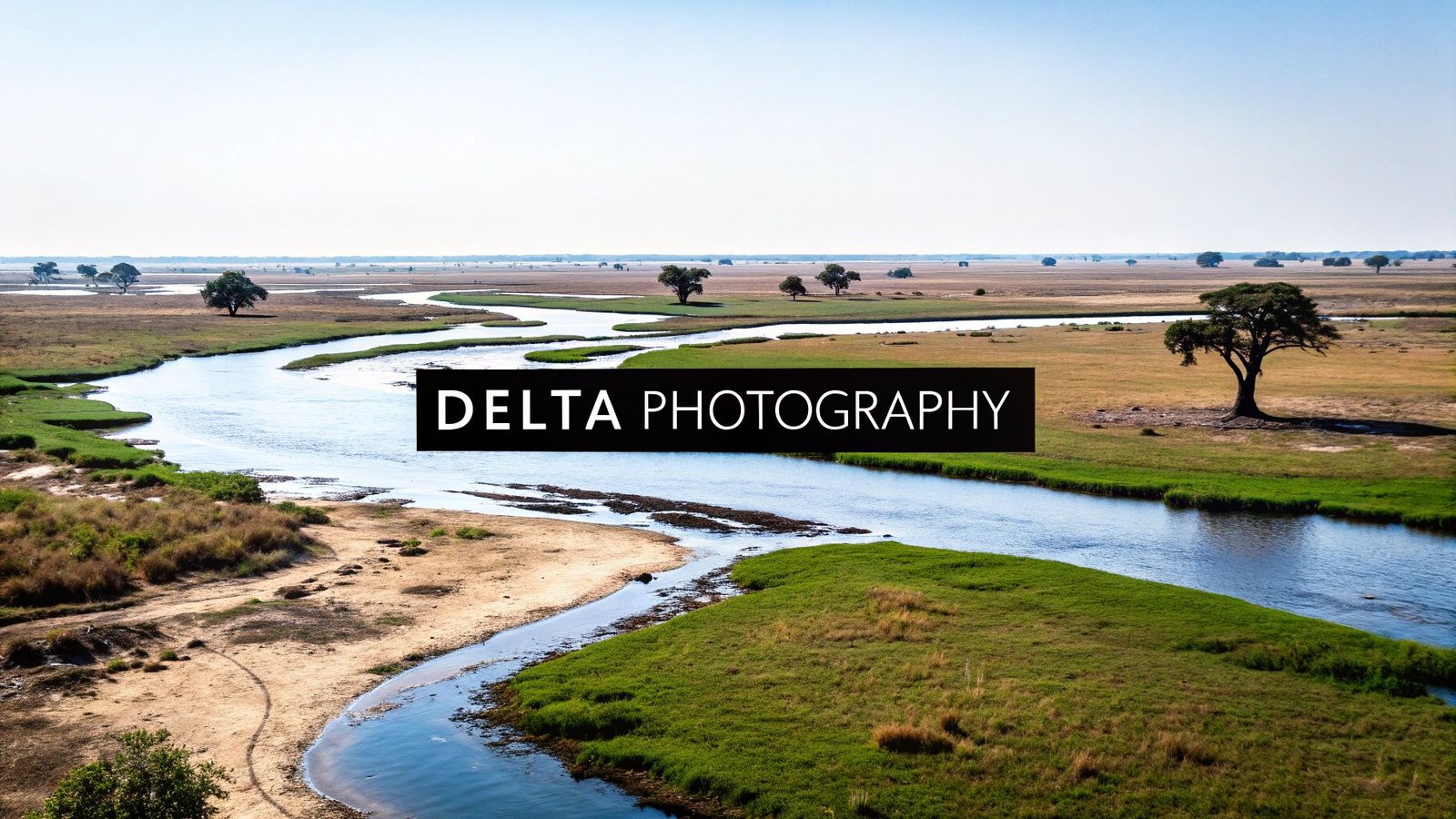
The Okavango Delta isn't just another safari destination; it's a photographer's paradise. Consistently ranked as a top bucket-list locale, the Delta earns its reputation through the captivating interplay of light, water, and wilderness. These elements combine to create stunning imagery impossible to duplicate anywhere else. This inland delta boasts a unique ecosystem—a vibrant mosaic of channels, islands, and floodplains—offering remarkable composition opportunities not found in traditional safari settings. This diversity allows photographers to capture everything from wide, sweeping landscapes to intimate portraits of wildlife.
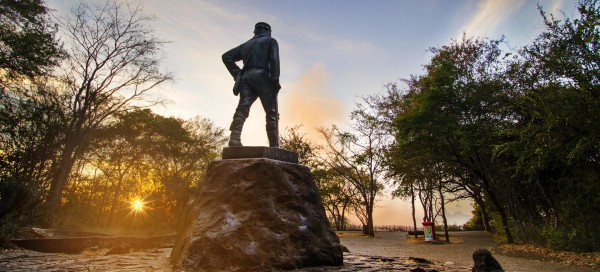
The quality of light in the Okavango Delta is key to its photographic appeal. The golden hour transforms everyday scenes into extraordinary images, bathing the landscape and its inhabitants in a warm, ethereal glow. This magical lighting enhances the textures and colors of the environment, creating a striking visual depth. The Delta’s pristine preservation also offers rare opportunities to document truly wild Africa. You're not just photographing animals; you're capturing a vanishing world.
Wildlife Abundance in a Picturesque Setting
The Okavango Delta provides exceptional chances to photograph diverse and abundant wildlife. One of the most compelling aspects of Okavango Delta photography tours is the sheer quantity of wildlife visible through the lens. The region is renowned for its massive buffalo breeding herds, often numbering over 1,000 individuals. This abundance of wildlife, set against the backdrop of the delta's scenic landscapes, creates a photographer's dream. Discover more insights about Okavango wildlife. You can also check out our news sitemap for updates and information about tours and the region.
Unique Perspectives From Water and Air
The Okavango Delta presents unique perspectives for capturing unforgettable images. The network of waterways allows for photography from mokoros, traditional dugout canoes. These offer an intimate and unique vantage point. Imagine capturing reflections of elephants drinking from the clear waters or a kingfisher diving for its next meal. This close connection with the water adds another dimension of immersion to your photography experience.
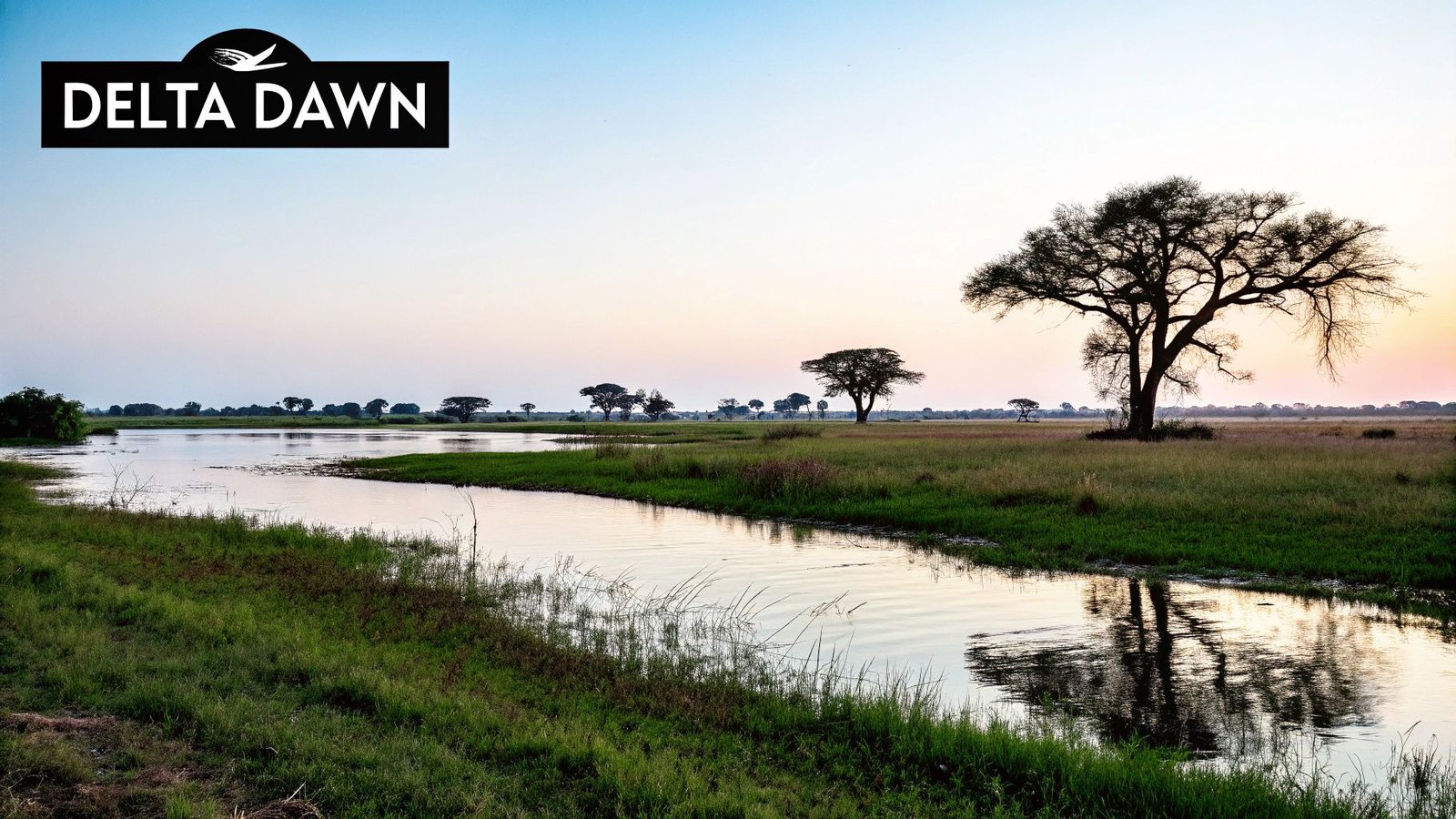
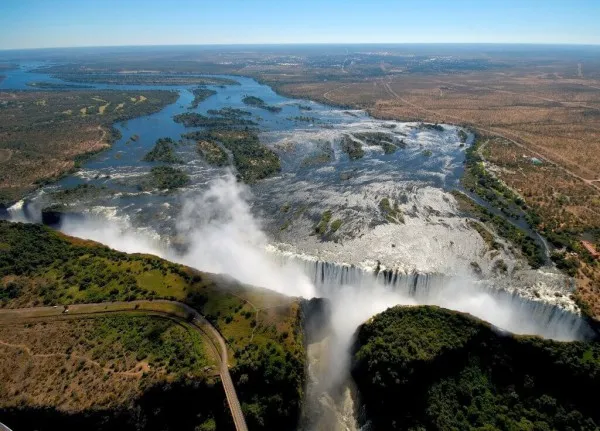
Beyond the mokoro, aerial photography unveils a whole new world of possibilities. From above, you can capture the immensity of the Delta, the complex patterns of its waterways, and the movement of wildlife across the landscape. These aerial shots provide a stunning overview of the ecosystem, adding a dramatic and awe-inspiring element to any Okavango Delta photography tour. This perspective truly showcases the scale and beauty of this remarkable natural wonder.
Mastering the Seasons: When to Capture Delta Magic
Understanding the seasons in the Okavango Delta, much like understanding the seasons in Kona, is crucial for photographers. Knowing the best time to visit, similar to knowing the best time to see wildlife in Kona, will greatly influence your photographic opportunities. The Okavango Delta undergoes a dramatic transformation throughout the year, offering distinct photographic opportunities in each season. From the vibrant greens and dramatic storm clouds of the wet season (November-March) to the concentrated wildlife around dwindling waters during the dry season (April-October), timing is paramount. Choosing the right season is key to capturing the images you envision.
Wet Season Wonders
The wet season breathes new life into the Delta. Rains revitalize the landscape, creating a sense of renewal and abundance, with vibrant green vegetation and dramatic skies. This is an ideal time for capturing stunning landscape photographs, with reflections of storm clouds mirrored in the flooded plains. The contrast between the dark, brooding skies and the vibrant green vegetation offers striking visual opportunities.
The wet season also brings newborn animals, offering heartwarming photographic moments. Capturing the first moments of life against the backdrop of the revitalized Delta creates truly special images.
Dry Season Drama
As the floodwaters recede during the dry season, wildlife concentrates around the remaining water sources. This creates exceptional opportunities to photograph predator-prey interactions and large herds gathering to drink. The dry season offers intense drama, as the struggle for survival becomes more pronounced.
However, the dry season isn't just about wildlife. The clear skies and golden light offer stunning opportunities for landscape photography. The stark beauty of the dry landscape, contrasted against the remaining waterholes, creates a dramatic and visually compelling scene.
Choosing the Right Season for Your Vision
The Okavango Delta's appeal lies in its year-round unique photography opportunities. While the dry season is popular, the green season (from late summer to early autumn) provides lush landscapes and vibrant wildlife, making it an attractive period for photographers. This has contributed significantly to Botswana's tourism industry, attracting photographers worldwide to experience the Delta's rich biodiversity and scenic beauty. Explore this topic further.
Whether you're aiming to capture dramatic predator action, vibrant landscapes, or the magic of bird migrations, understanding the seasonal nuances of the Okavango Delta is essential. Changing water levels drastically alter your shooting approach, equipment needs, and creative possibilities. Consider your photographic vision and research the best lighting conditions for your specific goals. You can also find information on our tour sitemap. Ultimately, the best time to visit depends on your individual photographic vision.
Field-Tested Gear That Thrives in Delta Conditions
The Okavango Delta presents unique challenges and rewards for photographers. Its demanding environment requires careful consideration of your equipment. Forget the marketing hype; this section reveals what truly performs in these challenging conditions. We'll delve into the practical field experience of seasoned Delta photographers, exploring their preferred lenses, camera bodies, and essential accessories.
Lens Choices for Delta Landscapes and Wildlife
Choosing the right lens is crucial for capturing the essence of the Okavango. Experienced photographers often opt for a combination of wide-angle and telephoto lenses. Wide-angle lenses, such as a 16-35mm, are perfect for capturing the vast floodplains and dramatic skies. Imagine capturing a sprawling vista of elephants against a vibrant sunset.
Telephoto lenses, ranging from 100-400mm to 600mm, are essential for intimate wildlife portraits from a safe distance. This is particularly important when photographing potentially dangerous animals, like lions or hippos.
Camera Body Performance in Fluctuating Light
The Okavango Delta's light can shift dramatically throughout the day. A camera body that performs well in both bright sunlight and low light is crucial. Look for a camera with a high ISO range and excellent dynamic range. These features ensure your images retain detail and clarity, even in challenging light, such as capturing dark elephants against bright water. A fast autofocus system is equally vital for capturing fleeting wildlife moments, like a kingfisher diving for its prey.
Essential Accessories for Preventing Equipment Failure
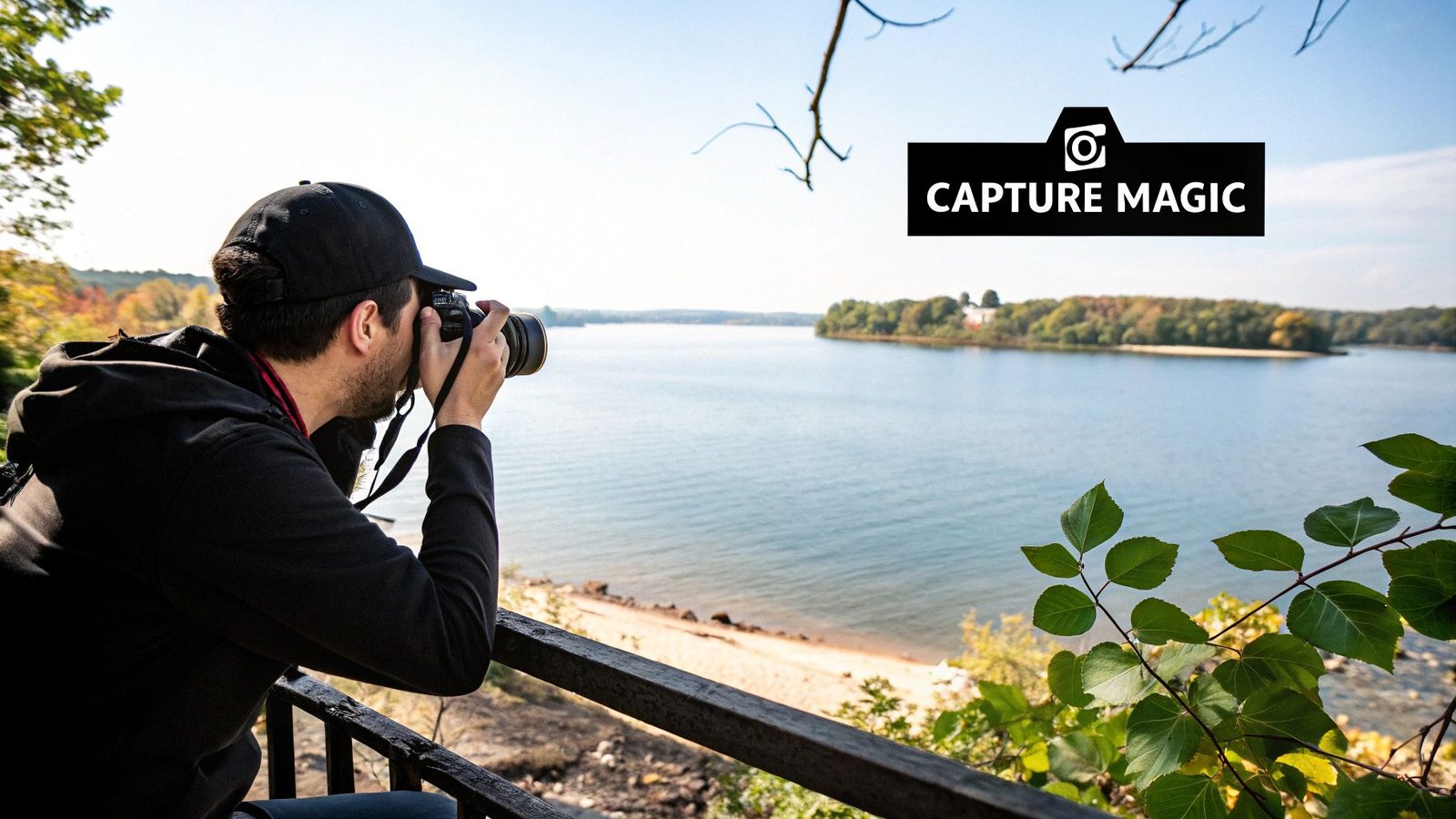
The Okavango's environment can be harsh on equipment. Dust, water, and the constant jostling of mokoro rides take their toll. Protective accessories are essential. A waterproof camera bag is a must-have for safeguarding your gear during water crossings or unexpected rain. Dustproof camera covers and lens cleaning kits will keep your equipment functioning optimally in dusty conditions.
Because you may be days from reliable power sources, extra batteries and memory cards are crucial. A portable power bank can be a lifesaver for charging devices in the field. For shooting from unstable mokoros, a beanbag or gimbal head provides much-needed stability.
Weight Restrictions and Budget Considerations for Okavango Delta Photography Tours
Weight restrictions on small aircraft transfers are a key factor when packing. Airlines often impose strict limits, and exceeding them can lead to extra fees or leaving equipment behind. This is especially important for photographers with multiple lenses and accessories. Careful planning and prioritizing essential gear can help you stay within the limits.
Budgets vary. For enthusiasts, renting specialized lenses can be a cost-effective way to access high-quality equipment. For professionals with larger budgets, investing in top-of-the-line gear can enhance creative possibilities. Careful planning and research will ensure you have the right equipment for your Okavango Delta photography tour. Capturing breathtaking images of this remarkable destination is an investment in itself.
The following table provides a helpful comparison of essential equipment based on different photography styles and experience levels:
Essential Camera Equipment for Okavango Delta Photography
A comparison of necessary photography equipment based on different photography styles and experience levels
| Equipment Type | Wildlife Photography | Landscape Photography | Beginner Recommendation | Pro Recommendation |
|---|---|---|---|---|
| Camera Body | High ISO and dynamic range, fast autofocus | High resolution, weather-sealed | Canon EOS Rebel T8i | Canon EOS R5 |
| Lens | Telephoto (100-400mm or 600mm) | Wide-angle (16-35mm) | 70-300mm telephoto, 18-55mm kit lens | 100-400mm or 600mm telephoto, 16-35mm wide-angle |
| Accessories | Beanbag or gimbal head, waterproof bag, dustproof covers | Tripod, filters (ND, polarizer) | Basic cleaning kit, extra batteries | Waterproof bag, dustproof covers, portable power bank, extra batteries and memory cards |
This table highlights the importance of specialized equipment for different photographic pursuits within the Delta. While beginners can start with versatile kit lenses and gradually expand their collection, professionals benefit from investing in top-tier lenses for optimal results. Regardless of your experience level, protecting your gear from the elements is paramount, emphasizing the need for waterproof bags and dustproof covers.
Capturing the Wild: Delta-Specific Photography Techniques
The Okavango Delta presents unique photographic challenges and opportunities that go beyond standard wildlife photography. This section explores specialized techniques perfected by photographers who've mastered this extraordinary environment. From conquering tricky lighting to freezing the action of a predator's hunt, consider this your guide to capturing the Okavango's true essence.
Mastering the Light and Shadows of the Delta
The Okavango Delta's lighting is dynamic and often challenging. Photographing a dark subject, like an elephant, against bright water requires careful adjustments. One technique is to expose for the highlights, ensuring the bright water isn't overexposed.
Then, use fill flash or post-processing techniques in Adobe Photoshop or similar software to recover detail in the shadowed areas of the elephant. This balance is key to capturing images that truly represent the scene.
Freezing the Action: Wildlife in Motion
Capturing that decisive moment in the Delta's vibrant ecosystem demands a different approach. A fast shutter speed is crucial for freezing motion, like a fish eagle diving or a leopard leaping.
Using continuous autofocus mode helps your camera track moving subjects, ensuring sharp images even in dynamic scenarios. This preparation elevates an Okavango Delta photography tour from ordinary to extraordinary.
Composition Techniques: Showcasing the Delta's Unique Ecosystem
Composition is essential for showcasing the interplay between wildlife and the watery world. Using leading lines, like channels or rivers, guides the viewer's eye towards your subject.
Incorporating reflections creates stunning, uniquely Delta compositions. Considering the foreground, background, and how elements interact within the frame helps tell a complete story.
Anticipating Animal Behavior and Ethical Considerations on Your Okavango Delta Photography Tour
Understanding animal behavior is vital for capturing compelling images. Knowing elephants often gather at waterholes during the dry season helps you anticipate opportunities.
However, ethical considerations are paramount. Respecting animals' space, avoiding disruptive actions, and prioritizing their well-being is crucial for responsible wildlife photography. Your Okavango Delta photography tour should document, not disrupt, natural behavior.
Learning From the Masters: Deconstructing Iconic Delta Images
Analyzing iconic Delta photographs offers valuable insights. By studying the technical and creative choices of experienced photographers, you can learn about composition, lighting, and storytelling.
Deconstructing these images reveals how everyday moments transform into extraordinary photographs. This is a powerful tool for improving your skills and developing a unique style.
Planning Your Delta Photography Expedition
Planning your dream photography trip to the Okavango Delta requires careful consideration of several key elements. These factors will significantly influence your overall experience and the quality of your photographic opportunities. Let's explore the essential logistics and decisions to prepare for an unforgettable adventure.
Accommodation: Balancing Comfort and Access
Choosing the right accommodation greatly impacts your access to prime photography spots and the flexibility you'll have during your trip. Photography-specialized lodges offer comfort, expert guidance, and often include amenities like dedicated photography hides and equipment rentals. However, this convenience comes at a higher price. Mobile expeditions, while offering fewer amenities, provide greater flexibility. You'll have the opportunity to venture into more remote areas, getting you closer to the heart of the action.
Transportation: Navigating the Delta's Waterways and Airspace
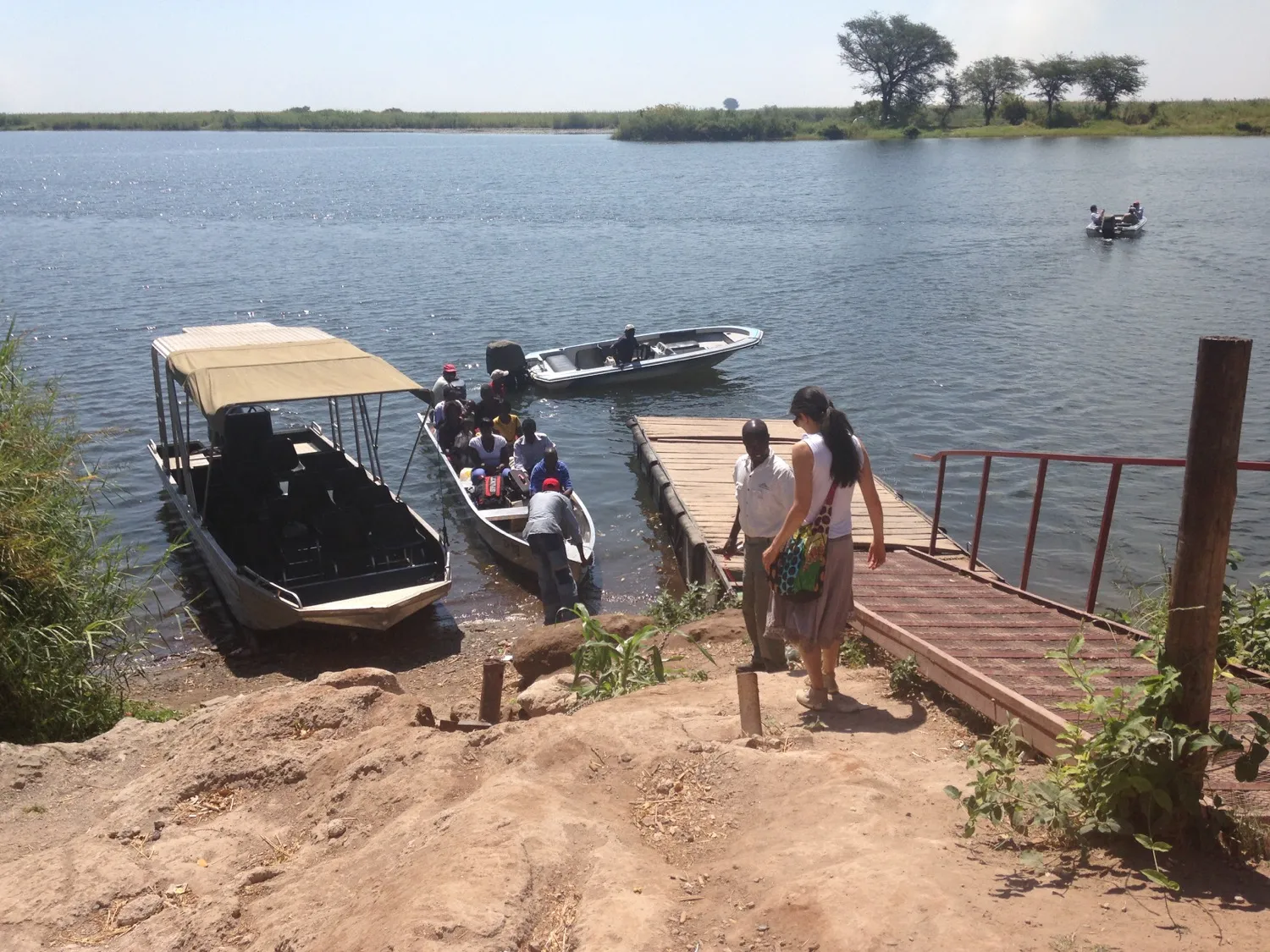
Transportation within the Okavango Delta presents unique logistical considerations. Charter flights are often required to reach remote lodges and camps. Booking these flights in advance and understanding associated costs is crucial. Once in the Delta, mokoros (traditional dugout canoes) offer an intimate and unique perspective for photography, although they can limit your mobility. It's also important to be aware of vehicle restrictions in certain protected areas, implemented to preserve the delicate ecosystem.
Check out our guide on our locations for specific details about accessibility and various areas within the Delta.
Permits and Regulations: Respecting the Environment
Permit requirements dictate where and how photography is allowed within the Delta. Secure any necessary permits well in advance of your trip to avoid potential delays or restrictions. Understanding these regulations ensures your trip aligns with ethical guidelines, demonstrating respect for both the environment and the local communities.
Budgeting and Booking: Making Informed Decisions
The total cost of an Okavango Delta photography tour can vary significantly depending on your choices. Luxury lodges located within the Delta can cost upwards of 800 Euros per person per night, reflecting their premium amenities and services. For a deeper dive into pricing, you can discover more insights about Okavango Delta tour costs. Despite the potential expense, the unique photographic opportunities available make the Okavango Delta a highly sought-after destination for dedicated wildlife photographers.
To understand how to make the most of the golden hour, you might find tips for taking amazing sunset photos helpful, even if the location is different. Booking well in advance, especially during peak season, is essential as premium locations and accommodations tend to fill up quickly. Considering shoulder seasons and maintaining flexible dates can offer more budget-friendly options without sacrificing the quality of your photography experience.
To help illustrate the range of costs, let's look at a comparison table:
To help you understand the varying costs associated with a photography trip to the Okavango Delta, we've compiled the following table:
Okavango Delta Photography Tour Costs Comparison
This table breaks down typical costs for different types of photography tours in the Okavango Delta
| Tour Type | Accommodation | Duration | Typical Cost Range | What's Included |
|---|---|---|---|---|
| Basic Mobile Camping | Tented Camps | 7 Days | €2,500 – €4,000 | Park fees, camping equipment, meals, local guides, transport within the Delta (usually mokoro and 4×4) |
| Mid-Range Lodge | Comfortable Lodges | 7 Days | €4,000 – €7,000 | Park fees, accommodation, meals, guided game drives, some activities |
| Luxury Lodge & Private Guide | High-End Lodges | 7 Days | €7,000+ | Park fees, luxury accommodation, all meals, dedicated private guide, customized itinerary, activities, and often internal flights |
| Specialist Photo Safari | Mobile or Lodge-Based | 10-14 Days | €6,000 – €12,000+ | All of the above, plus specialized photography tuition, hides, and potentially equipment rental |
As you can see, the price range depends heavily on the style of tour and accommodation you choose. While a basic mobile camping trip is the most affordable, the luxury and specialized options cater to different needs and preferences.
Timelines and Budget Strategies: Maximizing Your Investment
Establishing a realistic timeline is crucial for ensuring you capture all the shots you envision. Researching the optimal times for specific wildlife sightings and allocating sufficient time for various activities will help you maximize your experience.
Experienced photographers often recommend packing light to minimize excess baggage fees, which can be substantial on charter flights. Renting specialized equipment at your destination is another strategy that can reduce both costs and travel burden.
By carefully considering these practical aspects of your trip, you can free yourself to focus on what truly matters: capturing the remarkable beauty and unique wildlife of the Okavango Delta. Meticulous planning transforms a dream photography trip into a truly unforgettable adventure.
Signature Shots: Capturing the Delta's Iconic Moments
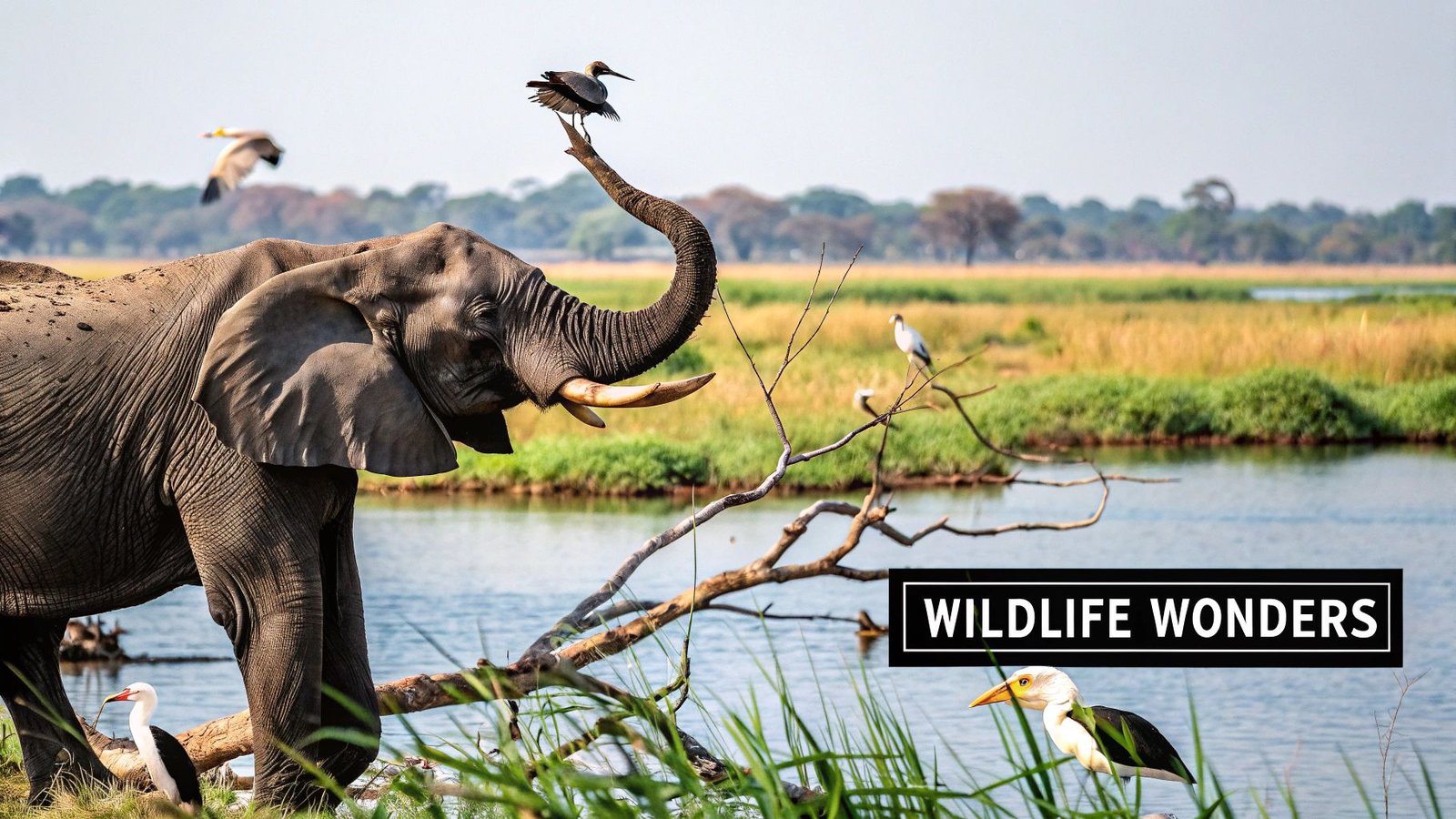
The Okavango Delta presents incredible photographic opportunities, unlike anywhere else in the world. This unique ecosystem allows you to capture images that truly embody the spirit of this African treasure. From elephants wading through waterways with trunks held high to the vibrant splash of a red lechwe at sunrise, we'll explore the iconic moments that make Okavango Delta photography so special.
Elephants in Their Element: Photographing Gentle Giants
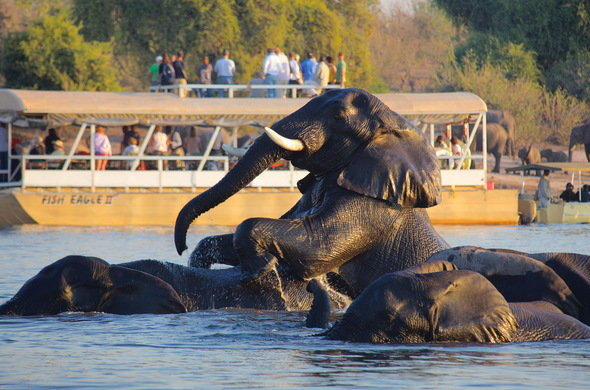
One of the most sought-after photographs in the Okavango Delta is that of elephants in the water. Positioning yourself for this shot takes patience and planning. Early mornings and late afternoons offer the best lighting, as the soft glow enhances the scene. Find areas where elephants frequently cross and be prepared to wait for that perfect moment when a herd enters the water, their trunks raised. A telephoto lens, such as a 70-200mm or 100-400mm, is essential for capturing detailed images from a respectful distance.
Lechwe in Motion: Capturing Splashes of Red
Red lechwe, with their striking coats and elegant movements, are another classic subject. These antelope are commonly found near water, and capturing them mid-splash makes for a powerful and exciting photo. Sunrise offers beautiful backlighting, highlighting the water droplets and the lechwe's reddish-brown fur. A fast shutter speed is crucial for freezing the action and avoiding blurry images. Don't be afraid to experiment with various angles and perspectives to capture the energy and motion of these animals.
Hippos at Dawn and Dusk: Golden Light and Emerging Giants
Hippos emerging from lagoons at dawn or dusk create a truly captivating scene. The golden light during these times casts a warm glow, resulting in a magical atmosphere. Identify lagoons known for hippo activity and position yourself to capture them as they surface from the water. A wide-angle lens can be used to effectively capture the entire scene, showcasing the hippos within their habitat.
Leveraging Unique Perspectives: Mokoros and Aerial Photography
The Okavango Delta offers exceptional vantage points. Shooting from a mokoro, a traditional dugout canoe, provides a unique water-level perspective, allowing for intimate and dramatic compositions. This vantage point offers a close encounter with the environment, capturing reflections and revealing the ecosystem's delicate balance. Aerial photography, from a helicopter or small plane, showcases the Delta's vastness and intricate patterns. This perspective highlights the channels, floodplains, and wildlife from above. The Delta's unique combination of vegetation, plains, and wildlife offers stunning backdrops. Tours can range from 9 to 13 days, depending on the itinerary and focus. The Okavango Delta, known as one of Africa's most pristine wetland areas, continues to draw photographers eager to capture its beauty. Learn more about Okavango Delta photography.
Anticipating Behavior and Capturing Authentic Moments
Capturing these special moments requires an understanding of the animals' behaviors. Learning how water levels influence animal movement and knowing where different species congregate increases your chances of being in the right spot at the right time. Patience and observation are key; waiting for natural behaviors to unfold often results in more rewarding photographs.
Ready to begin your own Okavango Delta photography adventure? Book your tour with Maximum Adventure Trails today and start capturing the wild heart of Africa.