

- 70 Views
- 4 Min Read
- (0) Comment
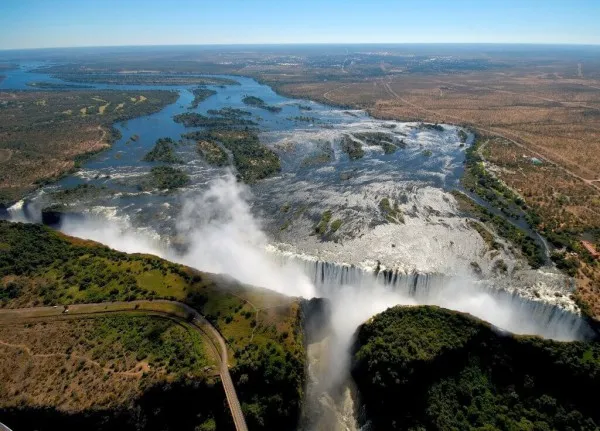
Discover the conservation efforts at Victoria Falls, where nature and preservation unite. This breathtaking site, straddling the border of Zimbabwe and Zambia, is not only a UNESCO World Heritage Site but also a vital ecological area rich in biodiversity. The conservation initiatives in place are multi-faceted, focusing on protecting the unique flora and fauna that thrive here, while also educating local communities about the importance of sustainability and the victoria falls conservation efforts.
Understanding Victoria Falls Conservation Efforts
Learn about various programs aimed at safeguarding this natural wonder, including community engagement efforts that empower locals to become stewards of the environment. For instance, local workshops have been organized to train residents in sustainable farming techniques that minimize environmental impact while providing food security. Additionally, schools in the region have incorporated environmental education into their curricula, fostering a new generation committed to conservation. These victoria falls conservation efforts highlight the collaborative spirit necessary for preserving such a unique ecosystem.
Witness sustainability in action through ecotourism, eco-friendly practices, and collaborative projects between governments and NGOs. Support the preservation of Victoria Falls for future generations by getting involved with local conservation groups or participating in eco-tourism activities that promote responsible travel. Tours led by knowledgeable guides not only showcase the natural beauty of the area but also educate visitors on the delicate ecosystems present.
These experiences are designed to highlight the interdependence of wildlife and human activities, encouraging travelers to appreciate the balance that must be maintained between tourism and conservation. Experience the harmony between mankind and nature in this remarkable conservation haven, where the victoria falls conservation efforts are crucial to maintaining this balance.
– Victoria Falls Anti-Poaching Unit: The Victoria Falls Anti-Poaching Unit (VFAPU) is a dedicated local organization committed to the protection and conservation of wildlife in the Victoria Falls area. Their work is critical, as poaching remains a significant threat to the rich biodiversity of the region. The VFAPU employs a proactive approach, combining law enforcement with community engagement to create a comprehensive strategy against poaching.
VFAPU conducts regular anti-poaching patrols, utilizing trained personnel and community volunteers to monitor wildlife and deter illegal activities. Additionally, they run community outreach programs that educate locals about the benefits of conservation and the importance of protecting wildlife. Through wildlife rescue efforts, they rehabilitate injured or orphaned animals, ensuring they can return to their natural habitat. Their collaboration with local law enforcement agencies has led to increased arrests related to poaching activities, and they host workshops that equip community members with skills for eco-friendly livelihoods. The organization also collaborates with international wildlife conservation groups to enhance their impact and share best practices, demonstrating a successful model for community-led conservation.
– Environmental Initiatives: Both Zimbabwe and Zambia have implemented various environmental initiatives to protect the ecosystems surrounding Victoria Falls. These include measures to reduce pollution from nearby urban areas and promote sustainable tourism practices that minimize the environmental footprint. For instance, local authorities are working to regulate waste management and reduce plastic usage among tourists and businesses. Efforts to involve local artisans in the creation of eco-friendly products have also gained traction, providing alternative income sources while supporting conservation.
Additionally, there are ongoing efforts to restore native vegetation and rehabilitate degraded areas to enhance biodiversity. Community-led tree planting events have not only increased forest cover but have also fostered a stronger connection between residents and their natural environment.
Educational campaigns are being carried out to raise awareness about the importance of preserving the flora and fauna in the national parks and surrounding areas. These initiatives not only aim to protect the natural environment but also seek to create economic opportunities for local communities, fostering a sense of ownership and responsibility towards conservation. By partnering with local schools and NGOs, programs have been established that engage students in hands-on conservation activities, such as wildlife monitoring and habitat restoration.
By encouraging sustainable practices, both governments are ensuring that Victoria Falls remains a natural treasure for years to come. This holistic approach to conservation emphasizes the interconnectedness of ecological health and community well-being, ensuring that the victoria falls conservation efforts will be sustainable in the long term.
Moreover, international visitors are increasingly drawn to Victoria Falls, not only for its stunning beauty but also for its conservation narrative. Responsible travel companies are highlighting the efforts made to protect this iconic site, allowing tourists to contribute to conservation projects through their travel choices. By choosing eco-friendly accommodations and participating in responsible tours, visitors play a vital role in the ongoing conservation narrative. This integration of travel and conservation creates a sustainable model that can be replicated in other regions, showcasing the potential for tourism to support environmental efforts.