

- 1 Views
- 7 Min Read
- (0) Comment
The dry season in Victoria Falls runs from about May to October. Rain is rare, skies are clear, and the Zambezi drops steadily, which opens up wider views, easier game viewing and, late in the season, access to Devil’s Pool. The wet season, also called the green season, runs from November to April and brings downpours, lush scenery and heavy spray. Neither season is simply better. The right choice depends on what you want to see and do.
One detail trips up most travelers. The river’s flow lags behind the rain by months, so the Falls are fullest around April, just as the dry season begins. They are lowest from roughly November to January, when the rains are starting. Calling a month "dry" tells you about the weather, not about the water.
We run tours from Victoria Falls, Zimbabwe, and have guided travelers here since 2019. This guide explains what each season looks like, how to plan a dry season trip, what changes for Devil’s Pool, rafting and flights, and what you give up in the wet season and at peak times.
Why the season changes what you see at the Falls
The season decides how much water you see, how clearly you see it and which activities run. Understanding the two seasons, and the delay between rain and river, saves you from booking the wrong month.
Two seasons, not four
Victoria Falls has two real seasons. The dry season runs from May to October and covers the southern autumn, winter and early spring. The wet season runs from November to April, with the first rains usually arriving around mid-November. Rain comes as short, violent storms followed quickly by sunshine, not days of drizzle.
| Dry season (May to October) | Wet season (November to April) | |
|---|---|---|
| Rain | Rare | Sudden downpours, then sun |
| Falls flow | Falling from a strong May to a low by October or November | Lowest in November, rising from January, peaking around April |
| Views | Clear, more rock exposed | Heavy spray, viewpoints often misted over |
| Temperatures | Mild winter days, hot October (up to 40°C / 104°F) | Hot and humid, up to 40°C from November to February |
| Wildlife | Easier to spot around water, thinner bush | Thick bush, migrant birds arrive |
| Crowds | Busiest | Quieter |
Why the water peaks after the rain
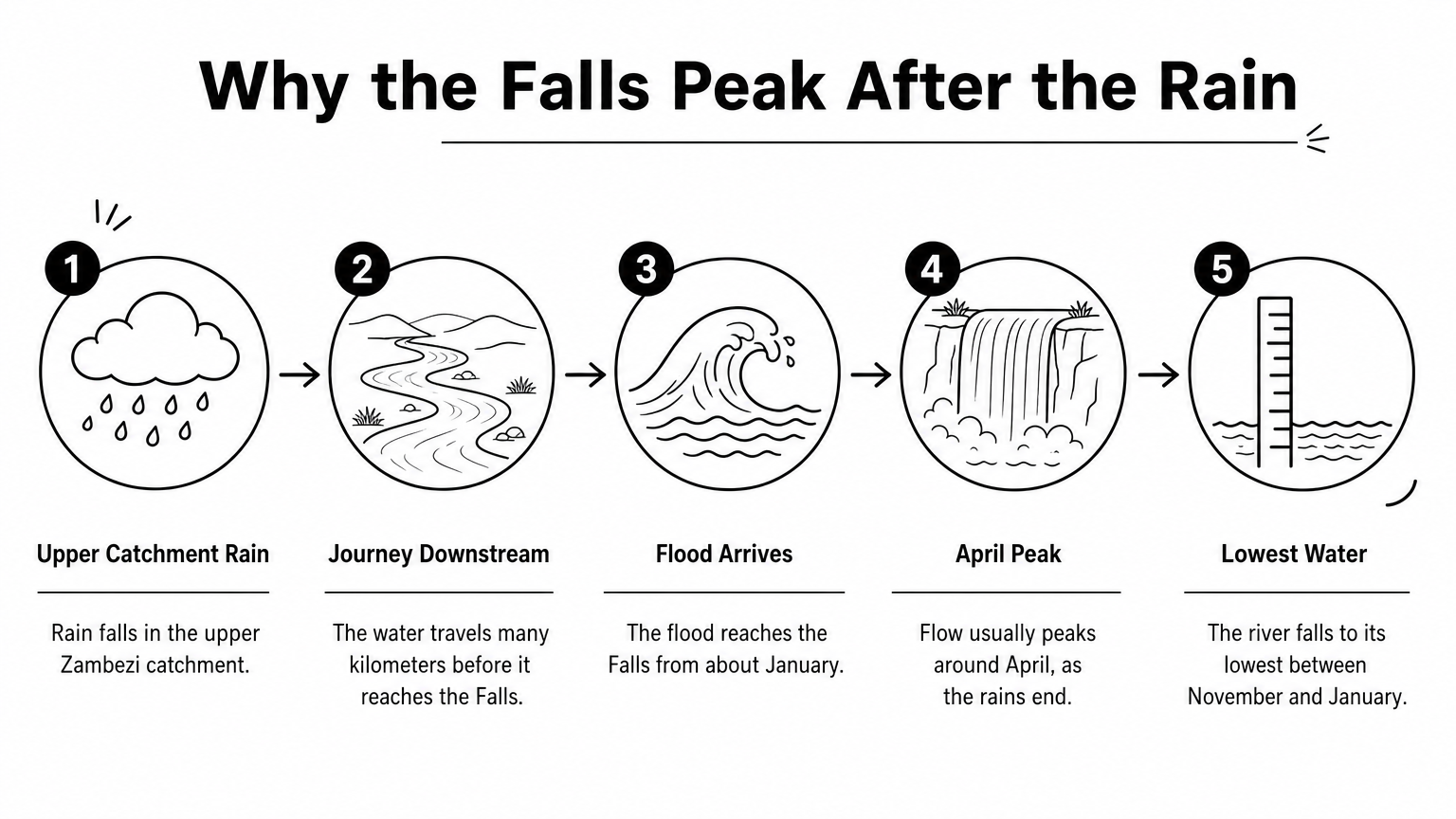
Rain near the Falls matters less than rain in the upper Zambezi catchment, which must travel many kilometers downstream. The flood reaches the Falls from about January and usually peaks around April, even though the rains are ending. From there the river falls through the dry season to its lowest levels between November and January.
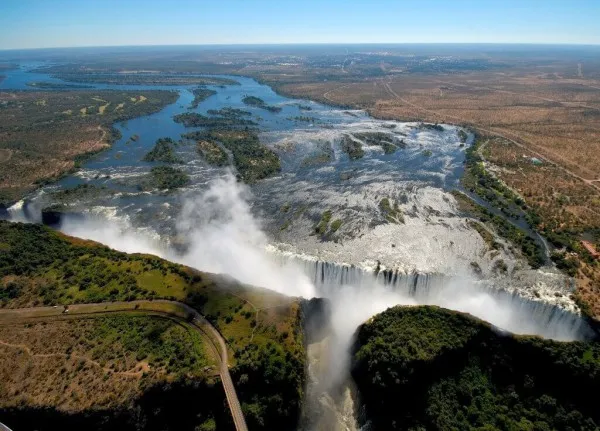
The Falls never dry up. At low water the flow concentrates into fewer channels, and the Eastern Cataract on the Zambian side shrinks sharply while the main curtain keeps pouring. The rainforest stays green all year because of the constant spray.
The weather tells you which season it is, but the river level tells you what the Falls will look like.
How to plan a dry season trip to Victoria Falls
Pick your month by what you want most: strong flow, wildlife or adventure. For most first-time visitors, late May through July is the best balance of powerful water, clear views and comfortable weather.
Choose your month by goal
| Period | Water level | Best for |
|---|---|---|
| Late May to June | Strong and falling | Photography, clear views, walking the viewpoints |
| July to August | Moderate and dropping | Combining the Falls with a Chobe safari, cool days, rafting |
| September to October | Low | Full-length rafting, Devil’s Pool, long views of exposed rock |
Early in the dry season you still get impressive volume without the thick spray of April. Later you trade volume for access and adventure. If you want a guide for the Zimbabwe side, our Tour of Victoria Falls, Zimbabwe is a guided walk along the viewpoints. The entrance fee is not included: $58 for international guests, $35 for SADC nationals.
Weather, packing and health
Dry season weather is easy to pack for if you plan around the extremes. Winter days are mild and temperatures generally rarely drop below 13°C (55°F), but early game drives and river trips feel cold. October is the exception, with heat approaching 40°C.
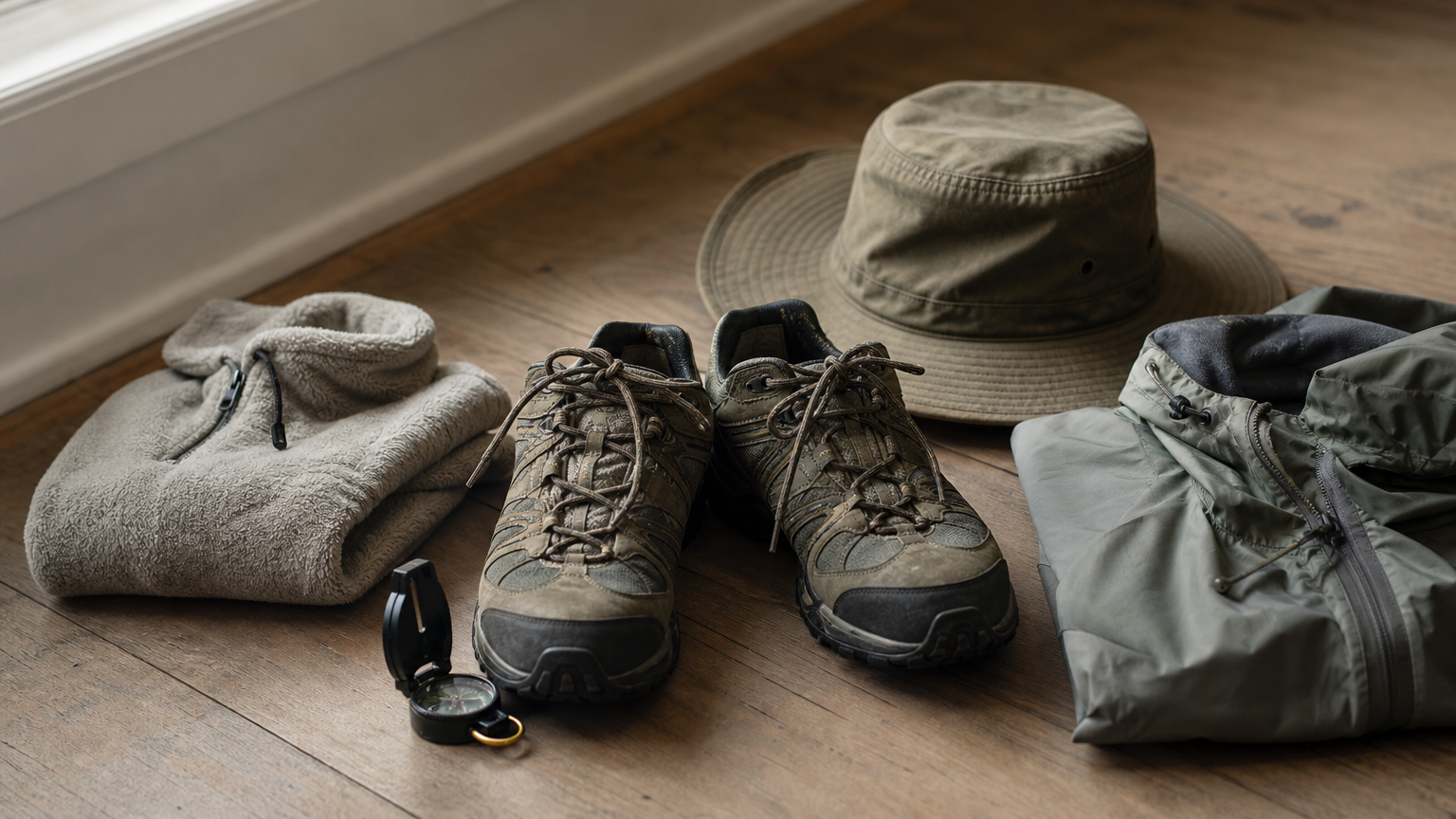
- Layers and a fleece for early mornings and evenings from June to August
- A hat, sunscreen and water for the hot weeks of September and October
- Walking shoes with good grip for the wet rock near the viewpoints
- A light rain jacket for the spray, even in the dry months
Victoria Falls sits in a malaria-risk region, with the highest risk in the rainy months. Ask a travel clinic about prophylaxis several weeks before you fly.
For a first visit, late May to July gives you strong water and clear skies at once.
Devil’s Pool, rafting and flights by season
Devil’s Pool and full-length rafting both need low water, so they sit in the late dry season. Flights and cruises run all year, but what you see from them changes.
When Devil’s Pool opens
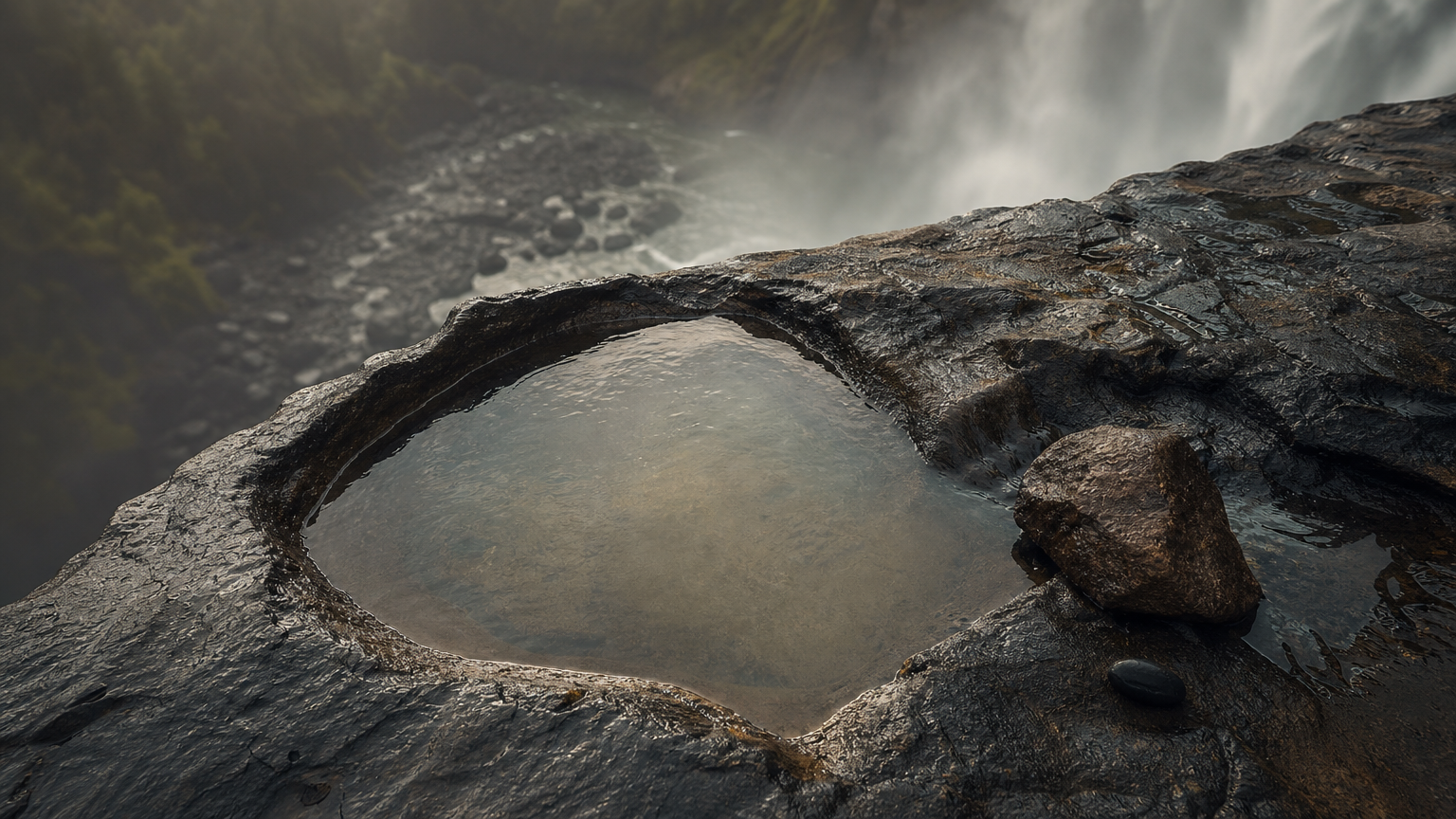
Devil’s Pool is a natural rock pool at the lip of the Falls on the Zambian side, reached from Livingstone Island. It is only safe when the river is low. In most years that means roughly September through December, but the start and end shift with the flood, and operators make the call on the day. If it is your priority, aim for mid-September to November, book early and confirm dates with the operator before you commit.
What else changes with water levels
| Activity | Dry season (low water) | Wet season (high water) |
|---|---|---|
| White-water rafting | Full 26 km run, 19 rapids, mostly Grade 4 to 5, from about mid-July to early January | Partial run of 18 to 24 km, and rafting stops in full flood, about mid-March to early May |
| Helicopter flight | Clearer air and a wider view of exposed rock and gorges | Immense water volume, but spray can blur the view |
| Zambezi cruise | Animals gather at shrinking water, easier to spot | Greener banks, higher river, thicker bush |
Rafting is from $140 per person for a 7-hour trip (minimum age 15, with a $12 park fee on the day). Our Flight of Angels helicopter flight is $160 per person for 12 to 13 minutes, plus a $15 park fee. Zambezi cruises range from $59 to $80 for standard trips, plus a $12 river usage fee.
Devil’s Pool and the full rafting run are late dry season experiences, so plan around them first.
Wet season and peak season: what to expect
The wet season trades clear views for raw power, green scenery and fewer people. In tourism terms, peak season is the dry season, which confuses many planners.
The rainy season at Victoria Falls
From February to April the Falls are at their most thunderous, and the viewpoints are soaked in spray. Close-up photos are dramatic, but wide shots are harder. Bring ponchos and a dry bag for electronics. The Zambian side is a strong choice for high water, which is why we flag March and April for our Victoria Falls, Zambia side experience.
The wet season also brings migrant birds, thick green bush and quieter paths. The costs are heat and humidity, up to 40°C from November to February, limited rafting and poorer game viewing. The hardest stretch is mid-October to mid-November, when it is hottest and the rains have not arrived.
Peak season, high season and high water
Victoria Falls peak season and high season both usually mean the dry season, roughly June to October, when demand for rooms and activities is highest. High water is something else entirely: the flood from March to May. Check which one a website means before you plan around it.
If you travel in the dry season, book lodging and key activities early. Wet season trips are easier to arrange at short notice, though rafting and Devil’s Pool availability still depend on the river.
Peak season follows the weather, but high water follows the river, and they are not the same months.
Choosing your season
Choose the dry season for clear views, safari combinations, rafting and Devil’s Pool. Choose the wet season for maximum water, green scenery and quiet viewpoints. If you cannot decide, late May to July balances flow and comfort, and September to October suits adventure seekers who can handle the heat.
Once you have a month in mind, match it to the activities you want. You can book an individual Victoria Falls tour and build the rest of the trip around it.