

- 22 Views
- 7 Min Read
- (0) Comment
Key takeaways
- The bungee jump off Victoria Falls Bridge drops 111 metres to the Zambezi below, one of the highest commercial jumps in Africa.
- Zambezi River rafting runs Class IV and V rapids, widely rated among the best single-day white-water trips anywhere.
- Zambezi National Park in neighbouring Zimbabwe covers 56,000 hectares and shelters elephant, lion, buffalo, and leopard within a short drive.
- Livingstone works best as a two to three day add-on that bookends a wider Southern Africa safari.
Livingstone rewards travellers who stay longer than a single afternoon at the viewpoints. The things to do in Livingstone stretch well past the spray of Victoria Falls: white-water rafting, a bungee jump off the bridge, gorge swings, wildlife day trips, riverside cruises, and busy local markets all sit within easy reach of town.
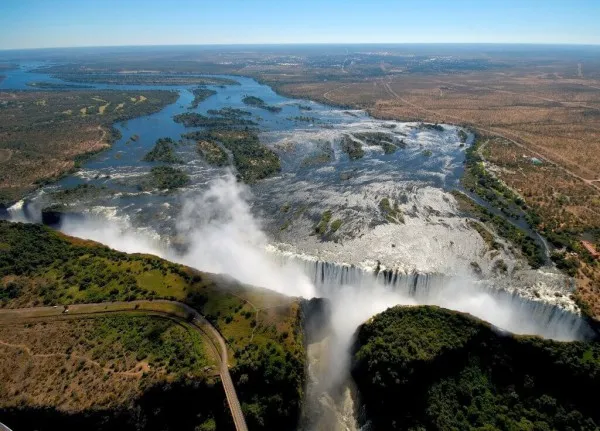
This Zambian town sits on the north bank of the Zambezi, a short drive from one of the most recognised waterfalls on Earth. Most visitors arrive for the falls and leave surprised by how much else fills the days. Use this guide to plan two or three days that turn a quick stop into a proper adventure.
What Are the Top Adventure Activities in Livingstone?
Livingstone is one of Africa's busiest adventure hubs, built around the gorge below Victoria Falls. The signature thrill is the bungee jump from Victoria Falls Bridge, a 111 metre plunge toward the river, with the bridge deck sitting 128 metres above the Zambezi (Wikipedia, Victoria Falls Bridge, retrieved 2026-09-24).
The same bridge platform also hosts a gorge swing and a bridge slide, so a group with mixed nerves can pick their own level. If a free fall feels like too much, the swing arcs you out over the gorge on a rope instead of straight down. The zip line runs along the gorge as well, giving a longer view of the river without the drop. Operators bundle these into a combined ticket, which works out cheaper than booking each one on its own.
Abseiling and high wiring fill the same gorge with rope-based options for people who want control over speed. Most of these run in the morning before the midday heat builds, so an early start leaves the afternoon free for the falls themselves. Booking a day ahead is wise in the dry-season peak, when the platform gets busy with tour groups.
Rafting is the other headline act. The Zambezi below the falls runs Class IV and V rapids, the highest grades run commercially, and the stretch is often ranked among the finest one-day rafting trips in the world. The low-water season, roughly August to December, opens the most rapids and starts closer to the falls, while high water from January to April shortens the run.
Rapids here carry names that set the tone, including "Stairway to Heaven" and "The Gnashing Jaws of Death." First-timers can still join guided commercial trips, since experienced river guides run every raft. Most operators run half-day and full-day options depending on the water level.
Where Can You See Wildlife on a Day Trip?
Wildlife sits closer than most visitors expect. Just across the border in Zimbabwe, Zambezi National Park runs along the river next to Victoria Falls National Park, with a long stretch of river frontage and four of the Big Five present: elephant, lion, buffalo, and leopard.
On the Zambian side, Mosi-oa-Tunya National Park hugs the river right outside town. It is small, which makes it easy to fit into half a day, and it protects white rhino under ranger guard. Game drives here focus on giraffe, zebra, buffalo, and antelope grazing near the water.
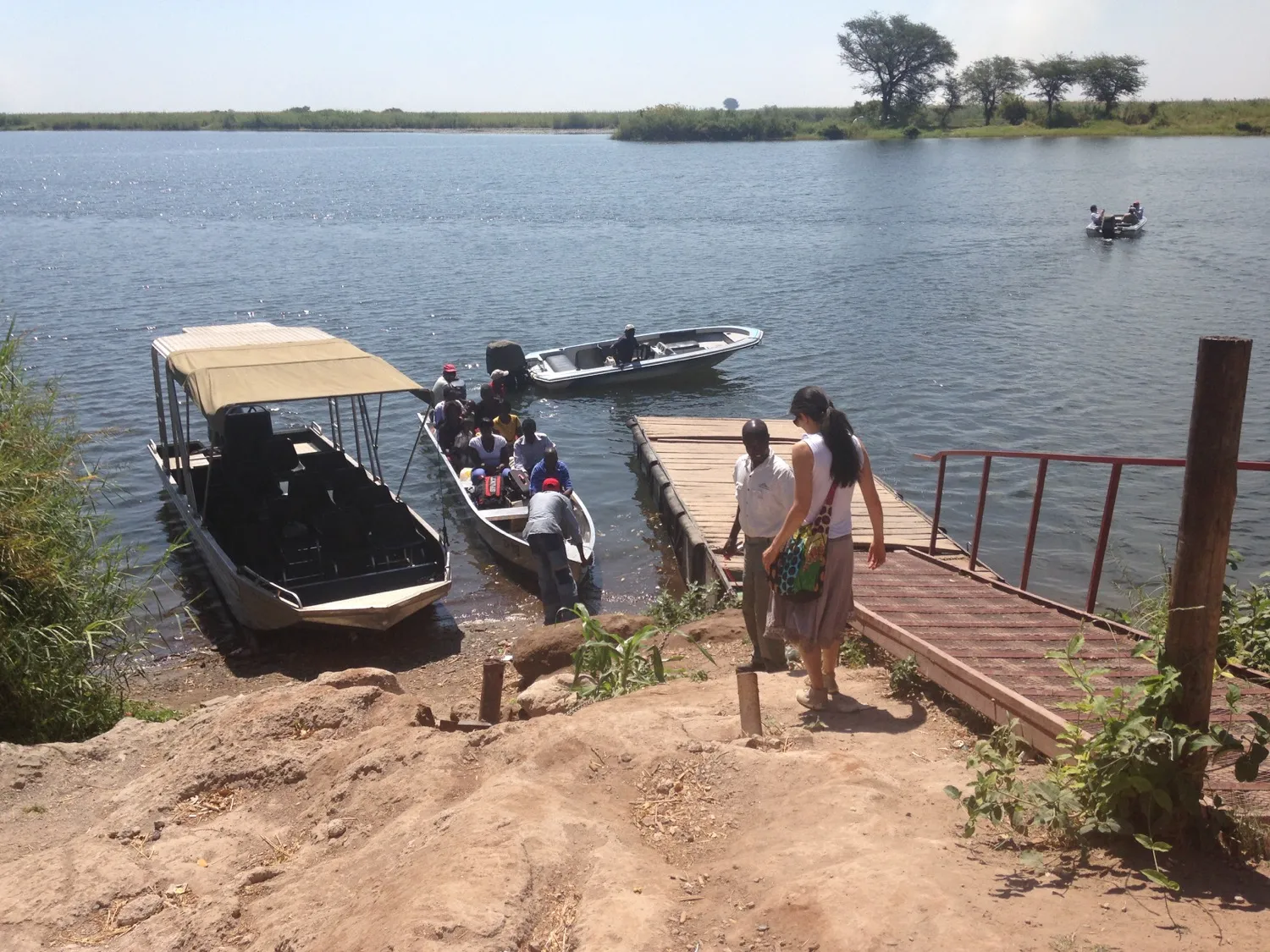
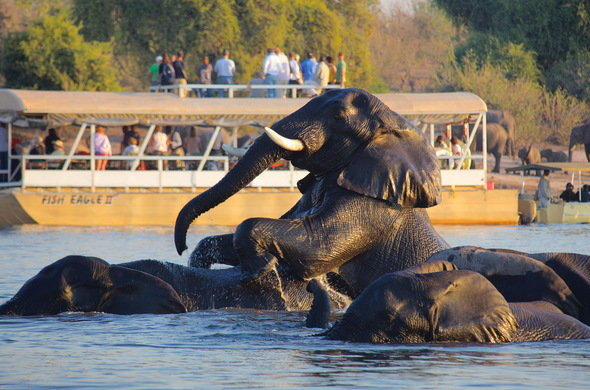
A river cruise is the gentler wildlife option. Boats slide along the upper Zambezi at sunset while elephants drink at the bank and hippos surface in the channels. It suits travellers who want animals and scenery without a bumpy 4×4 track. Crocodiles bask on the sandbanks, and fish eagles call from the treeline, so even a short cruise delivers plenty to watch.
Birdwatchers do well across all of these parks. The riverine forest and open water pull in kingfishers, bee-eaters, storks, and herons throughout the year. Morning is the best light for photography, while evening cruises trade sharp detail for warmer colour and a calmer river.
Day trips reach further too. Chobe in Botswana lies close enough for a full-day excursion famous for large elephant herds, a popular add-on for visitors who want a second country in a single trip.
What Cultural Experiences and Markets Should You Visit?
Livingstone carries real cultural weight beyond its adventure reputation. Victoria Falls itself, known locally as Mosi-oa-Tunya or "the smoke that thunders," was inscribed as a UNESCO World Heritage Site in December 1989 in a joint listing by Zambia and Zimbabwe (UNESCO World Heritage Centre, retrieved 2026-09-24).
The town centre keeps a colonial-era street grid with old shopfronts and the Livingstone Museum, Zambia's oldest and largest, which lays out regional history and natural science. It is a good first stop for context before the activities begin.
For crafts and daily life, head to the markets. Maramba market in town sells fresh produce, fabric, and household goods to locals rather than tourists, so it feels genuine. Nearby Mukuni village offers guided visits where residents show basketry, carving, and traditional customs, with sales going back to the community.
Buy carvings and textiles directly from makers where you can. The cultural side of Livingstone pairs naturally with a wider itinerary that crosses into Zimbabwe, where history and wildlife sit close together.
What Are the Family-Friendly and Relaxed Options?
Not every visitor wants to leap off a bridge, and Livingstone handles calmer days well. Families gravitate to the sunset river cruise, where children can watch hippos and birds from a stable deck rather than a raft. The upper Zambezi is broad and slow here, far from the rapids downstream.
Devil's Pool draws the bolder families in the dry season, a natural rock pool at the very lip of the falls, always with a guide. For younger children, the safer choice is the boardwalk paths on the Zambian side, which give close falls views without the edge.
Gentle add-ons round out a relaxed itinerary. A guided walk with rescued lions or a visit to a local elephant interaction centre suits travellers who prefer contact over adrenaline. Spa time at riverside lodges and slow breakfasts by the water also fill a rest day nicely.
Steam train dinners and short scenic flights over the falls give couples and older travellers a memorable outing without any physical demand. A helicopter or microlight flight reveals the full width of the falls from above, which is hard to grasp from the ground. These flights run short, usually 15 to 30 minutes, so they fit easily into a half day.
Livingstone's mix of tame and wild makes it a smart middle stop on a longer trip. Planning the flow of easy and intense days matters, and our Africa safari trip planning guide helps you balance the pace across a full journey.
How Does Livingstone Fit Into a Safari Itinerary?
Livingstone works best as a two to three day anchor at the start or end of a wider Southern Africa safari. The town has an international airport, reliable lodges, and quick border crossings into Zimbabwe and Botswana, so it stitches neatly into a regional loop.
A common route pairs Livingstone with Chobe and the Okavango Delta, using the falls as the scenic bookend to a game-heavy trip. Another popular combination runs Livingstone into Hwange for dense wildlife, then out through the delta or Kruger.
Give yourself at least two nights so you can split time between the falls, one adventure activity, and a wildlife outing. Three nights adds a cultural morning or a rest day without feeling rushed. Book activities in advance during the dry-season peak, when rafting and bungee slots fill quickly.
Ready to build the full route? Maximum Adventure Trails packages Livingstone alongside Chobe, Hwange, and the Okavango Delta with guided arrangements and simple booking, so your falls stop slots into a complete safari rather than sitting apart from it.
Frequently asked questions
How many days do you need in Livingstone?
Two to three days covers the falls, one adventure activity, and a wildlife day trip. Add a fourth day if you want a slower pace or a cultural visit.
Is Livingstone worth visiting beyond Victoria Falls?
Yes. The town anchors rafting, bungee jumping, gorge swings, river cruises, wildlife parks, and local markets, making it a full destination rather than a single viewpoint.
What is the bungee jump height at Victoria Falls?
The jump from Victoria Falls Bridge is 111 metres to the water surface, with the bridge deck sitting 128 metres above the Zambezi River.
When is the best time for white-water rafting near Livingstone?
The low-water season, roughly August to December, opens more rapids and starts closer to the falls. High water from January to April shortens the runnable stretch.