

- 7 Views
- 7 Min Read
- (0) Comment
Key takeaways
- Pairing Chobe National Park with the Okavango Delta gives you both classic land game drives and unique water-based safaris on one trip.
- The Okavango Delta covers 2,023,590 hectares and was inscribed as a UNESCO World Heritage Site in 2014, the 1,000th site on the list.
- Northern Botswana holds roughly 130,000 elephants, one of the largest concentrations of the species anywhere in the world.
- A comfortable combined route runs 7 to 10 days: two to three nights on the Chobe River, then three to four nights in the Delta.
- Booking Chobe and the Okavango as one package removes the hard part: internal flights, transfers, and camp timing all connect for you.
The strongest African safari in Botswana pairs two regions that feel like different countries: Chobe, with its river full of elephants and easy game drives, and the Okavango Delta, a maze of flooded channels you explore by canoe. Doing both on one trip gives you land and water game viewing that neither destination delivers alone, and the two sit close enough to connect by a short flight.
This guide covers why the pairing works, how the two experiences differ, a sample 7 to 10 day itinerary, the wildlife you can expect in each region, and how to book the whole thing as one seamless package.
Why Chobe and the Okavango Are Botswana's Best Combo
Most first-time visitors ask whether to pick one or the other. The better question is how to fit both in, because they complement each other rather than repeat the experience.
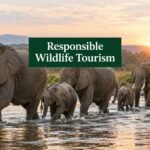
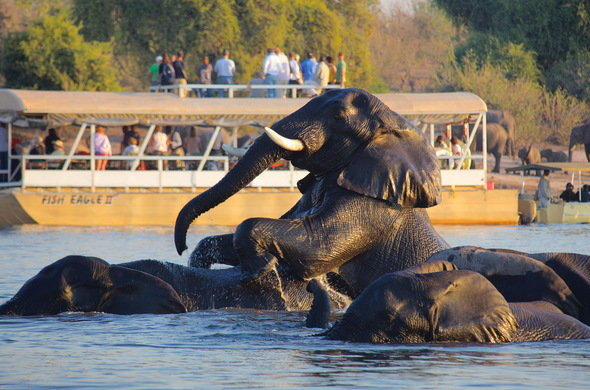
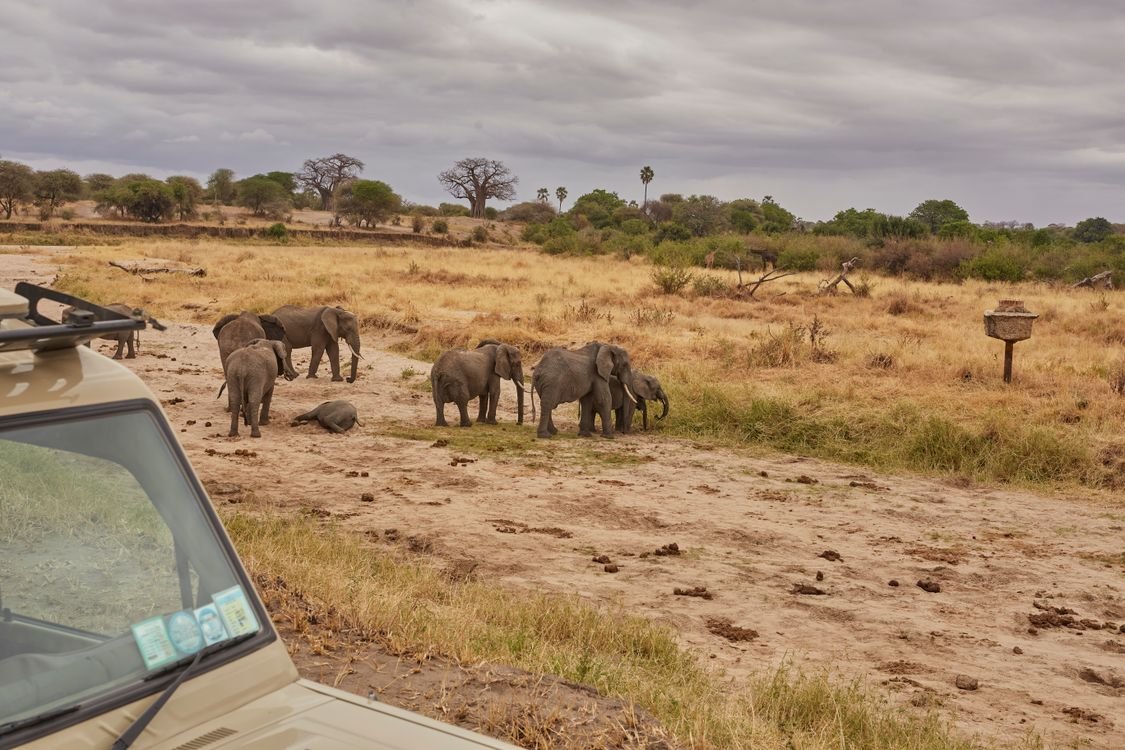
Chobe delivers reliable, high-volume game viewing along a permanent river. Northern Botswana holds roughly 130,000 elephants, one of the largest concentrations of the species anywhere in the world, according to the IUCN, and a large share of them water at the Chobe River in the dry months. You get predators, big herds, and boat cruises within a day of arriving.
The Okavango offers something you cannot find at Chobe: a living inland delta. Rain that falls in the Angolan highlands drains south and floods the Kalahari, creating channels, lagoons, and islands that shift with the seasons. Exploring it by mokoro, the traditional dugout canoe, puts you at eye level with lily-covered water and gives the trip a quiet, intimate register that game drives cannot match.
Put together, you get the scale of Chobe and the texture of the Delta in a single journey. For a broader look at how Botswana fits into a wider trip, the Botswana Safari: Complete Trip Planning Guide is a useful companion to this article.
Contrasting Water and Land Safari Experiences
The two regions ask for different pacing, and knowing that ahead of time helps you set expectations.
The land safari at Chobe
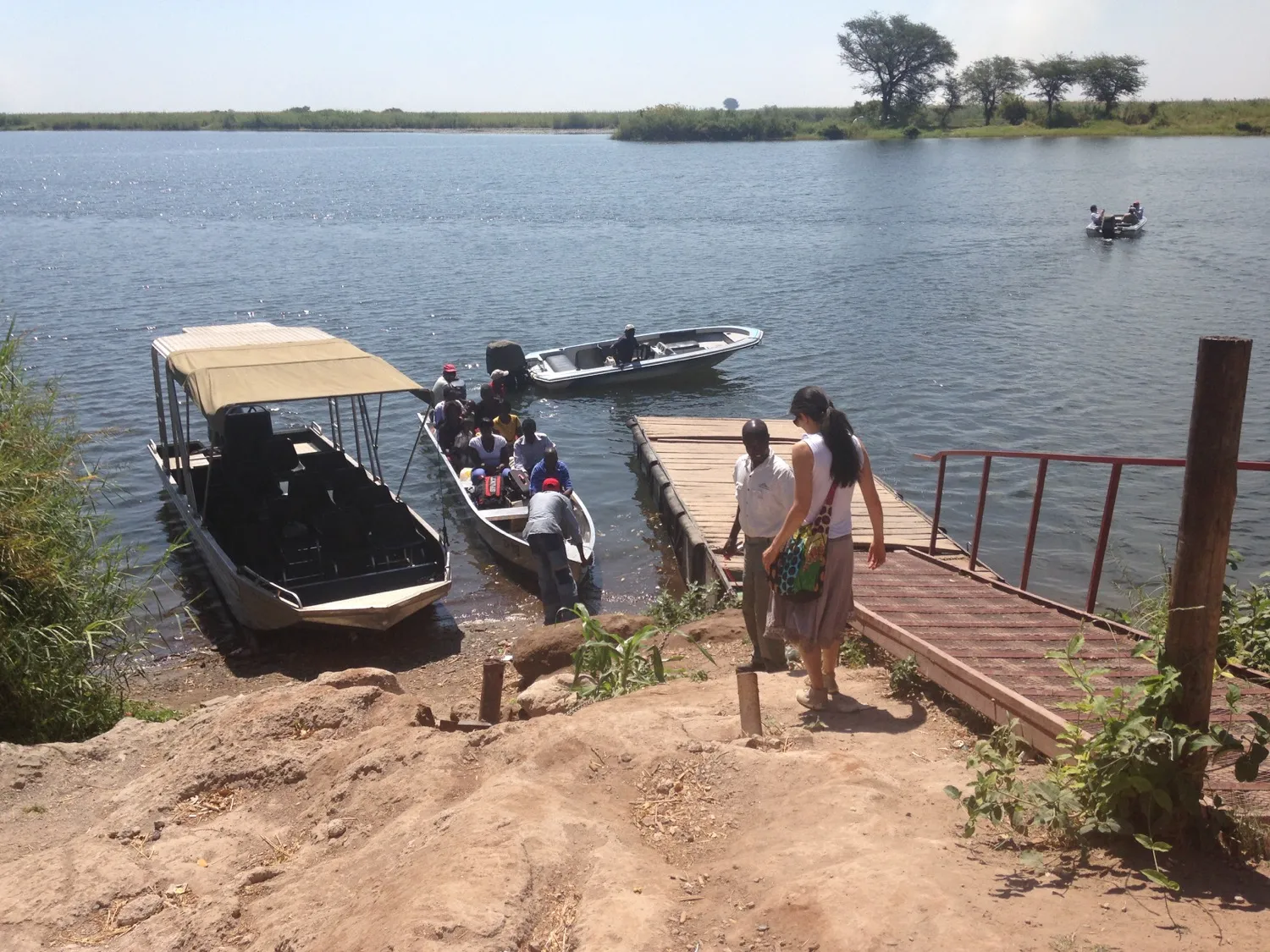
Chobe is built around vehicle-based game drives and river cruises. Mornings are spent tracking predators and big herds on open floodplains near the river. Afternoons often move to the water, where a boat brings you within meters of drinking elephants, hippos, and crocodiles. The rhythm is active and productive, and sightings come thick and fast in the dry season.
The water safari in the Okavango
The Delta slows you down. A poler guides your mokoro through narrow channels while you watch for red lechwe, elephants crossing between islands, and hundreds of bird species overhead. Camps often mix water activities with 4×4 drives and guided walks, so you still cover ground, but the signature experience is being on the water.
In short, Chobe is easier and more predictable, while the Okavango is more immersive and weather-dependent. Together they balance each other.
Sample 7 to 10 Day African Safari in Botswana Itinerary
A comfortable route spends the first stretch at Chobe, then flies into the Delta. Here is a template that works well for most travelers.
- Days 1-2: Arrive Kasane, Chobe National Park. Fly into Kasane, settle into a riverfront lodge, and take an afternoon boat cruise. Elephants and hippos are usually visible on the first evening.
- Day 3: Chobe game drive and cruise. A morning drive along the Chobe riverfront, then a second cruise at golden hour. If you want more time on the water, a sunset Chobe River cruise is the highlight of this leg.
- Day 4: Light aircraft transfer to the Okavango Delta. A short scenic flight crosses the floodplains. The aerial view of the channels alone is worth the trip.
- Days 5-7: Okavango Delta camp. Alternate mokoro outings, motorboat trips, guided walks, and 4×4 drives. Three nights lets the Delta reveal its slower pleasures without feeling rushed.
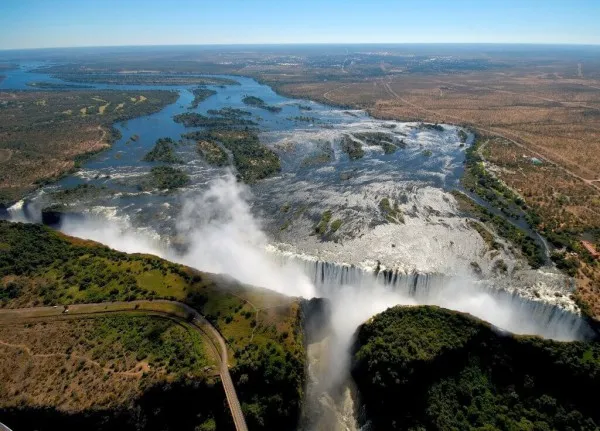
- Days 8-10 (optional extension): Add a second Delta camp in a different concession, or route out via Victoria Falls for the waterfall and a change of scene.
Seven days covers the essentials. Ten days adds a second camp or a Victoria Falls finish, which many travelers combine with this route. If you are weighing that add-on, plan around the falls viewing season so the two legs line up.
Wildlife You Can Expect in Each Region
The two ecosystems overlap on the big species but each has its own specialties.
At Chobe
Chobe is elephant country first and foremost, and the dry-season herds along the river are the reason many people come. You can also expect buffalo, hippos, crocodiles, lions, and, with luck, leopard. The riverfront concentrates animals as surrounding water sources dry up, so game density peaks from roughly May to October.
In the Okavango Delta
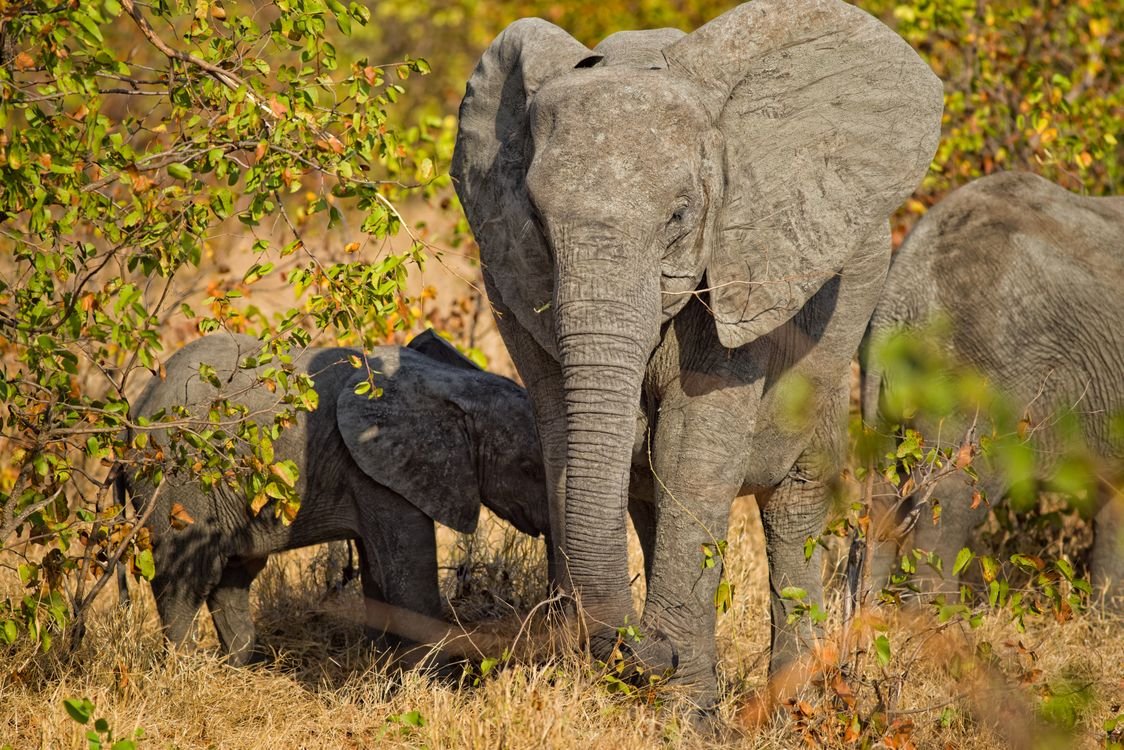
The Delta's wildlife list is long and varied. It supports 482 species of birds, 130 species of mammals, and 1,061 plant species, per the inscription data mirrored on the World Heritage Explorer record for the site. Water-adapted antelope such as red lechwe thrive here, and the shifting channels support strong populations of elephants, lions, and African wild dogs. Birders in particular find the Delta hard to beat.
The Okavango's ecological importance is not just a marketing line. It was inscribed as a UNESCO World Heritage Site in 2014, the 1,000th site added to the list, and covers 2,023,590 hectares of protected wetland. That scale is what allows the wildlife density you see on the ground.
Booking a Seamless Multi-Destination Botswana Package
The hard part of a two-region safari is the logistics: internal flights, airstrip transfers, camp availability, and timing that lines up so you never lose a day sitting in transit. This is where booking a single combined package pays off.
Maximum Adventure Trails builds Chobe and Okavango into one itinerary so the light aircraft legs, camp bookings, and transfers connect cleanly. That means your flight out of Kasane matches your Delta camp check-in, your activities are confirmed before you arrive, and you are not stitching together separate bookings that may not align. When comparing operators, look for one that quotes the internal flights and transfers as part of the package rather than as surprises later.
A combined Botswana safari rewards a little planning up front. Decide on your travel window, favoring the May to October dry season if game viewing is your priority, then let a specialist handle the flight and camp choreography. Reach out to Maximum Adventure Trails to price a 7 to 10 day Chobe and Okavango itinerary around your dates, and you can hold the best camps before they fill for peak season.
Frequently asked questions
How many days do you need to combine Chobe and the Okavango Delta?
Plan on 7 to 10 days. That allows two to three nights near the Chobe River and three to four nights in the Okavango Delta, with time built in for the light aircraft transfers between them.
What is the difference between a Chobe and an Okavango safari?
Chobe is known for large land-based game viewing and boat cruises on a permanent river, especially its elephant herds. The Okavango is a seasonal inland delta where you explore flooded channels by mokoro canoe and motorboat alongside 4×4 drives.
When is the best time for a combined Botswana safari?
The dry season from May to October offers the best game viewing, with the Delta flood usually at its peak between June and August. This is also the busiest and priciest window.
How do you travel between Chobe and the Okavango Delta?
Most travelers connect by light aircraft, with short scenic flights linking Kasane near Chobe to airstrips inside the Delta. A good operator schedules these so your camp arrivals and departures line up.