

- 2 Views
- 7 Min Read
- (0) Comment
Key takeaways
- The best Southern Africa safaris pair the dry season (May to October) with a route that links Victoria Falls, Chobe and the Okavango Delta.
- Guided, self-drive and fly-in safari styles each suit a different budget and appetite for logistics, so choose the style before the dates.
- The Okavango Delta was listed as the 1,000th UNESCO World Heritage Site, which signals the quality of wildlife you can expect in this region.
- A single visa arrangement covers Zimbabwe and Zambia for many travelers, simplifying multi-country routes around Victoria Falls.
- A curated package removes the coordination burden of camps, transfers, guides and permits that a self-planned trip forces you to manage.
A great Africa safari trip comes down to three decisions: where you go, when you travel and how you move between camps. Get the dry-season timing right, link two or three complementary destinations, and match the safari style to your budget, and the rest of the planning falls into place.
This guide walks through what makes Southern Africa such a strong first safari, sample routes that connect Victoria Falls, Chobe and the Okavango Delta, the three main safari styles, and a checklist covering visas, health, packing and seasons. Southern Africa is one of the most rewarding regions for Africa safari trips because a compact area packs in waterfalls, big rivers, floodplains and some of the continent's largest wildlife populations.
What Makes a Great Southern Africa Safari Trip
Three factors shape every good trip: destination, timing and budget.
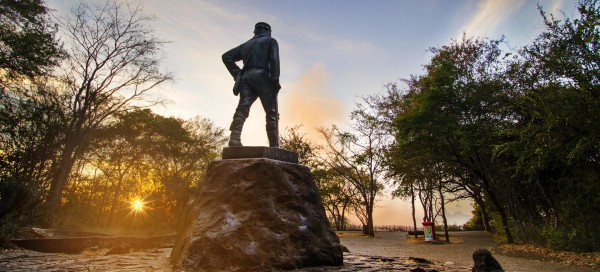
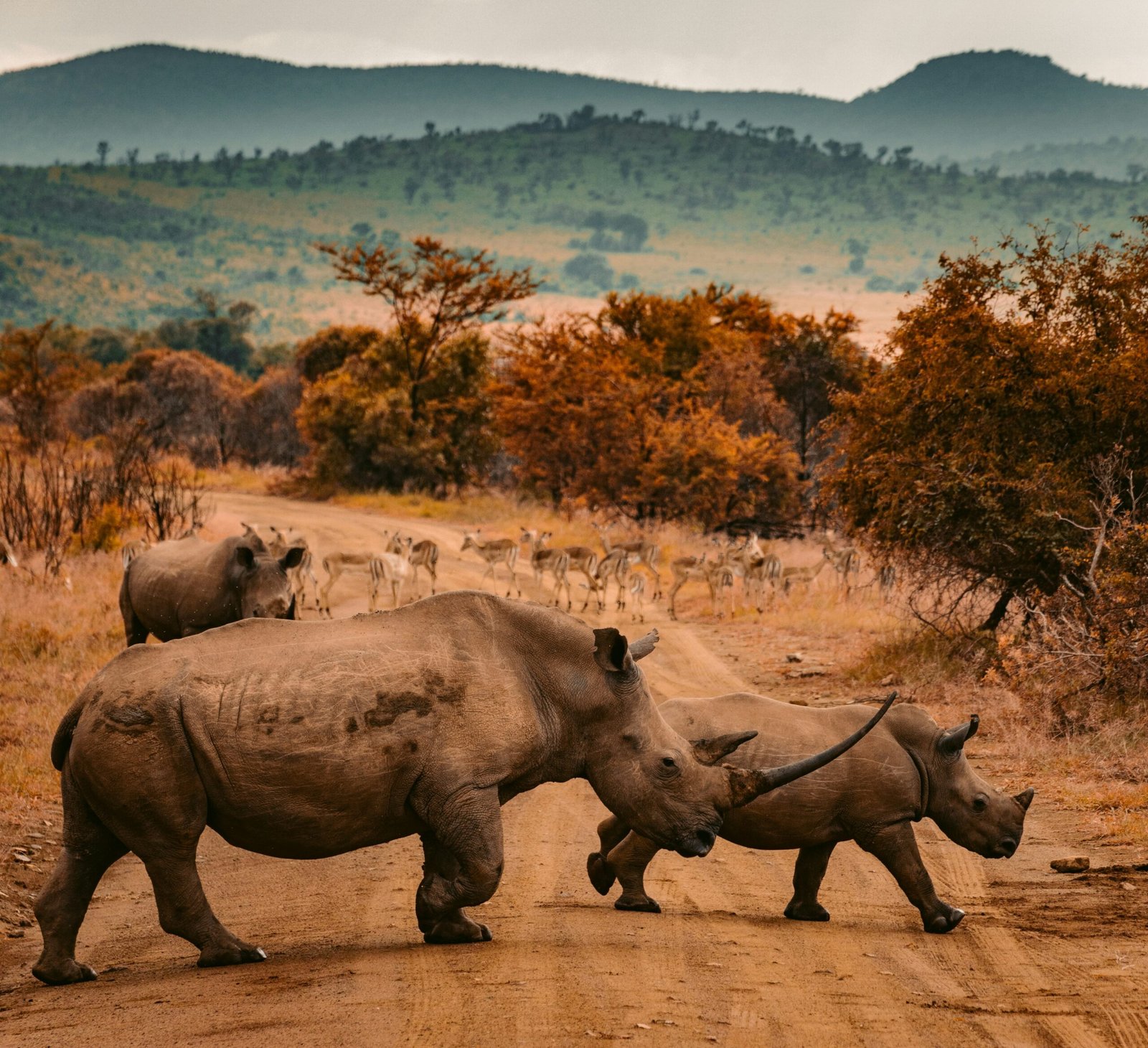
Destinations. The strongest Southern Africa routes cluster around the Kavango-Zambezi region, where Zimbabwe, Zambia and Botswana meet. Victoria Falls anchors the northern edge, Chobe National Park delivers dense elephant and river wildlife, Hwange offers classic bushveld game drives, and the Okavango Delta provides a water-based safari unlike anywhere else. The Okavango Delta was inscribed as the 1,000th UNESCO World Heritage Site, and it sustains threatened species including lion, cheetah, wild dog and both black and white rhino. That designation is a useful shorthand for the quality of habitat you are traveling to see.
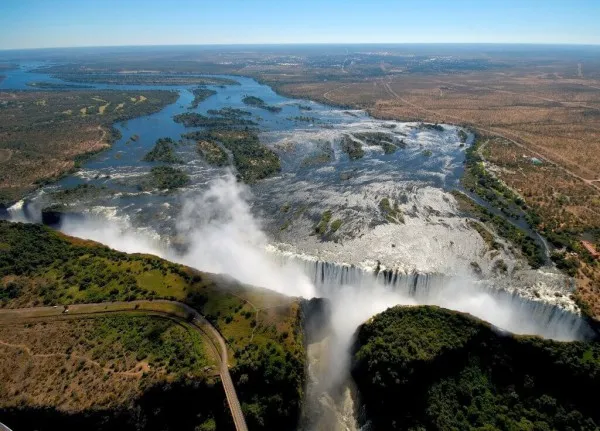
Timing. For most travelers the dry season, roughly May to October, is the sweet spot. As vegetation thins and seasonal pans dry out, animals gather at permanent rivers and waterholes, which makes sightings far more predictable. The green season from November to April brings lush scenery, newborn animals and lower prices, with the trade-off of thicker bush and afternoon rain. If your priority is seeing the Victoria Falls at full flow, the timing shifts, so it helps to read up on the best time to visit Victoria Falls before locking dates.
Budget. Costs swing widely based on style and season. Fly-in camps in the Okavango sit at the premium end, guided lodge safaris in Zimbabwe and Botswana occupy the middle, and self-drive or mobile camping trips are the most affordable. Traveling in the shoulder months of May and November often trims rates without giving up much on wildlife.
Sample Multi-Country Itineraries
Southern Africa rewards travelers who link destinations rather than staying put. Because the borders sit close together, you can string together very different landscapes in a single trip.
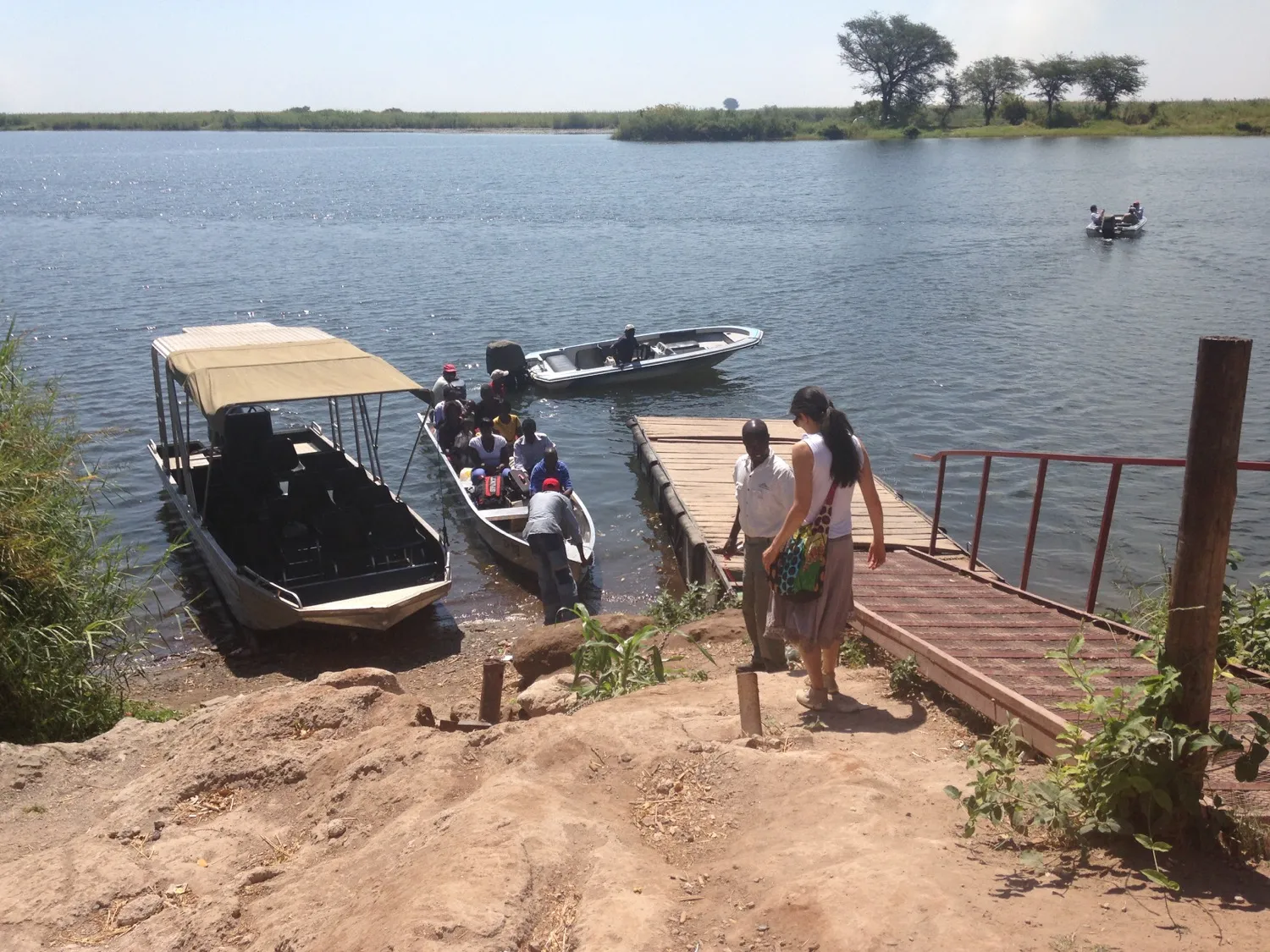
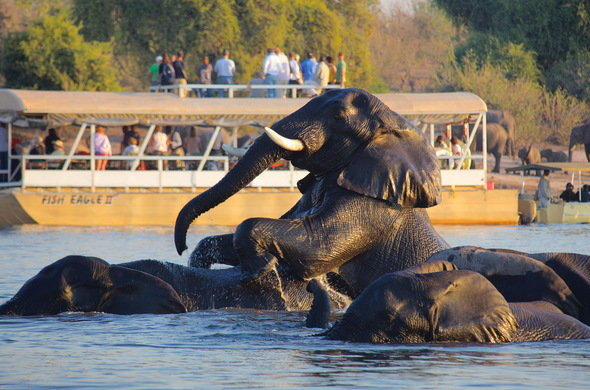
Seven days: Victoria Falls and Chobe. Spend two nights at Victoria Falls for the waterfall, a sunset cruise on the Zambezi and optional adventure add-ons. Transfer to Chobe for three nights of river cruises and game drives, where large elephant herds come down to drink. This route is short, low on internal flights and heavy on big-mammal sightings.
Ten days: Falls, Hwange and the Delta. Begin at Victoria Falls, drive south into Zimbabwe's Hwange National Park for classic waterhole game viewing, then fly into a camp deep in the Okavango. This mix gives you three distinct habitats: waterfall, dry bushveld and permanent wetland. Hwange in particular repays a slower pace, so plan enough nights to work its main waterhole areas rather than passing through.
Fourteen days: the full Kavango-Zambezi loop. For travelers with more time, connect Victoria Falls, Chobe, Hwange and the Okavango, and add a few nights in the Moremi Game Reserve. Two weeks lets you slow the pace, absorb travel days between camps and see the region's full range from mokoro rides to riverfront drives.
Guided, Self-Drive and Fly-In: Choosing Your Safari Style
Style shapes cost, comfort and how much logistics you personally handle. Decide this before you fix dates.
Guided safaris put a professional guide and vehicle at your disposal. You gain expert tracking, local knowledge and zero navigation stress, which is ideal for first-time visitors and anyone who wants to relax into the experience. This is the most common choice for lodge-based trips in Zimbabwe and Botswana.
Self-drive safaris give independent travelers freedom over pace and route. They work well on serviced circuits in Botswana and around Hwange, where roads and campsites are established. The trade-off is that you handle navigation, vehicle recovery in sand, and all the day-to-day planning yourself.
Fly-in safaris use light aircraft to reach remote camps, which is the standard way into the heart of the Okavango Delta. You trade cost for access to areas that road transfers cannot reach comfortably, plus dramatic aerial views of the floodplains on the way in.
Many strong trips blend styles: a guided section at Victoria Falls and Chobe, then a fly-in leg to the Delta. The right mix depends on your budget and how much of the planning you want to own.
Trip-Planning Checklist: Visas, Health, Packing and Seasons
Once the route and style are set, work through the practical layer.
Visas. Check entry requirements for every country on your route. For trips centered on Victoria Falls, a shared visa arrangement covers both Zimbabwe and Zambia for many nationalities, which simplifies crossing between the two sides of the falls and taking day trips. Confirm the current rules for your passport before you book, since requirements change.
Health. Much of the region carries malaria risk, so speak with a travel clinic about antimalarial medication and routine vaccinations well ahead of departure. Pack insect repellent, cover up at dawn and dusk, and carry a basic personal medical kit.
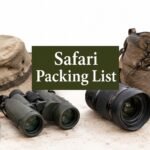
Packing. Stick to neutral, layered clothing: mornings on game drives are cold, midday is hot. Bring a warm fleece, a wide-brim hat, sunglasses, high-factor sunscreen, binoculars and a camera with spare batteries. Fly-in camps enforce strict soft-bag weight limits, so travel light.
Seasons. Re-confirm your dates against your top priority. Dry-season months concentrate wildlife, green-season months deliver lush scenery and lower prices, and the falls run highest a few months after the rains. If Botswana is central to your plans, a dedicated Botswana safari planning guide covers the seasonal detail in depth.
Why Curated Packages Beat Piecing a Trip Together Yourself
A Southern Africa safari has many moving parts: camps in different countries, light-aircraft transfers, park fees, guides, permits and border logistics that all have to align on the day. Booking each piece separately means chasing availability across multiple operators and hoping the connections hold.
A curated package folds those pieces into one coordinated itinerary. Maximum Adventure Trails builds routes that link Victoria Falls, Chobe, Hwange and the Okavango with the transfers, guiding and exclusive camp arrangements already sequenced, so a missed connection does not unravel the trip. For international travelers who have limited time on the ground and no room for logistical error, that coordination is the difference between a smooth journey and a stressful one.
Start Planning Your Route
Pick your travel window first, then decide whether Victoria Falls plus Chobe is enough or whether you want to add the Okavango. With those two choices made, share your dates and priorities with a specialist who can turn them into a sequenced itinerary. Doing that now, while dry-season camps still have space, is the single most useful step toward a safari that runs the way you pictured it.
Frequently asked questions
When is the best time for an Africa safari trip in Southern Africa?
The dry season from May to October is best for game viewing, because thinning vegetation and shrinking water sources concentrate wildlife at rivers and waterholes.
How many days do I need for a Victoria Falls, Chobe and Okavango safari?
Ten to fourteen days lets you see all three without rushing. A shorter seven-day trip works if you focus on Victoria Falls and Chobe and skip the Delta fly-in.
Is a guided safari better than self-drive?
A guided or fly-in safari is better for first-timers and remote areas like the Okavango, while self-drive suits confident travelers on well-serviced routes in Botswana or Zimbabwe.
Do I need a separate visa for each country on a multi-country safari?
Not always. A shared visa arrangement covers Zimbabwe and Zambia for many nationalities, which makes the Victoria Falls area simple to cross. Check your passport's requirements before booking.