

- 3 Views
- 7 Min Read
- (0) Comment
Victoria Falls weather follows a subtropical pattern with three seasons: a hot, wet season from November to April, a cool, dry season from May to August, and a hot, dry stretch in September and October. Daytime highs run from about 77°F (25°C) in midwinter to 95°F (35°C) just before the rains. A live forecast changes by the hour, so the useful skill is reading it against that seasonal pattern.
This guide shows you why the weather matters so much here and how to check and interpret a forecast for the town. It then covers what each season feels like, which months suit which goals, and how to build your days around the conditions.
Maximum Adventure Trails has organized Victoria Falls, Chobe and Hwange trips since 2019.
Why Victoria Falls weather shapes your whole trip
Weather here decides how much water you see, how comfortable you are, and which activities run well. Few destinations change as much between seasons as the Falls do.
How weather changes the Falls themselves
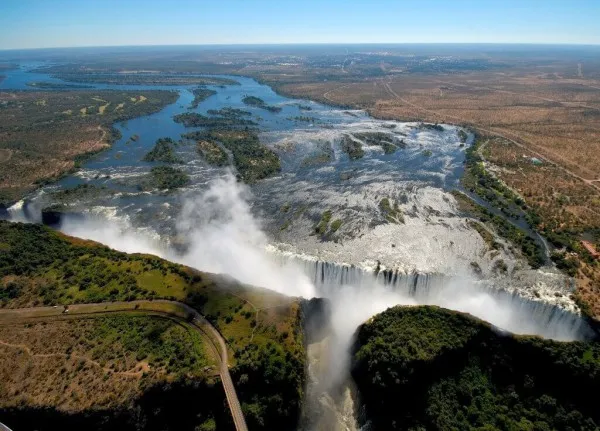
The local rainy season and the river’s peak do not line up. Rain starts in November, but the Zambezi’s flood arrives later, because the water travels down from the upper catchment in Zambia and Angola. Flow usually peaks between March and May, as the rains end. By October and November the river is at its lowest, and more bare rock shows in the gorge.
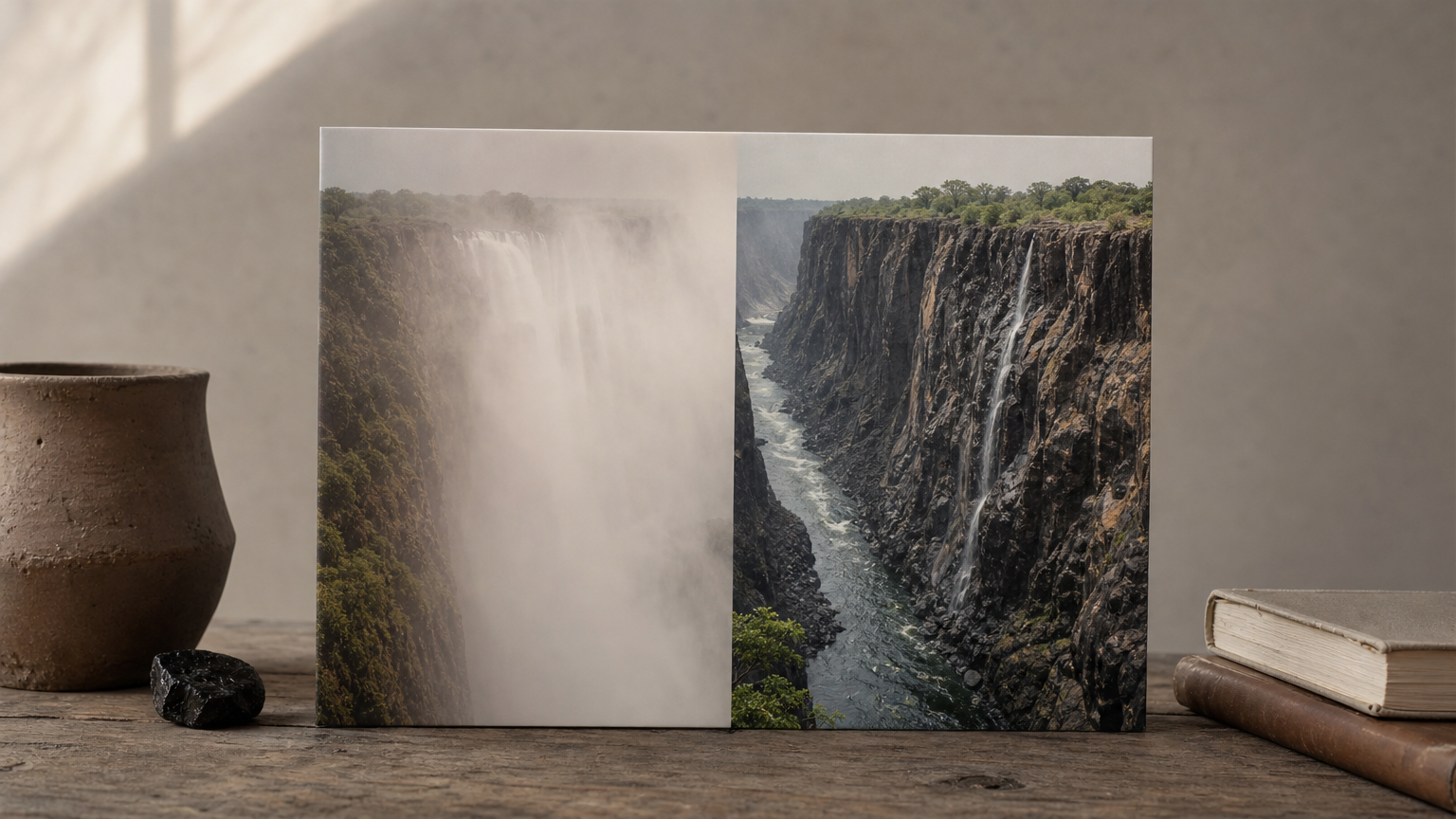
At peak flow, the spray becomes a thick cloud that can hide the view from the Zimbabwe side and soaks you within seconds. At low water you see the cliff face clearly. Devil’s Pool on the Zambian side is typically open to swimmers only when the river is low, roughly September to December.
How weather affects activities and wildlife
Heat and rain also set the rhythm of every activity. In the hot, dry months, animals concentrate at waterholes and along the Chobe River. That makes game drives in Hwange and Chobe easy to read, though midday is punishing. In the green season, scenery and birdlife are at their best, but thick foliage hides animals. Afternoon thunderstorms can pause river cruises and ground scenic flights such as the Flight of Angels until visibility returns.
Health and safety follow the weather too. Heat exhaustion and sunburn are the common problems before the rains. Mosquito activity rises once the rains start, so ask your doctor about malaria prevention before you travel.
The river peaks as the rains end, not when they start, so the wettest months are not the highest-water months.
How to check the Victoria Falls forecast
Open an hourly forecast set to Victoria Falls town in Zimbabwe, cross-check it against a second source, and read it against the seasonal norms below. Livingstone in Zambia is a short drive away and shares the same weather, so either location works as a second reference.
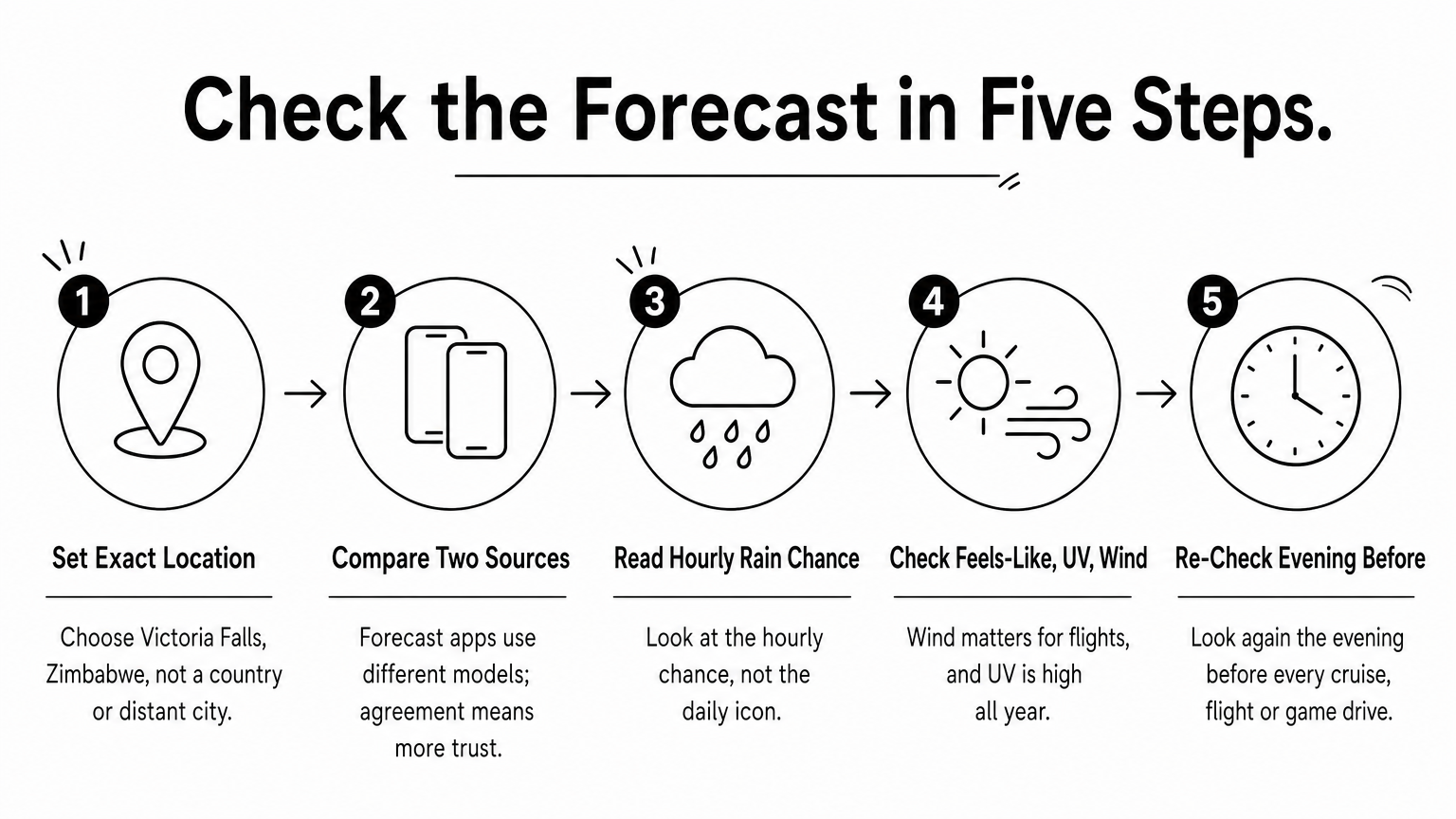
A five-step routine
- Set the exact location. Choose Victoria Falls, Zimbabwe, not a country or a distant city. Zimbabwe’s climate varies with altitude, and highland cities such as Harare run cooler than the Zambezi valley.
- Compare two sources. Forecast apps use different models. When two agree, you can trust the result more.
- Read the hourly rain chance, not the daily icon. A 70% rain day in January usually means one storm around mid-afternoon, not eight hours of drizzle.
- Check feels-like temperature, UV index and wind. Wind matters for flights, and UV is high all year.
- Re-check the evening before every cruise, flight or game drive.
How far ahead to trust a forecast
Accuracy falls quickly with distance. Use the table to decide what each window is good for.
| Forecast window | Reliability | Best use |
|---|---|---|
| Today and tomorrow | High | Timing activities, deciding what to wear |
| 3 to 7 days | Moderate | Spotting trends, such as a heat spike or a storm build-up |
| 8 to 14 days | Low | A rough sense only |
| Beyond 2 weeks | Not a forecast | Use the seasonal climate figures instead |
For a trip booked months ahead, plan from the seasonal averages and treat the forecast as a final adjustment in the last week.
Trust the hourly forecast for the next 72 hours and the season for everything beyond that.
The three seasons of Victoria Falls climate
Victoria Falls has a cool, dry season, a hot, dry season and a hot, wet season. The town sits at roughly 3,000 feet (900 m) above sea level, so it is warm all year but never humid and sticky like a coastal city.
Seasons at a glance
Annual rainfall is roughly 26 to 28 inches (650 to 700 mm), and most of it falls between November and March. This table gives the typical pattern.
| Season | Months | Typical highs | Typical lows | Rain |
|---|---|---|---|---|
| Cool dry | May to August | 77–82°F (25–28°C) | 41–54°F (5–12°C) | Almost none |
| Hot dry | September to October | 88–95°F (31–35°C) | 59–68°F (15–20°C) | Rare, rising late October |
| Hot wet | November to April | 82–91°F (28–33°C) | 63–68°F (17–20°C) | Afternoon storms, wettest December to March |
What each season feels like
Cool dry weather is what most visitors call ideal. Days are sunny and pleasant, and the sky is clear. So, is it cold at Victoria Falls? Only at night and at dawn. In June and July, lows can fall near 41°F (5°C), which feels sharp on an open game-drive vehicle.
Hot dry weather peaks in October. If you are wondering what Victoria Falls is like in October, expect dry air, cloudless skies and afternoons near 95°F (35°C). It is the best month for wildlife viewing and the hardest on you at midday.
Hot wet weather brings humidity, green landscapes and short, heavy storms, usually in the afternoon. Mornings are often clear. Late November is a transition, when the first storms break the October heat.
Cold is a dawn problem and heat is a midday problem, so plan around the hour as much as the month.
Best months for your priority and what to pack
The best month depends on what you value most, because each season trades one benefit for another. Use this table to match your priority to a window.
Matching your priority to the month
| Your priority | Best months | Trade-off |
|---|---|---|
| Biggest, loudest Falls | March to May | Heavy spray, wet clothes, hidden views |
| Strong flow with clear views and mild weather | June to August | Cold mornings |
| Game viewing in Hwange and Chobe | August to October | Hot afternoons |
| Devil’s Pool and low-water views | September to December | Smaller Falls |
| Green scenery, birds, fewer crowds | December to March | Storms and humidity |
For most first-time visitors, June and July balance water, views and temperature best. Wildlife-focused travelers should shift toward September.
Packing for each season
Pack for the hour of day as well as the month. These items cover most of it:
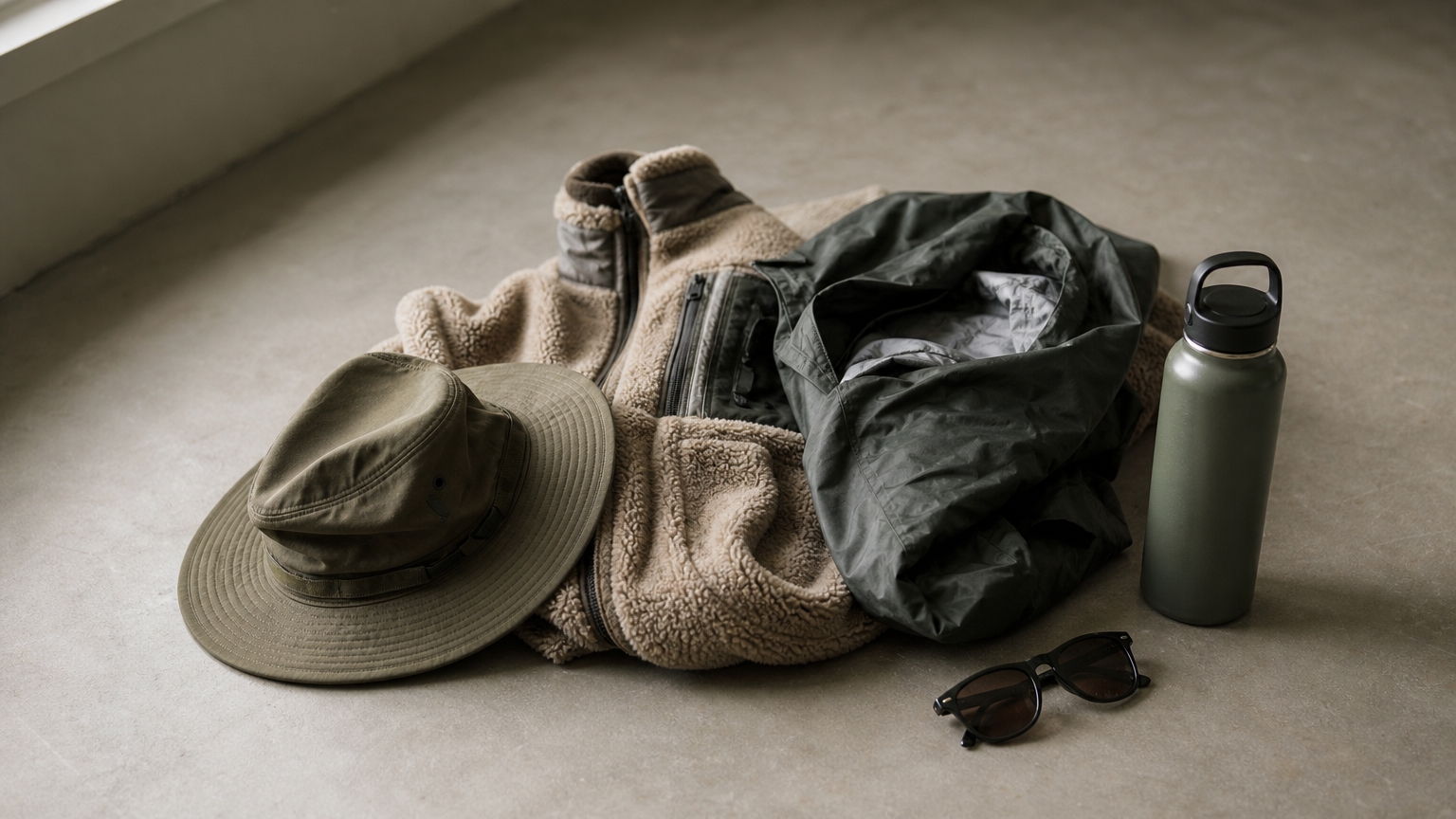
- Cool dry: a fleece and a windproof jacket for dawn drives, plus a hat and sunglasses for the afternoon.
- Hot dry: light cotton or linen layers, a wide-brim hat, SPF 30 or higher and a refillable water bottle.
- Hot wet: a light rain jacket, quick-dry clothing and a waterproof bag for your phone. At peak flow, bring sandals and a spare outfit for the Falls walk.
- Year-round: insect repellent, sunglasses and closed, comfortable shoes for game drives.
How to plan each day around the weather
Build each day around temperature and light, and keep one flexible slot for storms. The same logic works in every season, but October shows it most clearly.
A sample October day
- 6:00 am: game drive while it is cool and animals are active.
- 10:30 am: a walk along the Falls, when spray feels welcome rather than annoying.
- Midday: lunch and rest in the shade or by a pool.
- 4:00 pm: a Zambezi river cruise as the heat fades.
In the wet season, reverse the buffer: put outdoor highlights in the morning and leave the afternoon open for storms.
Leave room for change
Weather can shift tours, so choose a provider that adjusts rather than cancels. At Maximum Adventure Trails, our guides know the conditions at Victoria Falls, Chobe and Hwange, and our team is available 24/7 to help with bookings. If you pair Victoria Falls with Chobe, the transfer to Kasane takes 1.5 to 2 hours including border procedures, so schedule that day with a buffer and carry your travel documents.
Pick your season, then check the forecast
Victoria Falls has a warm climate with three clear seasons. The Falls peak between March and May, July is the most comfortable month, and October is the hottest and the best for game viewing. Use the seasonal pattern to choose your dates, then use the hourly forecast in the final week to fine-tune your days.
When you are ready to turn a season into a plan, browse our individual tours and book the activities that fit the weather you have chosen.