


- 3 Views
- 15 Min Read
- (0) Comment
Victoria Falls Zambia vs Zimbabwe is a choice between two entrances to the same waterfall. The Zambezi River forms the border, so the falls belong to both countries and you can see them from either bank. For most first-time visitors, Zimbabwe gives the better views, because it faces the Main Falls and shows roughly two-thirds to three-quarters of the curtain. Zambia is cheaper, wetter up close and the only place to swim in Devil’s Pool. If you have the time, see both. They are less than an hour apart on foot.
This guide compares the two sides on the things that decide a trip: views, water levels by season, activities, cost, access and safety. You will also get a worked cost example for a couple and a simple rule for choosing your side based on your dates, budget and travel style.
Maximum Adventure Trails is a travel agency based in Victoria Falls town, Zimbabwe, and it has run guided tours since 2019. We guide walks on the Zimbabwe side and run day trips into Zambia, so the comparison below comes from working both banks of the river.
Why the side you choose shapes your trip
The side you pick decides what you see, what you pay and which activities you can reach without crossing a border. The choice is not permanent, since you can walk between countries, but your first base and your travel month matter more than most visitors expect.
Who owns Victoria Falls
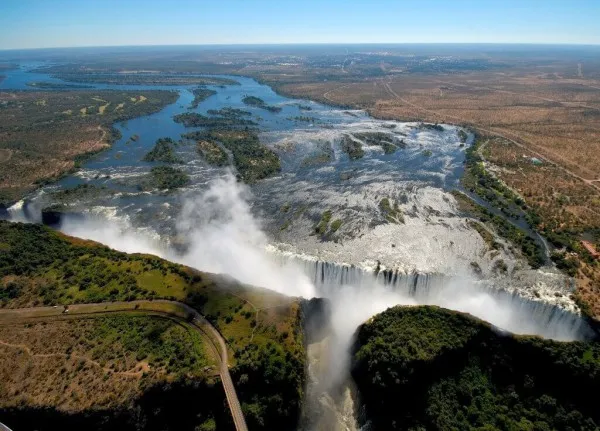
Victoria Falls is shared between Zambia and Zimbabwe, and neither country owns it outright. The Zambezi flows along the border and drops about 108 meters (354 feet) into a gorge face roughly 1.7 kilometers wide. That is about twice the height of Niagara Falls. The local name, Mosi-oa-Tunya, means "the smoke that thunders." Zambia protects its bank as Mosi-oa-Tunya National Park, and Zimbabwe protects its bank as Victoria Falls National Park.
The geography is confusing at first. The river bends just upstream of the drop, so the westerly Main Falls and Devil’s Cataract sit in Zimbabwe, while the Eastern Cataract sits in Zambia. Standing in Zimbabwe, you look across the gorge at the heart of the falls. Standing in Zambia, you stand close to the edge of the eastern end.
What actually differs between the two sides
Five things separate the sides: how much of the falls you can see, how much water reaches each bank during the dry months, what you pay at the gate, which activities start there, and how easy it is to get from your bed to the viewpoints. The table gives the overview, and later sections unpack each row.
| Zimbabwe side | Zambia side | |
|---|---|---|
| Share of the falls in view | Roughly two-thirds to three-quarters | Roughly a quarter to a third |
| Signature views | Main Falls, Devil’s Cataract, Danger Point | Eastern Cataract, Knife Edge Bridge, Boiling Pot |
| Park entry, international adult | $58 | About $20 |
| Flow from September to December | Flows all year | Eastern Cataract can nearly dry up |
| Devil’s Pool | No | Yes, in low water only |
| Base town to the park gate | A few minutes on foot | About 10 km from Livingstone, taxi needed |
| Nearest airport | Victoria Falls (VFA) | Livingstone (LVI) |
Zimbabwe gives you the wider view, Zambia gives you the closer one, and your travel month decides which matters more.
Views: what you see from each side of Victoria Falls
Zimbabwe wins on panoramic views, and Zambia wins on close, immersive ones. When people argue about Zimbabwe vs Zambia for Victoria Falls, they usually mean this trade-off between seeing more and standing closer.
The Zimbabwe side: the full-frontal view
The Zimbabwe side faces the falls across the gorge, so you get the classic postcard shot. A footpath runs through a rainforest kept alive by year-round spray and links a series of viewpoints. The best ones look at the Main Falls, Devil’s Cataract and Danger Point, where you see the full width of the water dropping into the gorge.
Plan 2 to 4 hours on the trail. The park has a welcome centre, signage, a restaurant and toilets, which makes it the more organized of the two parks. Our guided walk, Tour of Victoria Falls, Zimbabwe, follows these viewpoints with a local guide who explains the geology, history and legends of the falls. The park entrance fee is not included in the tour price. It is $58 for international guests and $35 for SADC nationals.
The Zambia side: close, wet and dramatic
The Zambian bank puts you almost inside the Eastern Cataract. The Knife Edge Bridge is a narrow footbridge that leads to a rocky point facing the Main Falls. In high water you cross it through a curtain of spray and come out soaked. The second highlight is the steep trail down to the Boiling Pot, where the Zambezi churns in a whirlpool below the Victoria Falls Bridge. Allow about an hour for the round trip. The climb back up is the hard part, so bring water.
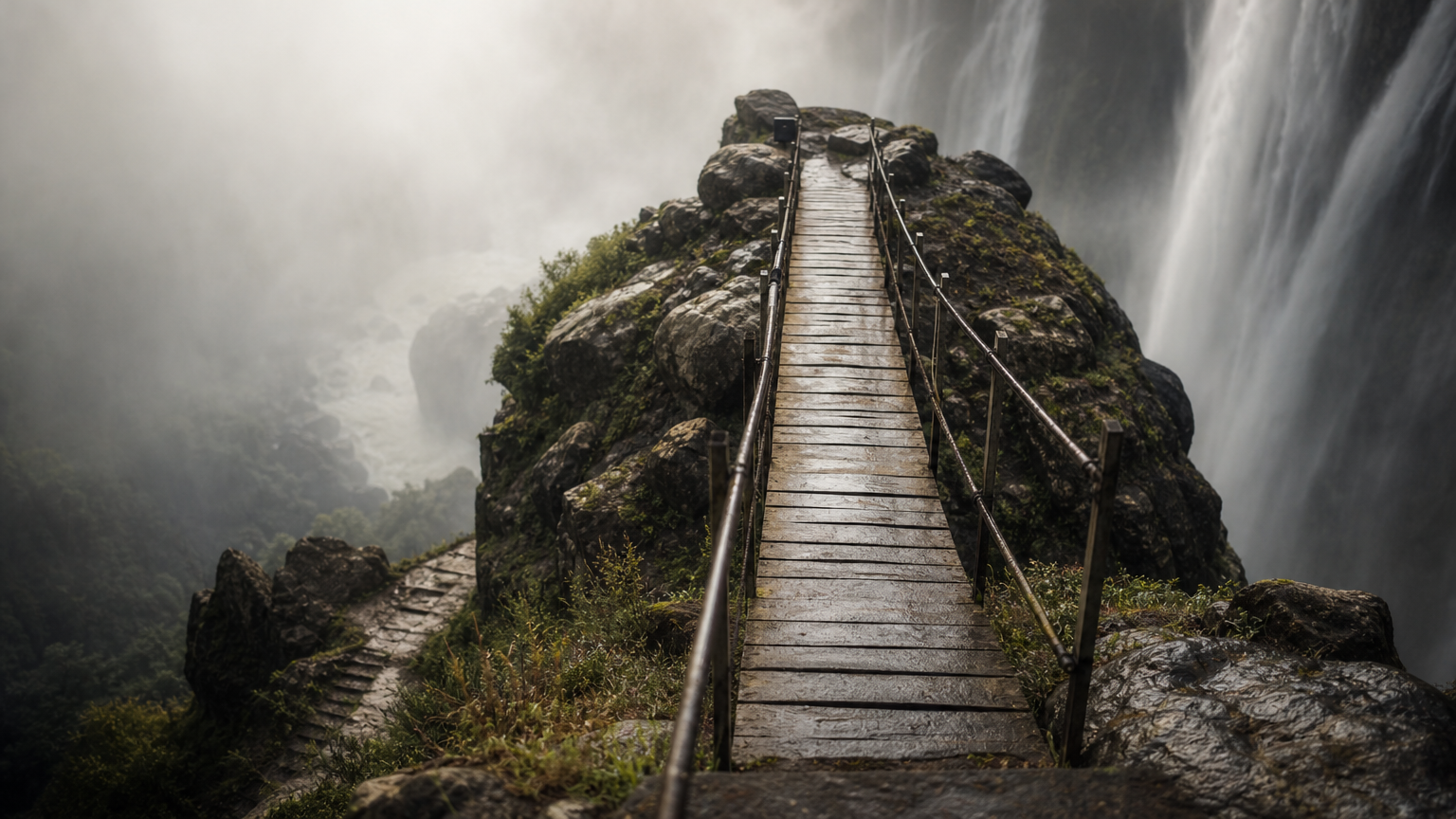
Mosi-oa-Tunya National Park sits near Livingstone, and our Victoria Falls, Zambia Side experience follows its established walking paths and viewpoints. Wear walking shoes with good grip, because the paths through the spray zone get slippery. Our high-water window for this side is March and April, when the Knife Edge Bridge is at its wettest.
Which side photographs better
For wide shots, Zimbabwe is easier. You can step back far enough to fit the whole curtain, the rainbows and the gorge in one frame. For dramatic close-ups, Zambia works better, but spray will cover your lens in high water.
A few habits help on either bank:
- Carry a waterproof phone pouch or a dry bag for your camera.
- Rent a rain poncho at the entrance, or wear quick-drying clothes.
- Wipe the lens often, and shoot early or late for softer light and fewer crowds.
- Cross to the other side for at least a half day, because the view from the Victoria Falls Bridge is worth the walk by itself.
If photos are your priority and you have only one day, choose Zimbabwe, then add a Zambian half day if you can.
Water levels and the best season for each side
Zimbabwe flows all year, while Zambia can nearly dry up in the late dry season. That one fact should drive your choice of side more than any other if your dates are fixed.
How the seasons change each bank
The rainy season runs from about November to April. The river peaks from roughly March to May, with the heaviest spray around April, and stays strong into mid-year. It falls through the dry months and reaches its lowest point from about September to December. In October and November the Eastern Cataract on the Zambian side can run almost dry, which takes much of the thunder out of the visit.
| Period | River level | Zimbabwe side | Zambia side |
|---|---|---|---|
| March to May | Highest | Powerful, but heavy spray can hide views | Knife Edge Bridge soaks you, Devil’s Pool closed |
| June to July | High, starting to fall | Strong flow with clearer views | Good flow and drier trails |
| August | Falling | Clear, dramatic views | Devil’s Pool opens around mid-month |
| September to December | Lowest | Still flowing, less water over the edge | Eastern Cataract can nearly dry up, Devil’s Pool open |
Choosing a side by month
If you travel in the high-water months, either side works, and the question becomes whether you want wide views (Zimbabwe) or a soaking (Zambia). In the middle of the year both sides look excellent. From September to December, Zimbabwe is the safer pick for the falls themselves. In that window, Zambia earns its place only if Devil’s Pool is on your list.
Other seasonal factors can shift your timing. River conditions for rafting are generally best from August to January, and wildlife viewing on safari tends to be best from May to October. Birdwatchers do best from November to April, when migrants are present.
Moonbows and night visits
On nights around the full moon, the Zimbabwe park opens after dark so you can see a lunar rainbow, or moonbow, in the spray. It needs a separate evening ticket and a clear sky, and it is best when the water is high, roughly February to July. Check the full-moon dates before you fix your arrival, because this is one of the few experiences you cannot reschedule.
Travel between September and December and you should stand in Zimbabwe to see the falls, and cross to Zambia only for Devil’s Pool.
Activities you can only do from one side
Most adventure activities are available from either town, but a handful belong to one bank only. Check this list before you book a base, because crossing the border for a single activity costs time.
Zambia-only experiences
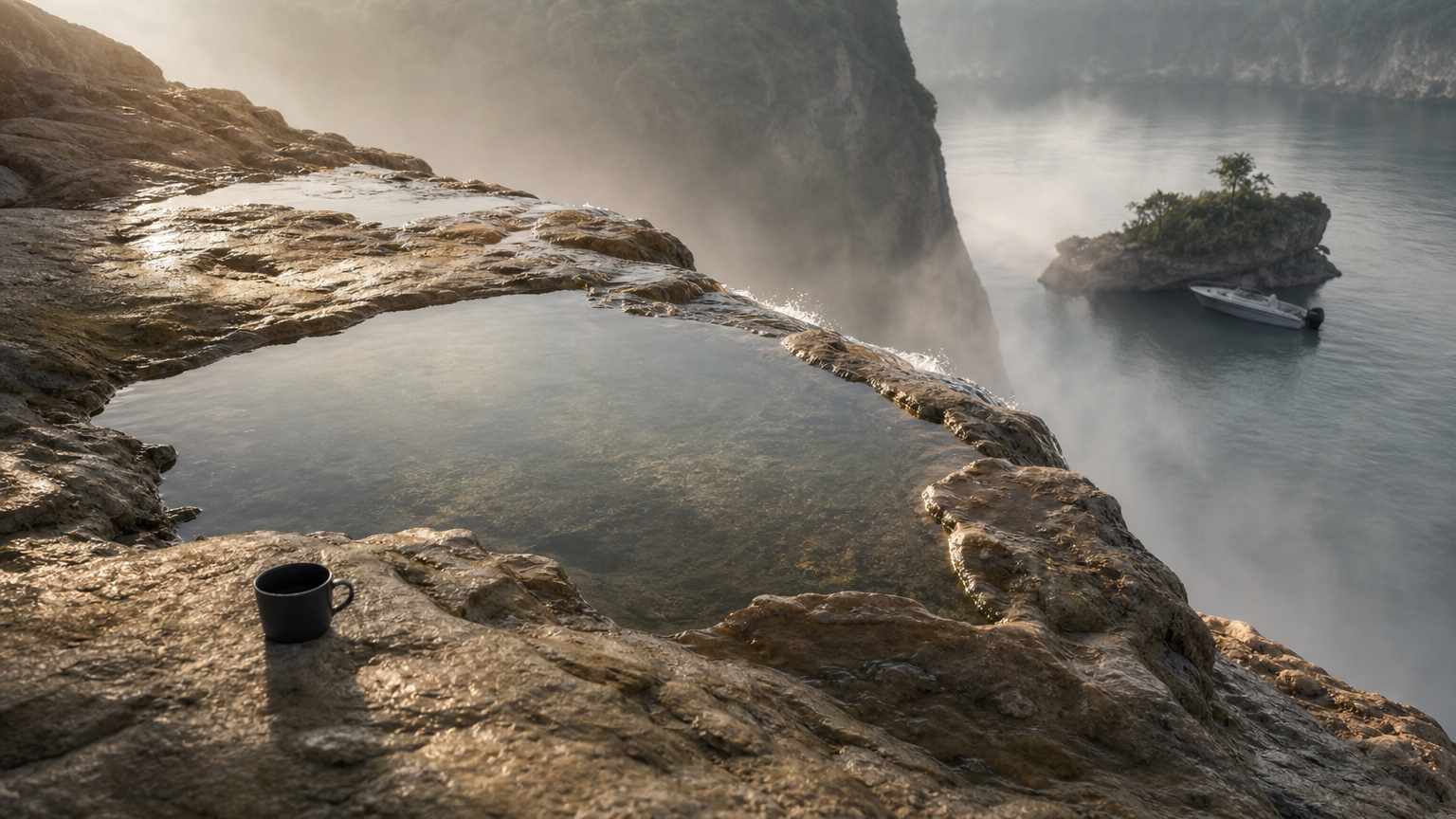
Devil’s Pool is the headline. You reach it by speedboat from Livingstone Island on a guided tour, then swim to a natural rock pool on the edge of the falls, separated from the drop by a narrow rock lip. It runs in low water only, roughly mid-August to early January. Tours that include a meal typically cost somewhere between $150 and $200 per person, depending on whether you choose breakfast, lunch or high tea.
Zambia also offers guided white rhino walks in Mosi-oa-Tunya National Park, where rhinos are tracked on foot with armed rangers. The park has elephant, buffalo, hippo and antelope, but no big cats.
Zimbabwe-only experiences
The Zimbabwe side has the moonbow evenings described above, plus easy walking access to the main viewpoints from the town. Zambezi National Park, on the Zimbabwe side, does have big cats. If you want a longer safari, Hwange National Park is roughly a two-hour drive from Victoria Falls town. Our team arranges transfers from Victoria Falls to Hwange Safari Lodge and Hwange Main Camp.
Activities open from both sides
Most of the adrenaline menu does not depend on your base:
- Bungee jumping from the Victoria Falls Bridge, a drop of about 111 meters, usually around $160.
- White-water rafting through the Batoka Gorge, roughly four hours and about $120 per person on average.
- Sunset cruises on the upper Zambezi, with hippos and elephants along the banks.
- Scenic flights by helicopter or microlight.
- Day trips to Chobe National Park in Botswana.
On the flights, our Flight of Angels helicopter ride lasts 12 to 13 minutes and costs $160 per person, with hotel transfers included. The $15 park entry fee and tips are extra. For an open-cockpit view, our Microlight Flight Victoria Falls costs $190 per person for 15 minutes and $380 for the 25-minute option. The minimum age is 12, the weight limit is 100 kg, and you should book 48 to 72 hours ahead. Microlight flights also depart from Livingstone on the Zambian side, with 15 and 30 minute options and a minimum age of 10.
Devil’s Pool and rhino walks are the only two reasons to base yourself in Zambia, and neither is a reason to skip Zimbabwe.
Cost: entry fees, visas and a worked example
Zambia is cheaper at the gate and at the table, but the gap is smaller than the entry fees suggest once flights and visas enter the picture. Work out your own trip with the figures below.
Entry fees and visas
Zimbabwe charges international adults $58 at the park gate. Zambia charges about $20. Visa rules also differ. Many nationalities, including US passport holders, can currently enter Zambia without a visa for tourism, while most visitors need a visa for Zimbabwe. Visa fees depend on your passport and change over time, so confirm both countries’ rules before you travel.
If you plan to cross more than once, the KAZA UniVisa costs $50, lasts 30 days and covers both countries plus day trips to Chobe. It has been suspended at times, so check that it is being issued before you count on it. Visa fees and border charges are usually excluded from transfer rates, so ask what your quote covers.
| Cost item | Zimbabwe side | Zambia side |
|---|---|---|
| Park entry, international adult | $58 | About $20 |
| Visa for most visitors | Required, fee varies by passport | Often not needed for US passports, check first |
| Currency | US dollars, small notes help | Kwacha, US dollars often accepted |
| Restaurant meals | Higher, tourist-focused | Generally lower |
A worked example for two travelers
Take a couple who want to see both banks in two days. Zimbabwe entry is 2 × $58 = $116. Zambia entry is 2 × $20 = $40. Together that is $156 in park fees. If you buy the KAZA UniVisa at 2 × $50 = $100, the total rises to $256.
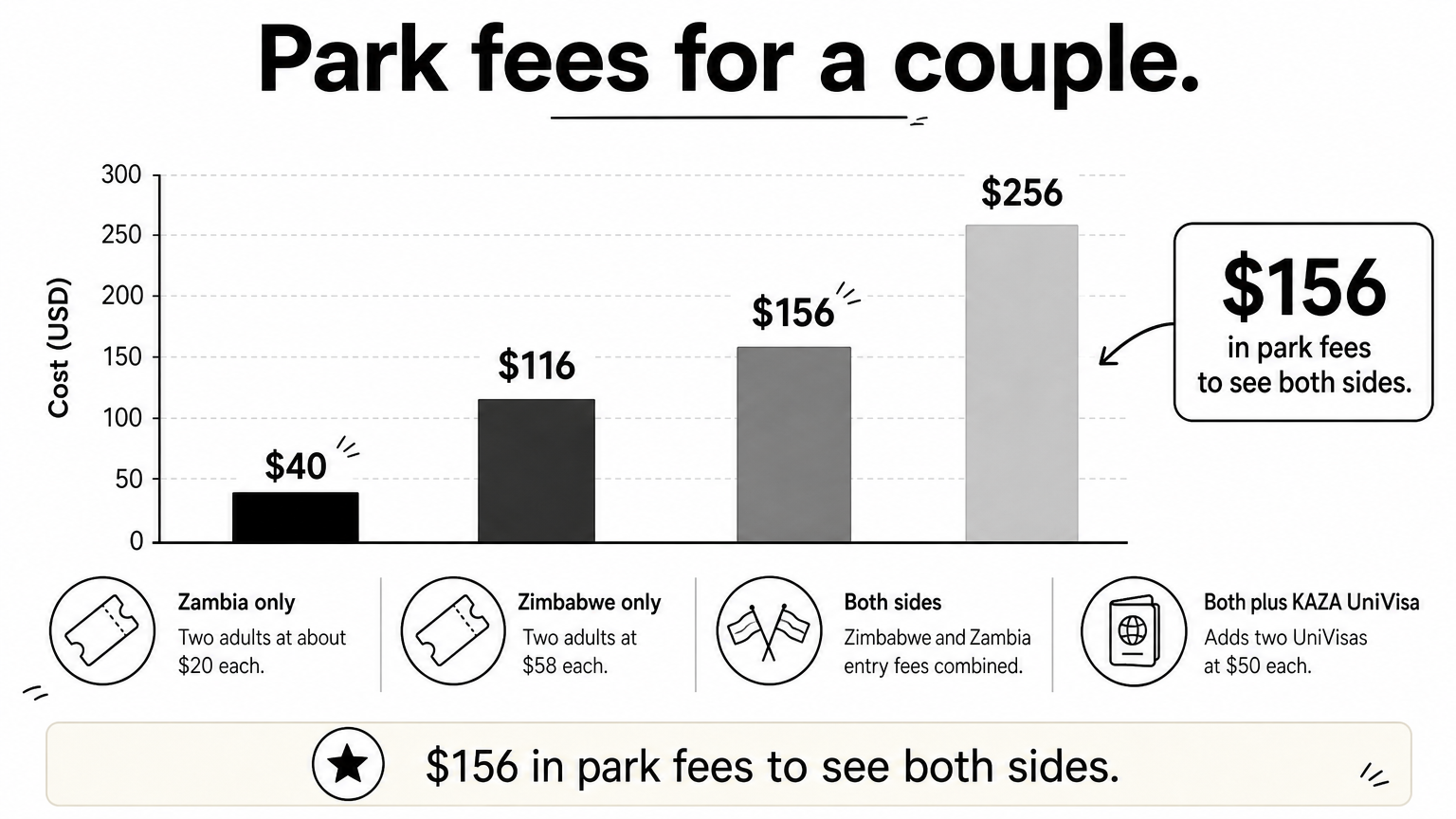
Seeing only Zambia would cost $40 in fees, and seeing only Zimbabwe would cost $116, so the fee difference between the two single-side options is $76 for the couple. That is real money, but it is small next to a Devil’s Pool tour or a helicopter flight, so use fees as a tiebreaker rather than a deciding factor.
Everyday costs and getting between towns
Meals and drinks in Livingstone are generally cheaper than in Victoria Falls town, where restaurants aimed at tourists can run $20 to $30 per person. Accommodation is comparable across the two sides, with campsites, boutique lodges and everything between on both banks. Flights can swing the total more than any of this, so compare fares into Livingstone and Victoria Falls before you pick a base.
For crossing, our Victoria Falls to Livingstone transfers are listed from USD 18 to USD 40. If you prefer to have someone handle the logistics, our 5-hour Livingstone Day Tour costs $80 per person ($40 for children) and covers the Zambian falls, the Livingstone Museum and the market. Confirm when booking whether park entry is included.
Park fees are $76 apart for a couple, so let your dates and activities choose your side, and let cost break ties.
Access, getting around and safety
Zimbabwe is easier on foot, and Zambia needs a taxi. Both are safe for ordinary tourists who use common sense, and moving between them takes less than an hour.
Airports and base towns
Victoria Falls town in Zimbabwe sits a few minutes’ walk from the park gate, and it is built around visitors, with hotels, restaurants and tour desks close together. Livingstone in Zambia is a real working town with museums, markets and a wider range of local food, but the park entrance is about 10 km away, so you need a taxi or transfer each time.
Fly into the airport on the side where you plan to stay. Livingstone (LVI) is 10 to 15 minutes from town, and a taxi costs roughly $10. Victoria Falls (VFA) is 20 to 25 minutes from town, and a taxi costs roughly $15. Flying into one airport and sleeping in the other country means extra taxis and a border crossing on arrival day.
Crossing the Victoria Falls Bridge
The Victoria Falls Bridge is the only direct crossing between the two sides, and walking it is straightforward. From each park entrance, expect about 10 minutes to the border post, then about 15 minutes along the bridge. Pedestrians have a marked path separate from the trucks. Carry your passport, because you pass immigration on both ends, and check border opening hours because they can change.
Border times vary on longer cross-border routes too. If you want to add Chobe in Botswana, our transfers between Victoria Falls and Kasane take 1.5 to 2 hours including border procedures. Kasane to Livingstone takes 2 to 2.5 hours. Both need at least 2 passengers, and you should carry your travel documents and confirm visa requirements before departure.
Safety and health on each side
Both sides are popular with visitors and generally safe for tourists. The nuisances are minor. Touts sell souvenirs around the bridge on the Zimbabwe side, baboons near the bridge can grab food from your hand, and elephants sometimes wander onto the road between Livingstone and the Zambian park entrance. Keep your distance from all wildlife and keep food out of sight.
Victoria Falls is in a malaria area, so talk to your doctor about prevention before you leave and use repellent in the evening. Tsetse flies are more active in the rainy season, and they are attracted to dark blue and black clothing, so choose lighter colors. We strongly recommend travel insurance that covers cancellation, illness and baggage.
Walk-up access makes Zimbabwe the easier base, but you lose nothing on safety by sleeping in Livingstone.
How to choose your side and plan the visit
Choose by your priorities, and if you can spare two days, plan to see both. The table turns the comparison above into a decision for each type of traveler.
Quick decision guide
| If you want… | Choose |
|---|---|
| The best views in one day | Zimbabwe |
| To visit from September to December | Zimbabwe for the falls, Zambia for Devil’s Pool |
| A soaking at the Knife Edge Bridge in March to May | Zambia, plus a Zimbabwe half day |
| Devil’s Pool or a rhino walk | Zambia |
| A walkable base with tourist services | Zimbabwe |
| A cheaper stay and more local flavor | Zambia |
| Fewer steep climbs | Zimbabwe, since Zambia’s trails are steeper in places |
| A moonbow evening | Zimbabwe |
A two-day plan for seeing both sides
If you want both banks, base yourself in Victoria Falls town and cross for a day, because the town is walkable and Zambia is the easier day trip. A simple plan looks like this:
- Day 1, Zimbabwe side. Walk the full trail in the morning, then spend the afternoon on a sunset cruise or at the Victoria Falls Bridge.
- Day 2, Zambia side. Cross early. In low water, take a Livingstone Island and Devil’s Pool tour. In high water, do the Knife Edge Bridge and Boiling Pot, then eat lunch in Livingstone before crossing back.
- Optional Day 3. Add a helicopter or microlight flight, rafting, or a Chobe day trip.
Getting the logistics handled
Crossing the border yourself is easy, but the details add up: transfers, entry tickets, visa paperwork and booking windows for flights and Devil’s Pool. Our team arranges transport, itineraries and bookings, can tailor a plan to your dates, and is available around the clock. Whichever way you book, confirm what is included, who handles visas, and what the cancellation terms are before you pay.
If you can only spare two days, base in Zimbabwe, spend one day on each bank, and time Devil’s Pool to the low-water months.
Picking your side without second-guessing
The real answer to Victoria Falls Zambia vs Zimbabwe is that you are choosing a viewpoint, not a winner. Zimbabwe gives the wide view and flows all year. Zambia gives the close, wet view, plus Devil’s Pool in low water. Use your travel month first, your activities second and park fees last.
When you are ready to turn this into a plan, browse our Victoria Falls tours and book the one that fits your dates.