


- 6 Views
- 26 Min Read
- (0) Comment
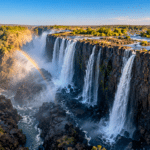
Most travelers picture Victoria Falls as a thundering wall of white water, drenched in spray and loud enough to hear from kilometers away. That image is real, but it is only part of the story. During the Victoria Falls low water season, the Zambezi River shrinks and the mist thins. A different version of the world’s largest sheet of falling water appears, one where you can see the sheer rock face, the zigzag gorges and the true geometry of one of Africa’s great natural wonders.
For many travelers this is the best time to visit. The low water months open up experiences that are impossible or unsafe at other times of year. You can swim at the edge of the falls in Devil’s Pool, raft some of the most dramatic rapids on earth, walk the Knife-Edge Bridge without being soaked and take clear photographs from almost every viewpoint.
Low water does not mean the falls dry up. How much water you see depends on the year, the month and which side of the falls you stand on.
This guide covers when the season happens, how much the flow really drops, what you can and can’t do, how the Zimbabwe and Zambia sides compare, what to pack, and how to build an itinerary. If you’re choosing between low and high water, there’s an honest comparison too.
Table of Contents
- What Is the Victoria Falls Low Water Season?
- When Is the Low Water Season? A Month-by-Month Breakdown
- What Does Victoria Falls Look Like in Low Water?
- Why Visit in Low Water Season? (The Pros)
- What to Consider Before You Go (The Cons)
- Zimbabwe vs Zambia Side During Low Water
- Best Things to Do in the Victoria Falls Low Water Season
- Wildlife and Safari Combinations
- Weather and What to Pack
- Low Water vs High Water: Quick Comparison
- How Many Days Should You Spend at Victoria Falls?
- Sample 5-Day Low Water Itinerary
- Costs, Booking Tips and Visas
- Photography Tips for the Dry Season
- Practical Travel Tips
- Who Should Visit in Low Water Season?
- Frequently Asked Questions
- Plan Your Trip with Max Adventure Trails
What Is the Victoria Falls Low Water Season?
The Victoria Falls low water season is the part of the year when the Zambezi River carries its smallest volume of water over the falls. It follows the dry season, after months without significant rain in the river’s upstream catchment, and lasts until the new rains begin to feed the river again.
Victoria Falls is known locally as Mosi-oa-Tunya, “The Smoke That Thunders”. It straddles the border between Zimbabwe and Zambia. The Zambezi plunges roughly 100 meters (about 108 m at the highest point) into the Batoka Gorge across a front about 1.7 kilometers wide. At peak flood, an enormous volume pours over that edge every second. During low water, the flow is only a fraction of that.
Rainfall across the river’s large upstream catchment, mostly in Angola and Zambia, controls how much water reaches the falls. Because that water takes weeks to travel downstream, the falls peak well after the rains and drop well after they stop.
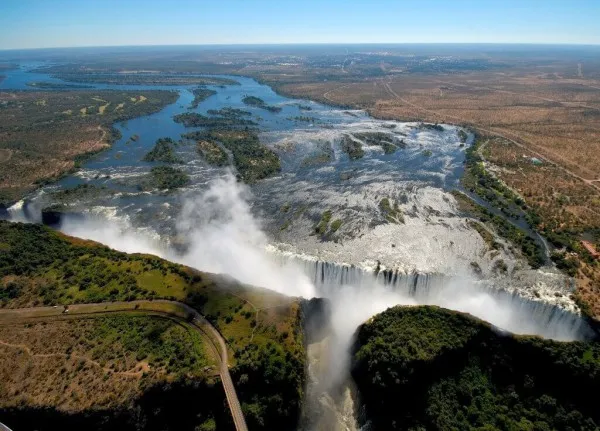
The Main Falls and Devil’s Cataract on the Zimbabwean side keep flowing all year. The more exposed sections, especially on the Zambian side, thin out dramatically and sometimes expose bare rock.
In high water the experience is about power, volume and spray. In low water it is about access, clarity and adventure. During this period visitors typically find:
- Less spray at many viewpoints
- Better visibility of the exposed rock formations
- Different photographic opportunities
- Conditions suitable for selected adventure activities, depending on current river levels
- Hot, dry weather, especially in October and November
- Excellent chances to combine the falls with a wildlife safari
When Is the Victoria Falls Low Water Season? A Month-by-Month Breakdown
The low water season doesn’t start and end on fixed dates. As a general pattern it runs from roughly August to December, sometimes into January. The very lowest flows usually come in October, November and early December.
Timing shifts every year depending on rainfall and upstream conditions. Treat the following as a general guide, not a guarantee.
August: early low water. The river is receding fast. Flow is still moderate, spray is reduced and many viewpoints are clearer. Some water-based activities begin to open as conditions allow.
September: lower water and adventure opportunities. Water levels drop noticeably and the falls look more clearly defined. Rafting is in full swing. Devil’s Pool may open in late September or October, but operators must assess actual river conditions. Temperatures begin to climb.
October: the heart of the season. The Zambezi is near its lowest and the cliff faces are widely exposed. Flow can be sharply reduced in some sections, especially on the Zambian side. It is often the hottest month of the year.
November: often near the seasonal lows. Some sections can carry very little water in dry years. The first rains may arrive, but their timing and effect on river levels vary. Humidity climbs and afternoon thunderstorms become more common.
December to January: seasonal transition. Local rains increase, though the big upstream flood has not yet arrived. Levels often stay low for part of this period, then begin to rise. Some low-water activities continue, while others close as conditions change.
February onward: The river climbs steadily toward its peak in March to May, ending the low water season.
Pro Tip: If Devil’s Pool is a top priority, aim for mid-September to early December and confirm with your operator before you book flights. River levels decide whether it opens, not the calendar. The Zambezi River Authority publishes river-flow measurements for Victoria Falls, which makes it a useful source for tracking the season.

What Does Victoria Falls Look Like in Low Water?
Set realistic expectations, because many visitors arrive expecting either a trickle or a roar.
At peak flood the falls form an almost continuous curtain across their full width. The spray plume can rise hundreds of meters and be seen from far away. In the Victoria Falls low water season the picture changes:
- Less volume. Flow drops dramatically from the flood peak, sometimes to a small percentage of it.
- Split channels. The broad sheets break into distinct, thinner streams separated by bare black rock.
- Less mist. Spray reduces, and in some areas nearly vanishes.
- A visible gorge. The walls and the zigzag shape of the chasm become clear.
- Uneven flow. Some channels thin or stop flowing while others still carry a lot of water. The Zambian side loses far more than the Zimbabwean side, and sections like the Eastern Cataract can be largely dry.
You will always see something impressive, because the Main Falls, Horseshoe Falls and Devil’s Cataract keep running. Visitors often call low water “more intimate,” because you can finally understand the structure of the falls instead of only the mist. The result is a more varied landscape, with powerful streams in some places and exposed rock in others.
If you expect the enormous, continuous curtain from high-water postcards, the seasonal appearance can come as a shock. Adjust your expectations before you go.
Why Visit Victoria Falls During Low Water Season? (The Pros)
1. Clear, Unobstructed Views
In high water the spray can swallow entire viewpoints in white fog. In low water the air is mostly clear, so you can see the full drop, the far gorge wall, the bridge and the river winding away below.
2. Devil’s Pool Becomes Possible
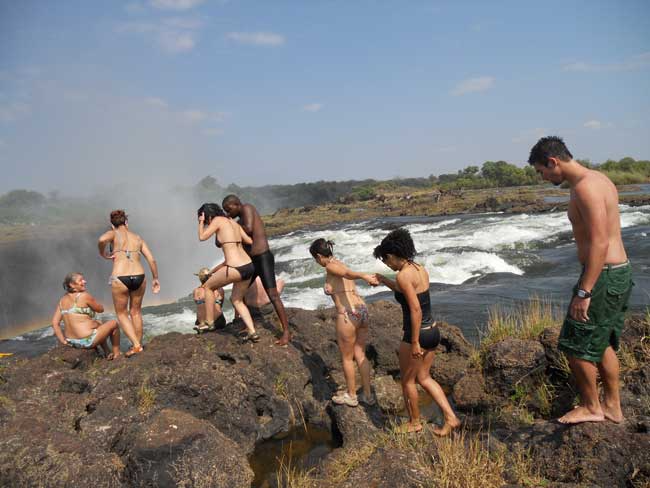
Devil’s Pool is a natural rock pool on the lip of the falls on the Zambian side. You can swim and look straight over a 100-meter drop. It’s one of Africa’s most famous bucket-list experiences, and it’s only possible when the Zambezi is low enough for the current at the edge to be manageable.
3. Prime White Water Rafting
Below the falls, the Batoka Gorge holds some of the world’s most celebrated commercial rafting. In low water the rapids become more defined, with big drops and powerful waves. Some are only runnable at lower levels.
4. Comfortable Walking and Photography
You won’t need a poncho on the Zimbabwe-side trails. The paths are drier, your camera is safer and your lenses won’t fog constantly. The clarity and contrast give sharper images and more varied compositions.
5. Great Wildlife Viewing Nearby
The dry season concentrates game at remaining water sources. Zambezi National Park, Hwange National Park and Chobe National Park (Botswana) are all excellent at this time.
6. Dependable Weather for Outdoor Activities
Rain is rare until November, so flights, cruises and excursions are less likely to be disrupted. Skies are generally blue and visibility is excellent.
7. Potential Value in Late Season
Late November and early December can feel quieter than peak July and August. Low water does not automatically mean fewer visitors or lower prices, though, because school holidays and safari demand also drive crowds. Book popular activities early either way.
What to Consider Before You Go (The Cons)
The Victoria Falls low water season is excellent, but it isn’t perfect for everyone.
1. Less Dramatic Waterfall Volume
If you dream of standing in a roaring, drenching curtain of spray, low water will disappoint you. The falls are still beautiful, but they look quite different from the postcards taken between March and May.
2. The Zambian Side Can Look Sparse
At the lowest levels, large parts of the Zambian side, especially the Eastern Cataract, can shrink to a trickle or bare rock. If you only visit that side, you may see less water than expected.
3. Very Hot Temperatures
October is typically the hottest month. Daytime highs can reach the mid-30s °C (mid-90s °F) or more. Plan outdoor activities for early morning or late afternoon, drink plenty of water and use sun protection.
4. Humidity and Early Storms
By November humidity builds and afternoon thunderstorms can arrive. They are usually brief but can pause scheduled activities.
5. Book-Ahead Demand
Many travelers target Devil’s Pool and rafting in the same months, so spots can sell out in peak weeks.
6. Weak Moonbow
The lunar rainbow, or “moonbow,” is best when the spray is thick. In low water it is weaker or harder to see.
Zimbabwe vs Zambia Side During Low Water
The right side to visit depends on what you want to do, but the difference in water volume matters in low water.
The Zimbabwe Side
Most of the falls’ width is visible from the Zimbabwean side, and the most water usually remains here in the dry season. Victoria Falls National Park has a well-developed trail through rainforest with a series of numbered viewpoints. You can see Devil’s Cataract, Main Falls, Horseshoe Falls, Rainbow Falls and Danger Point. In low water you’ll often see flowing sections next to exposed rock, which helps you grasp the full scale of the falls.
Best for: the broadest panorama, walking trails, the most water in the dry season, and the town of Victoria Falls with its restaurants and lodges.
The Zambia Side
The Zambian side offers a closer, more adventurous angle. You can walk the Knife-Edge Bridge, descend toward the Boiling Pot below the Victoria Falls Bridge, and reach Devil’s Pool by guided boat and walk from Livingstone Island. Water volume on this side is much lower in the dry months, and some sections can nearly dry up.
Best for: Devil’s Pool, Livingstone Island, the Knife-Edge Bridge and being at the edge of the falls.
Which Side Should You Choose?
Ideally, visit both. Many travelers see the Zimbabwe side for the falls at their most powerful and the Zambia side for Devil’s Pool and Livingstone Island. Neither side guarantees a particular amount of water, so check recent reports before deciding where to spend most of your sightseeing time.
Tip: The KAZA UniVisa has historically let eligible travelers move between Zimbabwe and Zambia and make day trips to Botswana, but eligibility and rules change. Always verify current visa requirements with official sources before travel.
Best Things to Do in the Victoria Falls Low Water Season
Low water opens up activities that may be restricted when the river runs strongly. Availability always depends on river levels, weather, safety assessments and the decisions of licensed operators.
1. Swim in Devil’s Pool
Devil’s Pool sits beside Livingstone Island on the Zambian side. When the river is low enough, guides lead small groups across the rocks and into the natural pool. You can sit or lie at the brink of the falls with only a rock lip between you and the gorge. It’s an extraordinary experience, but it is not a casual swimming spot. Access is guided only, and you should never attempt it independently.
What to know:
- It typically operates from around late August or September into December or January, depending on water levels.
- Access is by guided boat and walking transfer from the Zambian side.
- Trips are often combined with breakfast, lunch or high tea on the island.
- Spaces are limited and fill early, so book well ahead.
- You need to be a comfortable swimmer, and guides give a safety briefing.
2. White Water Rafting the Zambezi
The Batoka Gorge below the falls is among the best rafting stretches in the world. In low water the rapids become more varied and technical. Famous names include Stairway to Heaven, Commercial Suicide, Gnashing Jaws of Death and the Washing Machine. Operators offer half-day, full-day and multi-day trips.
What to know:
- Low-water rafting generally runs from about August to December or early January, depending on conditions.
- Full-day trips cover more rapids and are the most popular choice.
- Expect a steep walk down into the gorge and a climb out at the end.
- Rapids reach Grade 5, though some sections can be skipped or portaged.
- Check minimum age, fitness requirements, seasonal closures and safety procedures before booking.
3. Take a Scenic Helicopter Flight
A flight of about 12 to 15 minutes shows you the whole structure of the falls from above. In low water this is especially rewarding, because the changing channels, exposed rock and zigzag gorges are easy to see. Flights are weather-dependent. Fixed-wing microlights offer an open-air alternative.
4. Join a Guided Tour of the Falls
A guided walking tour explains the geology, history and seasonal behavior of the falls. Guides can tell you why some channels keep flowing while others expose the rock beneath. Wear comfortable shoes, carry water and follow instructions near wet paths and cliff edges.
5. Bungee Jump Off Victoria Falls Bridge
At 111 meters, this is one of the highest commercial bungee jumps in the world. It operates year-round, but the clear skies of the dry season make the view of the gorge, upside down, even better.
6. Gorge Swing and Zip Line
Several operators run gorge swings, flying foxes and zip lines over the Batoka Gorge. Visibility is excellent in the dry months and the settled weather makes scheduling reliable.
7. Walk the Knife-Edge Bridge
On the Zambian side, this footbridge faces the Main Falls across the gorge. In high water you’d be soaked. In low water it’s a pleasant, nearly dry walk with spectacular views.
8. Hike to the Boiling Pot
A trail below the Victoria Falls Bridge on the Zambian side leads down to the Boiling Pot, where the Zambezi swirls after leaving the main drop. The climb back is steep, but the views of the bridge and gorge are superb.
9. Take a Zambezi Sunset Cruise
Above the falls the river is wide and calm. A sunset cruise is a relaxed way to see birds, hippos, crocodiles and elephants at the banks, though sightings are never guaranteed. The cooler late-afternoon air is a welcome break in the hot months.
10. Visit Livingstone Island
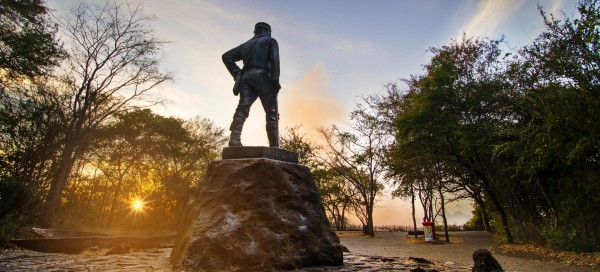
Even if you skip the swim, a guided visit to Livingstone Island, where Dr. David Livingstone is said to have first viewed the falls, gives you a unique vantage point close to the edge.
11. Cultural and Local Experiences
Make time for craft markets, village visits and local food. Both Victoria Falls town and Livingstone have good restaurants, and cultural tours add context to your trip.

Wildlife and Safari Combinations
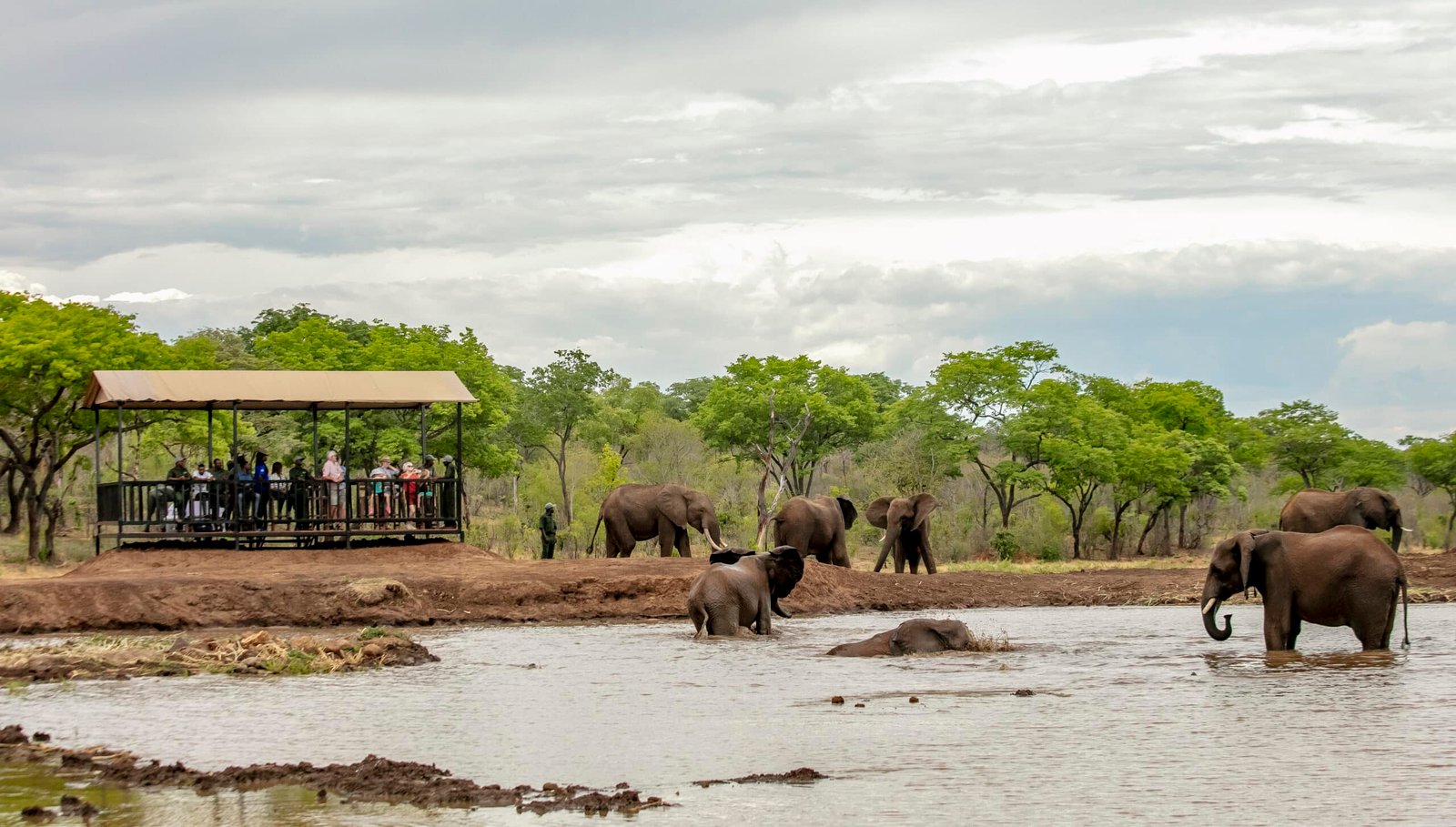
Victoria Falls is also a convenient base for wildlife areas in Zimbabwe, Zambia and Botswana. The dry months are prime game-viewing time in southern Africa. As seasonal pans and pools dry out, animals gather at rivers and permanent waterholes, and thinner vegetation makes them easier to spot. Sightings still depend on location, time of day and animal movements.
Zambezi National Park
Only a short drive from Victoria Falls town, this park has river frontage and good chances of elephants, buffalo, giraffe, sable antelope and plenty of birds. It makes a convenient half-day or full-day excursion.
Chobe National Park (Botswana)
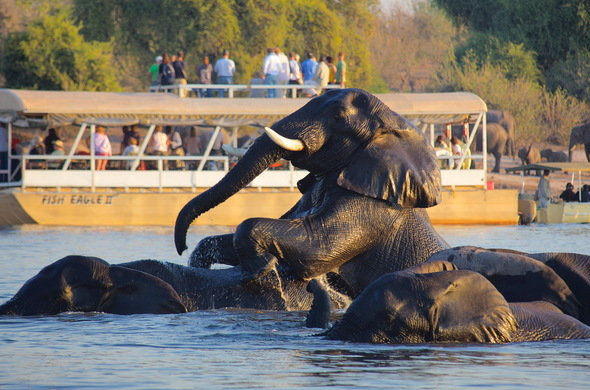
A day trip to Chobe is one of the most popular add-ons. The Chobe River draws huge elephant herds in the dry season, and the boat cruises and game drives are exceptional. Transfers and permits are usually handled by your operator.
Hwange National Park (Zimbabwe)
Zimbabwe’s largest national park is a few hours’ drive from the falls. It is known for its large elephant populations and superb dry-season waterhole viewing. A two- or three-night stay gives you far deeper safari immersion.
Mosi-oa-Tunya National Park (Zambia)
Close to Livingstone, this park offers wildlife viewing on the Zambian side and pairs well with a day at the falls.
Lower Zambezi National Park (Zambia)
For a longer safari, the Lower Zambezi offers river scenery and wildlife-rich habitats, and it fits well into a multi-stop itinerary.
The right destination depends on your time, budget and the kind of safari you want. In the hotter months, early-morning and late-afternoon activities are more comfortable than midday excursions.
[INTERNAL LINK PLACEHOLDER: Link to the Zimbabwe destination page, https://maxadventuretrails.com/destination/zimbabwe/, and to your Victoria Falls safari packages]
Weather and What to Pack for Low Water Season
Weather Overview
Low water coincides with the dry season and the build-up to the summer rains. Conditions vary between months and from year to year, so these are broad descriptions, not forecasts for specific dates.
| Month | General conditions | Travel considerations |
|---|---|---|
| August | Dry, warm days, cool mornings | Bring a light jacket for early outings |
| September | Warmer and mostly dry | Good for outdoor activities with plenty of water |
| October | Often very hot and dry | Plan outdoor activities early or late |
| November | Hot, with possible early rains | Check forecasts and activity availability |
| December | Hot, with more frequent rain | Carry rain protection and keep plans flexible |
Packing Checklist
- Lightweight, breathable, quick-dry clothing in neutral colors
- A wide-brimmed hat and quality sunglasses
- High-SPF sunscreen and lip balm with SPF
- Insect repellent, especially as the rains approach
- Sturdy sandals or closed shoes with good grip for rocky trails
- Swimwear and a quick-dry towel for Devil’s Pool and rafting
- A light rain jacket for November and December
- A light jacket for cool mornings in August and September
- A reusable water bottle
- A dry bag or waterproof phone case
- A camera with a polarizing filter and spare batteries
- Personal medication, and a travel clinic consultation well in advance about malaria prevention, since the region is a malaria-risk area
October can be especially demanding. Plan rest breaks and drink water regularly, particularly before and after physical activities.
Safety note: Follow your guide’s instructions at Devil’s Pool and on the river. Conditions can change, and operators will cancel or modify activities if they aren’t safe.
Low Water vs High Water: Quick Comparison
| Feature | Low Water (Aug–Dec) | High Water (Mar–May) |
|---|---|---|
| Waterfall volume | Reduced, with exposed rock | Massive, thundering flow |
| Spray and mist | Minimal to moderate | Very heavy, can obscure views |
| Gorge visibility | Excellent | Often limited by spray |
| Devil’s Pool | Usually open (varies by year) | Closed |
| White water rafting | Prime season | Typically closed or limited |
| Temperature | Hot, peaking in October | Warm, humid, rainy |
| Wildlife viewing | Excellent | Good, but vegetation is dense |
| Photography | Clear, sharp, varied | Dramatic, but wet and misty |
| Best for | Adventure, views, safari combos | Waterfall power and volume |
Neither season is universally better. High water shows the raw power of the falls. Low water reveals more of their geological structure and offers a different range of experiences. If you want the biggest possible waterfall, go between March and May. If you want adventure, access and clear views, choose the Victoria Falls low water season.
How Many Days Should You Spend at Victoria Falls?
For most first-time visitors, two to three days is a practical minimum, and four or five lets you add a safari day trip.
- Day 1: Explore the falls. Take a guided tour, visit the main viewpoints and learn how the water levels change through the seasons.
- Day 2: Choose an adventure. Depending on availability and safety conditions, try Devil’s Pool, white water rafting, a helicopter flight or a sunset cruise.
- Day 3: Add a wildlife safari. Arrange a game drive in a nearby park, or choose a longer excursion to Hwange or Chobe.
If you plan to visit both Zambia and Zimbabwe, allow extra time for border formalities and check visa requirements in advance. Book seasonal activities early if they’re central to your trip.
Sample 5-Day Low Water Season Itinerary
Day 1: Arrival and Sunset Cruise. Arrive in Victoria Falls (Zimbabwe) or Livingstone (Zambia), check in and rest. In the late afternoon, take a sunset cruise on the upper Zambezi.
Day 2: The Falls from the Zimbabwe Side. Walk the Victoria Falls National Park trails in the morning, starting early to beat the heat. Visit Devil’s Cataract, Main Falls, Horseshoe Falls and Rainbow Falls. In the afternoon, browse the craft market and enjoy dinner in town.
Day 3: Zambia Side and Devil’s Pool. Cross to Zambia for a guided Livingstone Island trip and Devil’s Pool, if open. Have breakfast or lunch on the island, then walk the Knife-Edge Bridge in the afternoon.
Day 4: Adventure Day. Choose a full-day rafting trip, or combine a morning helicopter flight with a bungee jump or gorge swing. Finish with dinner and a sunset drink.
Day 5: Chobe Day Trip or Departure. Take an early day trip to Chobe for a boat cruise and game drive, or relax by the pool before departing.

Costs, Booking Tips and Visas
What You’ll Budget For
Prices vary by operator, season and nationality, so always confirm current rates. Plan for:
- Park entry fees, charged separately on each side
- Devil’s Pool and Livingstone Island packages, usually among the pricier excursions
- Rafting trips, with full-day trips costing more than half-day options
- Helicopter flights, a premium activity
- Bungee and gorge swings, mid-range adrenaline activities
- Accommodation, from budget lodges to luxury riverfront resorts
Booking Tips
- Book Devil’s Pool early. Spaces are limited and sell out well ahead in September to November.
- Stay flexible. Devil’s Pool depends on river levels, so build in a buffer day if possible.
- Choose licensed, reputable operators with strong safety records.
- Schedule activities for the morning. The heat builds quickly.
- Combine bookings. Bundled packages can save money and logistics.
- Confirm cancellation policies. Weather and river levels can change operations.
Visas and Entry
Visa rules for Zimbabwe and Zambia depend on your nationality and change from time to time. Check the latest requirements with official government websites or your tour operator before booking.
Photography Tips for the Dry Season
- Shoot early and late. The light is softer and rainbows show better at low sun angles.
- Use a polarizing filter. It cuts glare off the water and deepens the sky.
- Go wide, then tight. Capture sweeping gorge views with a wide lens, and shoot water streams and rock textures with a telephoto.
- Protect your gear. Even in low water, spray can reach lenses. Carry a microfiber cloth and a dry bag.
- Include the Victoria Falls Bridge for scale and context.
- Try aerial shots. A helicopter flight shows the structure of the falls like nothing else.
- Bring a waterproof action camera for Devil’s Pool and rafting.
Practical Travel Tips
- Check current water levels. Seasonal averages help, but the real flow in your travel year matters more. The Zambezi River Authority publishes river-flow reports. https://www.zambezira.org/hydrology/river-flows
- Choose your viewpoint carefully. The two countries offer different views, and water levels vary across the falls.
- Confirm seasonal activities. Ask your operator whether Devil’s Pool, rafting and other water-based excursions are running on your dates.
- Respect safety instructions. Never cross barriers, approach unprotected cliff edges or enter restricted river areas.
- Prepare for heat. September and October can be especially hot and dry.
- Stay flexible. Weather, river conditions and operating restrictions can change your plans.
- Check border requirements. If you intend to visit both countries, confirm entry rules for your nationality.
For official travel information, see the Zambia Tourism Victoria Falls guide. https://www.zambiatourism.com/destinations/waterfalls/victoria-falls/
Who Should Visit in Low Water Season?
The Victoria Falls low water season is a great fit if you:
- Want to swim in Devil’s Pool
- Love white water rafting and adventure sports
- Prefer clear views over heavy spray
- Plan to combine the falls with a dry-season safari
- Want sharp, dramatic photographs
- Prefer reliably sunny weather for outdoor plans
It may not be the best choice if you:
- Want to see the falls at maximum power and volume
- Are very sensitive to heat
- Want to see the moonbow at its best
Final Thoughts: Is the Victoria Falls Low Water Season Worth It?
For most travelers, yes. The Victoria Falls low water season reveals what high water hides: the rock structure, the layered gorges and the access that lets you swim at the edge, raft legendary rapids and photograph the scene without a wall of mist in your face. Add excellent dry-season wildlife viewing nearby, and it’s one of the most rewarding times of year to explore this part of Africa.
The key is planning. Aim for roughly September to early December, book Devil’s Pool and rafting early, split your time between the Zimbabwe and Zambia sides, and prepare for the heat. Match your timing to the experience you value most, and the falls will deliver.
Frequently Asked Questions About Victoria Falls Low Water Season
When is the Victoria Falls low water season?
It generally runs from around August to December, sometimes into January, with the lowest flows usually in October and November. Exact timing depends on rainfall and the volume of water flowing down the Zambezi, so it varies year to year.
Is Victoria Falls worth visiting in low water season?
Yes. The water volume is smaller, but you get clearer views of the cliffs and gorge, access to Devil’s Pool, prime rafting conditions and excellent wildlife viewing nearby. If you want maximum volume and spray, the high water season suits you better.
Does Victoria Falls dry up completely?
No. The Zambezi flows over the falls all year. The Main Falls and Devil’s Cataract on the Zimbabwean side keep carrying water, though sections of the Zambian side can become very thin or bare.
Is Victoria Falls dry in October?
Not entirely. Some sections, particularly on the Zambian side, may carry very little water, but others keep flowing. The overall appearance depends on the conditions in that particular year.
Is November a good time to visit Victoria Falls?
It can be, especially if you want exposed rock formations, selected adventure activities and wildlife safaris. The falls may look less powerful, temperatures can be high, and early rains may affect activities.
Can you swim in Devil’s Pool during low water season?
Yes, and low water is the only time it’s usually possible. It typically operates during part of the August-to-January period, but opening dates vary and depend on river levels. Visits must be arranged through a licensed operator and are subject to safety checks.
Which side of Victoria Falls is better in low water: Zimbabwe or Zambia?
The Zimbabwean side usually keeps more water and gives a broader panorama. The Zambian side offers Devil’s Pool, Livingstone Island and the Knife-Edge Bridge, but has less water. Visiting both sides is ideal.
Is white water rafting available in low water season?
Yes. It is the prime season, typically from around August to December or early January. Confirm availability with your operator, because it depends on current river conditions.
What is the best month to visit Victoria Falls during low water?
September and October are strong choices for drier conditions and adventure activities. October can be extremely hot, and no month guarantees specific river conditions or activity availability.
How hot does it get at Victoria Falls in October?
October is often the hottest month, with highs commonly in the mid-30s °C (mid-90s °F) or higher. Do strenuous activities in the morning, wear sun protection and stay hydrated.
Will I get wet at Victoria Falls in low water season?
Much less than in high water. Spray is lighter and in many places minimal, so you can walk most trails comfortably. You will still get wet at Devil’s Pool and on rafting trips.
Is low water better for photography?
It can be. Reduced spray improves visibility and the exposed rock creates different compositions. If you want the most dramatic curtain of water, the higher-flow season may suit you better.
Is the moonbow visible in low water season?
It’s much harder to see. The moonbow depends on heavy spray during a full moon, so it’s best in the high-water months. If it matters to you, plan for roughly March to June.
Does low water mean fewer tourists?
Not necessarily. Visitor numbers depend on school holidays, international travel patterns and safari demand. Low water does not automatically mean fewer crowds or lower prices.
How far in advance should I book activities?
For Devil’s Pool, Livingstone Island meals and full-day rafting, book several weeks to a few months ahead for September to November. Bungee jumping and cruises are usually easier to arrange closer to your dates.
Can I combine Victoria Falls with a safari?
Absolutely. Victoria Falls works well within a Zimbabwe, Zambia or Botswana itinerary. You can combine falls sightseeing with game drives, a Zambezi sunset cruise or a multi-day safari in Hwange, Chobe or beyond.
Do I need malaria prevention for Victoria Falls?
The region is a malaria-risk area, particularly in the rainy season. Consult a travel health clinic well before your trip for personalized advice.
Plan Your Victoria Falls Adventure with Max Adventure Trails
Victoria Falls offers a different experience in every season. In low water you can discover exposed rock formations, enjoy clearer views of selected sections of the falls and take on adventure activities that may only run in suitable conditions.
Max Adventure Trails helps travelers explore Africa through guided experiences and safari adventures. Whether you want a Victoria Falls tour, a Zambezi sunset cruise or a wildlife safari across Zimbabwe and neighboring countries, the right plan depends on your travel dates and the seasonal conditions at the falls.
Ready to plan your journey?
- Explore our Zimbabwe safari experiences
- Ask about seasonal availability for Devil’s Pool and rafting before you book
- Build an itinerary that combines Victoria Falls with the wildlife destinations you want to see
Plan My Victoria Falls Safari: https://maxadventuretrails.com/contact/