

- 79 Views
- 28 Min Read
- (0) Comment
Embark on an Unforgettable Family Safari Adventure
Planning an African safari for your family? This listicle provides eight essential tips for an unforgettable experience. Discover the best family-friendly destinations, from South Africa's Kruger National Park to Namibia's Etosha National Park. Learn about preparing with our family safari app, planning for multi-generational groups, and finding malaria-free African safaris. Whether you're seeking self-drive adventures or luxury lodges, this guide helps you choose the perfect safari adventure for kids of all ages. Let's start planning your dream African safari!
1. South Africa's Kruger National Park
Kruger National Park is arguably one of the best places in the world for African safaris for families, offering an unparalleled blend of wildlife viewing and convenient accessibility. As one of Africa's most well-developed safari destinations, Kruger provides an unforgettable experience for all ages. Spanning nearly 2 million hectares, the park boasts incredible biodiversity, including the iconic Big Five (lion, leopard, rhino, elephant, and buffalo), along with a rich tapestry of other mammal and bird species. This makes it an ideal choice for those seeking a classic safari adventure without sacrificing comfort and ease of travel. Learn more about South Africa's Kruger National Park
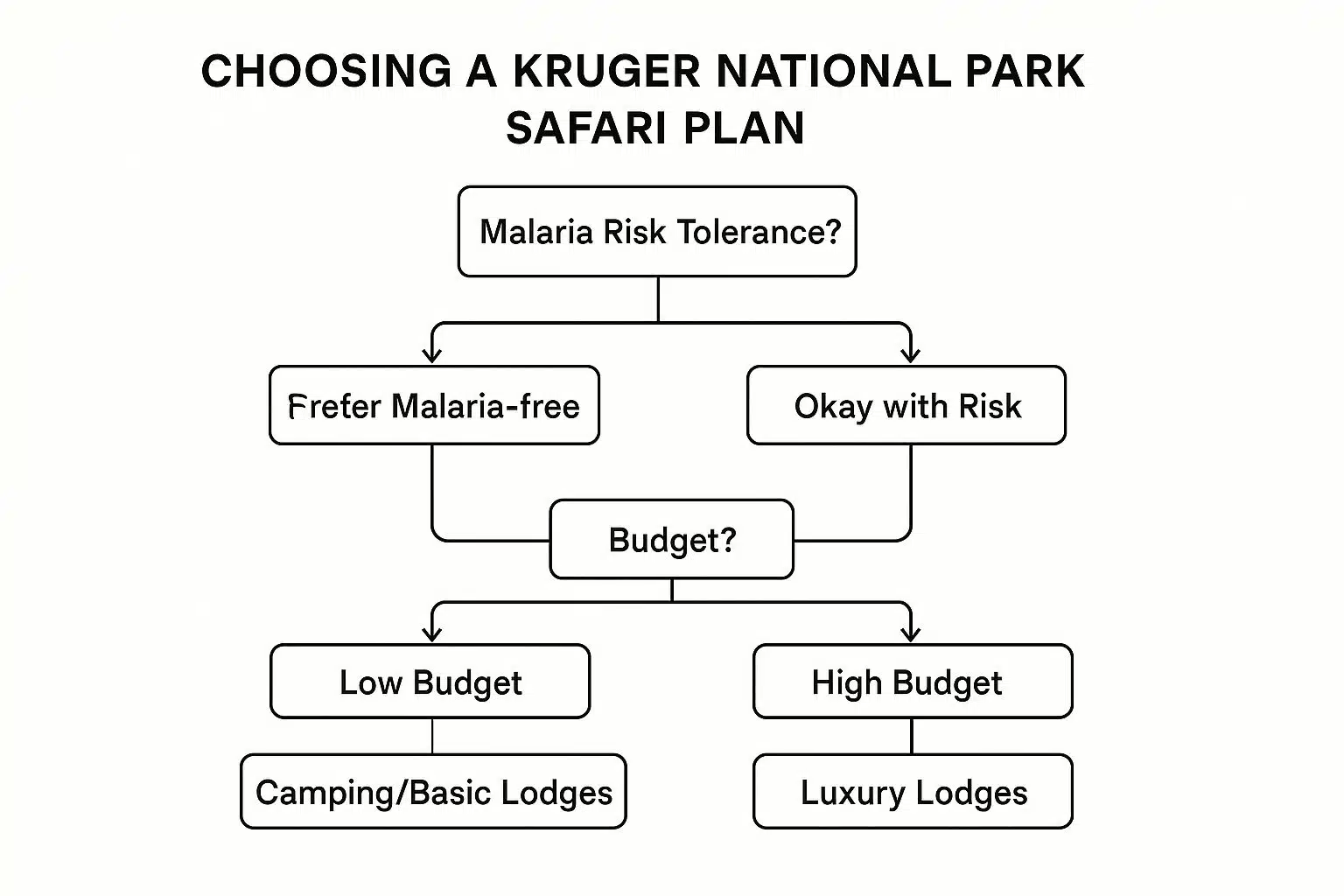
The infographic above provides a decision tree to help families decide if Kruger National Park is the right safari destination for them. It starts with the question of whether you want a family-friendly safari experience. If yes, it prompts you to consider factors like budget, malaria risk tolerance, and desired level of comfort. Each branch leads to a potential outcome, guiding families toward an informed decision.
Kruger's superb infrastructure features well-maintained, paved roads making many areas accessible by regular vehicles, negating the need for expensive 4×4 rentals. A range of accommodation options, from basic campsites to luxurious lodges, cater to diverse budgets and preferences. The availability of malaria-free zones in the southern part of the park further enhances its family-friendly appeal, minimizing health concerns, especially for children.
The park's popularity has been fueled by stunning National Geographic wildlife documentaries and endorsements by the South African Tourism Board, along with high-profile visits from celebrities like Prince Harry and Meghan Markle. This attention has solidified Kruger's status as a premier safari destination.
Features:
- Excellent infrastructure with paved roads
- Range of accommodation options from camping to luxury lodges
- Self-drive safari possibilities
- Malaria-free zones in certain areas
- Big Five viewing opportunities
Pros:
- Less expensive than many other safari destinations
- Accessible by regular vehicles (no 4×4 required in many areas)
- Variety of accommodation options for different budgets
- Can be combined with city visits to Cape Town and Johannesburg
- Some areas are malaria-free, reducing health concerns for children
Cons:
- Very popular, meaning some areas can be crowded
- Some parts of the park are in malaria zones
- During peak season, accommodations need to be booked well in advance
Examples of Family-Friendly Options:
- Jock Safari Lodge: Offers specialized kids' programs and activities.
- Sabi Sands Game Reserve (adjacent to Kruger): Provides ultra-luxurious family experiences at lodges like Ulusaba or Lion Sands.
Tips for Families Visiting Kruger:
- Best time to visit: Visit during the South African winter (June-August) for cooler temperatures and better wildlife viewing as vegetation is thinner.
- Consider a private reserve: For a more exclusive and personalized experience, consider staying at a private reserve adjacent to Kruger.
- Kid-friendly lodges: Book a lodge that offers specific children's activities, shortened game drives suitable for younger children's attention spans, and child-minding services.
- Break up long drives: Utilize the rest camps within the park for breaks during long drives. These camps often feature playgrounds, picnic areas, and restaurants.
Kruger National Park offers a truly exceptional experience for families seeking an unforgettable African safari. Its accessibility, diverse accommodation options, and abundant wildlife make it a top choice for creating lasting memories.
2. Kenya's Masai Mara
Kenya's Masai Mara National Reserve is a jewel in the crown of African safaris for families, offering an unforgettable experience in the heart of the East African savanna. Famous for the Great Migration, a breathtaking spectacle where millions of wildebeest, zebras, and other ungulates traverse the plains, the Mara offers an unparalleled wildlife viewing experience. The reserve is also renowned for its exceptional predator sightings – lions, leopards, cheetahs, and hyenas are frequently spotted, adding a thrilling dimension to your family adventure. Beyond wildlife, the Masai Mara provides a unique opportunity for cultural immersion with the Maasai people, enriching the safari experience with insights into their traditions and way of life. This combination of wildlife adventure and cultural learning makes it an ideal destination for an educational and engaging family safari.
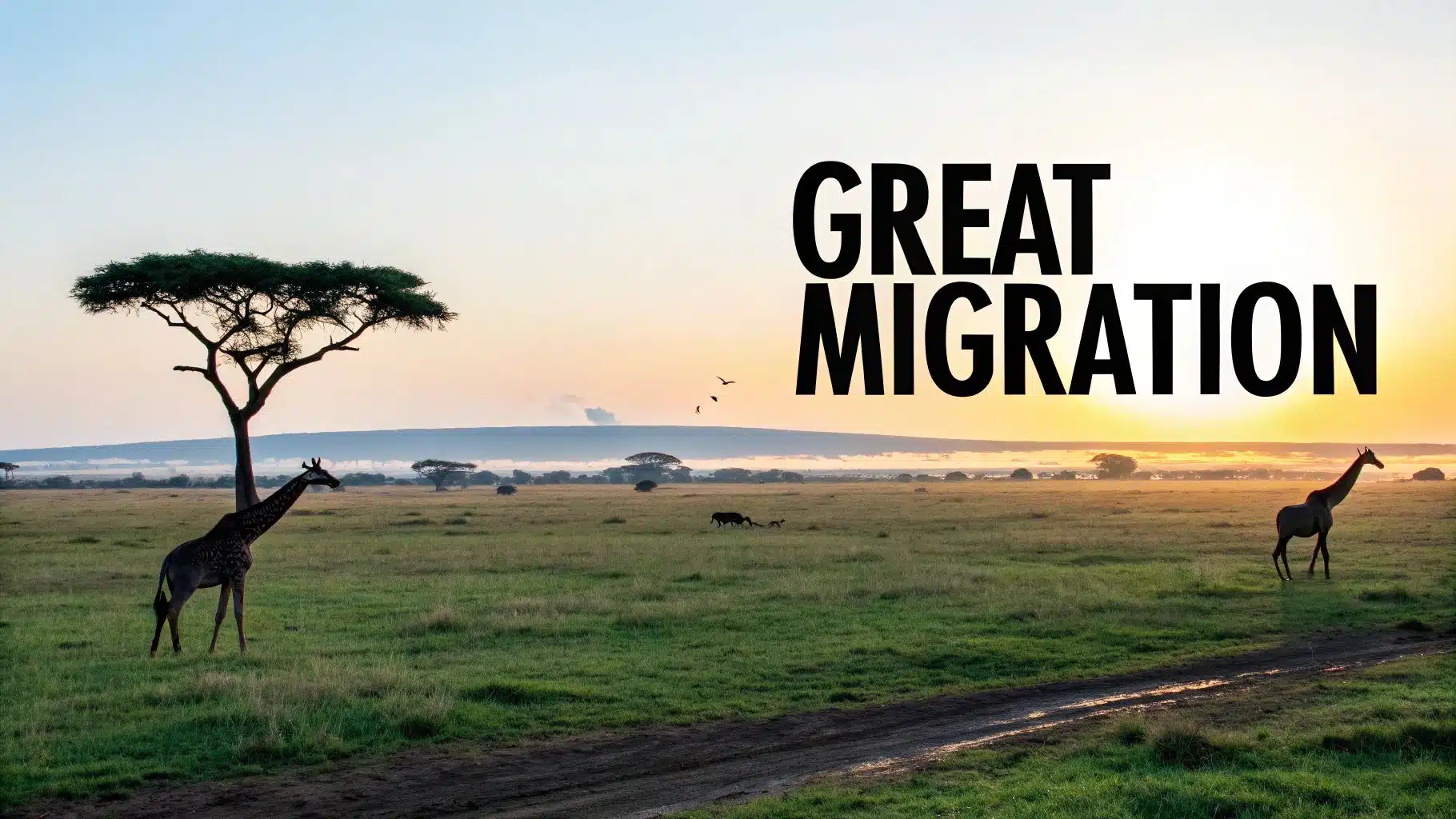
The Masai Mara's vast open plains, famously featured in countless nature documentaries like the BBC's Big Cat Diary (and even inspiring landscapes in Disney's The Lion King), provide a spectacular backdrop for your African safari for families. From thrilling game drives spotting the "Big Five" to experiencing the magic of a hot air balloon safari over the savanna, there's an activity to suit every family member. Many lodges, like Governors' Camp, Basecamp Masai Mara, and Kichwa Tembo Tented Camp by &Beyond, cater specifically to families, offering special family tents, kids' programs, and even child-friendly meals. These dedicated facilities ensure a comfortable and enjoyable experience for all ages. Learn more about Kenya's Masai Mara for detailed information about the region.
Features and Benefits:
- Wildlife: Witness the annual wildebeest migration (July-October), exceptional predator sightings, diverse birdlife, and abundant wildlife.
- Culture: Engage in cultural visits to Maasai villages and learn about their rich traditions.
- Accommodation: Stay in family-friendly tented camps and lodges designed for comfort and convenience.
- Activities: Enjoy game drives, hot air balloon safaris, walking safaris (where permitted), and cultural experiences.
Pros:
- Incredible wildlife density and diversity.
- Educational opportunities to learn about Maasai culture.
- Spectacular landscapes offering iconic photo opportunities.
- Many lodges cater specifically to families with specialized programs and accommodations.
- Direct flights from Nairobi reduce travel time.
Cons:
- Malaria precautions are necessary.
- Can be expensive, especially during peak season (migration).
- Some areas can become crowded during peak tourist times.
Tips for Planning Your Family Safari to the Masai Mara:
- Timing: Visit during July-October to witness the Great Migration, but be prepared for higher prices and more crowds.
- Accommodation: Choose lodges specifically advertising family programs and amenities.
- Clothing: Pack layers for early morning game drives (it can be surprisingly chilly).
- Variety: Consider splitting your safari time between the Masai Mara and another park for a varied experience.
- Cultural Activities: Pre-arrange authentic cultural activities with Maasai communities through your lodge.
Kenya's Masai Mara undeniably deserves its spot on any list of top African safaris for families. It offers a truly unique and unforgettable experience, combining thrilling wildlife encounters, breathtaking landscapes, and enriching cultural interactions, creating memories that will last a lifetime.
3. Tanzania's Ngorongoro Crater: A Wildlife Wonderland for Families
The Ngorongoro Crater, a UNESCO World Heritage Site, presents an unparalleled opportunity for an unforgettable family safari experience in Tanzania. This collapsed volcanic caldera forms a natural amphitheater, teeming with approximately 30,000 animals, making it a truly unique destination for African safaris for families. Its 'zoo-like' environment offers virtually guaranteed wildlife sightings, ideal for those with limited time or a desire for a high concentration of animals. This makes it a fantastic option for families seeking a rewarding and efficient safari experience.
This natural enclosure acts as a wildlife sanctuary, creating predictable and reliable game viewing. Imagine witnessing the "Big Five" – lion, elephant, buffalo, leopard, and rhino – all within a single, breathtaking landscape. The crater's spectacular panoramic views add another dimension to the experience, providing stunning backdrops for family photos. The crater's proximity to the Serengeti National Park also allows for a combined safari adventure, offering a diverse range of ecosystems and wildlife encounters. Beyond wildlife, the opportunity to experience authentic Maasai villages nearby adds a rich cultural element to your family's African adventure.
Why Choose Ngorongoro Crater for a Family Safari?
The Ngorongoro Crater earns its spot on this list due to several key advantages for families:
- Almost Guaranteed Sightings: The confined space of the crater floor significantly increases the chances of encountering a wide variety of animals, keeping even the youngest safari-goers engaged. This is a huge plus for families with restless children who might find long game drives in other parks tedious.
- Less Driving Time: With wildlife concentrated in one area, families spend less time travelling between sightings, maximizing viewing time and minimizing travel fatigue.
- Exceptional Photography Opportunities: The abundance of wildlife and stunning scenery creates endless opportunities for capturing memorable family photos.
- Educational Value: The unique geological features of the crater provide a fascinating learning experience for children, making it an educational as well as an entertaining adventure. You can discuss the volcanic history, the ecosystem, and the adaptations of the animals that thrive within this unique environment.
- Combined Safari Potential: Combine a visit to the Ngorongoro Crater with the vast plains of the Serengeti for a complete Northern Tanzania safari experience, offering a greater diversity of wildlife and landscapes.
Pros and Cons:
- Pros: Almost guaranteed animal sightings, less driving time, excellent photography opportunities, can be combined with Serengeti, unique geological feature.
- Cons: Higher visitor density, relatively expensive park fees, limited to day visits (no overnight stays inside the crater), altitude may affect some visitors (rim is at 2,200 meters).
Accommodation and Activities:
Several lodges cater to families, offering comfortable accommodation and child-friendly activities:
- Neptune Ngorongoro Luxury Lodge: Offers family cottages.
- Ngorongoro Sopa Lodge: Provides family rooms with crater views.
- Exploreans Ngorongoro Lodge: Includes educational programs for children.
Tips for Families Visiting Ngorongoro Crater:
- Start Early: Begin your descent into the crater early in the morning to avoid crowds and observe the animals when they are most active.
- Dress Warmly: Mornings on the crater rim can be very cold, so pack warm layers for everyone in the family.
- Combine with Serengeti: For a more comprehensive safari experience, combine your Ngorongoro Crater visit with a trip to the Serengeti National Park.
- Camera Gear: Bring a good quality camera with a zoom lens to capture those special wildlife moments, even from a distance.
- Dry Season Visit: The dry season (June-October) offers the best wildlife viewing opportunities.
Ngorongoro's Fame:
The Ngorongoro Crater's extraordinary beauty and rich biodiversity have garnered international recognition. Jacques Cousteau famously referred to it as "the eighth wonder of the world," and it has been featured in numerous National Geographic and Discovery Channel documentaries, cementing its place as a must-see destination for African safaris for families. The Tanzania Tourism Board also actively promotes the crater in its campaigns, highlighting its unique appeal. The crater offers a remarkable blend of stunning scenery, abundant wildlife, and cultural experiences, making it an ideal choice for a memorable family safari in Africa.
4. Botswana's Chobe National Park
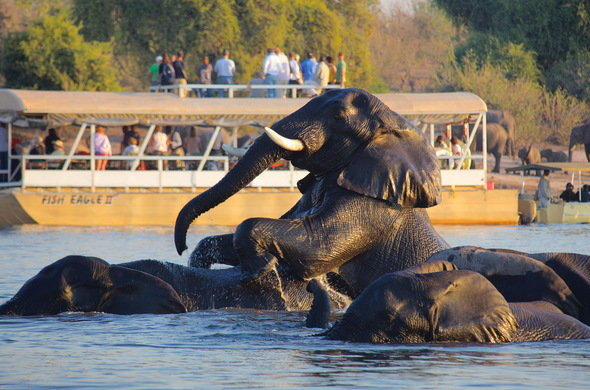
Botswana's Chobe National Park stands out as a premier destination for African safaris for families, especially those seeking a unique and engaging wildlife experience. Known for harboring the world's largest elephant population, Chobe offers more than just traditional jeep safaris. The park's location along the Chobe River allows for exciting boat cruises, providing a refreshing alternative for children (and adults!) who might find long game drives tiresome. This blend of land and water-based wildlife viewing is what sets Chobe apart and makes it an unforgettable experience for families.
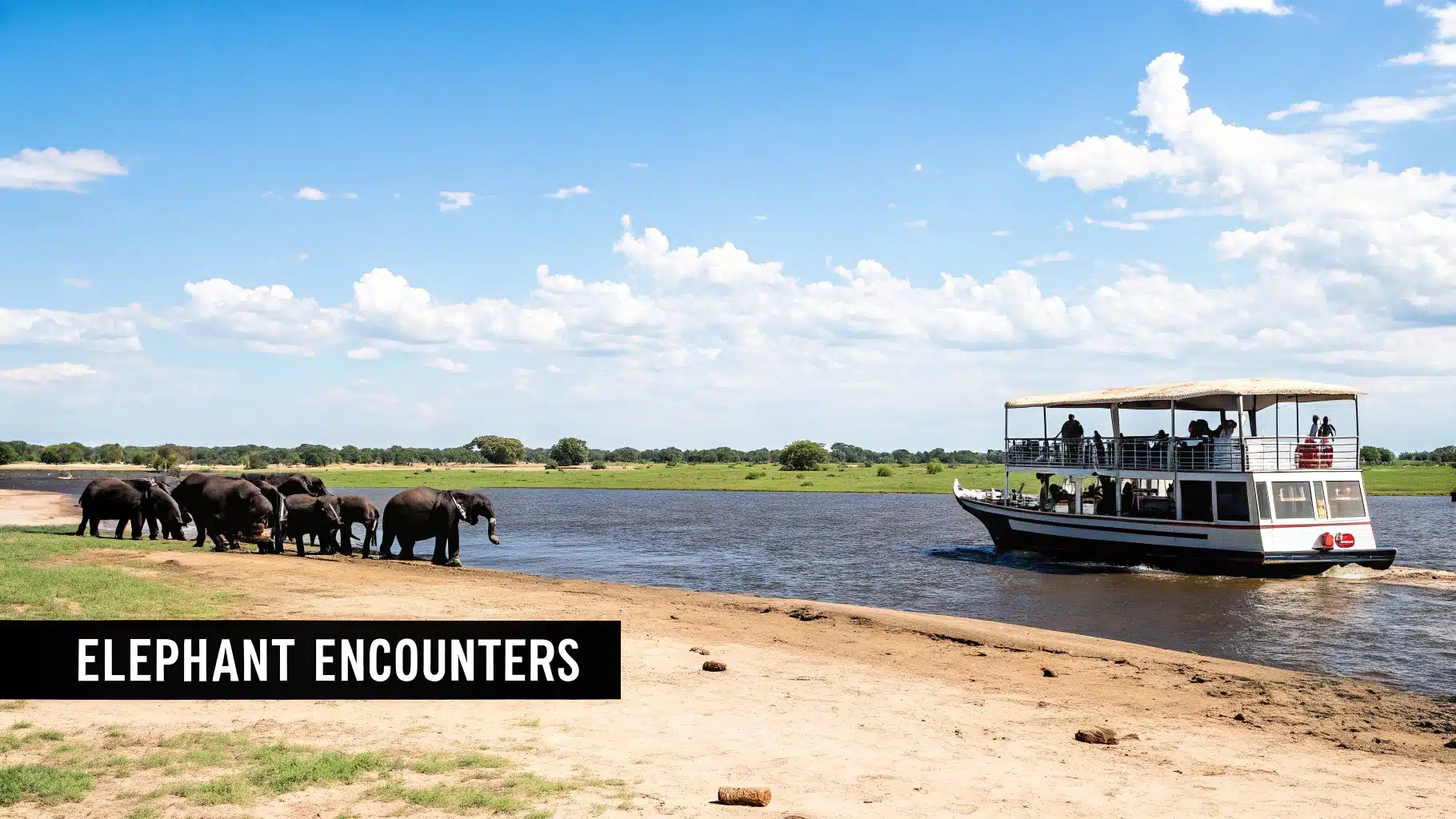
Chobe boasts incredibly diverse landscapes, from lush floodplains teeming with life to vast woodlands. The park’s most iconic residents are its enormous elephant herds, estimated to be up to 120,000 strong in the region. Seeing these majestic creatures up close, whether from a jeep or a boat, is a truly awe-inspiring experience. Beyond elephants, Chobe offers exceptional birdlife with over 450 species recorded, providing ample opportunities for budding ornithologists. The park's diverse fauna also includes lions, leopards, buffalo, hippos, and a variety of antelope species.
Why Chobe Deserves a Spot on Your Family Safari List:
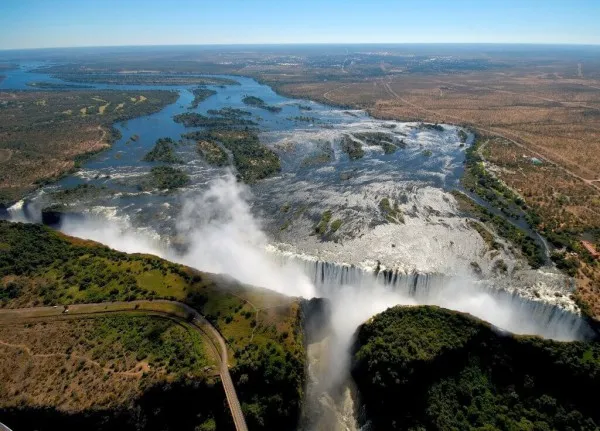
The combination of river safaris and traditional game drives caters to different preferences and keeps everyone entertained. The sheer concentration of elephants virtually guarantees memorable sightings. Moreover, the park’s proximity to Victoria Falls allows families to combine their Botswana safari with a visit to this iconic natural wonder in neighboring Zimbabwe, creating a multi-country adventure.
Pros and Cons of Choosing Chobe:
Pros:
- Water-based safaris provide a different perspective and a welcome break from vehicle game drives.
- High concentration of elephants ensures unforgettable wildlife encounters.
- Can be combined with a visit to Victoria Falls for a varied and exciting itinerary.
- Generally less crowded than popular East African parks.
- Excellent photographic opportunities from boats.
Cons:
- Can be very hot during the summer months (October-March).
- Malaria risk area requiring preventative measures.
- High-end accommodation options can make it an expensive destination.
- Some areas can become crowded during peak season.
Accommodation and Activities:
Several lodges cater specifically to families. Chobe Game Lodge, for example, offers electric safari vehicles and boats, minimizing noise disruption for a more immersive wildlife viewing experience. Ngoma Safari Lodge provides family suites with stunning views over the Chobe floodplain, while Chobe Bakwena Lodge runs specific family-friendly activities tailored to younger guests. Learn more about Botswana's Chobe National Park.
Tips for Planning Your Chobe Family Safari:
- Book morning river cruises when animals congregate at the river to drink.
- Visit during the dry season (May-October) for the highest wildlife concentrations.
- Consider staying in the Kasane area for easy access to Victoria Falls day trips.
- Pack binoculars for each family member – essential for both land and river cruises.
- Allow at least 3 nights to fully experience both land and water activities.
Chobe’s Rise to Prominence:
Chobe’s popularity has been bolstered by the work of documentary filmmakers Dereck and Beverly Joubert, who have extensively documented Botswana’s elephants, as well as the Botswana Tourism Organization’s conservation-focused marketing efforts. Prince Harry’s conservation work in Botswana has also brought international attention to the region.
Chobe National Park offers an exceptional blend of wildlife, diverse landscapes, and unique safari experiences, making it a perfect choice for an unforgettable African safari for families.
5. Namibia's Etosha National Park: A Self-Drive Safari Adventure for the Whole Family
Etosha National Park offers a truly unique approach to African safaris for families, particularly those seeking a more independent and affordable experience. This vast park, dominated by a shimmering salt pan visible even from space, provides exceptional wildlife viewing opportunities centered around its numerous waterholes. Unlike other safari destinations, Etosha encourages self-drive safaris, giving families unparalleled flexibility and control over their itinerary. This approach, coupled with the park's excellent road network and well-maintained rest camps, makes it a fantastic option for families with children of all ages.
How it Works: Etosha's magic lies in its predictable wildlife viewing. During the dry season, animals congregate around the park's waterholes, making them natural amphitheaters for wildlife sightings. Families can drive themselves from waterhole to waterhole, spending as much time as they like observing the diverse fauna that gathers to drink. Many rest camps also feature floodlit waterholes, offering incredible night viewing opportunities right from the comfort of your accommodation.
Examples of Successful Implementation:
- Okaukuejo Rest Camp: Famous for its floodlit waterhole, where rhinos, elephants, and a host of other animals frequently gather, providing unforgettable nighttime viewing experiences.
- Ongava Lodge (private reserve bordering Etosha): Offers guided game drives, nature walks, and other family-friendly activities, combining the convenience of a lodge with access to Etosha's wildlife.
- Mushara Bush Camp: Caters specifically to families with a dedicated children's play area and engaging activities designed for younger visitors.
Why Choose Etosha for your Family Safari?
Etosha deserves its place on this list due to its unique combination of affordability, accessibility, and incredible wildlife viewing opportunities. The self-drive aspect empowers families to explore at their own pace, stopping and starting as they please, creating a more relaxed and engaging experience for children. The predictable nature of wildlife viewing around waterholes minimizes long searches for animals, maximizing viewing time and minimizing potential boredom for younger family members.
Features and Benefits:
- Floodlit Waterholes: Witness the magic of nocturnal wildlife without leaving your camp.
- Self-Drive Friendly: Excellent roads and clear signage make navigating the park easy.
- Unique Salt Pan Landscape: A breathtaking backdrop to your safari adventure.
- Government-Run Rest Camps: Affordable and comfortable accommodations with family-friendly facilities like swimming pools, restaurants, and shops.
- Relatively Malaria-Free (during dry months): Offers peace of mind for families travelling with children.
Pros & Cons:
Pros:
- Flexibility and Cost Savings: Self-drive offers greater control over your itinerary and reduces the cost of guided tours.
- Predictable Wildlife Viewing: Waterholes concentrate animals, ensuring consistent sightings.
- Exceptional Value: Etosha offers an affordable safari experience compared to other destinations.
- Rest Camp Amenities: Pools, restaurants, and shops enhance the family experience.
- Less Crowded: Compared to some East African parks, Etosha offers a more tranquil safari experience.
Cons:
- Extreme Heat (November-February): Summer months can be scorching.
- Basic Accommodation: Rest camp accommodations are functional but not luxurious.
- Vast Distances: Traveling between destinations in Namibia can involve long drives.
- Limited Activities (beyond game drives): While game viewing is exceptional, other activities are limited within the park.
Actionable Tips for Families:
- Book Accommodations at Multiple Rest Camps: Experience different areas of the park and maximize wildlife viewing opportunities.
- Visit During Dry Season (June-October): Animals congregate at waterholes during this time.
- Bring Spotting Scopes or Binoculars: Enhance your waterhole viewing experience.
- Consider Self-Catering: Reduce food costs by utilizing the self-catering facilities in the rest camps.
- Combine with Other Namibian Attractions: Sossusvlei, Swakopmund, and other destinations offer a varied and exciting itinerary.
(Unfortunately, a direct website link for Etosha National Park isn't a single, readily available URL. Searching "Etosha National Park" will provide numerous resources and booking options.)
Etosha National Park provides a truly unforgettable African safari experience for families seeking adventure, flexibility, and incredible wildlife encounters. Its unique self-drive approach, combined with its stunning landscape and abundant wildlife, makes it an exceptional value and a must-consider destination for your next family adventure.
6. Private Family Safari App Packing and Preparation: Ensuring a Smooth and Enriching African Safari for Families
Proper preparation is the cornerstone of a successful African safari for families. This crucial step, best described as "Private Family Safari App Packing and Preparation," focuses on equipping your family with everything needed for a comfortable, safe, and educational adventure. It involves meticulous planning around packing essentials, health precautions, and educational resources tailored to engage all family members. This approach minimizes potential travel hiccups and maximizes the enjoyment of this once-in-a-lifetime experience, making it an essential consideration for families planning African safaris.
This method works by combining traditional packing strategies with modern technology and pre-trip educational engagement. It acknowledges that family safaris have unique requirements beyond standard travel, especially regarding children's needs and safety. By addressing these beforehand, families can avoid common pitfalls and create a more enriching experience.
Features and Benefits:
- Comprehensive Packing Lists: Forget generic packing advice! This approach emphasizes tailored lists that cater to family needs, considering children's ages and the specific safari environment. Think kid-sized binoculars, sun protection gear for delicate skin, and entertainment for long drives.
- Health Preparation Guidelines: Consult with travel clinics specializing in safari destinations to receive family-specific medical advice and required vaccinations. Understanding potential health risks and packing appropriate medications like anti-malarial drugs, antihistamines, and anti-diarrheal medication are paramount.
- Age-Appropriate Wildlife and Culture Education: Engage children before the trip with resources like the 'Kids' African Safari' app to introduce them to the animals they'll encounter. Companies like Wildwatch Kenya also offer pre-trip educational materials designed for younger audiences. This fosters excitement and prepares them for the real-life experience.
- Technology Recommendations: Utilize technology for both documentation and learning. Download wildlife identification apps, educational games, and nature documentaries for downtime during travel. These resources can transform travel time into valuable learning opportunities.
- Expectation Management: Prepare children for the realities of a safari. Wildlife sightings aren't guaranteed, and there can be early mornings and long drives between sightings. Setting realistic expectations helps prevent disappointment and fosters patience, making the experience more enjoyable for everyone.
Examples of Successful Implementation:
- Travel bloggers like The Family Freestylers and Bainsy's Bites often share detailed packing lists and preparation tips specifically geared towards family safaris, demonstrating the practicality and effectiveness of this approach.
- Conservation organizations like WWF offer family education programs that can be used as pre-trip learning resources, showcasing the educational component of this method.
- High-end safari outfitters like Abercrombie & Kent and &Beyond provide comprehensive family preparation materials, demonstrating the importance of this approach even for luxury travel experiences.
Pros:
- Reduces stress and prevents common issues during the safari.
- Enhances the educational value for children.
- Ensures comfort in variable conditions.
- Prevents health emergencies through proper preparation.
- Helps manage children’s expectations about wildlife viewing.
Cons:
- Requires a time investment before the trip.
- May involve additional purchases (e.g., specific gear, educational materials).
- Can be overwhelming for first-time safari travelers.
Actionable Tips for Your African Safari for Families:
- Pack neutral-colored clothing: Khaki, olive, and tan are ideal as they blend in with the environment and avoid disturbing wildlife.
- Bring wildlife identification books/apps: Choose age-appropriate resources for your children.
- Include basic medical supplies: Pack antihistamines, anti-diarrheal medication, band-aids, pain relievers, and any prescribed medications.
- Pre-download educational games and wildlife documentaries: This keeps children entertained during travel days.
- Pack binoculars for each family member: Don't forget kid-sized binoculars for younger children.
- Prioritize sun protection: Pack hats, sun sleeves, and UV-protective clothing in addition to sunscreen.
- Prepare children for early mornings and potentially long drives: Setting expectations beforehand enhances the overall experience.
This pre-trip preparation is essential for any family embarking on an African safari. It minimizes stress, maximizes enjoyment, and creates a more educational and fulfilling experience for everyone. By taking the time to prepare adequately, you're investing in unforgettable family memories and ensuring a smooth, enriching adventure in the heart of Africa.
7. Multi-Generational Safari Planning Strategy
A multi-generational African safari offers an unparalleled opportunity to create lasting memories with loved ones of all ages. However, planning a trip that caters to the diverse needs and preferences of grandparents, parents, and children requires a carefully designed strategy. This approach, known as a multi-generational safari planning strategy, ensures that everyone, regardless of their mobility levels, interests, and comfort requirements, enjoys a meaningful and fulfilling experience.
This strategy focuses on creating balanced itineraries featuring a variety of activity levels. This might include gentle nature walks for grandparents, exciting game drives for parents, and engaging educational programs for children. Accommodation selection is crucial, prioritizing lodges with family suites or adjacent rooms to balance togetherness with privacy. Mixed activity schedules are essential, offering options for different age groups, while private vehicle hire provides invaluable flexibility in controlling the pace and duration of game drives. Clear communication with safari operators regarding any special needs, using pre-prepared templates, ensures a smooth and stress-free experience.
The benefits of this approach are significant. It fosters the creation of shared memories across generations, accommodates varying physical capabilities, and caters to different attention spans and interests. Older travelers can enjoy the comfort and relaxation they desire, while younger ones can experience the thrill of adventure. By selecting appropriate experiences for each age group, families maximize the value of their safari investment.
Of course, there are some drawbacks. Private vehicles and dedicated guides often come at a higher cost. The logistical planning becomes more complex, and compromises may be necessary regarding certain destinations or activities. However, the rewards of a well-planned multi-generational safari far outweigh these considerations.
Successful examples of multi-generational safari experiences abound. The Four Seasons Safari Lodge Serengeti offers programs tailored to all ages and mobility levels. For those seeking a touch of luxury combined with wildlife viewing, Rovos Rail in South Africa combines luxury train travel with safari stops, a perfect blend for older generations. Cottars 1920s Safari Camp in Kenya specializes in curating bespoke multi-generational safaris, ensuring a personalized and unforgettable experience.
Planning a multi-generational safari requires careful consideration of everyone's needs and preferences, especially when children are involved. For valuable tips on making travel with kids smoother and more enjoyable, check out this comprehensive guide: traveling with kids.
Here are some actionable tips for planning your own multi-generational African safari:
- Book private safari vehicles: Control the pace and duration of game drives, allowing for flexibility and rest stops when needed.
- Select appropriate lodges: Look for family suites or adjacent rooms for both togetherness and privacy. Choose destinations with main lodges plus satellite camps to offer varied experiences.
- Plan diverse activities: Schedule alternate activities like spa treatments, cultural visits, or bird watching for those seeking breaks from game drives. Consider properties with swimming pools to keep children entertained during the midday heat.
- Prioritize family time: Plan some meals in private areas for quality family bonding. Incorporate activities like photography lessons that appeal to all generations.
The multi-generational safari planning strategy is gaining popularity, championed by travel agencies like Ker & Downey specializing in multi-generational travel, and further exemplified by celebrity families like the Obamas who have embarked on multi-generational African trips. Safari companies like Singita and Sanctuary Retreats also cater specifically to family groups, showcasing the increasing demand for these tailored experiences. Learn more about Multi-Generational Safari Planning Strategy
This approach deserves a place on this list because it addresses the unique challenges and rewards of bringing the whole family on an African safari. By thoughtfully planning and considering the diverse needs of all participants, families can create an unforgettable journey filled with shared adventures and cherished memories. This makes African safaris for families a truly enriching experience for everyone involved.
8. Malaria-Free Safari Destinations
For families planning African safaris, particularly those with young children, pregnant women, or anyone concerned about malaria, exploring malaria-free destinations offers peace of mind without sacrificing the thrill of a genuine safari experience. These areas provide a safe and healthy environment to witness incredible wildlife, making them an ideal choice for family adventures. This approach allows families to focus on enjoying the experience rather than worrying about potential health risks.
Malaria-free safaris work by selecting regions where the malaria parasite is either non-existent or the risk is so low that prophylactic medication isn't necessary. This is often achieved through altitude, climate, and effective mosquito control measures. These destinations still boast abundant wildlife, including the iconic Big Five (lion, leopard, elephant, rhino, and buffalo), and offer a diverse range of landscapes and ecosystems to explore.
Examples of successful malaria-free safari destinations:
- South Africa: The Eastern Cape reserves like Shamwari, Amakhala, and Kwandwe are renowned for their family-friendly lodges and conservation efforts. Further north, Madikwe Game Reserve and Pilanesberg National Park offer excellent Big Five viewing. The Waterberg region, home to Welgevonden and Marakele, provides diverse landscapes and unique wildlife experiences. For a truly luxurious experience, Tswalu Kalahari Reserve offers incredible desert landscapes and exceptional wildlife sightings.
- Namibia: Parts of Etosha National Park, especially during the dry season, offer malaria-free game viewing opportunities.
Features and Benefits of Malaria-Free Safaris:
- Zero to very low malaria risk: Eliminates the need for antimalarial medication, which can have potential side effects, especially for children.
- Big Five viewing opportunities: Enjoy incredible wildlife sightings without compromising on the quintessential African safari experience.
- Family-friendly lodges and activities: Many lodges cater specifically to families, offering child-friendly amenities, interconnecting rooms, and dedicated kids' programs.
- Diverse ecosystems and landscapes: From lush bushveld to arid desert, malaria-free zones offer varied and fascinating environments to explore.
- Year-round safari possibilities: While some seasons are better than others, these areas offer wildlife viewing opportunities throughout the year.
Pros:
- Reduces health concerns for vulnerable family members.
- Many offer excellent value compared to some East African safaris.
- Generally accessible via good road infrastructure, often easily combined with city destinations like Cape Town.
Cons:
- More limited geographical choices compared to malaria zones.
- Some areas might have less abundant wildlife than malaria regions, although still offering exceptional sightings.
- Can be expensive, especially private reserves.
- Some reserves may feel more developed and offer less of a wilderness experience compared to remote parks in malaria zones.
Actionable Tips for Planning a Malaria-Free Safari:
- Book well in advance: Malaria-free reserves are popular with families, especially during peak season.
- Consider shoulder seasons (May or September): Enjoy pleasant weather and potentially lower rates.
- Look for family suites or interconnecting rooms: This allows families to stay together comfortably.
- Check minimum age requirements: These vary between properties and activities.
- Even in malaria-free zones, use insect repellent: For general comfort and protection against other insects.
- Combine multiple reserves for different ecosystems and wildlife experiences: Maximize your safari adventure by exploring diverse areas. Learn more about Malaria-Free Safari Destinations
When and why to choose a malaria-free safari:
This approach is particularly beneficial for families traveling with young children, pregnant women, or individuals who are unable or unwilling to take antimalarial medication. It's also a great option for those seeking a stress-free safari experience with a focus on safety and comfort. African safaris for families are an unforgettable adventure, and choosing a malaria-free destination ensures that everyone, regardless of age or health condition, can fully enjoy the magic of the African bush. The popularity of these safaris has been boosted by marketing campaigns from organizations like South African Tourism and the development of family-friendly reserves by conservation pioneers.
This approach deserves its place on this list because it prioritizes the health and well-being of families while still delivering an exceptional and authentic African safari experience. By offering a safe and accessible way to experience the wonders of African wildlife, malaria-free destinations open up the possibilities of safari travel to a wider audience.
Family Safari Destinations & Planning Comparison
| Destination / Experience | Implementation Complexity 🔄 | Resource Requirements ⚡ | Expected Outcomes 📊 | Ideal Use Cases 💡 | Key Advantages ⭐ |
|---|---|---|---|---|---|
| South Africa's Kruger National Park | Moderate – Well-developed infrastructure, self-drive option | Moderate – Range of accommodations, some private lodges | High – Reliable Big Five sightings, family-friendly | Families seeking flexible budgets, self-drive safaris, malaria options | Accessibility, variety of accommodations, malaria-free zones |
| Kenya's Masai Mara | High – Seasonal timing, cultural and wildlife activities | High – Premium lodges, guided safaris, cultural visits | Very High – Iconic migration, predator sightings | Families wanting iconic safari & cultural immersion during migration | Great Migration, cultural education, direct flights reducing travel |
| Tanzania's Ngorongoro Crater | Moderate – Guided day visits only, park fees | Moderate – Lodges outside crater, combined Serengeti trips | High – Predictable Big Five sightings, unique geology | Families wanting guaranteed wildlife viewing with limited time | Concentrated wildlife, excellent photography, geological interest |
| Botswana's Chobe National Park | Moderate to High – Combines boat and vehicle safaris | High – Luxury lodges, river cruises, malaria precautions | Very High – Elephant encounters, diverse landscapes | Families seeking water-based safaris and multi-country itineraries | Unique boat safaris, large elephant herds, less crowded |
| Namibia's Etosha National Park | Moderate – Self-drive with good roads, basic accommodations | Moderate – Government rest camps, basic facilities | High – Easy wildlife viewing at waterholes | Families preferring self-drive flexibility, budget-friendly options | Waterhole viewing from camp, malaria-free dry season, swimming pools |
| Private Family Safari App Preparation | Low – Pre-trip planning and education | Low to Moderate – Apps, medical supplies, educational tools | High – Improved comfort, safety, and educational value | Families preparing for first safaris to reduce stress and maximize experience | Stress reduction, enhanced education, health preparedness |
| Multi-Generational Safari Planning | High – Complex logistics for varied ages and needs | High – Private vehicles, diverse lodges and activities | Very High – Inclusive, flexible, comfortable safaris | Large family groups requiring customized activities and accommodations | Tailored itineraries, flexibility, multi-age appeal |
| Malaria-Free Safari Destinations | Moderate – Limited malaria zones but developed reserves | Moderate to High – Popular reserves, family-oriented lodges | High – Safe for vulnerable members, good wildlife | Families with health concerns or young children wanting safe safaris | Malaria safety, family focus, combines well with city destinations |
Ready to Explore the Wild Side with Your Family?
Planning an unforgettable African safari for families requires careful consideration, but the rewards are immeasurable. From the iconic wildlife of South Africa's Kruger National Park and Kenya's Masai Mara to the unique landscapes of Tanzania's Ngorongoro Crater, Botswana's Chobe National Park, and Namibia's Etosha National Park, Africa offers a diverse range of experiences for every family. This article has highlighted key considerations for planning your adventure, including utilizing safari apps for packing and preparation, crafting a multi-generational safari strategy, and choosing malaria-free destinations. By understanding these aspects, you can ensure a safe, enjoyable, and enriching experience for everyone, regardless of age. Mastering these concepts translates to a smoother, more rewarding African safari for families, filled with incredible wildlife sightings and shared moments you'll cherish forever. Imagine witnessing the Great Migration with your children or sharing the awe of a close encounter with elephants as a family – these are the experiences that shape a lifetime.
Are you ready to turn this dream into a reality? Maximum Adventure Trails specializes in crafting extraordinary African safaris for families, offering expertise and exclusive deals to create your perfect adventure. Visit Maximum Adventure Trails today and let us help you plan an unforgettable journey into the heart of Africa.