


- 4 Views
- 7 Min Read
- (0) Comment
Key takeaways
- Hwange is Zimbabwe's oldest and largest national park, proclaimed in 1928 and covering roughly 14,830 square kilometres.
- Main Camp suits first-timers, Sinamatella overlooks predator-rich valleys, and Robins offers a quieter, wilder feel.
- The dry season from July to October concentrates animals at pumped waterholes, while the green season brings births and birdlife.
- The park records 105 mammal species and 410 bird species, so a single guided drive can deliver elephants, lions and much more.
- A curated Hwange safari with Maximum Adventure Trails pairs the right camp and season with an experienced guide.
If you want dependable big-game viewing in Zimbabwe, a Hwange National Park safari is the clearest answer. The park concentrates enormous elephant herds and a full cast of predators around a network of pumped waterholes, so you can watch wildlife arrive at the water rather than search for it across empty bush.
Hwange sits in Zimbabwe's north-west, an easy transfer from Victoria Falls, on the edge of the Kalahari sands. It is the country's oldest and largest reserve, and its scale is part of the appeal. This guide covers why the park is such strong big-game country, the best areas and waterholes for game viewing, when to go, and what you can realistically expect to see on a guided drive.
Why a Hwange National Park safari means big game
Hwange was proclaimed in 1928, which makes it Zimbabwe's oldest national park, and it covers roughly 14,830 square kilometres according to the Key Biodiversity Areas factsheet maintained by BirdLife and IUCN. That is a vast area of teak woodland, open grassland and Kalahari sandveld, large enough to support wildlife populations that smaller reserves simply cannot hold.
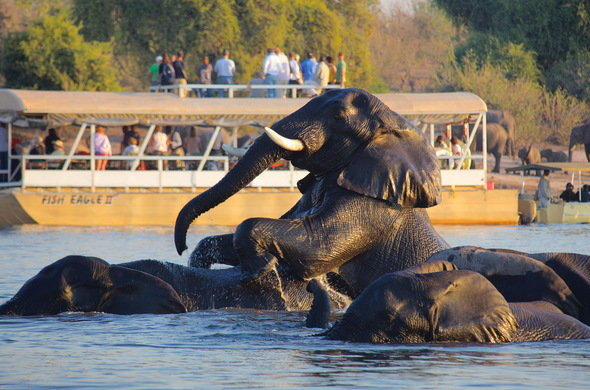
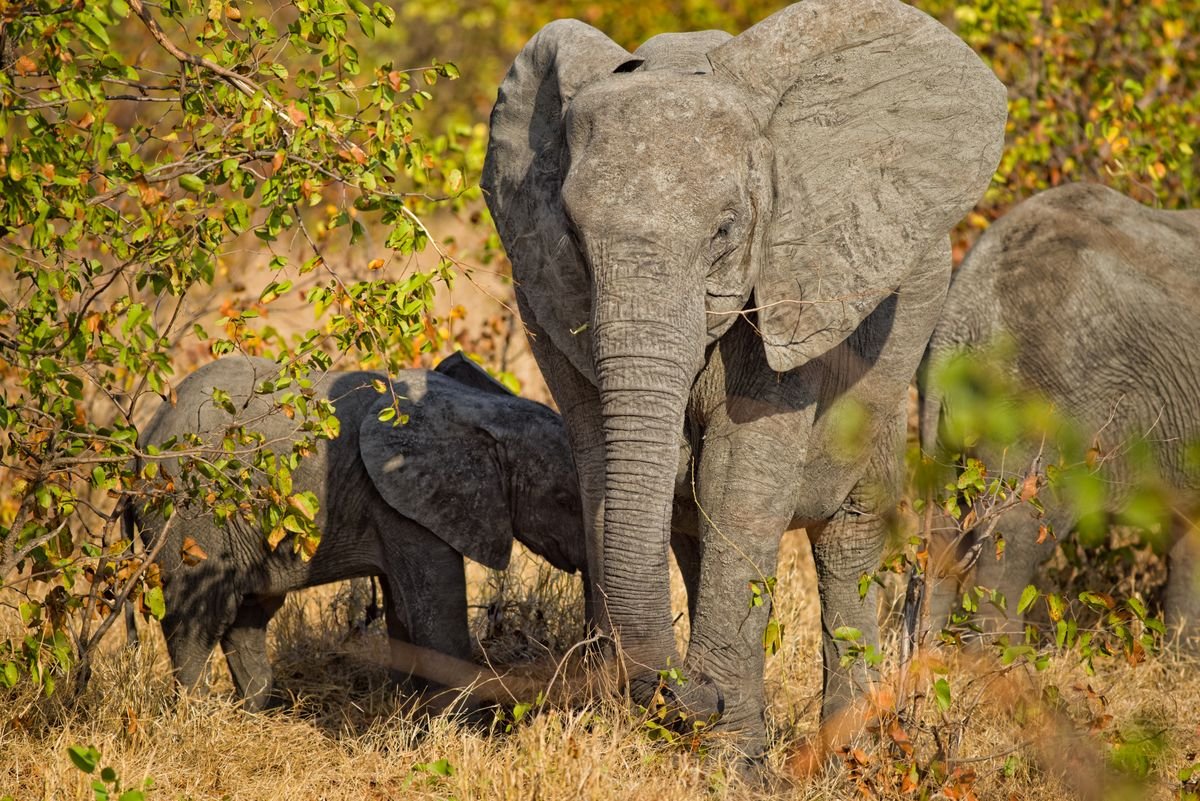
Elephants are the headline act. Hwange carries one of the largest elephant populations in Africa, and herds of several hundred animals are a common sight at the busier waterholes. Because there are no major natural rivers inside the park, wildlife depends heavily on artificial waterholes kept full by pumps. That dependence is what makes the game viewing so reliable: animals come to a known point on the map, and you position yourself to watch.
The predators follow the prey. Lions are the classic Hwange draw, and the park is also strong for spotted hyena, leopard and, in the right areas, African wild dog. With prey concentrated near water, hunting activity is often visible around dawn and dusk near the pans.
Best areas and waterholes for game viewing
Hwange is administered from three main rest camps, each opening onto a different character of country. Choosing the right base shapes your whole safari.
Main Camp and the north-eastern waterholes
Main Camp, in the north-east, is the most accessible entry point and the natural choice for a first Hwange safari. It sits within reach of several of the park's most productive waterholes, including Nyamandhlovu, Guvalala and Kennedy. Nyamandhlovu Pan has a raised viewing platform where you can sit above the action as elephants, buffalo and antelope filter in through the afternoon. This zone offers the densest concentration of easy-to-reach game-viewing loops.
Sinamatella and the predator country
Sinamatella occupies a plateau in the north, overlooking valleys cut by seasonal rivers. The terrain is more rugged and open here, and the elevated camp gives sweeping views across ground that predators favour. Lions and hyena work these valleys, and the area rewards visitors who enjoy dramatic landscapes alongside their wildlife.
Robins and the wilder west
Robins, in the north-west, feels the most remote of the three. Teak forest gives way to more open country, and the lower visitor numbers create a genuine wilderness atmosphere. Robins is well regarded for lions and for the sense of having the bush to yourself, which appeals to travellers who have done a mainstream safari before and want something quieter.
When to go: dry-season waterholes vs green-season births
Timing changes the whole experience in Hwange, so it is worth matching your visit to what you most want to see.
Dry season, July to October
This is the classic safari window. As seasonal pans dry up, wildlife funnels toward the pumped waterholes, and the game viewing becomes both concentrated and predictable. Vegetation thins out, so animals are easier to spot at distance, and large elephant herds gather through the heat of the day. October is the hottest and most intense month for waterhole activity. If reliable big-game sightings are your priority, plan for this stretch.
Green season, November to April
The rains transform the park into lush green cover, and this is calving time for many antelope species. Newborn animals draw predators, and the birding is at its best as migratory species arrive. Sightings take more patience because water and food are spread across the whole park, but the landscapes are beautiful and visitor numbers are lower. This season suits photographers and returning safari-goers more than absolute first-timers chasing guaranteed volume.
What wildlife you will realistically spot on a guided drive
Managing expectations matters, and Hwange delivers more consistently than most. The park records 105 mammal species and 410 bird species, again per the Key Biodiversity Areas data, so a single well-run drive can show you a remarkable range.
On a typical dry-season game drive you can realistically expect:
- Elephants, often in large herds at or near a waterhole
- Plains game including impala, kudu, zebra, wildebeest and giraffe
- Buffalo, sometimes in big breeding herds
- Lions, especially early morning and late afternoon near the pans
- Spotted hyena and, with luck, leopard or African wild dog
- A steady stream of birds, from bateleur eagles to ground hornbills
No park guarantees the full cast on one outing, and leopard and wild dog in particular reward multiple drives. The advantage of Hwange is that its waterhole system stacks the odds in your favour, particularly when the country is dry. A knowledgeable guide reads recent tracks and radio reports to put you in the right place at the right hour, which is where a guided drive beats self-driving for most visitors.
How to book a curated Hwange safari
The practical decisions, which camp to base at, which season to target, and how to string Hwange together with Victoria Falls or Botswana, are exactly where a curated itinerary pays off. Maximum Adventure Trails builds Hwange safaris around your travel dates and priorities, matching first-timers to accessible Main Camp waterhole circuits and repeat visitors to the wilder western reaches, with experienced guides handling the game-drive logistics.
Because Hwange transfers so smoothly from Victoria Falls, it also slots neatly into a wider Southern Africa trip. If you are still shaping your route, our Hwange first-timer's guide covers the groundwork, and the team can extend the same trip toward Chobe or the Okavango Delta.
For park fees, regulations and official accommodation inside the reserve, the Zimbabwe Parks and Wildlife Management Authority is the authoritative reference. Once you know your dates, reach out to Maximum Adventure Trails to lock in a camp and guide before the peak dry-season months fill up.
Frequently asked questions
How many days do you need for a Hwange safari?
Two to three nights is a solid minimum. That gives you time for several game drives across different waterholes and a fair chance at elephants, lions and general plains game.
What is the best time to visit Hwange National Park?
July to October, the peak dry season, offers the most reliable game viewing as animals gather at waterholes. The green season from November to April brings newborn animals and excellent birding.
Will I see elephants in Hwange?
Almost certainly. Hwange holds one of Africa's largest elephant populations, and in the dry season herds visit waterholes throughout the day.
Which Hwange camp is best for a first safari?
Main Camp in the north-east is the most accessible and sits near several productive waterholes, making it a strong choice for first-time visitors.