

- 5 Views
- 6 Min Read
- (0) Comment
Key takeaways
- Botswana holds roughly 130,000 elephants, the largest population of any country, making it a standout safari destination.
- The dry season from May to October delivers the best game viewing as wildlife concentrates around permanent water.
- Plan seven to ten days to combine Chobe, the Okavango Delta and Moremi without rushing.
- The Okavango Delta is a UNESCO World Heritage Site and one of the world's largest inland deltas.
A Botswana safari built around the dry season, from May to October, and a route linking Chobe, the Okavango Delta and Moremi gives you the country's best wildlife viewing in a single trip. Most travelers need seven to ten days to see those regions properly, and booking through a curated operator secures the small camps and water-based access that make the experience.
This guide covers where to go, when to travel, how long to stay and how to lock in the exclusive arrangements that fill up fast.
Why Botswana Is One of Africa's Top Safari Destinations
Botswana protects its wilderness with a deliberate low-volume, high-value model. Instead of packing parks with vehicles, the country limits access to keep sightings uncrowded and the land intact. For travelers, that means quieter roads, better photography and a genuine sense of remoteness.
The wildlife density is the other draw. Botswana holds around 130,000 elephants, the largest population of any country on earth, and that number stayed essentially stable between 2010 and 2022 according to a technical report from Elephants Without Borders. The wider Kavango-Zambezi conservation area, which spills into Botswana, holds about 228,000 savanna elephants, the world's largest population.
You get the Big Five here, plus specialties that are hard to find elsewhere: African wild dog, cheetah on the Kalahari pans and huge breeding herds of elephant that move with the seasons. The mix of dry desert, permanent wetland and riverfront in one country is unusual, and it is why so many repeat safari-goers keep coming back.
Highlights: Chobe, Okavango Delta, Moremi and the Kalahari
Each region has a distinct character. A strong itinerary usually combines two or three rather than trying to cover everything.
Chobe National Park
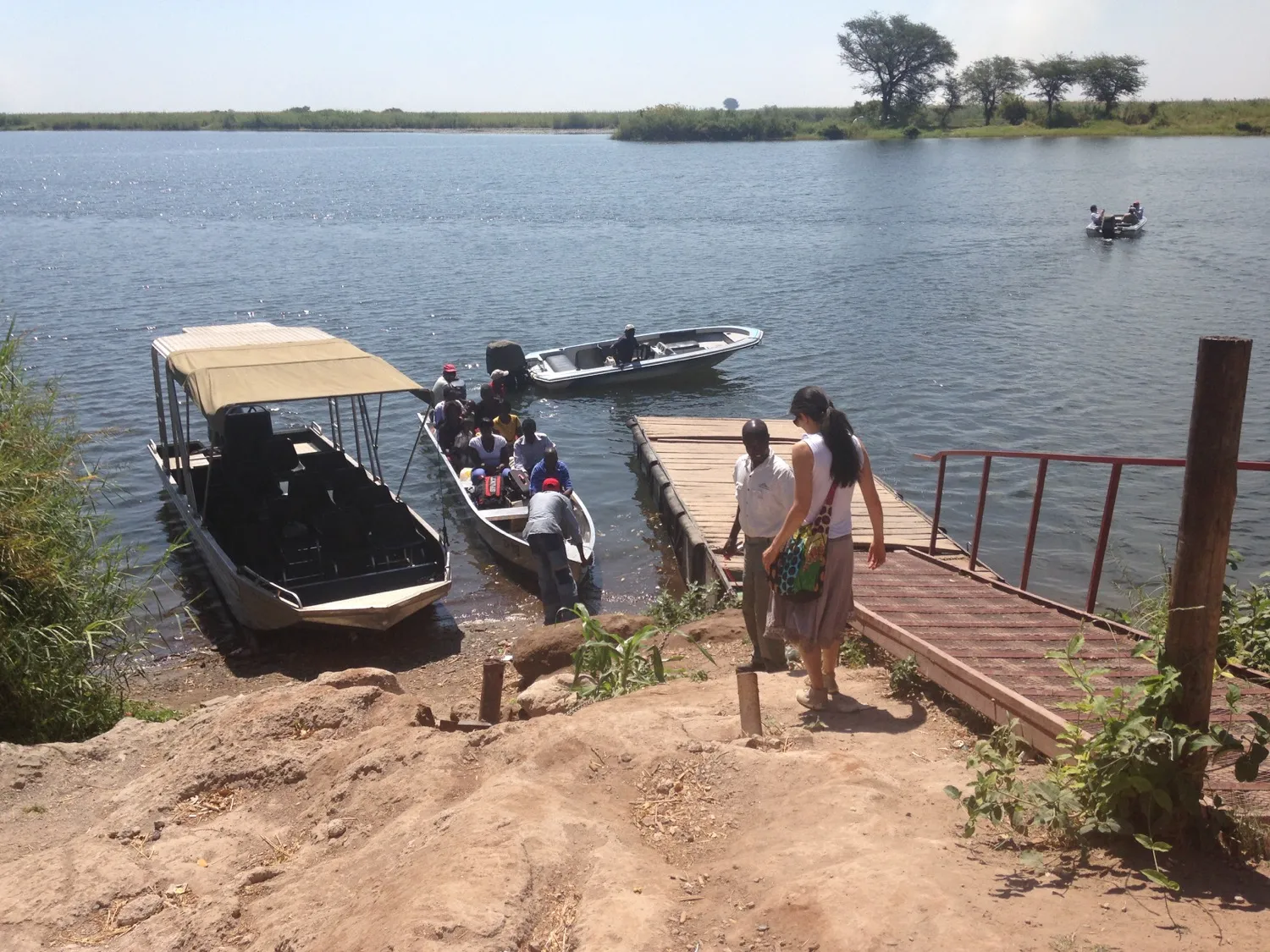
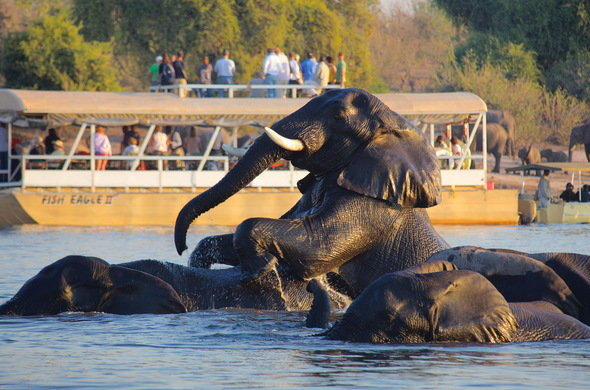
Chobe is famous for its riverfront, where hundreds of elephants gather to drink and bathe during the dry months. Game drives along the water are productive, but the signature experience is a boat cruise at sunset with hippo, buffalo and elephant along the banks. If a river-based safari is your priority, compare the options in our guide to Chobe river cruise deals.
Okavango Delta
The Okavango Delta is one of the world's largest inland deltas and a UNESCO World Heritage Site of exceptional scale. Water arrives from Angola's highlands and spreads across the Kalahari, creating channels you explore by mokoro, the traditional dugout canoe. First-timers can read our dedicated Okavango Delta safari guide for what to expect on the water.
Moremi Game Reserve
Moremi sits on the eastern side of the Delta and blends dry land with waterways, so you get big cats, wild dog and excellent birding in one reserve. It pairs naturally with a Delta camp and is often the wildlife highlight of a longer trip.
The Kalahari
The Central Kalahari and the Makgadikgadi salt pans offer a completely different landscape: open, stark and vast. This is the place for desert-adapted species, meerkat encounters and some of the darkest night skies in Africa. It works well as a contrasting bookend to the green Delta.
Best Time of Year for Game Viewing and River Cruises
The dry season, from May to October, is the strongest window for a Botswana safari. As seasonal water dries up, animals concentrate around permanent sources like the Chobe River and the Delta's channels, so sightings become frequent and predictable. Sparse vegetation and clear skies also make for cleaner photography.
The Okavango flood is a seasonal quirk worth planning around. Water pushed down from Angola actually peaks during the dry months, roughly July and August, which is when mokoro trips and water access are at their best. Booking a Delta camp for this window rewards you with the most reliable channels.
The green season, from November to April, brings lower prices, newborn animals and migratory birds among more than 400 species recorded countrywide. Afternoon storms and thicker bush make general game viewing harder, but for birders and photographers chasing dramatic skies, it has its own appeal.
How Many Days You Need and Sample Routes
Plan seven to ten days to experience Botswana without rushing between regions. Internal flights on light aircraft link remote camps, which saves time but rewards a slightly longer stay so travel days do not eat into your sightings.
Here are three routes that work well depending on your time and budget.
- Five days, river and Delta focus: Two nights on the Chobe riverfront followed by three nights in an Okavango Delta camp. Efficient and rich in wildlife, ideal if a week is all you have.
- Seven to eight days, the classic circuit: Chobe, then Moremi, then a water-based Delta camp. This is the sweet spot for most first-time visitors and covers the country's signature habitats.
- Ten days or more, full contrast: Add the Central Kalahari or the Makgadikgadi pans to the classic circuit for desert landscapes and star-filled nights alongside the wetlands.
If you are still weighing Botswana against neighboring destinations, matching a trip to your priorities and budget is the key first step, and our library of comparison guides walks through the trade-offs.
Booking a Curated Botswana Safari With Exclusive Access
Botswana's best camps are small, and the most sought-after Delta and Chobe properties sell out months ahead, especially for the July and August flood window. Because access is deliberately limited, the difference between a good trip and a great one often comes down to how early and how well it is booked.
This is where Maximum Adventure Trails focuses. We arrange curated Botswana safaris with exclusive access to intimate camps, private guides and the light-aircraft transfers that stitch remote regions together. Rather than a fixed package, the itinerary is shaped around your travel dates, the flood timing and the wildlife you most want to see.
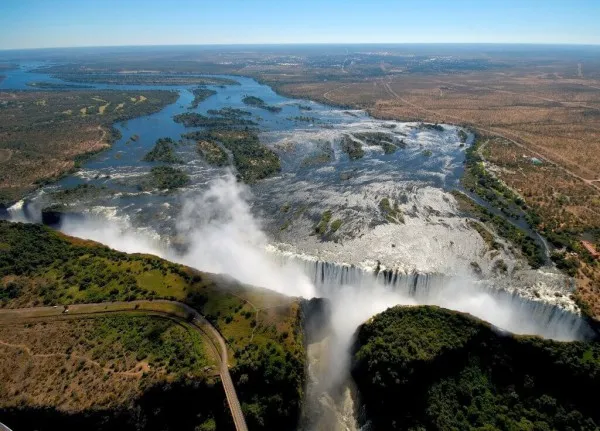
If Victoria Falls is on your radar as a natural add-on, many travelers extend from Chobe across the border, and the two regions pair together with a short transfer.
The next step is simple: pick your rough travel window, decide whether the Delta flood matters to you, and get in touch to hold camp space before the peak months fill. An early conversation is the surest way to secure the exclusive arrangements that make a Botswana safari worth the trip.
Frequently asked questions
How many days do you need for a Botswana safari?
Seven to ten days lets you pair a Chobe river experience with the Okavango Delta and Moremi. Shorter trips of four or five days work if you focus on one or two regions.
When is the best time for a Botswana safari?
May to October, the dry season, offers the strongest game viewing because animals gather at rivers and waterholes. The Okavango floods peak around July and August.
Is Botswana good for a first safari?
Yes. High wildlife density, uncrowded parks and well-run camps make Botswana an excellent choice for first-time and returning safari travelers alike.
What animals can you see on a Botswana safari?
You can see the Big Five along with large elephant herds, cheetah, African wild dog, hippo and more than 400 bird species across the country's parks and wetlands.