

- 1 Views
- 7 Min Read
- (0) Comment
Key takeaways
- The Okavango is a UNESCO World Heritage Site inscribed on 22 June 2014, the 1,000th site on the list (IUCN).
- Its annual flood arrives in Botswana's dry winter, peaking around June and July after travelling roughly 1,200 km from the Angolan highlands.
- A mokoro dugout canoe glides silently through the channels, making the Delta one of the few places for genuine water-based game viewing.
- The site supports about 482 bird species and 130 mammal species, including one of Africa's strongest wild dog populations (IUCN).
- Water camps suit peak flood months; land camps deliver classic vehicle game drives and often pair well over a single trip.
An Okavango Delta safari puts you inside one of the planet's great wetlands, where you track wildlife by dugout canoe, on foot, and from a vehicle in the same day. This first-timer's guide explains how the famous flood works, what activities to expect, which wildlife you are likely to see, and how to choose between water camps and land camps.
The Okavango is a UNESCO World Heritage Site, inscribed on 22 June 2014 as the 1,000th site on the list (IUCN, 2014). That status reflects a rare kind of landscape: an inland delta that never reaches the sea. Understanding a few basics before you go will make your first trip far richer.
Why is the Okavango Delta's seasonal flood so unique?
The Delta floods during Botswana's dry winter, with water levels peaking around June and July. The rain that fills it falls far away, in the Angolan highlands, then travels roughly 1,200 km over about four months before spreading across the sands of the Kalahari (IUCN World Heritage Outlook, 2024).
This lag creates the Delta's signature paradox. Just as the surrounding land dries out and other water sources shrink, the Okavango swells. Permanent swamps cover around 6,000 square kilometres, and seasonally flooded grassland expands the wetland by another 7,000 to 12,000 square kilometres at its fullest (IUCN World Heritage Outlook, 2024).
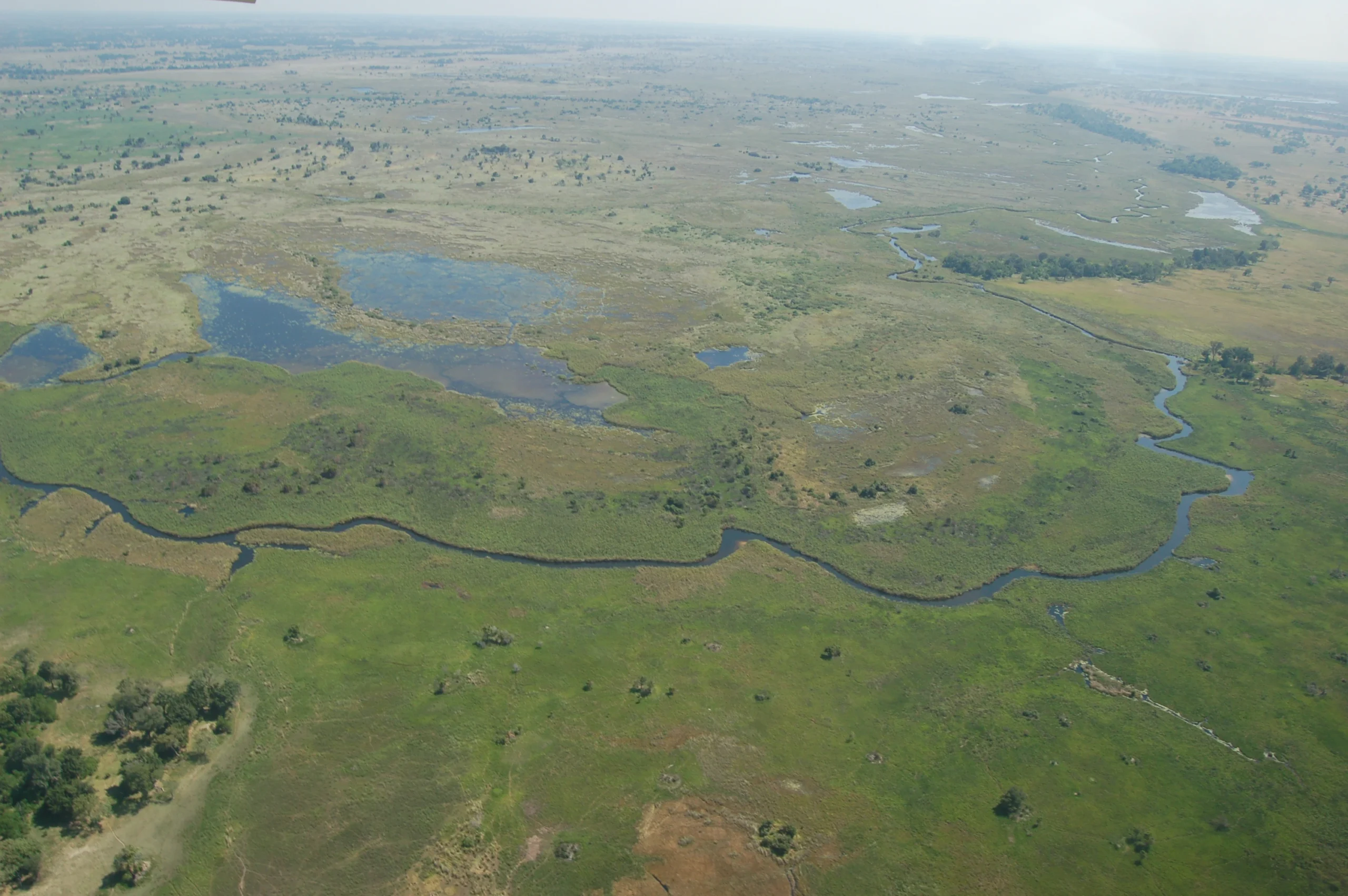
Almost none of that water escapes. The Okavango is an endorheic system, so the flood evaporates or soaks into the desert rather than flowing to an ocean. For a visitor, the practical takeaway is timing. High-water months bring lush channels and prime mokoro conditions, while later in the dry season, receding water concentrates animals around the remaining lagoons.
What can you do on an Okavango Delta safari?
A safari in the Okavango Delta blends three ways of exploring: water-based game viewing by mokoro, guided walking safaris, and traditional vehicle drives. Few African destinations let you combine all three, which is a large part of why the Delta rewards first-time visitors so well.
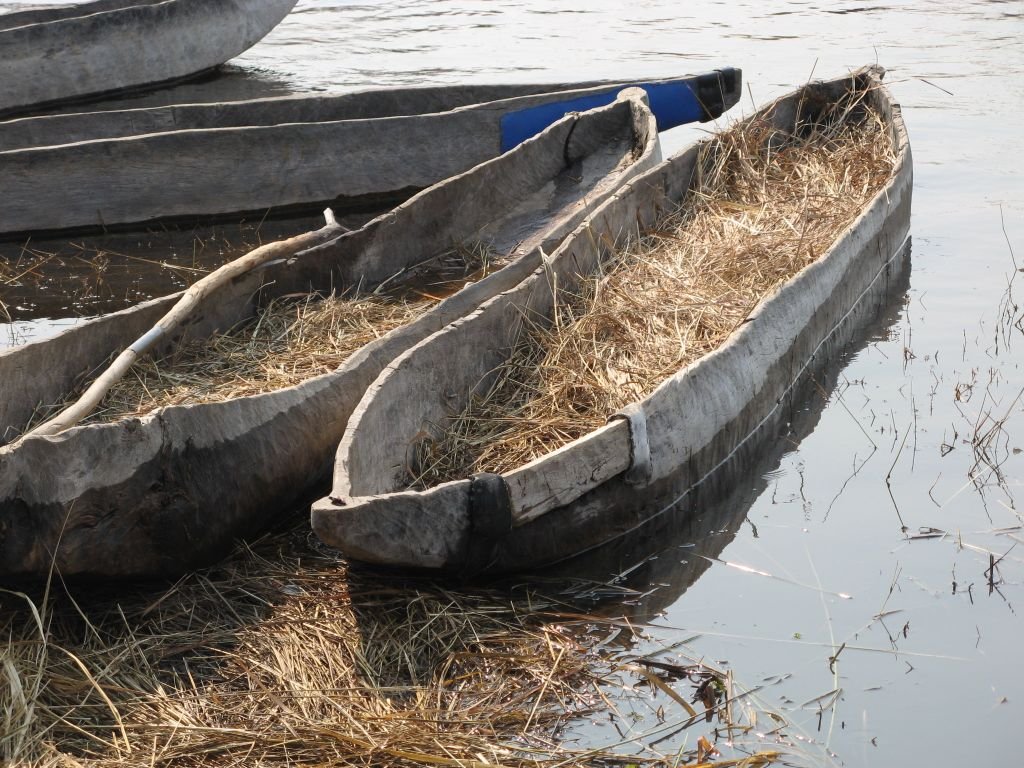
The mokoro is the icon. This slim dugout canoe is poled from the stern by your guide, moving so quietly that you drift within metres of hippos, painted reed frogs, and jacanas stepping across the lilies. Because there is no engine, the soundscape stays intact, and small wildlife you would miss from a vehicle comes into focus.
Walking safaris add a different intensity. On foot, a licensed guide reads tracks, dung, and alarm calls, teaching you to interpret the bush at ground level. You notice the details a vehicle rushes past: a termite mound rebuilt overnight, the print of a leopard from an hour ago, the smell of crushed wild sage. Vehicle drives then cover more distance and reach predators on the move, so a good day layers slow discovery with wider searching.
Which activity dominates your stay depends on where and when you go. If you are still weighing regions and formats, our guide to African safari packages compared walks through how to match activities to your interests before you commit to a camp.
What wildlife will you see in this World Heritage site?
The Okavango supports roughly 482 bird species and 130 mammal species, alongside about 1,061 plant species across its habitats (IUCN World Heritage Outlook, 2024). That diversity spans open floodplain, papyrus channel, and dry island woodland, so each activity surfaces a different cast of animals.
Big game is well represented. Botswana holds around 130,000 elephants, the largest population of any country, and the Delta is central to their survival (IUCN, 2014). You have strong chances at lion, giraffe, zebra, and large herds moving between water and woodland.
The Delta is also one of the continent's most important refuges for the endangered African wild dog, also called the painted wolf. Birders do well too, with fish eagles, storks, and kingfishers concentrated along the channels. Because water and land habitats sit side by side, your species list can grow quickly across a single stay.
Where should you stay: water camps or land camps?
Choose water camps for peak-flood mokoro and boating, and land camps for classic vehicle game drives; many first-timers combine both. Camp location within the Delta matters as much as the calendar, because water levels vary widely between the permanent swamps and the seasonal floodplains.
Water camps sit in areas that stay wet through much of the year. They lean into mokoro trips, motorboat cruises, and walking on nearby islands. When the flood is high, these camps deliver the quiet, glide-through-the-reeds experience the Okavango is famous for.
Land camps occupy drier ground where vehicles can range widely year-round. They favour dawn and dusk game drives, night drives in private concessions, and reliable access to predators. Some camps blend both styles as water levels shift through the season. Maximum Adventure Trails arranges the camp mix and the light-aircraft transfers for you, so your days balance water and land without logistical guesswork.
How do you fit the Okavango into a wider Botswana trip?
Pair the Okavango with Chobe and Victoria Falls for a rounded Southern Africa route that covers wetland, river, and waterfall in one journey. Most Delta camps are reached by short light-aircraft flights from Maun, which makes stitching regions together straightforward once your internal hops are booked.
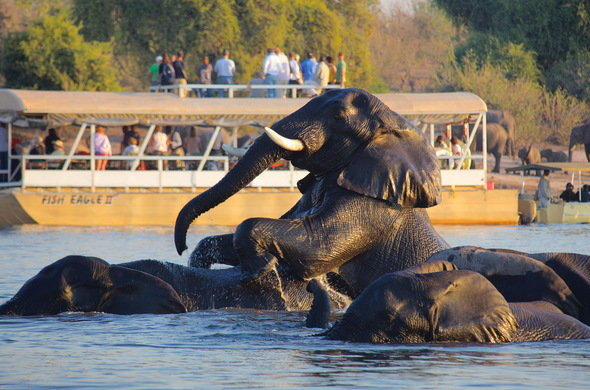
A common first-timer structure runs three or four nights in the Delta, then a move north toward the Chobe River and its dense elephant and hippo populations. A relaxed Chobe sunset river cruise is an easy, rewarding contrast to the Delta's quieter channels.
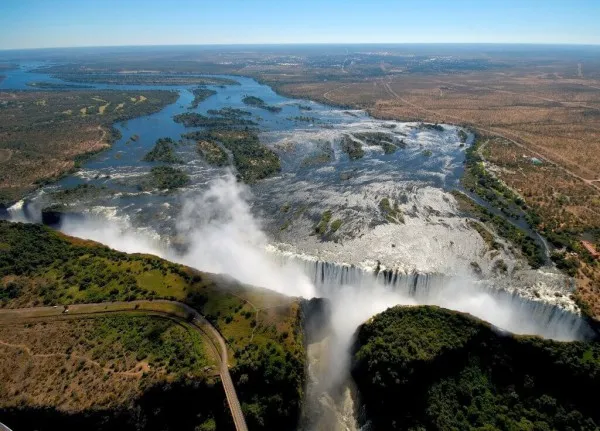
From there, many travellers finish at Victoria Falls, an easy add-on that caps the trip with one of the world's great natural spectacles. Sequencing the flights well is where a specialist earns its keep. Maximum Adventure Trails builds these multi-country itineraries end to end, so your Delta days connect cleanly to the rest of Southern Africa.
Planning your first Okavango Delta safari
Start by fixing your travel window against the flood: if a mokoro through high water is your priority, aim for the winter peak around June and July, and book camps early because space in prime concessions is limited. Then decide how many nights you can give the Delta before layering on Chobe or the Falls.
When you are ready to turn these notes into dates, tell Maximum Adventure Trails your rough timing and interests, and let the team shape a water-and-land camp combination with the internal flights already handled. Your first Okavango trip should feel like drifting through the reeds, not managing logistics.
Frequently asked questions
What is the best time for an Okavango Delta safari?
The dry winter months of roughly May to September are the classic window. The flood peaks around June and July, water levels are high, and thinning vegetation pushes wildlife toward permanent channels, which makes animals easier to spot.
Is the Okavango Delta safe for a first safari?
Yes, when you travel with a licensed guide and a reputable operator. Guides manage close encounters, brief you on camp rules, and lead walking and mokoro activities. Follow their instructions and keep a respectful distance from wildlife.
What is a mokoro ride?
A mokoro is a traditional dugout canoe poled by a guide through shallow Delta channels. It moves almost silently, so you drift close to hippos, frogs, and water birds without an engine disturbing the wetland around you.
How many days do I need in the Okavango Delta?
Plan at least three nights to settle into the pace and try water and land activities. Many first-timers combine three or four nights in the Delta with Chobe or Victoria Falls for a fuller Southern Africa itinerary.
Do I fly into the Okavango Delta?
Most camps are reached by light aircraft from Maun. The short flight over the braided channels is a highlight in itself, and it delivers you to remote camps that road access cannot easily reach.