


- 85 Views
- 17 Min Read
- (0) Comment
The Thrilling World of Zambezi White Water Rafting
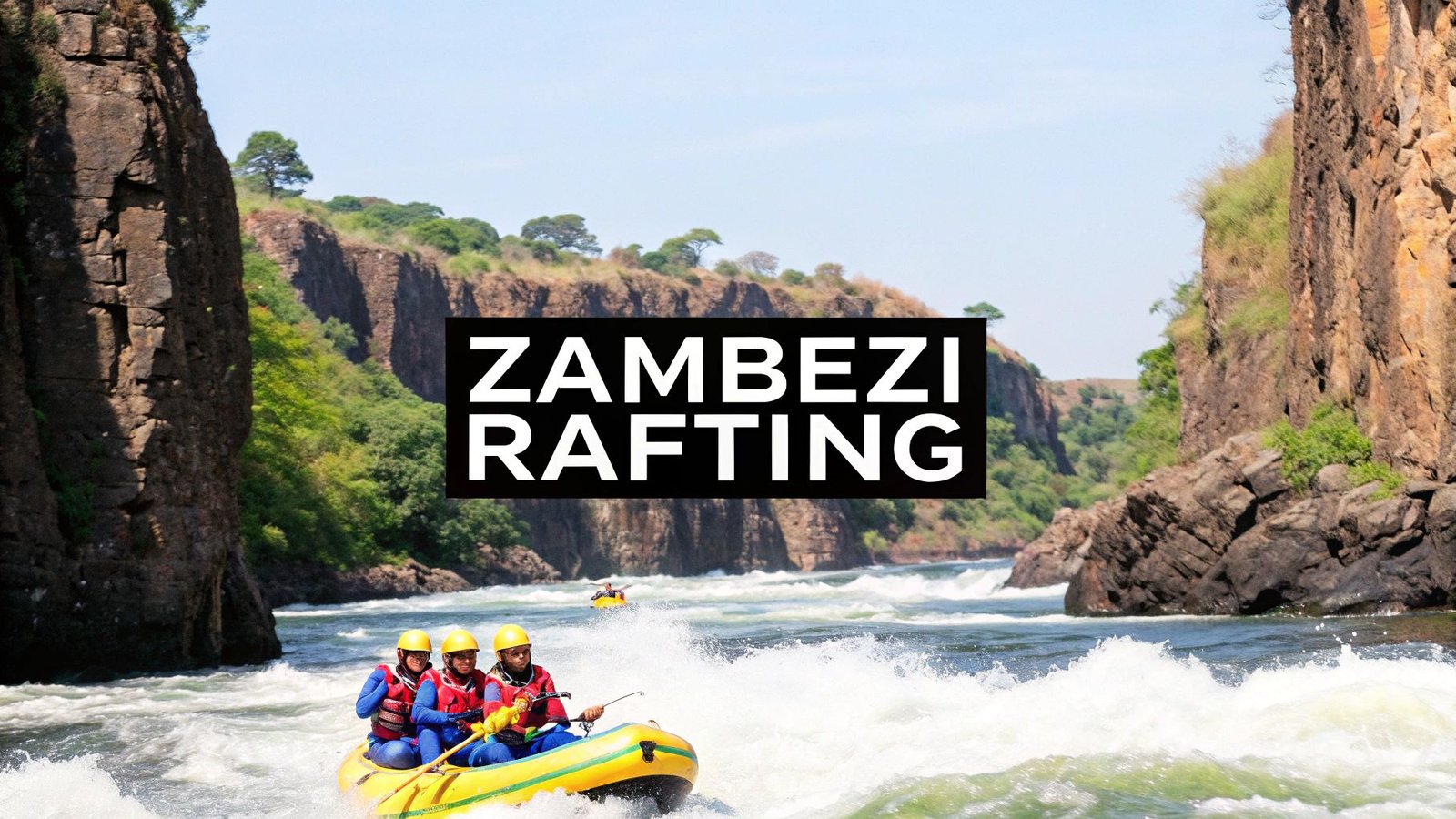
The Zambezi River isn't just any river; it's a legendary waterway, a magnet for adventurers, and the ultimate destination for white water rafting. Why does this particular stretch of water consistently rank among the top three rafting spots worldwide? It's the unique combination of powerful currents and dramatic geology that sets the Zambezi apart.
The river carves its path through stunning basalt gorges beneath the mighty Victoria Falls, creating a challenging series of rapids. These aren't your average rapids; they're legendary, with names like "Oblivion," "The Terminator," and the daunting "Commercial Suicide." This challenging nature attracts rafters globally. In 1996, approximately 50,000 enthusiasts experienced the thrill of Zambezi white water rafting. The Zambezi, a grade 5 river, represents the highest difficulty level in white water rafting, reflecting its intense and untamed character. Explore this topic further.
Unpacking the Zambezi's Intensity
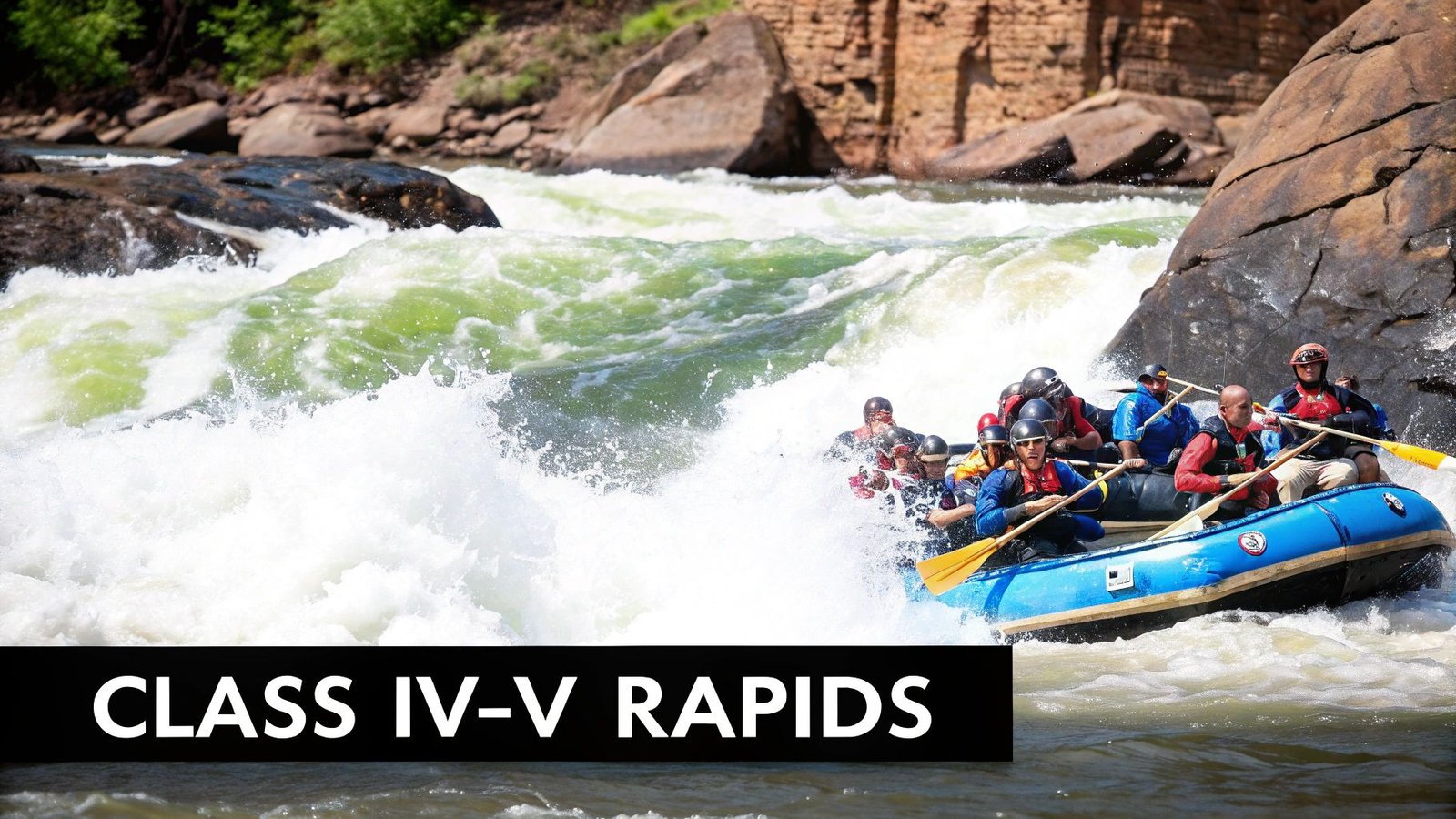
Zambezi rapids are classified using the international scale, from the manageable Class I to the extreme Class VI. The Batoka Gorge, located below Victoria Falls, features a particularly high concentration of Class IV, V, and VI rapids, making it the heart of Zambezi white water rafting. This means rafters face a constant onslaught of steep drops, churning waves, and powerful hydraulics.
But the sheer number of Class V rapids isn't the only factor contributing to the Zambezi's reputation. The depth and narrowness of the Batoka Gorge intensify the experience, creating a feeling of total immersion in the river's raw power. Imagine navigating a raft through churning white water, with towering basalt walls hundreds of feet high on either side. This unique environment, combined with the technically challenging rapids, provides an adrenaline rush that keeps even experienced rafters returning.
The Zambezi's water levels change throughout the year, offering a different experience depending on the season. This allows rafters to choose an adventure that matches their skill level and desired intensity, adding another layer of appeal to this captivating destination.
Anatomy of Africa's Mightiest River
The Zambezi River is more than just a thrilling white-water rafting destination. It's a powerful force that has shaped the landscape and cultures of Southern Africa for millennia. Its journey begins in the remote Kaleni Hills of Zambia, spanning over 2,200 miles before reaching the Indian Ocean through the Mozambique Channel. This makes it the fourth-longest river in Africa, impacting diverse ecosystems and traversing several countries.
The Zambezi's incredible journey defines borders, sustains wildlife, and has influenced human settlement for centuries. Learn more on Wikipedia.
A River of Life and Borders
The Zambezi River isn't confined to a single nation. It forms a natural boundary between several countries, including Angola, Namibia, Botswana, Zimbabwe, and Mozambique. This shared resource has played a vital role in the political and economic development of these nations.
The Zambezi's waters provide sustenance for a wide variety of flora and fauna. From the smallest insects to the largest land mammals, a vibrant tapestry of life thrives along its banks.
Geological Wonders and White Water Rapids
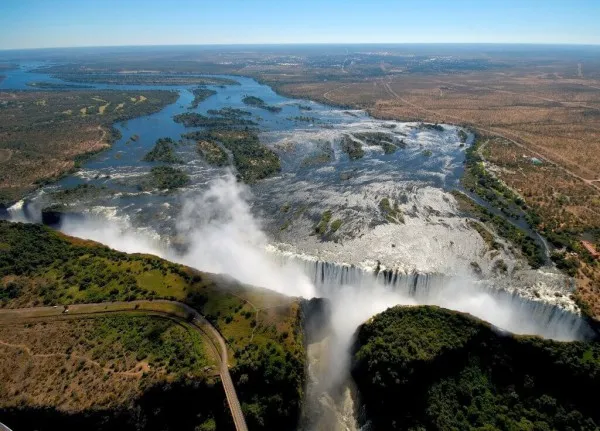
The river's unique geological features have created the thrilling rapids that attract white-water rafting enthusiasts worldwide. Over millions of years, the Zambezi has carved deep gorges, most notably the Batoka Gorge below Victoria Falls.
These gorges, combined with the river's powerful flow, create ideal conditions for challenging and exciting rapids. The constriction of the river through narrow passages intensifies the current, forming world-class white-water features.
Balancing Development and Preservation
The Zambezi's power isn't limited to its natural flow. It's a significant source of hydroelectric power. The construction of dams, like the proposed dam between Victoria Falls and Lake Kariba, offers vital energy resources to the region.
However, this development presents a complex challenge: balancing the need for clean energy with the need to protect the river's wild character and delicate ecosystems. This precarious balance is a topic of ongoing discussion, emphasizing the importance of sustainable practices.
The potential impact of dam construction on the river's rapids has increased interest in Zambezi white-water rafting. This surge in adventure tourism has created economic opportunities for local communities. You can explore more on our Site Map.
However, it also presents environmental challenges. Addressing these challenges is crucial to ensure the long-term sustainability of both the river and the rafting industry. The future of the Zambezi relies on finding a balance between harnessing its power and preserving its natural beauty.
Conquering the Mighty Rapids: What to Really Expect
Let's explore the thrilling reality of white water rafting on the Zambezi River. Forget the polished images in brochures; this is about raw excitement and the power of one of Africa's most famous rivers.
Legendary Rapids: A Close-Up
The Zambezi isn't just known for its rapids; it's known for its named rapids. These aren't just ripples in the water. Rapids like "Oblivion," "The Terminator," and "Commercial Suicide" are legendary for their distinct features and challenges. What makes them so special? Think sheer force, complex wave patterns, and unexpected twists and turns.
This brings us to rapid classifications. While technical descriptions exist, a Class III rapid feels vastly different from a Class V. The Zambezi is packed with these challenging Class V rapids, attracting experienced rafters. These rapids aren't simply bigger; they require precise paddling and solid teamwork.
The Zambezi River is known for its high number of Class V rapids, some of the toughest in white water rafting. The low water season, from August to December, is often seen as the prime time to experience these rapids at their most intense. The lower water flow concentrates the river’s power, creating a thrilling experience. Safety is key, and expert guides provide measures like safety kayakers and spotters to ensure a secure trip. The river’s fame is also linked to its proximity to Victoria Falls. Discover more insights about Zambezi rafting.
You might be interested in: How to master Zambezi rafting preparations
To better understand these exhilarating rapids, let’s delve into a detailed breakdown provided by veteran Zambezi guides.
Ultimate Guide to Zambezi's Legendary Rapids: A comprehensive breakdown of the most thrilling rapids with insider knowledge from veteran guides.
| Rapid Name | Class | Thrill Factor | Key Features | Guide Tips | Success Rate |
|---|---|---|---|---|---|
| Oblivion | V | 9 | Steep drops, massive waves | Precise paddling crucial | 95% |
| The Terminator | V+ | 10 | Intense wave trains, tricky maneuvering | Teamwork essential | 90% |
| Commercial Suicide | V | 8 | Narrow passages, technical drops | Quick reactions needed | 92% |
| Stairway to Heaven | IV | 7 | Large waves at high water, technical at low water | Adapt to changing conditions | 98% |
| Gnashing Jaws of Death | IV+ | 8 | Powerful hydraulics, unpredictable currents | Stay alert | 96% |
As the table shows, each rapid offers a unique set of challenges and requires specific skills and strategies for a successful run. The success rates highlight the importance of experienced guides and well-coordinated teamwork.
The Zambezi's Dynamic Personality
The Zambezi's rapids transform throughout the year, offering diverse experiences based on the water level. High water creates big waves and strong hydraulics, while low water reveals more technical rapids and boosts the overall intensity. This constant change keeps even seasoned rafters alert.
Imagine navigating "Stairway to Heaven" at high water, where waves can be huge. Now picture tackling the same rapid at low water, where exposed rocks create a maze of tight channels and technical drops. The same rapid becomes two completely different experiences.
Mental Fortitude: The Unsung Hero
Beyond physical strength and paddling skills, mental preparation is essential for conquering the Zambezi. Experienced guides share strategies to help rafters stay calm and focused. Visualizing the rapids, managing your breathing, and trusting your team are vital for facing the challenges and relishing the thrill. Even with swirling currents and surprising drops, staying calm can make all the difference. It's the mix of physical ability and mental toughness that defines the Zambezi experience.
Timing Your Zambezi Expedition for Maximum Thrills
The Zambezi River is a dynamic force, constantly changing throughout the year. Choosing the right time for your white water rafting adventure is key to maximizing the thrills. Let's explore the seasonal variations and what awaits you during each period.
Decoding the Zambezi's Rhythms
The Zambezi's character is defined by its fluctuating water levels. The low-water season (August-December) and the high-water season (February-June) offer dramatically different experiences. Low water concentrates the river's power, exposing more rapids and increasing the technical difficulty. This is when the Zambezi's notorious Class V rapids reach peak intensity. High water, on the other hand, creates a different kind of thrill. While some rapids might be submerged, the remaining ones become massive, delivering an experience of immense volume and power.
The Low-Water Advantage: A Rapids Paradise
For the ultimate white water rafting thrill, the low-water period offers the highest concentration of navigable rapids. During these months, the river's reduced flow reveals the full fury of rapids like "Oblivion" and "The Terminator." This presents a challenging but rewarding experience for seasoned rafters.
Navigating High Water: Fewer Rapids, Bigger Thrills
High water submerges some rapids, but transforms others into colossal features. These massive waves and powerful hydraulics provide a unique and thrilling experience. This period might be less suitable for novice rafters.
Beyond High and Low: The Shoulder Seasons
The shoulder seasons (April-May and September-October) offer a blend of both worlds. You might find manageable water levels with glimpses of the larger rapids, coupled with more comfortable temperatures. This balance between thrill and comfort makes the shoulder seasons an appealing option.
To help you strategically plan your Zambezi rafting adventure, we've compiled a detailed comparison of the different seasons:
Strategic Seasonal Guide to Zambezi Rafting
Expert comparison of water conditions, rapid intensity, and overall experience quality across different months
| Season | Water Level | Rapids Accessible | Thrill Factor | Perfect For | Insider Notes |
|---|---|---|---|---|---|
| Low (Aug-Dec) | Low | Most | High | Experienced rafters | Expect the most intense rapids and technical challenges. |
| High (Feb-Jun) | High | Fewer, but larger | High | Adventurous rafters | Experience massive waves and powerful hydraulics. Less suitable for beginners. |
| Shoulder (Apr-May/Sep-Oct) | Moderate | Varies | Moderate | All skill levels | Enjoy a balance of thrilling rapids and comfortable temperatures. Good for those seeking a mix of excitement and ease. |
This table highlights the key differences between the Zambezi's seasons, empowering you to choose the best time for your skill level and desired experience. Whether you crave the intense challenge of low-water rapids or the massive waves of high water, the Zambezi has something to offer.
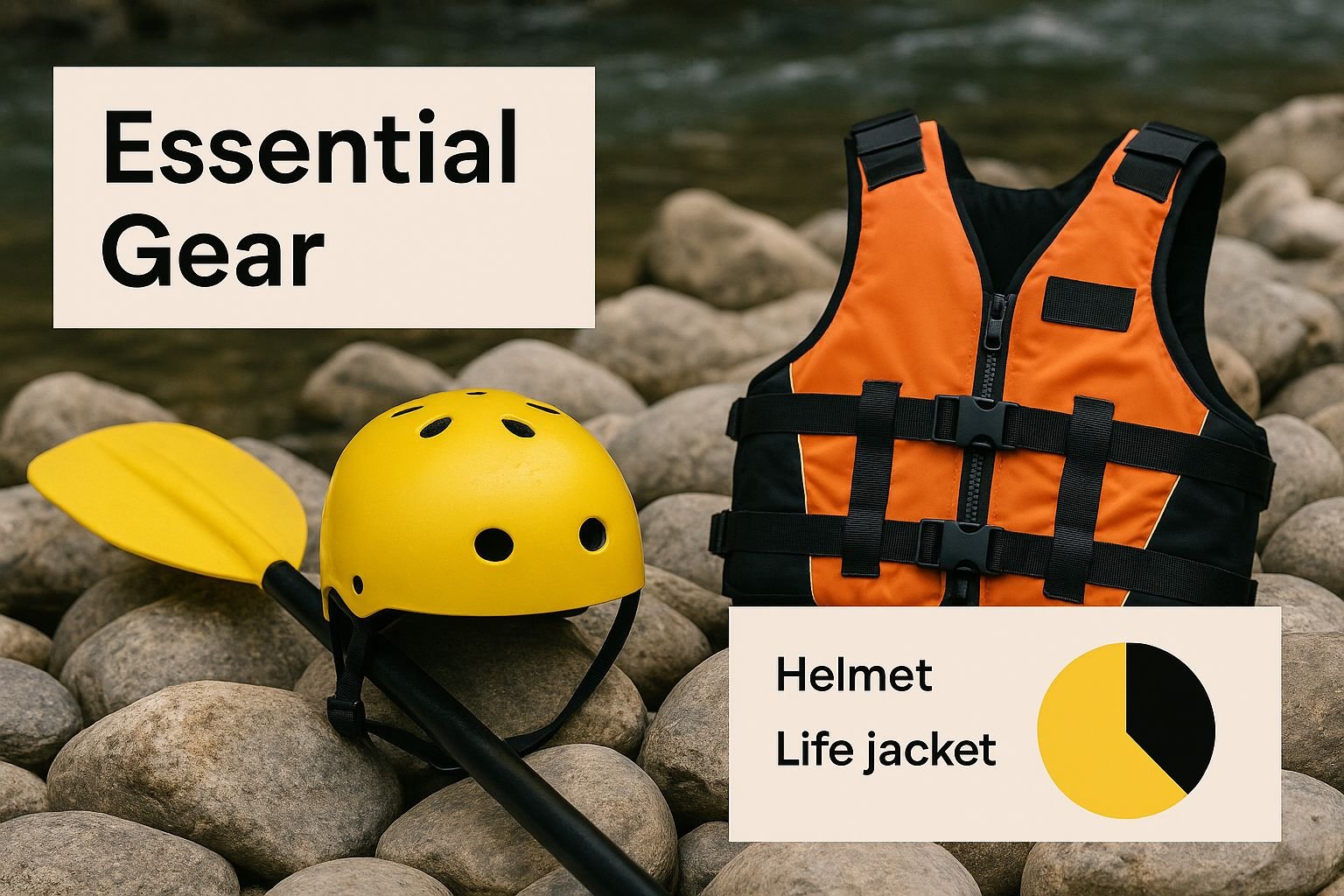
This image showcases essential rafting gear: a helmet, paddle, and life jacket. These items are crucial for a safe Zambezi adventure, no matter the season.
Booking Your Zambezi Adventure: A Strategic Approach
Understanding the Zambezi's seasonal variations is crucial for planning your trip. Peak seasons, especially during low water, can book up quickly. Booking well in advance is highly recommended, especially if you're targeting specific outfitters known for their safety and experience. Consider travel insurance to protect your investment from unexpected weather or personal emergencies. With careful planning and awareness of the Zambezi’s dynamic nature, your rafting expedition will be an unforgettable adventure.
Preparing Like a Pro: Beyond the Basic Packing List
Preparing for a white water rafting trip on the Zambezi River isn't as simple as packing a few shirts and shorts. This legendary river demands respect, and proper preparation is essential for both safety and enjoyment. We'll go beyond the usual packing lists, offering insider advice from seasoned Zambezi rafters and professional guides.
Physical Conditioning: Taming the Zambezi's Fury
The Zambezi’s rapids are a constant challenge. Paddling for hours against strong currents requires significant upper body and core strength. It's like a multi-day, full-body workout packed into a few exhilarating days. Weeks before your trip, incorporate exercises that mimic paddling, such as pull-ups, rows, and core rotations. This focused training will improve your performance and reduce the risk of fatigue and injury.
Technical Clothing: Staying Protected in Tropical Conditions
The Zambezi’s tropical climate presents unique challenges. The sun can be intense, so quick-drying technical clothing is vital for comfort. Look for fabrics with UPF (Ultraviolet Protection Factor) to protect your skin. Layers are crucial, allowing you to adapt to changing weather throughout the day.
Essential Gear: Beyond the Basics
Most outfitters provide safety gear like helmets and life jackets. However, some often-overlooked items can significantly enhance your trip. Experienced guides recommend waterproof bags for electronics and documents, a quick-drying towel, and a headlamp for navigating camp at night. A personal first-aid kit with blister treatment, pain relievers, and antiseptic wipes is also a good idea.
Travel Logistics: Navigating Cross-Border Adventures
Zambezi rafting trips often involve crossing borders, so proper documentation is a must. Your passport should be valid for at least six months beyond your travel dates. Ensure you have the necessary visas for both Zambia and Zimbabwe, if applicable. Consult your physician about recommended immunizations and malaria prevention well in advance. For pre- and post-trip lodging, you might find this helpful: Accommodation options near the Zambezi.
Assessing Your Readiness: Realistic Fitness Benchmarks
Honestly evaluate your physical fitness before your Zambezi adventure. Can you paddle comfortably for extended periods? Can you perform maneuvers like high-siding the raft? If you have any doubts, consult your physician. Your safety and enjoyment are paramount, and being physically prepared is key. Preparation means understanding the Zambezi's demands and equipping yourself accordingly. It unlocks the full potential of this incredible experience.
Choosing Outfitters That Prioritize Safety and Experience
Picking the right outfitter for your Zambezi white water rafting trip is crucial. You're trusting them with your safety on one of the world's most challenging rivers. This isn't a decision to be made lightly. Careful research is essential to distinguish truly professional operations from those that are simply adequate.
Certifications and Standards: Markers of Professionalism
Specific certifications and standards indicate a professional white water rafting outfitter. Seek out outfitters accredited by the International Rafting Federation (IRF) International Rafting Federation or other reputable organizations. These certifications demonstrate adherence to strict safety protocols and best practices. Also, ask about the outfitter's equipment standards. Rafts should be well-maintained and inspected regularly. Essential safety gear like helmets and personal flotation devices (PFDs) should be provided and in top condition.
Guide Expertise and Ratios: Ensuring a Safe and Enjoyable Trip
The guides' experience and expertise are equally important. Ask about their certifications, years of experience on the Zambezi, and their knowledge of the river's rapids. A lower guide-to-client ratio provides more individual attention and improved safety. This allows each guide to concentrate on a smaller group, offering superior support and guidance.
Evacuation Protocols and Emergency Preparedness: Planning for the Unexpected
Excellent outfitters have clear evacuation plans for emergencies. Understand their procedures for handling injuries or unforeseen situations. These protocols should include trained medical professionals and dependable communication systems. Don't hesitate to ask specific questions. Inquiring about emergency procedures and communications demonstrates your commitment to safety and allows you to make informed choices. Learn more in our article about Zambezi locations and accommodations.
Safety Records and Transparency: Evaluating an Outfitter's History
Transparency is a key characteristic of a reputable outfitter. Ask about their safety record and be wary of companies reluctant to share this information. A solid safety record indicates a dedication to responsible practices and a focus on client well-being. You can compare an outfitter's safety record with industry averages and statistics from other world-class rafting destinations. This comparison helps you assess the outfitter's safety commitment.
Injury Prevention and Common Risks: Understanding the Zambezi's Challenges
While white water rafting is inherently adventurous, understanding common injuries and prevention is essential. Ankle sprains, muscle strains, and sunburn are common. Reputable outfitters will inform you about these risks and provide advice on minimizing them. They may also discuss specific safety measures implemented based on past events. For instance, they might explain how their guides are trained to prevent certain injuries or how they adjust rafting routes based on water levels and conditions.
Equipment Maintenance and Instructor Training: Behind-the-Scenes Safety Measures
Beyond certifications and safety records, investigate the outfitter's internal practices. Ask about their equipment maintenance procedures and instructor training programs. Regular maintenance of rafts and safety equipment is crucial for reliability. Ongoing training for guides and instructors keeps their skills and knowledge current. Researching these behind-the-scenes aspects provides a better understanding of the outfitter's dedication to safety and professionalism.
Choosing a white water rafting outfitter for your Zambezi adventure is a crucial step in ensuring a thrilling and safe experience. By considering these factors, you can make a well-informed decision and entrust your adventure to a company that values safety, expertise, and transparency.
Creating Your Ultimate Zambezi Adventure Itinerary
So, you're dreaming of tackling the Zambezi's wild rapids? White water rafting is an incredible experience, but it's just one piece of the adventure puzzle. This section focuses on crafting a complete Zambezi experience, making your rafting trip the centerpiece of an unforgettable African journey.
Combining Adrenaline and Tranquility
The Zambezi region offers a diverse range of activities beyond the thrill of the rapids. Imagine soaring through the air with a bungee jump or gorge swing, then unwinding with a tranquil wildlife safari. This balance of high-octane excitement and relaxing experiences keeps your trip dynamic and prevents burnout.
Consider adding these activities to your itinerary:
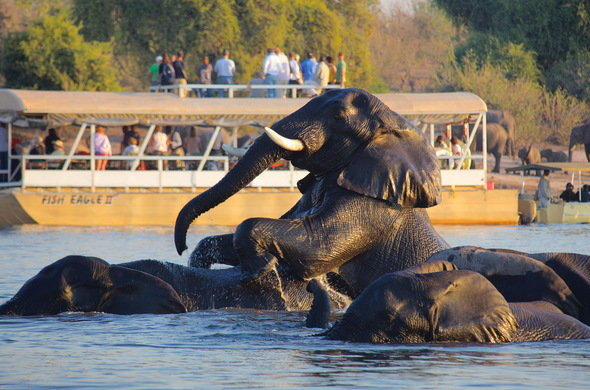
- Wildlife Safaris: Explore nearby national parks like Chobe National Park or Hwange National Park, home to elephants, lions, and a plethora of other species.
- Cultural Experiences: Immerse yourself in local traditions with visits to nearby villages, learning about their customs and way of life.
- Scenic Flights: Get a bird's-eye view of Victoria Falls and the stunning surrounding landscape.
- Hiking: Explore the Batoka Gorge from a different perspective with guided hikes, discovering hidden trails and breathtaking views.
Multi-Country Adventures: Zambia and Zimbabwe
A combined Zambia-Zimbabwe itinerary offers a more complete Zambezi experience. Each country provides unique perspectives on the river and its surroundings. However, crossing borders requires careful planning. Ensure your passport has sufficient validity and obtain any necessary visas in advance. Transportation logistics also need attention. Pre-booked transfers or rental cars can simplify border crossing.
Unveiling Hidden Gems
Beyond the well-trodden tourist paths, hidden gems are waiting to be discovered. Seek out lesser-known viewpoints for stunning, uninterrupted panoramas of the Zambezi. For example, explore viewpoints upstream from Victoria Falls for a unique perspective on the river's raw power. Discover authentic local dining experiences, savoring traditional cuisine and supporting local communities.
Budget Planning and Timelines
Budgeting for your Zambezi adventure depends on your choices. Accommodation options range from basic campsites to luxurious lodges. Activities also vary in cost. Researching prices in advance helps you create a realistic budget.
Timelines also depend on your chosen activities. A focused rafting trip might only take a few days, while a comprehensive itinerary, including safaris and other activities, could easily fill a week or more. Check out our guide on planning your adventure.
Scheduling for Optimal Enjoyment
Smart planning enhances your overall experience. Schedule high-intensity activities like rafting earlier in your trip, allowing time for recovery later. Intersperse these adrenaline rushes with more relaxing activities like game drives or cultural tours. This balanced approach prevents you from becoming overwhelmed and allows you to fully appreciate each experience.
For those with limited time, a shorter, more focused itinerary could be beneficial. A 3-day trip might involve one day of intense white water rafting followed by two days of recovery and exploring nearby attractions. For a more comprehensive Zambezi adventure, 7 to 10 days is ideal. This timeframe allows you to fully experience the river’s thrill, explore the region's wildlife, and immerse yourself in the local culture. Remember to factor in travel time between activities and allow ample time for relaxation and any unexpected delays.
By considering these factors and crafting a personalized itinerary, your Zambezi white water rafting trip transforms into a truly unforgettable African adventure. Ready to embark on the adventure of a lifetime? Book your Zambezi experience with Maximum Adventure Trails today! We offer seamless booking for safaris, activities, and accommodation. We handle the logistics, so you can focus on creating unforgettable memories.