

- 64 Views
- 18 Min Read
- (0) Comment
First Timer's African Safari Guide: Beyond the Basics
So, you're dreaming of an African safari? The thrill of seeing lions in their natural habitat, the majesty of elephant herds, and the vibrant sunsets over the savanna – it's an adventure like no other. Planning your first safari, however, can be daunting. This guide provides the essential information you need to make your dream safari a truly unforgettable experience.
Choosing Your Safari Style: Guided vs. Self-Drive
One of the first things you'll need to decide is whether you want a guided safari or a self-drive adventure. Guided safaris offer the expertise of seasoned professionals. These guides understand the terrain, animal behavior, and the prime locations for wildlife viewing. This is especially helpful for first-time safari-goers. A self-drive safari, on the other hand, offers more freedom and independence, letting you explore at your own rhythm. However, self-drive requires careful planning and navigation skills.
Health and Documentation: Essential Preparations
Before embarking on your safari, taking care of your health and securing the proper documentation is crucial. Talk to your doctor about recommended vaccinations and malaria prevention. Pack any necessary medications and a comprehensive first-aid kit. Research visa requirements for your destination and make sure your passport is valid for at least six months after your return date. These preparations will help minimize potential issues and ensure a smooth trip.
Packing Smart: Essentials for the Savanna
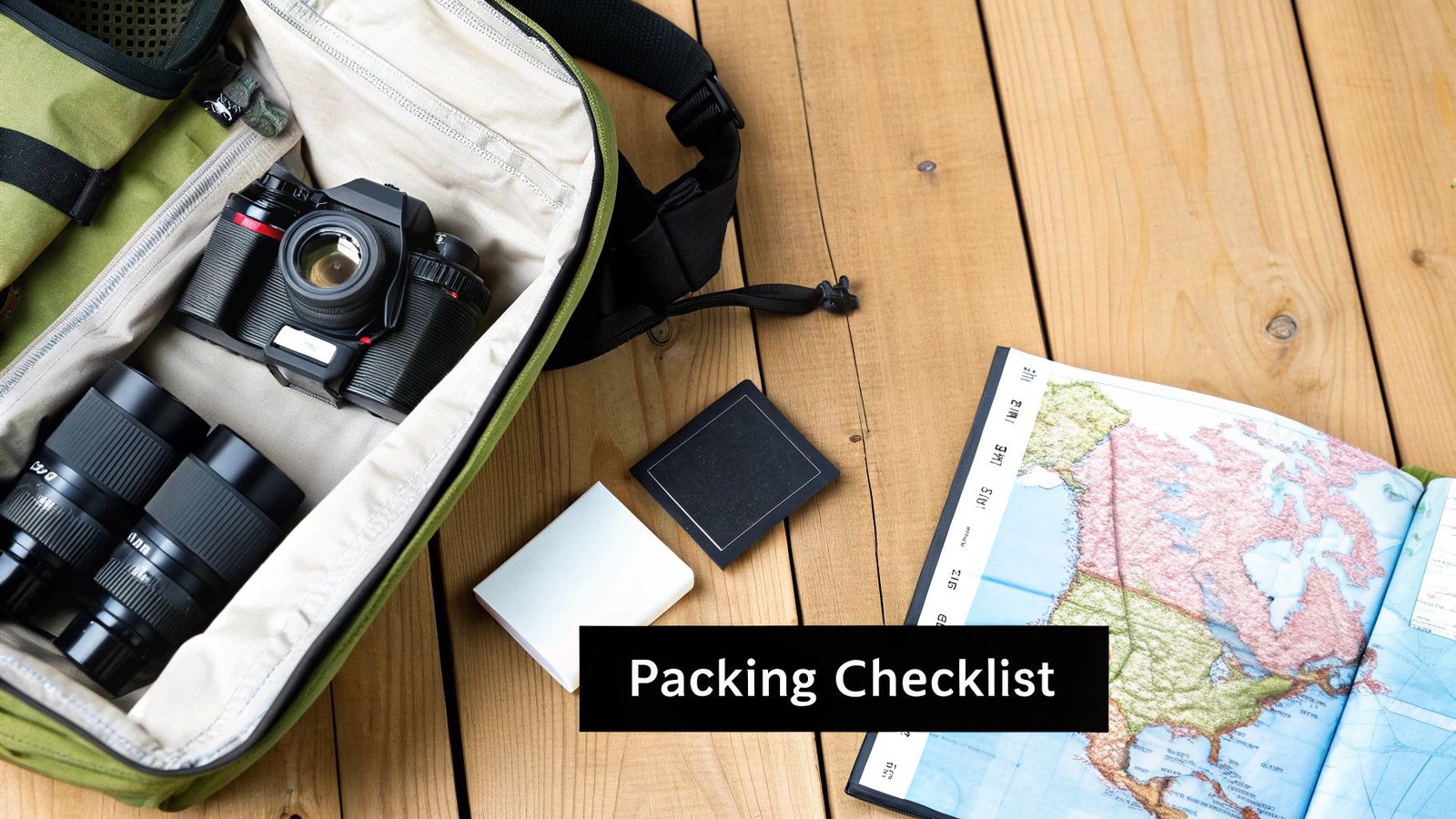
Packing for a safari is all about finding a balance between practicality and comfort. Opt for neutral-colored clothing that blends in with the surroundings. Pack light layers for varying temperatures, and comfortable, sturdy walking shoes for bush walks or visiting local communities. A wide-brimmed hat, sunglasses, and high SPF sunscreen are vital for protection from the African sun. Don't forget binoculars for a closer look at the wildlife. Bringing a reusable water bottle is also a great idea to stay hydrated on your adventure.
The Growing Safari Industry: A Positive Trend
The African safari tourism industry is booming, reflecting a worldwide fascination with African wildlife. In South Africa, the market is expected to grow from USD 10.6 billion in 2025 to USD 26.6 billion by 2035, with a CAGR of 9.6%. This growth is driven by increased accessibility to safari destinations and a growing interest in eco-tourism. The movement toward sustainable travel, with options like solar-powered camps, highlights the industry's dedication to conservation. Find more detailed statistics here
Managing Expectations: The Reality of Wildlife Encounters
While the thought of seeing the "Big Five" is exciting, it's important to manage your expectations. Wildlife sightings are not a guarantee. Remember, you are entering their territory, and animal behavior is unpredictable. Embrace the unexpected and enjoy each moment, regardless of what you see. A successful safari isn't about checking animals off a list. It's about immersing yourself in nature and appreciating the interconnectedness of the ecosystem. This mindset will enhance your safari experience significantly.
Crafting Your Perfect Safari: Destination Matchmaking
Beyond the glossy brochures, finding the perfect safari hinges on understanding each destination's unique character. Eastern Africa, with its sweeping plains, offers a vastly different experience than the diverse ecosystems of Southern Africa. Choosing the right location is paramount for a truly fulfilling safari. This section will guide you through the process of destination matchmaking, aligning your wildlife dreams with the perfect setting.
Eastern vs. Southern Africa: A Wildlife Tapestry
Eastern Africa, renowned for the Great Migration, offers dramatic wildlife spectacles. Imagine vast landscapes teeming with zebras and wildebeest, pursued by predators like lions and crocodiles. Southern Africa, on the other hand, boasts a tapestry of ecosystems, from arid deserts to lush wetlands. This diversity translates to a wide array of wildlife viewing opportunities, including intimate elephant encounters in private conservancies.
For example, Botswana's Okavango Delta allows for unique water-based safaris. Meanwhile, South Africa's Kruger National Park is famed for its high density of the Big Five. Each region offers its own distinct charm and wildlife encounters.
Beyond the Icons: Unveiling Hidden Gems
While well-known parks offer practically guaranteed animal sightings, lesser-known destinations can provide exceptional wildlife viewing with fewer crowds. This translates to a more intimate and immersive experience. Zambia's South Luangwa National Park, for instance, is known for its incredible walking safaris and abundant leopard sightings.
Similarly, Tanzania's Ruaha National Park is a wilder, less-traveled alternative to the Serengeti. These hidden gems offer a chance to connect with the raw beauty of Africa, away from the more heavily touristed areas. You might be interested in: Our sitemap for tours.
Matching Your Safari Style: Budget to Luxury
Choosing a destination also involves practical considerations such as budget and accessibility. The infographic below illustrates the average daily costs of safari packages across three tiers: Budget, Mid-range, and Luxury.
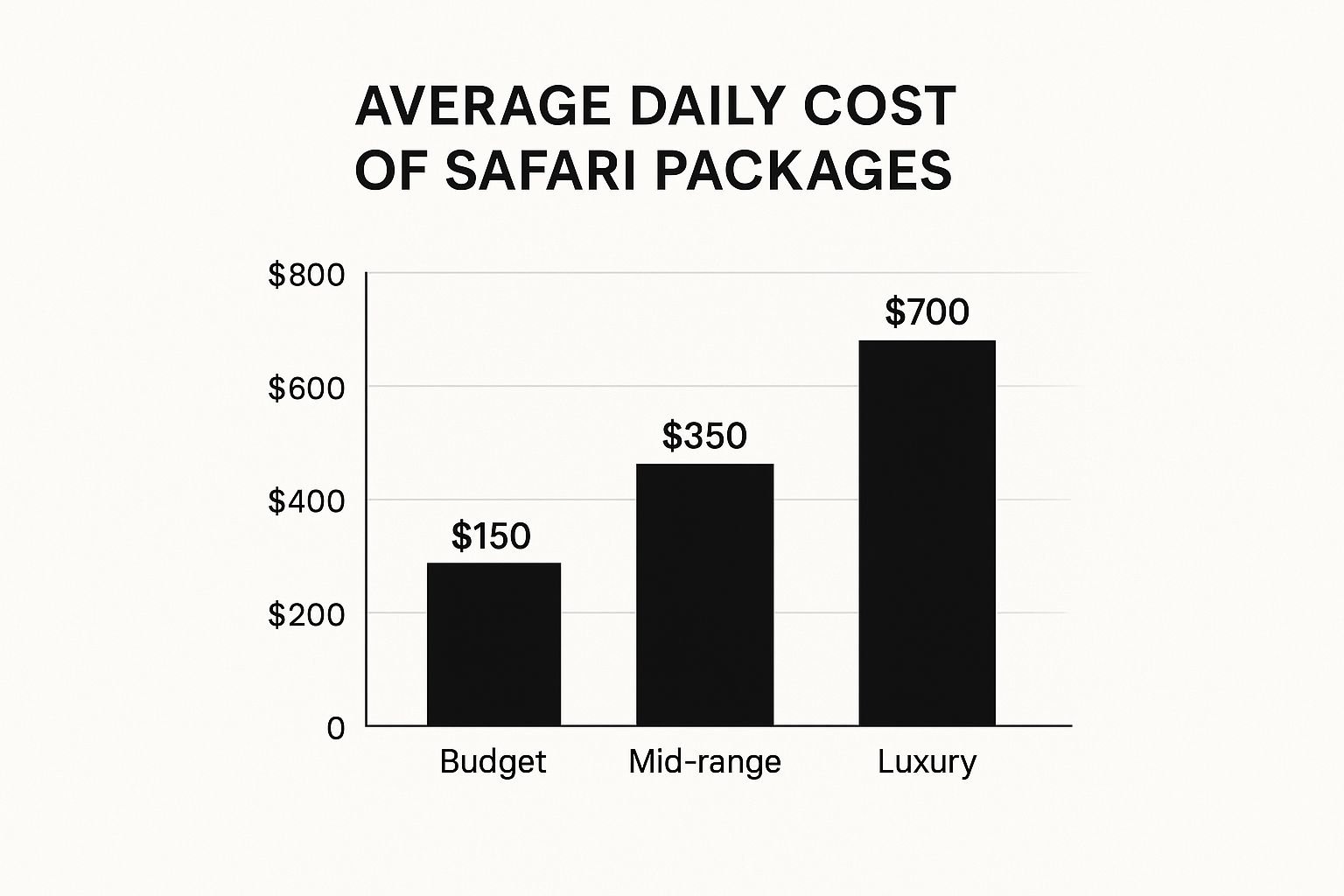
As the infographic illustrates, budget-friendly safaris average around $150 per day. Luxury options, however, can reach $700 or more. This cost difference stems from factors including accommodation type, level of service, and access to exclusive areas. Budget safaris may involve camping or basic lodges, while luxury safaris offer opulent accommodations and private game drives.
To further illustrate the diverse safari experiences available, let's compare some major destinations:
To help you visualize the differences, here's a table comparing some popular options:
Major Safari Destinations Comparison: This table compares key African safari destinations based on wildlife viewing, best visiting seasons, typical costs, and unique experiences.
| Destination | Signature Wildlife | Peak Season | Average Cost | Unique Experience |
|---|---|---|---|---|
| Botswana (Okavango Delta) | Elephants, Wild Dogs | June-October | High | Water-based safaris, mokoro rides |
| Kenya (Masai Mara) | The Great Migration, Lions | July-October | Mid-range | Hot air balloon safaris over the Mara |
| South Africa (Kruger National Park) | Big Five, diverse birdlife | May-September | Mid-range | Self-drive safaris, excellent road network |
| Tanzania (Serengeti) | The Great Migration, abundant wildlife | June-October | Mid-range to High | Witnessing the calving season |
| Zambia (South Luangwa) | Leopards, walking safaris | June-October | Mid-range | Immersive walking safaris, night drives |
Key Insights: As the table shows, each destination offers distinct wildlife viewing opportunities and experiences at varying price points. Choosing the right destination depends on your individual priorities and budget.
Conservation and Accommodation: Aligning Values With Choices
Beyond budget, your destination choice allows you to align your personal values with conservation efforts. Some parks prioritize anti-poaching initiatives, while others emphasize community-based conservation. Your accommodation choice, from eco-lodges to luxury camps, also impacts your safari's environmental footprint.
Considering the sustainability practices of both the destination and your chosen accommodation contributes to responsible tourism. Understanding local community involvement reveals how your safari spending can directly benefit the local population.
Accessibility and Accommodation Diversity: Practical Matters
Accessibility, including flight connections and travel time, also plays a significant role. Some remote locations require multiple flights and lengthy journeys, while others are more easily accessible. The variety of accommodations within a park, from family-friendly lodges to romantic retreats, further refines your decision.
Considering these practical aspects alongside your wildlife viewing goals creates a safari that is both fulfilling and logistically sound. This careful matchmaking process ultimately ensures a personalized and enriching safari experience.
Timing Your Safari: When Great Becomes Extraordinary
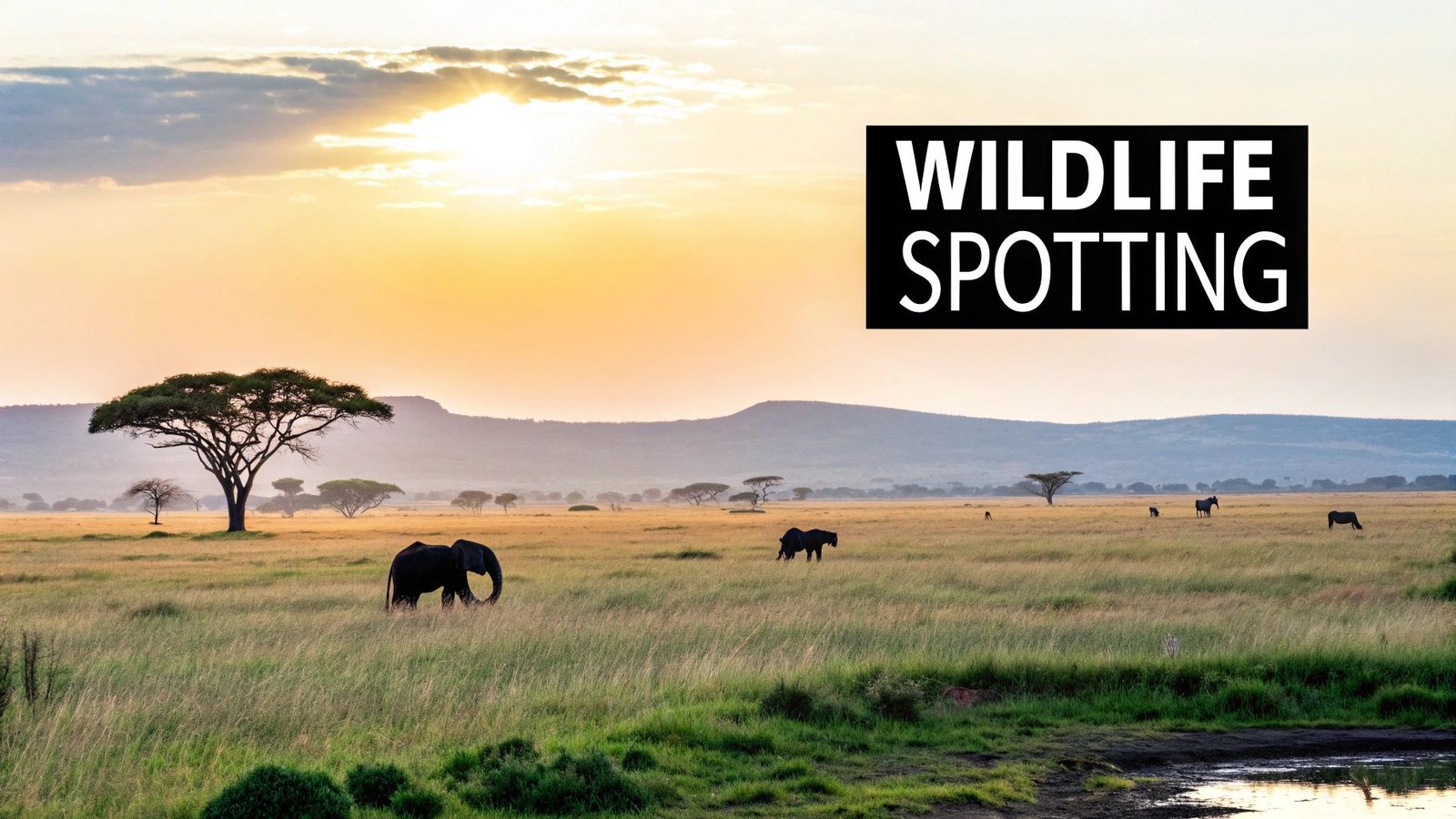
Witnessing African wildlife is one thing, but experiencing a truly unforgettable safari is another. The key differentiator? Timing. Animal behavior shifts drastically throughout the year, driven by seasonal changes, water availability, and the weather. Understanding these natural rhythms unlocks the best possible safari experience.
Seasonal Shifts: A Wildlife Calendar
Across Africa's diverse safari destinations, distinct seasons shape wildlife behavior and movement. The dry season, for instance, often concentrates animals around limited water sources. This makes spotting them easier and heightens the chance of observing dramatic predator-prey interactions. These gatherings provide unique viewing opportunities.
However, the wet or "green" season, often less traveled by tourists, has its own magic. Lush vegetation shelters newborn animals, and dramatic weather creates incredible photographic opportunities. This period offers a distinct, yet equally rewarding, safari experience.
The Impact of Water: A Life Source
Water is essential, especially in drier regions. Its availability heavily influences where animals congregate and how they behave. During dry spells, wildlife gathers around remaining waterholes. This creates predictable viewing spots, particularly for predators ambushing prey.
In contrast, the wet season’s abundant water allows animals to disperse. This makes tracking them more challenging but adds a sense of adventure and exploration to the safari experience. For location inspiration, check out our guide on locations for your African Safari.
Weather Wise: Comfort and Visibility
Weather impacts both wildlife visibility and your comfort. The dry season typically offers clear skies and excellent visibility, but it can be very hot. Early morning and late afternoon game drives often provide the best combination of comfort and wildlife sightings.
The wet season presents different challenges. Rain can obstruct visibility and create muddy roads. It also offers cooler temperatures, dramatic skies, and a revitalized landscape bursting with vibrant greenery.
Balancing Peak Viewing and Value
Peak viewing times often come with higher prices and more tourists. This can impact the sense of untouched wilderness that many seek. However, traveling during the shoulder seasons (the periods between high and low seasons) can provide a balance. You may encounter favorable weather, decent wildlife viewing, and lower costs.
The year 2025 is anticipated to be a significant year for African safaris, with infrastructure improvements and an increased focus on sustainable tourism. Eastern and Southern Africa, in particular, are expected to be attractive destinations, offering both well-known reserves and hidden gems. The safari season is also lengthening, providing more opportunities to experience Africa’s wildlife. Learn more about future safari trends here.. Understanding these trends will help you plan the ideal time and location for your perfect adventure.
Safari Accommodations: Finding Your Perfect Wild Home
Your African safari adventure is heavily influenced by your choice of accommodation. Each style, from opulent lodges to immersive tented camps, offers a unique perspective on the wilderness. Choosing the right fit for your dream safari hinges on understanding these differences. We'll explore the advantages and disadvantages of each accommodation type, helping you select the ideal "wild home" for your journey, drawing on insights from lodge operators and safari architects.
Luxury Lodges: Refined Comfort Meets Wildlife
Luxury lodges provide a seamless blend of comfort and wildlife viewing. Picture waking up to panoramic savanna vistas, savoring gourmet meals crafted by skilled chefs, and unwinding by your private plunge pool after a thrilling game drive. Often strategically located within prime wildlife areas, these lodges maximize your chances of incredible animal sightings. This advantageous positioning, coupled with expert guiding services, makes luxury lodges perfect for those prioritizing comfort and exceptional game viewing.
Authentic Tented Camps: Immersed in the Wild
For a deeper immersion, tented camps offer a unique connection to the African bush. While still providing comfortable amenities, these camps blur the lines between you and the wilderness. Imagine drifting off to sleep with the distant roar of lions and awakening to a symphony of birdsong. This intimate experience with nature makes tented camps ideal for travelers seeking an authentic safari adventure. For those seeking a more traditional hotel experience, check out our hotel sitemap for more accommodation options.
Mobile Safaris: Following the Wildlife's Rhythm
Mobile safaris offer the ultimate flexibility for wildlife enthusiasts. These operations follow migrating animals, placing you at the heart of the action. Picture witnessing the Great Migration's dramatic river crossings from a comfortable, temporary camp in a prime location. This dynamic approach constantly adapts to wildlife movements, providing an exceptional game viewing experience.
Fly Camping: Under the African Stars
Fly camping provides the ultimate wilderness immersion for a truly unforgettable adventure. This minimalist approach involves establishing a temporary camp in a remote location, often reachable only by small aircraft. Imagine sleeping under a blanket of stars, enveloped by the sounds of the African night. This raw, intimate encounter with nature creates lifelong memories.
Balancing Comfort and Wilderness: Choosing the Right Fit
Selecting the right safari accommodation involves balancing your desire for comfort with your yearning for wilderness immersion. Luxury lodges offer pampering and easy access, while tented camps bring you closer to nature. Mobile safaris prioritize flexibility and exceptional game viewing, while fly camping caters to adventurous spirits seeking a truly raw experience.
Sustainability Considerations: Protecting Africa’s Treasures
Consider the sustainability practices of your chosen accommodation. Seek out lodges and camps that minimize their environmental impact through responsible waste management, water conservation, and support for local communities. These eco-conscious decisions help preserve Africa’s natural treasures for generations to come.
Strategic Accommodation Choices: Maximizing Wildlife Sightings
Strategic accommodation choices significantly enhance your wildlife viewing opportunities. Lodges near waterholes, for example, offer regular animal sightings. Similarly, camps along migration routes provide opportunities to witness spectacular wildlife movements. Consider your target wildlife and choose accommodations aligned with your viewing goals. Factors like proximity to game-rich areas, guided walking safaris, and even viewing platform height can influence your animal encounters. Careful consideration optimizes your safari experience, placing you right in the middle of the action.
To help you compare different accommodation types, we've put together a helpful table:
Safari Accommodation Comparison
This table compares different accommodation types based on comfort level, proximity to wildlife, sustainability practices, and price ranges.
| Accommodation Type | Comfort Level | Wildlife Proximity | Sustainability Rating | Price Range |
|---|---|---|---|---|
| Luxury Lodge | High | High (often in prime game viewing areas) | Varies (look for eco-lodges) | High |
| Tented Camp | Medium-High | High (immersive experience) | Varies (some focus on eco-tourism) | Medium-High |
| Mobile Safari | Medium | Very High (follows migrations) | Generally High (low impact) | Medium-High |
| Fly Camping | Low | Very High (remote locations) | High (minimal footprint) | Medium |
Key Takeaways from the Table:
As you can see, each type of accommodation offers a unique balance of comfort and wilderness immersion. Luxury lodges prioritize comfort, while fly camping prioritizes a raw, natural experience. Mobile safaris and tented camps fall somewhere in between, offering different levels of comfort and proximity to wildlife. Be sure to consider your personal preferences and budget when making your decision.
Beyond Traditional Safaris: The New Wildlife Experience
The African safari experience is constantly changing, offering travelers more than just basic game drives. There's a growing demand for travel that creates a real connection with nature. Multi-destination journeys, for instance, are becoming increasingly popular, showcasing the incredible variety of Africa's ecosystems.
Multi-Destination Safaris: A Wider Lens on Wildlife
Travelers are looking for diverse experiences. Multi-destination safaris are on the rise, with 34% of travelers choosing multi-country itineraries in 2024, compared to 29% in 2022. This trend highlights a desire to explore less-traveled areas and discover new things.
The global safari tourism market is expected to see significant growth. Valued at $1211.5 million in 2025, it's projected to grow at a CAGR of 7.6% between 2025 and 2033. This growth is fueled by several factors, including increased disposable income in developing economies and a preference for experiential travel, especially among younger generations. The demand for adventure travel and custom vacation packages also plays a significant role. Learn more about current safari trends.
Specialized safaris also offer a deeper dive into the natural world, focusing on specific animals or their behaviors. These trips go beyond casual observation, providing insights into the intricacies of animal behavior and a richer understanding of the ecosystem as a whole. For more on this, you might check out our news sitemap which covers some of these topics.
Participatory Conservation Safaris: Making a Difference
Participatory conservation safaris represent a unique way to travel. Imagine actively participating in wildlife research and habitat restoration projects. Working alongside researchers, tracking animals, and collecting valuable data for conservation efforts transform a typical safari into something truly meaningful for the future of Africa's wildlife.
Specialized Safaris: Unveiling Animal Behavior
Specialized safaris offer unique insights into the natural world. Imagine tracking the hunting strategies of big cats, learning about the complex social structures of great apes, or observing the rare behaviors of endangered animals. Led by experienced African safari guides, these focused safaris provide a far deeper level of understanding than a traditional game drive.
The Ripple Effect: From Guide Training to Camp Design
These new approaches to safaris are having a broad impact, influencing everything from guide training to camp design. Guides are now receiving specialized training to lead participatory safaris and provide in-depth knowledge about animal behavior, reflecting the changing nature of their role.
Camp designs are also evolving, with a growing emphasis on sustainability and minimizing environmental impact. New camps are incorporating eco-friendly practices like solar power and responsible waste management. This shift reflects the increasing demand for responsible tourism and a desire to protect Africa’s natural beauty for future generations. These advancements signal a move towards a more meaningful and profound connection with the African wilderness, an experience that transcends the traditional safari.
Capturing Wildlife Magic: Photography That Tells Stories
An African safari presents incredible photographic opportunities. It's more than just taking pictures of animals; it's about capturing the essence of the wild. This means understanding the specific photographic challenges and using techniques that elevate simple snapshots into compelling stories. It's about going beyond the basics to create something truly special.
Mastering the Challenges of Safari Photography
Wildlife photography offers its own unique set of obstacles. Unpredictable animal behavior, changing light conditions, and shooting from moving vehicles demand adaptability and quick thinking. Your African Safari guide can be invaluable in anticipating animal movement and positioning the vehicle for the best light. However, your preparedness as a photographer will ultimately determine the quality of your images. Being ready to adjust your camera settings in an instant, for example, is crucial when a lion suddenly emerges from the tall grass.
Essential Equipment: From Cameras to Lenses
The right equipment significantly impacts your safari photography. A DSLR camera like the Canon T8i is a solid starting point for beginners. Seasoned photographers might opt for the Canon 80D or even a Sony AR111. Lens choice is equally crucial. A versatile zoom lens like a 70-300mm or 100-400mm allows you to capture various scenarios, from close-up animal portraits to distant action shots. And don't forget a good pair of binoculars, such as the Vortex 10×42. Recommended by many African safari guides, binoculars are invaluable for spotting wildlife from afar and anticipating those perfect photographic moments.
The Golden Hour: Nature's Studio Lighting
The golden hours of dawn and dusk offer the most spectacular natural lighting. This soft, warm light enhances the colors and textures of the African landscape. These times are also when many animals are most active, providing exceptional photo opportunities. Midday shooting, with its harsh shadows, presents a different set of challenges. This underscores the importance of planning your game drives around these prime lighting periods.
Shooting From a Vehicle: Maintaining Stability
Shooting from a safari vehicle adds another layer of complexity. Maintaining stability is essential for crisp, clear images. Beanbags or a monopod can significantly help steady your camera. Using a faster shutter speed also minimizes blur caused by vehicle movement. Practicing these techniques before you embark on your safari will ensure you're ready to capture those fleeting moments of wildlife in action.
The Ethics of Wildlife Photography: Respecting Nature
Ethical considerations are paramount in wildlife photography. Maintaining a safe distance from the animals ensures their well-being and your safety. Pay close attention to animal behavior and avoid disrupting their natural patterns. Responsible image sharing is also vital. Resist the temptation to bait animals for the perfect shot, as this can be harmful to sensitive species. These ethical practices demonstrate respect for the wildlife and help preserve their natural environment.
Making a Difference: Your Sustainable Safari Legacy
An enriching African safari is more than just spotting incredible wildlife. It's a chance to positively impact Africa's conservation efforts and the well-being of its people. This means understanding the consequences of your travel decisions and seeking ways to contribute.
Evaluating Safari Operators: Beyond Greenwashing
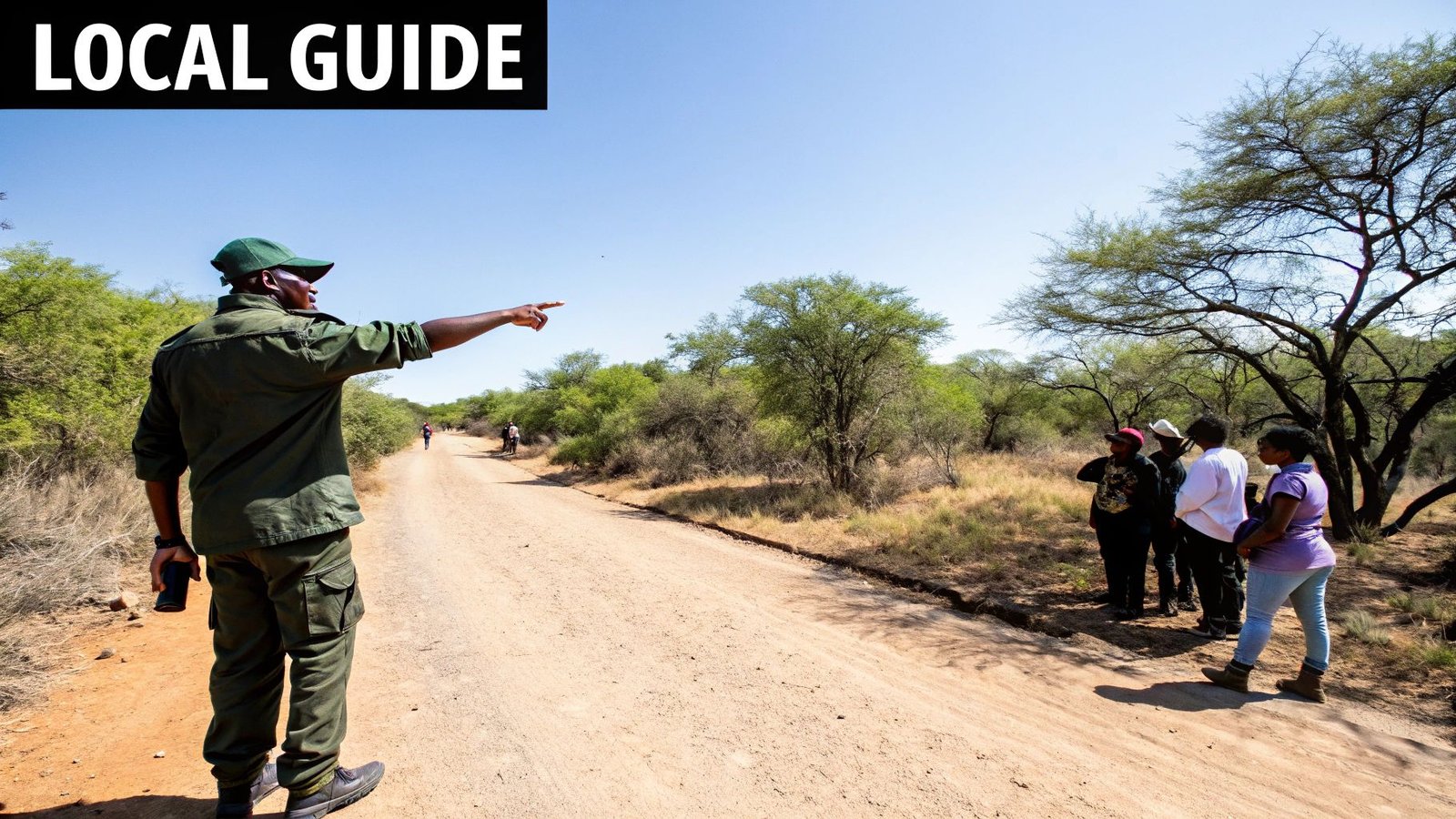
Choosing the right safari operator is key to sustainable travel. Look past catchy marketing and investigate their real conservation efforts. For instance, are they involved in anti-poaching initiatives or community conservation projects? Do they hire local guides and staff, boosting the local economy? These are vital questions to consider.
Look for certifications demonstrating a commitment to sustainability. These certifications often involve stringent evaluations and adherence to environmental and social standards. Asking detailed questions about their waste management and carbon footprint reduction efforts reveals true commitment versus superficial "greenwashing."
Community-Owned Conservancies: Empowering Local Stewardship
Community-owned conservancies are essential for wildlife protection and sustainable development. These initiatives empower local communities to manage their resources, creating economic opportunities through tourism while protecting vital habitats. This ensures tourism benefits go directly to those invested in preserving the environment. Choosing operators partnered with these conservancies supports this positive cycle.
Minimizing Your Footprint: Practical Guidelines for Sustainable Travel
Your actions during your safari matter. This includes simple but effective choices like following wildlife viewing etiquette, respecting animal distances, and avoiding disruptive behavior. Your interactions with local communities are equally important. Engage respectfully, learn about their culture, and support local businesses. These small acts add up to a significant impact.
Extending Your Impact: Beyond the Safari
Contributing to Africa's conservation doesn't end with your safari. Supporting reputable conservation organizations that protect endangered species and habitats extends your positive influence. For further information and resources, visit our sitemap for articles on sustainable travel. Sharing your experiences raises awareness about conservation and encourages responsible travel.
Book Your Sustainable Safari Today!
Ready for an unforgettable African safari that makes a difference? Maximum Adventure Trails offers curated sustainable safaris, collaborating with responsible operators and community-owned conservancies. Visit Maximum Adventure Trails to plan your adventure and become part of Africa's conservation legacy.