
- 3 Views
- 7 Min Read
- (0) Comment
The best time to go on safari in Africa is the dry season, roughly June to October in Southern and East Africa, when animals gather at shrinking water and thin bush makes them easy to spot. Go in August to October for Chobe, Hwange, and Etosha, and in July to September for the Masai Mara river crossings. Pick January to March for calving in the southern Serengeti. Choose the green season (November to March) if you value newborn animals, birdlife, and lower prices over easy sightings.
Africa is a continent, not a single climate, so one rule of thumb fails you. The Okavango Delta floods in the dry months, East Africa has two rainy seasons, and the same month can mean crowded tracks in one park and empty roads in another. This guide covers five destinations and gives each the same breakdown: the best months, then crowds, cost, and who the timing suits.
We run game drives and day trips from Victoria Falls across Zimbabwe and Botswana, so the Southern Africa advice reflects the routes our guides drive. The East Africa notes are planning guidance only.
1. Chobe National Park, Botswana
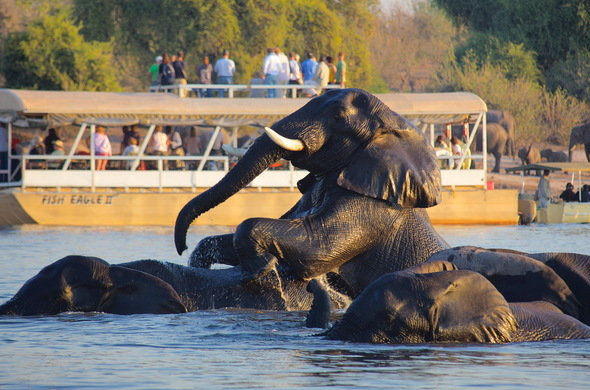
Chobe is at its best from May to October, with the biggest elephant numbers from August to October. The river gives you a second way to watch wildlife, so a cruise and a game drive fit into one day.
When to go
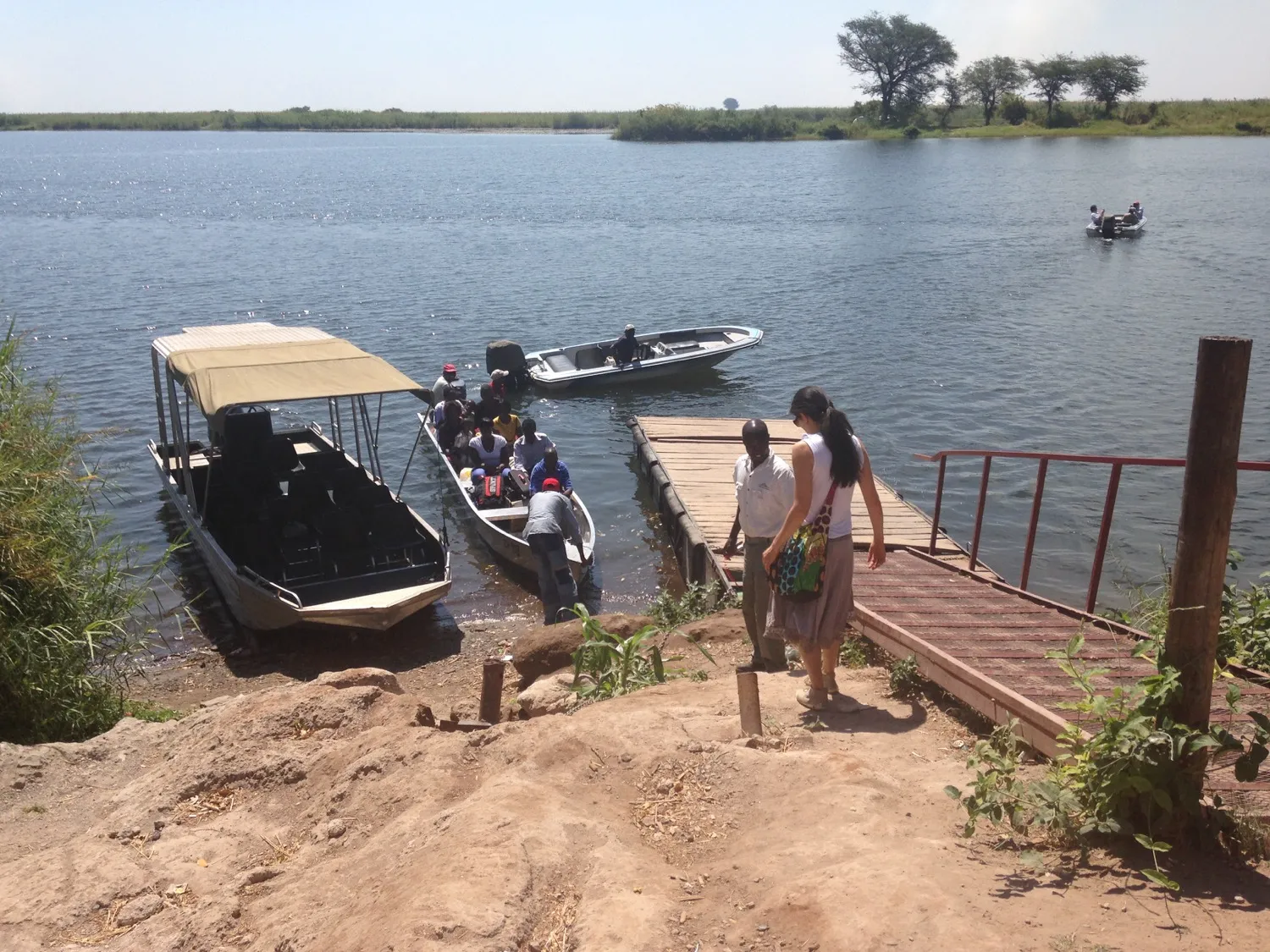
The dry months pull animals to the Chobe River because little other water remains. Elephants, buffalo, and hippo line the banks by late afternoon, and a boat cruise puts you at eye level with them.
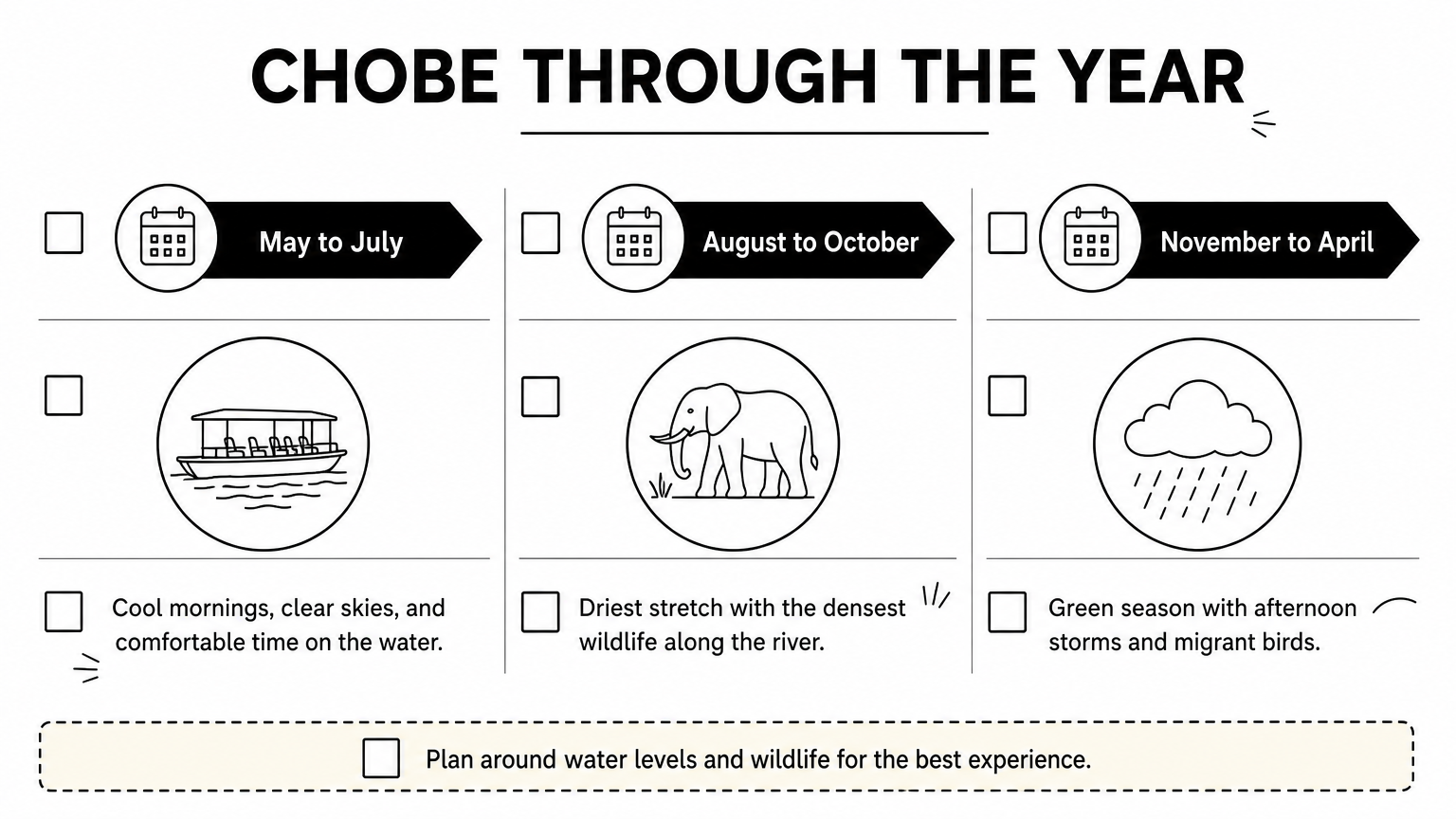
- May to July: cool mornings, clear skies, and comfortable time on the water. Wear layers in open vehicles.
- August to October: the driest stretch and the densest wildlife along the river. Highs pass 95°F (35°C) by October.
- November to April: green season, with afternoon storms, migrant birds, and animals more spread out inland.
Chobe rewards the dry season: the less water in the bush, the more wildlife on the river.
Crowds, cost, and who it suits
Demand peaks from July to October, so book early for those months. Our Chobe day trip from Victoria Falls starts at $180 per person, and children under 12 pay $110. Two adults and one child pay $470 in total, before any visa or immigration fees. The day lasts about 10 to 11 hours and leaves around 07:00 from Victoria Falls hotels.
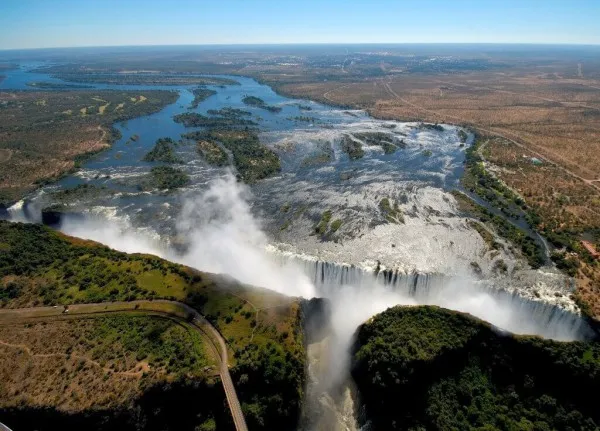
Chobe suits first-time safari travelers and anyone spending a few days around the falls. Match the timing to the water there too. The falls run fullest from March to May, while Devil’s Pool usually opens in the low-water months, roughly late August to December. September and October give you strong Chobe wildlife and a chance at the pool.
2. Hwange National Park, Zimbabwe
Hwange is best from July to October, when the pans dry out and wildlife depends on a handful of waterholes. Zimbabwe’s largest national park sits about 160 km from Victoria Falls.
When to go
The late dry season is the sweet spot. By September and October, pumped waterholes hold elephants, buffalo, giraffe, and lions, so sightings concentrate in a few places and become easy to plan around.
- June to August: cool, dry, and comfortable for long days in the vehicle.
- September to October: peak waterhole action, with hot afternoons.
- November to March: green and lush, with excellent birding. Rain scatters animals and tracks can turn muddy.
In Hwange, the hotter and drier it gets, the better the waterhole sightings.
Crowds, cost, and who it suits
Hwange is usually quieter than Chobe’s riverfront, even in peak months. Our full-day trip from Victoria Falls runs 13 hours, with about 7 hours on safari, two game drives in an open vehicle, and lunch inside the park. Park entry is $24 per person, paid at the gate, and the tour page shows the current price.
It suits travelers based in Victoria Falls who want open savanna and fewer vehicles. Visit in the dry season, and expect a long day because of the two-hour drive each way.
3. Okavango Delta and Moremi, Botswana
The Okavango Delta is best from June to October, when floodwater peaks and land animals crowd onto the islands. Moremi Game Reserve follows the same pattern.
When to go
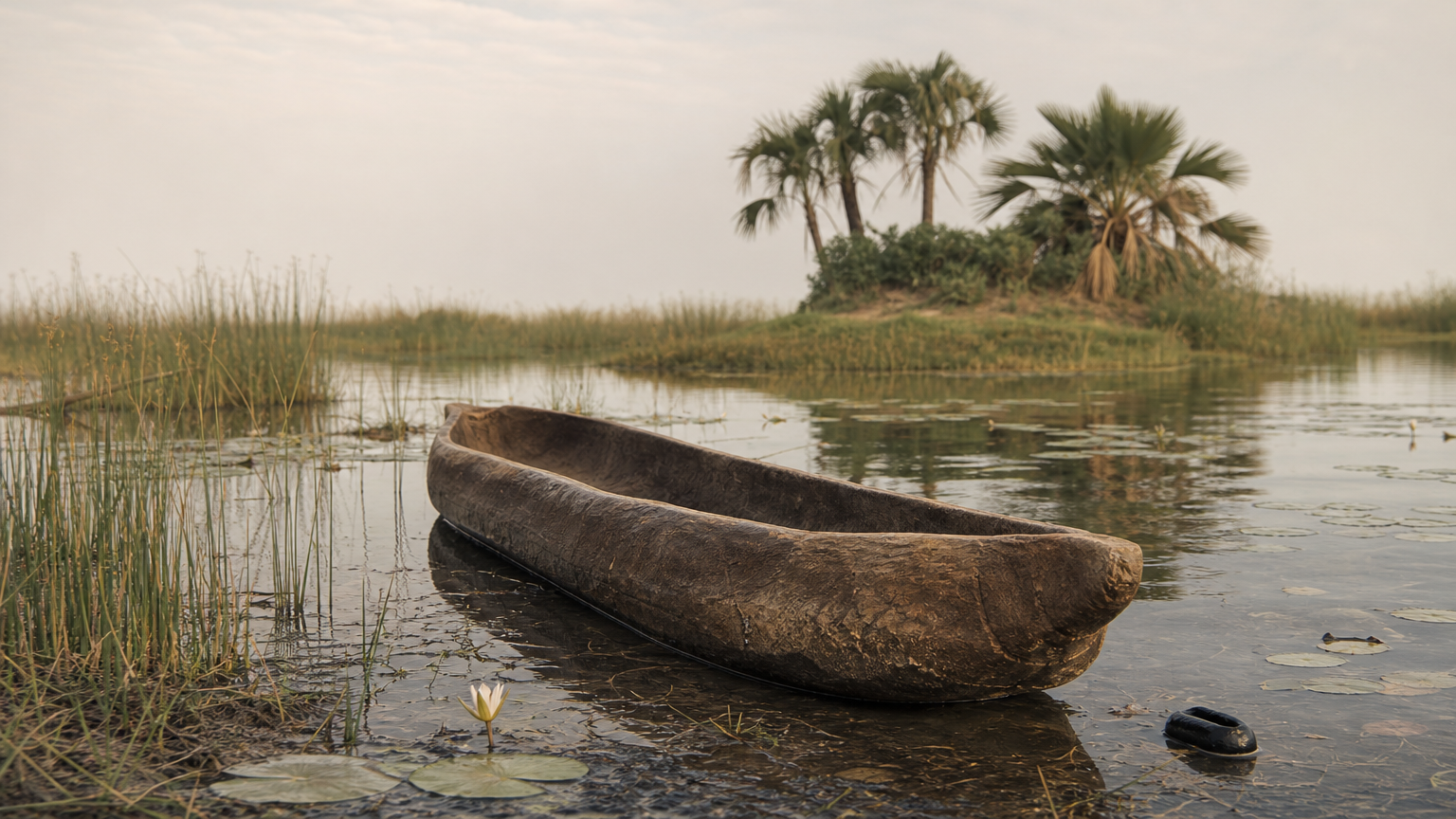
The flood runs backward from what you expect. Rain falls in the Angolan highlands in the southern summer, and the water takes months to arrive. The Delta is therefore highest from roughly June to August, while Botswana itself is dry. You get mokoro rides and dry-land game drives on one trip.
- June to August: peak water, cool dry days, and the best mokoro conditions.
- September to October: lower water, heat, and strong game drives in Moremi.
- November to March: rains, birds, and lower rates. Some tracks are hard going, and water levels vary by channel and year.
The Delta is full when Botswana is dry, which is why June to August works so well.
Crowds, cost, and who it suits
Camps in the Delta sell out in the dry months, so book well ahead. From Maun, our mokoro day trip starts at $140 per person and runs 10 hours, with a 45 to 90 minute road transfer. Our Moremi day trip costs $270 per person and includes all park fees. Two travelers doing both pay $820 in total.
This destination suits photographers and travelers who want a quiet, water-based experience. Bring at least 2 litres of water per person on either day.
4. Etosha National Park, Namibia
Etosha is best from May to October, with the strongest sightings from August to October. The park is dry and open, so animals have little choice but to visit the waterholes.
When to go
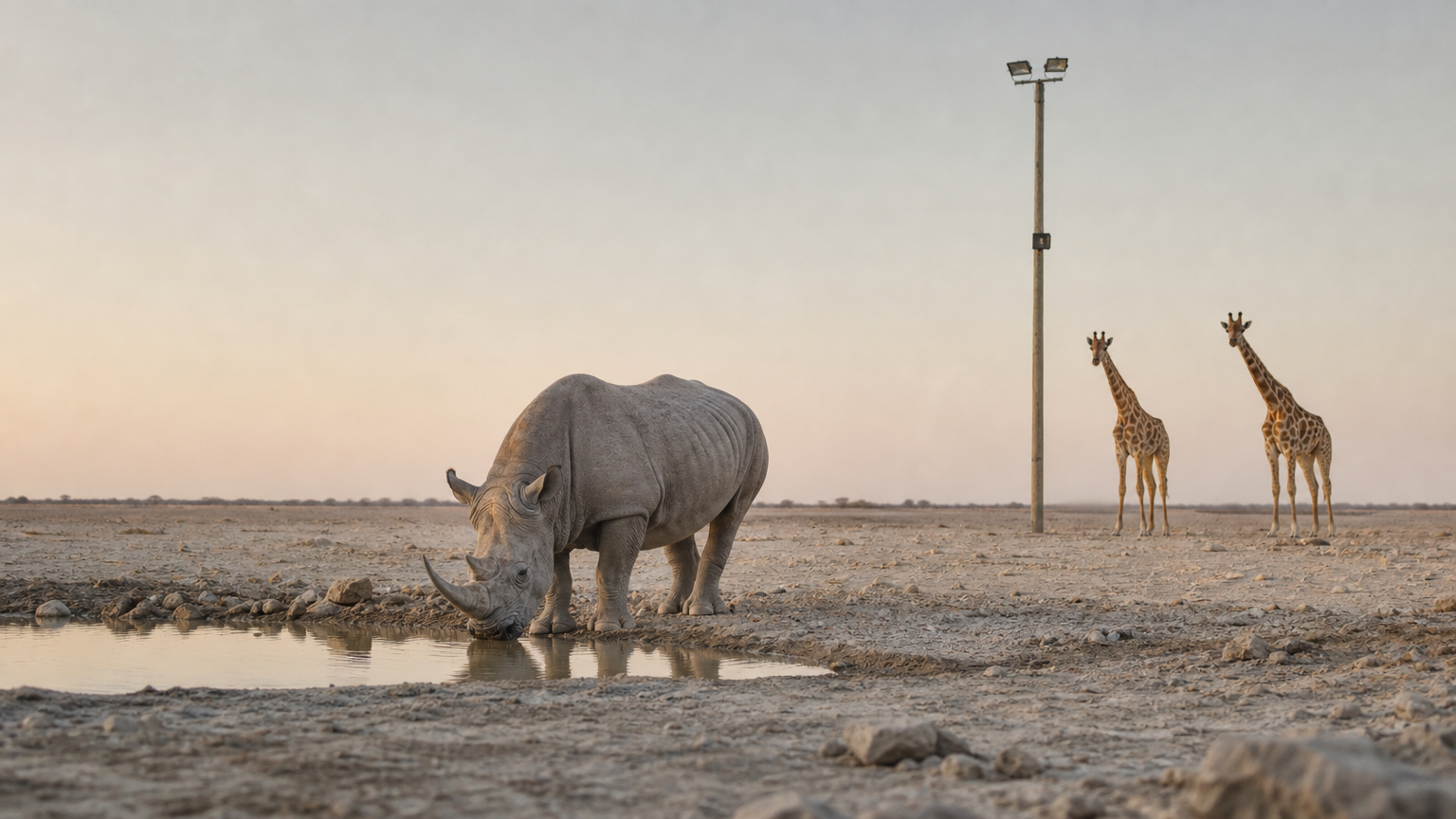
Waterholes drive everything here. In the late dry season you can sit at one and watch elephants, lions, and giraffe arrive in turn, and rhino sightings at the floodlit camp waterholes are a highlight.
- May to July: clear and dry, with chilly mornings and nights.
- August to October: peak wildlife at water, and hot by October.
- November to April: rain, migrant birds, and young animals. Heat and haze make sightings less predictable.
Etosha is a waterhole destination, so the dry months are the whole point.
Crowds, cost, and who it suits
Camps inside the park fill months ahead from July to October. Green-season rates are lower, and the park is far quieter. Etosha suits self-drive travelers and photographers who enjoy waiting at a waterhole.
Namibia is part of the region we cover, so ask for a custom itinerary if you want to pair Etosha with Botswana or Victoria Falls.
5. Serengeti and Masai Mara, East Africa
For East Africa, the best time to go on safari is June to October, with Mara river crossings from roughly July to October. The southern Serengeti is best from January to March for calving.
When to go
The Great Migration follows the rains, so your month decides which herds you see. Crossings in the Mara are dramatic but unpredictable, so allow several days to see one.
- January to March: calving in the southern Serengeti, with predators close behind.
- June to October: dry-season game viewing, with Mara crossings peaking around August and September.
- April, May, and November: rains, fewer visitors, and some roads and camps closed.
Choose your month by the herds you want to see, because the migration sets the calendar.
Crowds, cost, and who it suits
Prices and crowds peak from July to September, and vehicles bunch up at popular crossings. The long rains in April and May bring the lowest rates. This region suits travelers who want the migration above all else.
We focus on Southern Africa, so use this entry as a planning guide. The same logic holds across the continent: dry season for concentrated wildlife, green season for value.
Choosing your safari month
For most travelers, August to October is the safest answer in Southern Africa, with the Delta’s flood peak in June to August as the main exception. If you want the migration, aim for July to September in the Mara or January to March in the Serengeti. If cost and birdlife matter more, travel from November to March and accept scattered wildlife.
Decide what you most want to see, then pick the destination and month together. If you are building a trip around Victoria Falls, Chobe, Hwange, or the Okavango, you can browse our individual tours and book the one that fits your dates.