

- 2 Views
- 15 Min Read
- (0) Comment
The best time to visit Devil’s Pool at Victoria Falls is October and November. The pool is only open when the Zambezi River runs low, which usually means a season from mid or late August to late December, sometimes stretching into January. Those two middle months give you the most reliable low water and the best odds of a safe swim. From about February to June the river is too high and the pool is closed.
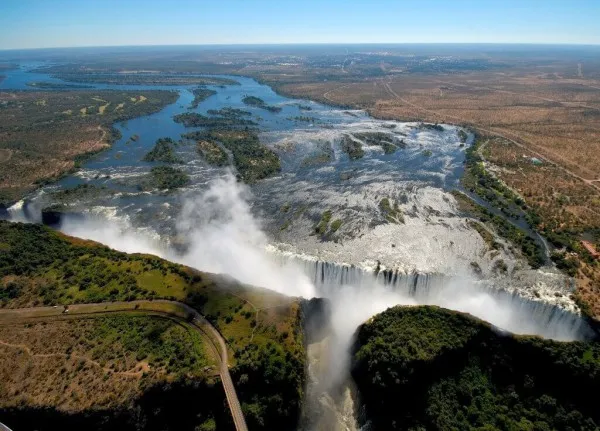
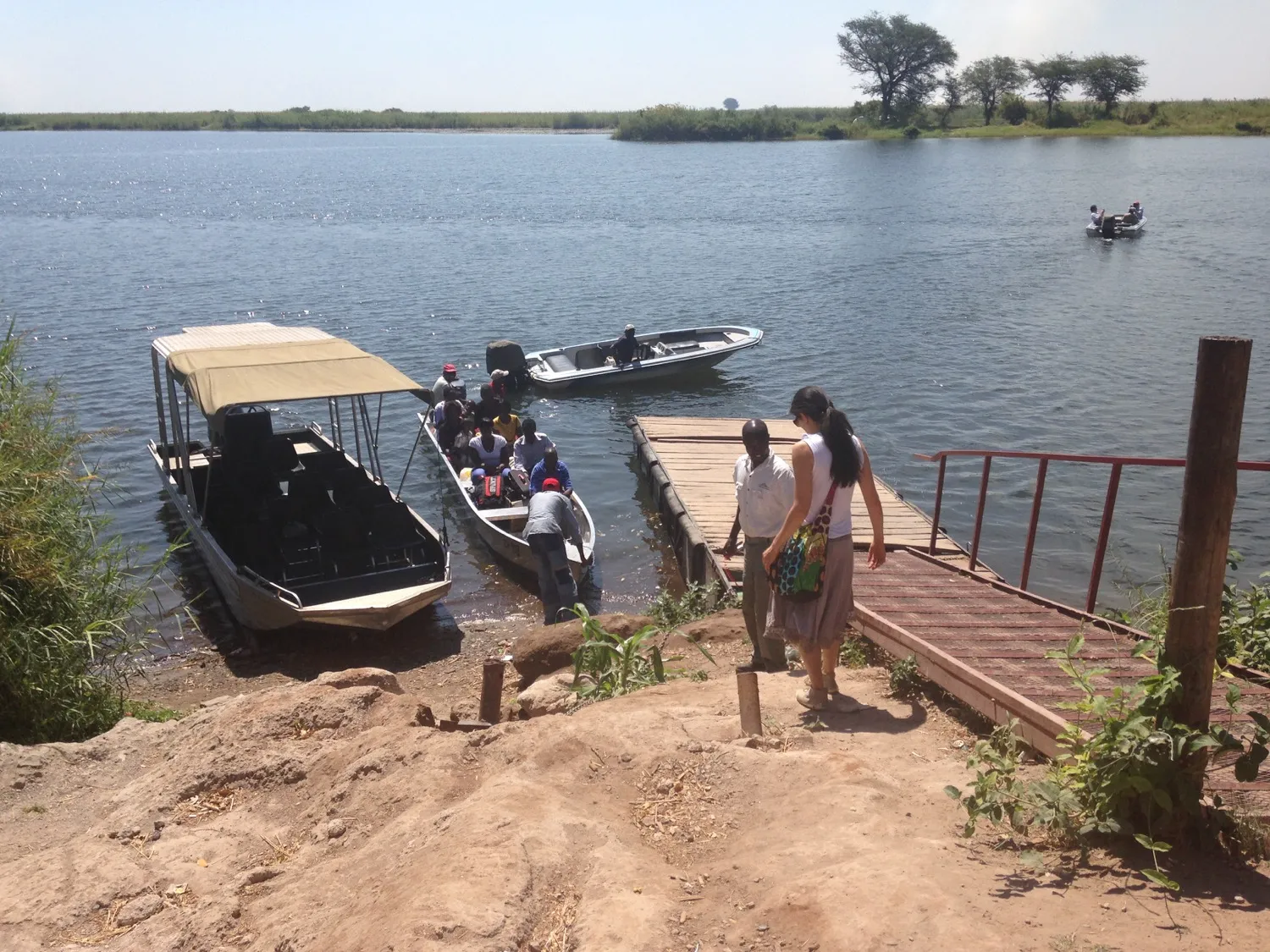
Devil’s Pool is a natural rock pool on the lip of Victoria Falls, on the Zambian side of the border. You reach it by boat to Livingstone Island, then a short swim. It has nothing to do with swimming spots of the same name elsewhere in the world. The "season" is not a fixed date on a calendar. It is the stretch of weeks when the guides judge the current safe enough to place swimmers beside a drop of more than 100 meters.
This article gives you the month-by-month calendar, the reasons water levels set the dates, the best time of day to swim, and a booking plan that protects your trip. We are based in Victoria Falls and book this swim for travelers, so the advice comes from how the season works on the ground.
Why the timing of your Devil’s Pool visit matters
The river decides whether you swim
The pool opens only when the Zambezi is low enough to swim safely, so your travel month decides whether you get in the water at all. Devil’s Pool sits at the lip of a drop of more than 100 meters. At high water the current there is far too strong, and the operator keeps the pool closed for months at a time. In a normal year that leaves a season of roughly four to five months.
Outside that season you can still visit Livingstone Island for part of the year, but you swim in a different pool set further back from the edge. We cover those alternatives in the water-level section below. They are a good experience, but they are not the same as sitting on the rim of the falls.
What the month changes
Your travel month changes three things you will notice on the day:
- The crossing. In low water the swim to the rocky ledge is short and calm. In dry years most people of average height can nearly wade it.
- The pool itself. Devil’s Pool needs the lowest water. Higher water means Angel’s Pool or another pool instead.
- The view of the falls. From roughly March to May the falls run at full power and spray hides much of the view. By the end of the dry season parts of the Zambian side, especially the Eastern Cataract, can thin to a trickle.
That last point is the trade-off at the heart of this topic. The conditions that make the swim possible are the same ones that make the falls less thunderous. The right month is the one that fits what you value most.
What a wrong guess costs
Travelers regularly book flights for March, April or May, then discover the swim is closed. At peak flood, around April, the Livingstone Island tour itself usually stops running. Flights, lodging and cross-border plans are expensive to move, so a mistake here costs real money.
The second cost is a sold-out slot. The pool is popular and spaces are limited. A traveler who arrives in October without a booking can lose the swim to a full schedule, even with perfect water.
Choose your dates around the river first and everything else second.
How to pick your dates for Devil’s Pool
A six-step plan
Pick your dates by working backward from the river, not forward from your holiday calendar. This is the order we recommend to travelers:
- Target October or November. These months give the most dependable low water. Accept late August, September or December only if your schedule forces it.
- Spend at least three nights in Victoria Falls. A buffer lets you move the swim by a day if a slot sells out or conditions change.
- Choose a morning slot if you can. The light and rainbows are better, as the time-of-day section explains.
- Book at least a week ahead, and earlier from September to November. A maximum of 16 people are on the island at once, and slots fill.
- Confirm the pool status shortly before you travel. Ask your booking agent or the operator whether Devil’s Pool or an alternative pool is running that week.
- Sort out the border crossing and transfers if you sleep in Zimbabwe.
Put the swim early in your stay, not on your last day. If something shifts, you still have days left to reschedule. Late-season and early-season visitors should treat this rule as non-negotiable.
Book the swim for day three of five, not day five of five.
Worked example: seven nights in October
Say a couple arrives on October 18 and stays seven nights. They book a morning swim on day three, October 20, and keep the next four days free for a backup date and other activities. Our Devil’s Pool swim starts at $150 per person for the morning slot, with transfers excluded. Here is what the swim itself costs them, assuming they sleep in Zimbabwe and need the visa:
| Item | Per person | Two travelers |
|---|---|---|
| Devil’s Pool morning slot | $150 | $300 |
| KAZA Univisa (if crossing from Zimbabwe) | about $50 | about $100 |
| Total before transfers and tips | about $200 | about $400 |
Visa fees and rules change, so confirm the current figure before you travel. Also carry some cash for guide tips.
Crossing from Zimbabwe
Devil’s Pool is only accessible from Zambia, so travelers who stay in Victoria Falls Town on the Zimbabwe side cross the border for it. Bring your passport. The KAZA Univisa lets you cross between the two countries several times within 30 days, which suits a trip that mixes both sides of the falls. We handle private cross-border transfers and visa assistance for this reason.
Because the dates depend on the river, read the cancellation terms before you pay. With us, a cancellation 90 days or more before departure gets a full refund minus bank charges. At 60 to 89 days you lose 30% of the trip price, at 30 to 59 days you lose 50%, and inside 29 days you lose 100%. Compare that with whoever else you book through.
The Devil’s Pool season month by month
The typical calendar
In a typical year Devil’s Pool opens between mid and late August and closes between late December and mid-January. In a dry year with light rains the season can run into February. This table shows what usually happens in each month. Exact dates shift every year.
| Month | Devil’s Pool | What to know |
|---|---|---|
| January | Closing, or closed | Rising river. Open in early January in most years, and occasionally to mid-January. |
| February to March | Closed | The island tour may run with a different pool until the flood builds. |
| April | Closed | Peak flood. The Livingstone Island tour usually stops. |
| May | Closed | The island tour starts to reopen, without Devil’s Pool. |
| June | Closed | The island tour runs. Other pools take swimmers. |
| July | Usually closed | Angel’s Pool is normally open. |
| August | Opens mid to late month | Angel’s Pool closes as the water drops. |
| September | Open | Very likely open all month. |
| October | Open | Best conditions. |
| November | Open | Best conditions. |
| December | Open until late month | Rains can begin and end the season. |
Notice that the island tour and the Devil’s Pool swim run on different calendars. The island tour opens for most of the year. Only the swim at the very edge needs the lowest water. Many "is it open?" confusions come from mixing the two.
How much the dates move
The opening date swings by weeks from year to year. In 2015 the pool opened on August 12. After a weak rainy season in 2019 it opened in late June, far earlier than normal. In 2023 it opened on August 20, even though the river was lower than average that year.
That last example matters. Low water does not guarantee an early opening. The guides open the pool when the conditions at the ledge are right, not when a river gauge hits a number.
Why you get little notice
Openings are usually announced only a day or two before they happen. That makes the edges of the season unpredictable. If you travel in late August or early September, you are betting on a start date that may not yet exist when you book.
Late in the year the same logic applies in reverse. A wet December can end the season earlier than you expect. Booking through an agent who is on the ground in Victoria Falls helps, because you get the news the day it is announced.
Treat the opening and closing dates as forecasts, not promises.
Best months to visit the Devil’s Pool at Victoria Falls
The three windows compared
The season has an early, a middle and a late window, and each trades certainty for something else.
| Window | Chance the pool is open | Falls volume | Comfort |
|---|---|---|---|
| Mid-August to September | Good, but not certain before the opening | Heavier, with more spray | Coolest water, especially in early slots |
| October to November | Highest | Lowest, thin on the Zambian side | Hottest days, warmest water |
| December to mid-January | Falls as rains arrive | Starts to rise | Humid, with showers possible |
Read the table by priority. If you only care about swimming, choose the middle row. If you care as much about the falls themselves, early September offers more water over the edge while the pool is usually already open.
Why October and November win
October and November give you the lowest river of the year and therefore the most stable conditions at the ledge. The crossing is at its easiest and the guides have the most freedom to spend time at the rim. Most visitors who plan carefully land in these two months.
The cost is heat and a thinner waterfall. October daytime highs in Victoria Falls are often in the 90s °F. The Zambian viewpoints are less dramatic then, so if you also want a full-power falls view, plan to see it from the Zimbabwe side, where more of the falls is visible. The Zimbabwe side sees most of the main curtain of water, so your time there stays rewarding even when Zambia’s side runs thin.
When to accept early or late season
Early season, from mid-August to September, works well if the rest of your Africa trip is fixed. Cooler water is the main downside, particularly at the 7:30 a.m. slot. Water in mid-September has been described as cold but bearable. Build in spare days, because an August start is the least certain.
Late season, December to early January, suits holiday travelers. The rains arrive and the Zambezi begins to climb, so the risk of an early closure grows with each week. If you must travel then, aim for early December and book a flexible arrangement.
How water levels decide when Devil’s Pool opens
The Zambezi’s yearly cycle
The Zambezi rises and falls on a delay. Rain falls across the river’s catchment from roughly November to April, but the flood takes weeks to reach the falls. The river therefore peaks at Victoria Falls from about March to May and falls to its lowest around October to December. The pool opens as the dry season pulls the water down and closes when new rains lift it.
This delay explains why the dates make sense. When it is raining hard in December, the river at the falls is still dropping. The first signs of a rising river appear in late December and January. This is why the swim usually closes in January even though the rainy season began weeks earlier.
The pool sequence: Rock Pool, Angel’s Pool, Devil’s Pool
As the river falls, the swimming spot moves closer to the edge. At the highest safe water, swimmers use a pool called Rock Pool, which is not as dramatic but still puts you on the island. As levels drop, Angel’s Pool opens. It sits a little further back from the falls and offers a calmer experience with an impressive view. At the lowest water, Devil’s Pool opens right on the lip.
That sequence is why you cannot choose between Angel’s and Devil’s Pool on the day. When Devil’s Pool is open, the water is low enough that Angel’s Pool is drier. Your group goes where the guides can take you safely.
If you land outside the Devil’s Pool season, Angel’s Pool is the real alternative, not a consolation prize. You still take the boat to Livingstone Island, still see the falls from that angle, and still swim. It is simply not the same ledge.
What the guides check
You cannot force the season, and nobody can promise it. The guides assess the current at the crossing and at the ledge each day. A rise in the river can close the pool even mid-season, and a dry year can open it early.
The practical result is that the water, not the date, is in charge. Low water also makes the crossing shallow enough that most people of average height can wade much of it. High water would mean a longer, stronger swim, which is why the operator will not offer it.
The pool opens when the water allows it, and no booking can change that.
The best time of day for a Devil’s Pool swim
Slot options
Devil’s Pool tours run in several slots through the day, from early morning to late afternoon, and each pairs the swim with a meal. Times vary by season, so confirm when you book. Here is what the typical schedule looks like.
| Slot | Typical start | Meal | Best for |
|---|---|---|---|
| Early morning | about 7:30 | Breakfast | Fewer crowds at the falls, coldest water |
| Mid-morning | about 9:00 to 10:30 | Breakfast | Rainbows and warmer water |
| Lunch | about 12:30 | Lunch on the island | Flexible mornings |
| Afternoon | about 3:30 | High tea | Soft light and sunset feel |
Our morning slot starts at $150 per person, and the lunch and high tea slots cost more. The swim lasts about three hours in total with us.
Why mornings win for rainbows
Morning slots give you the best chance of vivid rainbows in the spray. The sun is at the right angle then, and the photos reflect it. Travelers who took only a late-afternoon slot often say they wished they had fought for a morning one.
The 7:30 slot has cooler water and air. A 9:00 or 10:30 start is warmer while keeping the rainbows. If your trip is in September, when water is at its coldest in the season, a later morning slot is more comfortable.
When an afternoon slot makes sense
Choose lunch or high tea if mornings are taken by a long border crossing or another activity. Late-afternoon light is soft and the island has a calm, sunset feel. You give up the strongest rainbows, but the swim itself is identical.
If you sleep in Zimbabwe, remember the border adds time. A 9:00 swim means leaving your hotel early enough for the crossing and the drive to the launch point. A later slot can ease the morning rush.
If you can only choose one thing, choose a morning slot.
Safety, swimming ability and what to expect
How safe it is
Devil’s Pool is safe when you go with the official operator and follow the guides, but it is not risk-free. You sign a waiver before the swim, and the tour takes two guides, one with you at the pool and one taking photos. No tourist deaths have been reported on the official Livingstone Island tour, which is the only licensed way in.
Stay away from unofficial offers to walk you along the edge of the falls. They have no license or insurance and take a far riskier route. Rare encounters with crocodiles or hippos in the river are a real if unlikely concern, and the guides manage that.
Do you need to swim?
You need to be comfortable in water, but you do not need to be a strong swimmer. The crossing is short, roughly 30 meters and usually under five minutes. A guide stays with you the whole way. In low water, people of average height can nearly wade it, at waist to chest depth.
If you cannot swim at all, skip it. A guide may ask a nervous swimmer to do a quick swim test before continuing. Our swim has a minimum age of 16 for the pool itself. Below that age, travelers can still take part in the Livingstone Island experience.
What to bring and what visitors say
Pack light, because everything you carry will get wet:
- Swimsuit, worn to the launch point
- Water shoes for the rocks
- Sunscreen and sunglasses
- Dry clothes for the meal afterward
- Passport, if you cross from Zimbabwe
- Cash for tips
- A waterproof camera or action camera, if you want your own footage
Devil’s Pool reviews tend to agree on a few points. People call it more mental than physical. Many are nervous beforehand and calm once they are in. Small fish nibble at your legs, which is startling but harmless, and water shoes help. The guides take photos with your phone, so you leave with plenty. Most visitors say it was worth it, particularly with a morning slot in October or November.
The challenge is mostly in your head, and the guides handle the rest.
Plan around the river, then book early
The best time to visit Devil’s Pool is October and November, inside a season that runs from mid or late August to around late December. The river decides the dates, so treat any calendar as a forecast. Book a morning slot, leave spare days, and confirm the pool status shortly before you swim.
If the pool is closed when you travel, Angel’s Pool is a real alternative. It keeps the boat ride, the island and the swim, just a little further from the edge.
When you are ready to turn the dates into a plan, talk to Maximum Adventure Trails about booking your Devil’s Pool swim. We can line up the swim, the border crossing and your transfers around the season.