

- 2 Views
- 7 Min Read
- (0) Comment
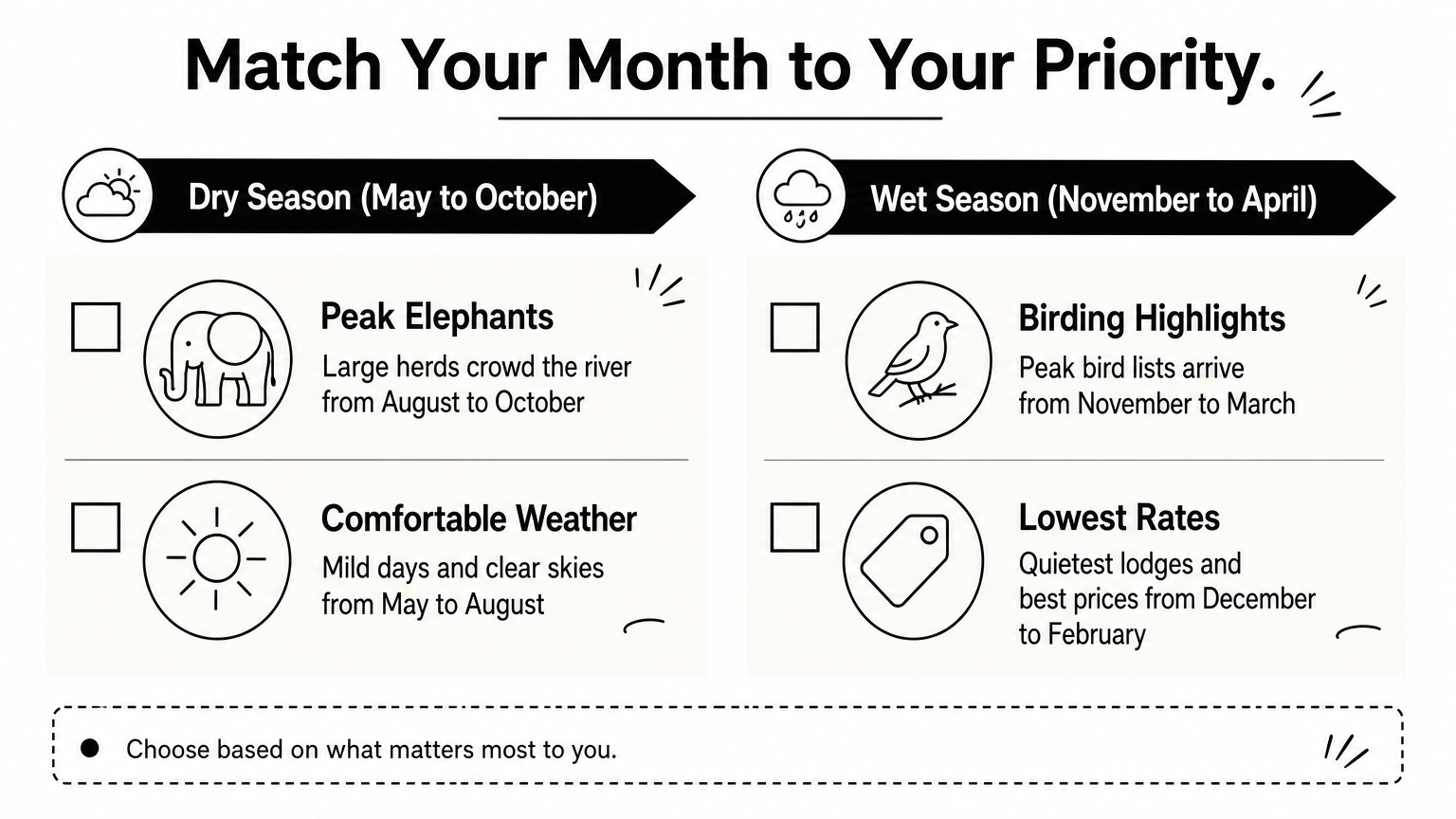
The best time to visit Chobe National Park is the dry season, from May to October. Interior water sources vanish, and elephants, buffalo, and predators crowd the Chobe River in the largest numbers of the year. If you want one safe answer, pick June to August, when days are dry and mild and only the mornings are cold. The wet season, November to April, is the better choice for birding, green scenery, and lower rates.
"Best" depends on what you came for. Chobe’s seasons follow local rainfall rather than a distant flood, so the park changes sharply when the rains start or stop. Maximum Adventure Trails has run river cruises, game drives, and day trips in Chobe since 2019, and our guides see those shifts on the water every week.
This guide explains why timing matters, walks through each month, and helps you match your dates to your priorities. It also covers the practical details that shape the best time to visit Chobe National Park Botswana: booking lead times, packing, and pairing the park with Victoria Falls.
Why the season shapes your Chobe safari
Season decides where the animals are, how hot you feel, and how many vehicles share each sighting. The best time to visit Chobe National Park comes down to water, because Chobe’s wildlife follows it.
How rainfall moves the wildlife
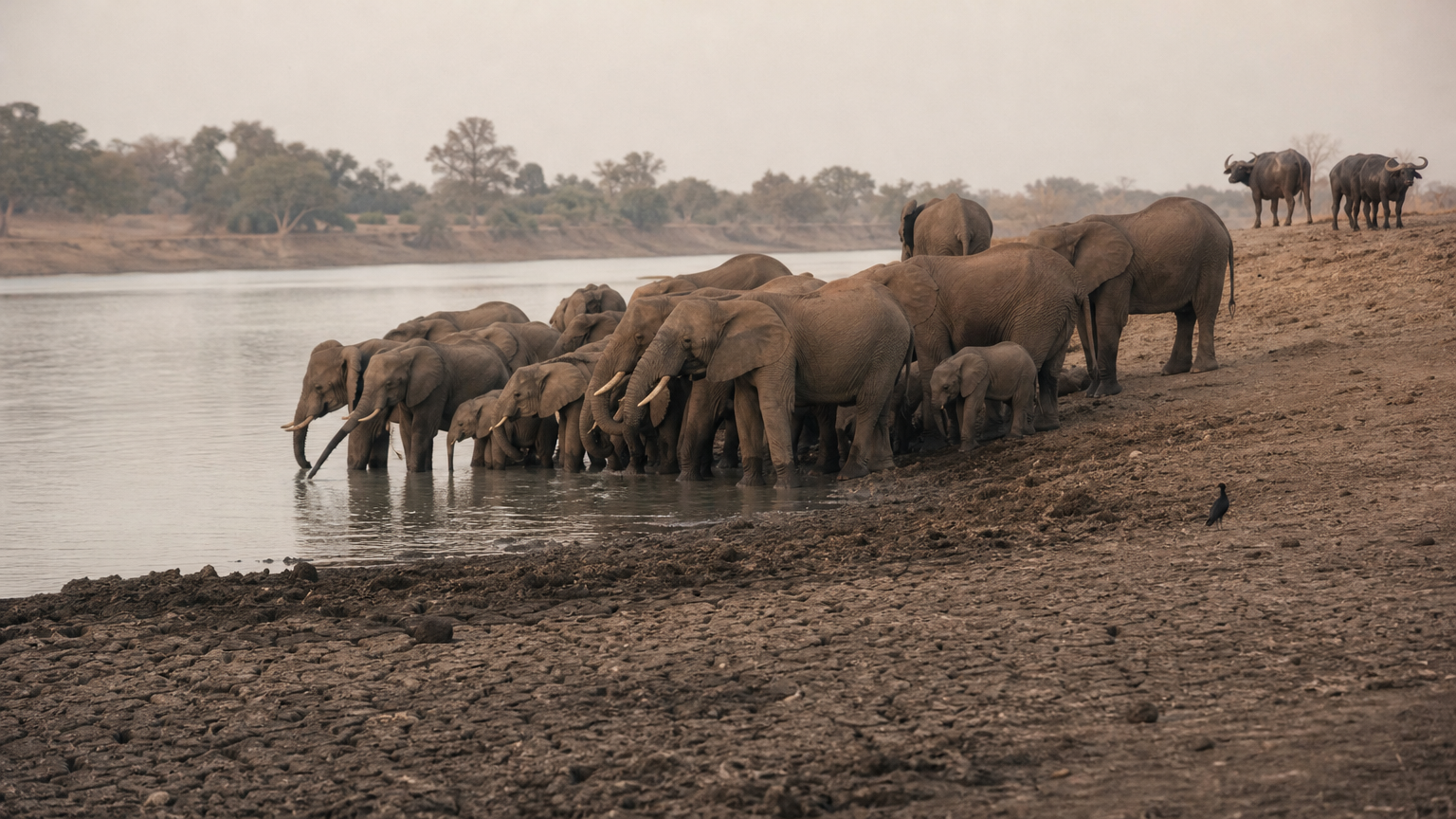
Chobe’s seasons come from local rain, not from a distant flood pulse like the one that feeds the Okavango Delta. From May, the inland pans dry out and elephants, buffalo, and zebra have one reliable source left, the Chobe River. By September, hundreds of animals drink side by side along the same stretch of bank, and lions and leopards follow the herds.
When the rains return in November, the pattern reverses. Temporary water appears inland, game spreads across the wider park, and riverfront sightings thin out. In return you get a lush landscape, newborn antelope, and a bird list of more than 450 recorded species that peaks in these months.
In Chobe, the dry season brings the animals to you, and the wet season sends you looking for them.
Dry season and wet season compared
Neither season is a bad choice. They simply deliver different safaris, and this table shows the trade-offs.
| Dry season (May to October) | Wet season (November to April) | |
|---|---|---|
| Riverfront wildlife | Peak, with large elephant herds | Dispersed across the park |
| Weather | Dry, cold mornings in June and July, 40°C+ by October | Hot, humid, afternoon storms |
| Birding | Good, migrants return from September | Best of the year |
| Crowds and rates | Busiest and priciest, especially July to October | Quietest, lowest rates |
| Roads | Dusty but open | Some trails can be impassable |
The remote Savuti region is the exception to the rule. It produces good game viewing year-round, with predators in the dry months and zebra in the wet ones.
Chobe National Park month by month
Chobe delivers something different every month, but May to October gives the most dependable game viewing. Here is how the year unfolds, starting with the first rains.
November to April: the green season
November opens with storms that break the October heat and turn the dust green within days. In Savuti, the zebra migration begins its southward trek toward Makgadikgadi, and the birth of new calves draws predators. December to February is hot and humid, with afternoon thunderstorms and excellent birding as migrants arrive.
March and April are the transition. The rains taper off, zebras return north through Savuti, and sight lines improve week by week. By April, elephants and buffalo begin drifting back toward the river, so a boat cruise starts paying off again. Rates stay at green-season or shoulder levels throughout.
May to August: the river fills up
May is the sleeper month. The rains are over, the air is clear, days sit around 28°C, and the first big elephant herds reach the riverfront. Some lodges still price May below peak, which means near-peak conditions for less.
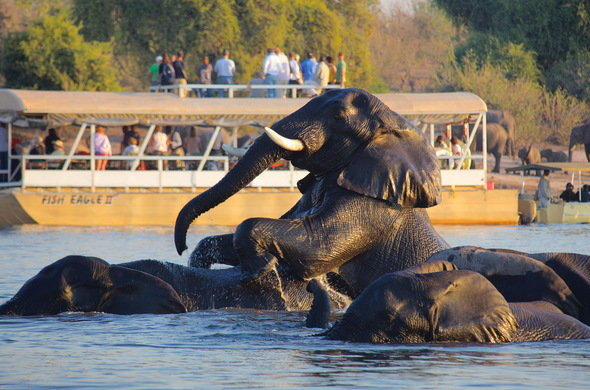
June and July bring herds in the hundreds, with hippo and crocodile at eye level from the boat. They also bring the year’s coldest mornings, which can approach freezing, so pack warm layers. August adds the barbel run in the Kasai channel, which draws herons, storks, fish eagles, and crocodiles. The thinning bush also makes predator sightings easier.
September and October: peak density and heat
September is the most intense month for wildlife that is still comfortable to enjoy. The last interior water disappears, every species crowds the river, and the first migratory birds arrive. Days are hot, but noticeably more bearable than in October.
October is the hottest month, with afternoon temperatures regularly above 40°C. The wildlife is spectacular, but you will spend the middle of the day in the shade. Plan morning drives and afternoon cruises, and rest in between. If heat bothers you, choose late June or September instead.
May builds the herds, September fills the river, and October tests your tolerance for heat.
How to choose your dates for a Chobe safari
Pick your month by your top priority, not by a single "best" label. The best time to visit Chobe National Park for a birder is not the best time for an elephant photographer.
Match the month to what you want
Use this list to find the window that fits your trip.
- Maximum elephants and river action: August to October.
- Comfortable weather with strong game viewing: May to August.
- Birding: November to March, plus the first arrivals in September.
- Zebra migration through Savuti: November to December southbound, March to April on the return.
- Lowest rates and fewest vehicles: December to February.
- Clear, crisp photography light: May to September.
If two priorities conflict, decide which one you would regret missing. Most travelers choose wildlife density over price.
A safe default for first-time visitors
If this is your first safari in Botswana, aim for late May through July, or September. You get large elephant herds, dry roads, and manageable heat. Cold dawns in June and July are the only real cost, and a fleece solves that.
Do not write off the wet season, though. If you care more about birds, empty viewing spots, and green scenery than about big herds, December to February is excellent value for a world-class park. Just expect to work harder for riverfront sightings.
Choose May to September for herds, and November to March for birds, solitude, and savings.
Booking, packing, and combining Chobe with other stops
Once you know your month, three practical details decide how smooth the trip is: how early you book, what you pack, and what you pair with Chobe. Getting them right protects the best time to visit Chobe National Park you just picked.
Booking lead times and rate seasons
Peak-season lodges fill early, so book ahead according to the table below.
| Travel period | Suggested lead time |
|---|---|
| May to August (peak) | 9 to 12 months for sought-after lodges |
| Shoulder and green season | 4 to 6 months |
Rate calendars do not always match conditions on the ground. May can sit in a lower band than June despite near-identical game viewing, while September may carry peak pricing as the heat builds. Compare each lodge’s calendar with the month-by-month notes above before locking in dates.
Packing, health, and Victoria Falls
Dress in neutral colors and bring layers. June and July mornings on an open vehicle or boat feel bitterly cold, October demands maximum sun protection, and from November to March a light waterproof jacket earns its space. Bring binoculars, since river cruises reward magnification. Bush flights usually enforce a 20 kg soft-bag limit. Malaria risk is higher in the wet months, so ask your doctor or a travel clinic about precautions before you go.
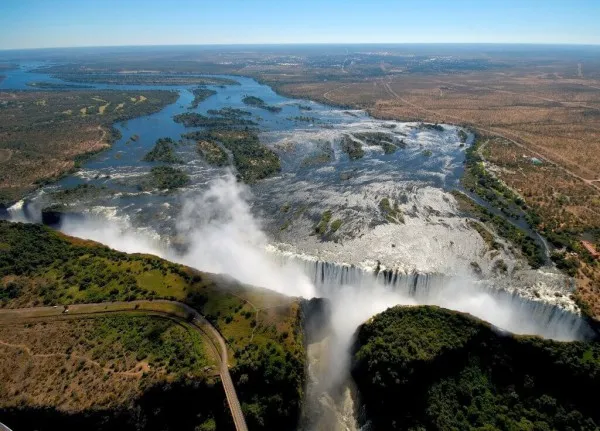
Kasane, Chobe’s gateway town, sits about 80 km from Victoria Falls, so the two pair naturally. The Falls are at their most dramatic from February to May, while Chobe’s dry season starts in May. May and June therefore give you thundering water and filling riverfronts on the same trip. Maximum Adventure Trails handles private transfers between Zimbabwe, Zambia, and Botswana, which keeps that border crossing simple.
Pick your month and go
Chobe rewards almost any month, but the choice is simple. Go May to October for elephants and river action, with June to August the easiest balance of weather and wildlife. Go November to April for birds, green landscapes, and lower rates. Avoid October unless you handle extreme heat well, and book peak-season lodges up to a year ahead.
Once you have your dates, the rest is logistics. If you want a hand with itineraries, transfers, or river cruises timed to the season you chose, plan your Chobe National Park safari with Maximum Adventure Trails and let local guides handle the details.