

- 1 Views
- 8 Min Read
- (0) Comment
Riding through floodplains with zebra and giraffe on either side is nothing like watching them from a vehicle. But an Okavango Delta horseback safari is a big spend, and operators differ a lot in horse quality, rider requirements, camp style, and group size. Picking the wrong one can mean a saddle-sore week on a horse that doesn’t suit you.
Here is the short answer. The five operators below are the ones worth comparing, and the right choice depends on your riding experience and your budget. Most require at least a confident canter, and trips typically run from about $700 to over $1,000 per person per night. The dry season, roughly May to October, is the best time for most riders, when game concentrates around the water.
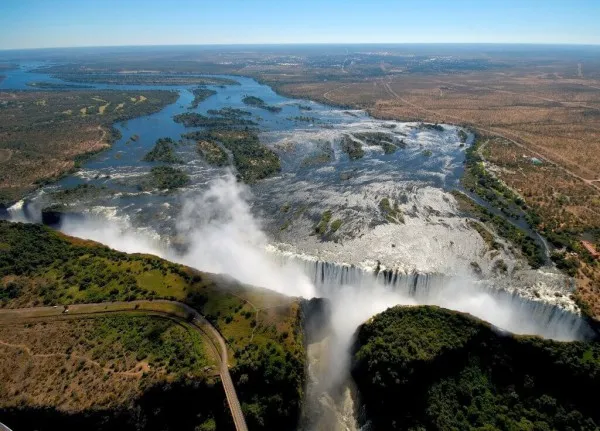
For each operator, you’ll see what a typical day in the saddle involves, which camps and itineraries they run, what you’ll pay, and what past guests say. Our guides at Maximum Adventure Trails work across Botswana, Zimbabwe, and Zambia every season, so we’ve included practical tips on combining a ride with Victoria Falls and Chobe.
1. Okavango Horse Safaris
Camp and riding area
Okavango Horse Safaris is the name most riders land on first when they search for a horseback safari in the Okavango Delta. It is a small, specialist outfit that runs from a tented camp on a private concession on the edge of the Delta’s wet and dry country. You ride across floodplains, through mopane woodland, and, depending on water levels, through shallow channels.
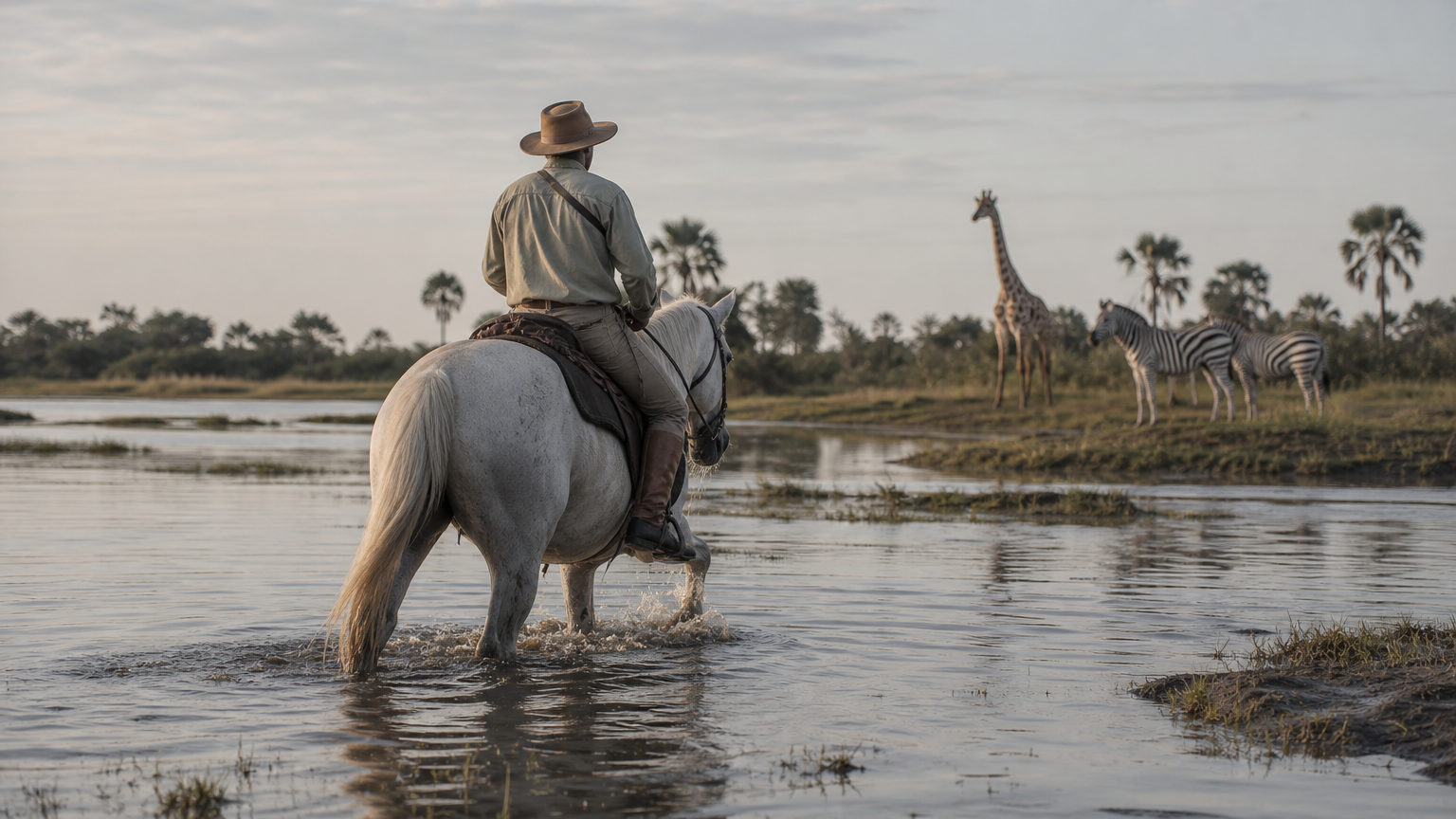
Expect zebra, wildebeest, giraffe, and red lechwe from the saddle. Guides keep a respectful distance from elephants and buffalo, and they brief you on what to do if a herd approaches.
Itineraries and rider requirements
The rides are built around riding, not sightseeing with a horse thrown in. Honest assessment of your ability matters more than anything else on this trip.
If you can’t canter confidently in open country, you will spend the week holding the group back and holding on.
| Detail | Typical for this operator |
|---|---|
| Length | About 6 to 7 nights |
| Riding time | Morning and late afternoon rides, roughly 4 to 6 hours a day |
| Group size | Small, around 8 riders at most |
| Experience | Confident walk, trot, and canter outdoors |
| Weight limit | About 210 to 220 lb (confirm when you inquire) |
Price range and best time to go
Budget for roughly $800 to $1,000 per person per night, usually covering riding, meals, drinks, and guiding. Flights and extras cost more, and rates change, so confirm before you commit. The best window for riding in the Okavango Delta is May to October. Water levels peak around July and August, and game bunches up as the land dries into September and October.
Who it suits
This ride is for experienced riders who want a dedicated riding holiday with fast, open-country stretches. It is a poor fit for beginners or for couples where one partner doesn’t ride. If you want to add Victoria Falls or Chobe before or after, plan the connecting flights early, because small-camp transfers rarely flex.
2. African Horseback Safaris at Macatoo Camp
Camp and riding area
Macatoo Camp sits in the northwestern Okavango Delta, a quieter corner than the busier eastern Delta regions and camp concessions. It is a small tented camp for about eight guests, with en suite tents and evenings around the fire. You ride across floodplains and between wooded islands. In high water you splash through channels, which makes this a true Okavango Delta horse riding safari rather than a dry-land canter.
Itineraries and rider requirements
Trips usually run six to seven nights, with two rides a day. Guides match horses to riders, but you still need to be comfortable at all paces in open country.
- Riding time: morning and late afternoon, roughly 4 to 6 hours a day
- Level: confident walk, trot, and canter outdoors
- Weight limit: around 220 lb (confirm when you inquire)
Ask how they match horse to rider before you pay, not after you arrive.
Price range and best time to go
Expect about $700 to $900 per person per night, typically covering riding, meals, drinks, and guiding. Rates shift by season, so confirm current pricing before you commit. May to October is the best window. Peak flood arrives around July and August, when you get the most water riding.
Who it suits
This horse safari in Botswana suits intermediate to experienced riders who like a social, small-group atmosphere. Total beginners should look elsewhere. If you want Victoria Falls afterward, book the onward flights early, since camp transfers are fixed.
3. Ride Botswana
Camp and riding area
Ride Botswana is a smaller, owner-guided outfit that offers a more relaxed, flexible take on the Okavango Delta horse safari. You ride across floodplains and palm-studded islands, often close to lechwe, zebra, and giraffe. Camp is tented and comfortable rather than ultra-luxury, which helps keep costs down.
Itineraries and rider requirements
Trips tend to be shorter than at the first two operators, so they work for riders with limited vacation time. Details vary by departure, so check each one.
- Length: about 4 to 6 nights
- Riding time: two rides a day, roughly 4 to 5 hours total
- Level: confident walk, trot, and canter outdoors
- Weight limit: roughly 220 lb (confirm when you inquire)
A cheaper ride is only a bargain if the horse under you is properly matched to your ability.
Price range and best time to go
Budget for roughly $600 to $800 per person per night, usually including riding, meals, and guiding. Confirm what drinks, park fees, and transfers cost, since rates change and what an Okavango Delta safari costs varies by season and style. Aim for the dry season, May to October, when game concentrates near the water.
Who it suits
This option suits intermediate riders on a tighter budget who still want real riding. It also fits travelers pairing a short ride with a Victoria Falls or Chobe extension, since a shorter trip leaves room in the schedule. Beginners and nervous riders should choose a different operator.
4. Equus Journeys mobile safari with David Foot
Camp and riding area
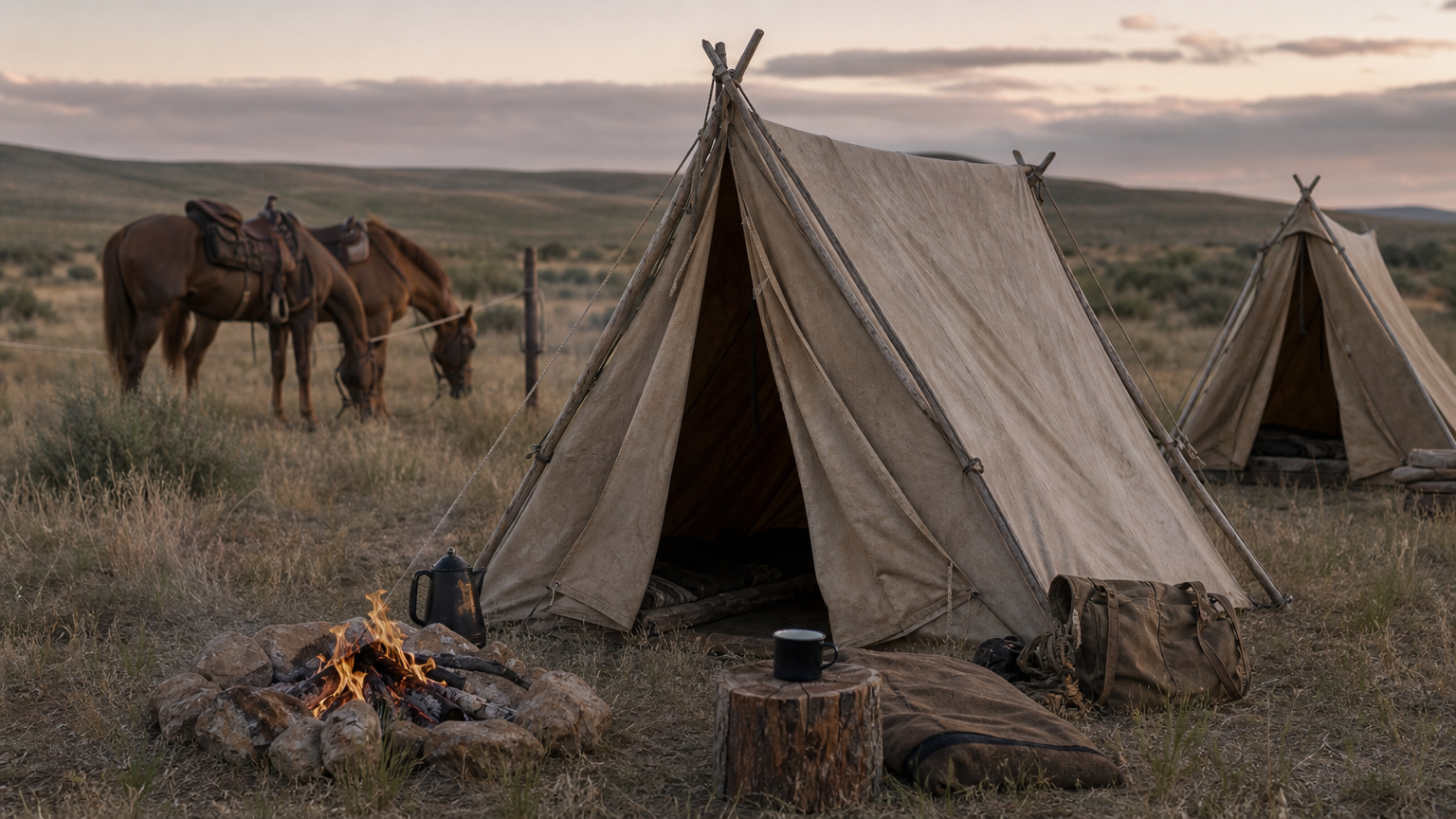
David Foot is one of Botswana’s best-known riding guides, and Equus Journeys, a specialist horse-travel company, sells his mobile riding safari to international riders. You move between lightweight fly camps set up ahead of you, so you cover far more wild country than a fixed camp allows. Expect floodplains, wooded islands, and channel crossings, with zebra, giraffe, and elephants at a respectful distance.
Itineraries and rider requirements
Trips run about a week, and the days in the saddle are long. This is the most demanding ride on our list.
- Length: roughly 7 to 8 nights
- Riding time: often 5 to 7 hours a day
- Level: fit, confident riders at ease cantering in open country
- Weight limit: around 210 lb (confirm when you inquire)
A mobile safari rewards fitness as much as riding skill.
Price range and best time to go
Budget for roughly $900 to $1,100 per person per night, usually covering riding, meals, camp crew, and guiding. International flights cost extra, and rates change, so confirm current pricing. Departures are limited, so ask for dates early. The dry season, May to October, is the best window for this horse safari in Botswana’s Okavango Delta.
Who it suits
This trip suits seasoned riders who want adventure over comfort. Simple fly camps trade luxury for remoteness. Skip it if you are a beginner or ride with a non-riding partner. If you want Victoria Falls afterward, we can arrange the onward transfers and add a Zambezi National Park horseback ride.
5. &Beyond half and full day horseback safaris
Camp and riding area
&Beyond is a different animal from the first four. It is a luxury safari company, not a riding specialist, so riding is an activity you add to a lodge stay rather than the point of the trip. You sleep in a high-end tented camp and head out on horseback for a morning or a day.
Rides stay on the camp’s concession, crossing floodplains and wooded islands. Availability depends on the camp and the season, so confirm riding is offered before you book the stay.
Itineraries and rider requirements
Outings are short and guided, which makes this the most beginner-friendly option on our list. Typical formats:
- Half day: about 2 to 3 hours, usually early morning
- Full day: about 5 to 6 hours with a bush break
- Level: basic riding skills often suffice, but ask whether a canter is expected
- Weight limit: roughly 220 lb (confirm when you inquire)
If you have never ridden on safari, a half day is the cheapest way to find out whether you want a full week in the saddle.
Price range and best time to go
Rides are usually sold as an add-on, so your real cost is the lodge rate. Luxury Delta camps and lodges often run well above $1,000 per person per night in peak season, and the ride carries a per-person supplement you should confirm.
Book for May to October, when game gathers around the water and the weather stays dry and cool.
Who it suits
This works for couples where only one partner rides, since the other can take a game drive or mokoro trip. It also suits confident beginners planning a first Okavango Delta safari who want a taster of riding without a week of saddle time.
Serious riders will find the hours too short. If you want to pair a lodge stay with Victoria Falls or Chobe, we can arrange the transfers.
Choosing the right ride for you
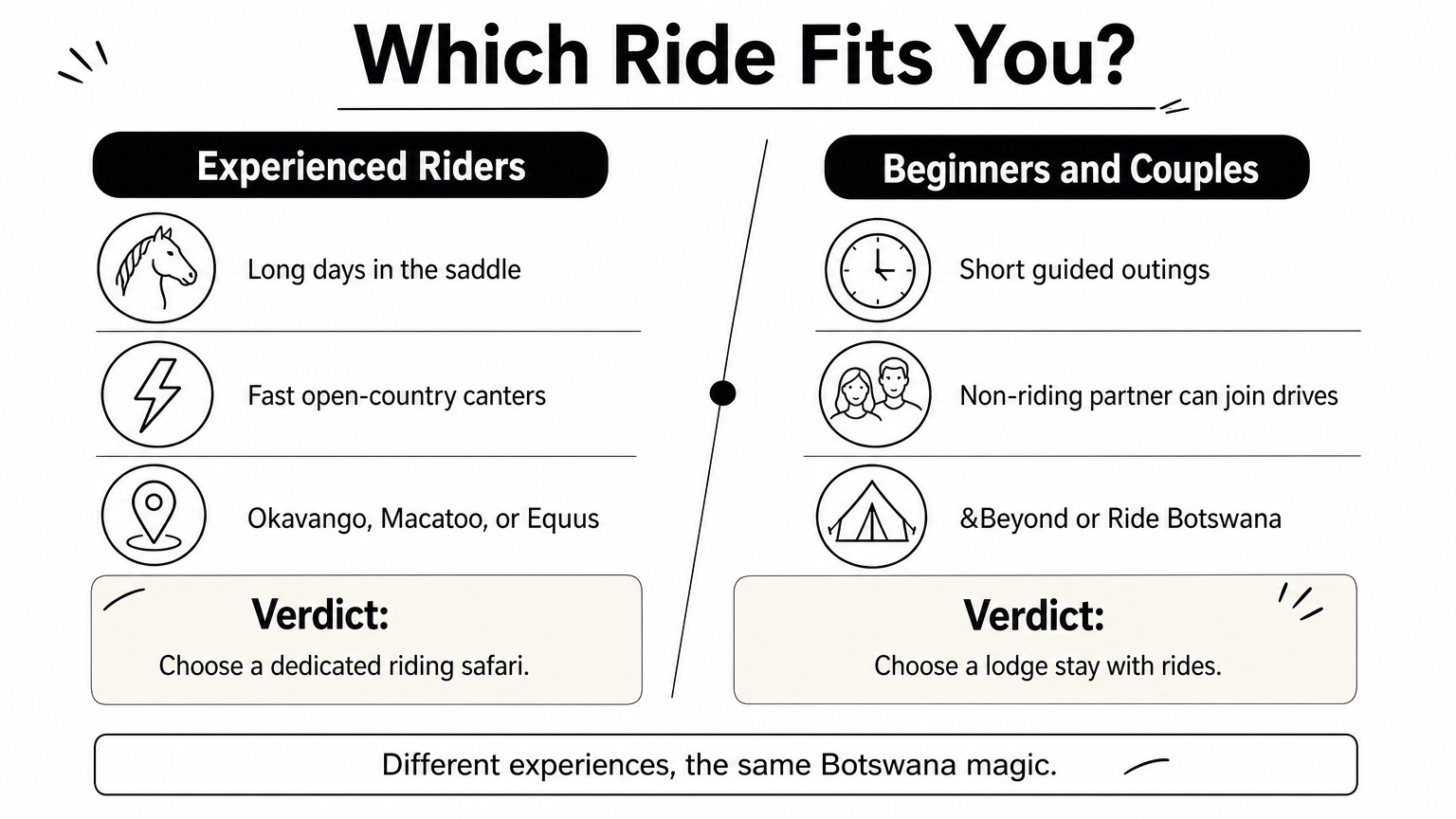
Your riding ability decides this more than anything else. Experienced riders who want long days and fast canters should look at Okavango Horse Safaris, Macatoo, or the Equus Journeys mobile safari with David Foot. Ride Botswana is the best value for intermediate riders, and &Beyond suits beginners and couples where only one partner rides. Whichever you pick, travel between May and October and confirm weight limits and current rates before you pay.
Once you’ve settled on your Okavango Delta horseback safari, we can handle the rest. Maximum Adventure Trails arranges transfers, hotels, and visas, and can add Victoria Falls or Chobe before or after your ride. Start with our 7-night Victoria Falls, Chobe and Okavango Delta safari and we’ll build the itinerary around your dates.