

- 5 Views
- 7 Min Read
- (0) Comment
Key takeaways
- The Zambezi Queen is a floating suite hotel on the Chobe River, offering all-inclusive dining and twice-daily game viewing from small tender boats.
- The dry season from July to October brings huge elephant herds to the Chobe riverfront, making a water-based safari one of the best wildlife shows in Africa.
- A river cruise gives silent, eye-level animal viewing, while a land safari covers more ground for big cats, so many travelers book both.
- Chobe sits about an hour from Victoria Falls and a short hop from the Okavango Delta, so the cruise slots neatly into a multi-stop Southern Africa trip.
If you are weighing up a Zambezi Queen booking, the short answer is that it delivers a genuine floating safari: private suites, all-inclusive dining and wildlife viewing at eye level along one of Africa's richest waterways. This guide walks through what the vessel offers, the animals you can expect on the Chobe River, how the cruise stacks up against a land safari, and how to fold it into a wider Southern Africa trip.
The Zambezi Queen glides along the Chobe River on the border between Botswana and Namibia, close to the point where the region's five countries meet. It is a small, high-end houseboat rather than a big cruise ship, which is exactly why it works so well as a safari base.
What the Zambezi Queen offers: suites, decks and all-inclusive dining
The vessel carries a modest number of guests across a handful of suites, so it feels closer to a private lodge than a hotel. Rooms are en-suite, air-conditioned and built with wide windows or private balconies that look straight out over the water. Waking to the sound of hippos and watching elephants come down to drink from your own balcony is the core of the experience.
Meals are all-inclusive and served on open decks. Expect plated dinners, regional wines and sundowner drinks as the light drops. Between meals the top deck doubles as a viewing platform and, on many trips, a plunge pool and lounge area. Because the accommodation moves with you, there are no dusty road transfers between camps. The lodge simply repositions along the river overnight.
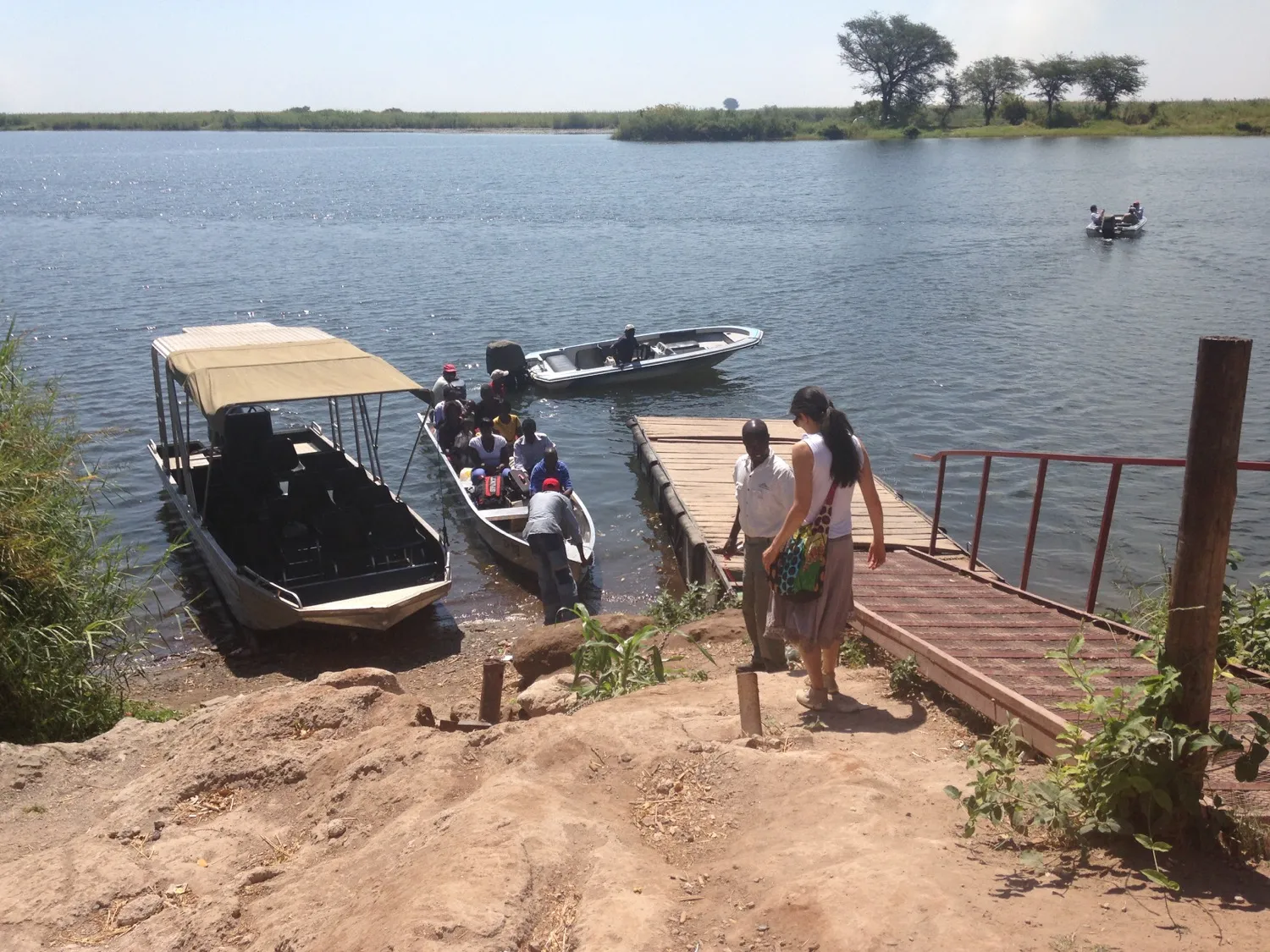
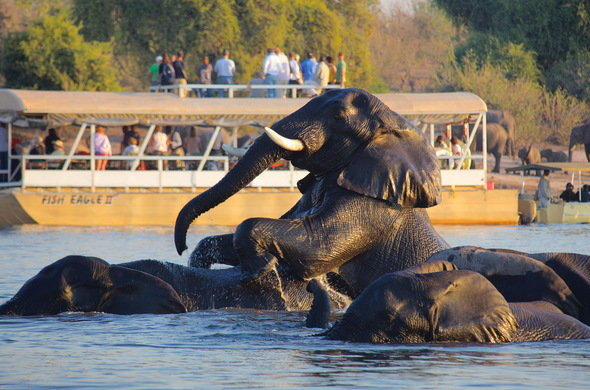
Game activities run twice a day from small tender boats. These craft seat only a few guests each, sit low on the water and can idle quietly within metres of the bank. That closeness, without engine noise or dust, is the single biggest advantage of a water-based safari.
Wildlife you will see cruising the Chobe River
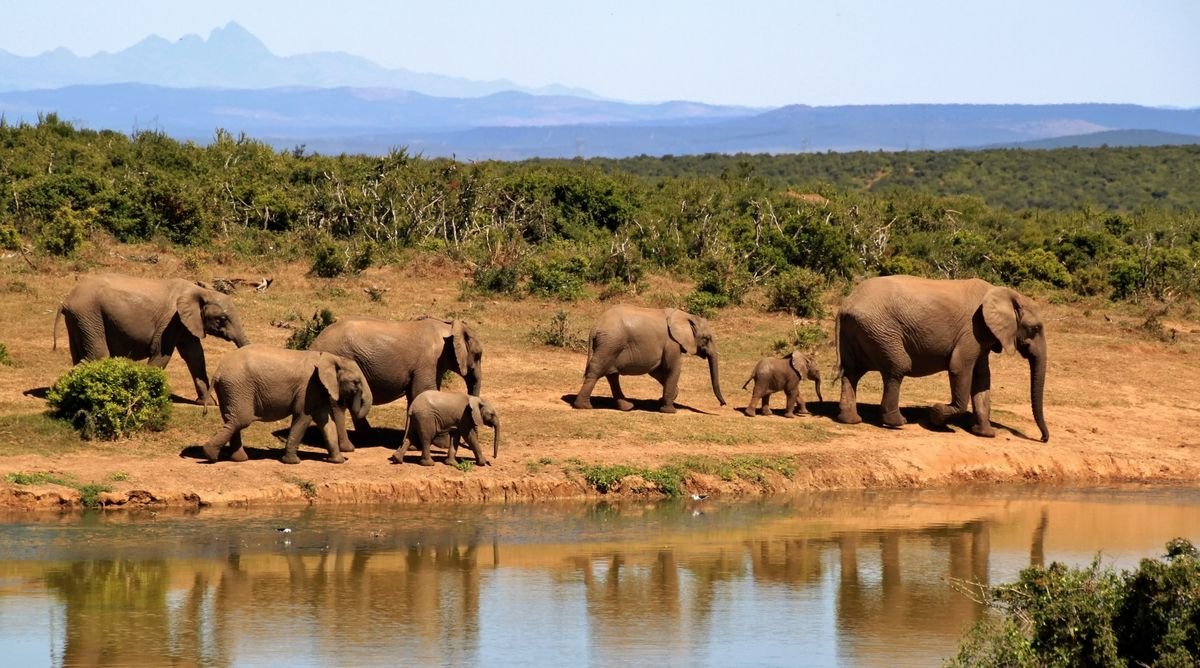
The Chobe riverfront is famous for elephants, and the numbers behind that reputation are striking. Botswana holds roughly 130,000 elephants, the largest population of any country on earth, according to a technical report from Elephants Without Borders. The wider Kavango-Zambezi conservation area, which Chobe sits inside, held about 228,000 elephants as of 2022, the world's largest population of savanna elephants. Many of those animals funnel toward the Chobe River in the dry months, so herds crossing and bathing in front of the boat are a daily event rather than a lucky break.
Elephants are only the headline act. From the water you can expect:
- Hippos surfacing beside the tender boats and grazing on the banks at dusk
- Nile crocodiles basking on sandbars
- Buffalo, kudu, waterbuck and impala coming down to drink
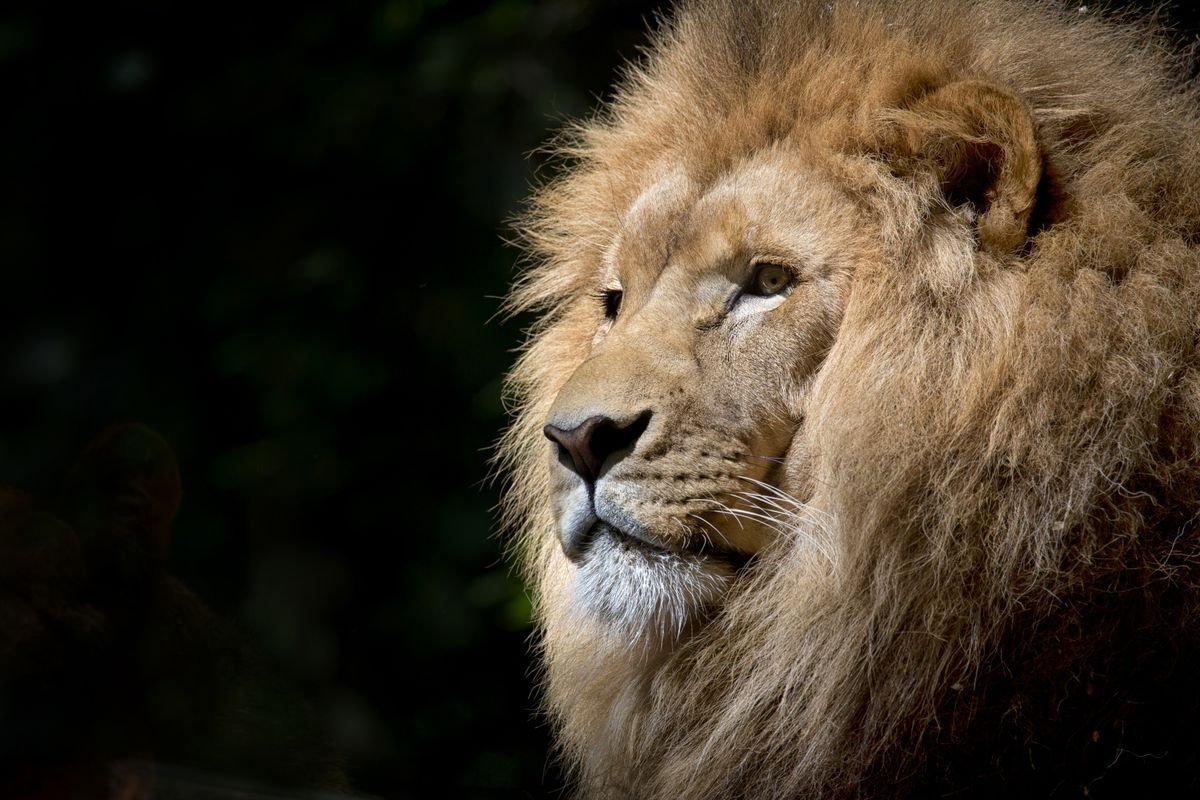
- Lions and leopards along the shoreline, especially where wildlife concentrates at water
- Prolific birdlife, from African fish eagles and kingfishers to seasonal carmine bee-eaters and skimmers
The sunset cruise is the moment most guests remember. As the light turns gold, animals move to the water in numbers and the flat river surface throws back a mirror of the sky. It is a photographer's setting, and the low angle of the tender boat puts your lens level with the subject.
How a river cruise compares to a land-based Chobe safari
A river cruise and a land safari are two different ways to read the same landscape, and each has clear strengths.
The river's advantages come down to access and quiet. Boats disturb animals far less than vehicles, so sightings tend to be calm and prolonged. You get eye-level angles, no dust, and a front-row seat for the birdlife that thrives along the wetland. For elephants, hippos and waterbirds, the boat is hard to beat.
A land safari earns its place too. Game drives cover far more ground, reach into the park interior away from the river, and give guides the mobility to track big cats and follow fresh sightings. If seeing lions on a kill or leopards in a tree sits at the top of your list, time in a vehicle raises your odds.
The practical takeaway is that the two formats complement each other. Several Chobe itineraries pair nights on the water with day drives into the national park, and that mix gives you both the calm intimacy of the river and the range of the land. If you are trying to decide how much of each to book, our team at Maximum Adventure Trails can balance the split based on whether you are chasing birds, elephants or predators.
Combining the Zambezi Queen with Victoria Falls and the Okavango
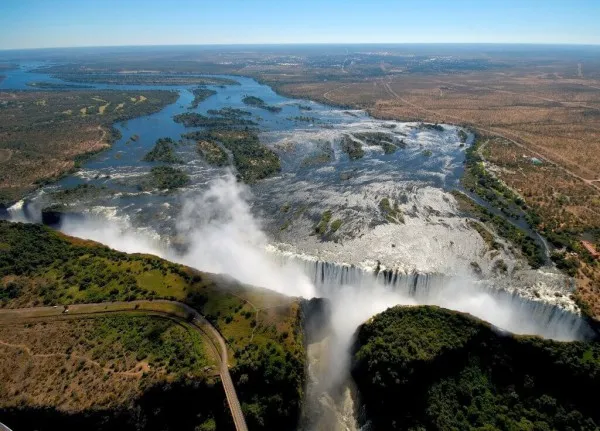
One of the strongest reasons to book a Chobe cruise is where it sits. Kasane, the gateway town, is roughly an hour by road from Victoria Falls, so many travelers spend a couple of nights at the falls before or after their time on the river. The falls stretch about 1,708 metres across at their widest, a scale documented by the UNESCO World Heritage listing for the site, and stand as a natural bookend to a wildlife-focused river trip.
To the west lies the Okavango Delta, one of the great wetlands on the continent and itself a UNESCO World Heritage Site inscribed as the organisation's thousandth listing. The delta's mokoro canoe trips and island camps offer a third, distinct rhythm of safari, and its proximity makes a Chobe-plus-delta loop a logical route through northern Botswana.
Putting all three together, Chobe by boat, Victoria Falls on foot and the Okavango by canoe, gives you water, wildlife and one of the world's great waterfalls in a single trip. If you want the full circuit planned end to end, our combined Chobe and Okavango safari guide shows how the pieces fit.
Booking tips and the best time for a river safari
Timing shapes the experience more than any other choice. The dry season, roughly July through October, is the standout window for a Chobe River cruise. As inland pans and waterholes dry out, wildlife has fewer places to drink, and the permanent river pulls animals in from a wide radius. That concentration is what produces the huge elephant gatherings the region is known for. October can be exceptional for density, though daytime heat climbs sharply before the rains break.
The green season from roughly November to March brings lush scenery, newborn animals and outstanding birdlife, with lower prices and fewer visitors. Sightings are more dispersed because water is everywhere, so it suits travelers who value landscape and value over sheer animal numbers.
A few practical pointers before you commit:
- Book well ahead for peak dry-season dates, since the small guest count means suites sell out early.
- Decide your priority early. If elephants and birds lead, weight your trip toward the river; if big cats matter most, add land drives.
- Build in at least two nights so you catch both a morning and a golden sunset cruise.
- Confirm what is included. On a genuine all-inclusive vessel, meals, drinks and game activities should be covered.
When you are ready to lock in dates and connect the cruise to the falls or the delta, Maximum Adventure Trails handles the bookings, transfers and border logistics so the trip runs as one seamless itinerary. Start by telling us your travel window and which of the three, river, falls or delta, you care about most, and we will build the route around it.
Frequently asked questions
What is the Zambezi Queen?
The Zambezi Queen is a luxury houseboat that cruises the Chobe River on the Botswana-Namibia border. Guests sleep in en-suite suites and view wildlife from the decks and small tender boats.
What is the best time for a Zambezi Queen Chobe River cruise?
The dry season from July to October is best. As inland water dries up, elephants and other wildlife crowd the riverbanks, giving the densest sightings of the year.
Is a Chobe River cruise better than a land safari?
Each has strengths. The river offers quiet, close, eye-level viewing and superb birdlife, while land drives are better for big cats and interior terrain. Many travelers combine both.
Can I add Victoria Falls or the Okavango Delta to a Chobe cruise?
Yes. Victoria Falls is about an hour's drive from Kasane, the gateway to Chobe, and the Okavango Delta lies to the west, so both pair naturally with a river cruise.