

11 — River & Water Experiences
Zambezi Fishing Safaris
A guided freshwater fishing experience on the Zambezi River, combining sport angling with the scenery and wildlife of one of Africa’s great river systems. In the Victoria Falls–Livingstone region, fishing is primarily associated with the Upper Zambezi River above Victoria Falls.
The River
What Is Zambezi Fishing?
Zambezi Fishing Safaris are recreational or sport-fishing excursions conducted from boats, with some trips also incorporating limited bank fishing where conditions and local arrangements allow.
On the Upper Zambezi near Victoria Falls, fishing commonly takes place around river channels, pools, slower edges, small rapids and other areas where fish are likely to hold. The exact fishing grounds depend on water levels, river conditions, the season and the target species.
The experience is not only about catching a fish. Time on the river also provides an opportunity to enjoy the changing landscape, river channels, islands, birdlife and, in some areas, wildlife along the riverbanks.
Wildlife sightings are incidental and cannot be guaranteed on a fishing trip.
Main Target
African Tigerfish
Hydrocynus vittatus is the signature sport fish associated with Zambezi fishing.
Why anglers target tigerfish
Tigerfish are freshwater predatory fish recognised by their silvery body, dark horizontal markings, forked tail and prominent, sharp teeth. They are powerful predators that feed heavily on other fish and are well known among anglers for their speed, strong runs and energetic fights when hooked.
River conditions matter
Tigerfish prefer warm, well-oxygenated water, and their behaviour changes with river conditions and prey availability. Angling sources therefore emphasise adapting the fishing method to water clarity, river level, temperature and seasonal conditions rather than expecting identical results throughout the year.
Other Fish Species
More Than Tigerfish
Although tigerfish are the principal target for many visiting anglers, the Zambezi supports a much wider fish community.
Nembwe / Yellow-belly Bream
Serranochromis robustus is a predatory cichlid found in the Upper Zambezi. It can be targeted using bait, lures or fly tackle and is commonly associated with structure such as roots and logs.
Humpback Bream
Serranochromis altus occurs in the Upper Zambezi, particularly around the edges of river channels where current speeds are lower. It may be targeted with larger lures or bait.
African Sharptooth Catfish / Barbel
Clarias gariepinus, commonly known as barbel or catfish, is another large freshwater species found in the river system. It can take various bait presentations and can provide a powerful fight on suitable tackle.
Upper Zambezi Yellowfish
Labeobarbus codringtonii prefers faster water with rocky bottoms and is a less frequent catch on some Victoria Falls day trips. Fly fishing is one method used to target this species.
These are examples rather than a guarantee of what will be caught on any individual trip. Actual catches vary according to location, season, water conditions, technique and fish activity.
Location
Where Zambezi Fishing Safaris Take Place
For visitors staying around Victoria Falls and Livingstone, the main fishing environment is the Upper Zambezi River above Victoria Falls.
Fishing trips operate from both the Zimbabwean and Zambian sides of the Victoria Falls region, depending on the operator and launch point. Zambia Tourism specifically lists fishing on the Upper Zambezi from Livingstone, while Victoria Falls fishing operators describe guided fishing in the Upper Zambezi around Victoria Falls.
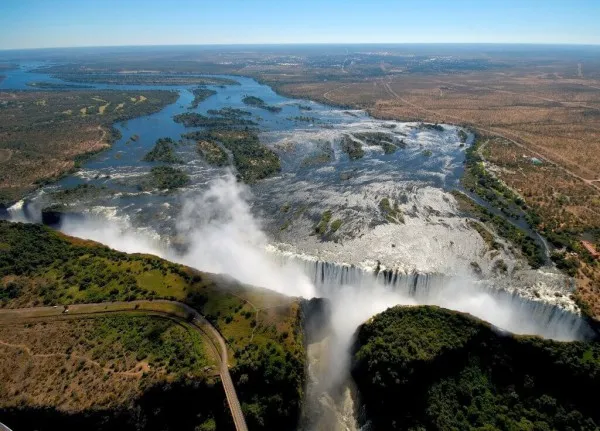
The fishing activity described around Victoria Falls takes place upstream of the Falls, in the river system before the water cascades over the waterfall.
On The Water
How a Zambezi Fishing Safari Works
Launch & briefing
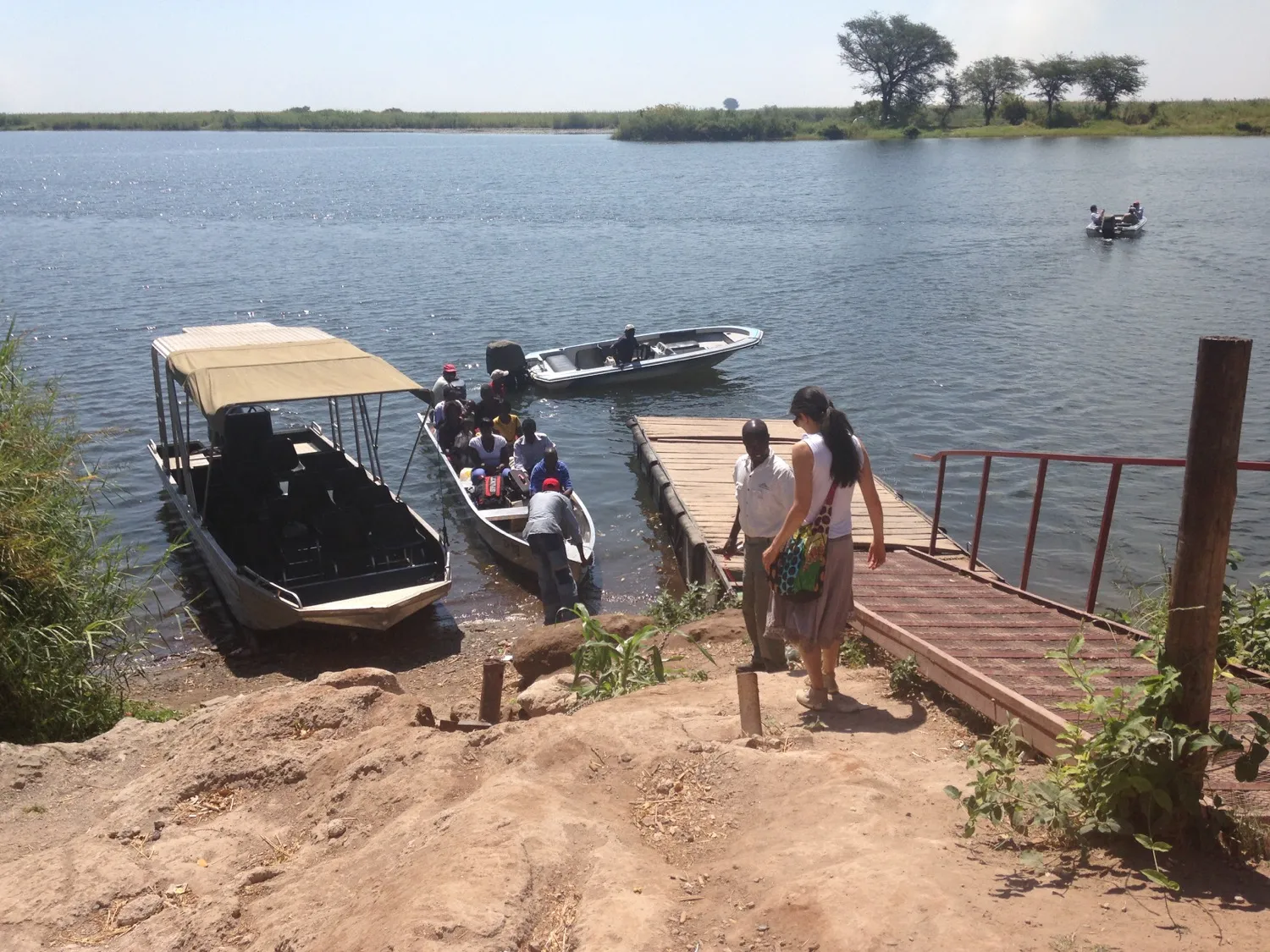
A typical guided fishing experience begins with reaching a designated launch point, followed by a safety briefing and boarding a fishing boat with a guide or skipper.
Selecting fishing areas
Once on the river, the guide selects fishing areas according to water conditions, likely fish-holding locations and the method being used.
Drifting and changing approach
On the Upper Zambezi, fishing is commonly conducted from small boats drifting with the river, allowing anglers to cover different channels and fishing areas.
Suitable banks or sandbanks
Depending on the trip and conditions, a boat may also stop at a suitable sandbank or riverbank for a break or additional fishing.
Adjusting the technique
The guide may change locations, lures, bait or fishing techniques during the outing.
River conditions can change
This flexibility is important because fish activity can change considerably with water clarity, river level, weather, temperature and prey movement.
Fishing Methods
Ways to Fish the Upper Zambezi
Spinning
Spinning uses artificial lures cast and retrieved through productive areas of the river. It is one of the established methods for targeting tigerfish, particularly when water conditions provide suitable visibility for predatory fish to chase a lure.
Trolling
Trolling involves presenting a lure behind a moving boat. It is another established technique used for tigerfish and can be useful when covering water and searching for active fish. Its effectiveness varies according to season and river conditions.
Bait Fishing
Bait fishing is used throughout the year on parts of the Upper Zambezi, with the specific presentation changing according to water conditions. During periods of lower visibility, bait can be particularly useful because predatory fish may rely more heavily on their other senses when tracking prey.
Fly Fishing
Fly fishing is an important part of Zambezi sport fishing and can be used to target tigerfish and selected other species. The technique requires appropriate tackle and casting skills, although some guided operations also cater for beginners who want to experience fishing on the river.
Seasonality
Best Time for Zambezi Fishing
Zambezi fishing is not restricted to one single month, and tigerfish can be caught throughout the year in the Upper Zambezi. What changes is the effectiveness of particular methods as river conditions change.
Specialist Upper Zambezi fishing guidance identifies approximately May to October as a particularly productive period for fly and lure fishing because clearer water can allow predatory fish to see and chase artificial presentations more effectively.
The same guidance notes that bait fishing remains useful year-round and that fishing strategies need to change during periods of higher, more turbid water.
Zambia Tourism has also highlighted June to August as a strong period for Upper Zambezi tiger fishing, particularly for fly fishing and spinning.
The exact quality of fishing can vary from year to year because river levels, weather, water clarity, temperature and fish behaviour are not completely predictable.
It is therefore more accurate to describe Zambezi fishing as a year-round activity with seasonal variations in conditions and preferred techniques, rather than claiming that there is only one fixed fishing season.
Trip Duration
Morning, Afternoon & Full-Day Fishing
Fishing trips around Victoria Falls are commonly offered in different durations, including short excursions, half-day trips and full-day outings, although the exact schedule depends on the individual operator and itinerary.
Early river time
Morning departures can provide cooler conditions and an early start on the river.
Later-day fishing
Afternoon trips can extend into the later part of the day. The most appropriate departure time depends on the season, weather, fishing plan and operator arrangements.
More time on the river
A full-day trip generally gives anglers more time to move between different fishing areas, adapt techniques and spend longer on the river.
Experience Level
Is Previous Fishing Experience Required?
Zambezi Fishing Safaris can be suitable for both experienced anglers and first-time fishermen. Some established Victoria Falls operators specifically state that no previous fishing experience is necessary and provide guides and conventional fishing equipment for guests.
Experienced anglers may choose to focus on specific species or techniques such as tigerfish spinning or fly fishing, while beginners can receive guidance on casting, lure or bait presentation, handling the tackle and working with the guide.
For specialist fly-fishing trips, guests may need to bring or arrange appropriate fly-fishing equipment depending on the operator. Equipment policies vary and should therefore be confirmed before departure.
Equipment
What Equipment Is Used?
Depending on the trip and fishing method, equipment may include:
- Fishing rods and reels
- Conventional tackle
- Artificial lures
- Hooks and terminal tackle
- Bait
- Fly-fishing tackle where applicable
- Landing and fish-handling equipment
- Safety equipment carried aboard the boat
Many guided operators provide basic or conventional fishing tackle, but equipment inclusions differ between companies and trip types. Serious fly anglers may prefer to use their own specialised fly rods and tackle.
Responsible Fishing
Catch & Release
Catch-and-release fishing is widely practised by specialist sport-fishing operators on the Zambezi, particularly for tigerfish. Several Victoria Falls and Zambezi fishing operations explicitly operate on a catch-and-release basis as part of their approach to protecting the fishery.
A responsible fishing experience should follow all applicable local regulations and the policy of the operator conducting the trip. Fish should be handled carefully and returned to the water as quickly and safely as practical when catch-and-release applies.
Because fishing regulations can differ according to country, river section, protected area and current management measures, guests should follow the instructions of the licensed operator and relevant authorities rather than assuming that the same rules apply everywhere. Zambia’s Fisheries Act allows the authorities to establish closed seasons, prohibited areas, gear restrictions and catch limitations.
Permits & Regulations
Fishing Permits and Local Regulations
Regulated waters
In Zimbabwe, the Parks and Wildlife Act provides for fishing permits in regulated waters unless the relevant waters are specifically exempted.
Fisheries management
In Zambia, the Fisheries Act provides the legal framework for fisheries management, including recreational fishing, licences, closed seasons, prohibited areas, fishing methods and gear restrictions.
Fishing on the Zambezi is regulated, and the exact permit and entry requirements depend on where the trip takes place. Arrange the trip through an established operator and confirm which fishing licence, river-use permission, park fee or other permit is required for the particular launch site. Requirements and fees may change, so fixed permit prices should not be published as permanent information unless they have been verified for the current season.
Beyond Fishing
Wildlife & Birdlife Along the River
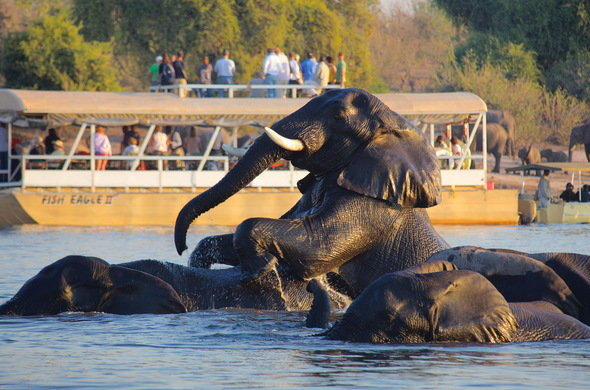
A Zambezi Fishing Safari can also provide opportunities to observe the natural environment surrounding the river. Depending on the location, travellers may encounter birdlife and wildlife along the riverbanks while concentrating on fishing.
Victoria Falls and Zambezi National Park are known for diverse wildlife and birdlife, and the Zambezi River itself supports a rich aquatic ecosystem.
Wildlife viewing should be considered an additional possibility rather than the primary purpose of the fishing excursion, and sightings cannot be guaranteed.
On-River Safety
Safety on a Zambezi Fishing Safari
Fishing takes place on a natural river environment where water levels, currents, weather and river conditions can change. Guests should follow the guide’s instructions at all times.
- Wear secure, non-slip footwear.
- Use sun protection and bring a hat.
- Wear lightweight, comfortable clothing suitable for warm conditions.
- Bring a warmer layer for cooler early mornings or late afternoons.
- Keep fishing hooks, lures and other sharp equipment under control.
- Allow experienced guides to assist with handling larger or tooth-bearing fish such as tigerfish.
- Remain in the boat or designated safe areas unless the guide specifically indicates that a shore stop is appropriate.
- Do not enter the river or approach wildlife independently.
Established fishing operators specifically recommend items such as sun protection, light clothing, non-slip shoes and a warmer layer for early morning or evening conditions, while guides provide safety briefings before trips.
Packing Guide
What to Bring
Hat or cap
Useful for time spent outdoors on the river.
Sunscreen
Bring sun protection suitable for outdoor use.
Light, breathable clothing
Suitable for warm conditions on the river.
Non-slip shoes or sandals
Suitable for use on a boat.
Light warm layer
For early mornings or late afternoons.
Camera or phone
For photography during the experience.
Personal medication
Bring personal medication and essential travel items.
Some operators provide refreshments and fishing equipment, but what is included varies by trip. It is therefore advisable to confirm inclusions before departure.
Who Can Enjoy It?
A Fishing Experience for Different Types of Anglers
Learn on the river
Guests who want to learn freshwater fishing in an African river environment.
Target sport fish
Anglers looking to target tigerfish and other sport fish.
Specialist techniques
Anglers interested in pursuing tigerfish with specialist fly-fishing techniques.
Guided outdoor time
Those looking for a guided outdoor experience, subject to operator age and safety policies.
River atmosphere
Travellers who want to combine fishing with the scenery and atmosphere of the Upper Zambezi.
The exact suitability for children, group sizes and specific fishing methods depends on the operator, boat and trip arrangement.
The Character of the Experience
What Makes Zambezi Fishing Different?
The character of Zambezi fishing comes from the combination of sport angling, changing river conditions and a wild river environment.
Rather than fishing from a fixed platform, anglers can move through different channels and productive areas while adapting techniques to what the river is doing on that particular day.
For many anglers, the tigerfish is the main attraction because it combines predatory behaviour, speed and strong fighting characteristics.
The possibility of encountering species such as nembwe, bream, catfish and yellowfish adds variety to the fishing experience.
Important Expectations
No Guaranteed Catch
A Zambezi Fishing Safari offers an opportunity to fish in a renowned freshwater environment, but no responsible operator can guarantee a particular species, number of fish or trophy catch on every trip.
Water level
River level influences where fish may hold and how fishing methods perform.
Water clarity
Visibility can affect predator behaviour and lure presentation.
Water temperature
Temperature is one of the natural conditions affecting fish behaviour.
Weather
Weather can influence river conditions and the fishing experience.
Season
Seasonal conditions influence preferred methods and fish activity.
Fish activity
Natural fish activity is not identical from one trip to another.
Baitfish movement
Prey movement can influence where predators feed.
Fishing method
Different methods suit different river conditions and situations.
Angler experience
Experience can affect casting, tackle handling and technique.
Specialist Zambezi fishing guidance explicitly notes that conditions can sometimes result in fewer fish being caught and that guides may need to adapt methods during the trip.
The most accurate promise is therefore an authentic guided opportunity to fish the Zambezi, not a guaranteed catch.
Professional Website Description
Experience the Zambezi From the Water
Experience the thrill of freshwater fishing on the mighty Zambezi River.
A Zambezi Fishing Safari offers travellers the chance to explore the Upper Zambezi by boat while targeting one of Africa’s most sought-after freshwater game fish, the African Tigerfish (Hydrocynus vittatus). Around Victoria Falls and Livingstone, guided fishing takes place upstream of the Falls in a river environment of channels, pools, currents and changing water conditions.
Tigerfish are the main target for many anglers and can be pursued using a range of methods including spinning, trolling, bait fishing and fly fishing. Depending on the fishing area and conditions, other species such as nembwe, bream, catfish and Upper Zambezi yellowfish may also be encountered.
Fishing can be enjoyed by both beginners and experienced anglers, with professional guides helping guests with equipment, technique, fishing locations and river safety. Trips are generally conducted from small boats, allowing anglers to cover different sections of the river and adjust their approach according to water clarity, river level, weather and fish behaviour.
The Upper Zambezi can be fished throughout the year, although different fishing methods may perform better at different times.
Specialist fishing guidance identifies the clearer-water months as particularly suitable for lure and fly fishing, while bait fishing remains an option throughout the year. Exact conditions vary from season to season, so the best approach is to adapt the fishing method to the river on the day.
Alongside the fishing, guests may enjoy beautiful river scenery and opportunities to observe birdlife and wildlife along the banks. These sightings are an added part of the experience and are naturally subject to location and chance.
Responsible fishing is an important part of protecting the Zambezi fishery. Many specialist operators in the Victoria Falls and Zambezi region use catch-and-release practices, while all fishing activities must comply with the applicable rules, permits and conservation requirements of the country and river section in which the activity takes place.
Frequently Asked Questions
Zambezi Fishing Safaris — FAQs
Where does fishing take place around Victoria Falls?
For visitors staying around Victoria Falls and Livingstone, the main fishing environment is the Upper Zambezi River above Victoria Falls. Trips operate from both the Zimbabwean and Zambian sides depending on the operator and launch point.
What fish can I target?
Tigerfish are the principal target for many visiting anglers. Depending on the specific fishing area and conditions, anglers may also encounter nembwe or yellow-belly bream, humpback bream, African sharptooth catfish or barbel, and Upper Zambezi yellowfish.
Can beginners go fishing on the Zambezi?
Yes. The activity can be suitable for both experienced anglers and first-time fishermen. Some established Victoria Falls operators state that no previous fishing experience is necessary and provide guides and conventional fishing equipment.
What fishing methods are used?
Depending on the location, season and angler, methods include spinning, trolling, bait fishing and fly fishing.
What is the best time of year?
Fishing is a year-round activity with seasonal variations. Specialist Upper Zambezi guidance identifies approximately May to October as particularly productive for fly and lure fishing, while Zambia Tourism has highlighted June to August as a strong period for tiger fishing, particularly for fly fishing and spinning. Conditions vary from year to year.
Is catch-and-release practised?
Catch-and-release is widely practised by specialist sport-fishing operators on the Zambezi, particularly for tigerfish. Guests should follow the policy of the operator and all applicable local regulations.
Do I need a fishing permit?
The exact permit and entry requirements depend on where the trip takes place. Confirm with the established operator which fishing licence, river-use permission, park fee or other permit is required for the particular launch site.
Will I be guaranteed to catch a tigerfish?
No responsible operator can guarantee a particular species, number of fish or trophy catch on every trip. Success depends on water level, clarity, temperature, weather, season, fish activity, baitfish movement, fishing method and angler experience.
Can I see wildlife during a fishing safari?
You may have opportunities to observe birdlife and wildlife along the riverbanks, depending on the location. Wildlife viewing is an additional possibility rather than the primary purpose of the excursion, and sightings cannot be guaranteed.
What should I bring?
Generally bring a hat or cap, sunscreen, light breathable clothing, non-slip shoes or sandals suitable for a boat, a light warm layer for early mornings or late afternoons, a camera or phone, and personal medication and essential travel items. Confirm equipment and refreshments with the operator because inclusions vary.
Plan Your Zambezi Fishing Experience.
Tell us where you are travelling, when you are planning to go and what kind of fishing experience you want. We can then confirm the activity options that fit your itinerary.
Start Your Enquiry →