
09 — River & Water Experiences
River Cruises
A River Cruise is a guided wildlife and nature experience conducted on a navigable river, allowing travellers to explore the landscape from the water rather than from a safari vehicle or on foot. In Southern Africa, river cruises can provide a different perspective of wildlife, riverine habitats, islands, floodplains, forests and birdlife, particularly along suitable stretches of the Zambezi River and Chobe River. The experience can range from a relaxed daytime wildlife cruise to a morning or evening outing, depending on the destination, operator and local conditions.
River & Water Experiences
River Cruises
A river cruise is generally conducted on calmer, navigable sections of a river rather than in areas with dangerous rapids or other unsuitable conditions. The route, vessel, duration and activities can therefore vary from one destination to another. Guests should always follow the instructions of the professional skipper or guide and the operating company.
Wildlife and outdoor experiences are shaped by nature. Routes, timing, sightings and access can change with season, weather, water levels, park rules and local operating conditions.
What Is a River Cruise?
A River Cruise is an opportunity to experience the African wilderness from a boat while travelling along a river system and observing the surrounding environment at a relaxed pace.
Unlike a conventional game drive, where guests move through the bush in a safari vehicle, a river cruise provides a water-level perspective. This can make it easier to observe animals that spend significant time around rivers and waterholes, while also creating opportunities to observe aquatic habitats and birdlife.
On suitable sections of the Zambezi and Chobe Rivers, guests may travel along the main river channel, around islands, beside riverbanks or through other navigable waterways, depending on the particular itinerary and conditions. In places such as Chobe National Park, the river is an important wildlife concentration area, especially during the dry season, while the Zambezi supports a wide variety of wildlife and bird species along its calmer stretches.
The emphasis is not simply on reaching a particular destination. A river cruise is also about slowing down, observing the environment and experiencing the relationship between wildlife and water.
River Cruises in Southern Africa
For a safari company operating across Zambia, Zimbabwe, Botswana and Namibia, river cruising can form an important part of a wider safari itinerary.
Zambia
The Zambezi River is one of Zambia's most important natural features and supports a wide range of wildlife and birdlife. Zambia's tourism information identifies hippos, Nile crocodiles and monitor lizards as common along many calmer stretches, while riverine habitats can support species such as elephants, buffalo, zebra and giraffe. Birdlife includes herons, pelicans, egrets and African fish eagles.
River-based experiences are also associated with destinations such as the Lower Zambezi, where waterways, islands and riverine habitats provide opportunities to observe wildlife from the water. Zambia Tourism describes the Lower Zambezi as a river landscape with open floodplains, islands and abundant game and birdlife, while river-based activities include boating, canoeing and fishing.
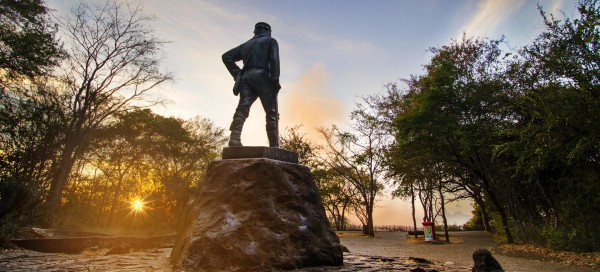
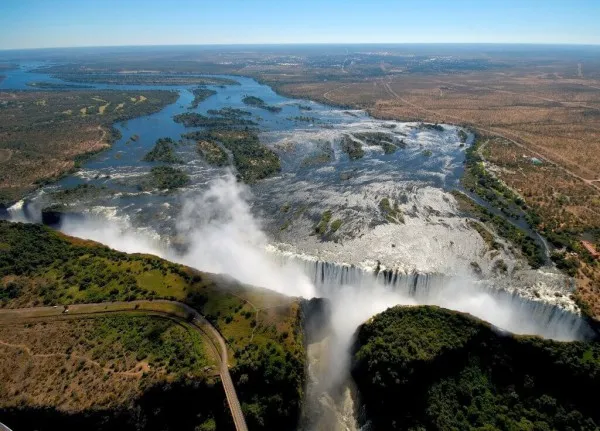
Around the Victoria Falls area, cruises operate on appropriate navigable stretches of the Zambezi upstream of the falls. These are separate from activities involving the rapids below Victoria Falls.
Zimbabwe
In Zimbabwe, the Zambezi River is closely associated with the Victoria Falls region and with the wilderness areas of the Zambezi Valley and Mana Pools National Park.
Mana Pools lies along the northern side of Zimbabwe beside the Zambezi River. Zimbabwe Parks and Wildlife Management Authority states that the park contains permanent pools with hippos and crocodiles and attracts large numbers of elephants and aquatic birds. The wider area is also home to major wildlife species including lion, elephant, buffalo and leopard.
However, river access and boating conditions in protected areas such as Mana Pools are subject to park regulations, seasonal conditions and management restrictions. Zimbabwe's Mana Pools management plan specifically notes that boating rules can differ according to season and location. This is why river activities should always be arranged through authorised operators and according to current park regulations.
Victoria Falls also has a well-established selection of Zambezi River cruises, including daytime, sunrise, sunset and dinner-oriented cruises, depending on the operator.
Botswana
In Botswana, one of the most important river-cruise environments is the Chobe River in and around Chobe National Park.
The Botswana Tourism Organisation describes the Chobe River as a major source of water for wildlife and notes that the Chobe Riverfront is particularly known for large concentrations of elephants and Cape buffalo during the dry winter months. River cruises provide a different viewpoint for observing wildlife, with opportunities to see hippos, crocodiles and large numbers of water birds.
Boat cruises are a recognised activity in the Chobe area, and Kasane provides access to both land- and water-based safari experiences.
Namibia
Namibia's Zambezi Region is part of a wider riverine landscape connected to the Zambezi, Chobe, Kwando and Okavango systems. Namibia's tourism authority describes the Four Rivers Route as a landscape of rivers, wetlands, wildlife, birds and communities extending through the Zambezi and Kavango regions.
River-based tourism in this part of Namibia can include boat experiences on suitable waterways, with wildlife viewing, birdwatching, photography and exploration of the river environment. The regional ecosystem forms part of the wider Kavango-Zambezi Transfrontier Conservation Area (KAZA), which links Angola, Botswana, Namibia, Zambia and Zimbabwe.
The exact river used, departure point and itinerary should always be confirmed for the selected Namibian destination because not every river or section is suitable for the same type of cruise.
What Can You See on a River Cruise?
Wildlife sightings depend on the location, season, water conditions, time of day and natural animal movements. No responsible safari operator should guarantee that guests will see a particular species.
Depending on the destination, possible sightings from the water can include:
Elephants
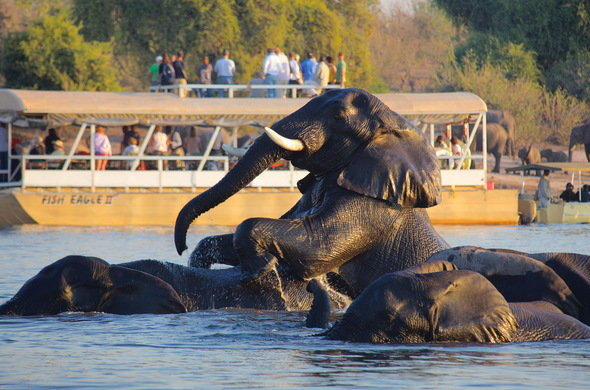
Elephants are among the most notable animals associated with river environments in northern Botswana and along parts of the Zambezi. In Chobe, large elephant herds regularly come to the river to drink, especially during the dry season.
Observing elephants from a boat can offer an unobstructed view of animals approaching the water, drinking, bathing or moving along the riverbank, while the boat remains on the waterway and follows local wildlife-viewing rules.
Hippopotamus
Hippos are strongly associated with permanent water and are regularly encountered in suitable Zambezi and Chobe environments. Zambia Tourism identifies hippos as common along many calmer stretches of the Zambezi, while Zimbabwe's Mana Pools National Park contains permanent pools with substantial hippo populations.
Nile Crocodiles
Crocodiles are another important part of the river ecosystem. They may be seen resting along sandy banks, muddy edges or other suitable locations beside the river. Zambia Tourism specifically identifies Nile crocodiles as common along many calm stretches of the Zambezi.
Buffalo and Other Wildlife
Depending on the destination, river cruises may provide opportunities to observe buffalo, water-dependent antelope, elephants and other wildlife using the river as a source of water.
In Chobe National Park, species recorded around the river environment include waterbuck, lechwe, puku, giraffe, kudu, roan, sable, impala, warthog, bushbuck, monkeys and baboons, together with predators such as lion, leopard, hyena and jackal.
Birds
Birdwatching is one of the most rewarding aspects of a river cruise.
Water and riverine environments create excellent opportunities to observe species associated with wetlands, riverbanks and aquatic habitats. Depending on the destination, guests may encounter African fish eagles, herons, egrets, pelicans, kingfishers, cormorants, darters, ibis, storks, bee-eaters and other water-associated birds.
Chobe National Park alone has recorded more than 460 bird species, making the river environment particularly significant for bird-focused safari experiences.
Why Experience a River Cruise?
A river cruise offers a combination of wildlife viewing, scenery and tranquillity that is different from a traditional land safari.
A Different Perspective
The river provides a completely different viewpoint from a safari vehicle. Instead of travelling through woodland, grassland or open plains, guests observe wildlife from the water and see the riverbanks from a lower, more natural perspective.
Relaxed Wildlife Viewing
Many river cruises move at a relatively gentle pace, allowing guests time to watch wildlife behaviour, photograph the landscape and observe birds without continuously travelling between sightings.
Excellent Photography Opportunities
Water, wildlife, reflections, open skies and changing light can create strong photographic compositions. The open surroundings of many river systems can also provide clearer views than densely vegetated areas on land.
Photography should always be carried out responsibly, without encouraging a vessel to approach wildlife inappropriately or disturbing animals for a better photograph.
Birdwatching
River cruises can be particularly valuable for birdwatchers because waterways attract aquatic, shoreline and riverine species. The boat can provide access to viewing angles that may be difficult to achieve from a road or vehicle.
Landscape and Wilderness
A river is not simply a route through a safari destination. It is part of the ecosystem itself. From river islands and sandbanks to woodland, floodplains and wetlands, the surroundings can be an important part of the experience.
What Happens During a Typical River Cruise?
The exact programme depends on the destination and operator, but a typical experience may include:
Departure: Guests meet at the agreed departure point and receive a safety briefing.
Boarding: The group boards a suitable river vessel operated by a trained skipper or guide.
Orientation: The guide introduces the river environment, local wildlife and the planned route.
Cruising: The boat travels along an appropriate navigable section of the river at a controlled speed.
Wildlife Viewing: The guide looks for animals along the banks, islands and water's edge.
Birdwatching: Guests can observe and photograph birds associated with the river system.
Nature Interpretation: Depending on the guide and itinerary, information may be provided about animal behaviour, vegetation, river ecology, geology, local communities and conservation.
Return: The vessel returns to the agreed landing point after the scheduled cruise period.
Not every cruise includes refreshments, meals, fishing, transfers or specialised photography equipment. These inclusions vary by itinerary and should be confirmed when booking.
Best Time for a River Cruise
There is no single universally "best" season for every river cruise because river levels, wildlife behaviour, weather and local operating conditions differ between destinations.
In Chobe, Botswana Tourism notes that the dry winter months are particularly important because large numbers of elephants and Cape buffalo concentrate around the river to drink.
On the Zambezi, conditions vary substantially between different sections of the river. Water levels, currents, rainfall and local operating conditions can affect which waterways are accessible and which activities are available.
For this reason, the best time for a particular river cruise should be considered in relation to the specific destination, season and type of experience, rather than applying one rule to every river.
Who Can Enjoy a River Cruise?
River Cruises can appeal to a wide range of travellers, including:
Wildlife enthusiasts who want to observe animals from a different perspective.
Birdwatchers looking for species associated with wetlands and riverbanks.
Photographers who value natural light, open scenery, reflections and wildlife behaviour.
Couples and families looking for a quieter nature experience.
Safari travellers combining water activities with game drives, walking safaris or other excursions.
Nature lovers who want to experience the river ecosystem without the physical demands of a walking activity.
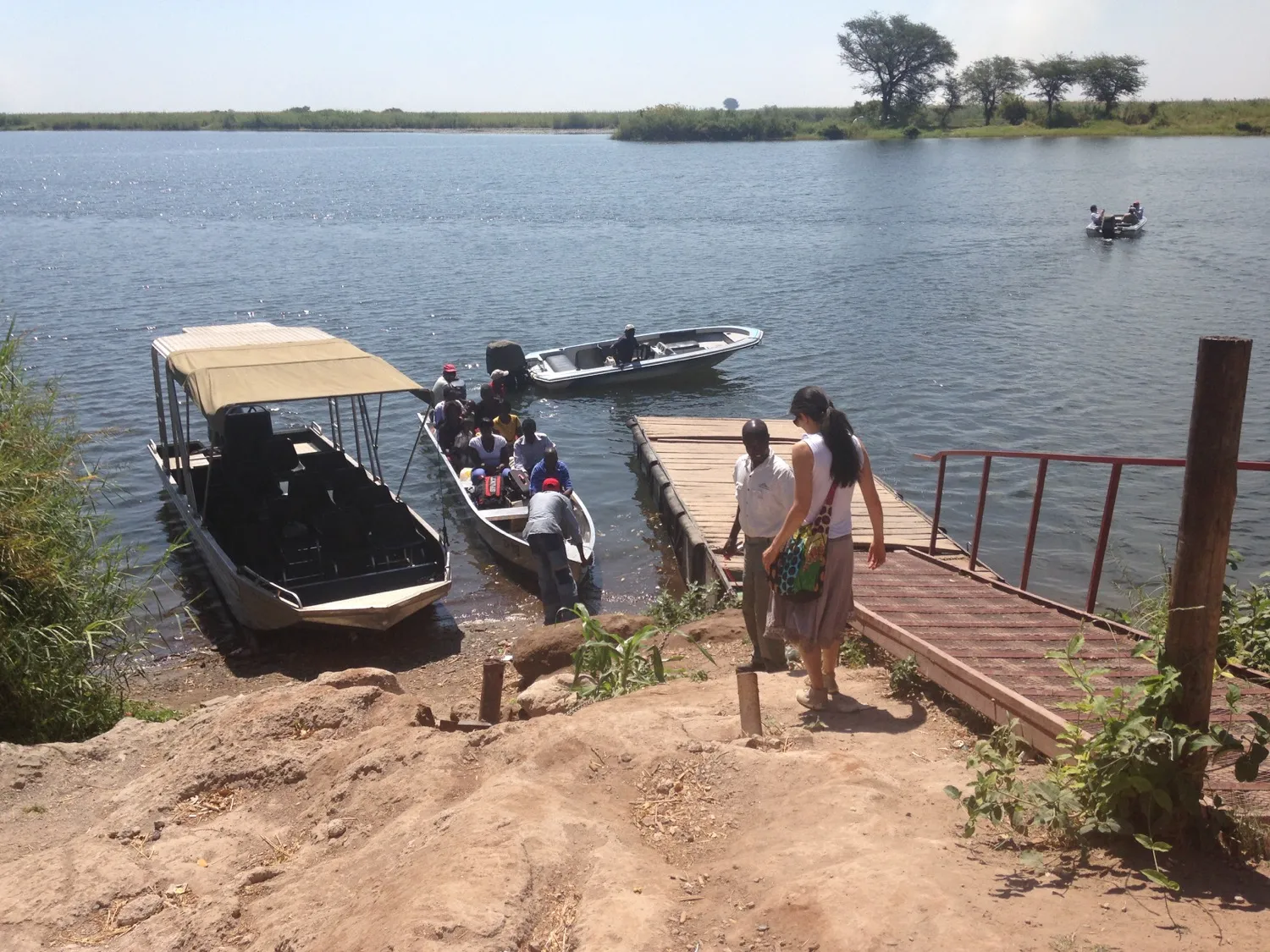
The physical requirements can vary according to the boat, boarding point, duration and local conditions. Travellers with mobility considerations should confirm accessibility arrangements with the operator before booking.
What Should You Bring?
For a comfortable river cruise, travellers should generally consider bringing:
- Lightweight, comfortable clothing
- A hat or cap
- Sunglasses
- Sunscreen
- Insect repellent
- Binoculars
- A camera or smartphone
- Extra batteries or a power bank
- A light jacket or warm layer for cooler mornings or evenings
- A refillable water bottle where permitted
- Closed or secure footwear appropriate for boarding and the day's conditions
Waterproof protection for cameras, phones and other electronics can also be useful because spray, splashing and sudden weather changes are possible on the water.
Safety on a River Cruise
Safety is an essential part of every river-based experience.
Guests should always listen carefully to the skipper or guide and follow all safety instructions. The correct life-saving equipment should be available on the vessel, and passengers should remain seated or positioned as instructed while the boat is moving.
Wild animals must never be approached, fed, touched or deliberately disturbed. This is especially important around hippos and crocodiles, which are wild and potentially dangerous animals even when they appear calm.
River conditions can change. Water levels, currents, wind, storms and local navigation conditions may affect the route or timing of a cruise. A responsible operator may therefore change, shorten or postpone an activity when conditions are unsuitable.
Rules may also differ between national parks, conservancies, protected areas and cross-border locations, so visitors should follow the current regulations of the relevant authority and operator.
Responsible River Cruising
River tourism should be conducted with respect for wildlife, local communities and the environment.
A responsible river cruise should aim to:
- Maintain an appropriate distance from wildlife
- Avoid unnecessary disturbance or chasing of animals
- Prevent litter from entering the river
- Respect fishing and wildlife regulations
- Follow protected-area rules
- Respect local communities and cultural sites
- Operate in accordance with local environmental requirements
- Encourage visitors to observe rather than interfere with wildlife
River systems are also important ecological corridors. Within the wider KAZA landscape, the Zambezi, Okavango and Kwando rivers are described as critical sources of water and habitat for people and wildlife.
River Cruise vs Boat Safari
The terms River Cruise and Boat Safari are sometimes used interchangeably, but they can describe somewhat different experiences.
A River Cruise generally places greater emphasis on enjoying the river environment, scenery, wildlife and birdlife from a boat. It may be relaxed and scenic, although wildlife viewing can still be an important component.
A Boat Safari generally places stronger emphasis on wildlife observation and safari interpretation from the water, particularly in areas where animals regularly gather along the river.
In practice, the distinction depends on the destination and operator, and the terminology is not used identically by every tourism company.
River Cruise vs Sunset Cruise
A Sunset Cruise is a specific type of river cruise scheduled around the late afternoon and sunset period.
A general River Cruise does not necessarily take place at sunset. It may operate in the morning, during the day, later in the afternoon or at another suitable time depending on the itinerary.
Therefore, a sunset cruise can be considered a specialised form of river-based experience, while River Cruises as a category can include a wider range of timings and purposes.
In Victoria Falls, for example, operators offer sunrise, sunset and dinner cruises on the Zambezi, demonstrating that several distinct cruise formats can exist within the same river environment.
River Cruise vs Canoe Safari
A River Cruise normally uses a motorised or powered vessel designed to carry guests comfortably while a skipper or guide controls the boat.
A Canoe Safari, by contrast, is generally a more active and intimate experience in which participants travel in a canoe or kayak, often with a guide. Zambia Tourism describes canoeing on the Lower Zambezi as an experience involving two-person canoes and river channels between islands.
Because the equipment, movement and level of activity are different, the two experiences should not be presented as identical.
Photography on a River Cruise
River environments can be particularly rewarding for wildlife and landscape photography.
The combination of open water, vegetation, wildlife, birds, reflections and changing light can create a wide variety of photographic opportunities. Early morning and late afternoon conditions can produce softer light, but photographic opportunities are possible throughout the day.
Travellers using professional cameras should consider carrying:
- A telephoto lens for distant wildlife
- A standard or mid-range lens for landscapes
- Extra batteries and memory cards
- A dry bag or protective cover
- Lens-cleaning equipment
- Binoculars for locating distant wildlife
The most important principle is to allow the guide to prioritise safe and responsible wildlife viewing over photography.
River Cruises and Wildlife Behaviour
One of the most valuable aspects of a river cruise is the opportunity to observe natural behaviour rather than simply collect wildlife sightings.
Depending on the destination and season, guests may observe animals:
- Drinking from the river
- Bathing or cooling themselves
- Crossing channels
- Feeding along riverbanks
- Resting near the water
- Moving between islands and mainland areas
- Interacting with members of their own species
Wildlife behaviour is unpredictable. A sighting can last only a few seconds or continue for much longer, and some cruises may encounter abundant wildlife while others may produce fewer sightings. This natural uncertainty is part of a genuine safari experience.
Questions
Frequently Asked Questions
Is a River Cruise a Safari?
A River Cruise can be part of a safari itinerary and can include wildlife viewing, but not every river cruise is designed primarily as a traditional game-viewing safari. Some are more focused on scenery, birdlife and experiencing the river itself.
Will I definitely see elephants, hippos or crocodiles?
No. Wildlife sightings are never guaranteed. The likelihood of seeing particular species depends on the destination, season, time of day, water conditions and natural animal movements.
Can children join a River Cruise?
Children may be permitted on many cruises, but age requirements and safety rules vary between operators and destinations. Parents should check the specific conditions of the selected cruise before booking.
Is a River Cruise physically demanding?
Many conventional river cruises are relatively relaxed because guests remain seated for much of the experience. However, boarding and leaving the vessel can require some physical movement, and conditions differ between boats and departure points.
What time of day is best?
The most suitable time depends on the destination and the purpose of the cruise. Morning can provide cooler conditions and active wildlife, while late afternoon can offer changing light and scenic conditions. There is no single best time for every river.
Is a River Cruise safe?
River cruises can be conducted safely when operated by qualified personnel using suitable vessels and appropriate safety procedures. Guests must follow all instructions, remain in designated areas and respect wildlife and river conditions.
Can I take photographs during the cruise?
Yes, photography is one of the popular benefits of river-based safari experiences. Guests should use equipment responsibly and never encourage the vessel to approach or disturb wildlife simply to obtain a closer photograph.
Are refreshments included?
This depends entirely on the selected itinerary. Some cruises may include water, snacks or other refreshments, while others may not. Exact inclusions should always be confirmed at the time of booking.
Does a River Cruise operate in all weather conditions?
Not necessarily. Weather, water levels, wind, visibility and other local conditions can affect boating operations. The operator may alter the route or schedule when conditions are considered unsuitable.
Can a River Cruise be combined with other safari activities?
Yes. Depending on the destination, a river cruise can be combined with game drives, walking safaris, birdwatching, fishing, cultural experiences, photographic activities and other excursions to create a broader safari itinerary.
Experience Africa from the Water
A River Cruise offers a quieter and highly immersive way to experience Southern Africa's river landscapes. Along suitable stretches of the Zambezi and Chobe Rivers, travellers can observe wildlife, birds and riverine scenery from a completely different perspective.
From the wildlife-rich waters of Chobe National Park to the Zambezi landscapes of Zambia and Zimbabwe, and the interconnected river systems of Namibia's Zambezi Region, the experience can add an important water-based dimension to a safari itinerary.
Most importantly, a genuine River Cruise is not only about what you may see. It is about experiencing the river itself—the movement of the water, the changing landscape, the sounds of nature, the birdlife along the banks and the animals that depend on these waterways.
Experience the African wilderness from a different perspective. Join a River Cruise and discover the wildlife, landscapes and waterways that make Southern Africa so remarkable.
Start Your Enquiry →